Meliponini: taxon details and analytics
- Domain
- Kingdom
- Animalia
- Phylum
- Arthropoda
- Class
- Insecta
- Order
- Hymenoptera
- Family
- Apidae
- Genus
- Species
- Scientific Name
- Meliponini
Summary description from Wikipedia:
Stingless bee
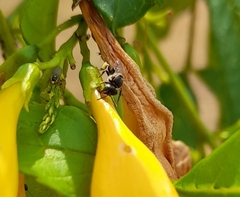
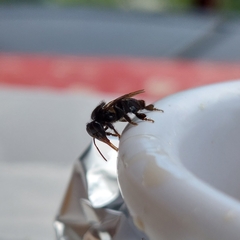
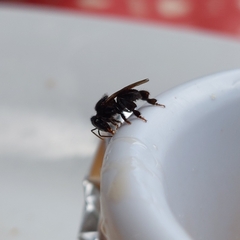
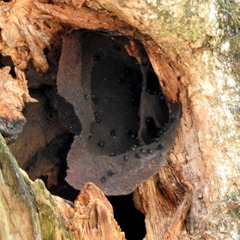
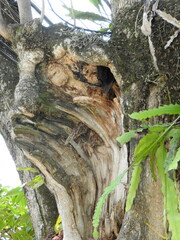
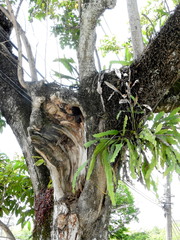
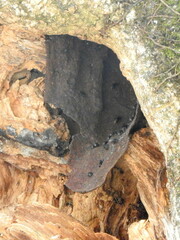
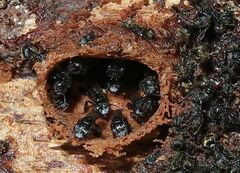
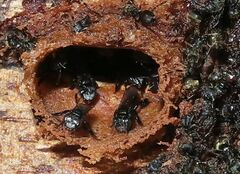
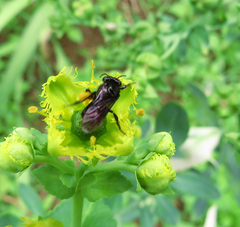
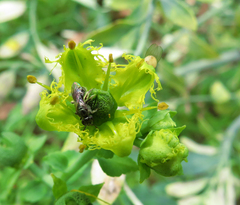
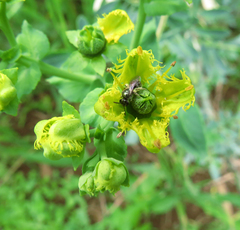
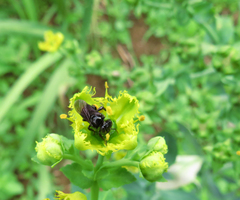
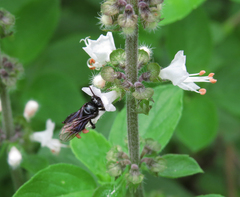
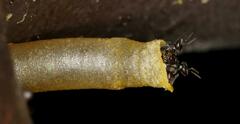
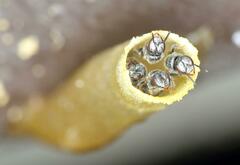
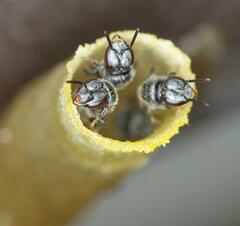
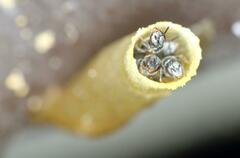
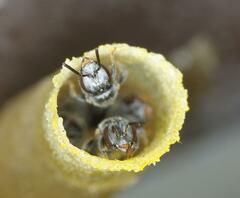
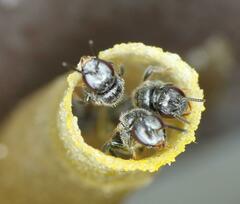
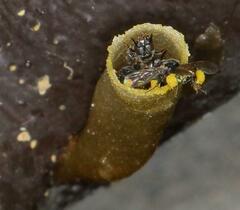
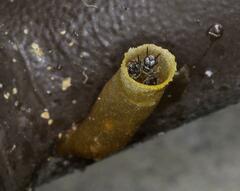
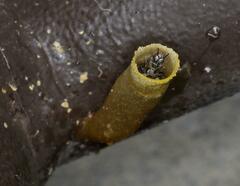
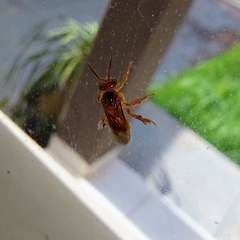
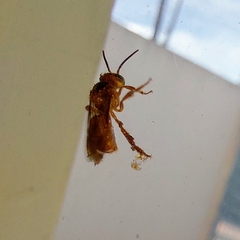
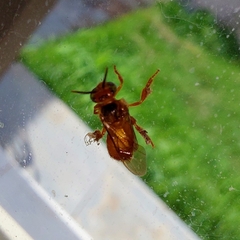
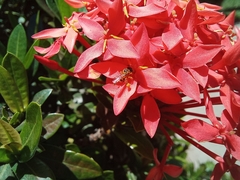
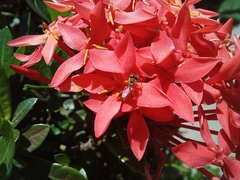
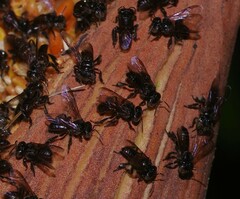
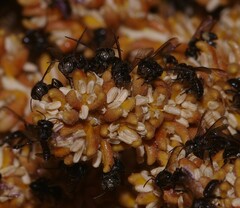
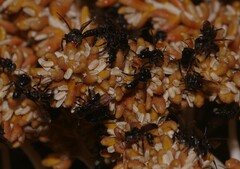
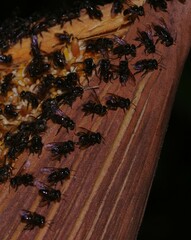
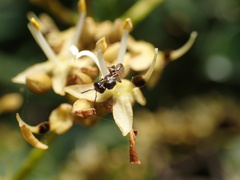
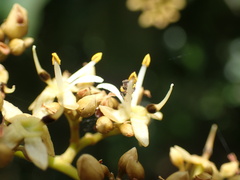
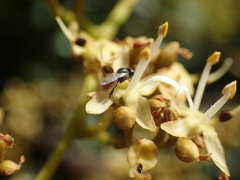
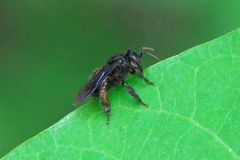
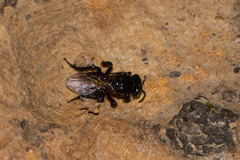
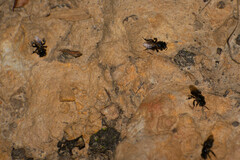
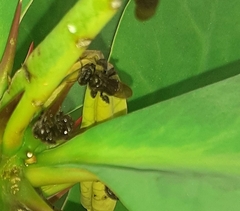
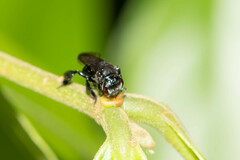
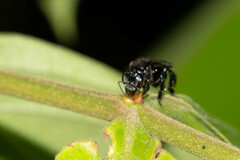
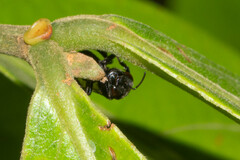
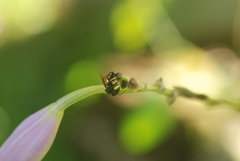
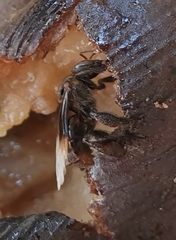
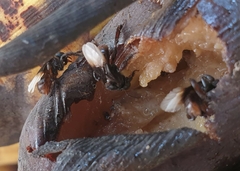
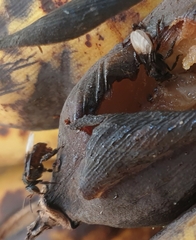
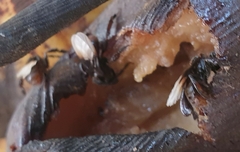
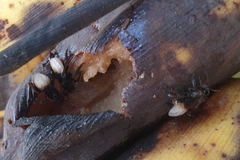
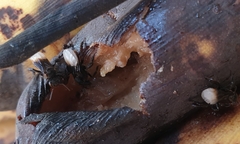
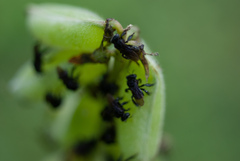
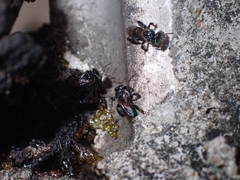
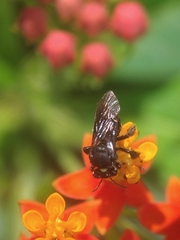
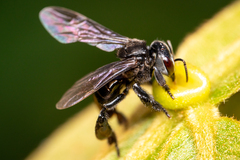
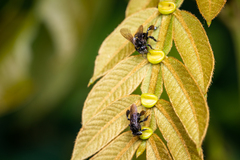
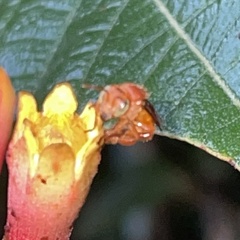
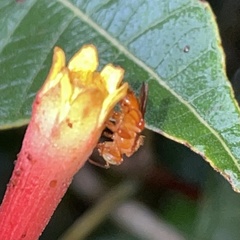
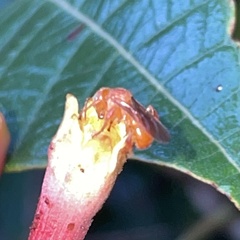
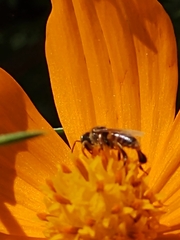
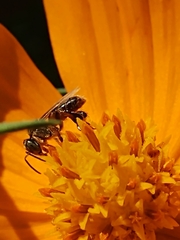
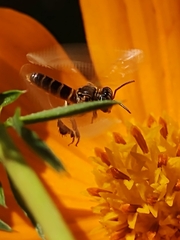
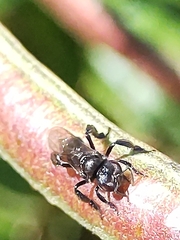
Stingless bees (SB), sometimes called stingless honey bees or simply meliponines, are a large group of bees (from about 462 to 552 described species), comprising the tribe Meliponini (or subtribe Meliponina according to other authors). They belong in the family Apidae (subfamily Apinae), and are closely related to common honey bees (HB, tribe Apini), orchid bees (tribe Euglossini), and bumblebees (tribe Bombini). These four bee tribes belong to the corbiculate bees' monophyletic group. Meliponines have stingers, but they are highly reduced and cannot be used for defense, though these bees exhibit other defensive behaviors and mechanisms. Meliponines are not the only type of bee incapable of stinging: all male bees and many female bees of several other families, such as Andrenidae and Megachilidae (tribe Dioxyini), also cannot sting.
Some stingless bees have strong mandibles and can inflict painful bites. Some species can present large mandibular glands for the secretion of caustic defense substances, secrete unpleasant smells or use sticky materials to immobilise enemies.
The main honey-producing bees of this group generally belong to the genera Scaptotrigona, Tetragonisca, Melipona and Austroplebeia, although there are other genera containing species that produce some usable honey. They are farmed in meliponiculture in the same way that European honey bees (genus Apis) are cultivated in apiculture.
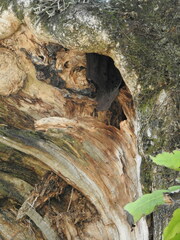
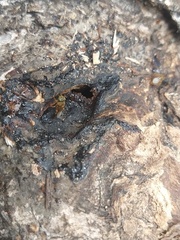
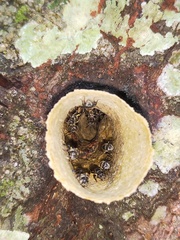
Throughout Mesoamerica, the Mayans have engaged in extensive meliponiculture on a large scale since before the arrival of Columbus. Meliponiculture was popular in Maya society, influencing their social, economic, and religious activities. The practice of maintaining stingless bees in man-made structures is prevalent across the Americas, with notable instances in countries such as Brazil, Peru, and Mexico.
...Meliponini in languages:
- Afrikaans
- Mokkabye
- English
- Stingless Bees
- Portuguese
- Abelhas sem Ferrão
- Sinhala
- විත රහිත
- Thai
- เผ่า ชันโรง
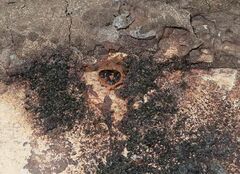
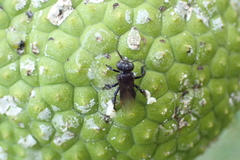
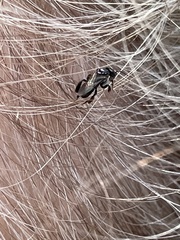
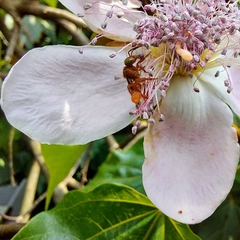
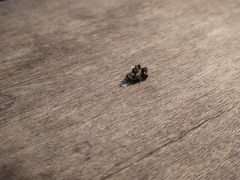
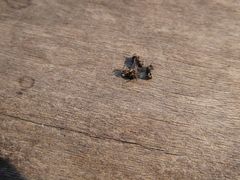
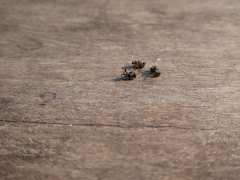
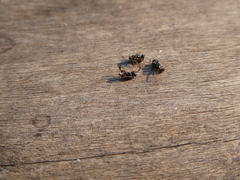
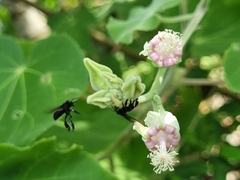
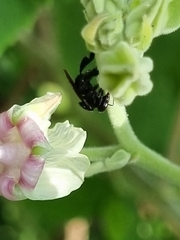
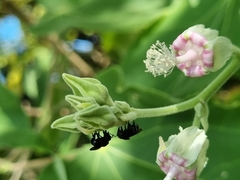
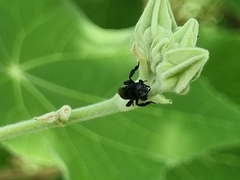
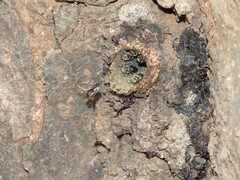
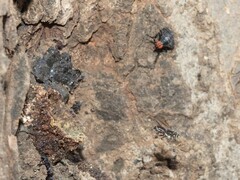
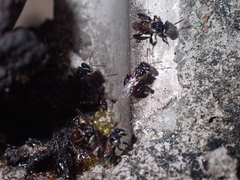
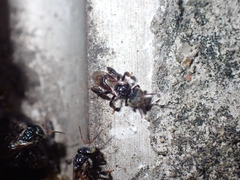
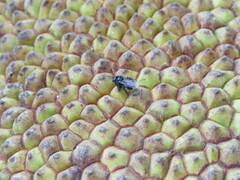
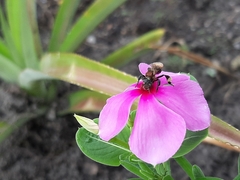
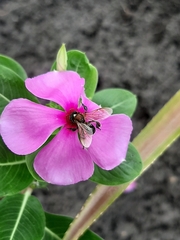
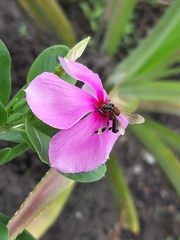
Images from inaturalist.org observations:
We recommend you sign up for this excellent, free service.
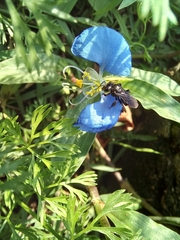
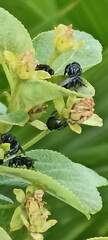
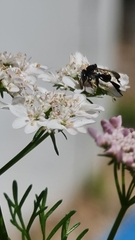
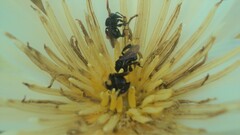
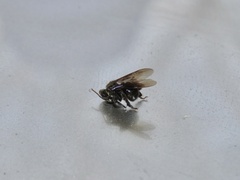
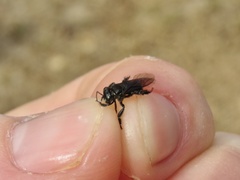
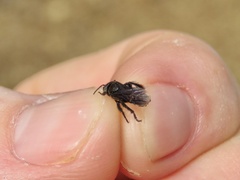
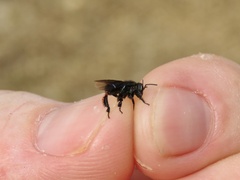
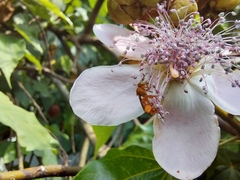
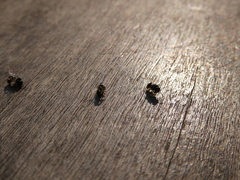
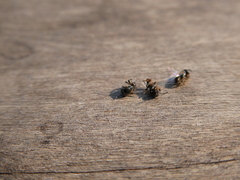
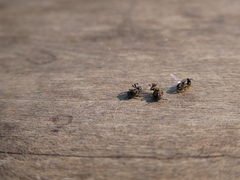
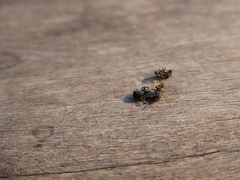
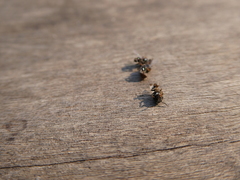
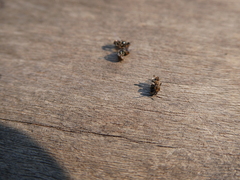
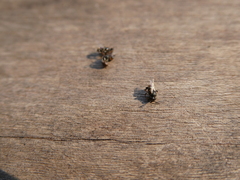
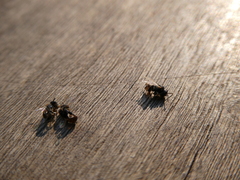
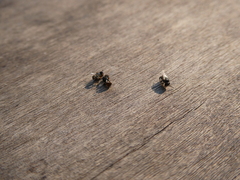
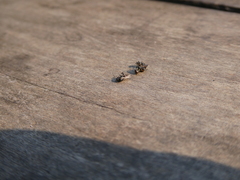
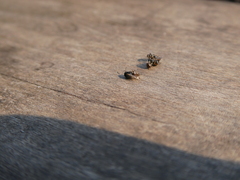
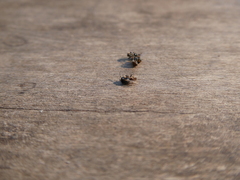
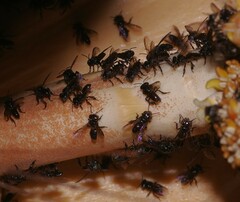
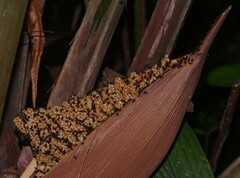
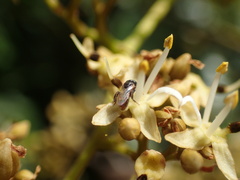
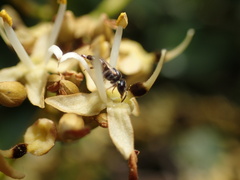
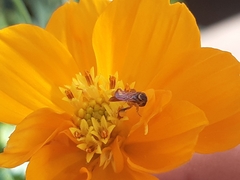
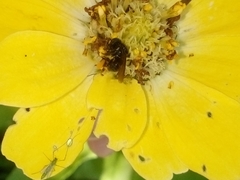
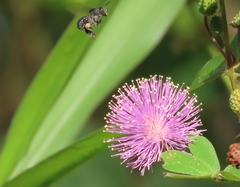
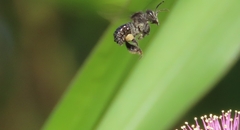
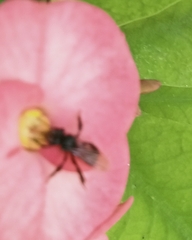
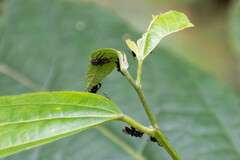
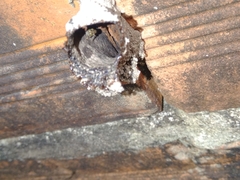
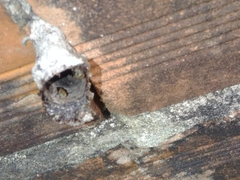
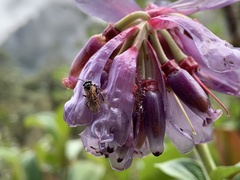
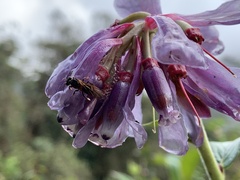
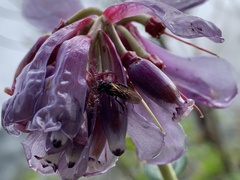
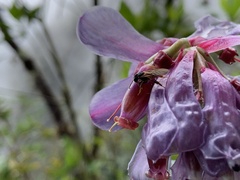
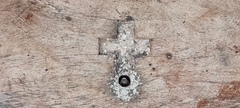
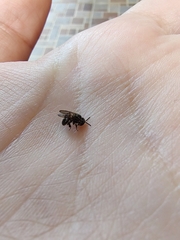
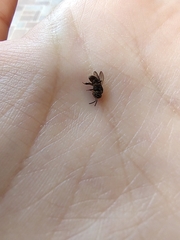
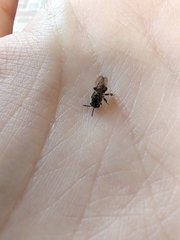
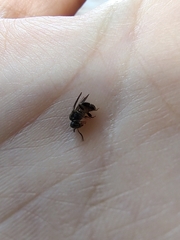
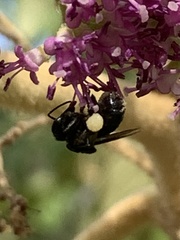
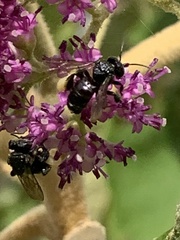
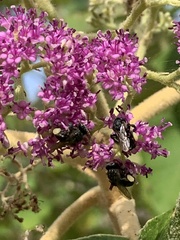
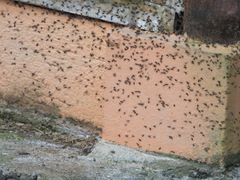
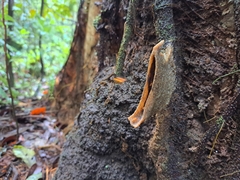
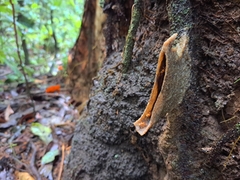
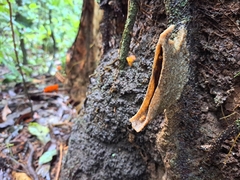
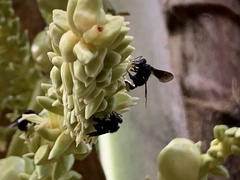
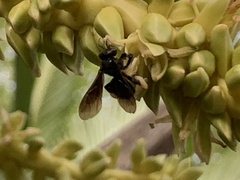
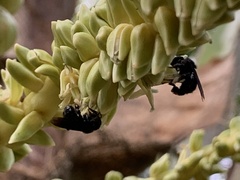
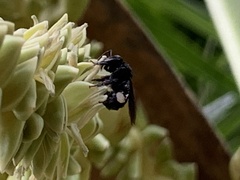
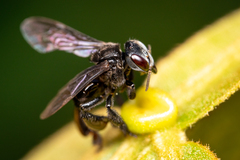
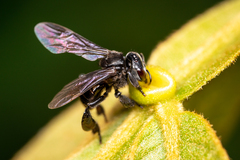
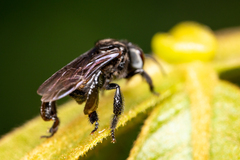
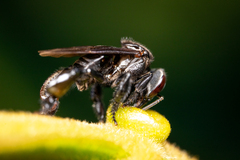
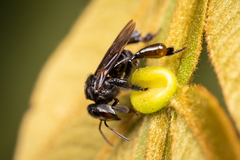
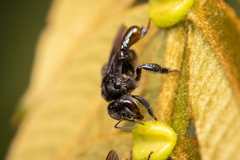
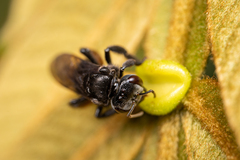
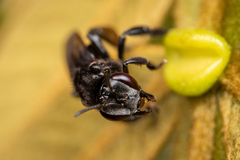
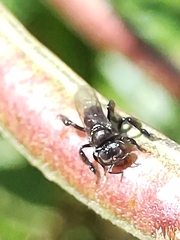
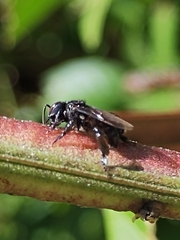
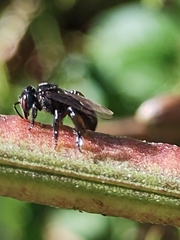
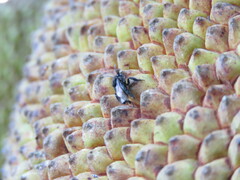
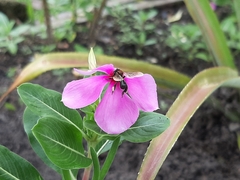
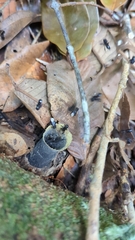
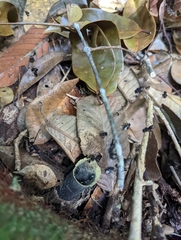
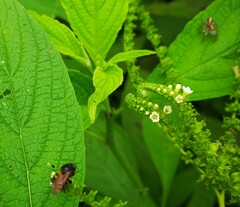
Parent Taxon
Sibling Taxa
Child Taxa
- Austroplebeia
- Camargoia
- Cephalotrigona
- Cleptotrigona
- Dactylurina
- Dolichotrigona
- Duckeola
- Friesella
- Frieseomelitta
- Geniotrigona
- Geotrigona
- Heterotrigona
- Homotrigona
- Hypotrigona
- Lepidotrigona
- Lestrimelitta
- Leurotrigona
- Liotrigona
- Lisotrigona
- Meliplebeia
- Melipona
- Meliponula
- Meliwillea
- Mourella
- Nannotrigona
- Nogueirapis
- Oxytrigona
- Papuatrigona
- Paratrigona
- Paratrigonoides
- Pariotrigona
- Partamona
- Plebeia
- Plebeina
- Proplebeia
- Ptilotrigona
- Scaptotrigona
- Scaura
- Schwarziana
- Schwarzula
- Tetragona
- Tetragonilla
- Tetragonisca
- Tetragonula
- Tetrigona
- Trichotrigona
- Trigona
- Trigonisca
- Wallacetrigona
Top Observation Places
- Santa Marta
- Villavicencio
- Capiatá
- Bandar Seri Begawan
- Soyapango
- Delgado
- Bucaramanga
- Girón
- Santa Catarina Pinula
- Bangkok
- Brisbane
- Logan City
- David
- Mérida
- Playa del Carmen
- Valinhos
- San José
- San Francisco
- Johor Bahru
- Woodlands
- Skudai
- Queenstown Estate
- Xalapa de Enríquez
- Coatepec
- Kuala Lumpur
- Petaling Jaya
- Shah Alam
- Subang Jaya
- Ampang
- Semenyih
- Kampong Baharu Balakong
- Panamá
- San Miguelito
- Las Cumbres
- Brasília
- Medellín
- Bello
- Itagüí
- Envigado
- Sabaneta
- São Paulo
- São Bernardo do Campo
- Osasco
- Santo André
- Diadema
- Carapicuíba
- Cotia
- Embu
- Taboão da Serra
- São Caetano do Sul