Tipuloidea: taxon details and analytics
- Domain
- Kingdom
- Animalia
- Phylum
- Arthropoda
- Class
- Insecta
- Order
- Diptera
- Family
- Genus
- Species
- Scientific Name
- Tipuloidea
Summary description from Wikipedia:
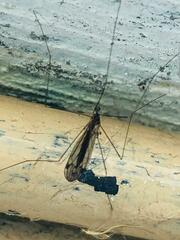
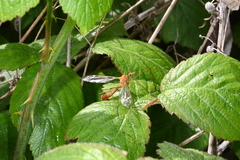
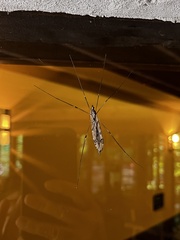
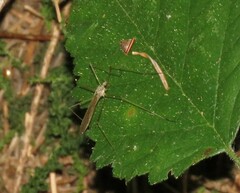
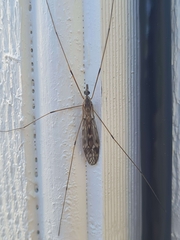
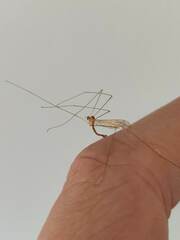
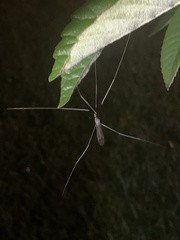
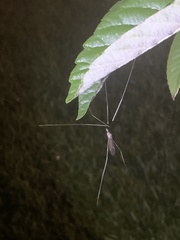
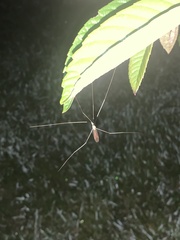
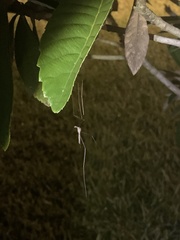
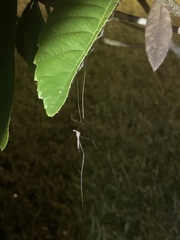
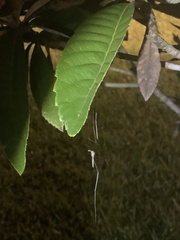
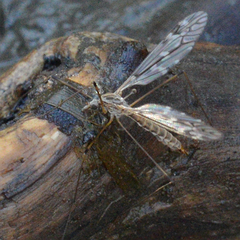
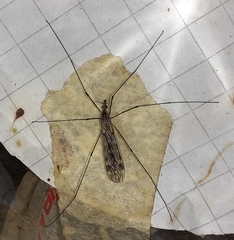
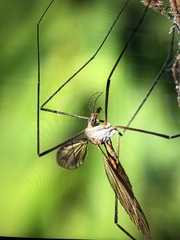
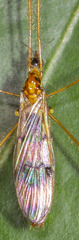
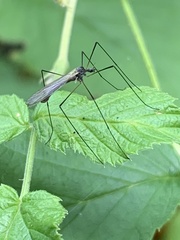
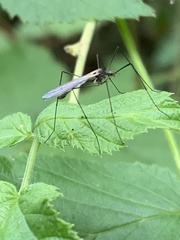
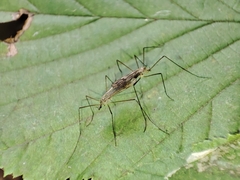
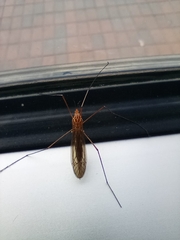
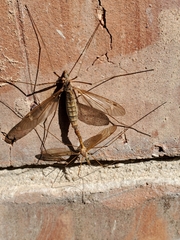
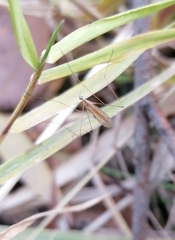
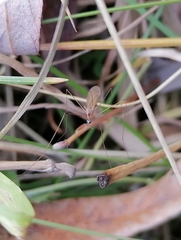
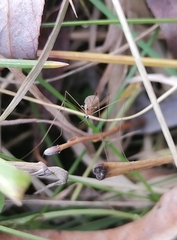
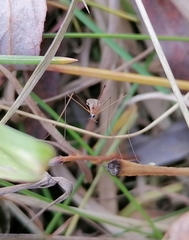
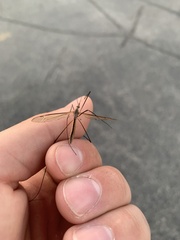
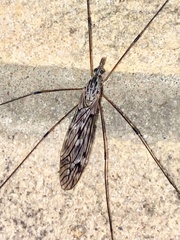
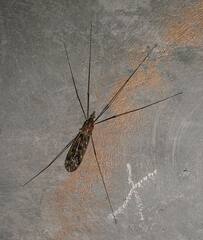
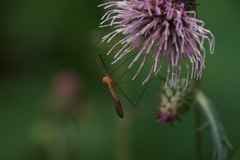
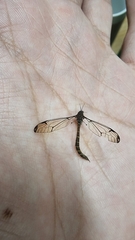
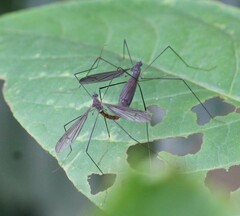
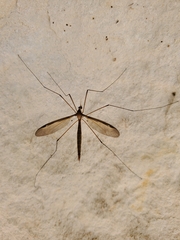
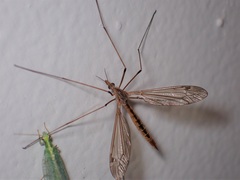
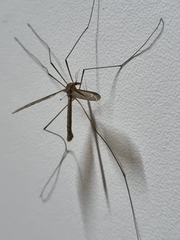
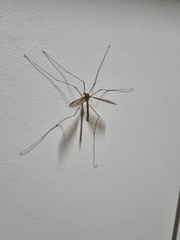
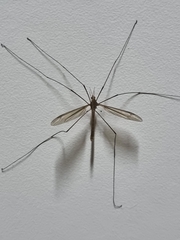
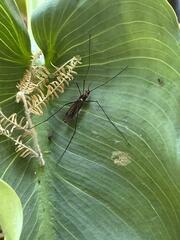
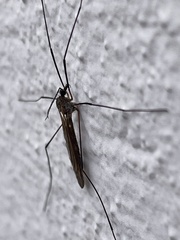
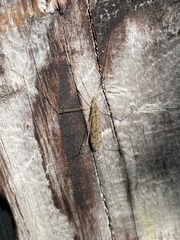
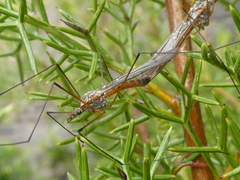
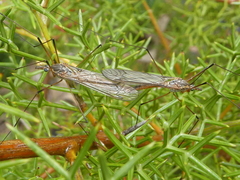
Crane fly
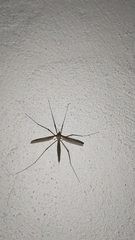
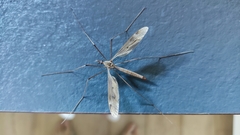
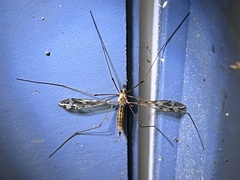
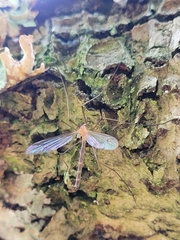
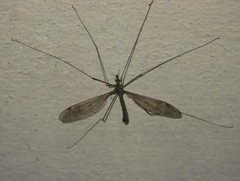
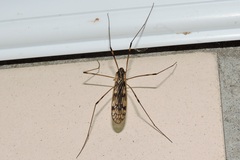
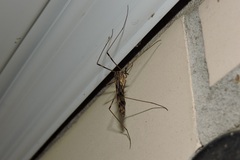
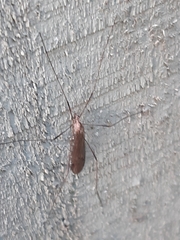
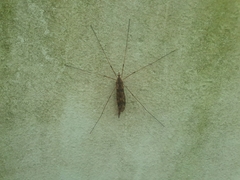
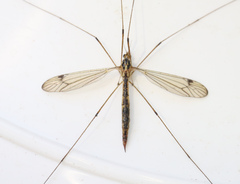
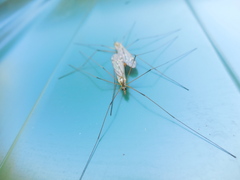
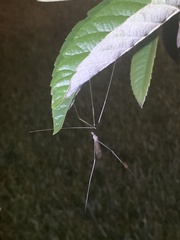
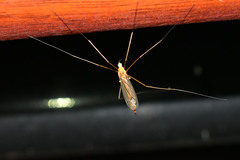
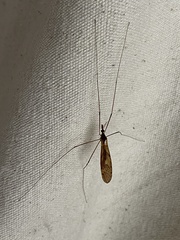
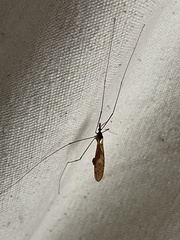
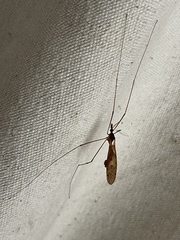
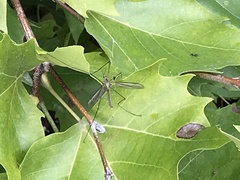
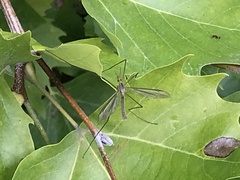
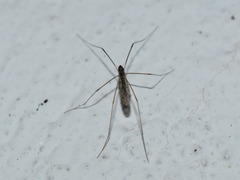
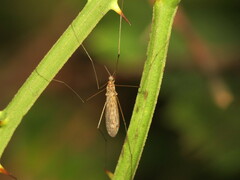
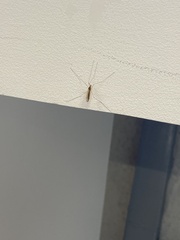
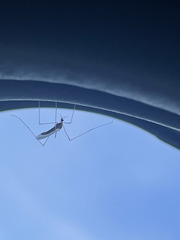
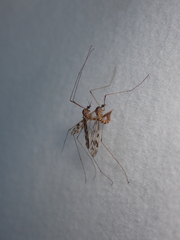
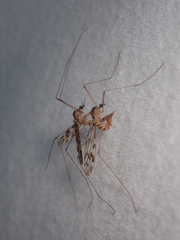
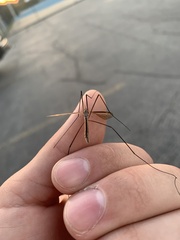
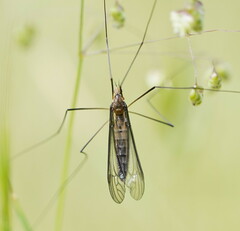
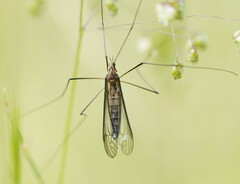
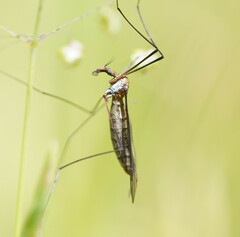
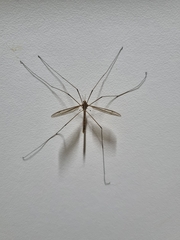
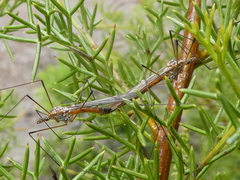
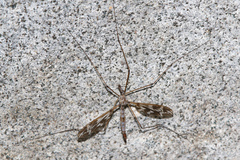
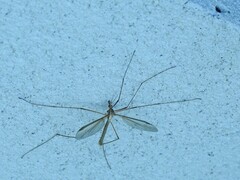
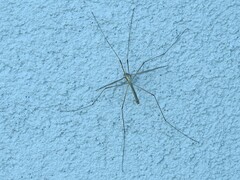
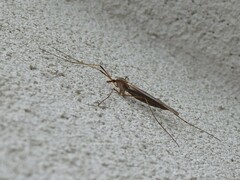
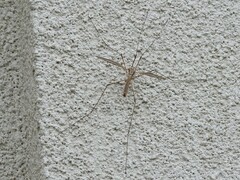
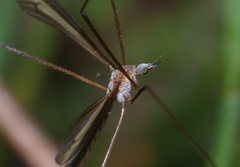
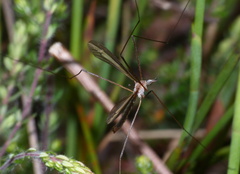
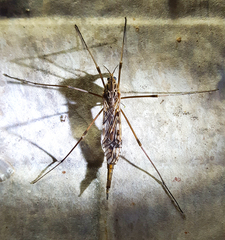
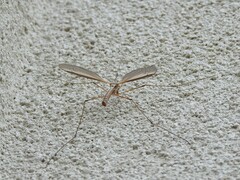
A crane fly is any member of the dipteran superfamily Tipuloidea, which contains the living families Cylindrotomidae, Limoniidae, Pediciidae and Tipulidae, as well as several extinct families. "Winter crane flies", members of the family Trichoceridae, are sufficiently different from the typical crane flies of Tipuloidea to be excluded from the superfamily Tipuloidea, and are placed as their sister group within Tipulomorpha. Two other families of flies, the phantom crane flies (Ptychopteridae) and primitive crane flies (Tanyderidae), have similar common names due to their similar appearance, but they are not closely related to true crane flies.
The classification of crane flies has been varied in the past, with some or all of these families treated as subfamilies, but the following classification is currently accepted. Species counts are approximate, and vary over time.
- Superfamily Tipuloidea (typical crane flies)
- Family Cylindrotomidae (Cylindrotomid or long-bodied crane flies, 67 species)
- Family Limoniidae (Limoniid crane flies, 10,786 species, possibly paraphyletic)
- Family Pediciidae (Hairy-eyed crane flies, 498 species)
- Family Tipulidae (Large crane flies, 4,351 species)
In colloquial speech, crane flies are known as mosquito hawks or "skeeter-eaters", though they do not actually prey on adult mosquitos or other insects. They are also sometimes called "daddy longlegs", a name which is also used for arachnids of the family Pholcidae and the order Opiliones. The larvae of crane flies are known commonly as leatherjackets.
Crane flies first appeared during the Middle Triassic, around 245 million years ago, making them one of the oldest known groups of flies, and are found worldwide, though individual species usually have limited ranges. They are most diverse in the tropics but are also common in northern latitudes and high elevations.
More than 15,500 species and over 500 genera of crane flies have been described, the majority by C.P. Alexander, who published descriptions of 10,890 new species and subspecies, and 256 new genera and subgenera over a period of 71 years from 1910–1981.
...Tipuloidea in languages:
- Bokmål
- Stankelbein
- Bokmål
- Ørsting
- Chinese
- 大蚊總科
- Danish
- Stankelben
- Dutch
- Langpootmuggen
- English
- Typical Crane Flies
- Hebrew
- טיפולות
- Japanese
- ガガンボ上科
- Korean
- 각다귀상과
- Modern Greek
- Τιπουλοειδή
- Russian
- Типулоидные двукрылые
- Swedish
- harkrankar
- Thai
- แมลงวันแมงมุมใหญ่ แมลงวันแมงมุมเล็ก ฯลฯ
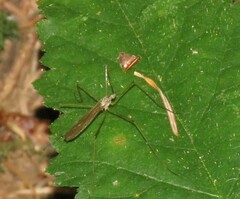
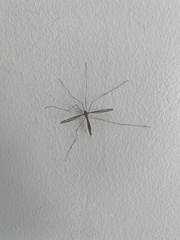
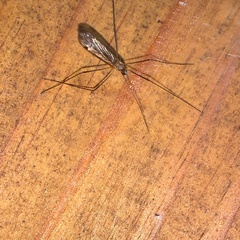
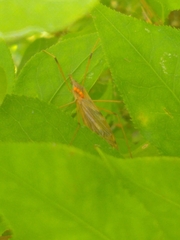
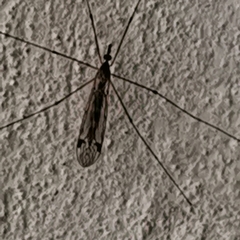
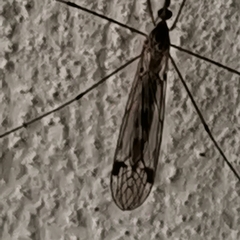
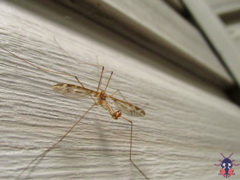
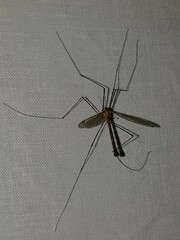
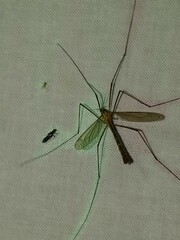
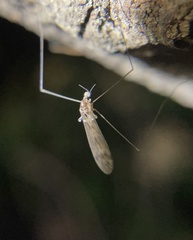
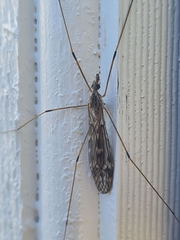
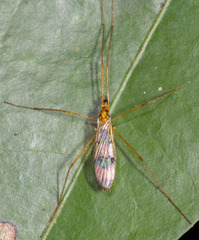
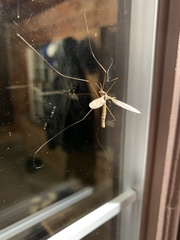
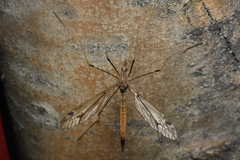
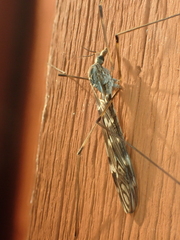
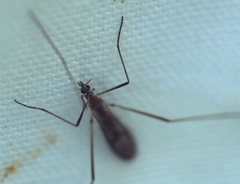
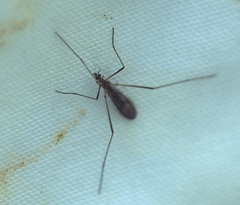
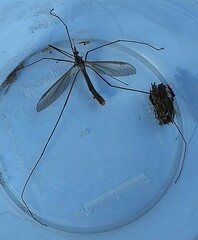
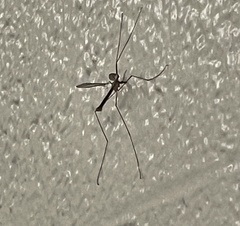
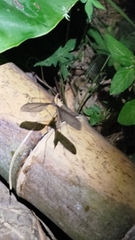
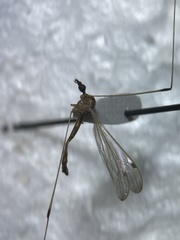
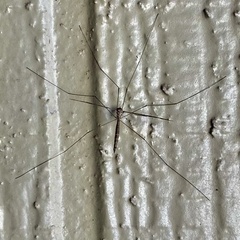
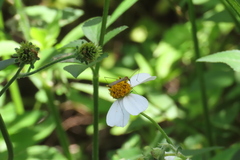
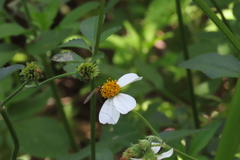
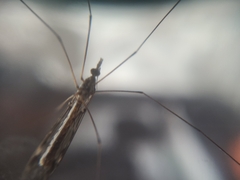
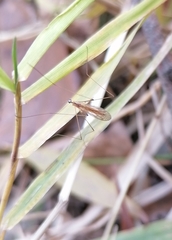
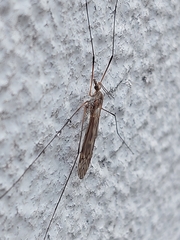
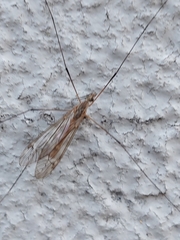
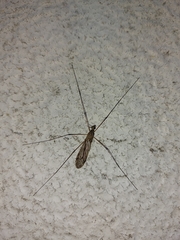
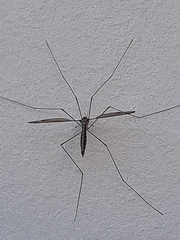
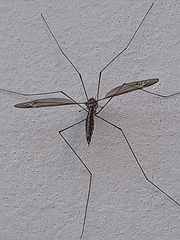
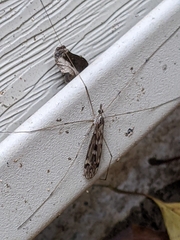
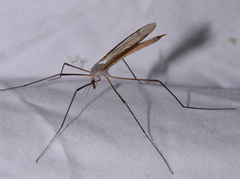
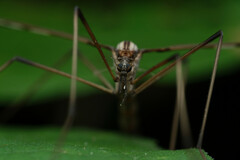
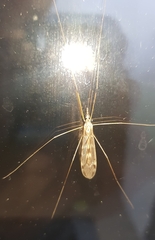
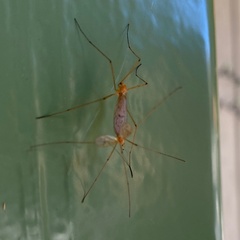
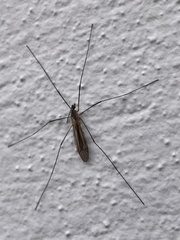
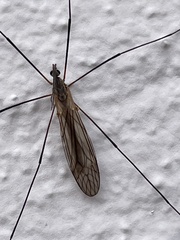
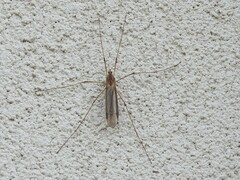
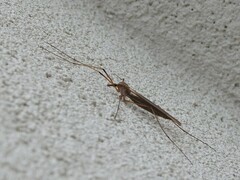
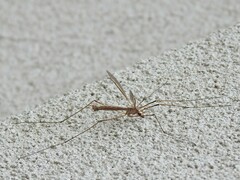
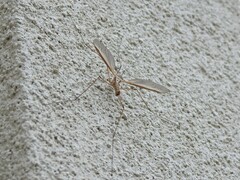
Images from inaturalist.org observations:
We recommend you sign up for this excellent, free service.
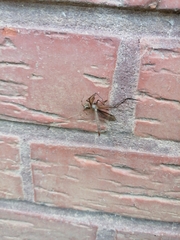
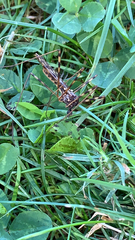
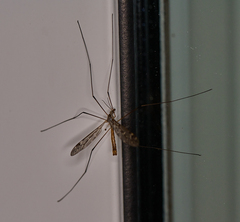
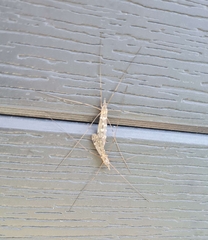
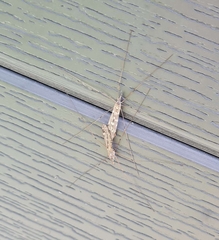
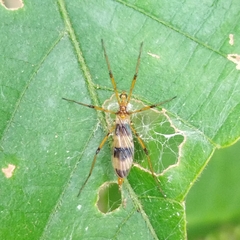
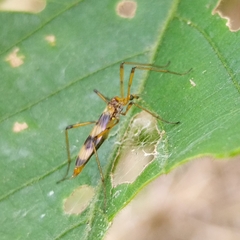
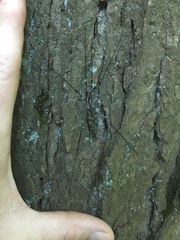

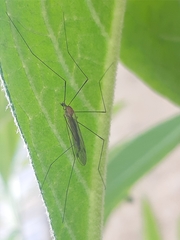
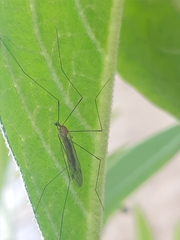
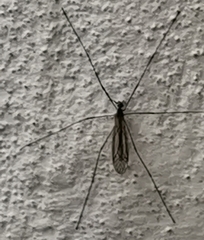
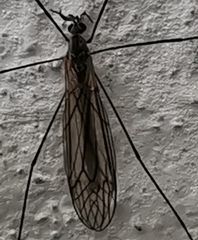


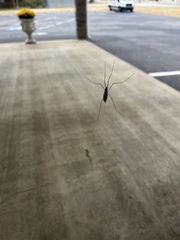
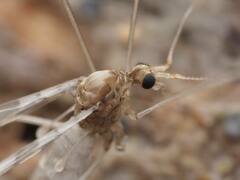
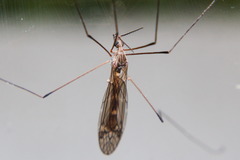
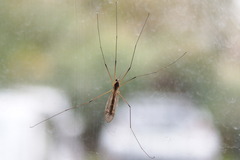
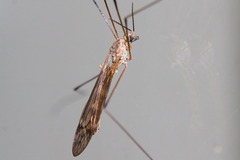
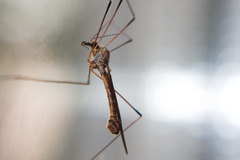
Parent Taxon
Sibling Taxa
Top Observation Places
- Yaoundé
- Modesto
- Jena
- Cambridge
- Simi Valley
- Plymouth
- San Cristóbal de las Casas
- Gosport
- Wilmersdorf
- Steglitz
- Pembroke Pines
- West Hollywood
- Salford
- Norderstedt
- Valparai
- Waterbury
- Richmond
- Colorado Springs
- Kiel
- Kuala Lumpur
- East Orange
- Ensenada
- Konstanz
- Thāne
- Lexington-Fayette
- St. Petersburg
- Woluwe-Saint-Lambert
- Praga Południe
- Bristol
- Hampton
- Lubbock
- Santa Fe
- Frankfurt am Main
- Kawalu
- Ann Arbor
- Bonn
- Troisdorf
- The Woodlands
- Northridge
- Canoga Park
- Edmond
- Newmarket
- Aurora
- Stockholm
- Södermalm
- London
- Vila Nova de Gaia
- Boulder
- Cuernavaca
- Temixco