Crotalinae: taxon details and analytics
- Domain
- Kingdom
- Animalia
- Phylum
- Chordata
- Class
- Reptilia
- Order
- Squamata
- Family
- Viperidae
- Genus
- Species
- Scientific Name
- Crotalinae
Summary description from Wikipedia:
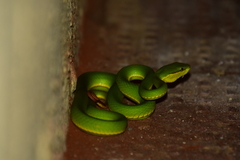
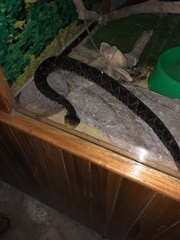
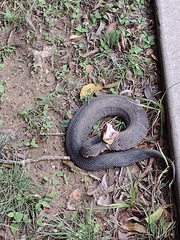
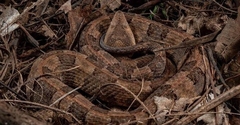
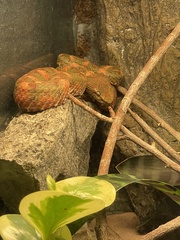
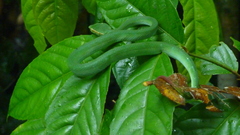
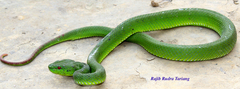
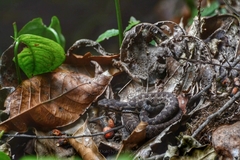
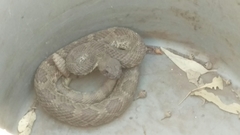
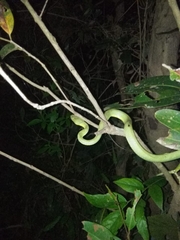
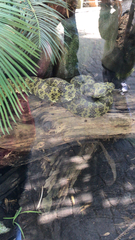
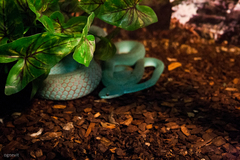
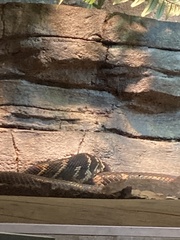
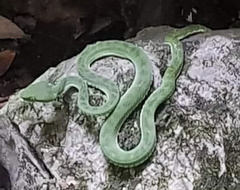
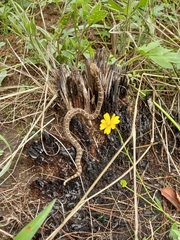
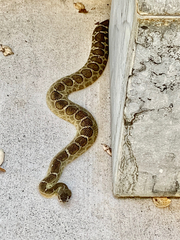
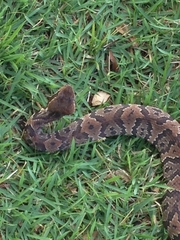
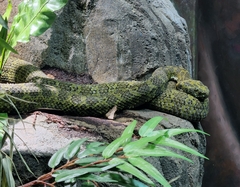
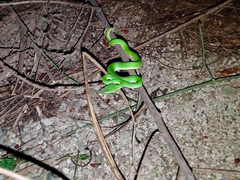
Pit viper
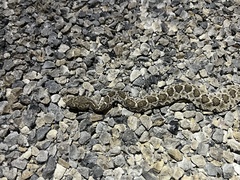
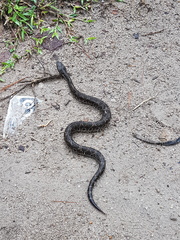
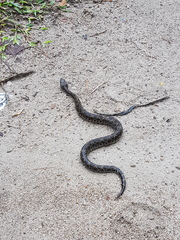
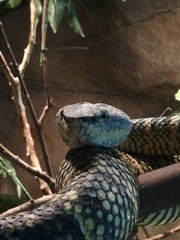
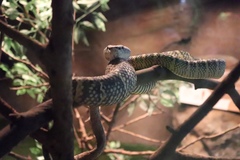
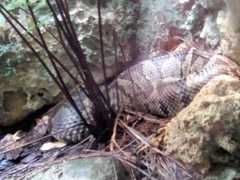
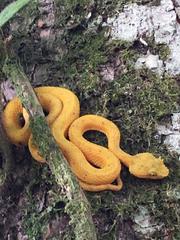
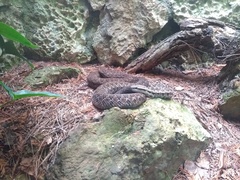
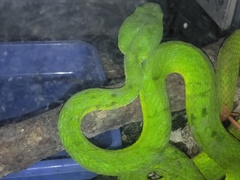
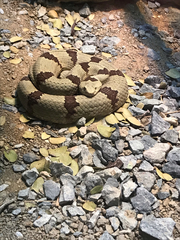
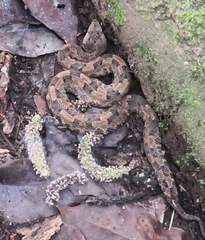
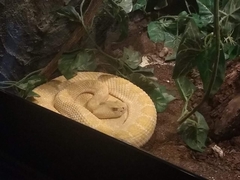
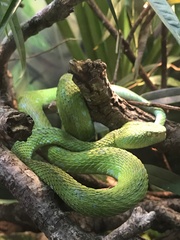
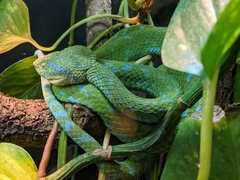
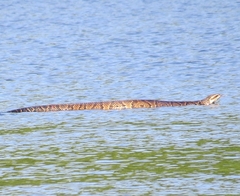
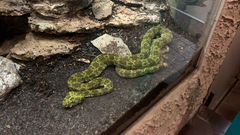
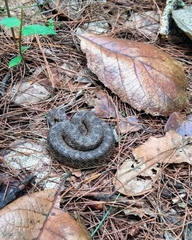
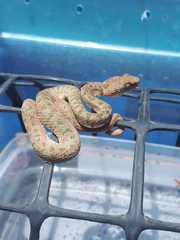
The Crotalinae, commonly known as pit vipers, or pit adders, are a subfamily of vipers found in Asia and the Americas, distinguished by the presence of a pair of heat-sensing organs located in a pit between the eye and the nostril on each side of the head. Currently, 23 genera and 155 species are recognized, and like all other vipers, they are venomous. These are also the only viperids found in the Americas. The groups of snakes represented here include rattlesnakes, lanceheads, and Asian pit vipers. The type genus for this subfamily is Crotalus, of which the type species is the timber rattlesnake, C. horridus.
These snakes range in size from the diminutive hump-nosed viper (Hypnale hypnale), which grows to a typical total length (including tail) of only 30–45 cm (12–18 in); to the bushmaster (Lachesis muta), a species known to reach a maximum total length of 3.65 m (12.0 ft) in length.
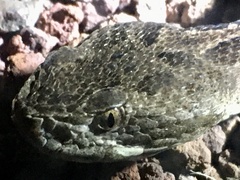
This viper subfamily is unique in that all member species share a common characteristic – a deep pit, or fossa, in the loreal area between the eye and the nostril on either side of the head. These loreal pits are the external openings to a pair of extremely sensitive infrared-detecting organs, which in effect give the snakes a "sixth sense" to help them find and perhaps even judge the size of the small, warm-blooded prey on which they feed upon.
Among vipers, these snakes are also unique in that they have a specialized muscle, called the muscularis pterigoidius glandulae, between the venom gland and the head of the ectopterygoid. Contraction of this muscle, together with that of the muscularis compressor glandulae, forces venom out of the gland.
...Crotalinae in languages:
- Chinese
- 響尾蛇亞科
- Czech
- chřestýši
- English
- Pit Vipers
- English
- Pit Adders
- French
- Crotales et apparentés
- German
- Grubenottern
- Italian
- Crotalino
- Japanese
- マムシ亜科
- Korean
- 살모사아과
- Russian
- Ямкоголовые змеи
- Russian
- Гремучие змеи
- Thai
- วงศ์ย่อย งูหางกระดิ่ง
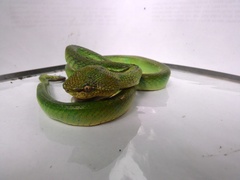
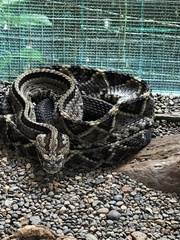
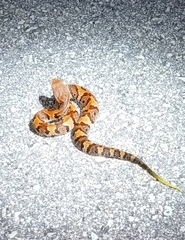
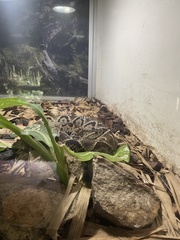
Images from inaturalist.org observations:
We recommend you sign up for this excellent, free service.