Acer rubrum: taxon details and analytics
- Domain
- Kingdom
- Plantae
- Phylum
- Tracheophyta
- Class
- Magnoliopsida
- Order
- Sapindales
- Family
- Sapindaceae
- Genus
- Acer
- Species
- Acer rubrum
- Scientific Name
- Acer rubrum
Summary description from Wikipedia:
Acer rubrum
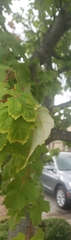
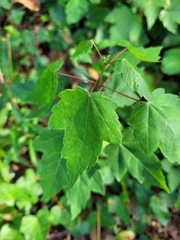
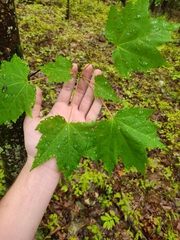
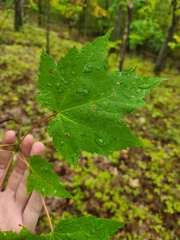
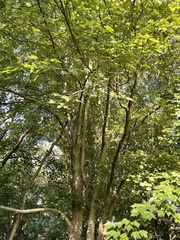
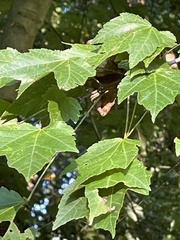
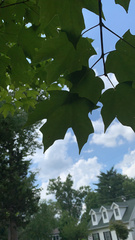
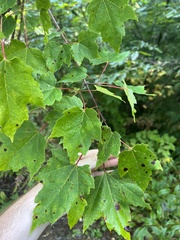
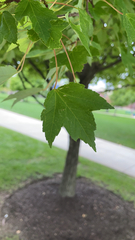
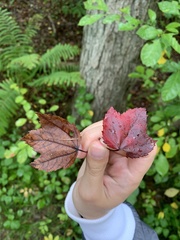
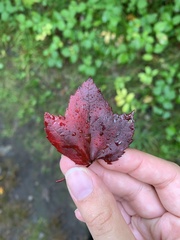
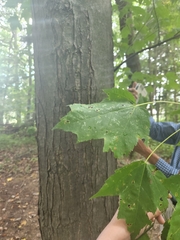
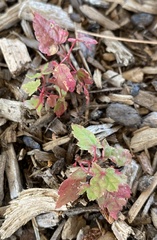
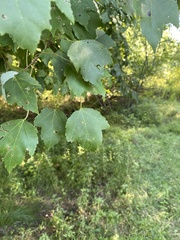
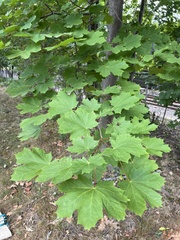
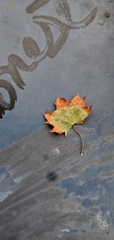
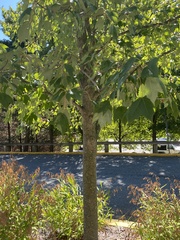
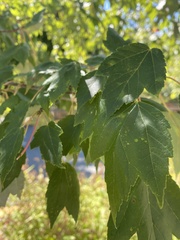
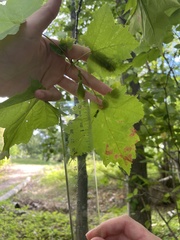
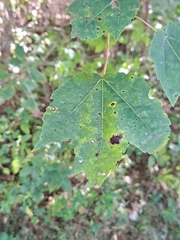
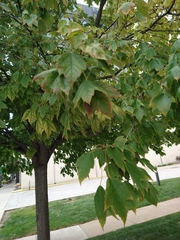
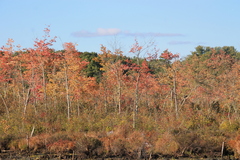
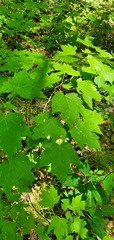
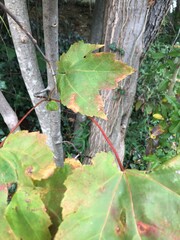
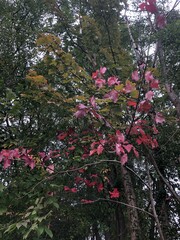
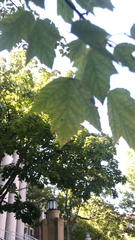
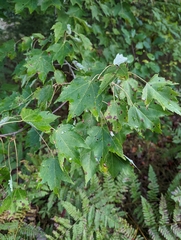
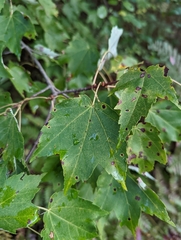
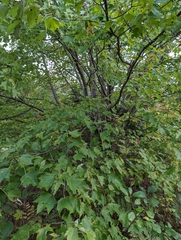
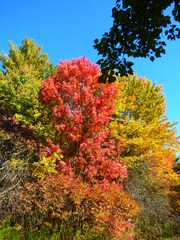
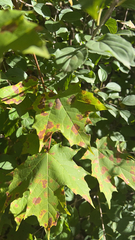
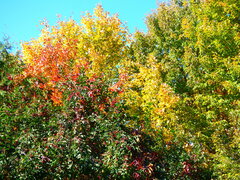
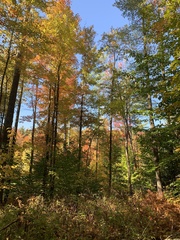
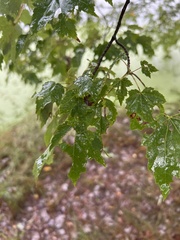
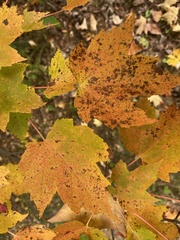
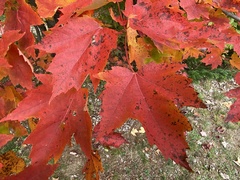
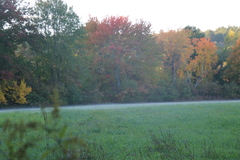
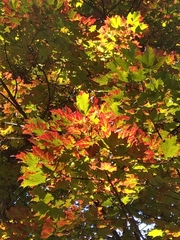
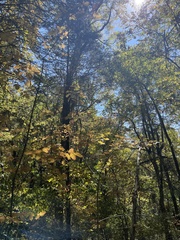
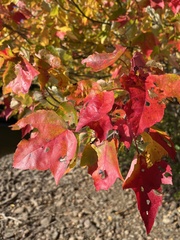
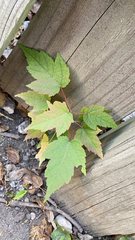
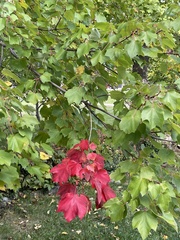
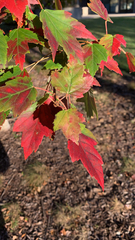
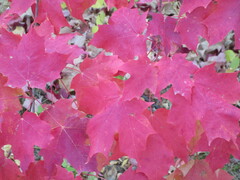
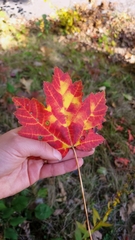
Acer rubrum, the red maple, also known as swamp maple, water maple, or soft maple, is one of the most common and widespread deciduous trees of eastern and central North America. The U.S. Forest Service recognizes it as the most abundant native tree in eastern North America. The red maple ranges from southeastern Manitoba around the Lake of the Woods on the border with Ontario and Minnesota, east to Newfoundland, south to Florida, and southwest to East Texas. Many of its features, especially its leaves, are quite variable in form. At maturity, it often attains a height around 30 m (100 ft). Its flowers, petioles, twigs, and seeds are all red to varying degrees. Among these features, however, it is best known for its brilliant deep scarlet foliage in autumn.
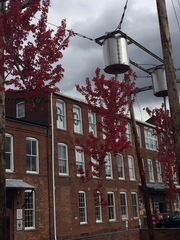
Over most of its range, red maple is adaptable to a very wide range of site conditions, perhaps more so than any other tree in eastern North America. It can be found growing in swamps, on poor, dry soils, and almost anywhere in between. It grows well from sea level to about 900 m (3,000 ft). Due to its attractive fall foliage and pleasing form, it is often used as a shade tree for landscapes. It is used commercially on a small scale for maple syrup production and for its medium to high quality lumber. It is the state tree of Rhode Island. The red maple can be considered weedy or even invasive in young, highly disturbed forests, especially frequently logged forests. In a mature or old-growth northern hardwood forest, red maple only has a sparse presence, while shade-tolerant trees such as sugar maples, beeches, and hemlocks thrive. By removing red maple from a young forest recovering from disturbance, the natural cycle of forest regeneration is altered, changing the diversity of the forest for centuries to come.
...Acer rubrum in languages:
- Catalan
- Auró roig
- Chinese
- 紅楓
- Czech
- javor červený
- Danish
- rød løn
- Dutch
- Rode esdoorn
- English
- red maple
- English
- Soft maple
- English
- swamp maple
- Estonian
- punane vaher
- Finnish
- punavaahtera
- French
- Érable rouge
- German
- Rot-Ahorn
- Hungarian
- vörös juhar
- Japanese
- アカカエデ
- Lithuanian
- Raudonasis klevas
- Polish
- Klon czerwony
- Portuguese
- Bordo-vermelho
- Russian
- Клён красный
- Swedish
- rödlönn
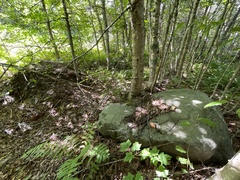
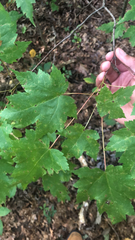
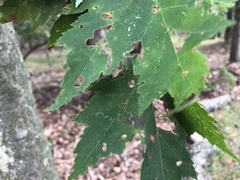
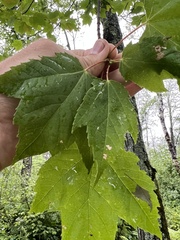
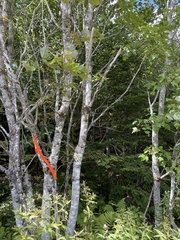
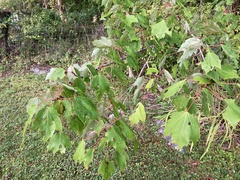
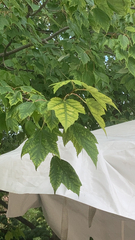
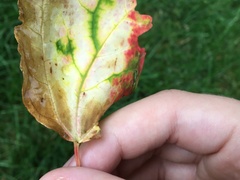
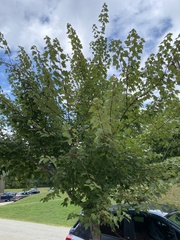
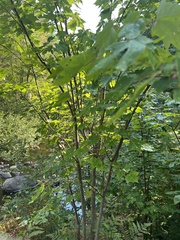
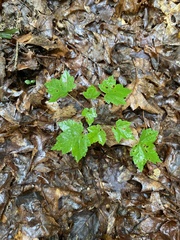
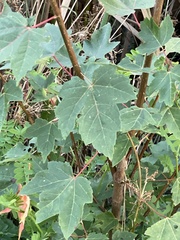
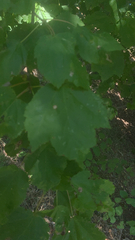
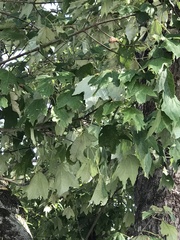
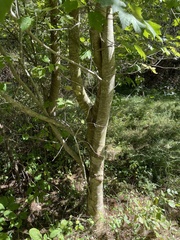
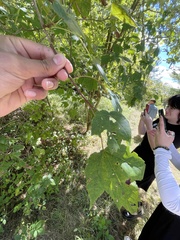
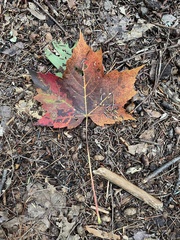
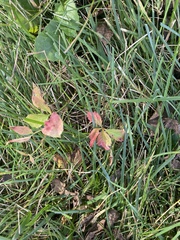
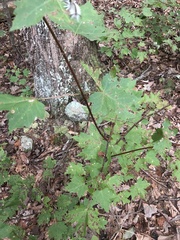
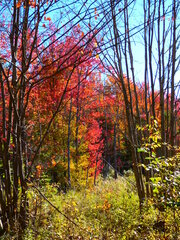
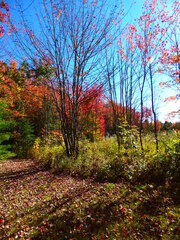
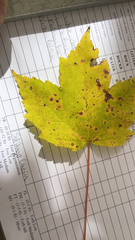
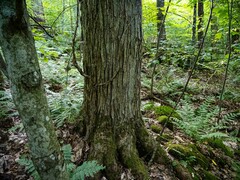
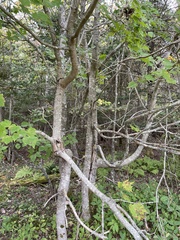
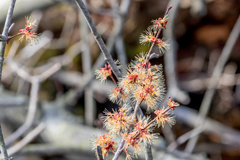
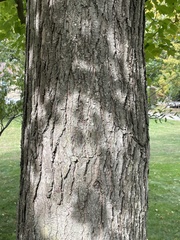
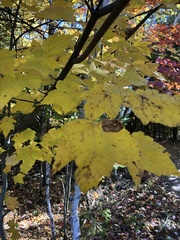
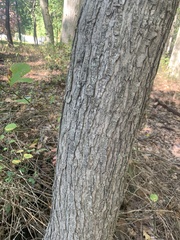
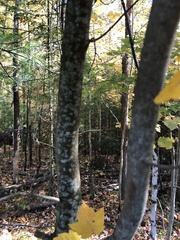
Images from inaturalist.org observations:
We recommend you sign up for this excellent, free service.
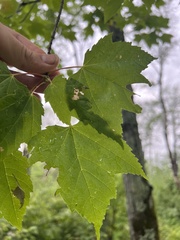
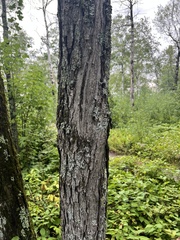
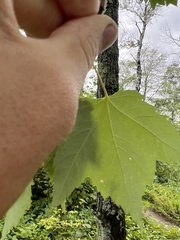
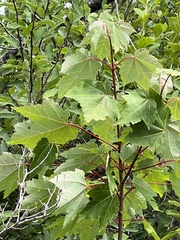
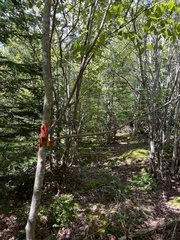
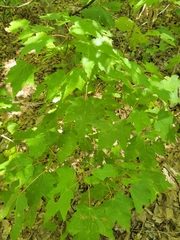
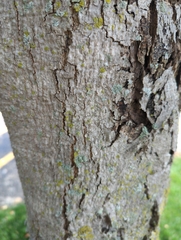
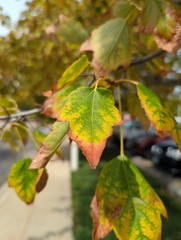
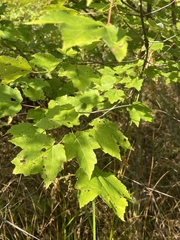
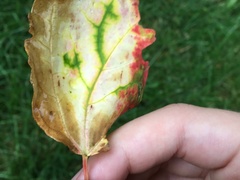
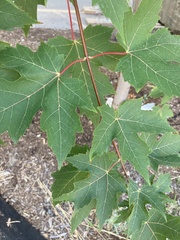
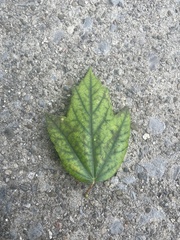
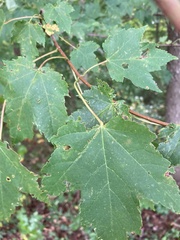
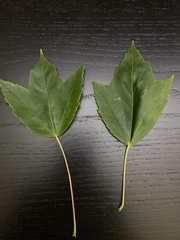
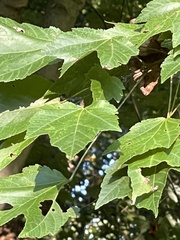
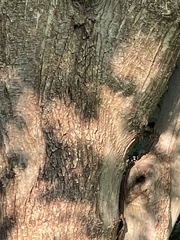
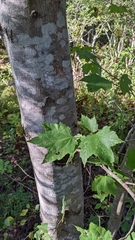
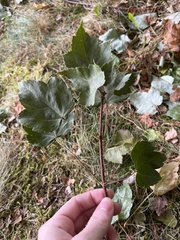
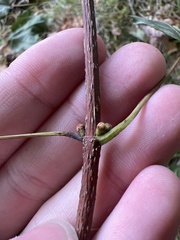
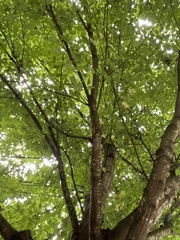
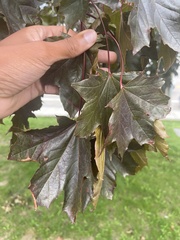
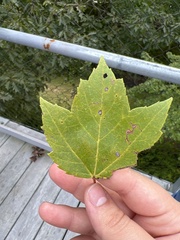
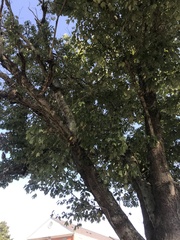
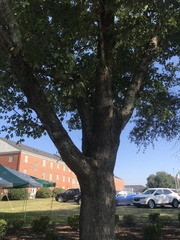
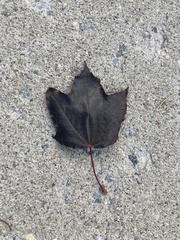
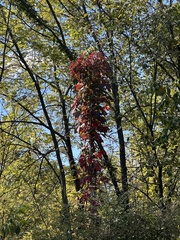
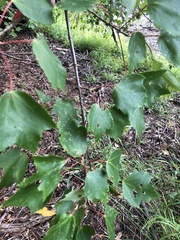
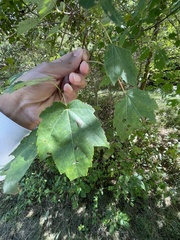
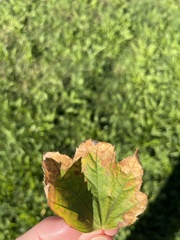
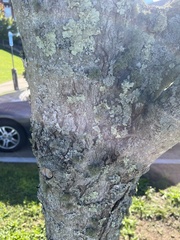
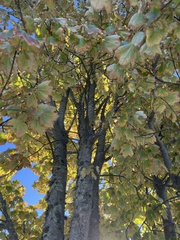
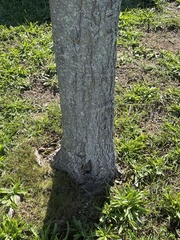
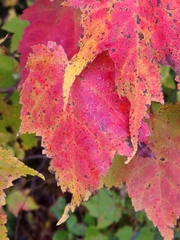
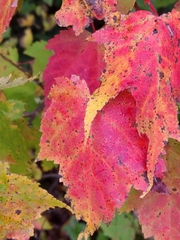
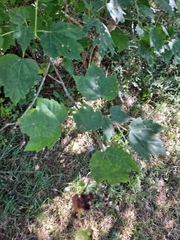
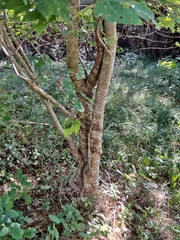
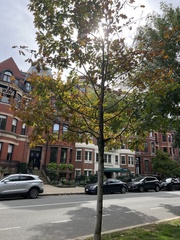
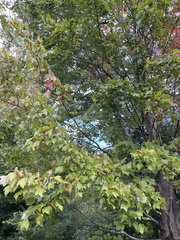
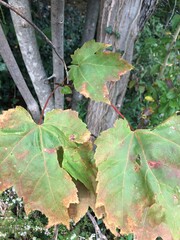
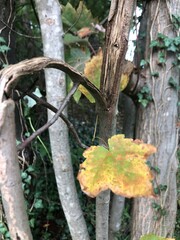
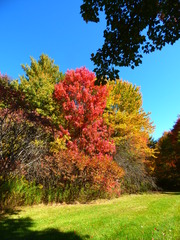
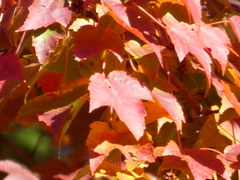
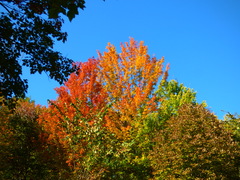
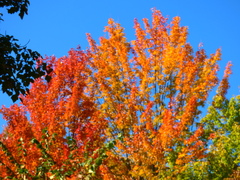
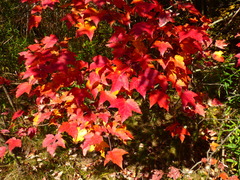
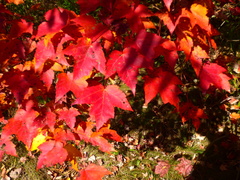
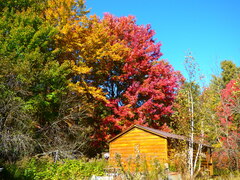
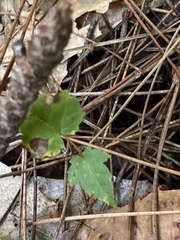
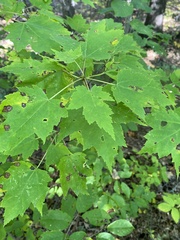
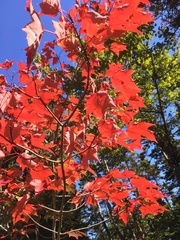
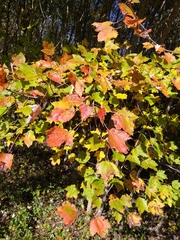
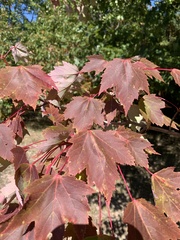
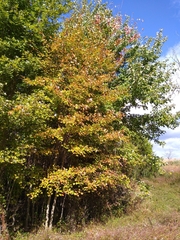
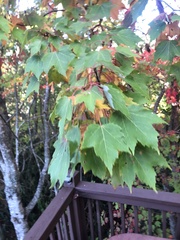
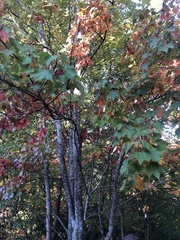
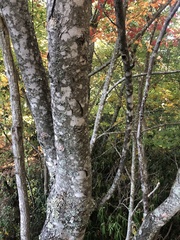
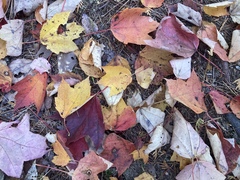
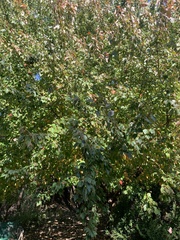
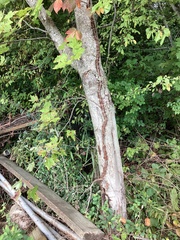
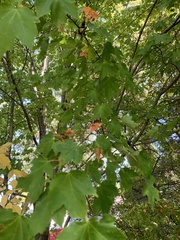
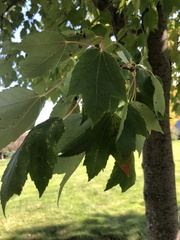
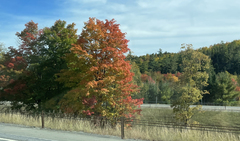
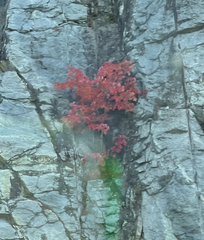
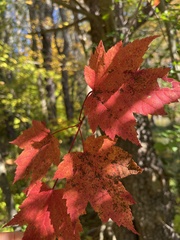
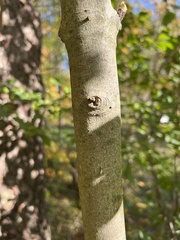
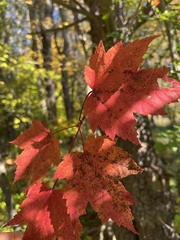
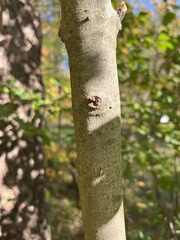
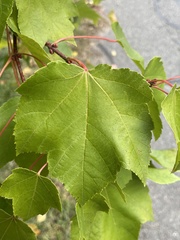
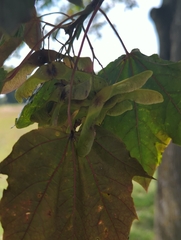
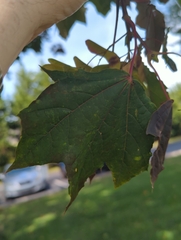
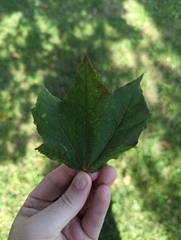
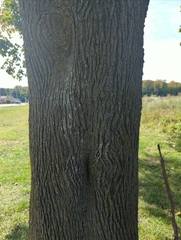
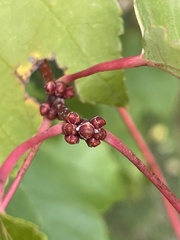
Parent Taxon
Sibling Taxa
- Acer
- Acer acuminatum
- Acer albopurpurascens
- Acer albopurpurascens × acer buergerianum formosanum
- Acer amamiense
- Acer amplum
- Acer argutum
- Acer barbinerve
- Acer binzayedii
- Acer buergerianum
- Acer calcaratum
- Acer campbellii
- Acer capillipes
- Acer cappadocicum
- Acer carpinifolium
- Acer caudatifolium
- Acer caudatum
- Acer ceriferum
- Acer chiangdaoense
- Acer chunii
- Acer circinatum
- Acer cissifolium
- Acer confertifolium
- Acer cordatum
- Acer coriaceifolium
- Acer crassum
- Acer crataegifolium
- Acer davidii
- Acer diabolicum
- Acer distylum
- Acer duplicatoserratum
- Acer elegantulum
- Acer erianthum
- Acer erythranthum
- Acer fabri
- Acer fenzelianum
- Acer flabellatum
- Acer floridanum
- Acer fulvescens
- Acer ginnala
- Acer glabrum
- Acer gracilifolium
- Acer granatense
- Acer grandidentatum
- Acer griseum
- Acer henryi
- Acer japonicum
- Acer laetum
- Acer laevigatum
- Acer laurinum
- Acer laxiflorum
- Acer leipoense
- Acer leucoderme
- Acer lobelii
- Acer longipes
- Acer lucidum
- Acer macrophyllum
- Acer mandshuricum
- Acer maximowiczianum
- Acer maximowiczii
- Acer mazandaranicum
- Acer miaoshanicum
- Acer micranthum
- Acer morifolium
- Acer morrisonense
- Acer negundo
- Acer nigrum
- Acer nipponicum
- Acer oblongum
- Acer oligocarpum
- Acer oliverianum
- Acer paihengii
- Acer palmatum
- Acer pauciflorum
- Acer paxii
- Acer pectinatum
- Acer pensylvanicum
- Acer pentaphyllum
- Acer pentapomicum
- Acer pictum
- Acer pilosum
- Acer platanoides
- Acer poliophyllum
- Acer pseudosieboldianum
- Acer pseudowilsonii
- Acer pubinerve
- Acer pycnanthum
- Acer rubrum
- Acer rufinerve
- Acer saccharinum
- Acer serrulatum
- Acer shihweii
- Acer shirasawanum
- Acer sieboldianum
- Acer sikkimense
- Acer sinense
- Acer sino-oblongum
- Acer skutchii
- Acer spicatum
- Acer stachyophyllum
- Acer sterculiaceum
- Acer sutchuenense
- Acer tataricum
- Acer tegmentosum
- Acer tenellum
- Acer tenuifolium
- Acer thomsonii
- Acer tibetense
- Acer tonkinense
- Acer triflorum
- Acer truncatum
- Acer tschonoskii
- Acer tsinglingense
- Acer turkestanicum
- Acer tutcheri
- Acer ukurunduense
- Acer undulatum
- Acer wangchii
- Acer wilsonii
- Acer x martini
- Acer yangbiense
- Acer yinkunii
- Acer yui
- Acer × bornmuelleri
- Acer × coriaceum
- Acer × freemanii
- Acer × guyotii
- Acer × hybridum
- Acer × peronae
- Acer × zoeschense
- Campestria
Child Taxa
Top Observation Places
- Edmond
- Hayward
- Castro Valley
- Fayetteville
- Bossier City
- Flagstaff
- Lynchburg
- West Lynchburg
- Denton
- Fountainebleau
- Rockford
- South Suffolk
- Oakland
- Poinciana
- Shelby
- Santa Rosa
- Eugene
- Lafayette
- Flower Mound
- Euless
- Grapevine
- Oshawa
- Ironville
- Bloomington
- Normal
- Barrie
- Longview
- Terre Haute
- Detroit
- Windsor
- Athens
- Trois-Rivières
- Tuscaloosa
- Evansville
- Johnson City
- Clarksville
- Sacramento
- Arden-Arcade
- Rancho Cordova
- Carmichael
- Iowa City
- Bowling Green
- Kansas City
- Kansas City
- Columbia
- Sunnyvale
- Santa Clara
- San Mateo
- Redwood City
- Mountain View