Actinobacteria: taxon details and analytics
- Domain
- Kingdom
- Bacteria
- Phylum
- Actinobacteria
- Class
- Order
- Family
- Genus
- Species
- Scientific Name
- Actinobacteria
Summary description from Wikipedia:
Actinomycetota
The Actinomycetota (previously known as "Actinobacteria") are a diverse phylum of Gram-positive bacteria with high guanine-cytosine content (GC content or G+C content). They can be terrestrial or aquatic. They are of great importance to land flora because of their contributions to soil systems. In soil, they help decompose organic matter of dead organisms so the molecules can be taken up anew by plants. While this role is also played by fungi, actinomycetota are much smaller and likely do not occupy the same ecological niche. In this role, the colonies often grow extensive mycelia, as fungi do, and the name of an important order of the phylum, Actinomycetales (the actinomycetes), reflects that they were long believed to be fungi. Some soil actinomycetota (such as Frankia) live symbiotically with the plants whose roots pervade the soil, fixing nitrogen for the plants in exchange for access to some of the plant's saccharides. Other species, such as many members of the genus Mycobacterium, are important pathogens.
Beyond the great interest in Actinomycetota for their soil role, much is yet to be learned about them. Although currently understood primarily as soil bacteria, they might be more abundant in fresh waters. Actinomycetota is one of the dominant bacterial phyla and contains one of the largest of bacterial genera: Streptomyces. Streptomyces and other actinomycetota are major contributors to biological buffering of soils. They are also the source of many antibiotics.
Bacteria of the Actinomycetota genus Bifidobacterium are the most common in the microbiome of human infants. Although adults have fewer bifidobacteria, intestinal bifidobacteria help maintain the mucosal barrier and reduce lipopolysaccharides in the intestine.
Although some of the largest and most complex bacterial cells belong to the Actinomycetota, the group of marine Actinomarinales has been described as possessing the smallest free-living prokaryotic cells.
Some Siberian or Antarctic biofilms of these bacteria are said to have the longest lifespan of any organism on Earth, frozen in permafrost at around half a million years ago.
...Actinobacteria in languages:
- Chinese
- 放線菌門
- English
- actinobacteria
- Japanese
- 放線菌門
- Portuguese
- Actinobactérias
- Thai
- แอกติโนแบคทีเรีย
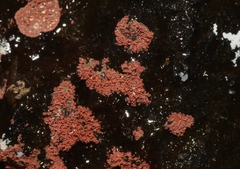
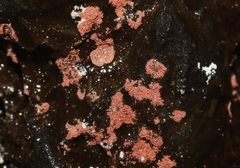
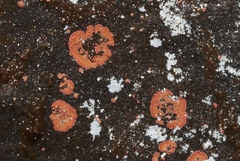
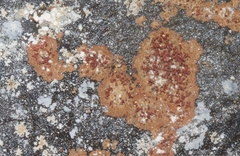
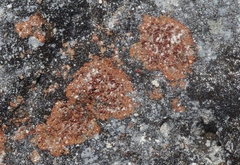
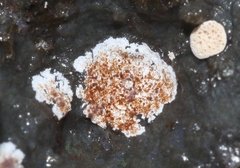
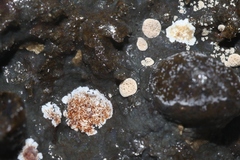
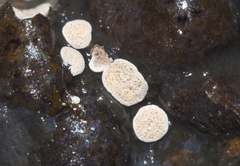
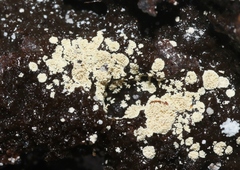
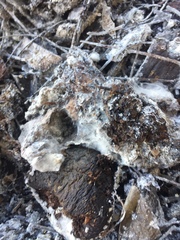
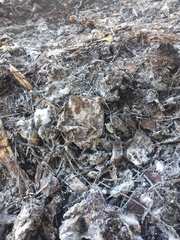
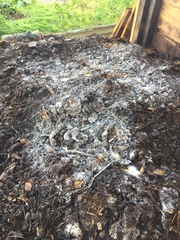
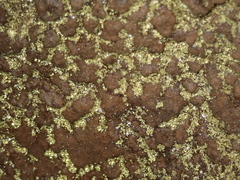
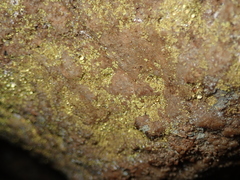
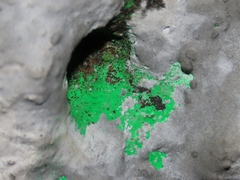
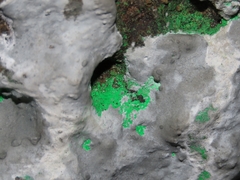
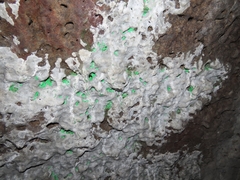
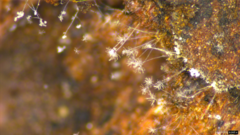
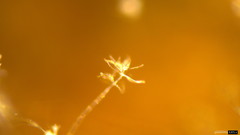
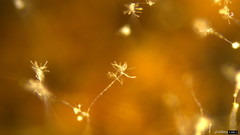
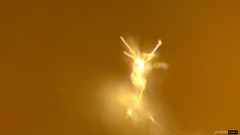
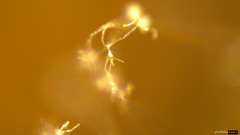
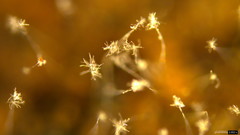
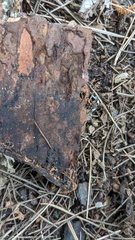
Images from inaturalist.org observations:
We recommend you sign up for this excellent, free service.

Parent Taxon
Sibling Taxa
- Acidobacteria
- Actinobacteria
- Aquificae
- Armatimonadetes
- Bacteroidetes
- Caldiserica
- Chlamydiae
- Chlorobi
- Chloroflexi
- Chrysiogenetes
- Cyanobacteria
- Deferribacteres
- Deinococcus-thermus
- Dictyoglomi
- Elusimicrobia
- Fibrobacteres
- Firmicutes
- Fusobacteria
- Gemmatimonadetes
- Lentisphaerae
- Nitrospira
- Planctomycetes
- Proteobacteria
- Spirochaetae
- Synergistetes
- Tenericutes
- Thermodesulfobacteria
- Thermotogae
- Verrucomicrobia