Agriotes obscurus: taxon details and analytics
- Domain
- Kingdom
- Animalia
- Phylum
- Arthropoda
- Class
- Insecta
- Order
- Coleoptera
- Family
- Elateridae
- Genus
- Agriotes
- Species
- Agriotes obscurus
- Scientific Name
- Agriotes obscurus
Summary description from Wikipedia:
Agriotes obscurus
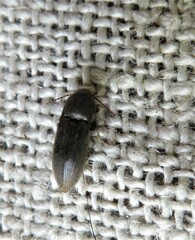
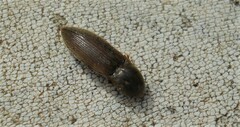
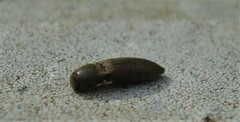
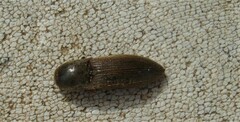
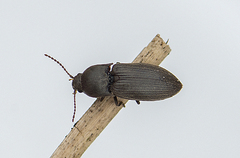
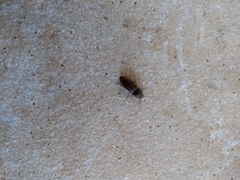
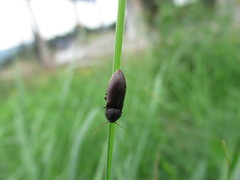
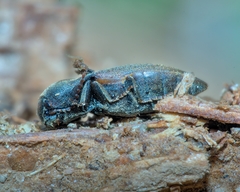
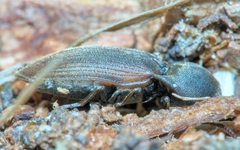
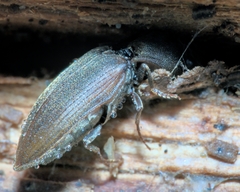
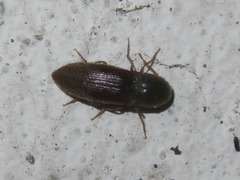
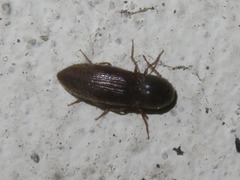
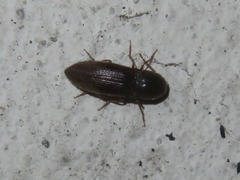
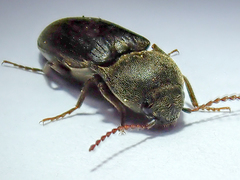
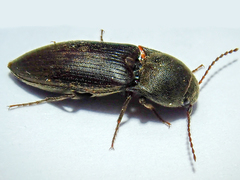
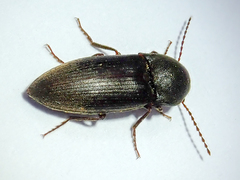
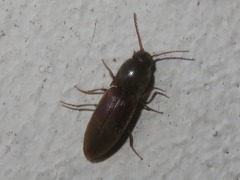
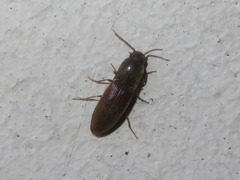
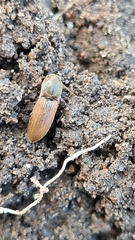
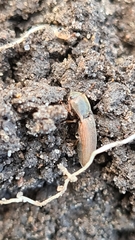
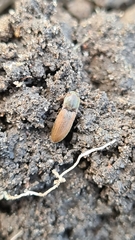
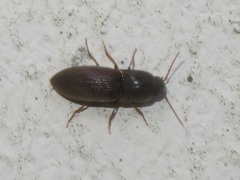
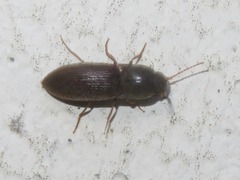
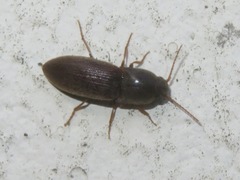
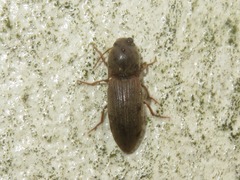
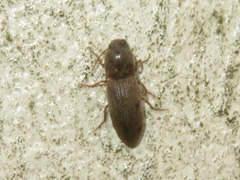
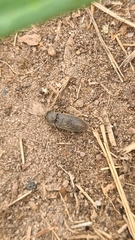
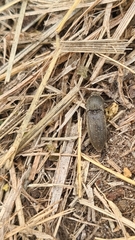
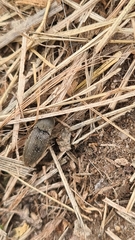
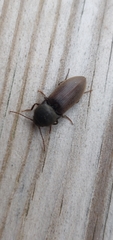
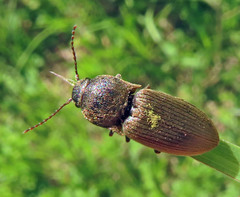
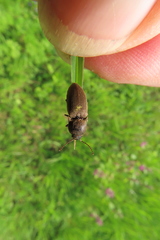
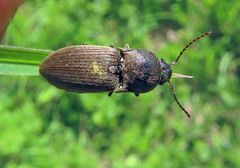
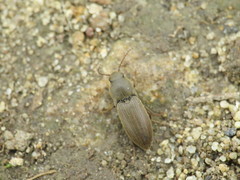
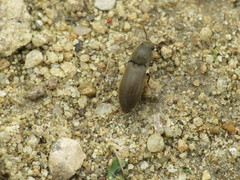
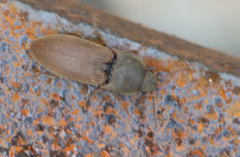
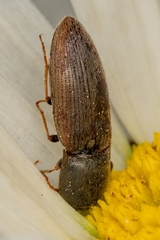
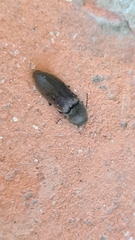
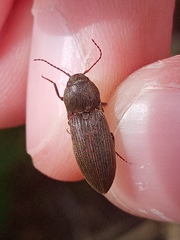
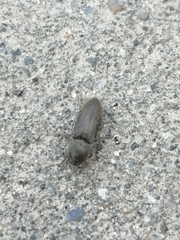
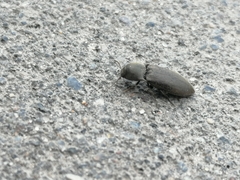
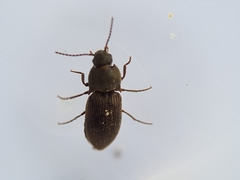
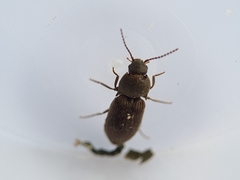
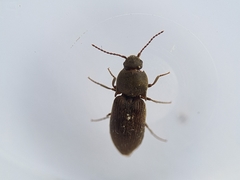
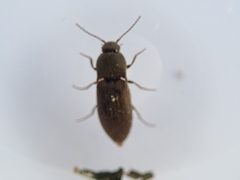
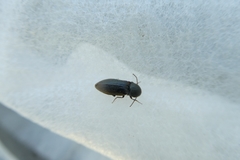
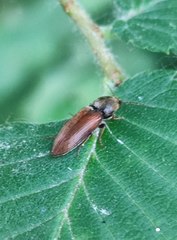
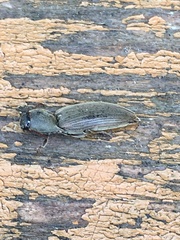
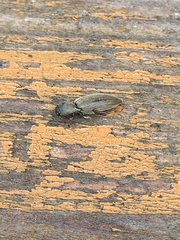
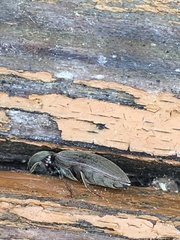
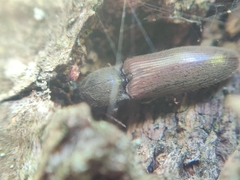
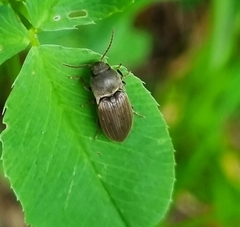
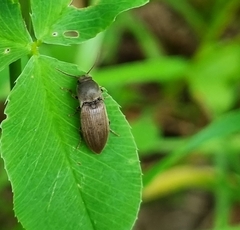
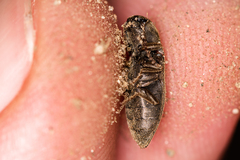
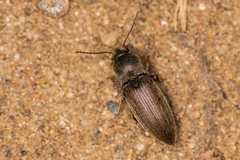
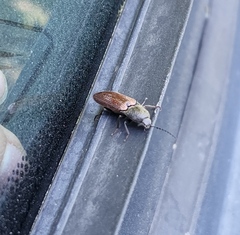
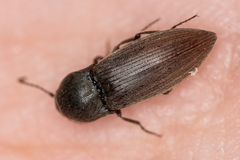
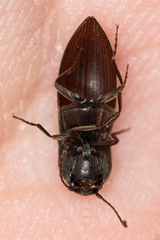
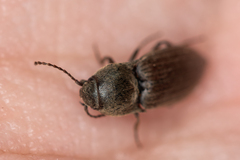
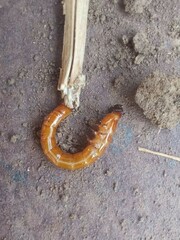
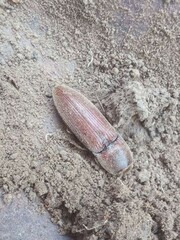
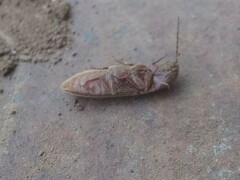
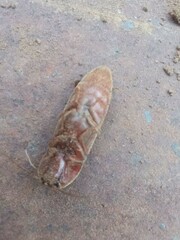
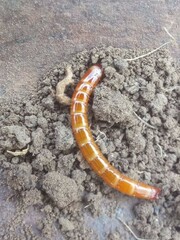
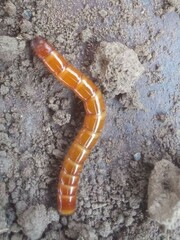
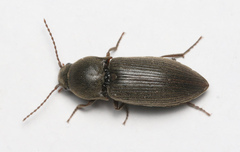
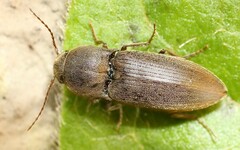
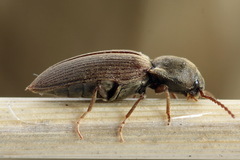
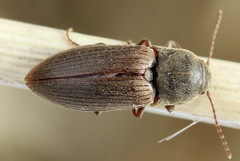
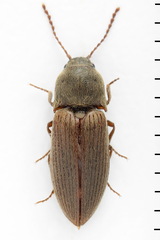
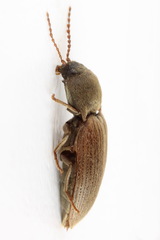
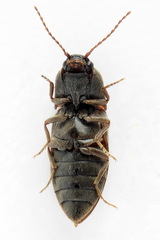
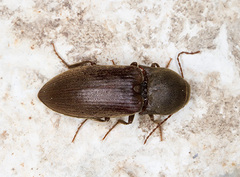
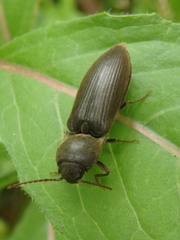
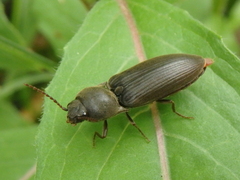
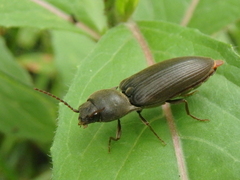
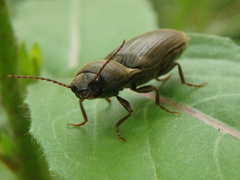
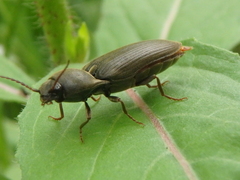
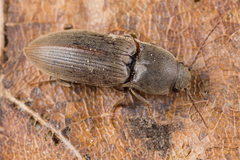
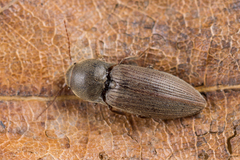
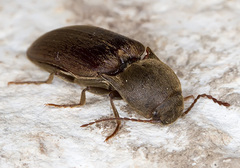
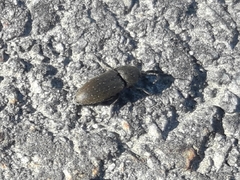
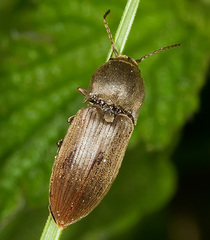
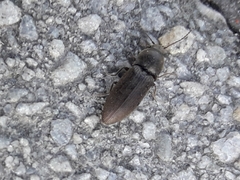
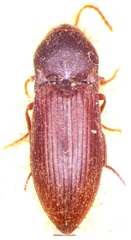
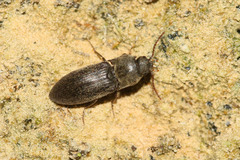
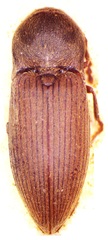
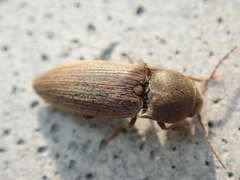
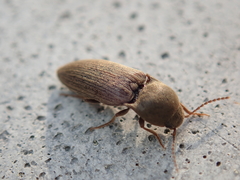
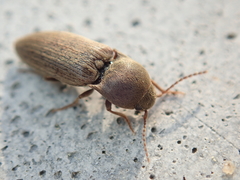
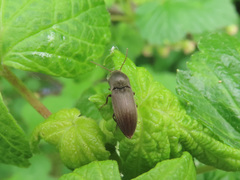
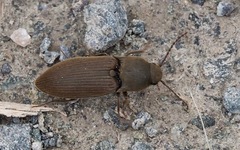
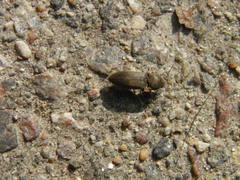
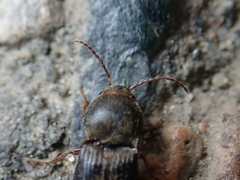
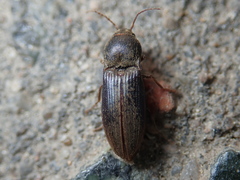
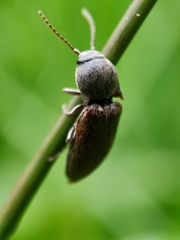
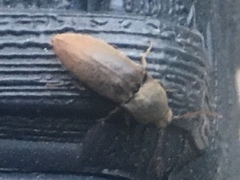
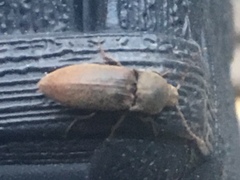
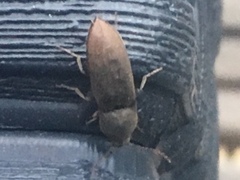
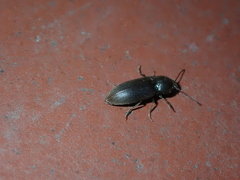
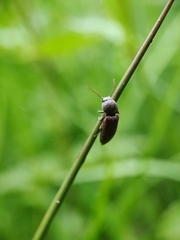
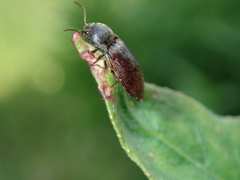
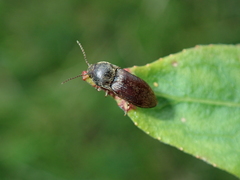
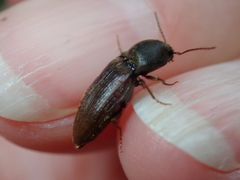
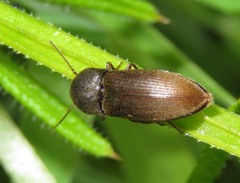
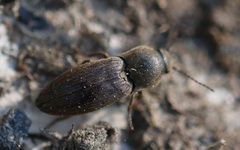
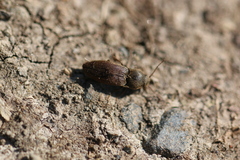
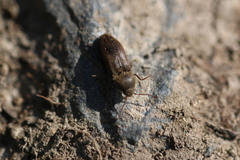
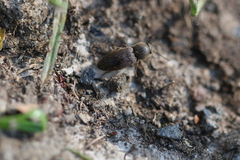
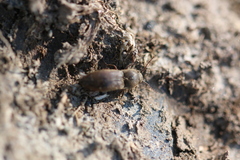
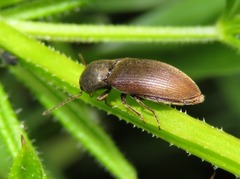
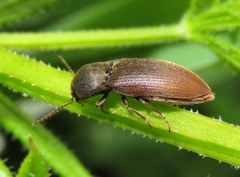
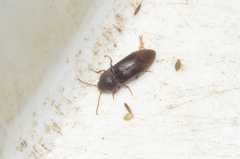
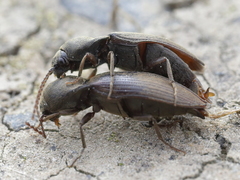
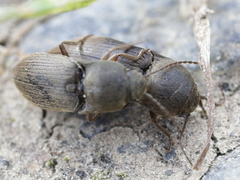
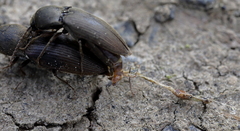
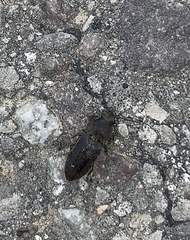
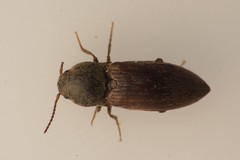
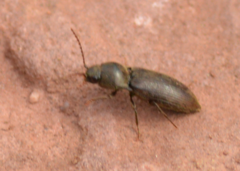
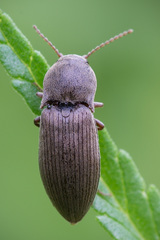
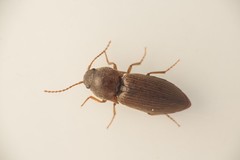
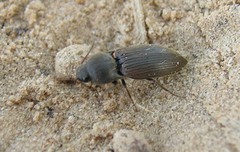
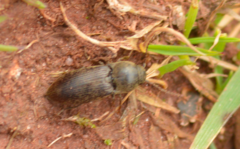
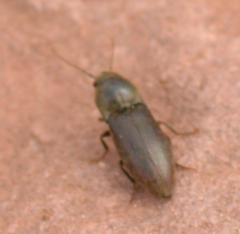
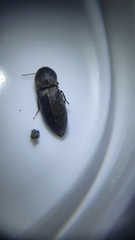
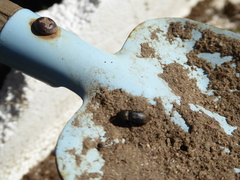
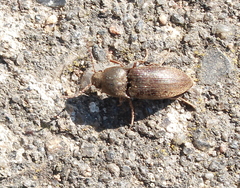
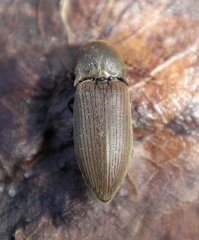
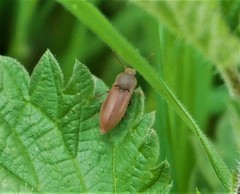
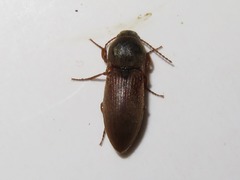
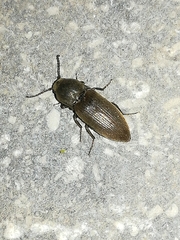
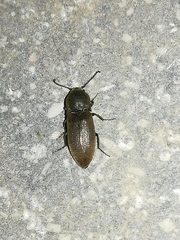
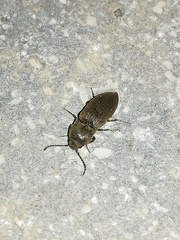
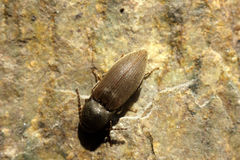
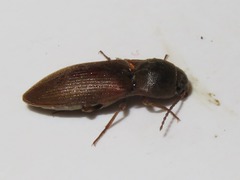
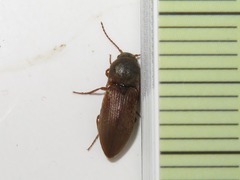
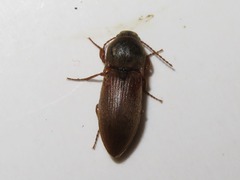
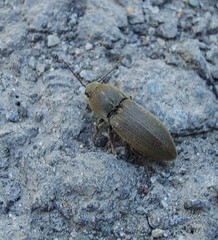
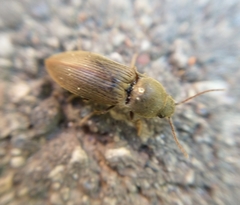
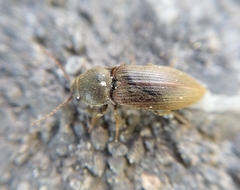
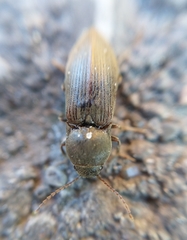
Agriotes obscurus, commonly known as dusky wireworm or obscure click beetle, is a species from the family Elateridae that is native and widely distributed in central and northern Europe. It is also present in parts of northern Asia and has been accidentally introduced into western Canada around 1900. It is now established in British Columbia (Canada) and Washington State (U.S.A.), with the risk of spreading to other parts of North America. The larvae (wireworms) are agricultural pests and attack the tubers, seeds and roots of numerous crops like potatoes, beets, cereals, sunflower, vegetables and ornamentals. The larvae also feed on the roots of some grasses and various other plants. For example, in Austria A. obscurus larvae often feed on the roots of common yarrow (Achillea millefolium). For minimizing the harmful effects of pesticides on the environment, an integrated approach is recommended for managing A. obscurus in agricultural fields. Primarily, this involves monitoring the pest populations with pheromone or larval traps. If damaging numbers are detected, non-pesticide management measures should be preferred like crop rotation or timing tillage and irrigation in a way so that the eggs and young larvae are desiccated in the top layer of the soil. The adult beetles are dark brown to black and about 8-10 mm long. They can be distinguished from other species of Agriotes by the morphology of the pronotum, the longitudinal ridges on the elytra and their coloration. The general color of the adult beetle is dark brown to black, but the elytra, legs and antennae are often reddish-brown. Most parts of the body are covered with greyish hair. The antennae are slightly longer than head and pronotum combined. In cooler regions, the life cycle is completed in four years, but it can be shorter under warmer conditions and may be as short as two years. Egg laying starts in spring and the larvae go through 10 or more instars, depending on the environmental conditions.
...Agriotes obscurus in languages:
- Bokmål
- åkersmeller
- Czech
- kovařík tmavý
- Danish
- Mørk kornsmælder
- Dutch
- Donkere akkerkniptor
- Finnish
- tummaviljaseppä
- Japanese
- オウシュウカバイロコメツキ
- Lithuanian
- Tamsusis Dirvaspragšis
- Russian
- Щелкун посевной тёмный
- Swedish
- mörk sädesknäppare
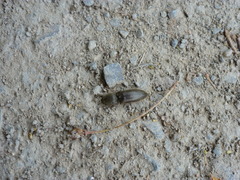
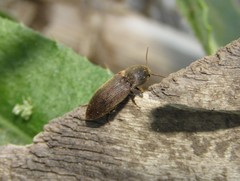
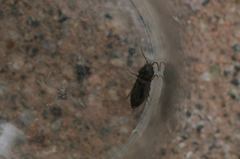
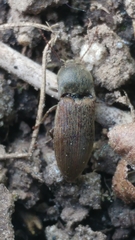
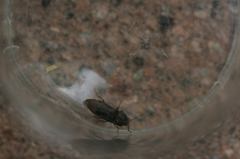
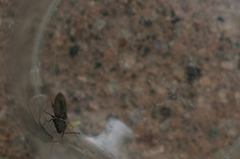
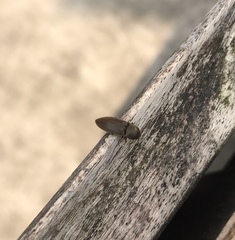
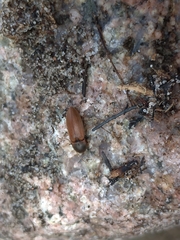
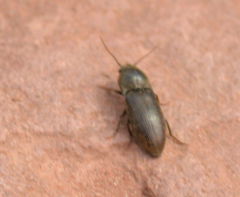
Images from inaturalist.org observations:
We recommend you sign up for this excellent, free service.
Parent Taxon
Sibling Taxa
- Agriotes acuminatus
- Agriotes amabilis
- Agriotes apicalis
- Agriotes arcanus
- Agriotes avulsus
- Agriotes belfragei
- Agriotes brevis
- Agriotes collaris
- Agriotes criddlei
- Agriotes duhokensis
- Agriotes ferrugineipennis
- Agriotes fucosus
- Agriotes fuscicollis
- Agriotes gallicus
- Agriotes gurgistanus
- Agriotes hoodi
- Agriotes infuscatus
- Agriotes insanus
- Agriotes iraqensis
- Agriotes isabellinus
- Agriotes lateralis
- Agriotes limosus
- Agriotes lineatus
- Agriotes litigiosus
- Agriotes mancus
- Agriotes medvedevi
- Agriotes meticulosus
- Agriotes modestus
- Agriotes oblongicollis
- Agriotes obscurus
- Agriotes opaculus
- Agriotes pallidulus
- Agriotes paludum
- Agriotes passosi
- Agriotes pilosellus
- Agriotes proximus
- Agriotes pubescens
- Agriotes quadrivittatus
- Agriotes quebecensis
- Agriotes sordidus
- Agriotes sparsus
- Agriotes sputator
- Agriotes stabilis
- Agriotes sublineatus
- Agriotes tardus
- Agriotes tauricus
- Agriotes thevenetii
- Agriotes trivittatus
- Agriotes ustulatus