Alkanna tinctoria: taxon details and analytics
- Domain
- Kingdom
- Plantae
- Phylum
- Tracheophyta
- Class
- Magnoliopsida
- Order
- Boraginales
- Family
- Boraginaceae
- Genus
- Alkanna
- Species
- Alkanna tinctoria
- Scientific Name
- Alkanna tinctoria
Summary description from Wikipedia:
Alkanna tinctoria
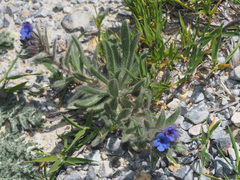
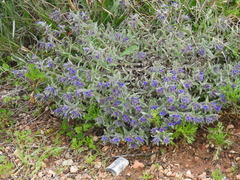
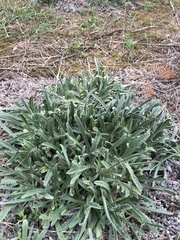
Alkanna tinctoria, the dyer's alkanet or simply alkanet, is a herbaceous flowering plant in the borage family Boraginaceae. Its roots are used to produce a red dye. The plant is also known as dyers' bugloss, orchanet, Spanish bugloss, or Languedoc bugloss. It is native to the Mediterranean region. A. tinctoria has 30 chromosomes and is regarded as a dysploid at the tetraploid level (4x + 2).
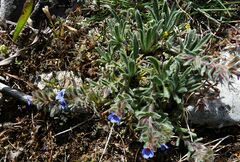
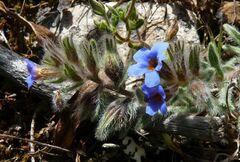
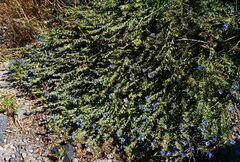
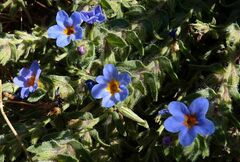
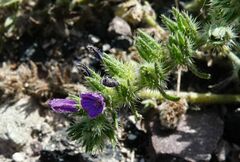
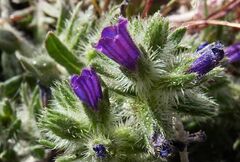
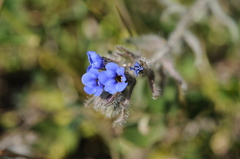
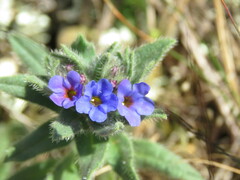
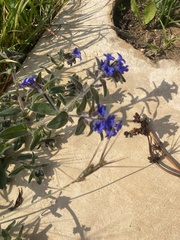
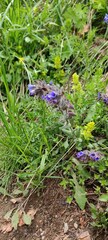
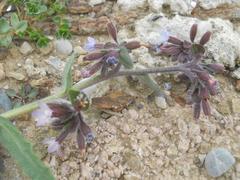
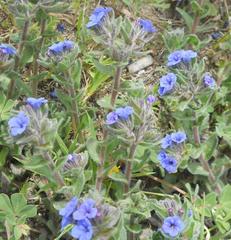
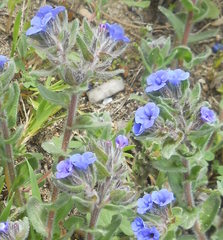
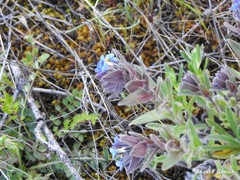
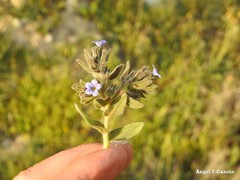
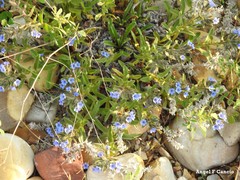
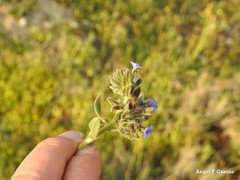
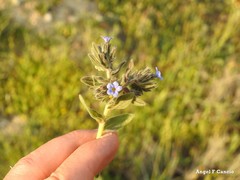
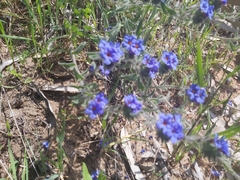
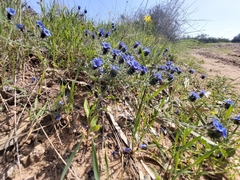
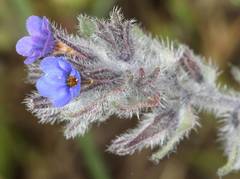
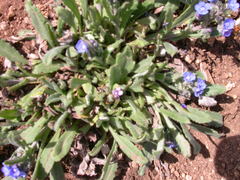
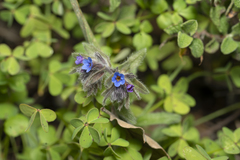
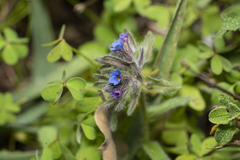
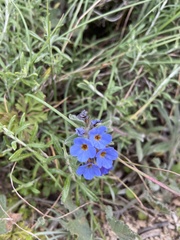
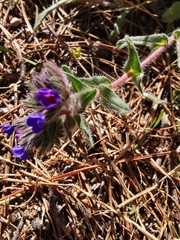
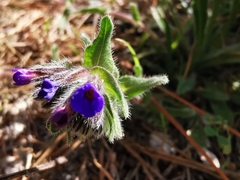
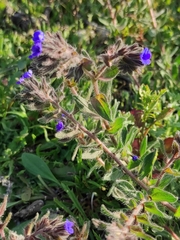
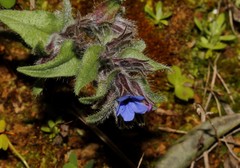
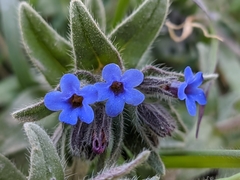
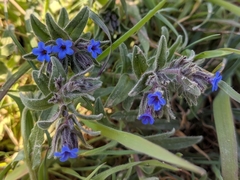
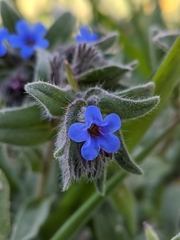
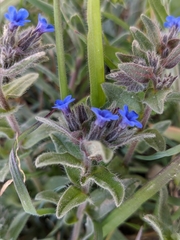
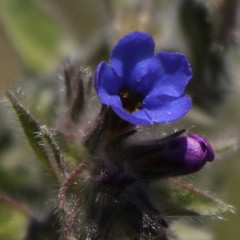
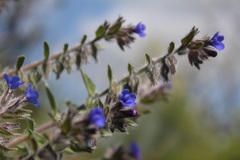
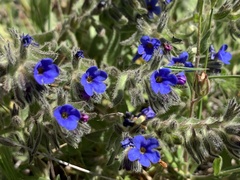
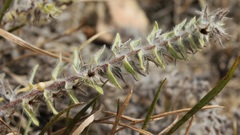
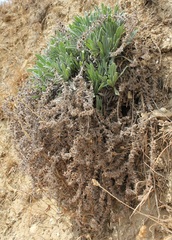
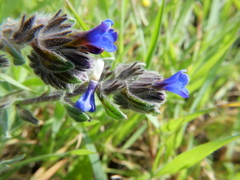
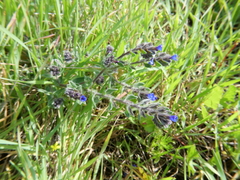
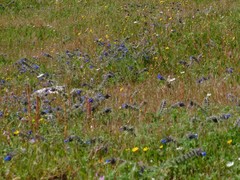
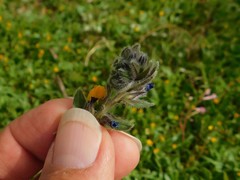
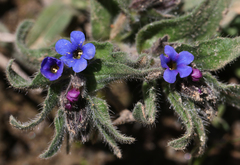
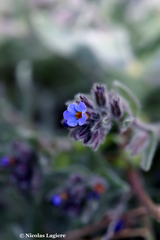
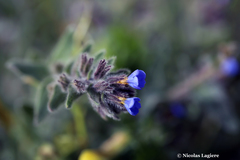
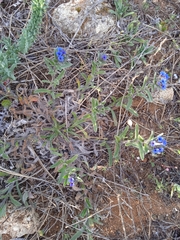
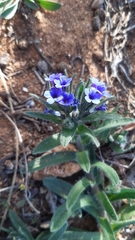
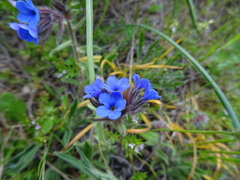
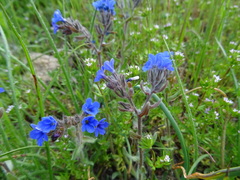
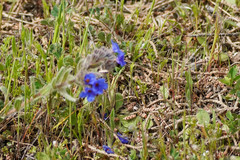
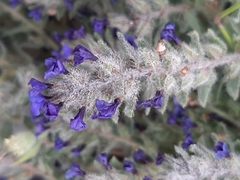
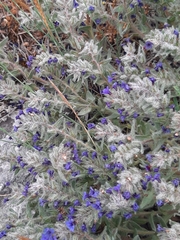
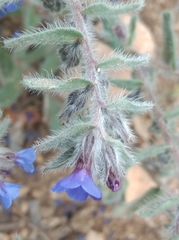
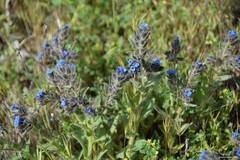
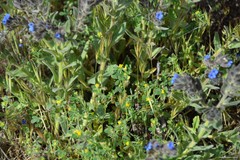
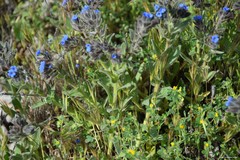
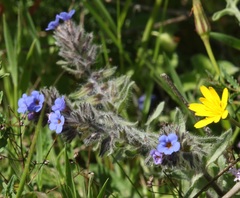
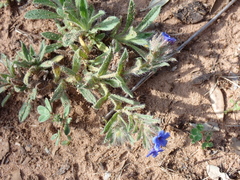
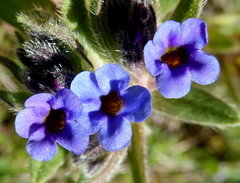
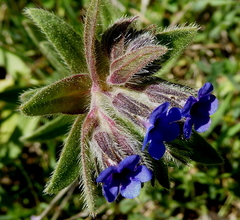
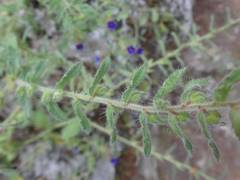
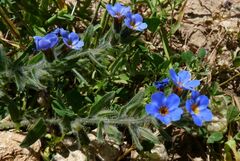
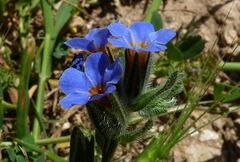
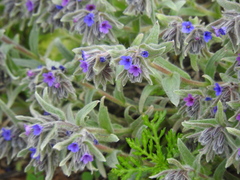
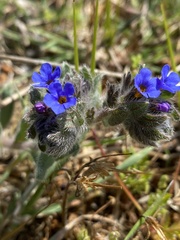
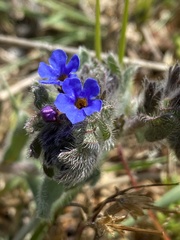
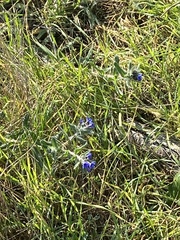
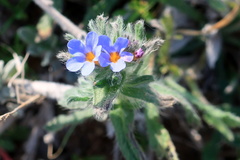
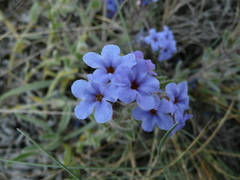
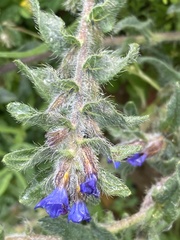
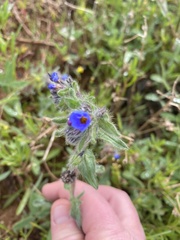
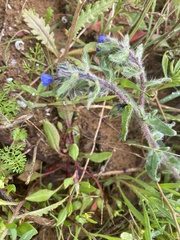
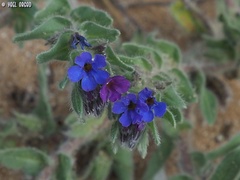
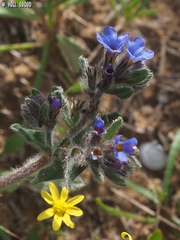
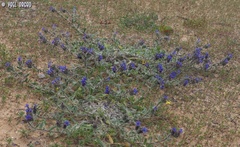
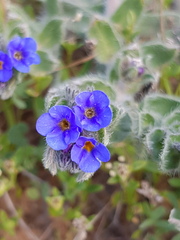
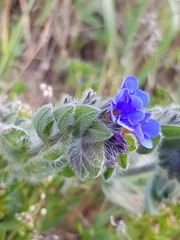
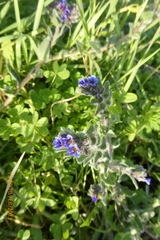
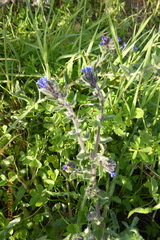
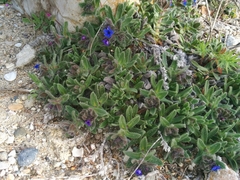
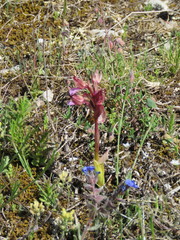
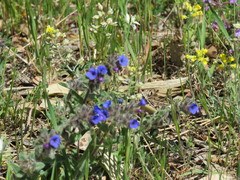
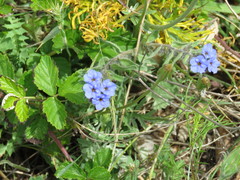
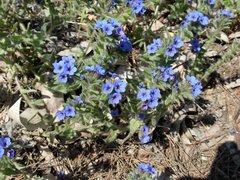
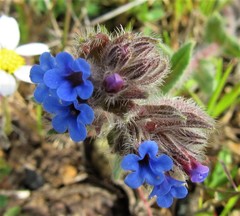
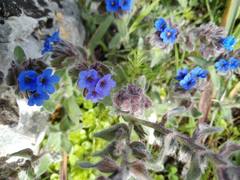
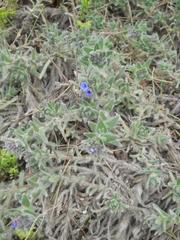
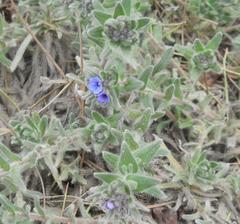
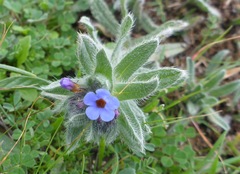
A. tinctoria has a bright blue flower. The plant has a root of blackish appearance externally, but blue-red inside, with a whitish core. The root produces a fine red colouring material, which has been used as a dye in the Mediterranean region since antiquity. The dyestuff in its roots is soluble in alcohol, ether, and oils, but is insoluble in water. It is used to give colour to wines and alcoholic tinctures, to vegetable oils, and to varnishes.
Powdered and mixed with oil, the alkanet root is used as a wood stain. When mixed into an oily environment, it imparts a crimson color to the oil, which when applied to wood moves the wood's color towards dark-red-brown (resembling that of rosewood), and accentuates the grain of the wood.
Alkanet is also traditionally used in Indian food under the name ratan jot, and lends its red colour to some versions of the curry dish rogan josh. In Australia, alkanet is approved for use as a food colouring, but in the European Union, it is not.
It has been used as colorant for lipstick and rouge.
In alkaline environments, alkanet dye is blue; in the presence of acids it gradually changes to crimson. The colour is red at pH 6.1, purple at 8.8 and blue at pH 10.
The colouring agent in A. tinctoria root has been chemically isolated and named alkannin.
In folk medicine, it is also used to treat abscesses and inflammations.
In English in the late medieval era, the name alkanet meant A. tinctoria. In the centuries since then, the name has come to be used informally for some botanically related other plants; see Alkanet.
...Alkanna tinctoria in languages:
- Czech
- kamejník barvířský
- Danish
- Farve-Stilkfrø
- English
- Dyer's Alkanet
- French
- Orcanette des teinturiers
- Hebrew
- אלקנת הצבעים
- Hungarian
- homoki bárányoirosító
- Hungarian
- homoki báránypirosító
- Italian
- Arganetta azzurra
- Polish
- alkanna barwierska
- Russian
- Алканна красильная
- Slovene
- barvilna alkana
- Turkish
- havaciva otu
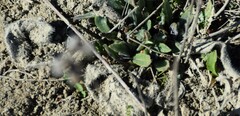
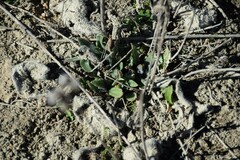
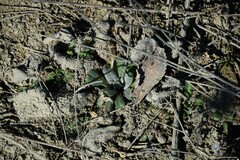
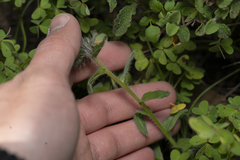
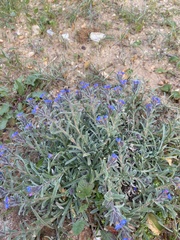
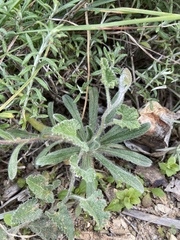
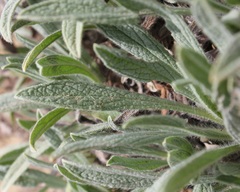
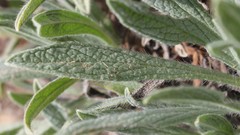
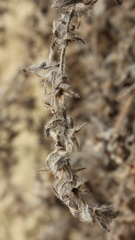
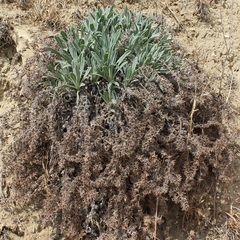
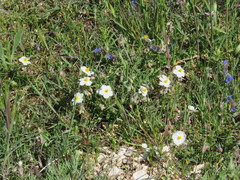
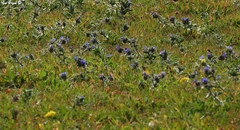
Images from inaturalist.org observations:
We recommend you sign up for this excellent, free service.
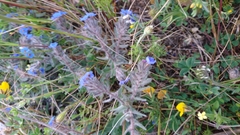
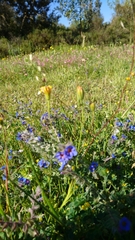
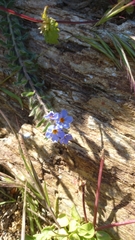
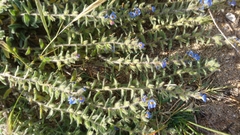
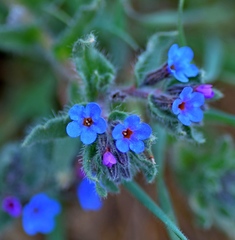
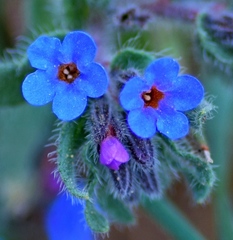
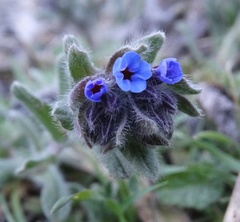
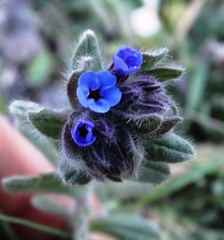
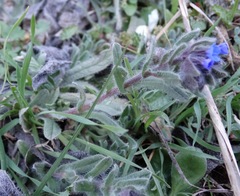
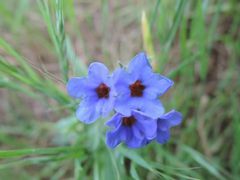
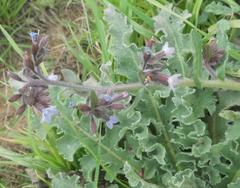
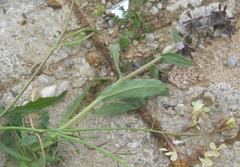
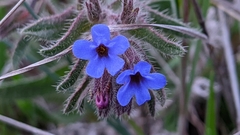
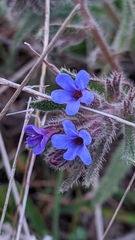
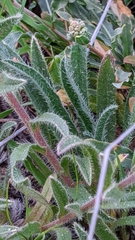
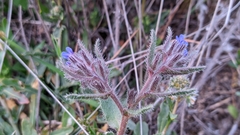
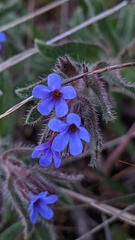
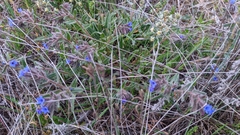
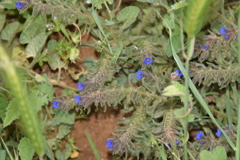
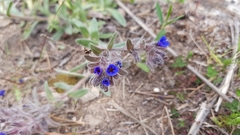
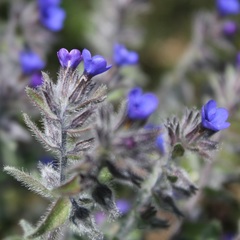
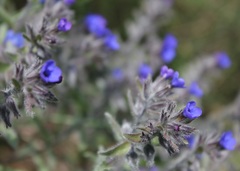
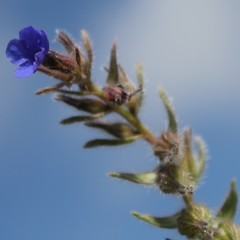
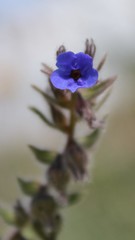
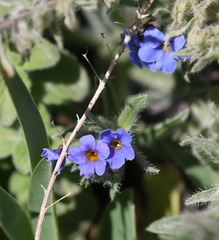
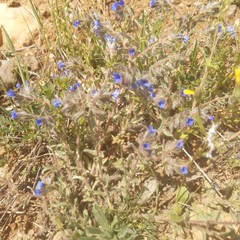
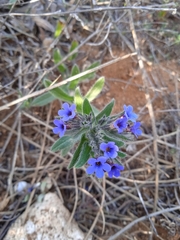
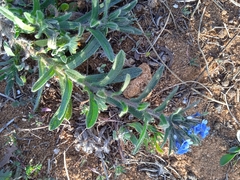
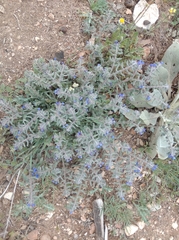
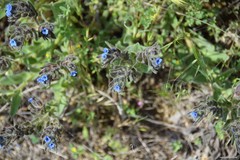
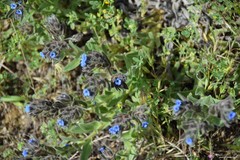
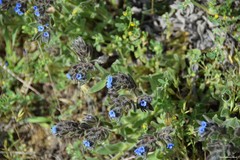
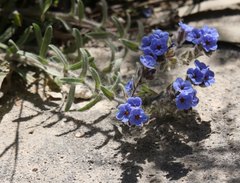
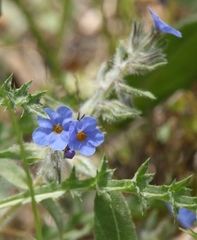
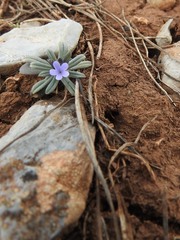
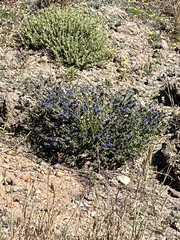
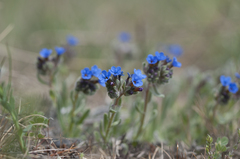
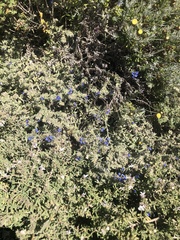
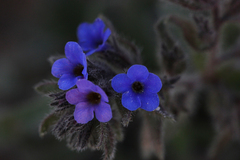
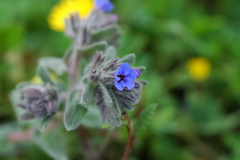
Parent Taxon
Sibling Taxa
- Alkanna amana
- Alkanna angustifolia
- Alkanna areolata
- Alkanna attilae
- Alkanna aucheriana
- Alkanna auranitica
- Alkanna bracteosa
- Alkanna calliensis
- Alkanna cappadocica
- Alkanna chrysanthiana
- Alkanna confusa
- Alkanna corcyrensis
- Alkanna cordifolia
- Alkanna dumanii
- Alkanna frigida
- Alkanna froedinii
- Alkanna galilaea
- Alkanna graeca
- Alkanna haussknechtii
- Alkanna hellenica
- Alkanna hirsutissima
- Alkanna hispida
- Alkanna incana
- Alkanna jordanovii
- Alkanna kotschyana
- Alkanna leiocarpa
- Alkanna leptophylla
- Alkanna lutea
- Alkanna macrophylla
- Alkanna macrosiphon
- Alkanna malatyana
- Alkanna maleolens
- Alkanna megacarpa
- Alkanna methanaea
- Alkanna milliana
- Alkanna mughlae
- Alkanna noneiformis
- Alkanna oreodoxa
- Alkanna orientalis
- Alkanna pamphylica
- Alkanna pelia
- Alkanna phrygia
- Alkanna pinardi
- Alkanna pindicola
- Alkanna prasinophylla
- Alkanna primuliflora
- Alkanna pseudotinctoria
- Alkanna pulmonaria
- Alkanna punctulata
- Alkanna sandwithii
- Alkanna sartoriana
- Alkanna saxicola
- Alkanna scardica
- Alkanna sfikasiana
- Alkanna shattuckia
- Alkanna sieberi
- Alkanna sieheana
- Alkanna stojanovii
- Alkanna stribrnyi
- Alkanna strigosa
- Alkanna sumbulii
- Alkanna tinctoria
- Alkanna trichophila
- Alkanna tubulosa
- Alkanna verecunda
- Alkanna viscidula