Alyxia spicata: taxon details and analytics
- Domain
- Kingdom
- Plantae
- Phylum
- Tracheophyta
- Class
- Magnoliopsida
- Order
- Gentianales
- Family
- Apocynaceae
- Genus
- Alyxia
- Species
- Alyxia spicata
- Scientific Name
- Alyxia spicata
Summary description from Wikipedia:
Alyxia spicata
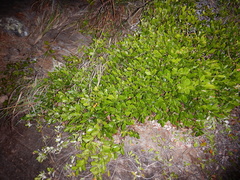
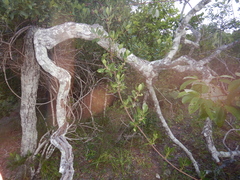
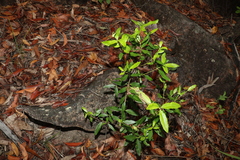
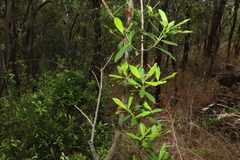
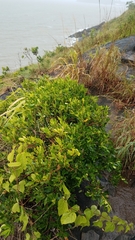
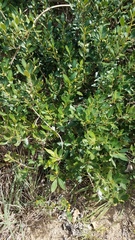
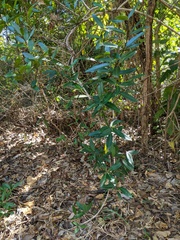
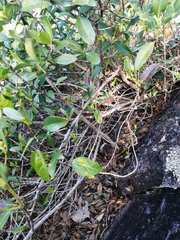
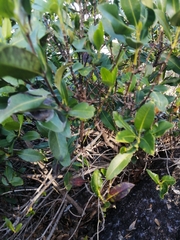
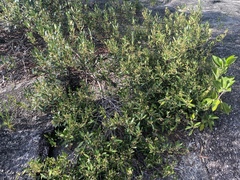
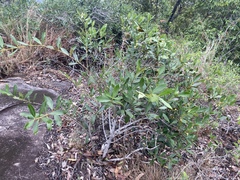
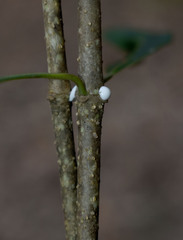
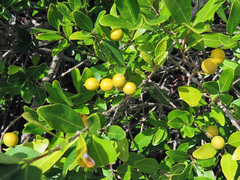
Alyxia spicata, commonly known as chain fruit, is a sprawling shrub or vine in the family Apocynaceae. It is native to New Guinea and the Australian tropics.
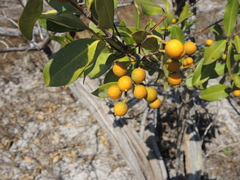
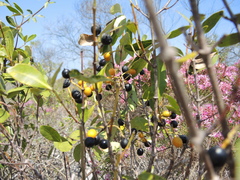
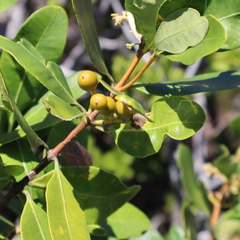
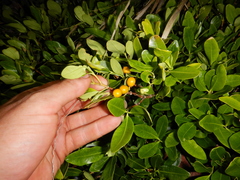
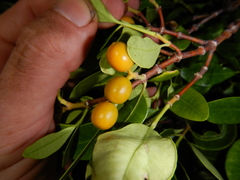
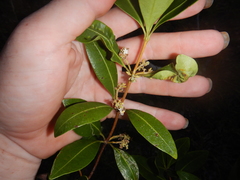
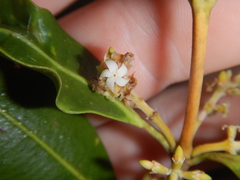
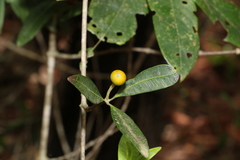
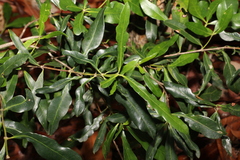
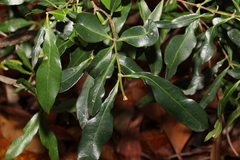
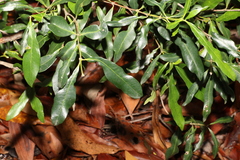
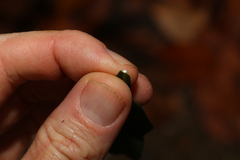
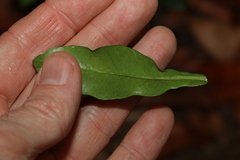
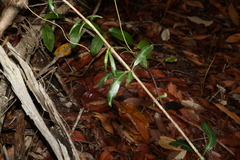
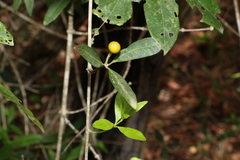
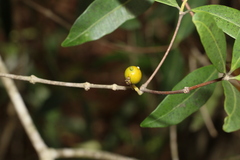
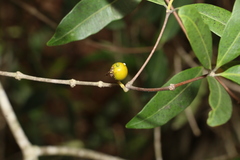
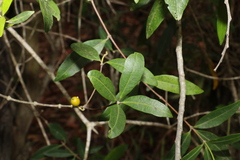
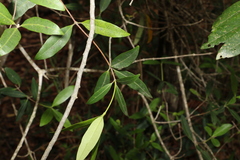
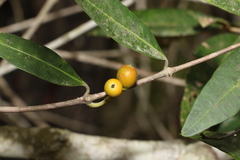
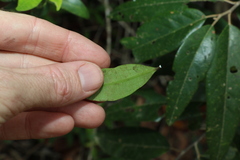
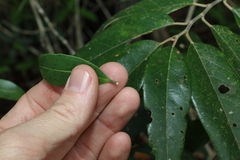
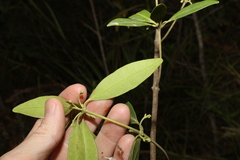
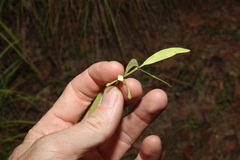
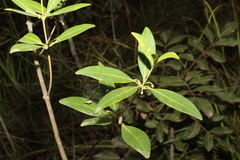
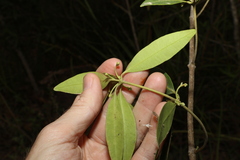
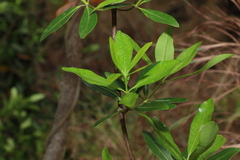
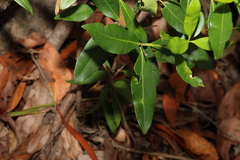
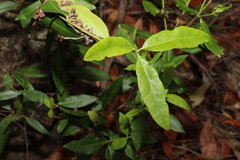
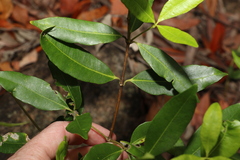
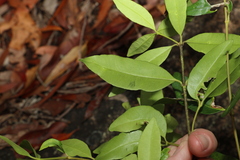
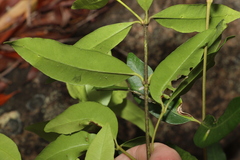
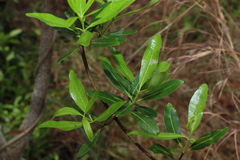
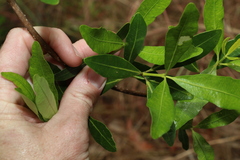
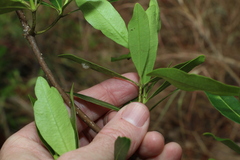
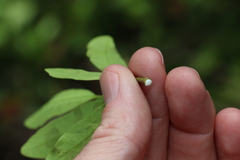
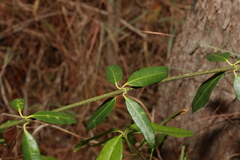
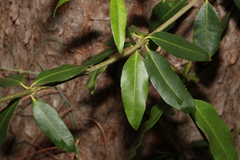
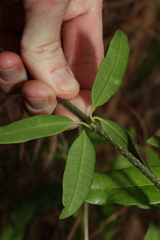
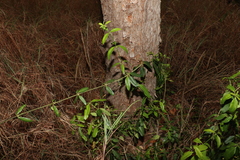
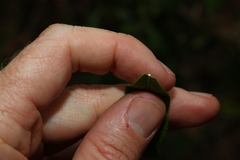
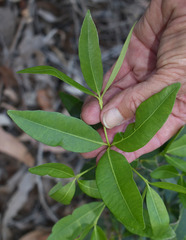
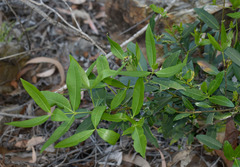
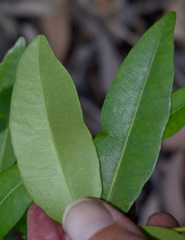
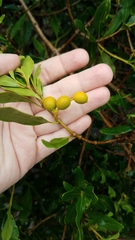
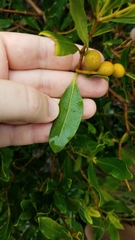
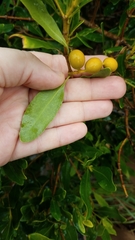
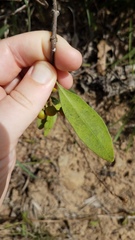
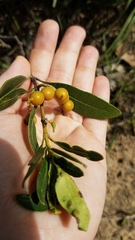
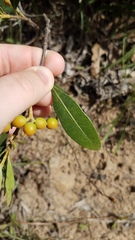
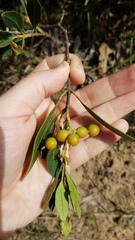
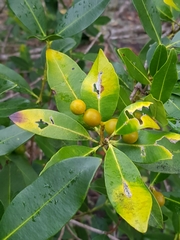
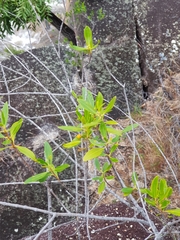
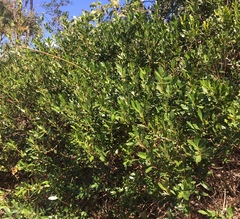
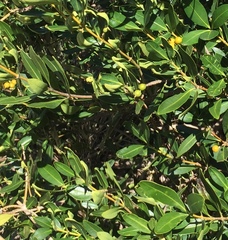
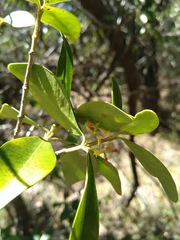
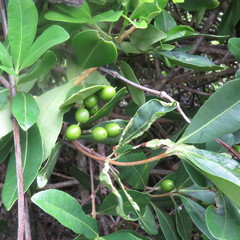
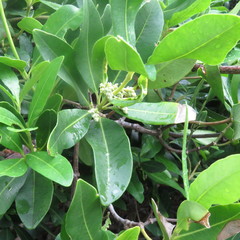
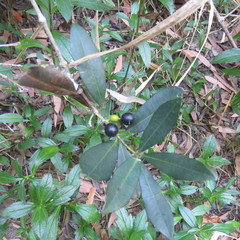
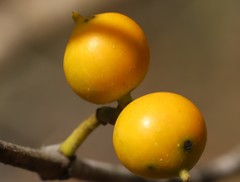
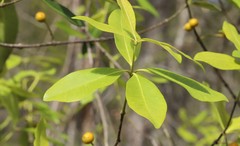
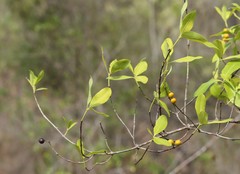
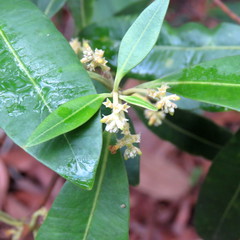
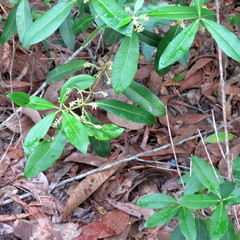
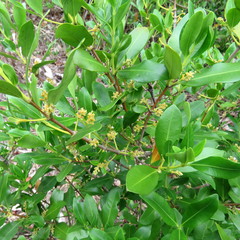
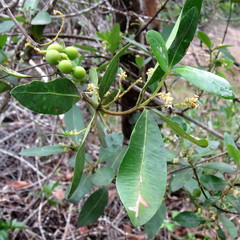
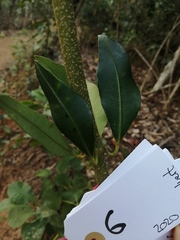
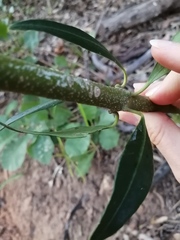
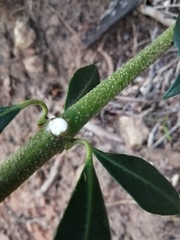
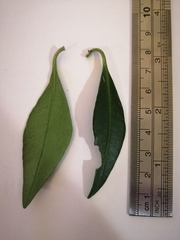
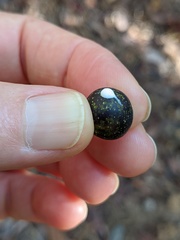
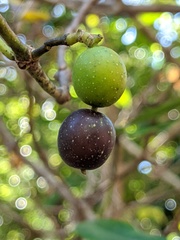
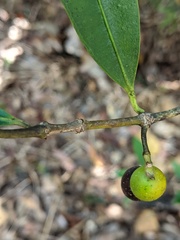
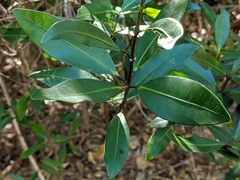
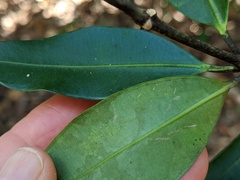
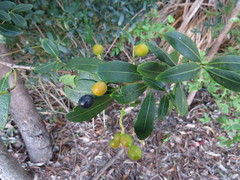
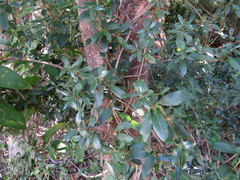
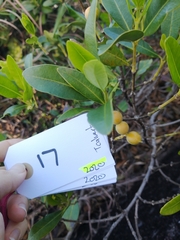
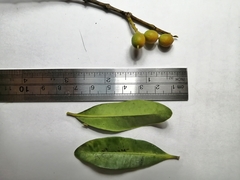
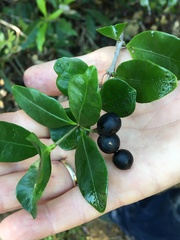
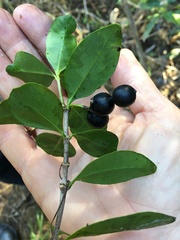
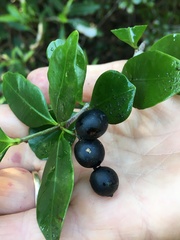
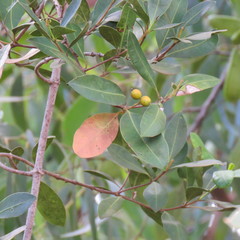
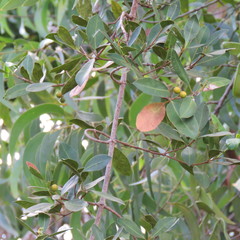
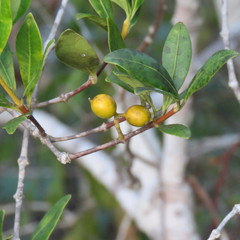
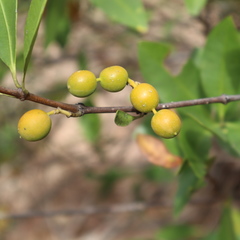
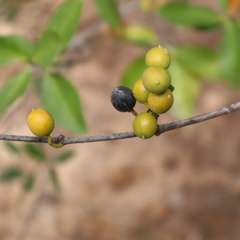
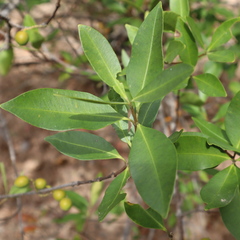
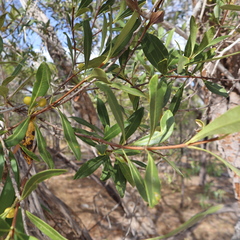
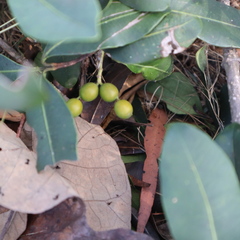
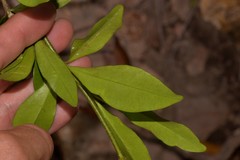
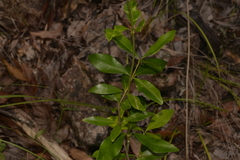
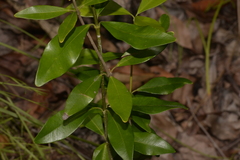
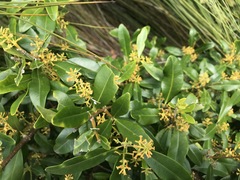
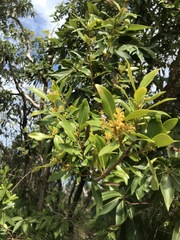
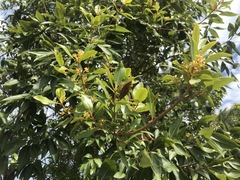
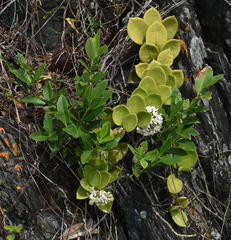
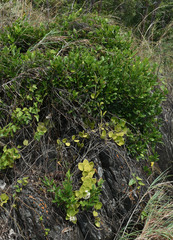
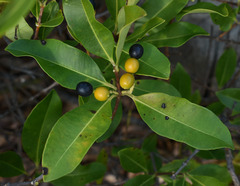
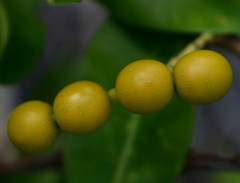
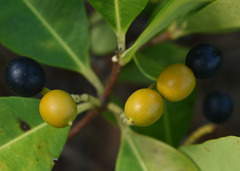
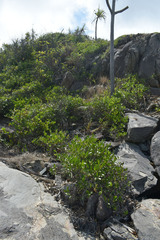
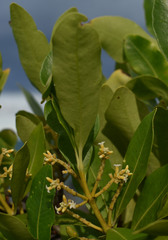
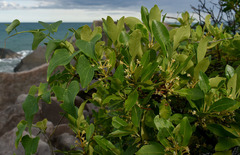
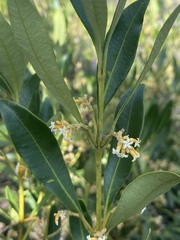
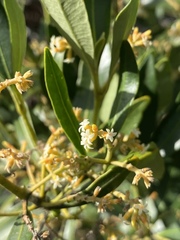
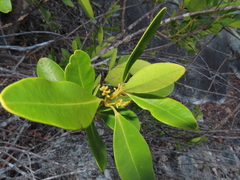
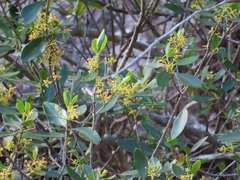
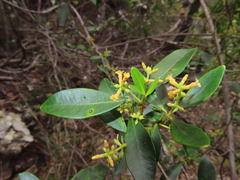
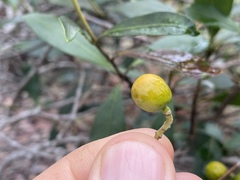
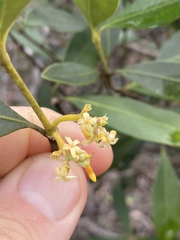
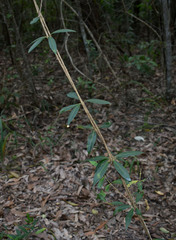
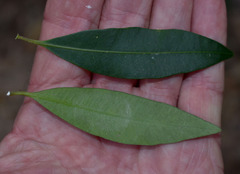
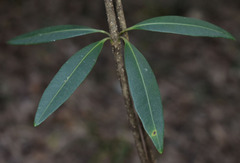
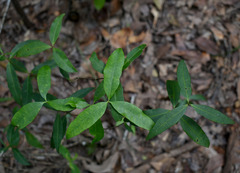
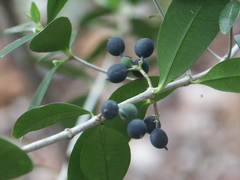
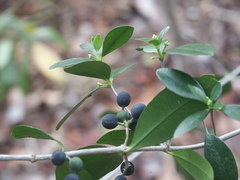
Plants may grow up to 4 metres (13 ft) high and have leaves in whorls of 4 on vertically growing shoots and whorls of 3 on horizontal shoots. Flowers usually have an orange tube with cream lobes and are 3 to 4 mm (0.12 to 0.16 in) in diameter with a hairy calyx. Fruits transition through yellow and orange and ultimately black upon ripening. These are around 10 mm (0.39 in) in diameter and may be joined like beads on a string.
The species was formally described in 1810 by Scottish botanist Robert Brown in Prodromus Florae Novae Hollandiae, based on a specimen collected at Vanderlin Island in the Gulf of Carpentaria. Plant material had earlier been collected at Cape Grafton and the Endeavour River during Lieutenant James Cook's first voyage of discovery in 1770 and illustrated by Sydney Parkinson. An illustration of the species was published in 1900 with the name Gynopogon spicatum in Illustrations of the Botany of Captain Cook's Voyage Round the World in H.M.S. "Endeavour" in 1768-71.
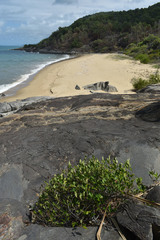
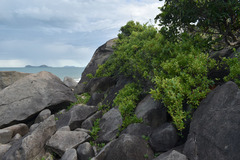
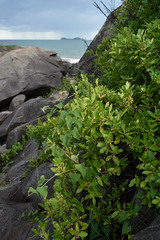
Alyxia spicata occurs naturally in rainforest, beach forest, vine thickets and on cliffs in New Guinea, the northernmost parts of Western Australia and the Northern Territory as well as north-east Queensland. It is found at altitudes ranging from sea level to 1,000 metres (3,300 ft).
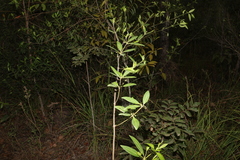
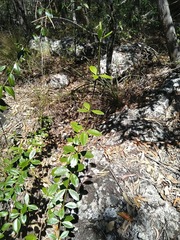
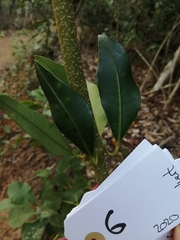
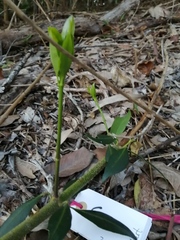
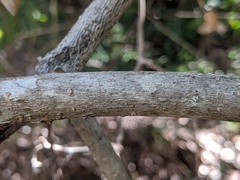
...Images from inaturalist.org observations:
We recommend you sign up for this excellent, free service.
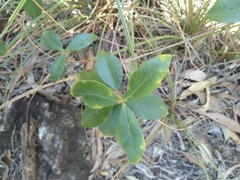
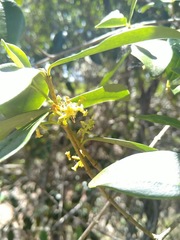
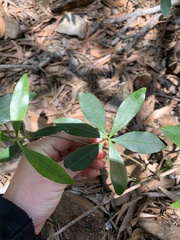
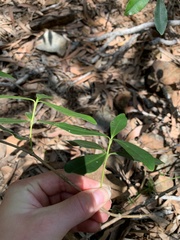
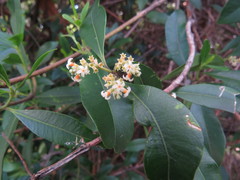
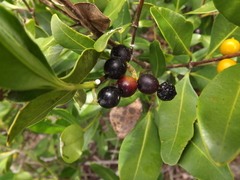
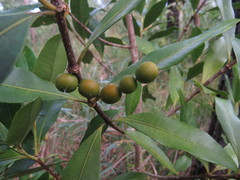
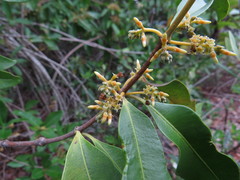
Parent Taxon
Sibling Taxa
- Alyxia acuminata
- Alyxia angustifolia
- Alyxia bracteolosa
- Alyxia buxifolia
- Alyxia cacuminum
- Alyxia composita
- Alyxia concatenata
- Alyxia defoliata
- Alyxia erythrosperma
- Alyxia floribunda
- Alyxia ganophylla
- Alyxia graciliflora
- Alyxia grandis
- Alyxia gynopogon
- Alyxia halmaheirae
- Alyxia ilicifolia
- Alyxia kaalaensis
- Alyxia kendarica
- Alyxia kwalotabaa
- Alyxia lamii
- Alyxia laurina
- Alyxia leucogyne
- Alyxia loeseneriana
- Alyxia longiloba
- Alyxia luzoniensis
- Alyxia magnifolia
- Alyxia manusiana
- Alyxia markgrafii
- Alyxia menglungensis
- Alyxia microphylla
- Alyxia monticola
- Alyxia mujongensis
- Alyxia multistriata
- Alyxia oblongata
- Alyxia oleifolia
- Alyxia orophila
- Alyxia palawanensis
- Alyxia papuana
- Alyxia pilosa
- Alyxia poyaensis
- Alyxia pugio
- Alyxia pullei
- Alyxia punctata
- Alyxia reinwardtii
- Alyxia ridleyana
- Alyxia rostrata
- Alyxia royeniana
- Alyxia ruscifolia
- Alyxia sarasinii
- Alyxia scabrida
- Alyxia schlechteri
- Alyxia semipallescens
- Alyxia sharpei
- Alyxia sinensis
- Alyxia sleumeri
- Alyxia sogerensis
- Alyxia solomonensis
- Alyxia spicata
- Alyxia squamulosa
- Alyxia stellata
- Alyxia sulana
- Alyxia taiwanensis
- Alyxia tetraquetra
- Alyxia tisserantii
- Alyxia tropica
- Alyxia veillonii