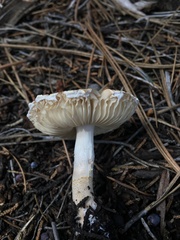
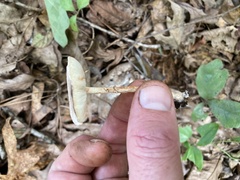
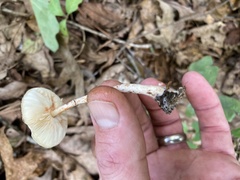
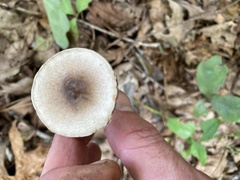
Amanitaceae: taxon details and analytics
- Domain
- Kingdom
- Fungi
- Phylum
- Basidiomycota
- Class
- Agaricomycetes
- Order
- Agaricales
- Family
- Amanitaceae
- Genus
- Species
- Scientific Name
- Amanitaceae
Summary description from Wikipedia:
Amanitaceae
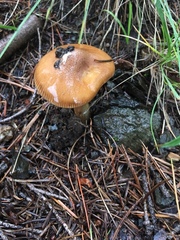
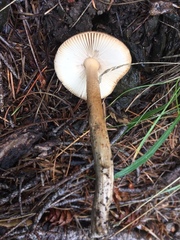
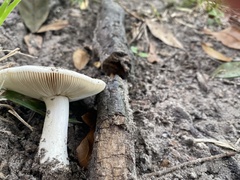
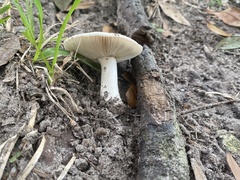
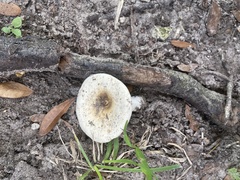
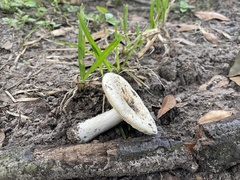
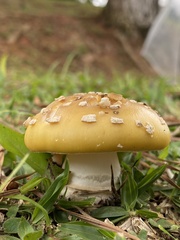
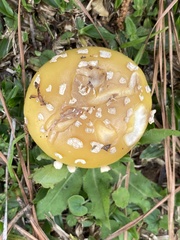
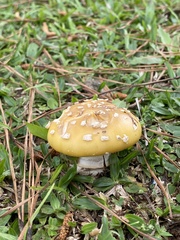
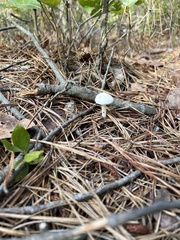
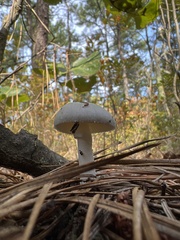
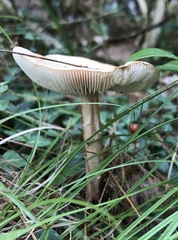
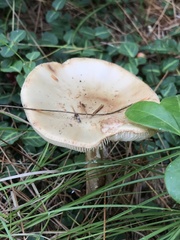
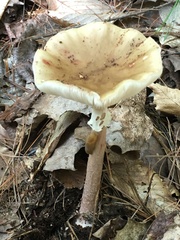
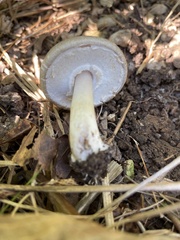
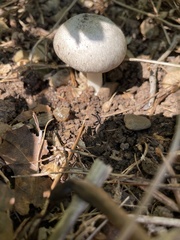
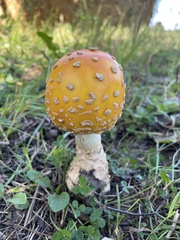
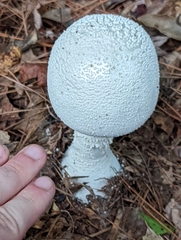
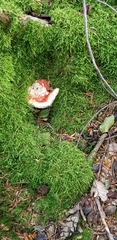
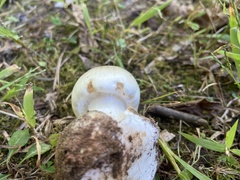
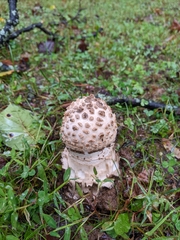
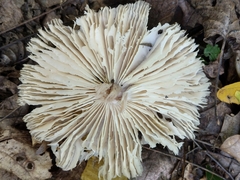
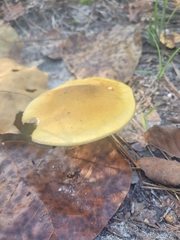
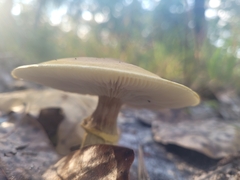
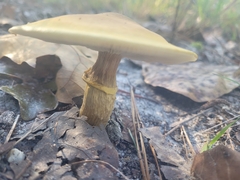
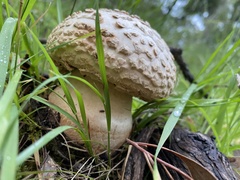
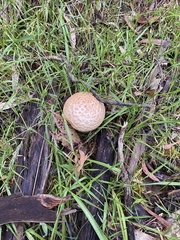
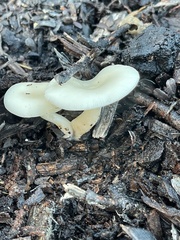
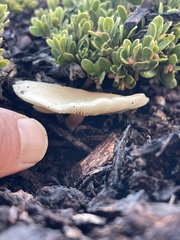
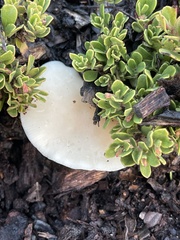
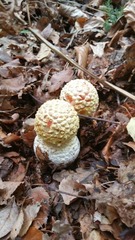
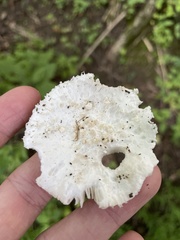
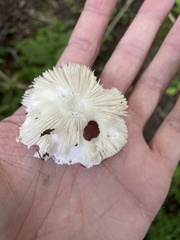
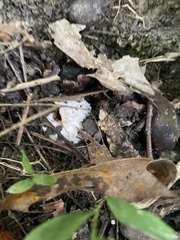
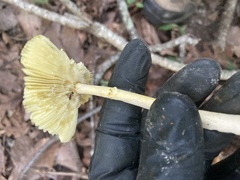
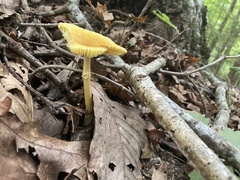
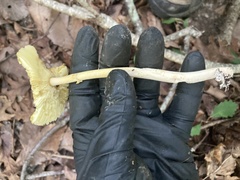
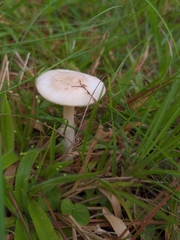
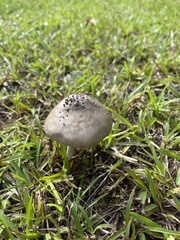
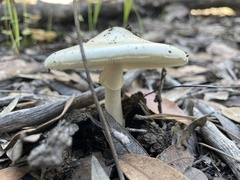
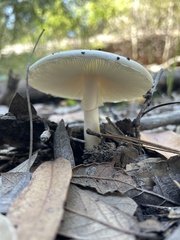
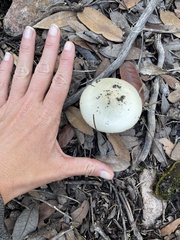
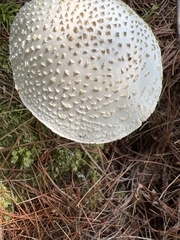
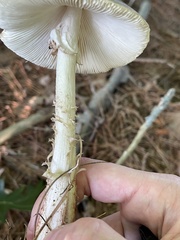
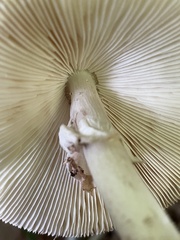
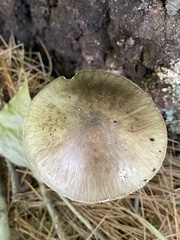
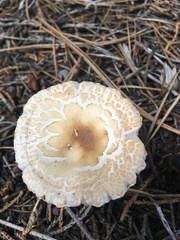
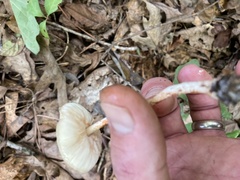
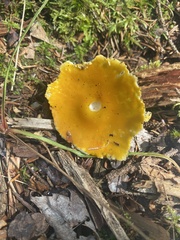
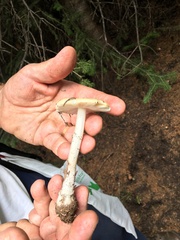
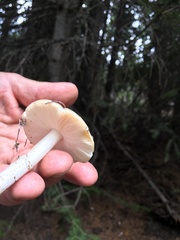
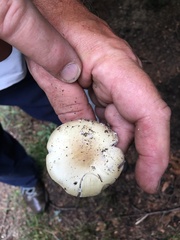
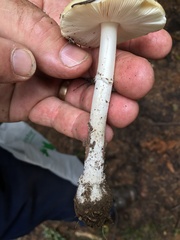
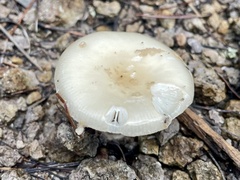
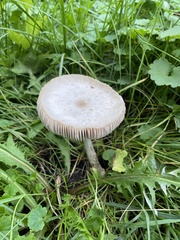
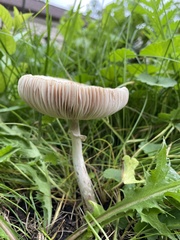
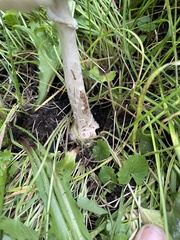
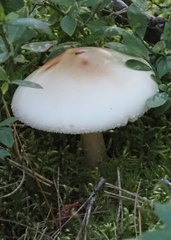
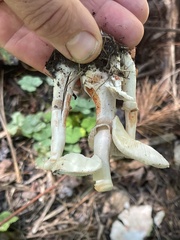
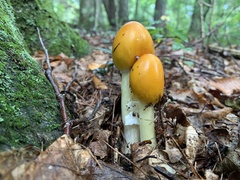
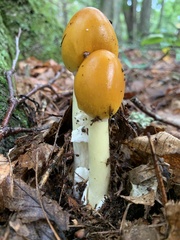
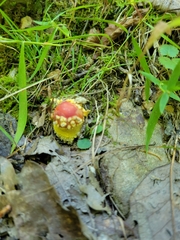
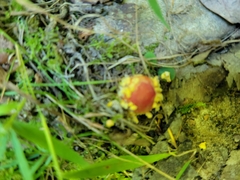
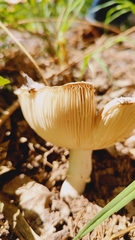
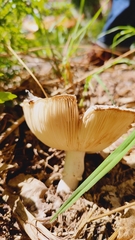
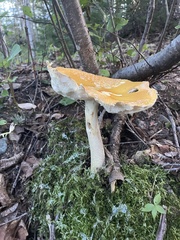
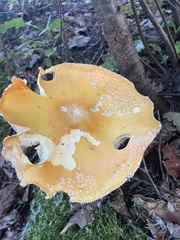
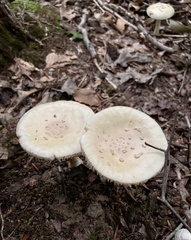
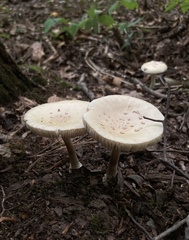
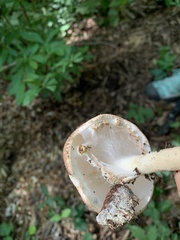
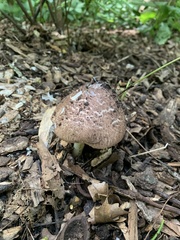
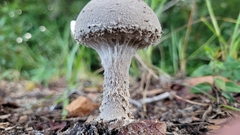
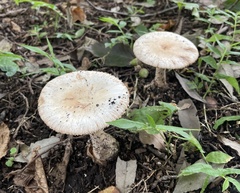
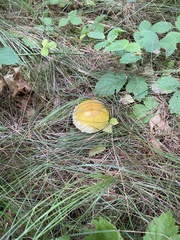
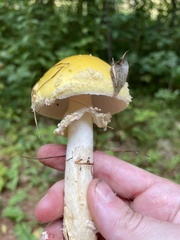
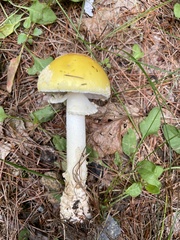
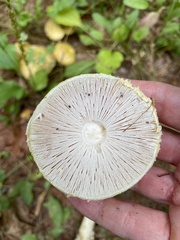
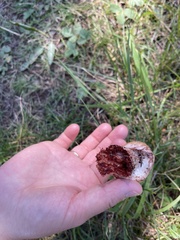
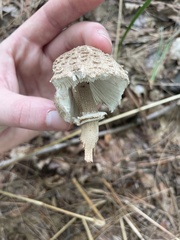
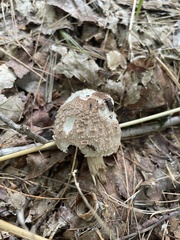
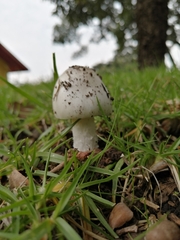
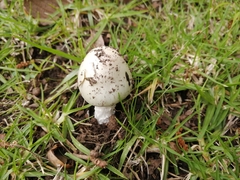
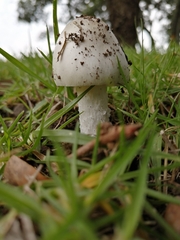
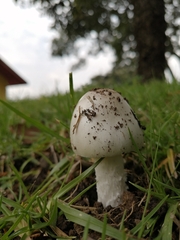
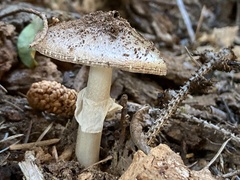
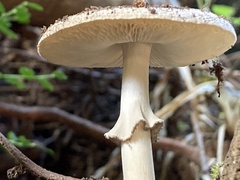
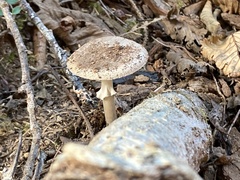
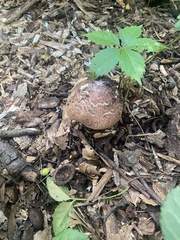
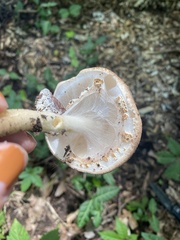
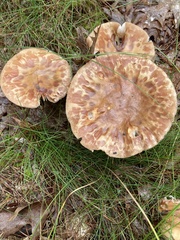
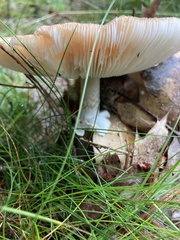
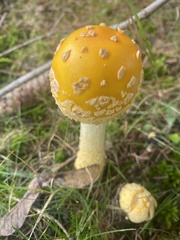
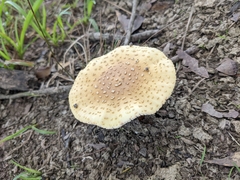
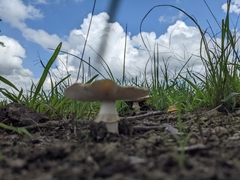
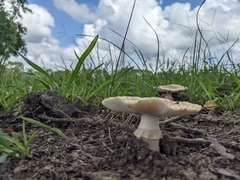
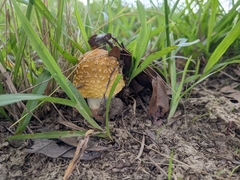
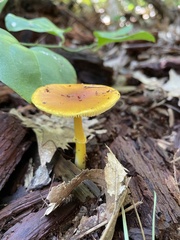
The Amanitaceae are a family of mushroom-forming fungi. The family, also commonly called the amanita family, is in order Agaricales, the gilled mushrooms. The family consists primarily of the large genus Amanita, but also includes the smaller genera Catatrama, Limacella, Limacellopsis, Saproamanita, and Zhuliangomyces.
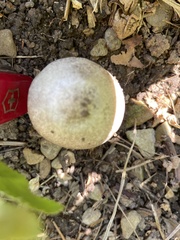
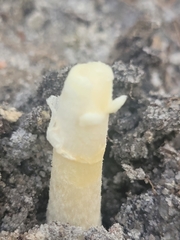
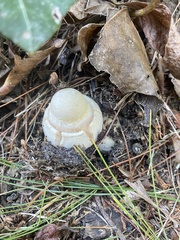
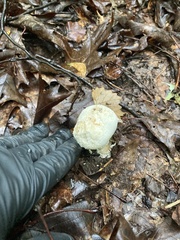
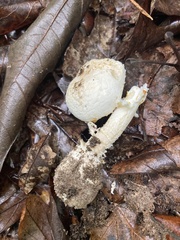
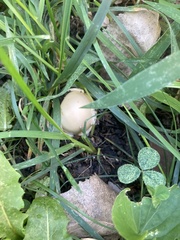
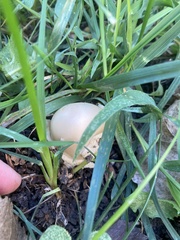
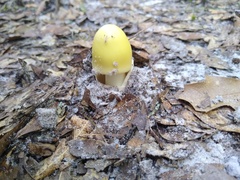
The species are usually found in woodlands. The most characteristic emerge from an egg-like structure formed by the universal veil.
This family contains several species valued for edibility and flavor, and other deadly poisonous ones. More than half the cases of mushroom poisoning stem from members of this family. The most toxic members of this group have names that warn of the poisonous nature, but others, of varying degrees of toxicity, do not.
...Amanitaceae in languages:
- Belarusian
- Мухаморавыя
- Bulgarian
- Мухоморкови
- Chinese
- 鵝膏菌科
- Czech
- muchomůrkovité
- English
- amanita mushrooms and allies
- Estonian
- kärbseseenelised
- German
- Wulstlingsverwandte
- Hungarian
- galócafélék
- Japanese
- テングタケ科
- Korean
- 광대버섯과
- Lithuanian
- Musmiriniai
- Polish
- Muchomorowate
- Portuguese
- Amanitáceas
- Russian
- Мухоморовые
- Russian
- Аманитовые
- Thai
- เห็ดระโงก ฯลฯ
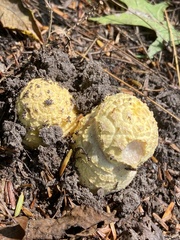
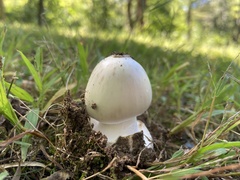
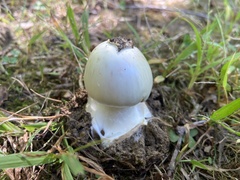
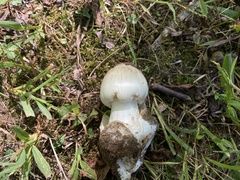
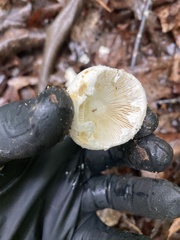
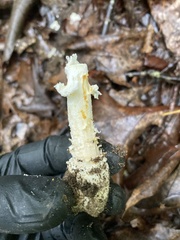
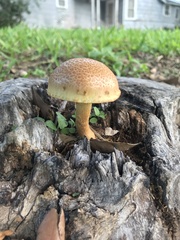
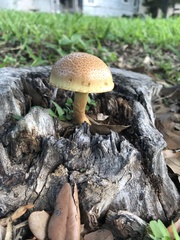
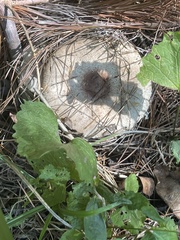
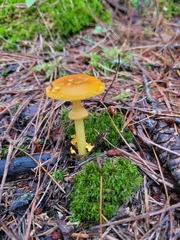
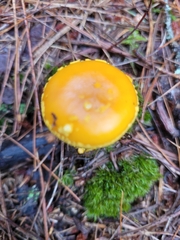
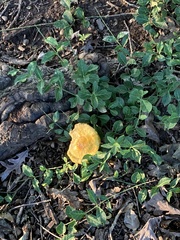
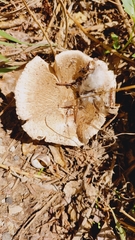
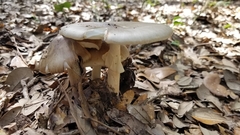
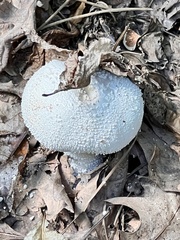
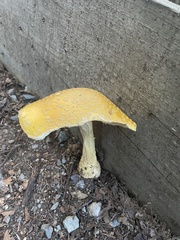
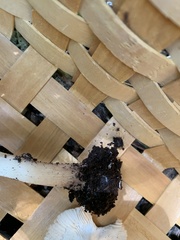
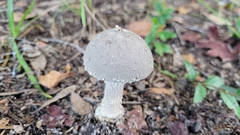
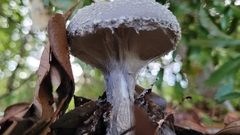
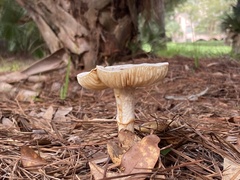
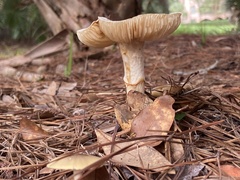
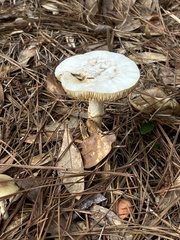
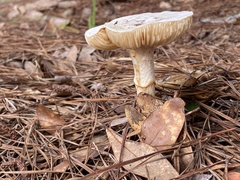
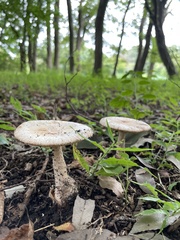
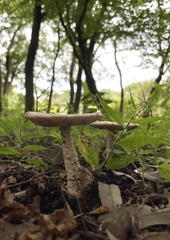
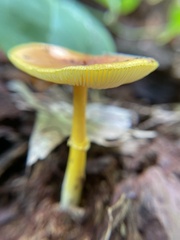
Images from inaturalist.org observations:
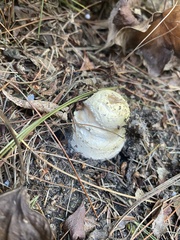
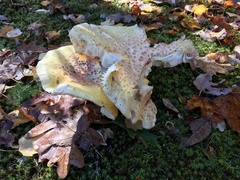
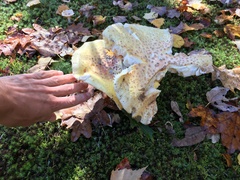
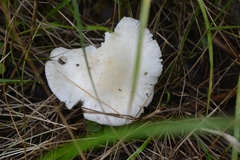
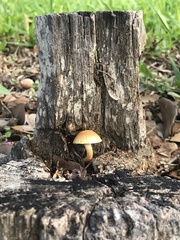
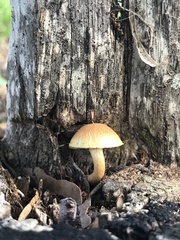
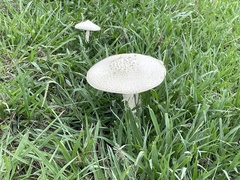
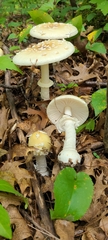
We recommend you sign up for this excellent, free service.