Amata humeralis: taxon details and analytics
- Domain
- Kingdom
- Animalia
- Phylum
- Arthropoda
- Class
- Insecta
- Order
- Lepidoptera
- Family
- Erebidae
- Genus
- Amata
- Species
- Amata humeralis
- Scientific Name
- Amata humeralis
Summary description from Wikipedia:
Amata humeralis
Amata humeralis is a species of moth of the family Erebidae first described by Arthur Gardiner Butler in 1876. It is found in Australia, where it has been recorded from Western Australia, the Northern Territory, Queensland and New South Wales.
...Images from inaturalist.org observations:
We recommend you sign up for this excellent, free service.
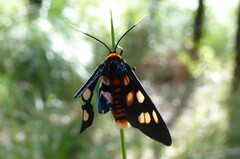
©Aalbert Rebergen, some rights reserved (CC-BY)
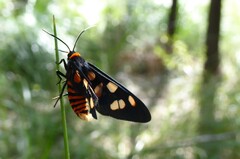
©Aalbert Rebergen, some rights reserved (CC-BY)
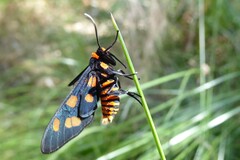
©Aalbert Rebergen, some rights reserved (CC-BY)
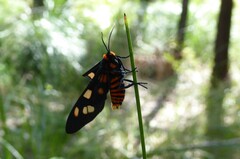
©Aalbert Rebergen, some rights reserved (CC-BY)
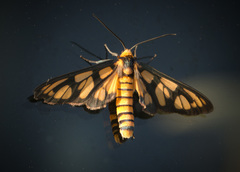
©Scott Cox, some rights reserved (CC-BY-NC-ND)
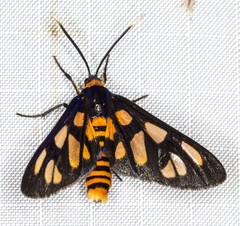
©Ian McMillan, some rights reserved (CC-BY-NC)
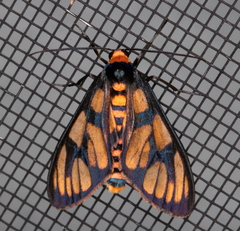
©Victor W Fazio III, some rights reserved (CC-BY-NC)
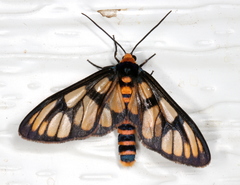
©Victor W Fazio III, some rights reserved (CC-BY-NC)
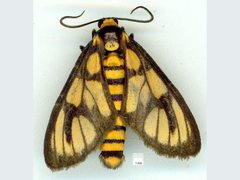
©Graeme Cocks, some rights reserved (CC-BY-NC-SA)
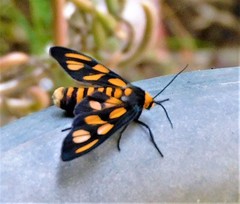
©James, some rights reserved (CC-BY-NC)
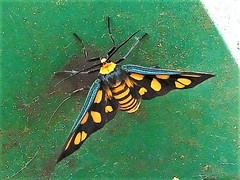
©James, some rights reserved (CC-BY-NC)
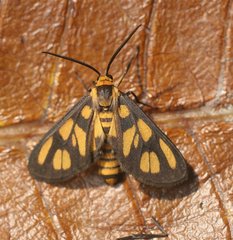
©geoffbyrne, some rights reserved (CC-BY-NC)
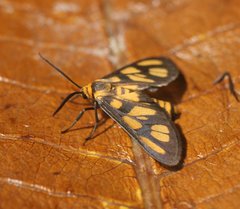
©geoffbyrne, some rights reserved (CC-BY-NC)
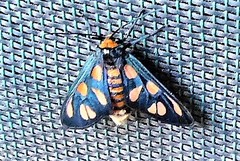
©James, some rights reserved (CC-BY-NC)
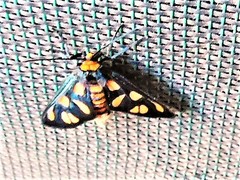
©James, some rights reserved (CC-BY-NC)
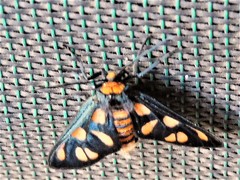
©James, some rights reserved (CC-BY-NC)
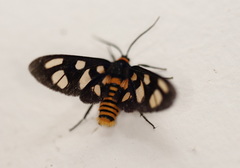
©Larney Grenfell, some rights reserved (CC-BY-NC)
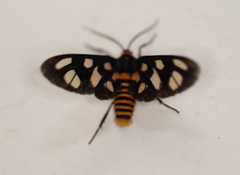
©Larney Grenfell, some rights reserved (CC-BY-NC)
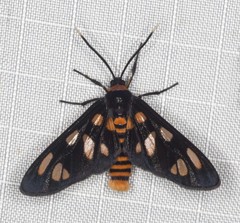
©Ian McMillan, some rights reserved (CC-BY-NC)
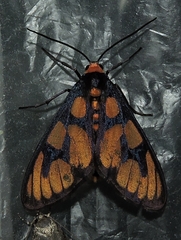
©Cherylyn Riley, some rights reserved (CC-BY-NC)
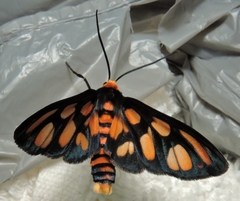
©Cherylyn Riley, some rights reserved (CC-BY-NC)
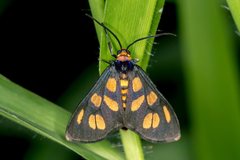
©Andrew Allen, some rights reserved (CC-BY)
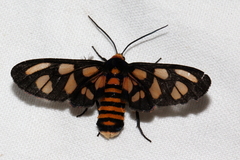
©Pete Woodall, some rights reserved (CC-BY-NC)
Parent Taxon
Sibling Taxa
- Amata acrospila
- Amata aequipuncta
- Amata africana
- Amata albapex
- Amata albertiana
- Amata albifrons
- Amata albobasis
- Amata alenicola
- Amata alicia
- Amata analis
- Amata annulata
- Amata antiochena
- Amata antitheta
- Amata aperta
- Amata apicelisa
- Amata aserbeidjana
- Amata atkinsoni
- Amata aucta
- Amata aurantiaca
- Amata aurea
- Amata aureola
- Amata bactriana
- Amata basithyris
- Amata beluchistana
- Amata benitonis
- Amata bicincta
- Amata bicolor
- Amata bifasciata
- Amata bokkeveldensis
- Amata bondo
- Amata borguensis
- Amata borneogena
- Amata brooksi
- Amata caerulescens
- Amata cantori
- Amata caspia
- Amata celebesa
- Amata cerbera
- Amata ceres
- Amata chariessa
- Amata chlorocera
- Amata chloroscia
- Amata cholmlei
- Amata chroma
- Amata chromatica
- Amata chrysozona
- Amata cinctelisa
- Amata cingulata
- Amata cocandica
- Amata compta
- Amata concurrens
- Amata confluens
- Amata congener
- Amata congenita
- Amata consimilis
- Amata costiplaga
- Amata creobota
- Amata croceizona
- Amata cuckoolandia
- Amata cuprizonata
- Amata curtiplaga
- Amata cyanea
- Amata cyssea
- Amata damarensis
- Amata davidi
- Amata decorata
- Amata derivata
- Amata dichotoma
- Amata dilatata
- Amata dilateralis
- Amata dimorpha
- Amata dinara
- Amata discata
- Amata dissimilis
- Amata divalis
- Amata divisa
- Amata dyschlaena
- Amata edwardsii
- Amata egenaria
- Amata elisa
- Amata elisoides
- Amata elongata
- Amata elongimacula
- Amata emma
- Amata endocrocis
- Amata euryzona
- Amata exapta
- Amata expandens
- Amata extensa
- Amata fenestrata
- Amata flava
- Amata flavibrooksi
- Amata flavifrons
- Amata flaviguttata
- Amata flavoanalis
- Amata formosensis
- Amata fortunei
- Amata francisca
- Amata ganssuensis
- Amata gelatina
- Amata germana
- Amata gil
- Amata goodii
- Amata gracillima
- Amata grahami
- Amata grotei
- Amata hakkariana
- Amata handelmazzettii
- Amata harandii
- Amata hellei
- Amata hemiphoenica
- Amata higginsi
- Amata hirayamae
- Amata hissarica
- Amata huebneri
- Amata humeralis
- Amata hunana
- Amata hyalota
- Amata hydatina
- Amata hypomela
- Amata hyrcana
- Amata inconstans
- Amata insueta
- Amata interniplaga
- Amata issikii
- Amata jacksoni
- Amata janenschi
- Amata johanna
- Amata kamarana
- Amata karroana
- Amata kenredi
- Amata khasiana
- Amata khoisana
- Amata kilimandjaronis
- Amata kinensis
- Amata kordestana
- Amata kuatuna
- Amata kuhlweinii
- Amata lagosensis
- Amata lateralis
- Amata leimacis
- Amata leopoldi
- Amata leucacma
- Amata leucerythra
- Amata leucosoma
- Amata libanotica
- Amata ligata
- Amata longipes
- Amata lucerna
- Amata lucina
- Amata luteifascia
- Amata macroflavifer
- Amata madurensis
- Amata magnopupillata
- Amata magrettii
- Amata maracandina
- Amata marella
- Amata marginalis
- Amata marina
- Amata marinoides
- Amata marjana
- Amata masoni
- Amata megista
- Amata menia
- Amata mestralii
- Amata minor
- Amata miozona
- Amata mjobergi
- Amata mogadorensis
- Amata monothyris
- Amata montagua
- Amata monticola
- Amata multifasciata
- Amata multigutta
- Amata naderii
- Amata nigriceps
- Amata nigricilia
- Amata nigricornis
- Amata nigrifrons
- Amata nigrobasalis
- Amata ntebi
- Amata obraztsovi
- Amata ochreipuncta
- Amata pactolina
- Amata paraula
- Amata pascus
- Amata passalis
- Amata pectoralis
- Amata pembertoni
- Amata perixanthia
- Amata persica
- Amata persimilis
- Amata pfeifferae
- Amata phaeobasis
- Amata phaeozona
- Amata phegea
- Amata phepsalotis
- Amata phoenicia
- Amata phoenicozona
- Amata pleurosticta
- Amata ploetzi
- Amata polymita
- Amata polyxo
- Amata prepuncta
- Amata procridia
- Amata pryeri
- Amata pseudextensa
- Amata pseudosimplex
- Amata ragazzii
- Amata rantaisana
- Amata recedens
- Amata remanei
- Amata rendalli
- Amata resecta
- Amata romeii
- Amata rubritincta
- Amata rufina
- Amata salutator
- Amata schellhorni
- Amata schoutedeni
- Amata schuelei
- Amata septentrionalis
- Amata shirakii
- Amata shoa
- Amata similis
- Amata simplex
- Amata sinensis
- Amata sinica
- Amata sintenisi
- Amata sladeni
- Amata soror
- Amata sovinskiji
- Amata sperbius
- Amata stanleyi
- Amata stellaris
- Amata stenoptera
- Amata stenozona
- Amata stictoptera
- Amata submarginalis
- Amata symphona
- Amata syntomoides
- Amata szechuana
- Amata t-nigra
- Amata tanina
- Amata taurica
- Amata teinopera
- Amata tenera
- Amata tenuis
- Amata tessmanni
- Amata tetragonaria
- Amata thoracica
- Amata tigrina
- Amata tomasina
- Amata transcaspica
- Amata trifascia
- Amata trigonophora
- Amata tripunctata
- Amata tritonia
- Amata turbida
- Amata uelleburgensis
- Amata unifascia
- Amata velatipennis
- Amata verecunda
- Amata vicarians
- Amata vitrea
- Amata waldowi
- Amata wallacei
- Amata wilemani
- Amata williami
- Amata wiltshirei
- Amata wimberleyi
- Amata xanthograpta
- Amata xanthoma
- Amata xanthopleura
- Amata xanthosoma
- Amata xanthura
- Syntomis ganssuensis
- Syntomis obraztsovi