Ambystomatidae: taxon details and analytics
- Domain
- Kingdom
- Animalia
- Phylum
- Chordata
- Class
- Amphibia
- Order
- Caudata
- Family
- Ambystomatidae
- Genus
- Species
- Scientific Name
- Ambystomatidae
Summary description from Wikipedia:
Ambystomatidae
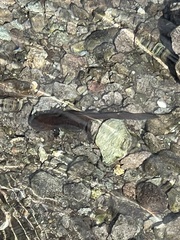
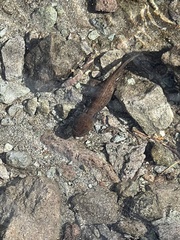
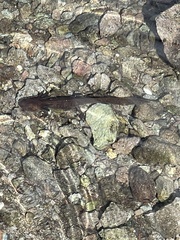
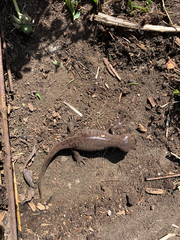
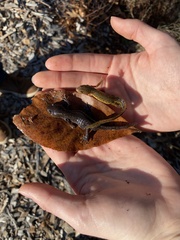
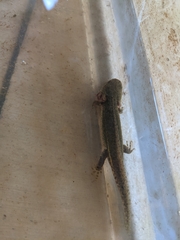
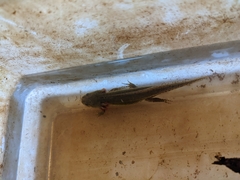
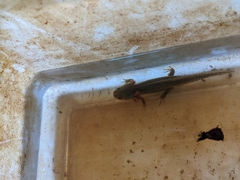
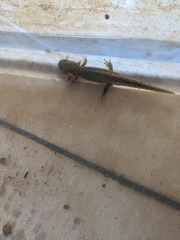
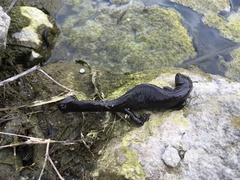
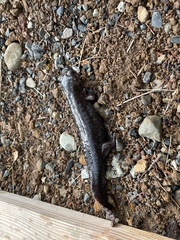
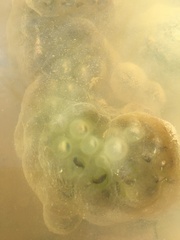
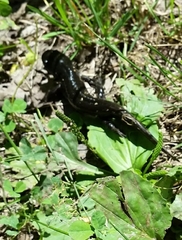
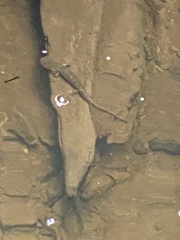
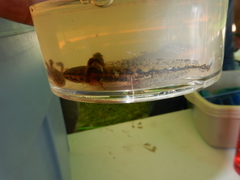
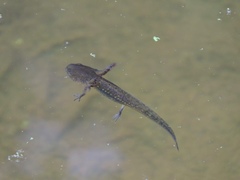
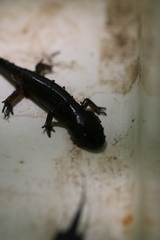
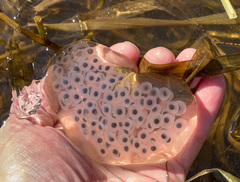
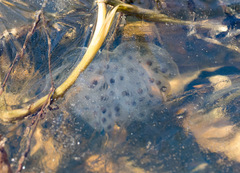
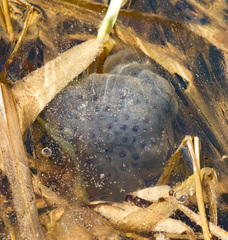
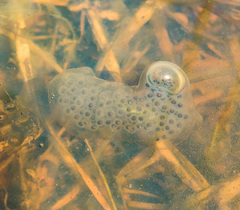
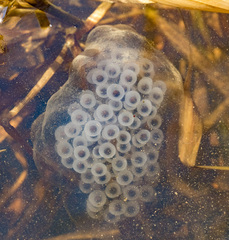
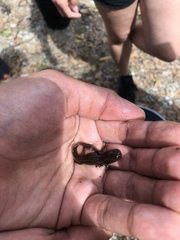
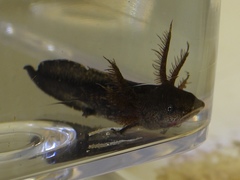
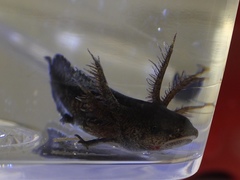
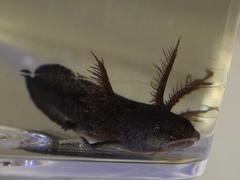
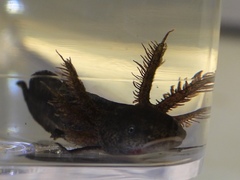
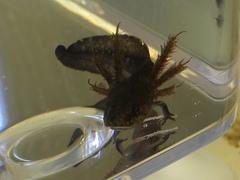
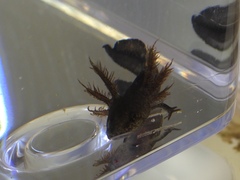
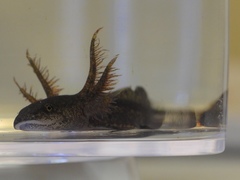
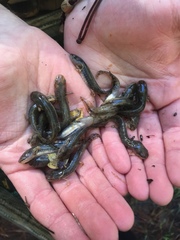
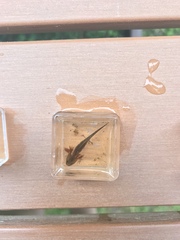
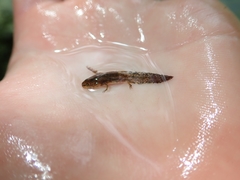
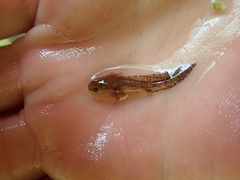
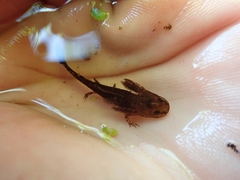
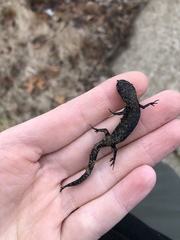
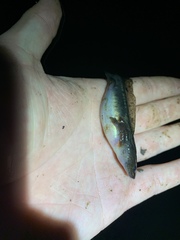
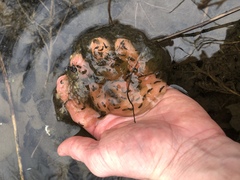
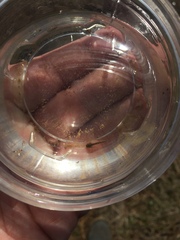
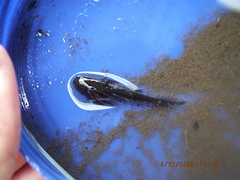
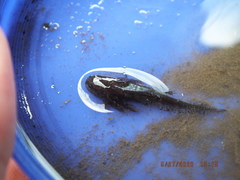
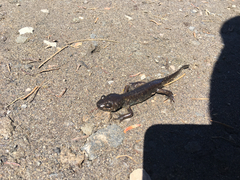
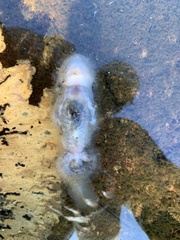
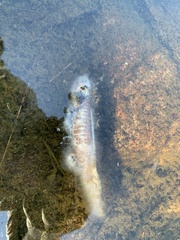
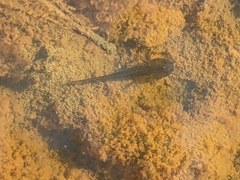
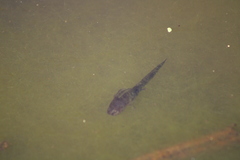
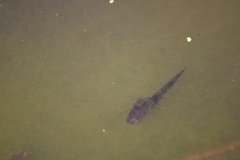
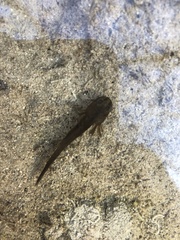
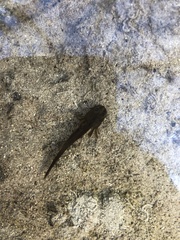
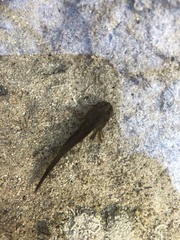
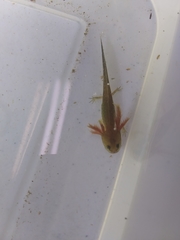
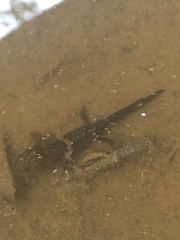
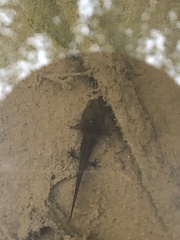
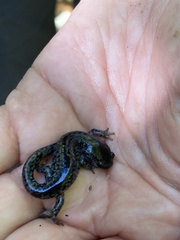
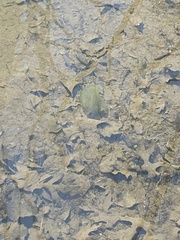
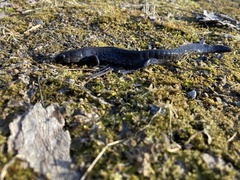
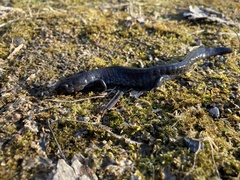
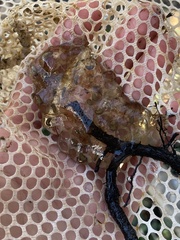
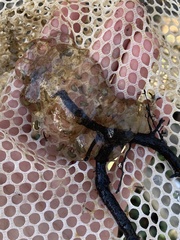
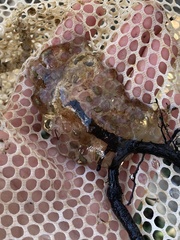
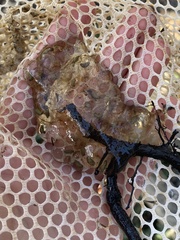
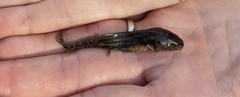
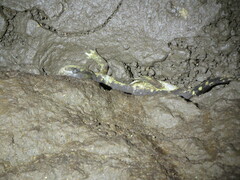
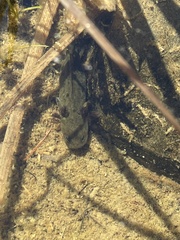
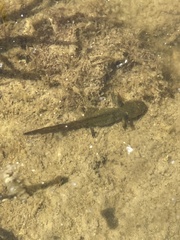
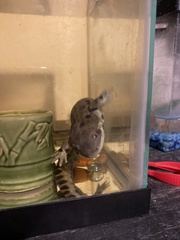
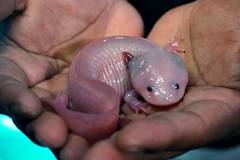
Ambystomatidae is a family of salamanders belonging to the Suborder Salamandroidea in the class Amphibia. It contains two genera, Ambystoma (the mole salamanders) and Dicamptodon (the Pacific giant salamanders). Ambystoma contains 32 species and are distributed widely across North America, while Dicamptodon contains four species restricted to the Pacific Northwest. These salamanders are mostly terrestrial and eat invertebrates, although some species are known to eat smaller salamanders. They can be found throughout the US and some areas of Canada in damp forests or plains. This family contains some of the largest terrestrial salamanders in the world, the tiger salamander and the coastal giant salamander. Some species are toxic and can secrete poison from their bodies as protection against predators or infraspecific competition. Neoteny has been observed in several species in Ambystomatidae, and some of them like the axolotl live all of their lives under water in their larval stage.
...Ambystomatidae in languages:
- Arabic
- سمادل خلدية
- Bokmål
- Muldvarpsalamanderfamilien
- Bokmål
- Muldvarpsalamandere
- Bokmål
- Moldvarpsalamandere
- Czech
- axolotlovití
- English
- Mole Salamanders
- English
- Mole Salamanders and Pacific Giant Salamanders
- German
- Querzahnmolche
- Hebrew
- אמביסטומה
- Japanese
- トラフサンショウウオ科
- Korean
- 점박이도롱뇽과
- Russian
- Амбистомовые
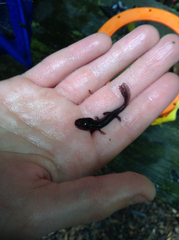
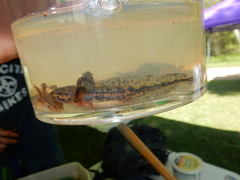
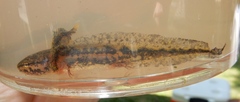
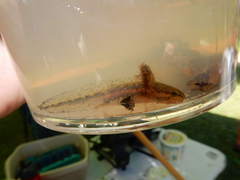
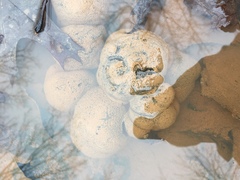
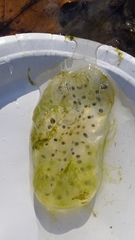
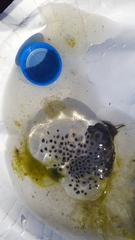
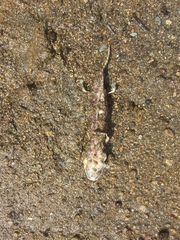
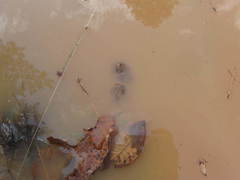
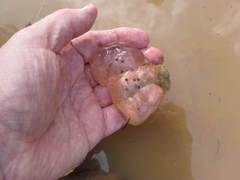
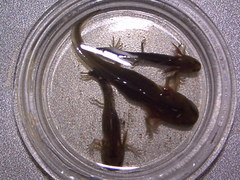
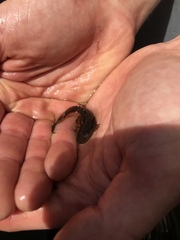
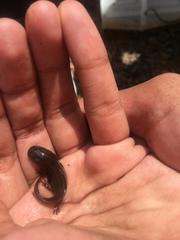
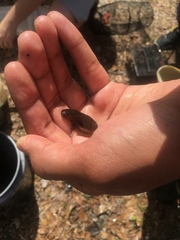
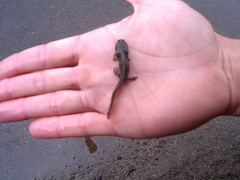
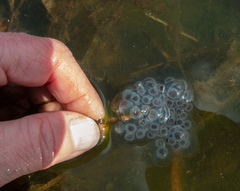
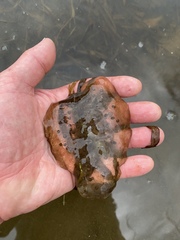
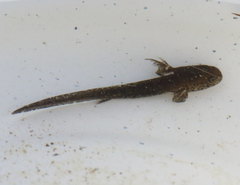
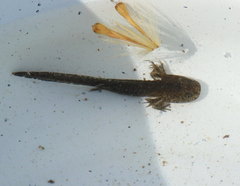
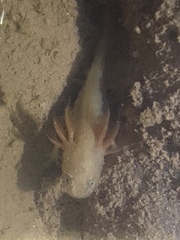
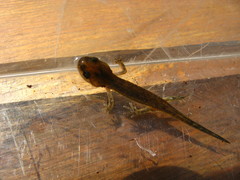
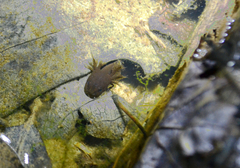
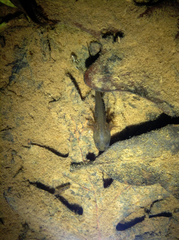
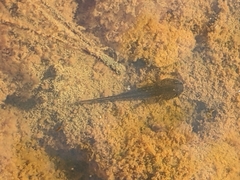
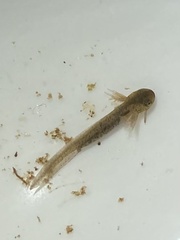
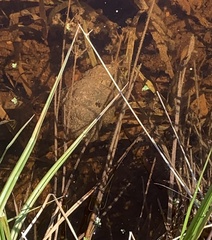
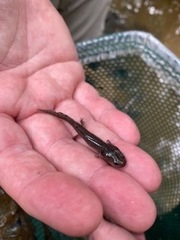
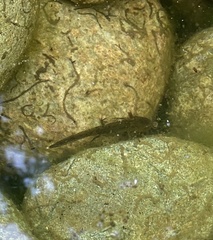
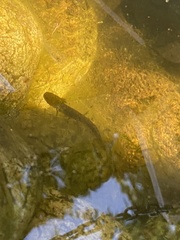
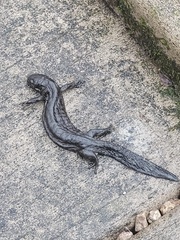
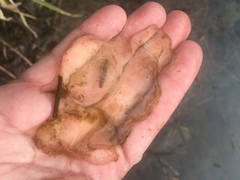
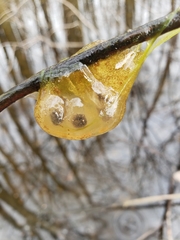
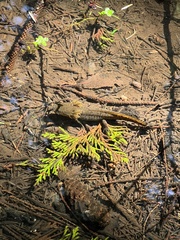
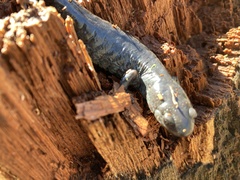
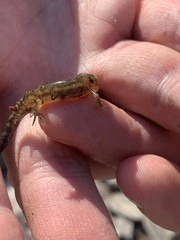
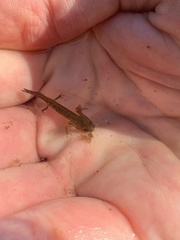
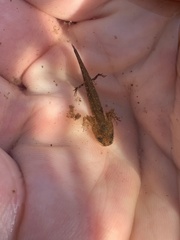
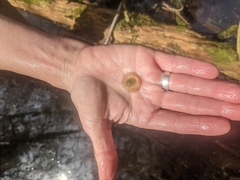
Images from inaturalist.org observations:
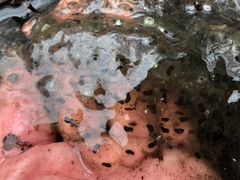
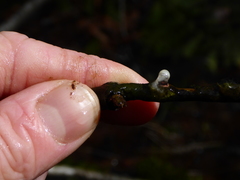
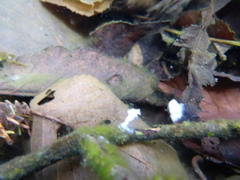
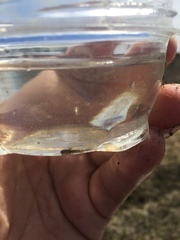
We recommend you sign up for this excellent, free service.