Amphidromus: taxon details and analytics
- Domain
- Kingdom
- Animalia
- Phylum
- Mollusca
- Class
- Gastropoda
- Order
- Stylommatophora
- Family
- Camaenidae
- Genus
- Amphidromus
- Species
- Scientific Name
- Amphidromus
Summary description from Wikipedia:
Amphidromus
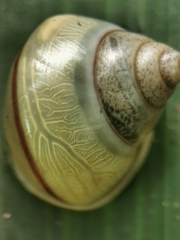
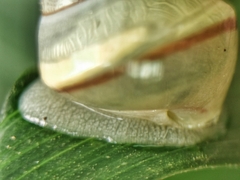
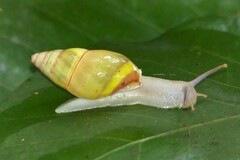
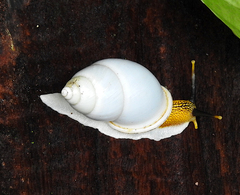
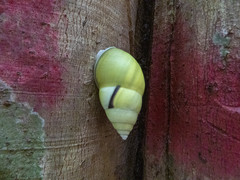
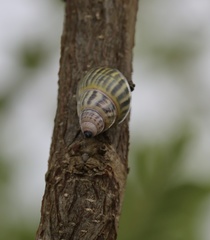
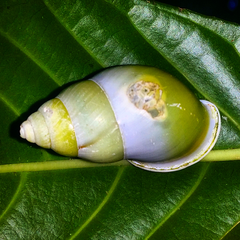
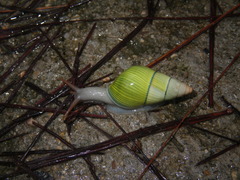
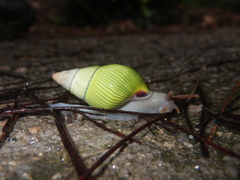
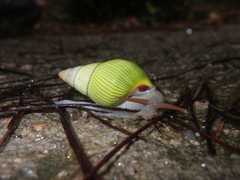
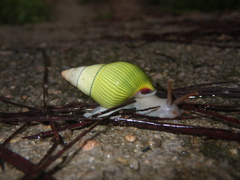
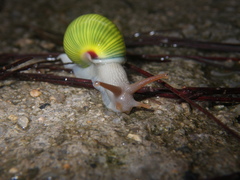
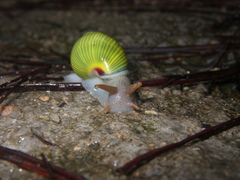
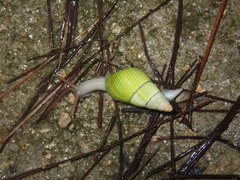
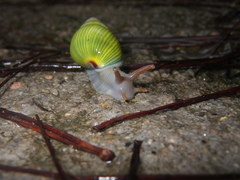
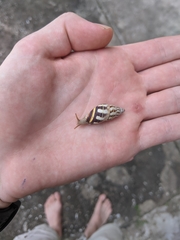
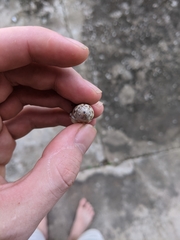
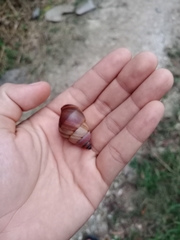
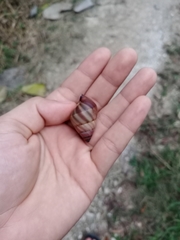
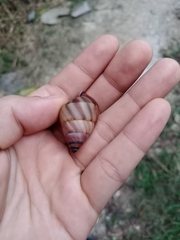
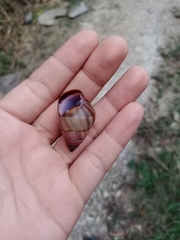
Amphidromus is a genus of tropical air-breathing land snails, terrestrial pulmonate gastropod mollusks in the family Camaenidae.
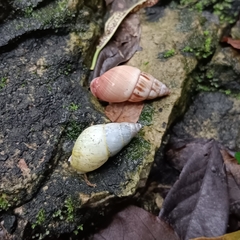
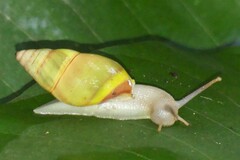
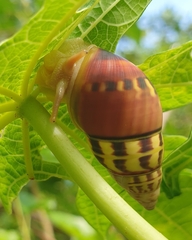
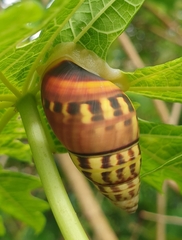
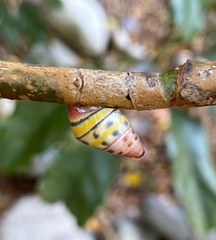
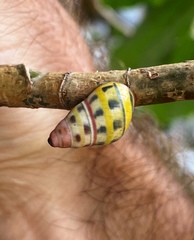
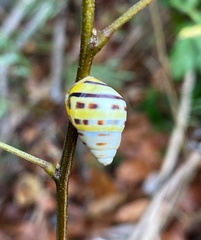
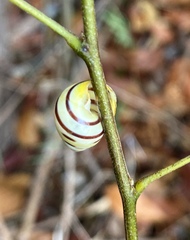
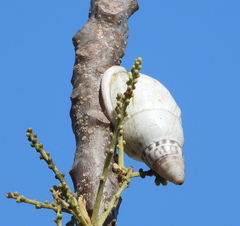
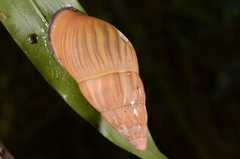
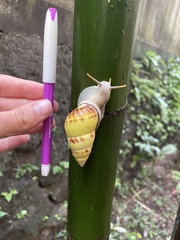
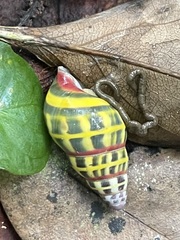
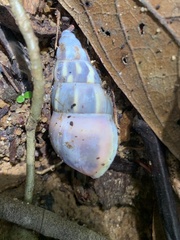
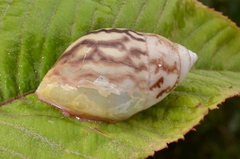
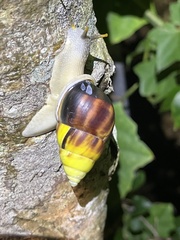
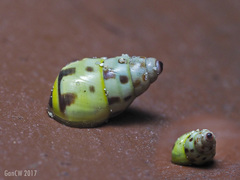
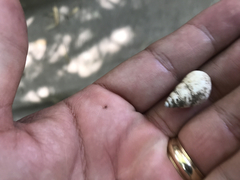
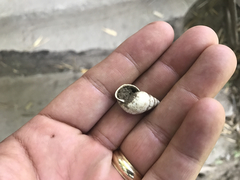
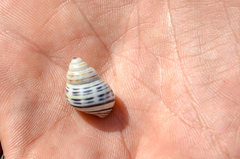
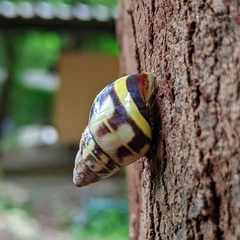
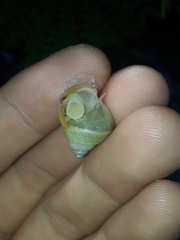
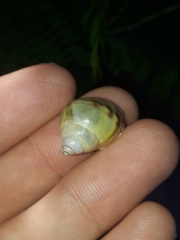
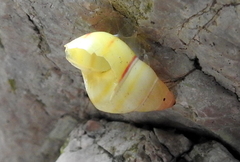
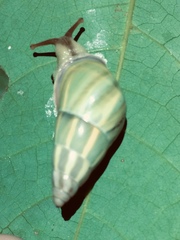
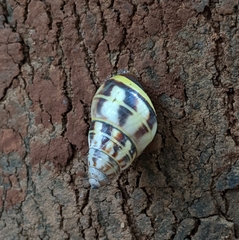
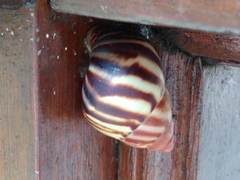
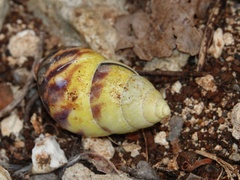
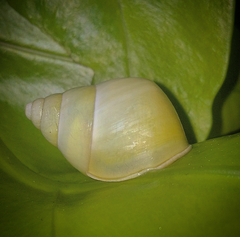
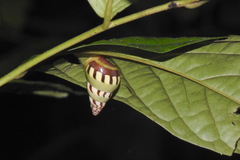
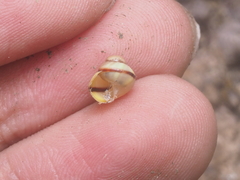
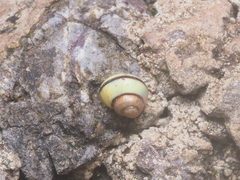
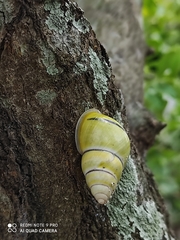
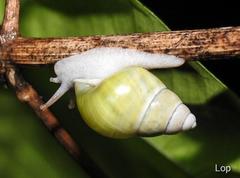
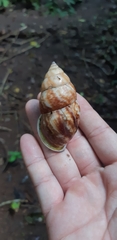
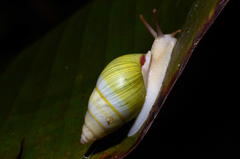
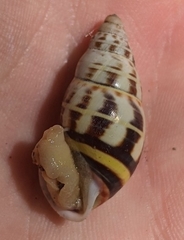
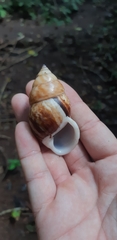
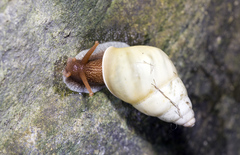
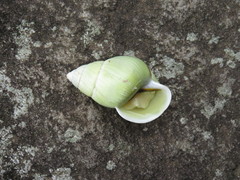
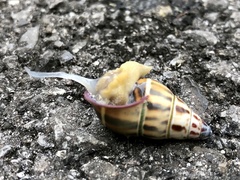
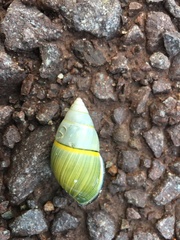
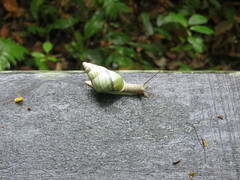
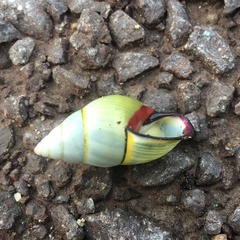
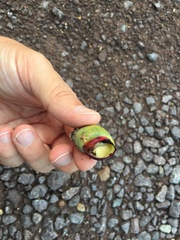
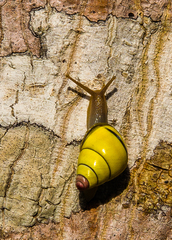
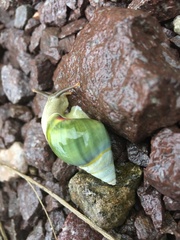
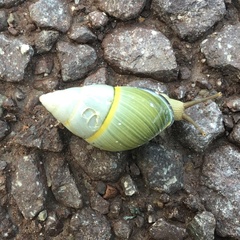
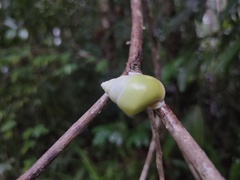
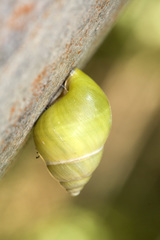
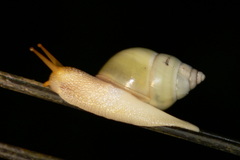
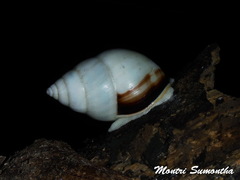
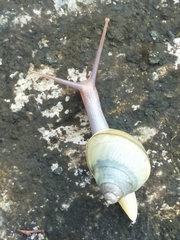
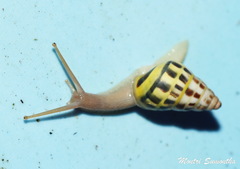
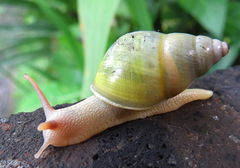
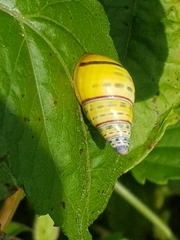
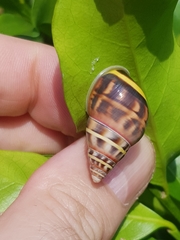
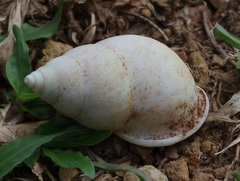
The shells of Amphidromus are relatively large, from 25 mm (0.98 in) to 75 mm (3.0 in) in maximum dimension, and particularly colorful. During the 18th century, they were among the first Indonesian land snail shells brought to Europe by travelers and explorers. Since then, the genus has been extensively studied: several comprehensive monographs and catalogs were authored by naturalists and zoologists during the time period from the early 19th to the mid 20th centuries. Modern studies have focused on better understanding the evolutionary relationships within the group, as well as solving taxonomic problems.
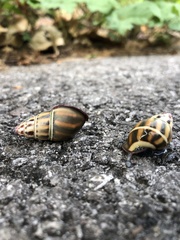
The genus Amphidromus is unusual in that it includes species that have dextral shell-coiling and species that have sinistral shell-coiling. In addition, some species within this genus (such as Amphidromus janus (L. Pfeiffer, 1854))are particularly notable because their populations simultaneously include individuals with left-handed and right-handed shell-coiling. This is an extremely rare phenomenon, and very interesting to biologists. Studies focused on the soft anatomy of Amphidromus are scattered and fragmentary. Information on the internal anatomy is known only from a few species, and no larger, comparative morphological study has ever been carried out.
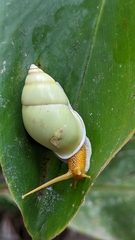
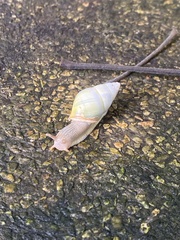
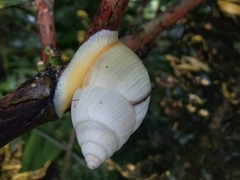
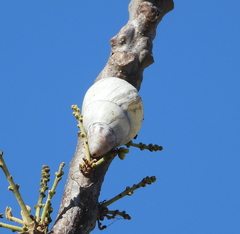
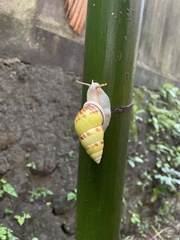
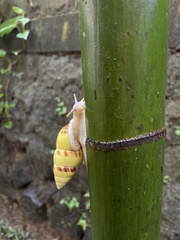
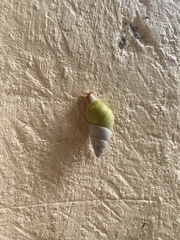
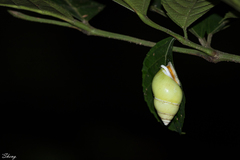
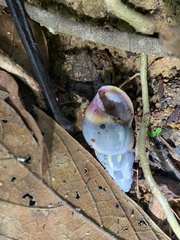
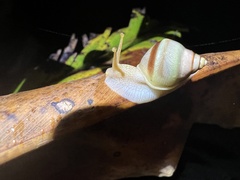
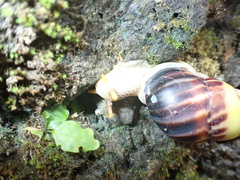
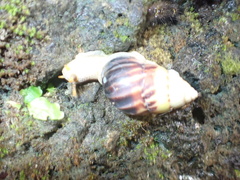
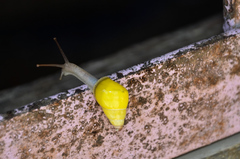
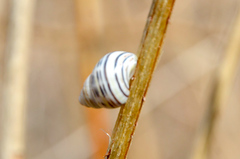
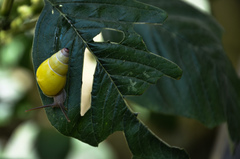
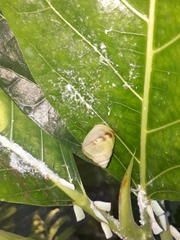
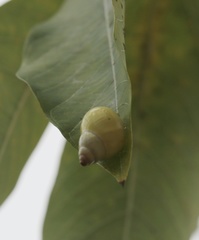
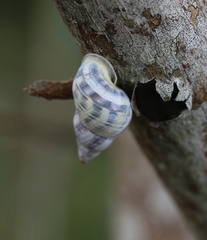
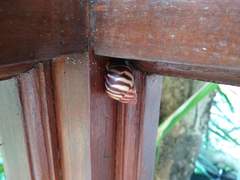
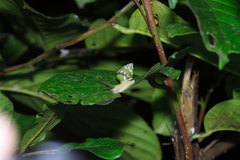
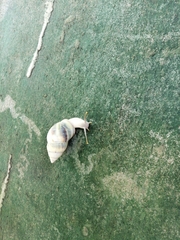
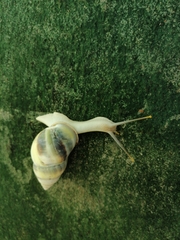
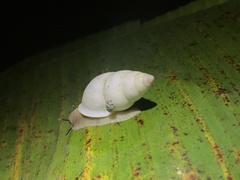
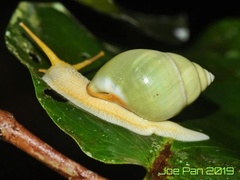
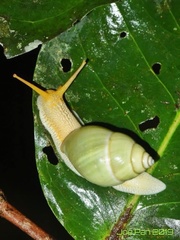
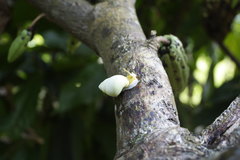
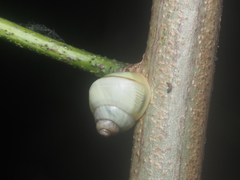
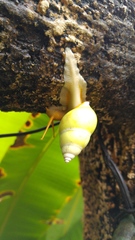
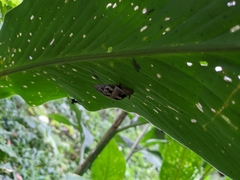
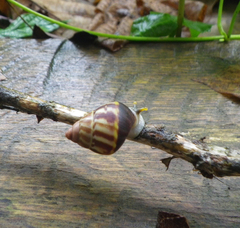
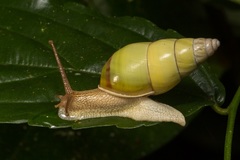
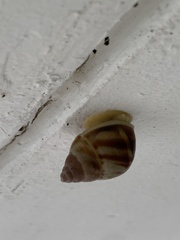
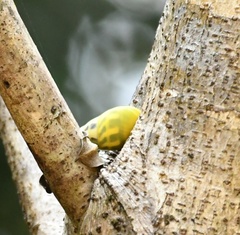
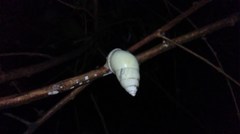
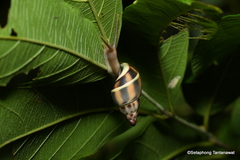
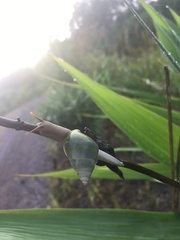
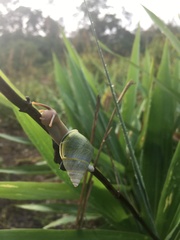
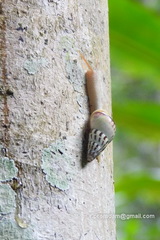
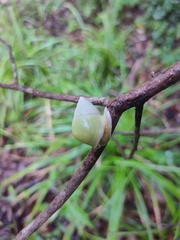
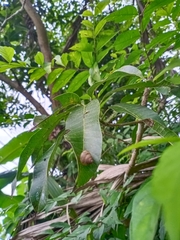
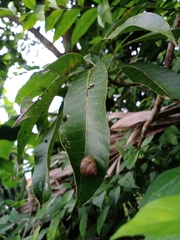
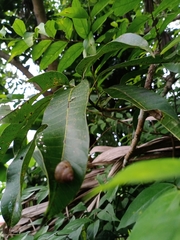
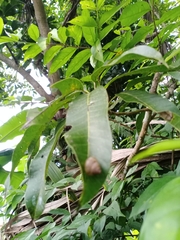
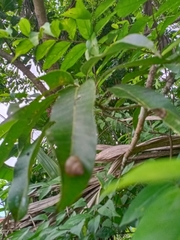
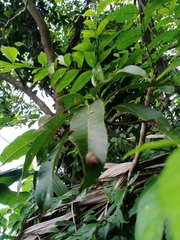
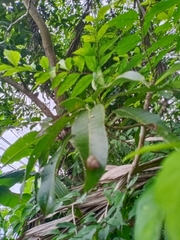
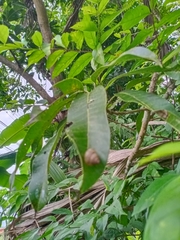
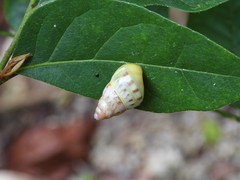
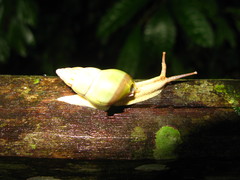
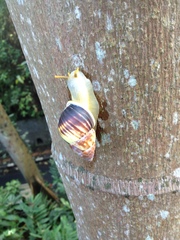
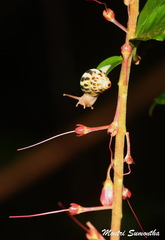
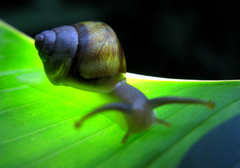
Species in the genus Amphidromus are arboreal — in other words, they are tree snails. However, more detailed information on their habits is still lacking. The general feeding habits of these snails are unknown, but a few species are known to feed on microscopic fungi, lichens or terrestrial algae. Amphidromus themselves are preyed upon by birds, snakes, and probably also by smaller mammals such as rats.
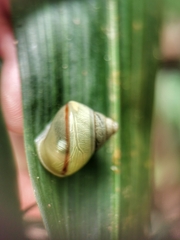
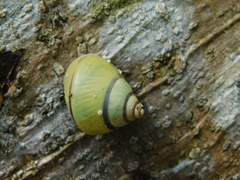
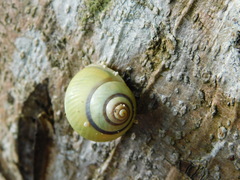
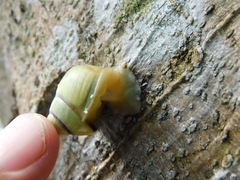
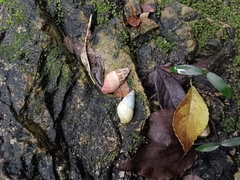
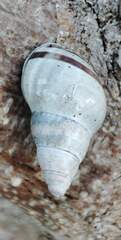
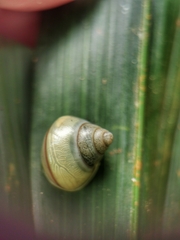
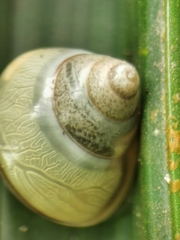
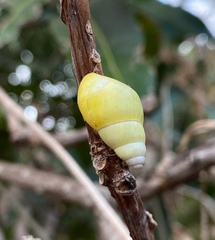
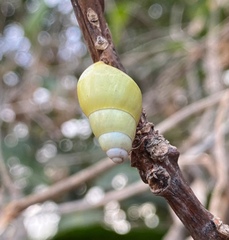
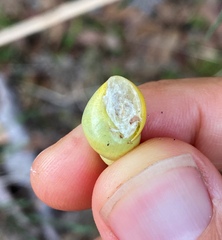
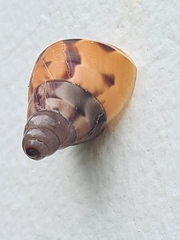
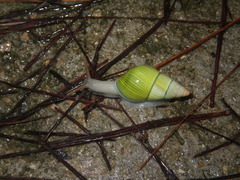
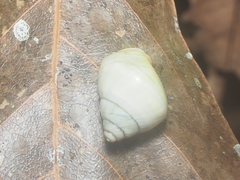
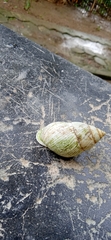
...Images from inaturalist.org observations:
We recommend you sign up for this excellent, free service.
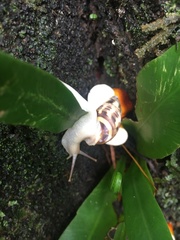
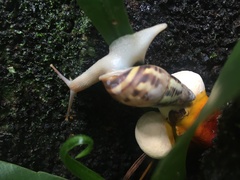
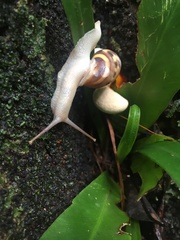
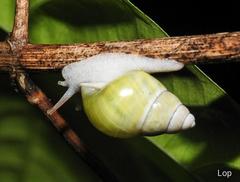
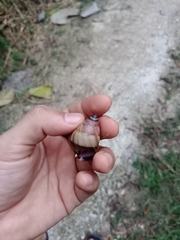
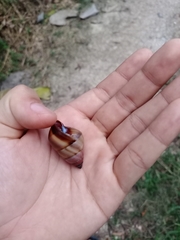
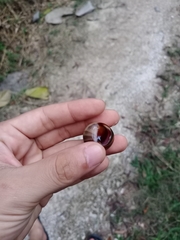
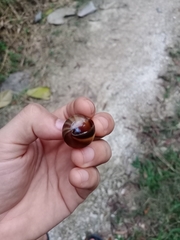
Parent Taxon
Sibling Taxa
Child Taxa
- Amphidromus adamsii
- Amphidromus andamanicus
- Amphidromus angulatus
- Amphidromus areolatus
- Amphidromus atricallosus
- Amphidromus baolocensis
- Amphidromus begini
- Amphidromus cambojiensis
- Amphidromus coeruleus
- Amphidromus cognatus
- Amphidromus columellaris
- Amphidromus comes
- Amphidromus contrarius
- Amphidromus cruentatus
- Amphidromus dautzenbergi
- Amphidromus djajasasmitai
- Amphidromus enganoensis
- Amphidromus filozonatus
- Amphidromus flavus
- Amphidromus furcillatus
- Amphidromus glaucolarynx
- Amphidromus hamatus
- Amphidromus heerianus
- Amphidromus inversus
- Amphidromus martensi
- Amphidromus montesdeocai
- Amphidromus mouhoti
- Amphidromus palaceus
- Amphidromus perversus
- Amphidromus pictus
- Amphidromus poecilochroa
- Amphidromus porcellanus
- Amphidromus qiongensis
- Amphidromus schomburgki
- Amphidromus sinensis
- Amphidromus sinistralis
- Amphidromus smithii
- Amphidromus sumatranus
- Amphidromus sylheticus
- Amphidromus sylviae
- Amphidromus thalassochromus
- Amphidromus xiengensis