Amphiprion: taxon details and analytics
- Domain
- Kingdom
- Animalia
- Phylum
- Chordata
- Class
- Actinopterygii
- Order
- Cichliformes
- Family
- Pomacentridae
- Genus
- Amphiprion
- Species
- Scientific Name
- Amphiprion
Summary description from Wikipedia:
Amphiprion
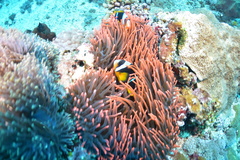
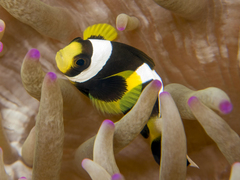
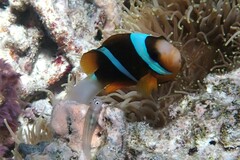
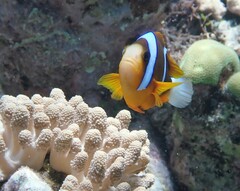
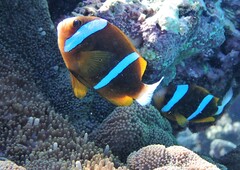
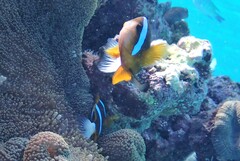
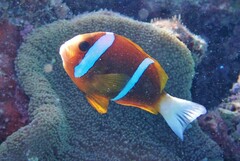
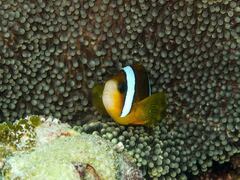
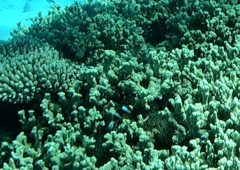
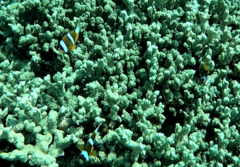
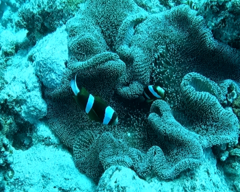
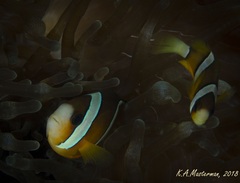
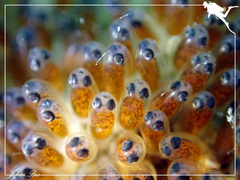
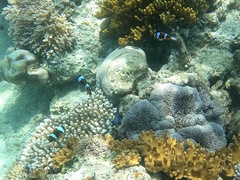
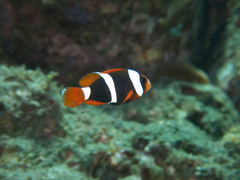
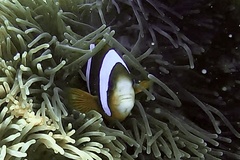
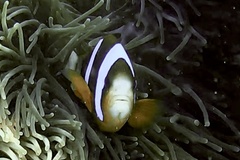
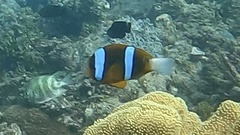
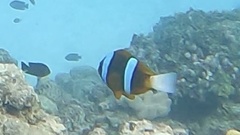
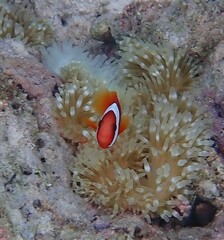
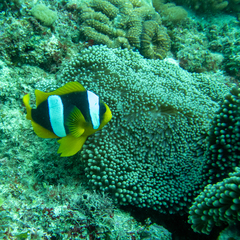
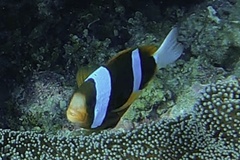
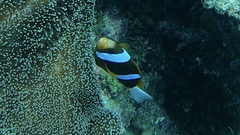
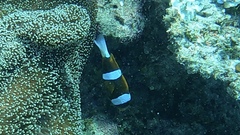
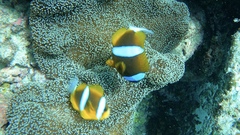
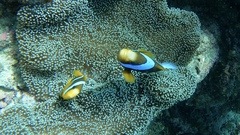
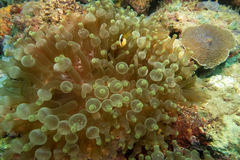
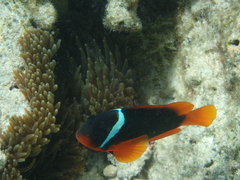
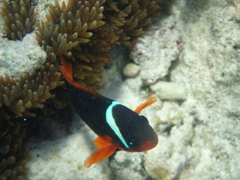
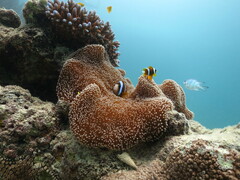
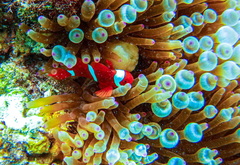
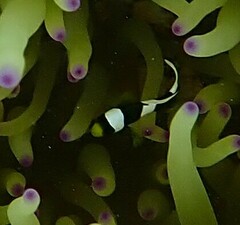
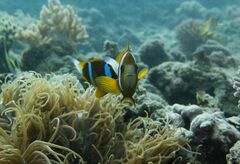
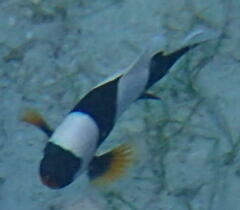
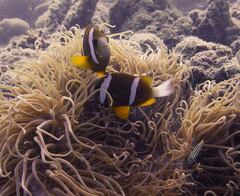
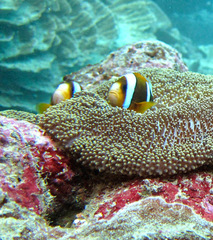
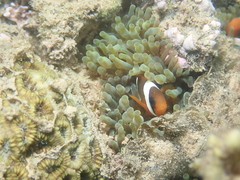
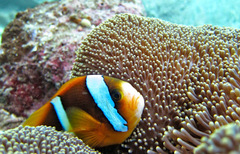
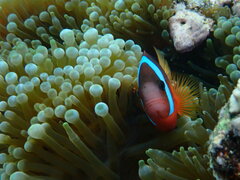
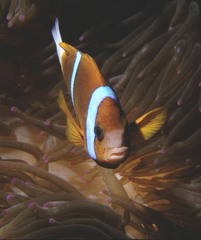
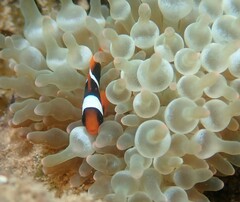
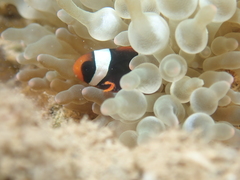
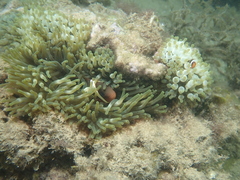
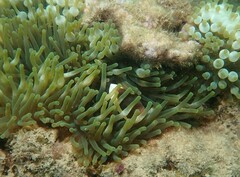
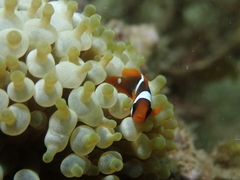
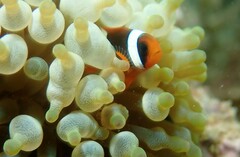
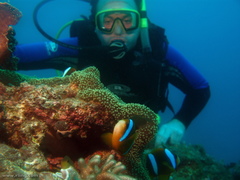
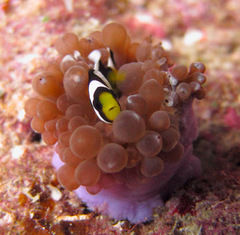
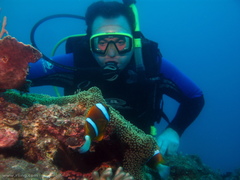
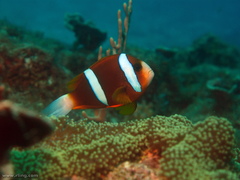
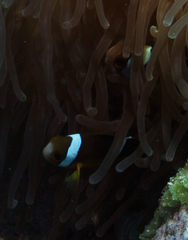
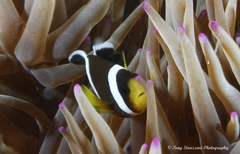
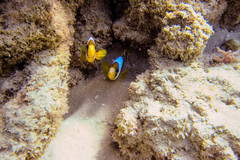
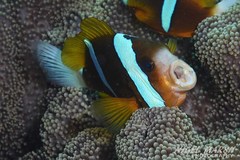
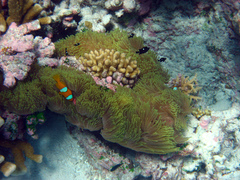
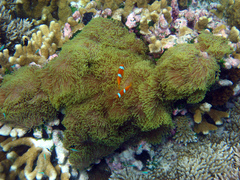
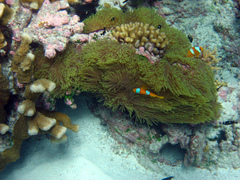
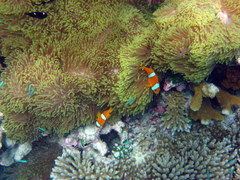
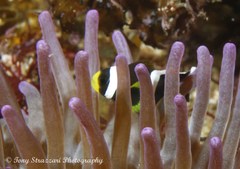
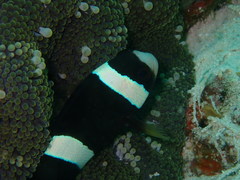
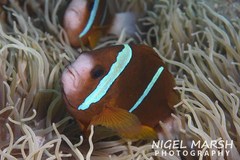
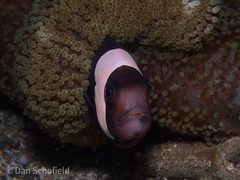
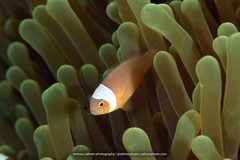
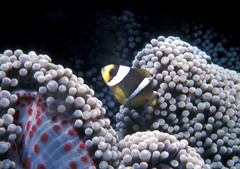
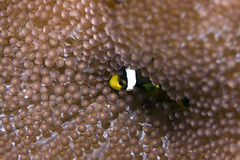
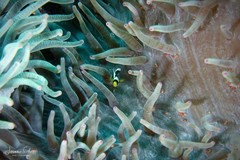
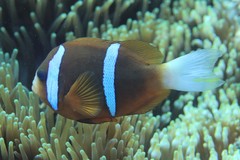
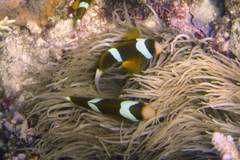
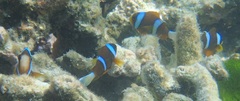
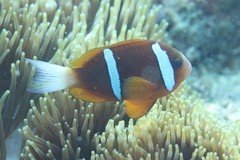
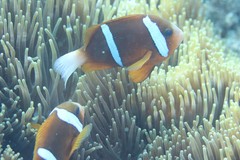
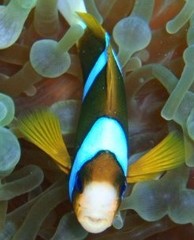
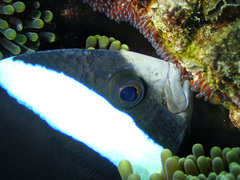
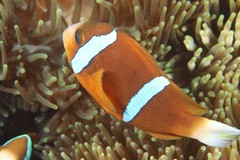
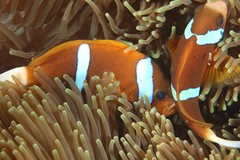
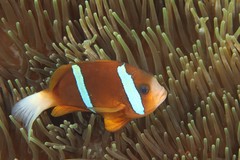
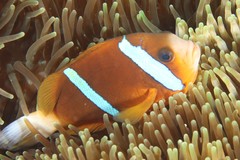
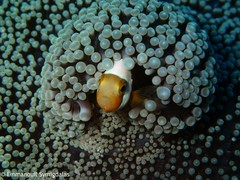
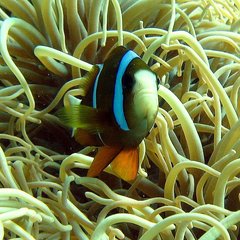
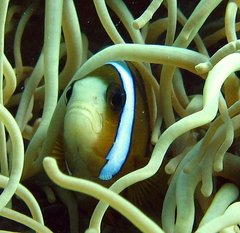
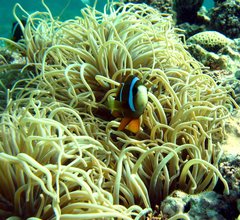
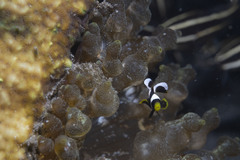
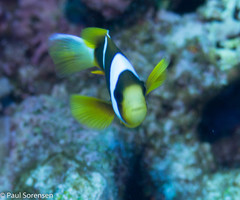
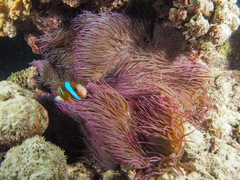
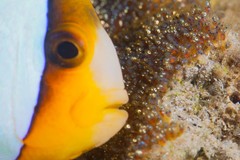
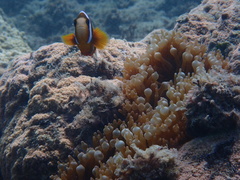
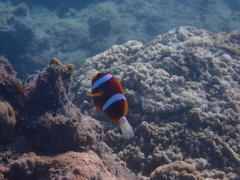
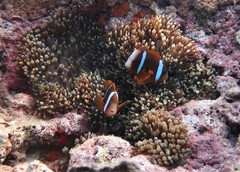
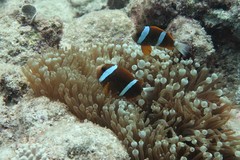
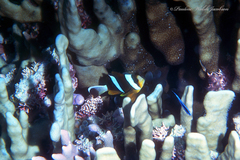
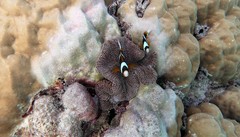
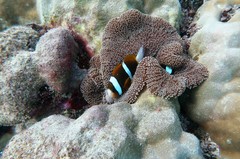
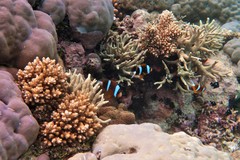
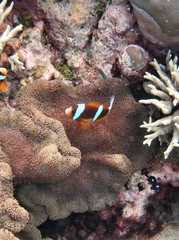
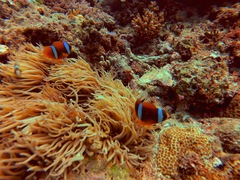
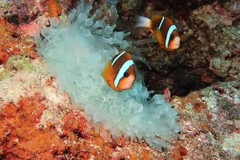
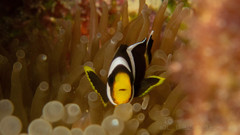
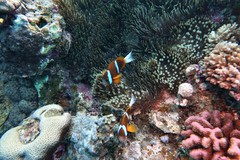
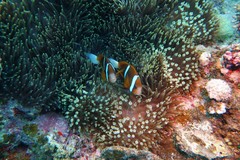
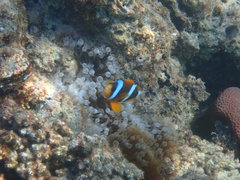
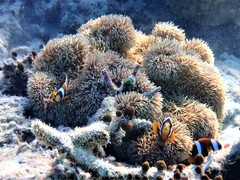
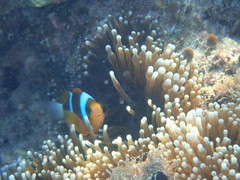
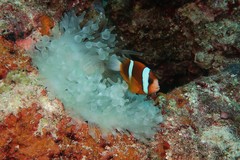
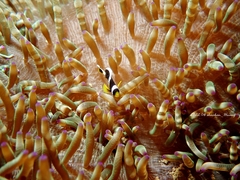
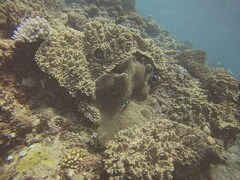
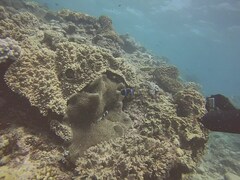
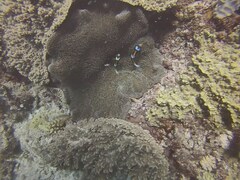
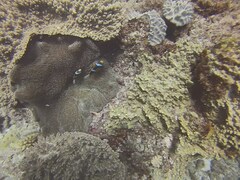
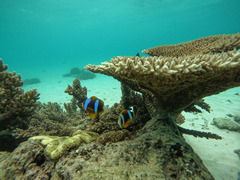
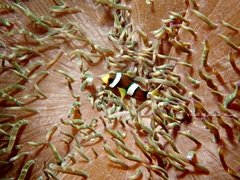
Clownfish or anemonefishes (genus Amphiprion) are saltwater fish found in the warm and tropical waters of the Indo-Pacific. They mainly inhabit coral reefs and have a distinctive colouration typically consisting of white vertical bars on a red, orange, yellow, brown or black background. Clownfish developed a symbiotic and mutually beneficial relationship with sea anemones, on which they rely for shelter and protection from predators. In turn, clownfish protect the anemone from anemone-eating fish, as well as clean and fan them, and attract beneficial microorganisms with their waste.
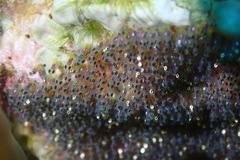
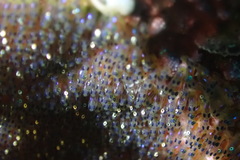
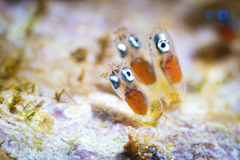
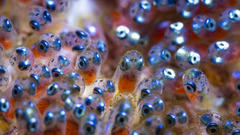
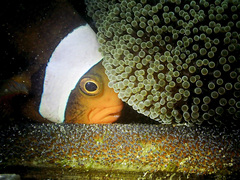
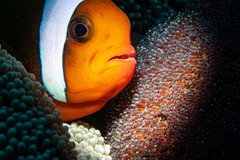
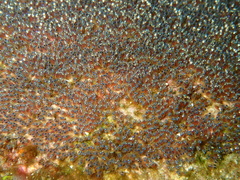
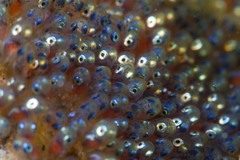
Clownfish are omnivorous and mostly feed on plankton. They live in groups consisting of a breeding female and male, along with some non-breeding individuals. Clownfish have a size-based dominance hierarchy with the breeding female ranking at the top, followed by the breeding male and then the largest non-breeder and so on. When the female disappears, the breeding male changes sex and takes her place while the others move up the hierarchy. During reproduction, the female deposits eggs on a rock near their anemone, and the male fertilises them. After hatching, clownfish disperse into the open ocean as larvae, eventually settling on the bottom and searching for an anemone host as juveniles.
The recognisable colour patterns and social nature of clownfish have contributed to their popularity. They are featured in the Disney/Pixar film Finding Nemo (2003) and are sought after in the aquarium trade. The ocellaris clownfish ranks among the most commonly traded marine fish. Many captive clownfish were taken from the wild and this has led to their decline. Clownfish are more numerous in marine protected areas, where collecting is forbidden. Other threats to populations include global warming, which causes ocean warming and acidification.
...Amphiprion in languages:
- Afrikaans
- Narvisse
- Chinese
- 雙鋸魚屬
- Chinese
- 海葵魚亞科
- Chinese
- 小丑魚
- English
- Anemonefishes
- English
- Clownfishes
- French
- Poissons-clowns
- Indonesian
- Ikan Badut
- Indonesian
- Ikan Giru
- Italian
- Pesce pagliaccio
- Italian
- Pesce pagliaccio marrone
- Japanese
- クマノミ属
- Japanese
- クマノミ亜科
- Portuguese
- Peixes-Palhaço
- Portuguese
- Peixes-Anêmona
- Thai
- สกุล ปลาการ์ตูน
- Ukrainian
- Риба-клоун
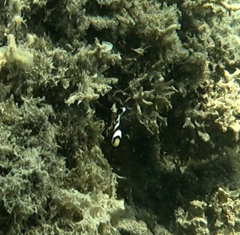
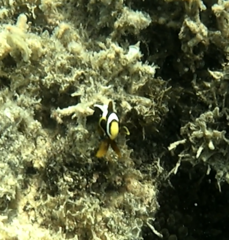
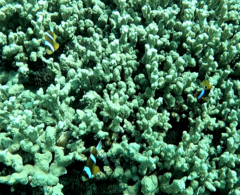
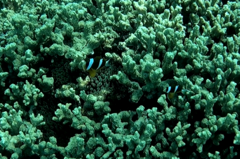
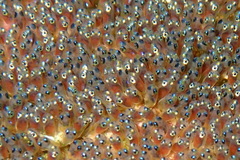
Images from inaturalist.org observations:
We recommend you sign up for this excellent, free service.

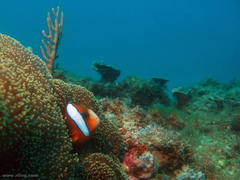
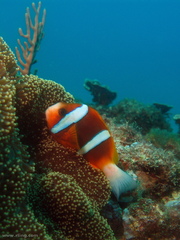
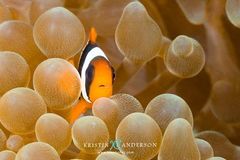
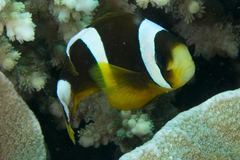
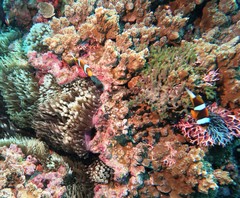
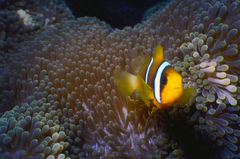
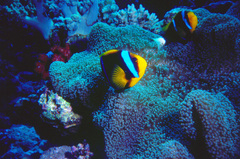
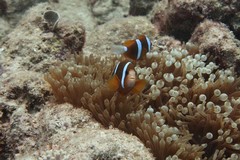
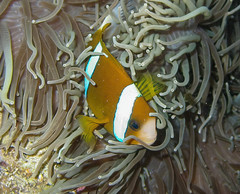
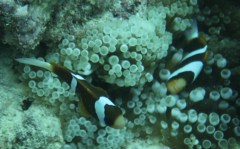
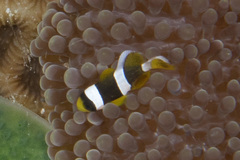
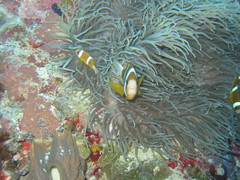
Parent Taxon
Sibling Taxa
Child Taxa
- Amphiprion akallopisos
- Amphiprion akindynos
- Amphiprion allardi
- Amphiprion barberi
- Amphiprion biaculeatus
- Amphiprion bicinctus
- Amphiprion chagosensis
- Amphiprion chrysogaster
- Amphiprion chrysopterus
- Amphiprion clarkii
- Amphiprion ephippium
- Amphiprion frenatus
- Amphiprion fuscocaudatus
- Amphiprion latezonatus
- Amphiprion latifasciatus
- Amphiprion leucokranos
- Amphiprion mccullochi
- Amphiprion melanopus
- Amphiprion nigripes
- Amphiprion ocellaris
- Amphiprion omanensis
- Amphiprion pacificus
- Amphiprion percula
- Amphiprion perideraion
- Amphiprion polymnus
- Amphiprion rubrocinctus
- Amphiprion sandaracinos
- Amphiprion sebae
- Amphiprion thiellei
- Amphiprion tricinctus