Amynthas agrestis: taxon details and analytics
- Domain
- Kingdom
- Animalia
- Phylum
- Annelida
- Class
- Clitellata
- Order
- Crassiclitellata
- Family
- Megascolecidae
- Genus
- Amynthas
- Species
- Amynthas agrestis
- Scientific Name
- Amynthas agrestis
Summary description from Wikipedia:
Amynthas agrestis
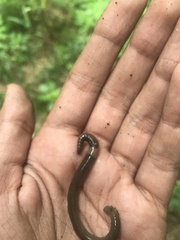
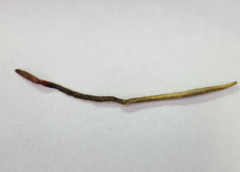
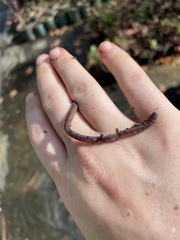
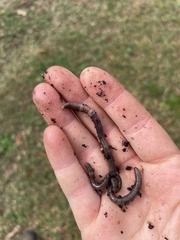
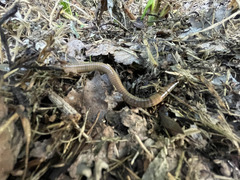
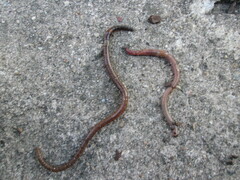
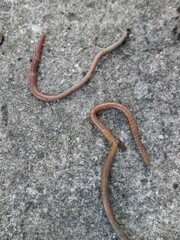
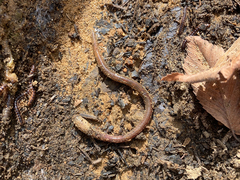
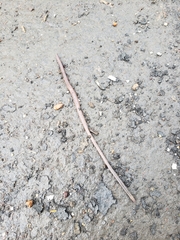
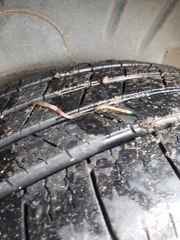
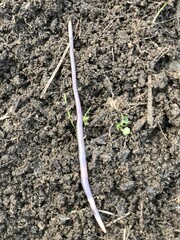
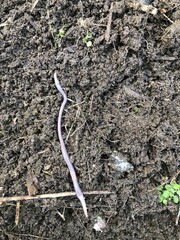
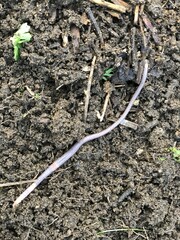
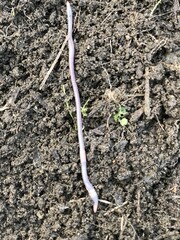
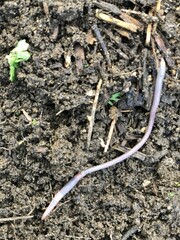
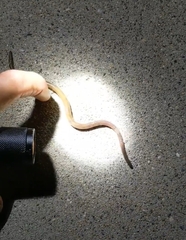
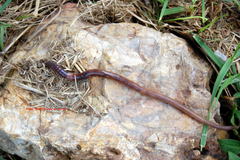
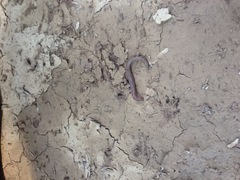
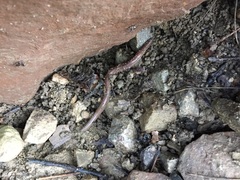
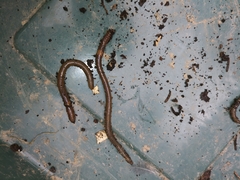
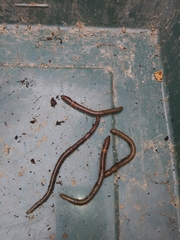
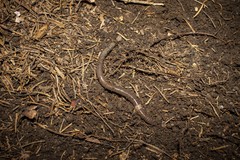
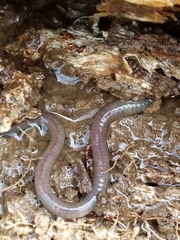
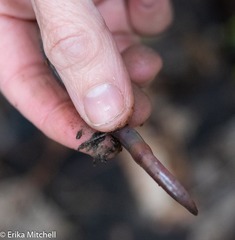
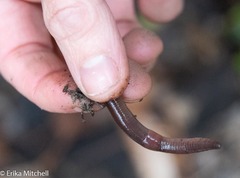
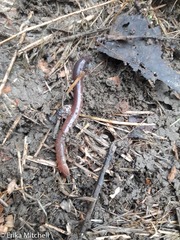
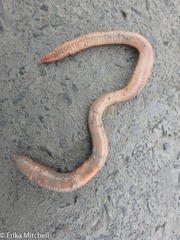
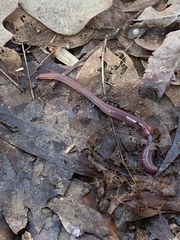
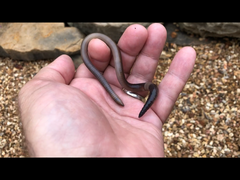
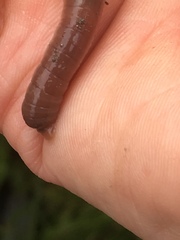
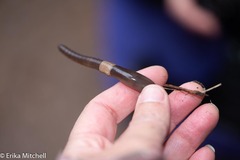
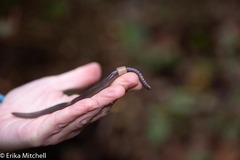
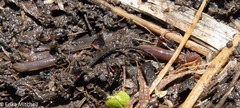
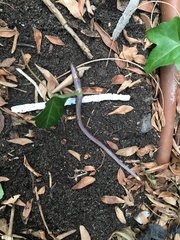
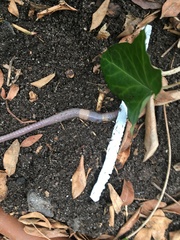
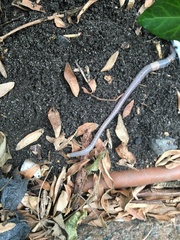
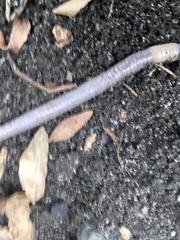
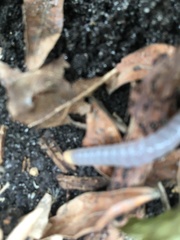
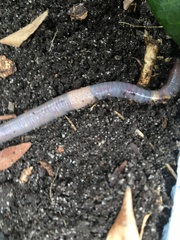
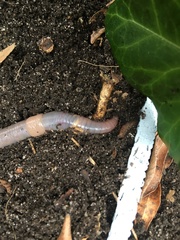
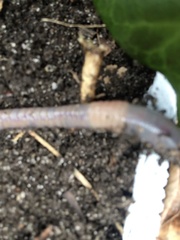
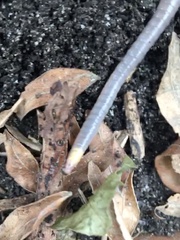
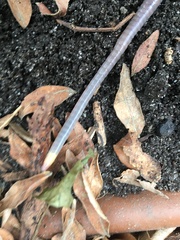
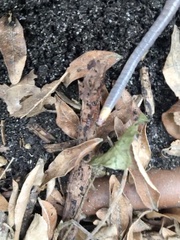
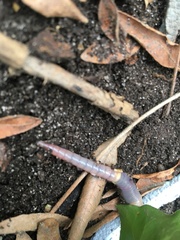
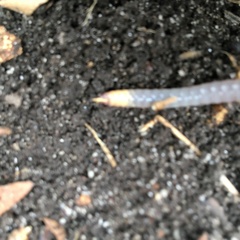
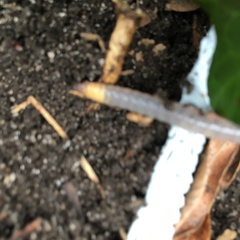
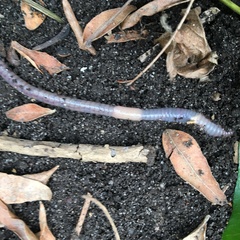
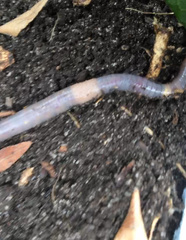
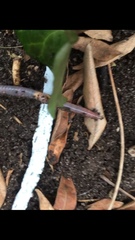
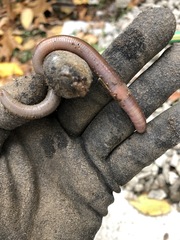
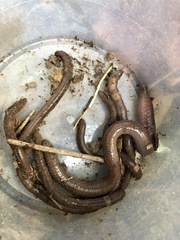
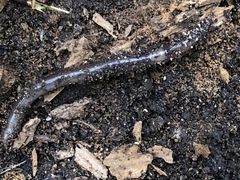
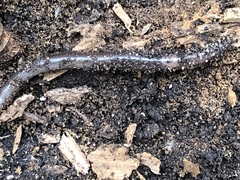
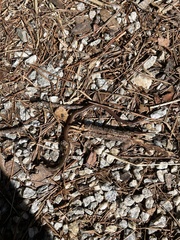
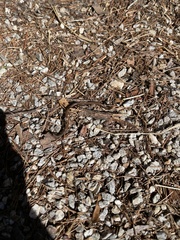
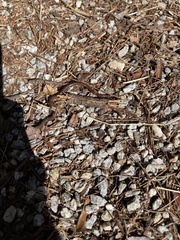
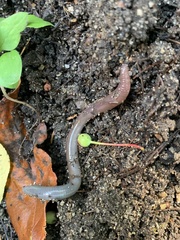
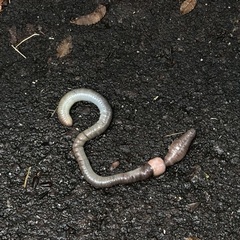
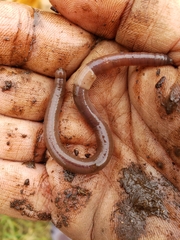
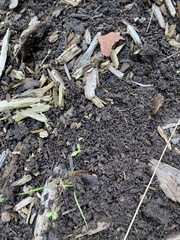
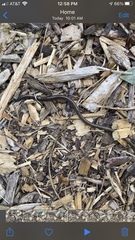
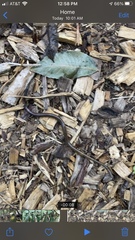
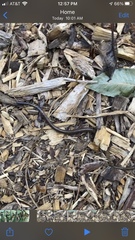
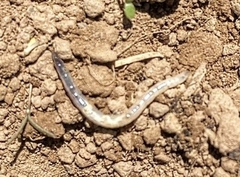
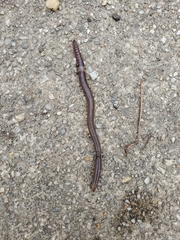
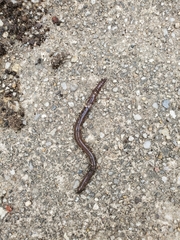
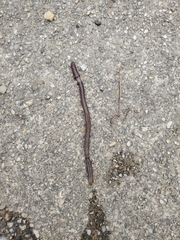
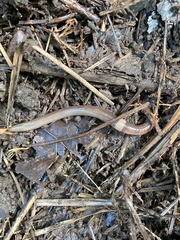
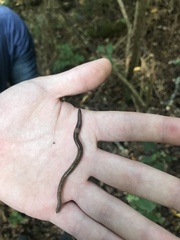
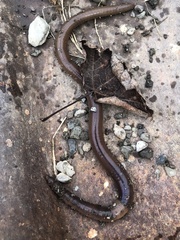
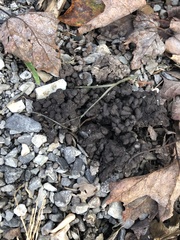
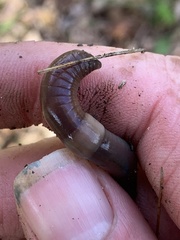
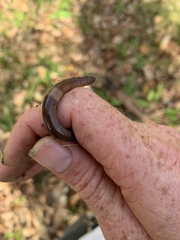
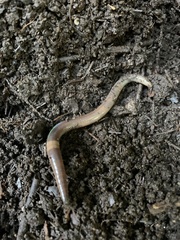
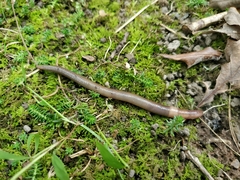
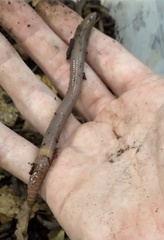
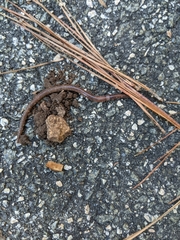
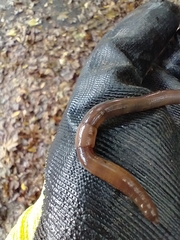
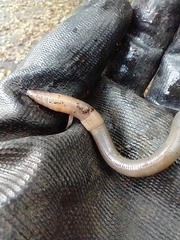
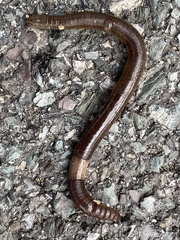
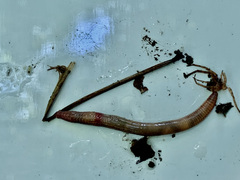
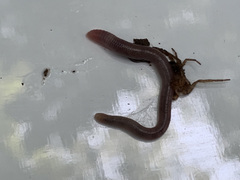
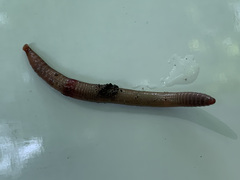
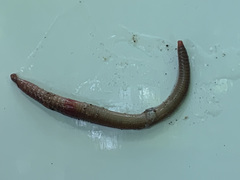
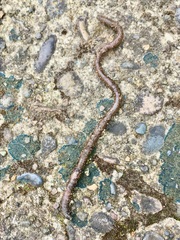
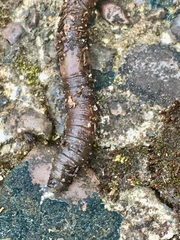
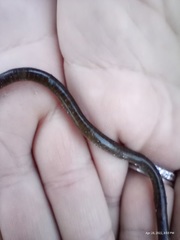
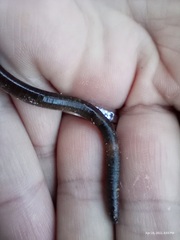
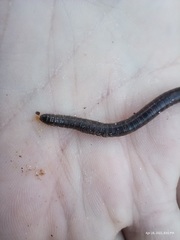
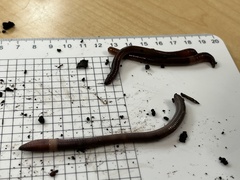
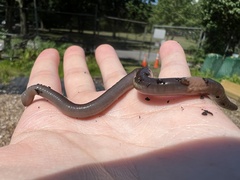
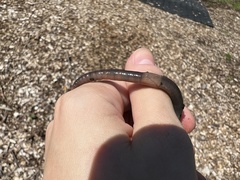
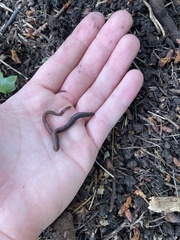
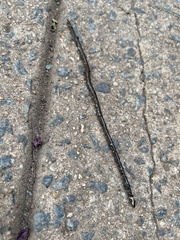
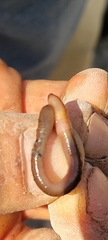
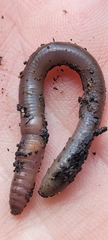
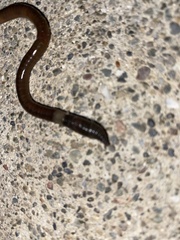
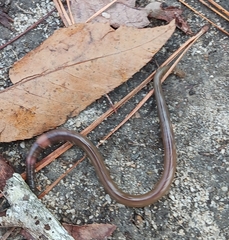
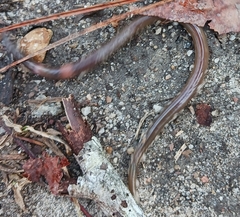
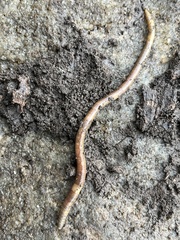
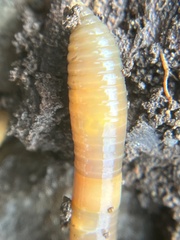
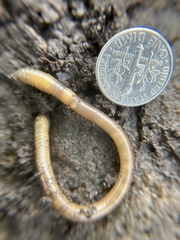
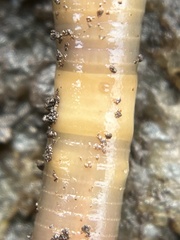
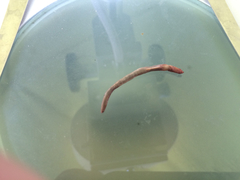
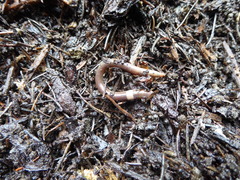
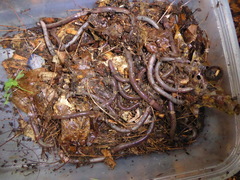
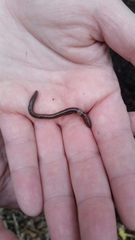
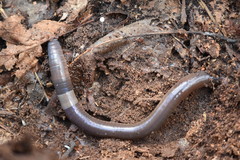
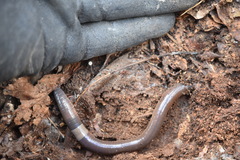
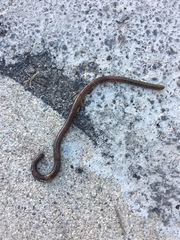
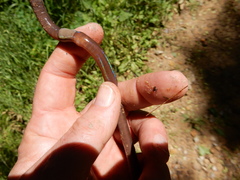
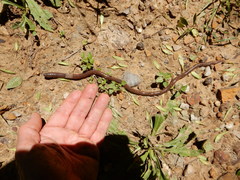
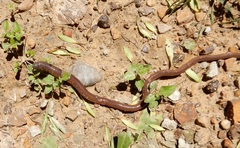
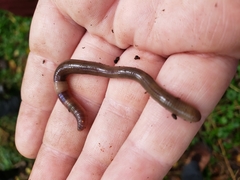
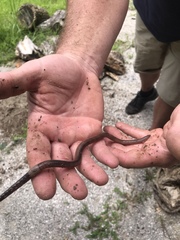
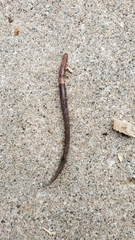
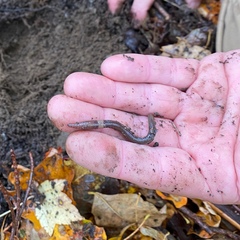
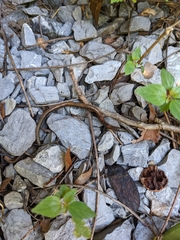
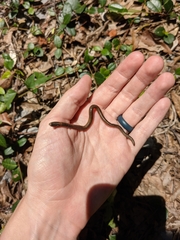
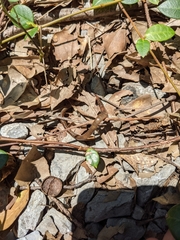
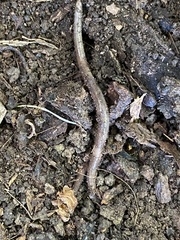
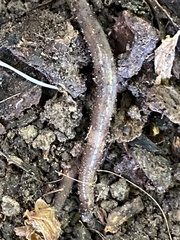
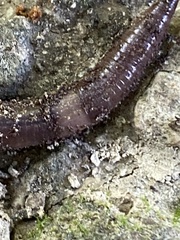
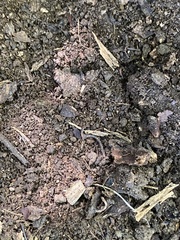
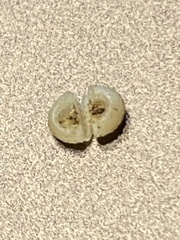
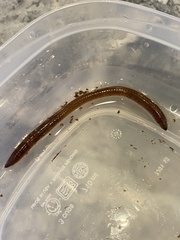
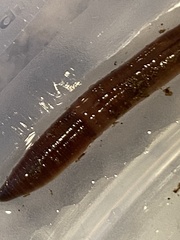
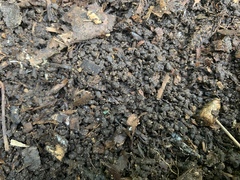
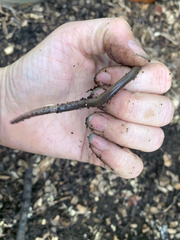
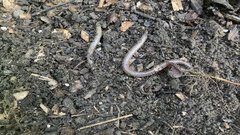
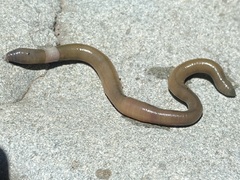
Amynthas agrestis, the Asian jumping worm, is a species of worm in the family Megascolecidae. It has a smooth, glossy, grey or brown body with a milky-white clitellum that is generally a collar-like band around their body and can range from 1.5 to 8 in (3.8 to 20.3 cm) in length. Amynthas agrestis is located about 14-16 segments away from their head with a thick lifted, pinky appearance. Adult worms are able to reach the length of 10-13 centimeters. If they are disturbed they move in a motion that mocks the movement of a snake, moving back and forth simultaneously. Eventually the A. agrestis is able to break off a piece of its tail segments in the attempt to escape. As a result, they have earned the nicknames of “crazy worm” and “snake worm”. Amynthas agrestis is native to Japan, Korea and Taiwan. They were introduced to North America due to increased human activity during the 19th century; it is considered to be an invasive species in the United States. Worms within the genus Amynthas (jumping worms) reproduce and develop quicker than their European counterparts. The names Crazy and Jumping worm originate from the worm thrashing around rapidly when threatened. They tend to serpentine in a snake-like motion which tends to appear energetic and vicious. It can also detach its tail to aid escape from possible predators
...Amynthas agrestis in languages:
- English
- Rustic Jumping Worm
- English
- Asian Jumping Worms
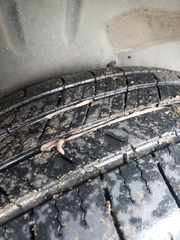
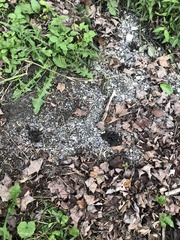
Images from inaturalist.org observations:
We recommend you sign up for this excellent, free service.
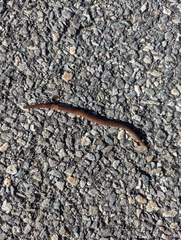
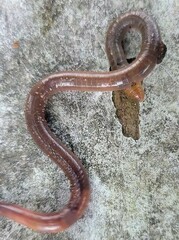
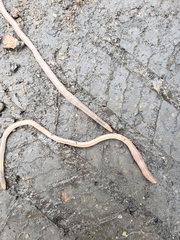


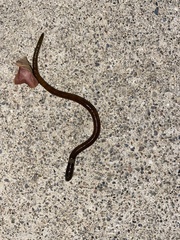
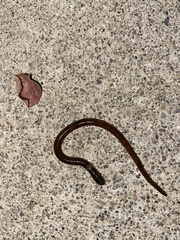
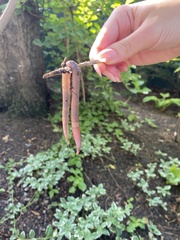
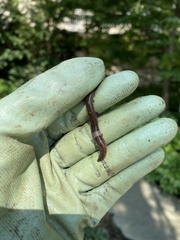


Parent Taxon
Sibling Taxa
- Amynthas aeruginosus
- Amynthas agrestis
- Amynthas amis
- Amynthas amplipapillatus
- Amynthas aspergillum
- Amynthas bilineatus
- Amynthas bimontis
- Amynthas binoculatus
- Amynthas biorbis
- Amynthas candidus
- Amynthas carnosus
- Amynthas catenus
- Amynthas chilanensis
- Amynthas corticis
- Amynthas cruxus
- Amynthas diffringens
- Amynthas dinghuensis
- Amynthas dongjuensis
- Amynthas dongyinensis
- Amynthas douliouensis
- Amynthas exiguus
- Amynthas fenestrus
- Amynthas fusing
- Amynthas gracilis
- Amynthas hohuanmontis
- Amynthas hongyehensis
- Amynthas hsiyinensis
- Amynthas hupeiensis
- Amynthas incongruus
- Amynthas kinmenensis
- Amynthas lalashan
- Amynthas libratus
- Amynthas lini
- Amynthas lioujia
- Amynthas majia
- Amynthas meishanensis
- Amynthas minimus
- Amynthas morrisi
- Amynthas mutabilitas
- Amynthas nanganensis
- Amynthas nanrenensis
- Amynthas nanshanensis
- Amynthas papilio
- Amynthas papulosus
- Amynthas pavimentus
- Amynthas penpuensis
- Amynthas polyglandularis
- Amynthas proasacceus
- Amynthas quadriorbis
- Amynthas robustus
- Amynthas rockefelleri
- Amynthas rodericensis
- Amynthas sexpectatus
- Amynthas shinanmontis
- Amynthas shinjiroi
- Amynthas swanus
- Amynthas taipeiensis
- Amynthas taiwumontis
- Amynthas tantulus
- Amynthas tayalis
- Amynthas tessellatus
- Amynthas tokioensis
- Amynthas tsou
- Amynthas tungpuensis
- Amynthas uvaglandularis
- Amynthas wangi
- Amynthas wuhumontis
- Amynthas wujhouensis
- Amynthas wulinensis