Andropogon ternarius: taxon details and analytics
- Domain
- Kingdom
- Plantae
- Phylum
- Tracheophyta
- Class
- Liliopsida
- Order
- Poales
- Family
- Poaceae
- Genus
- Andropogon
- Species
- Andropogon ternarius
- Scientific Name
- Andropogon ternarius
Summary description from Wikipedia:
Andropogon ternarius
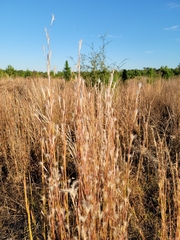
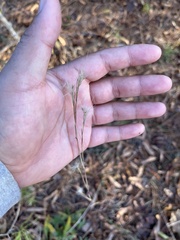
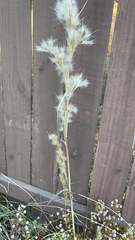
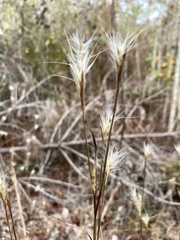
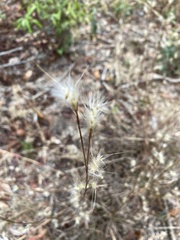
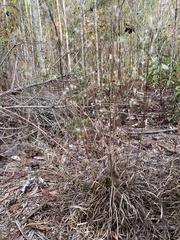
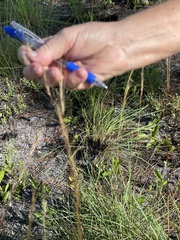
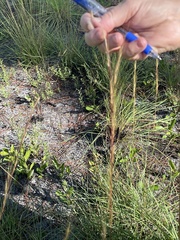
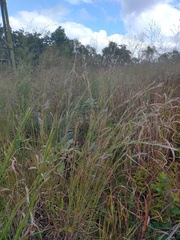
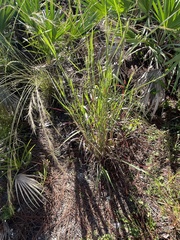
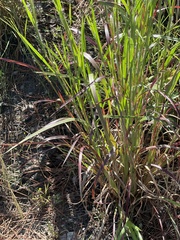
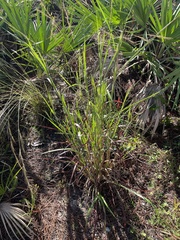
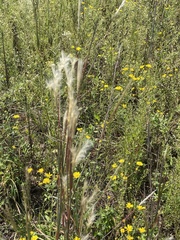
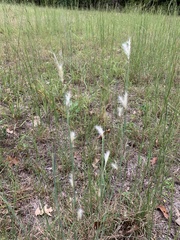
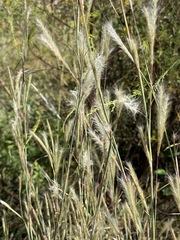
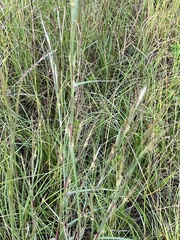
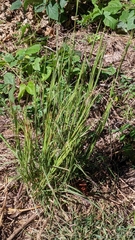
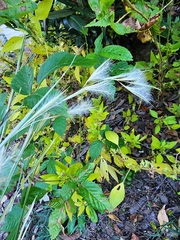
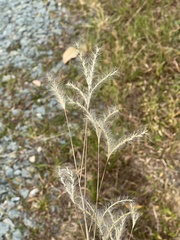
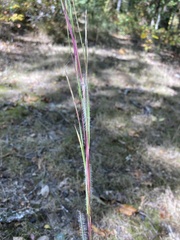
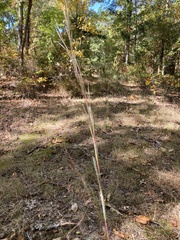
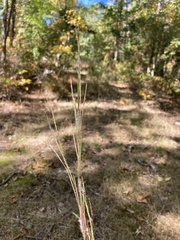
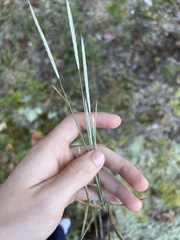
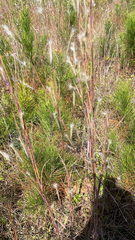
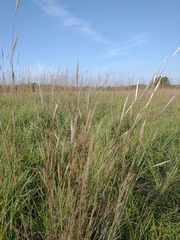
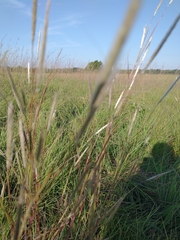
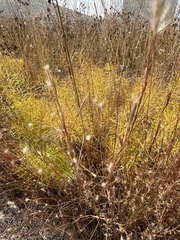
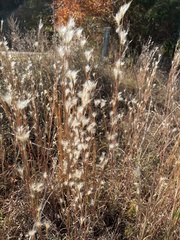
Andropogon ternarius is a species of grass known by the common names split bluestem, splitbeard bluestem, silver bluestem, and paintbrush bluestem. It is native to the southeastern, east-central, and south-central parts of the United States, where it occurs from New Jersey south to Florida and west to Kansas, Oklahoma, and Texas.
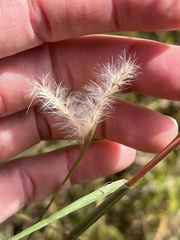
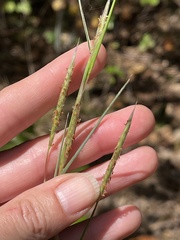
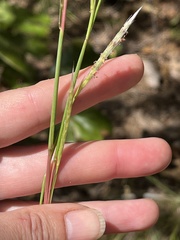
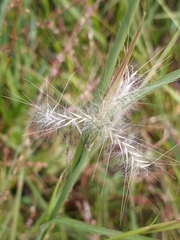
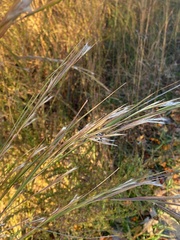
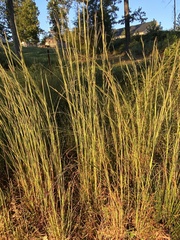
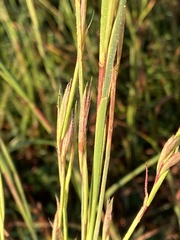
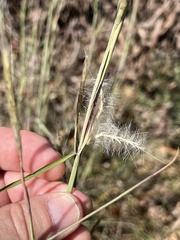
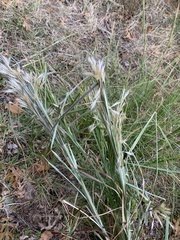
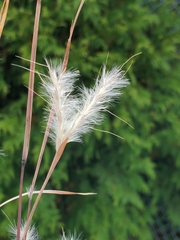
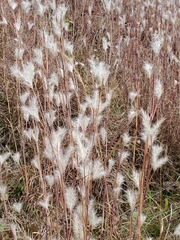
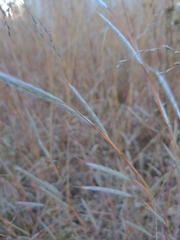
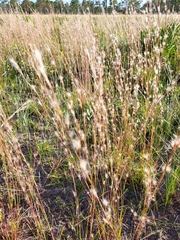
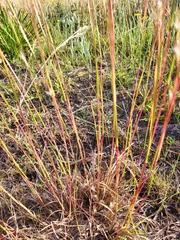
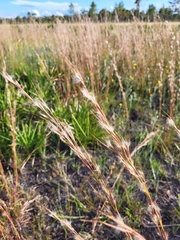
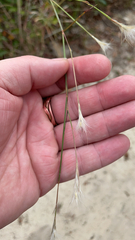
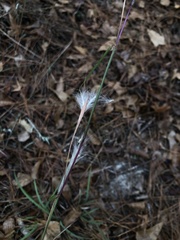
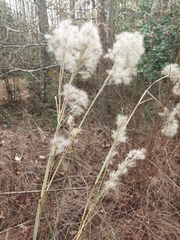
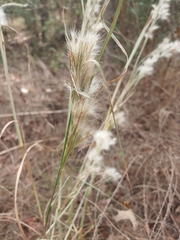
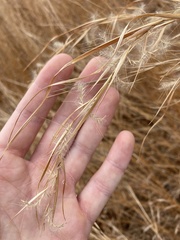
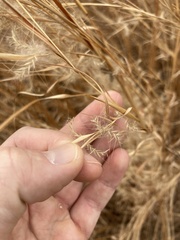
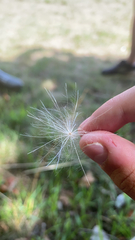
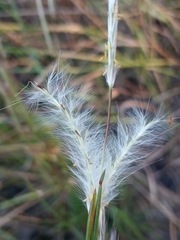
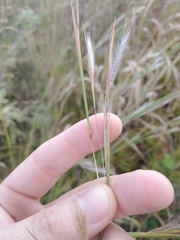
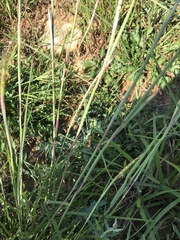
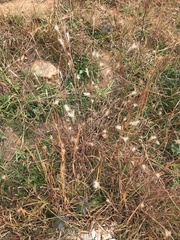
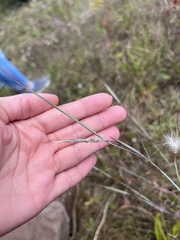
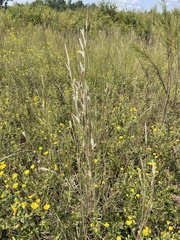
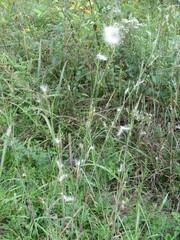
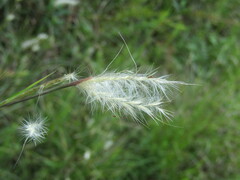
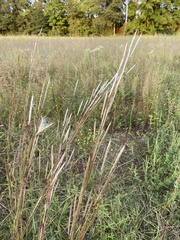
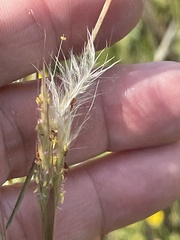
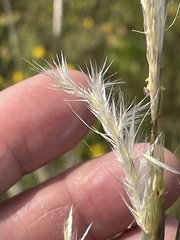
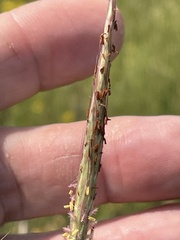
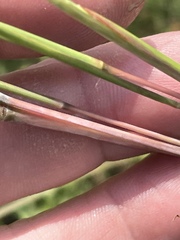
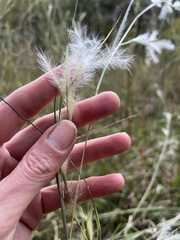
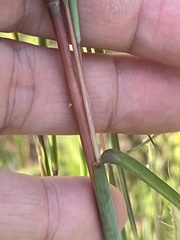
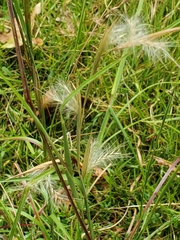
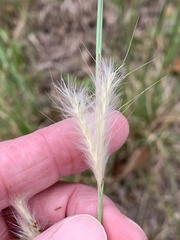
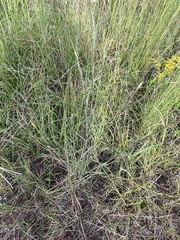
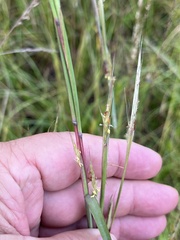
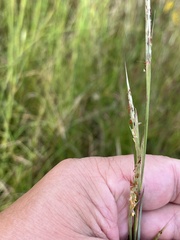
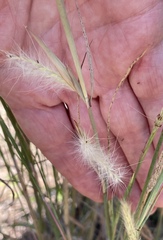
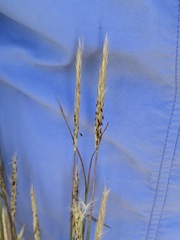
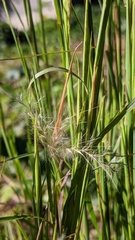
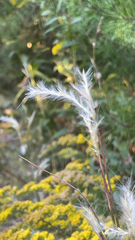
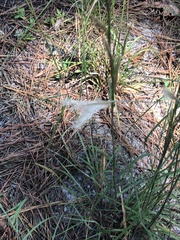
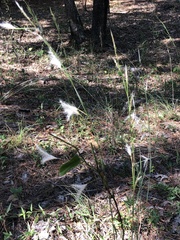
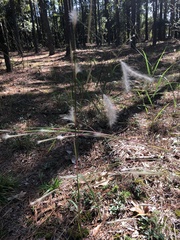
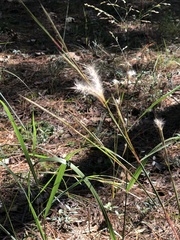
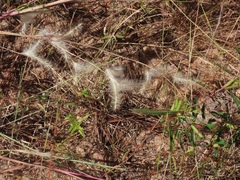
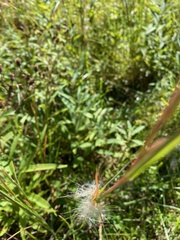
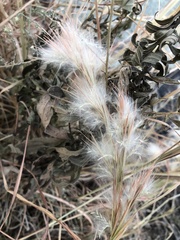
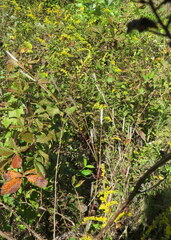
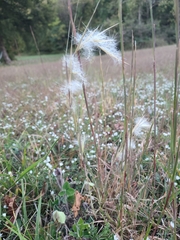
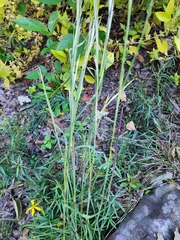
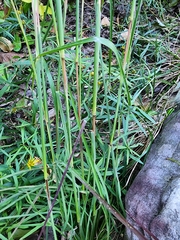
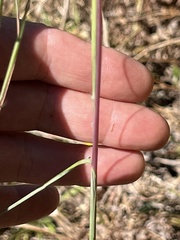
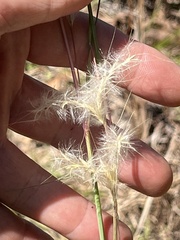
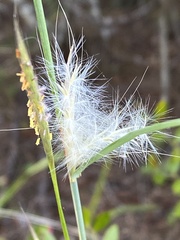
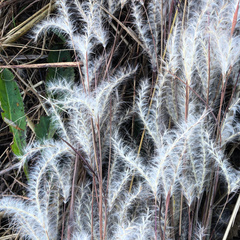
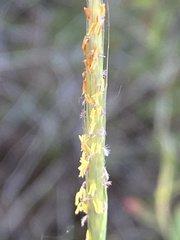
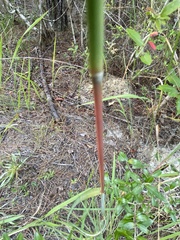
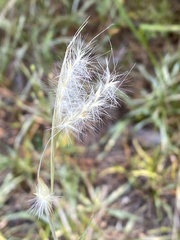
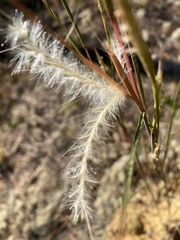
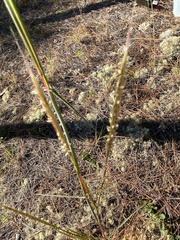
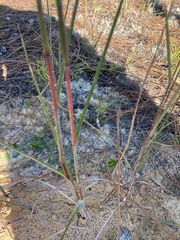
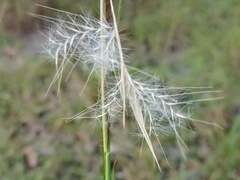
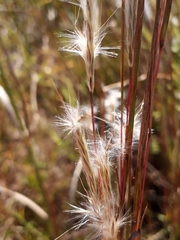
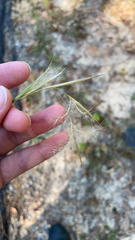
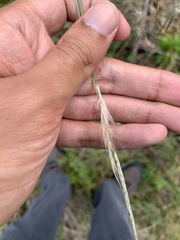
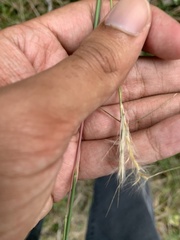
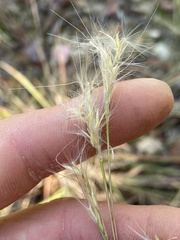
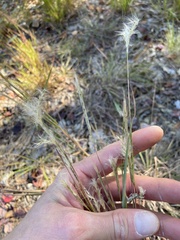
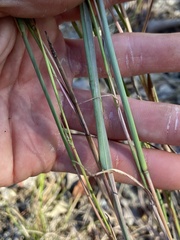
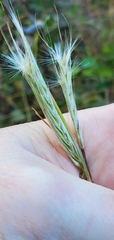
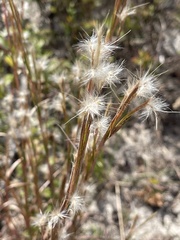
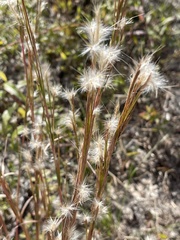
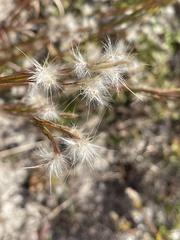
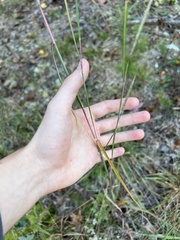
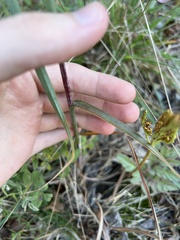
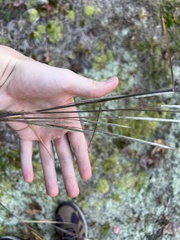
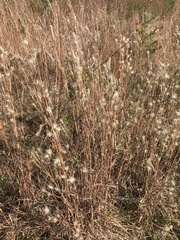
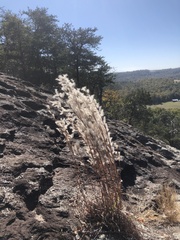
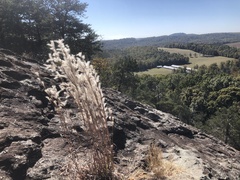
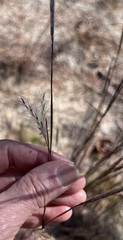
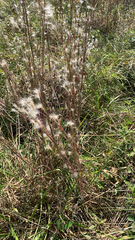
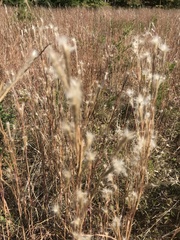
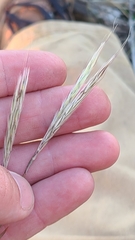
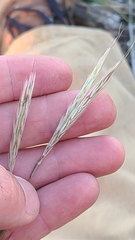
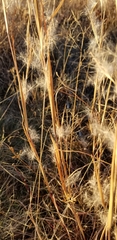
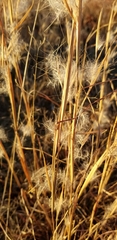
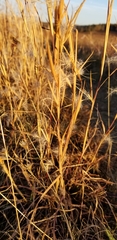
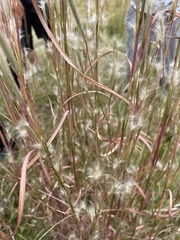
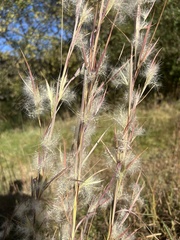
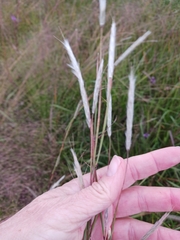
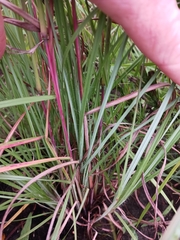
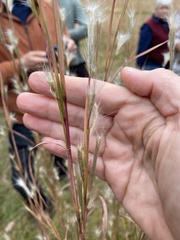
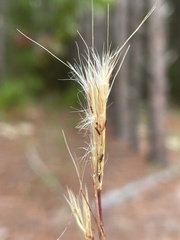
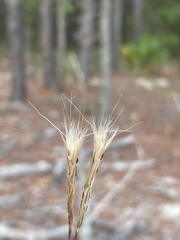
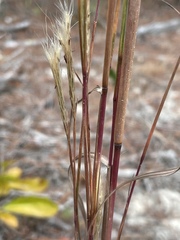
This perennial grass forms tufts of branching stems reaching 120 to 150 centimeters in maximum height. The inflorescence is made up of pairs of feathery racemes, each of which contains pairs of spikelets. Each pair is made up of one fertile spikelet and one sterile. The fertile spikelet has an awn up to 2.5 centimeters long. The spikelets are coated in very long, silvery hairs. In the Great Plains, the grass blooms in August through October. In the Carolinas blooming occurs in September and October and in Louisiana the grass blooms in the fall. One variety of this species, the Florida endemic var. cabanisii, has been treated as a separate species, A. cabanisii.
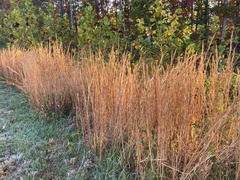
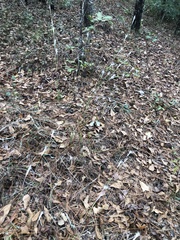
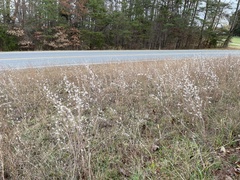
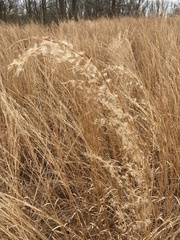
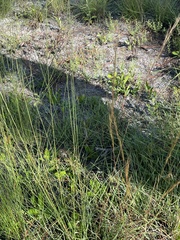
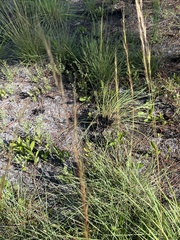
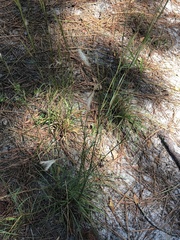
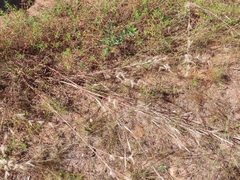
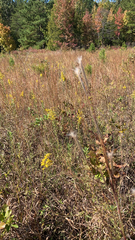
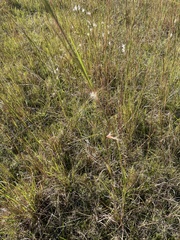
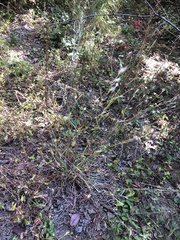
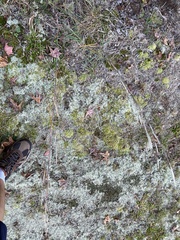
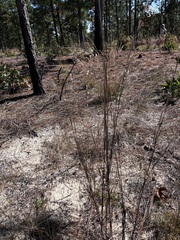
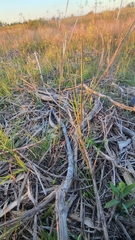
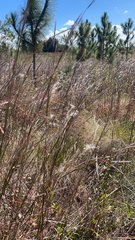
This grass grows in pine and oak forests and on prairie. It is dominant in the pine savanna around the Texas-Louisiana border. It grows in disturbed habitat types such as grazed pastures, ditches, and abandoned crop fields. Old fields in the southern United States are often colonized with the grass and its relative, broomsedge (Andropogon virginicus). In the ecological succession of abandoned fields in the region, the bluestem grasses grow after various annual and perennial weeds but before pines move in to shade them out.
Cattle graze on the grass. Northern bobwhite are known to nest in bunches of it.
...Andropogon ternarius in languages:
- English
- splitbeard bluestem
- English
- silver bluestem
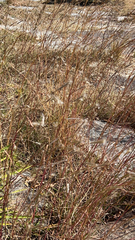
Images from inaturalist.org observations:
We recommend you sign up for this excellent, free service.
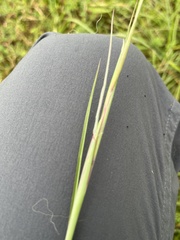
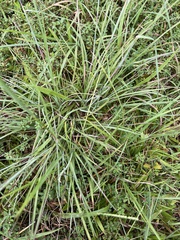
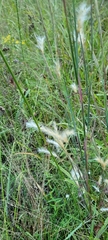
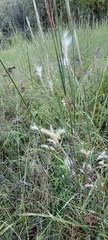
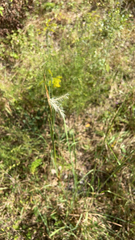
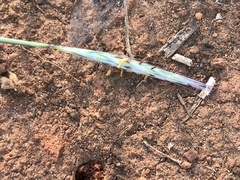
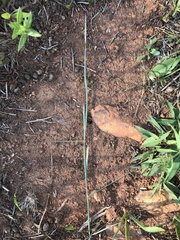
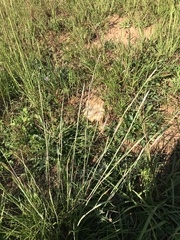
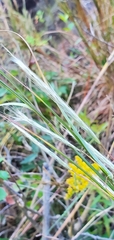
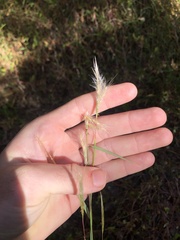
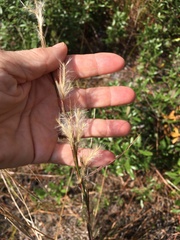
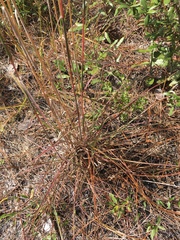
Parent Taxon
Sibling Taxa
- Andropogon aequatoriensis
- Andropogon africanus
- Andropogon amethystinus
- Andropogon andringitrensis
- Andropogon angustatus
- Andropogon appendiculatus
- Andropogon arctatus
- Andropogon arenarius
- Andropogon barretoi
- Andropogon bentii
- Andropogon bicornis
- Andropogon bourgaei
- Andropogon brachystachyus
- Andropogon brazzae
- Andropogon cabanisii
- Andropogon canaliculatus
- Andropogon chevalieri
- Andropogon chinensis
- Andropogon columbiensis
- Andropogon cumulicola
- Andropogon distachyos
- Andropogon eucomus
- Andropogon fastigiatus
- Andropogon festuciformis
- Andropogon floridanus
- Andropogon gayanus
- Andropogon gerardi
- Andropogon glaucescens
- Andropogon glomeratus
- Andropogon greenwayi
- Andropogon gyrans
- Andropogon hallii
- Andropogon huillensis
- Andropogon ibityensis
- Andropogon incomptus
- Andropogon itremoensis
- Andropogon lacunosus
- Andropogon lateralis
- Andropogon lehmannii
- Andropogon leucostachyus
- Andropogon liebmannii
- Andropogon longiberbis
- Andropogon macrothrix
- Andropogon mannii
- Andropogon miamiensis
- Andropogon mohrii
- Andropogon perangustatus
- Andropogon perligulatus
- Andropogon polyptychos
- Andropogon pringlei
- Andropogon pseudapricus
- Andropogon pumilus
- Andropogon scabriglumis
- Andropogon schirensis
- Andropogon selloanus
- Andropogon subtenuis
- Andropogon tectorum
- Andropogon ternarius
- Andropogon ternatus
- Andropogon tolimensis
- Andropogon tracyi
- Andropogon trichozygus
- Andropogon urbanianus
- Andropogon virgatus
- Andropogon virginicus