Anthidium manicatum: taxon details and analytics
- Domain
- Kingdom
- Animalia
- Phylum
- Arthropoda
- Class
- Insecta
- Order
- Hymenoptera
- Family
- Megachilidae
- Genus
- Anthidium
- Species
- Anthidium manicatum
- Scientific Name
- Anthidium manicatum
Summary description from Wikipedia:
Anthidium manicatum
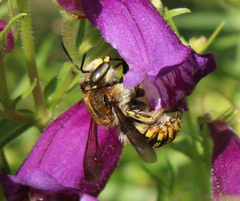
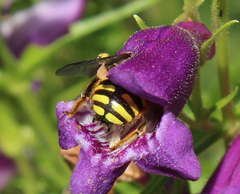
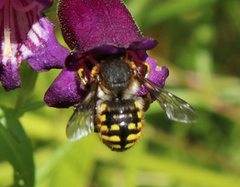
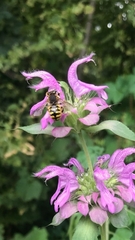
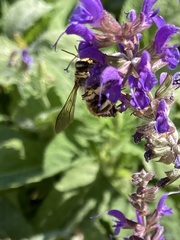
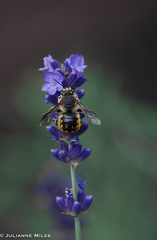
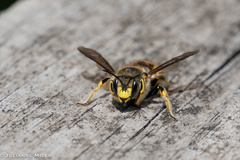
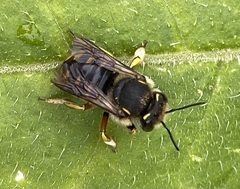
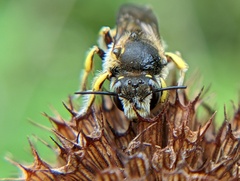
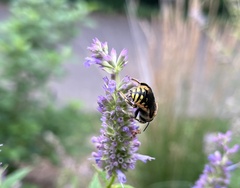
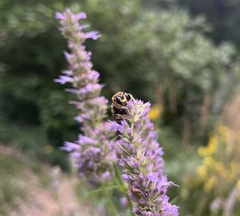
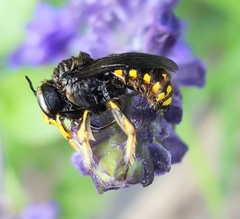
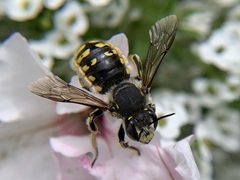
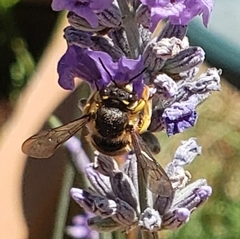
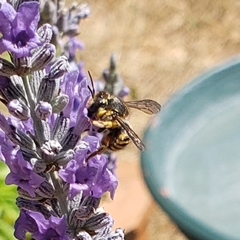
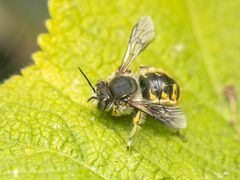
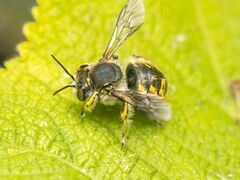
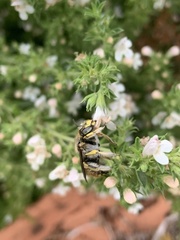
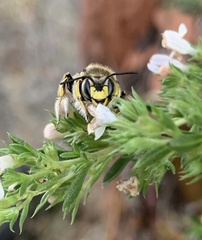
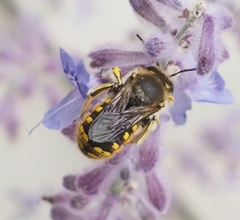
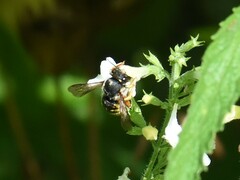
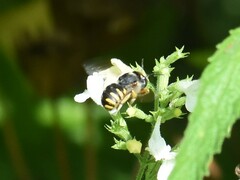
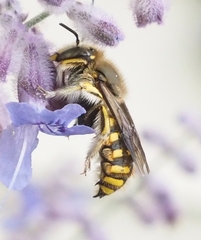
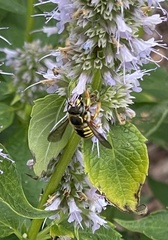
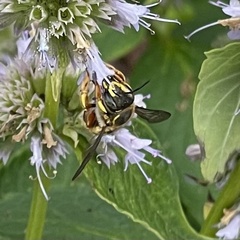
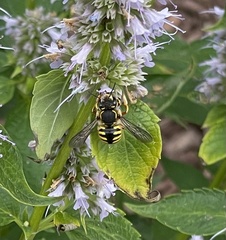
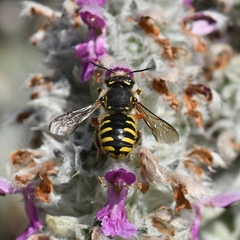
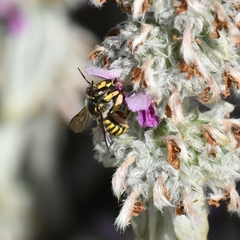
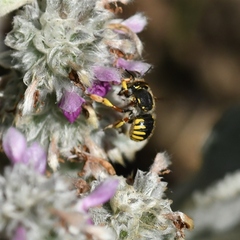
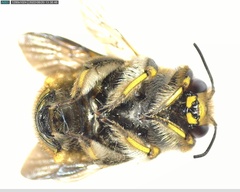
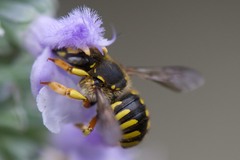
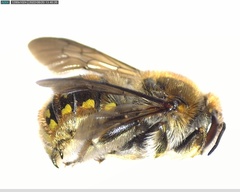
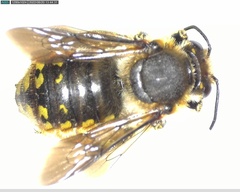
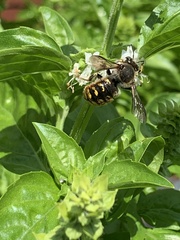
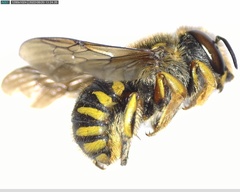
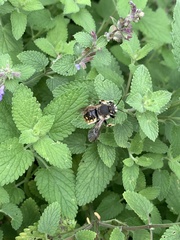
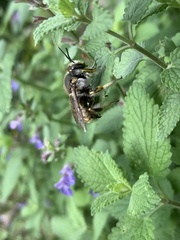
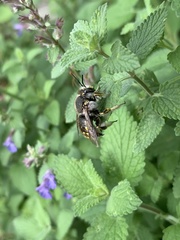
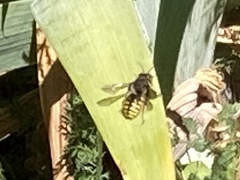
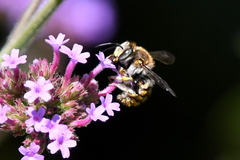
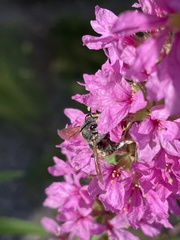
Anthidium manicatum, commonly called the European wool carder bee, is a species of bee in the family Megachilidae, the leaf-cutter bees and mason bees.
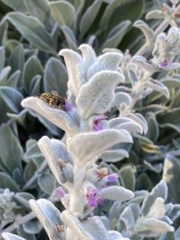
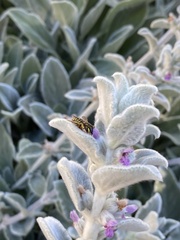
They get the name "carder" from their behaviour of scraping hair from leaves such as lamb's ears (Stachys byzantina), similar to the way textile workers card fibers. They carry this hair bundled beneath their bodies to be used as a nest lining. Like other members of the tribe Anthidiini, these bees do not cut leaves or petals as is typical for megachilids. The males engage in territorial behaviour, aggressively chasing other males and pollinators from their territory.
This bee is native to Europe, Asia, and North Africa. It was accidentally introduced into North America from Europe some time in the mid-20th century, first seen in 1963 near Ithaca, New York, and has become an invasive pest. It is now also found in regions of South America, New Zealand, and the Canary Islands. They are generalists, and do not seem to prefer any plant genera for foraging, although in New Zealand, native plants are visited less frequently.
...Anthidium manicatum in languages:
- Bokmål
- storullbie
- Czech
- valchářka obecná
- Danish
- Stor uldbi
- Dutch
- grote wolbij
- English
- European Wool Carder Bee
- English
- European Woolcarder Bee
- Finnish
- seinähuopamehiläinen
- French
- Abeille cotonnière
- French
- Anthidie cotonnière
- French
- Anthidie à manchettes
- German
- Garten-Wollbiene
- German
- Große Wollbiene
- Modern Greek
- Μέλισσα Υφάντρα
- Polish
- Makatka zbójnica
- Portuguese
- Abelha-cotanilhosa
- Russian
- Пчела-шерстобит
- Swedish
- storullbi
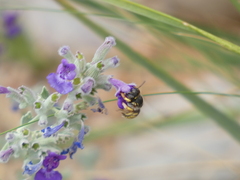
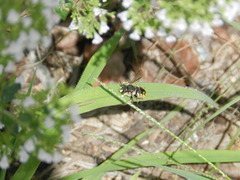
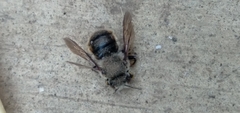
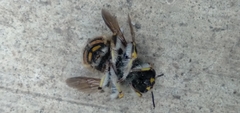
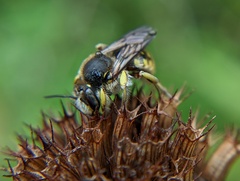
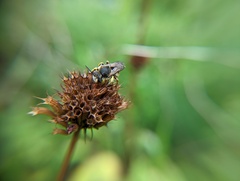
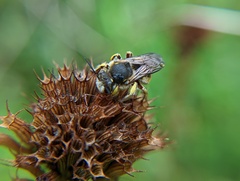
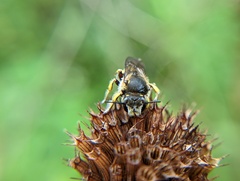
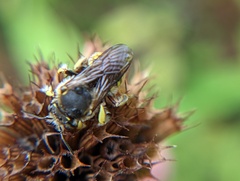
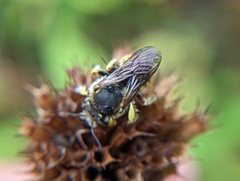
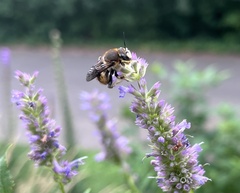
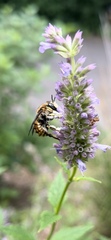
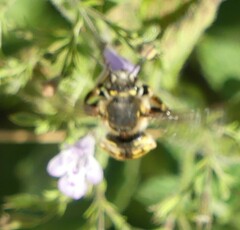
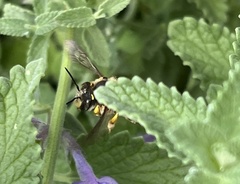
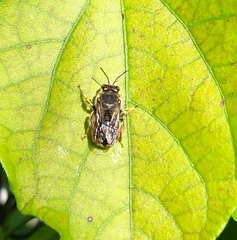
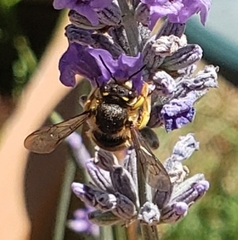
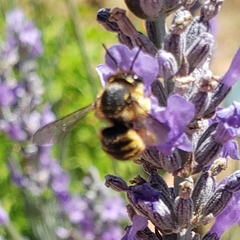
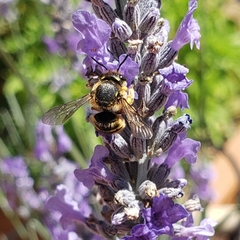
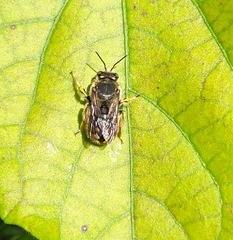
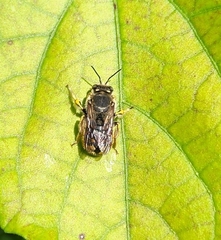
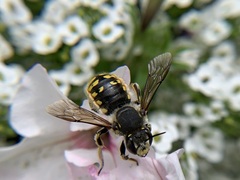
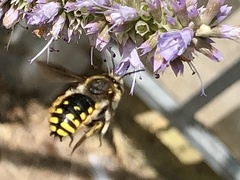
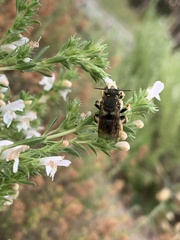
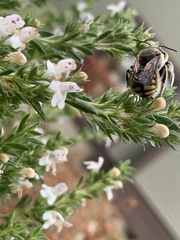
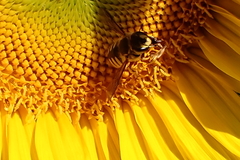
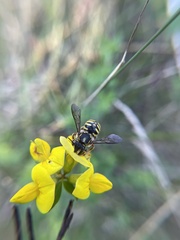
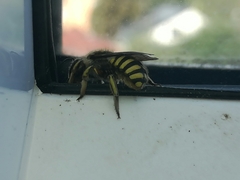
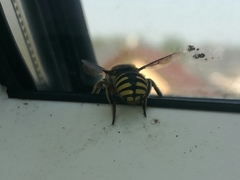
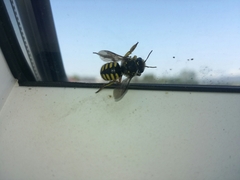
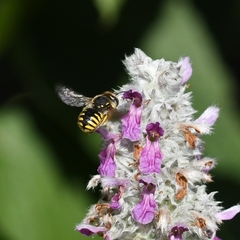
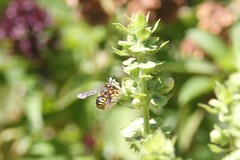
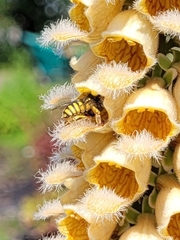
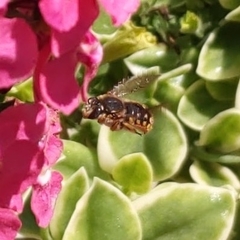
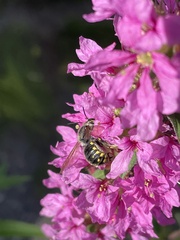
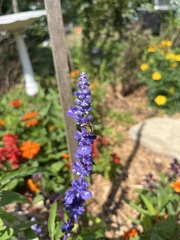
Images from inaturalist.org observations:
We recommend you sign up for this excellent, free service.
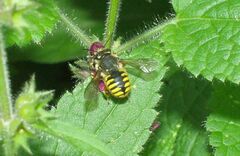
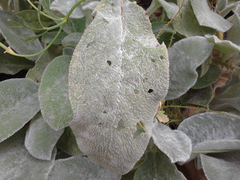
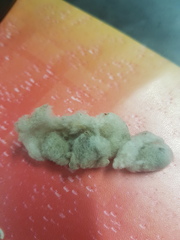
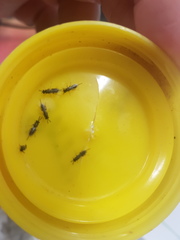
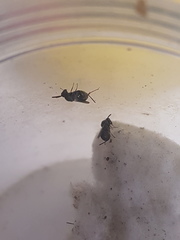
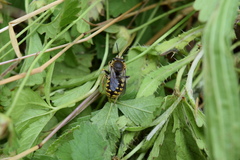
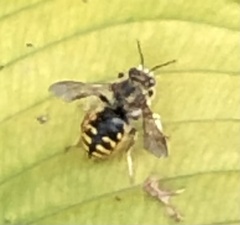
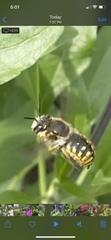
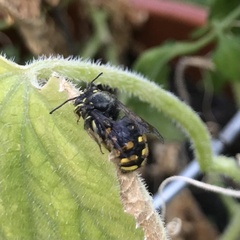
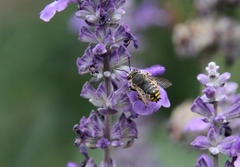
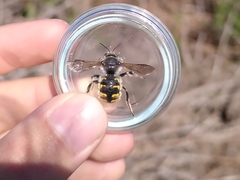
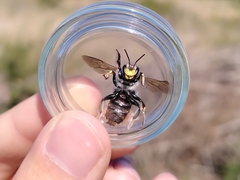
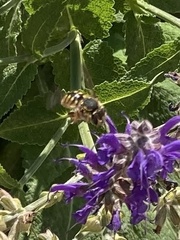
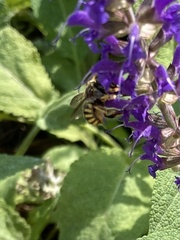
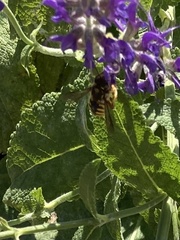
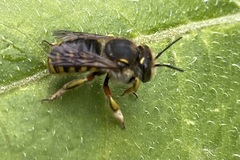
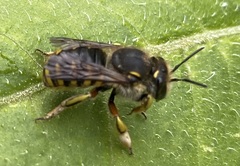
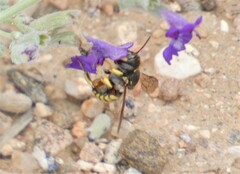
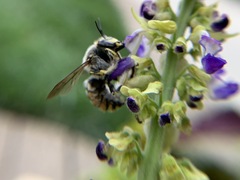
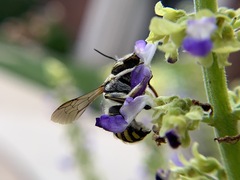
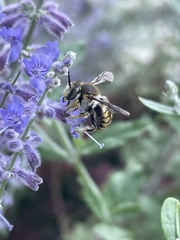
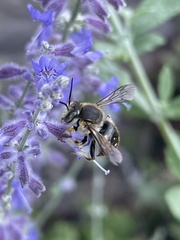
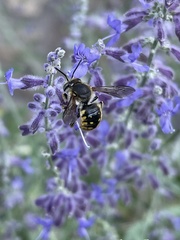
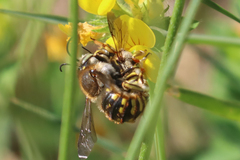
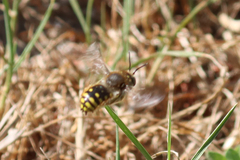
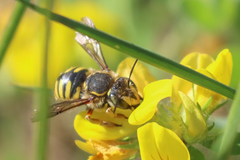
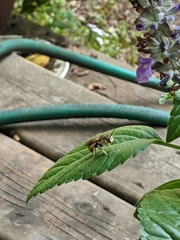
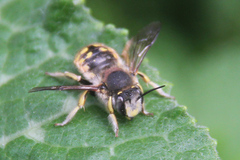
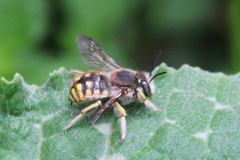
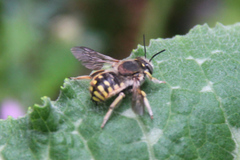
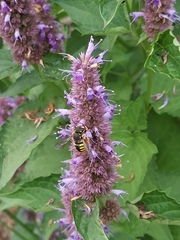
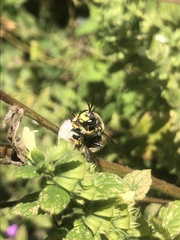
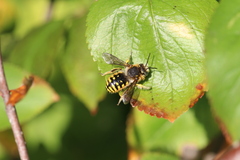
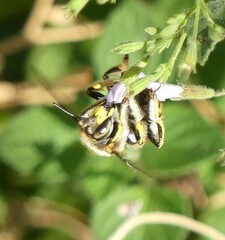
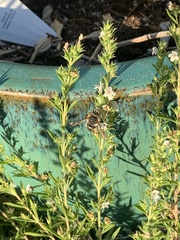
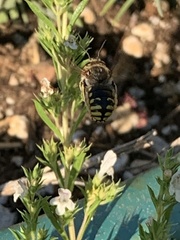
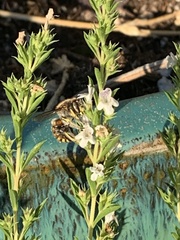
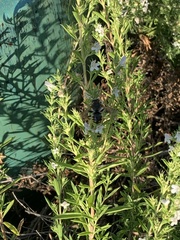
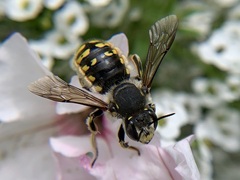
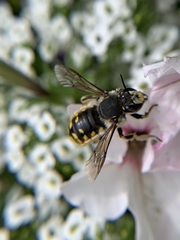
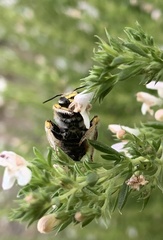
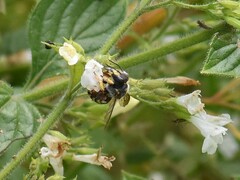
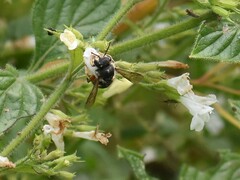
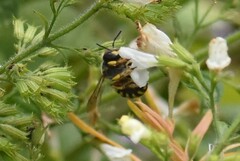
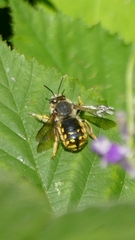
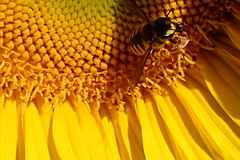
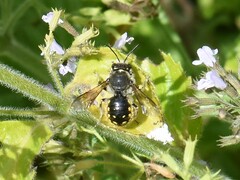
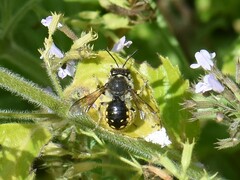
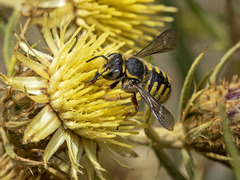


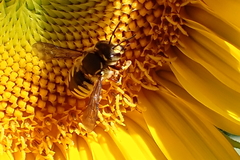
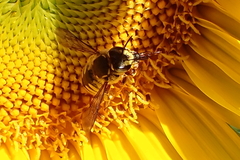
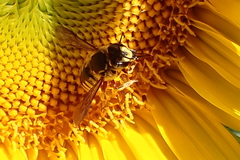
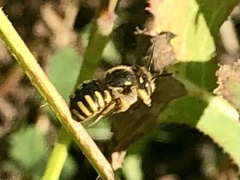
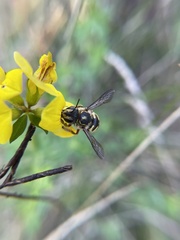
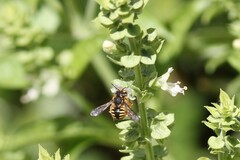
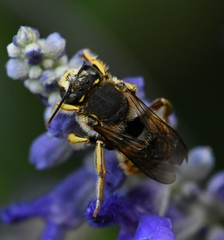
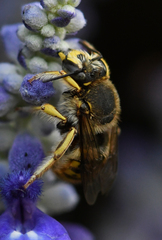
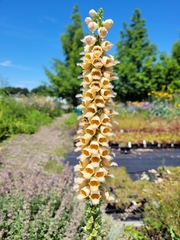
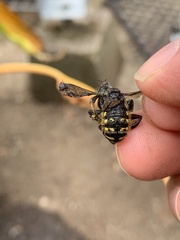
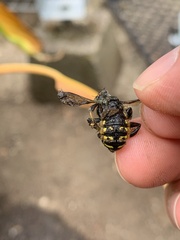
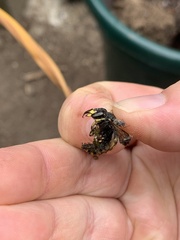
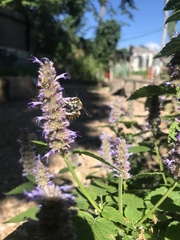
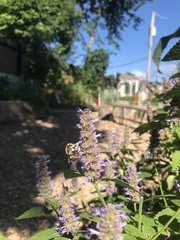
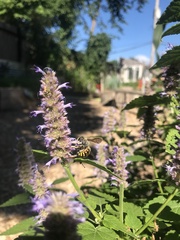
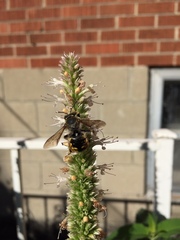
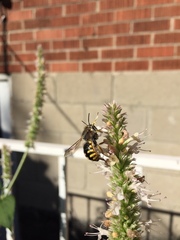
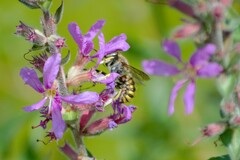
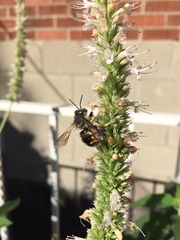
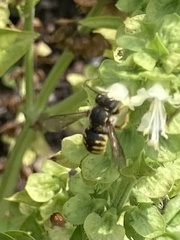
Parent Taxon
Sibling Taxa
- Anthidium andinum
- Anthidium atrifrons
- Anthidium atripes
- Anthidium aztecum
- Anthidium banningense
- Anthidium chilense
- Anthidium chubuti
- Anthidium cingulatum
- Anthidium clypeodentatum
- Anthidium cochimi
- Anthidium cockerelli
- Anthidium collectum
- Anthidium colliguayanum
- Anthidium dammersi
- Anthidium decaspilum
- Anthidium diadema
- Anthidium edwardsii
- Anthidium emarginatum
- Anthidium florentinum
- Anthidium formosum
- Anthidium friesei
- Anthidium funereum
- Anthidium gayi
- Anthidium hallinani
- Anthidium illustre
- Anthidium jocosum
- Anthidium loti
- Anthidium maculifrons
- Anthidium maculosum
- Anthidium manicatum
- Anthidium montanum
- Anthidium mormonum
- Anthidium ordinatum
- Anthidium pallidiclypeum
- Anthidium palliventre
- Anthidium palmarum
- Anthidium paroselae
- Anthidium placitum
- Anthidium pontis
- Anthidium porterae
- Anthidium psoraleae
- Anthidium punctatum
- Anthidium quetzalcoatli
- Anthidium rodecki
- Anthidium rodriguezi
- Anthidium rotundoscutellare
- Anthidium rubripes
- Anthidium schwarzi
- Anthidium septemspinosum
- Anthidium sonorense
- Anthidium taeniatum
- Anthidium tenuiflorae
- Anthidium tesselatum
- Anthidium utahense
- Anthidium vigintiduopunctatum
- Anthidium vigintipunctatum
Top Observation Places
- Dinslaken
- Troy
- Hounslow
- Orem
- Hartford
- West Hartford
- Salamanca
- Chamberí
- Guelph
- Brantford
- Cambridge
- Dunedin
- Ann Arbor
- Providence
- Sutton
- Putney
- Wimbledon
- Gesundbrunnen
- Reinickendorf
- Pankow
- Portland
- Bloomington
- Normal
- Gent
- Würzburg
- Dartmouth
- Fort Collins
- Nelson
- Peterborough
- Hamilton
- Cleveland
- Parma
- Niagara Falls
- Detroit
- Windsor
- Salt Lake City
- Richmond
- Rockford
- New Plymouth
- Eugene
- Salem
- Darmstadt
- Munich
- Bogenhausen
- Québec
- Corvallis
- Asheville
- Islington
- Tottenham
- Walthamstow