Aspilia mossambicensis: taxon details and analytics
- Domain
- Kingdom
- Plantae
- Phylum
- Tracheophyta
- Class
- Magnoliopsida
- Order
- Asterales
- Family
- Asteraceae
- Genus
- Aspilia
- Species
- Aspilia mossambicensis
- Scientific Name
- Aspilia mossambicensis
Summary description from Wikipedia:
Aspilia mossambicensis
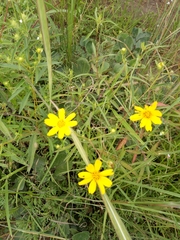
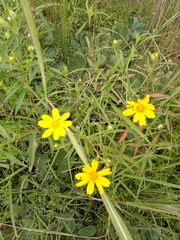
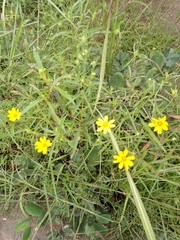
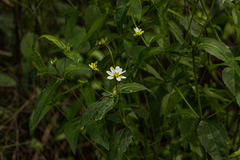
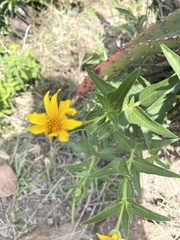
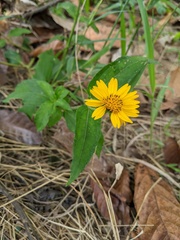
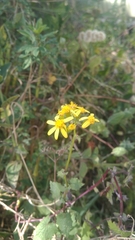
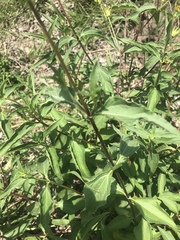
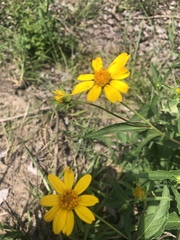
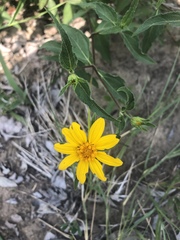
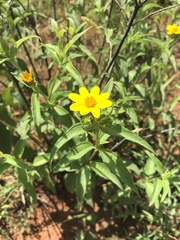
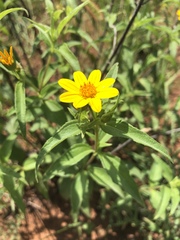
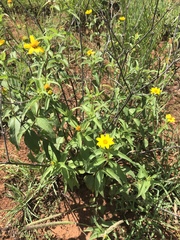
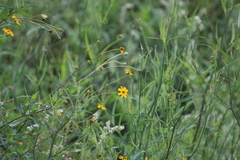
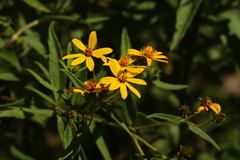
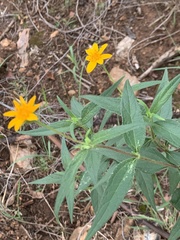
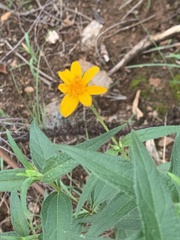
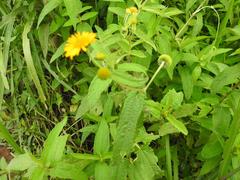
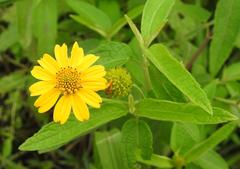
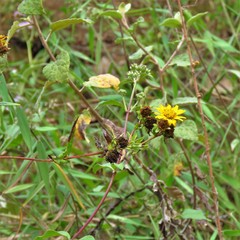
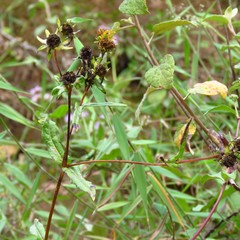
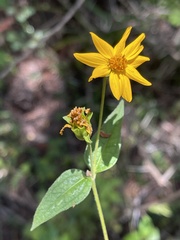
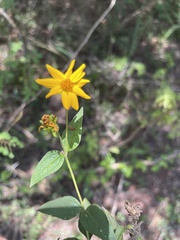
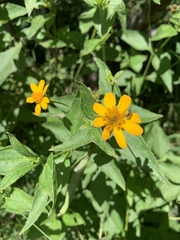
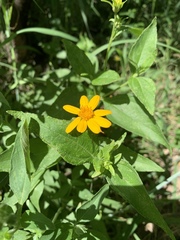
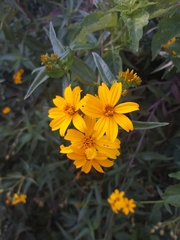
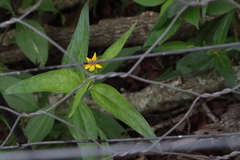
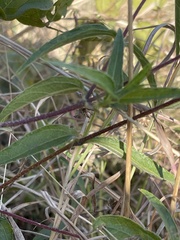
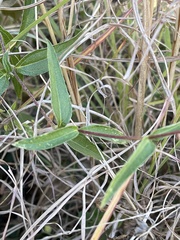
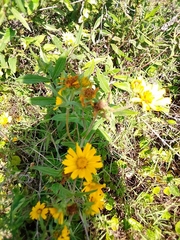
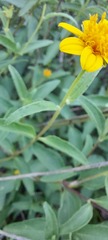
Aspilia mossambicensis, also known as wild sunflower, is a medicinally useful herbaceous plant of the family Compositae (Asteraceae). It is widespread with an anthropogenic distribution in central and Eastern tropical Africa from Ethiopia, through East Africa, the Congo, Zambia, Zimbabwe, Malawi, Mozambique and South Africa.
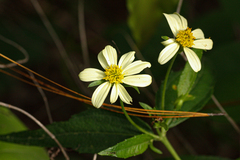
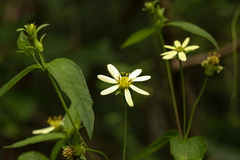
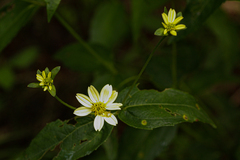
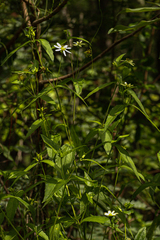
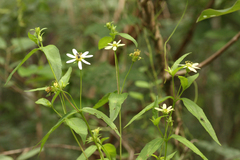
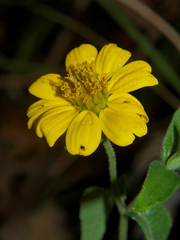
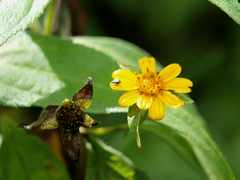
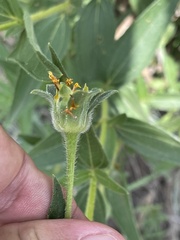
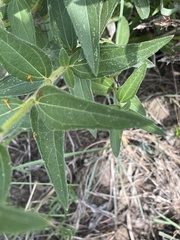
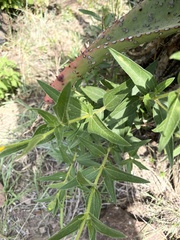
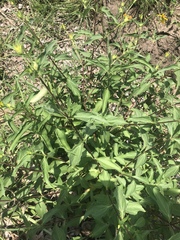
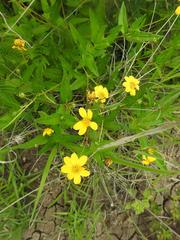
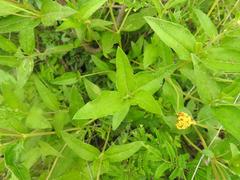
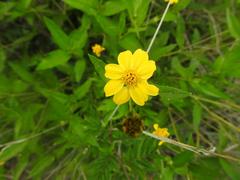
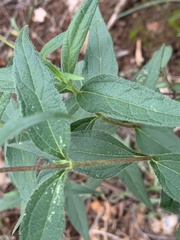
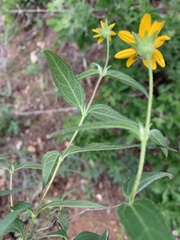
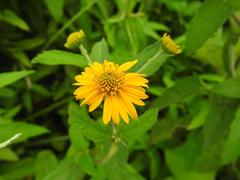
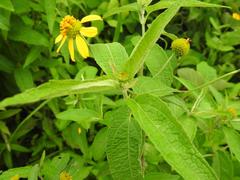
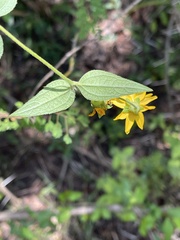
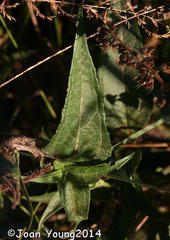
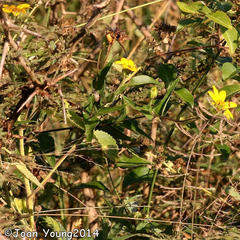
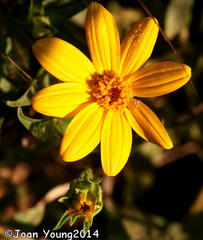
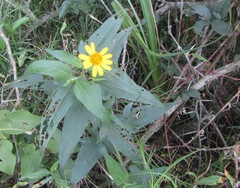
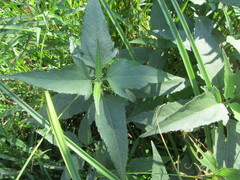
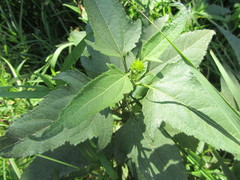
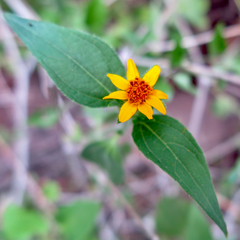
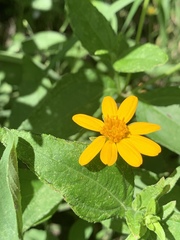
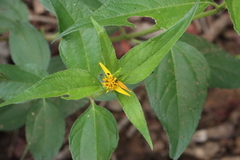
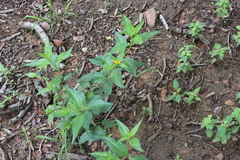
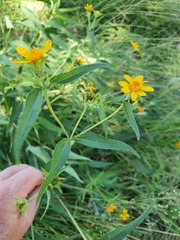
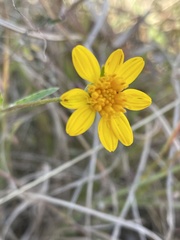
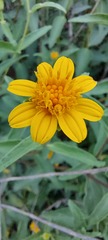
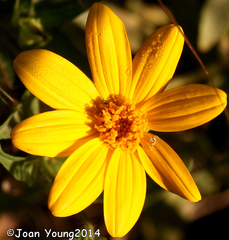
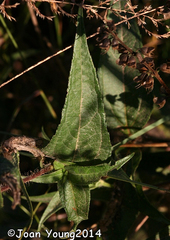
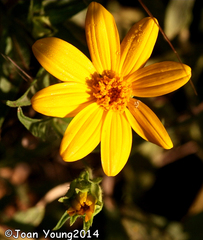
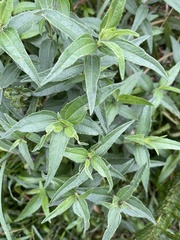
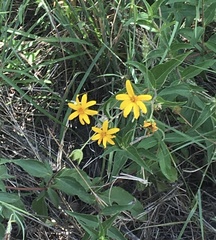
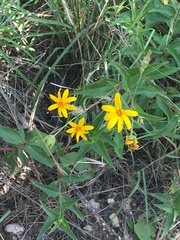
Herb or shrub 0.5–1 m or straggling bush to 2.5 m high; branches scabrid. Leaves sessile to shortly petiolate, ovate or elliptic, 2–12´1–3 cm, base cuneate, margins entire or serrate, apex acute or attenuate, scabrid on both surfaces, somewhat 3‑nerved from base; petiole up to 1 cm long. Capitula in loose paniculate corymbs, on stalks to 7 cm long; involucre 4–7 mm high; outer phyllaries yellowish near base, green near apex, hispid‑pubescent; paleae 5–7 mm long, keeled with a dark midrib. Ray florets 8–13, bright yellow, rays 6–20 mm long, glabrous or pubescent above; disk florets yellow, 5–6.5 mm long, often with dark stripes along the tube. Achenes brown, obovoid, 4–5 mm long, pilose; pappus of several connate scales to 0.4 mm long and 1–2 barbellate aristae 1–3 mm long.
A. mossambicensis is used by herbalists and local people to treat such ailments and conditions as malaria, bacterial infection and human immunodeficiency virus (HIV). It is also used to reduce menstrual cramps as well as a uterotonic able to induce uterine contraction and labour in confinements. This species is used together with the Neem tree to control the breeding cycles of Nile tilapia, Oreochromis niloticus. Drugs extracted from the two species inhibit early maturing and reproduction of the fish, countering problems raised by having populations of diverse ages in commercial breeding ponds.
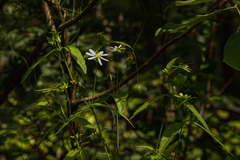
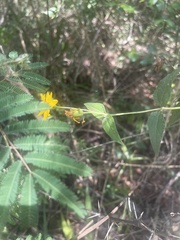
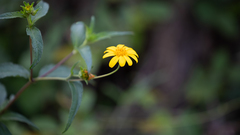
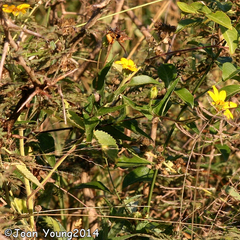
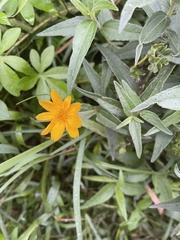
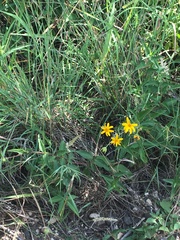
...Images from inaturalist.org observations:
We recommend you sign up for this excellent, free service.
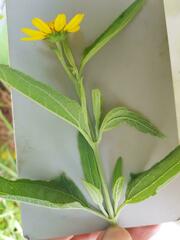
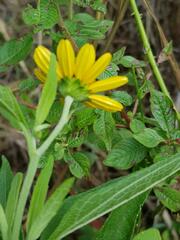
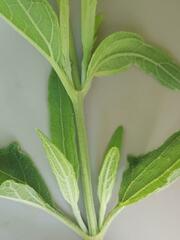
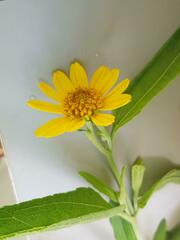
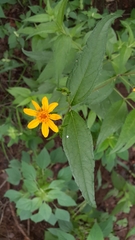
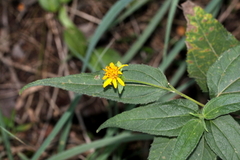
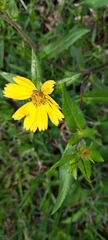
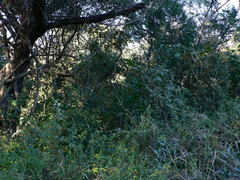
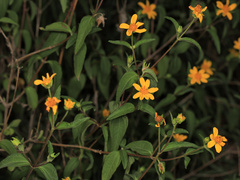
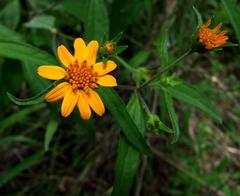
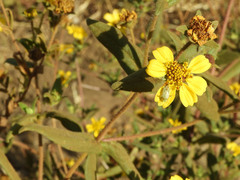
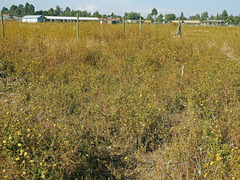
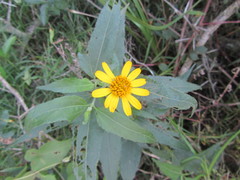
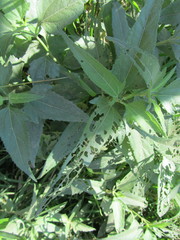
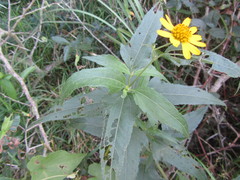
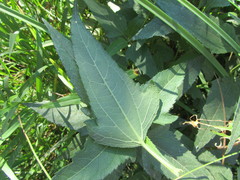
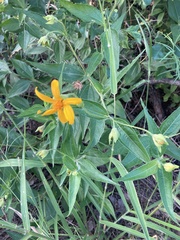
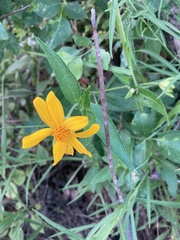
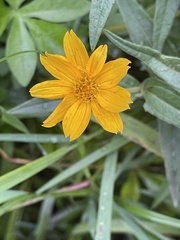
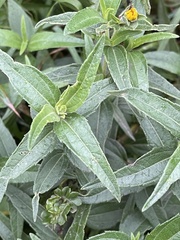
Parent Taxon
Sibling Taxa
- Aspilia africana
- Aspilia almasensis
- Aspilia angolensis
- Aspilia angustifolia
- Aspilia bojeri
- Aspilia bussei
- Aspilia chevalieri
- Aspilia eenii
- Aspilia foliosa
- Aspilia grazielae
- Aspilia helianthoides
- Aspilia itabaianensis
- Aspilia kotschyi
- Aspilia leucoglossa
- Aspilia macrorrhiza
- Aspilia montevidensis
- Aspilia mossambicensis
- Aspilia natalensis
- Aspilia paludosa
- Aspilia paraensis
- Aspilia pascalioides
- Aspilia platyphylla
- Aspilia pluriseta
- Aspilia pohlii
- Aspilia pseudocalea
- Aspilia rudis
- Aspilia silphioides
- Aspilia triplinervia