Asterales: taxon details and analytics
- Domain
- Kingdom
- Plantae
- Phylum
- Tracheophyta
- Class
- Magnoliopsida
- Order
- Asterales
- Family
- Genus
- Species
- Scientific Name
- Asterales
Summary description from Wikipedia:
Asterales
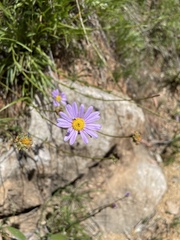
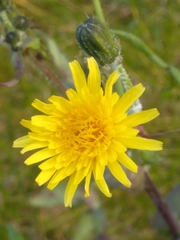
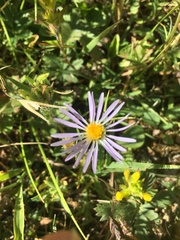
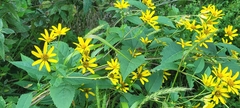
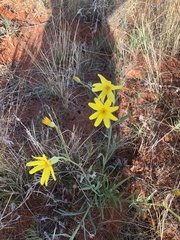
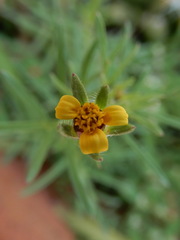
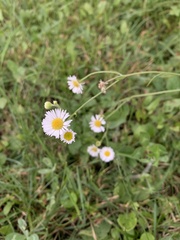
Asterales ( ASS-tər-RAY-leez) is an order of dicotyledonous flowering plants that includes the large family Asteraceae (or Compositae) known for composite flowers made of florets, and ten families related to the Asteraceae. While asterids in general are characterized by fused petals, composite flowers consisting of many florets create the false appearance of separate petals (as found in the rosids).
The order is cosmopolitan (plants found throughout most of the world including desert and frigid zones), and includes mostly herbaceous species, although a small number of trees (such as the Lobelia deckenii, the giant lobelia, and Dendrosenecio, giant groundsels) and shrubs are also present.
Asterales are organisms that seem to have evolved from one common ancestor. Asterales share characteristics on morphological and biochemical levels. Synapomorphies (a character that is shared by two or more groups through evolutionary development) include the presence in the plants of oligosaccharide inulin, a nutrient storage molecule used instead of starch; and unique stamen morphology. The stamens are usually found around the style, either aggregated densely or fused into a tube, probably an adaptation in association with the plunger (brush; or secondary) pollination that is common among the families of the order, wherein pollen is collected and stored on the length of the pistil.
...Asterales in languages:
- Basque
- Asterales
- Bokmål
- kurvplanteordenen
- Catalan
- Asterals
- Chinese
- 菊目
- Czech
- hvězdnicotvaré
- Danish
- Kurvplanteordenen
- Dutch
- Composieten, Klokjes en Watergentiaanachtigen en verwanten
- English
- sunflowers, bellflowers, fanflowers, and allies
- Esperanto
- Asteraloj
- Estonian
- astrilaadsed
- Finnish
- Asterales
- German
- Korbblütlerartige
- Hebrew
- אסטראים
- Hungarian
- Fészkesvirágzatúak
- Italian
- Asterali
- Japanese
- キク目
- Korean
- 국화목
- Latvian
- Asteru rinda
- Modern Greek
- Αστερώδη
- Polish
- Astrowce
- Portuguese
- Girassóis, Margaridas e afins
- Russian
- Астроцветные
- Swedish
- Asterordningen
- Thai
- อันดับทานตะวัน
- Thai
- ทานตะวัน พระจันทร์ครึ่งซีก ฯลฯ
- Ukrainian
- Айстроцвіті
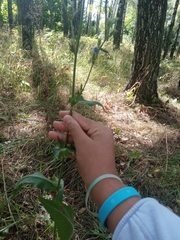
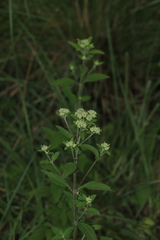
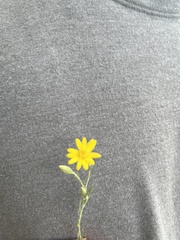
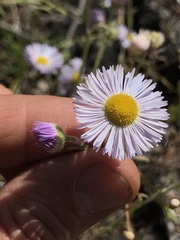
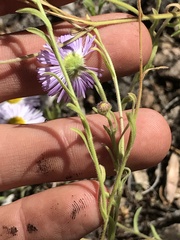
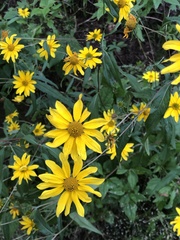
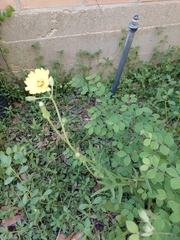
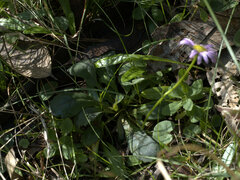
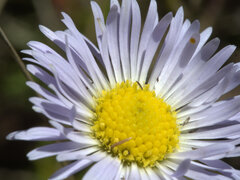
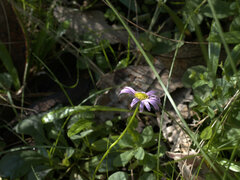
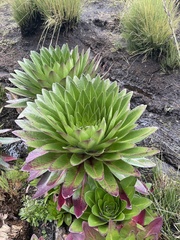
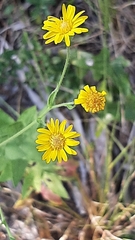
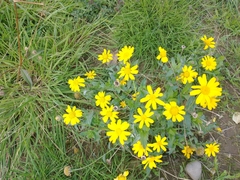
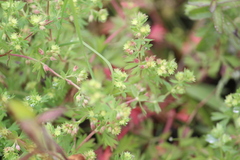
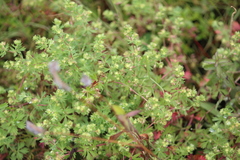
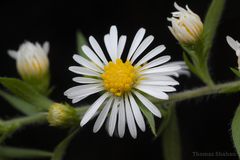
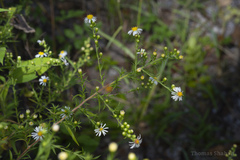
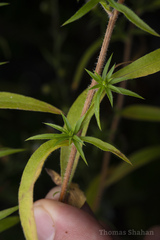
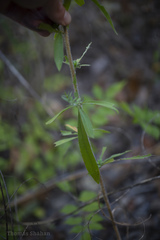
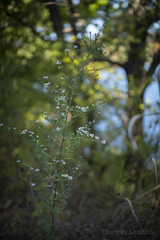
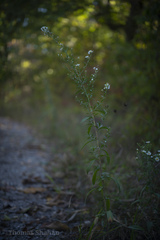
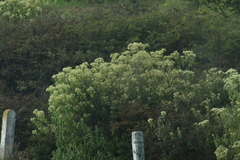
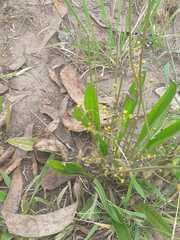
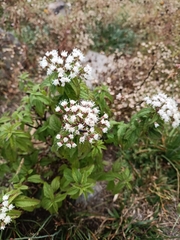
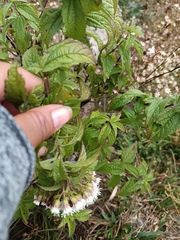
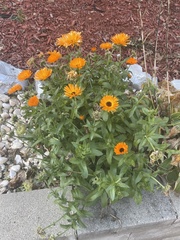
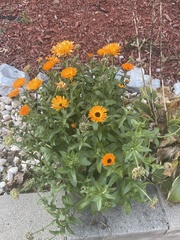
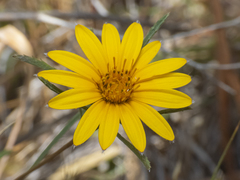
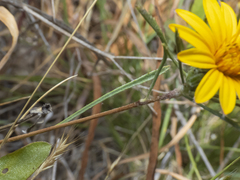
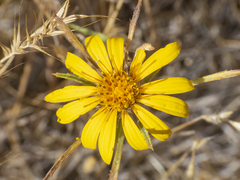
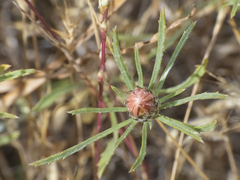
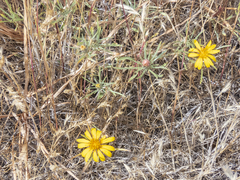
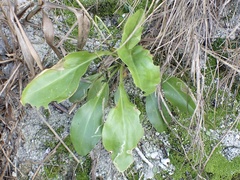
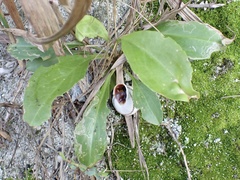
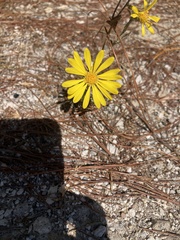
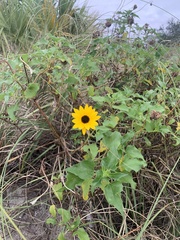
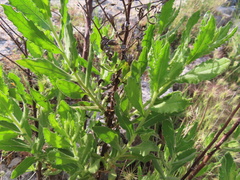
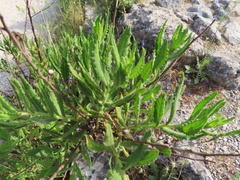
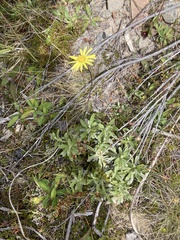
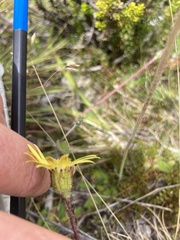
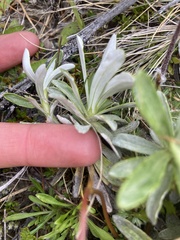
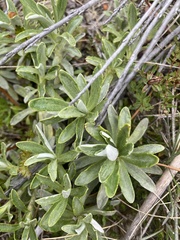
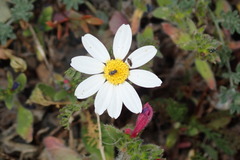
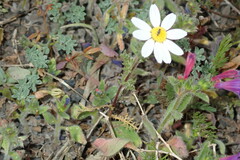
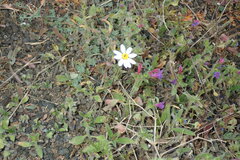
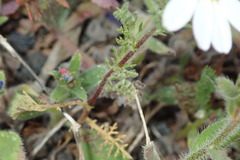
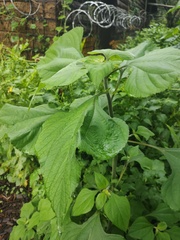
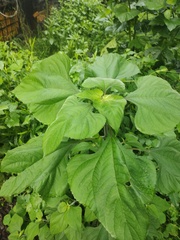
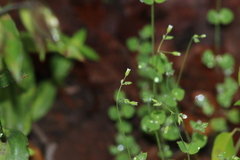
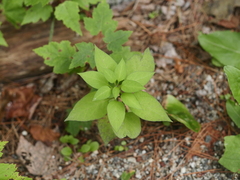
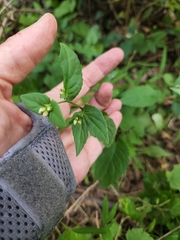
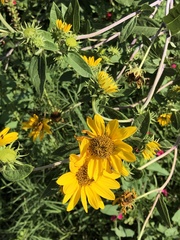
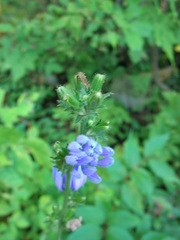
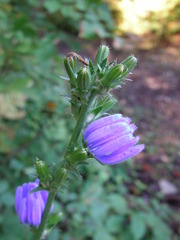
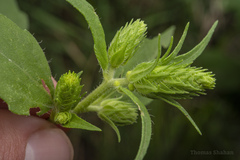
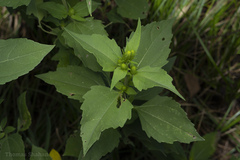
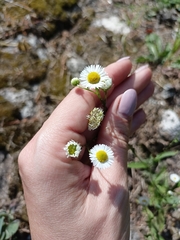
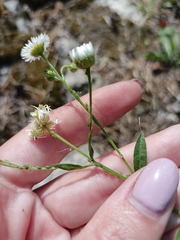
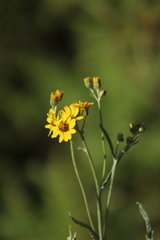
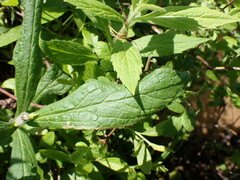
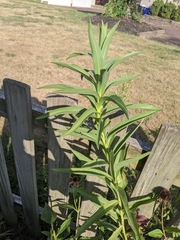
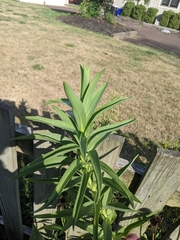
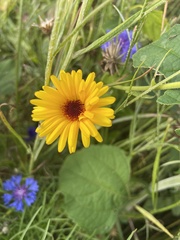
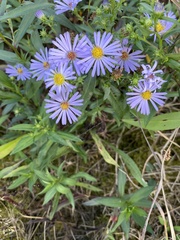
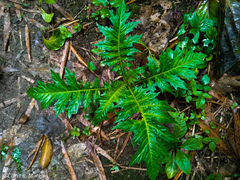
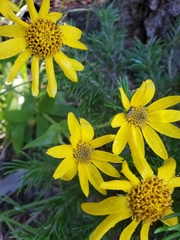
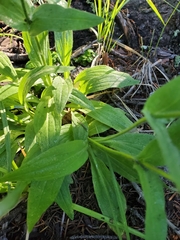
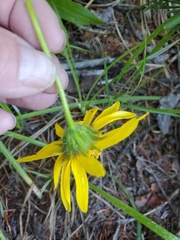
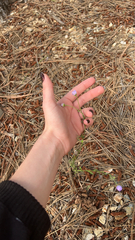
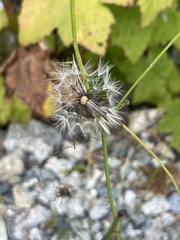
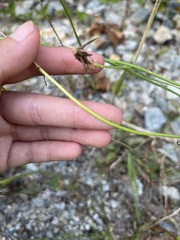
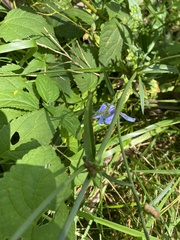
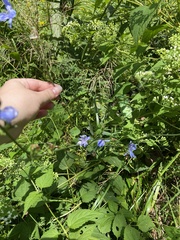
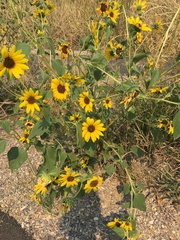
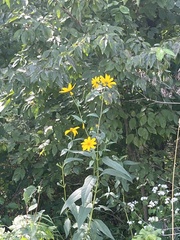
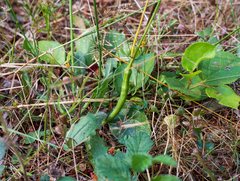
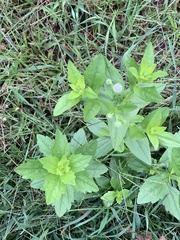
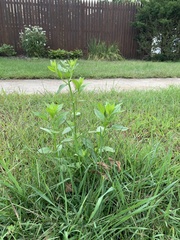
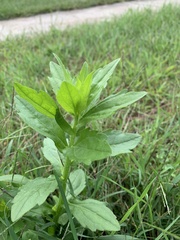
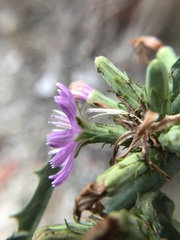
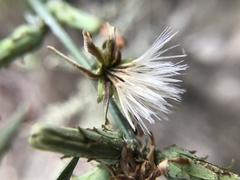
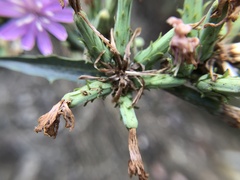
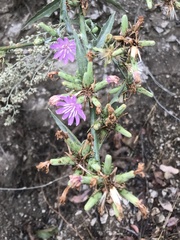
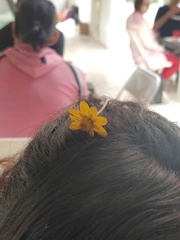
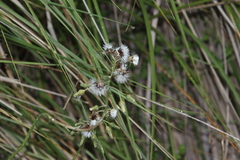
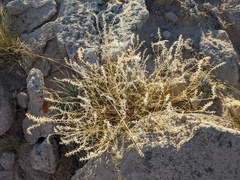
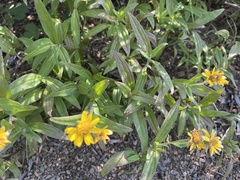
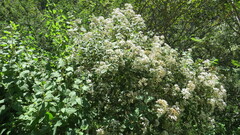
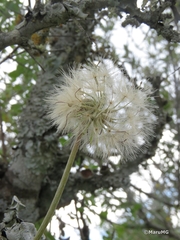
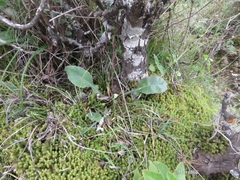
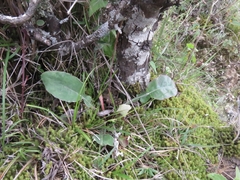
Images from inaturalist.org observations:
We recommend you sign up for this excellent, free service.
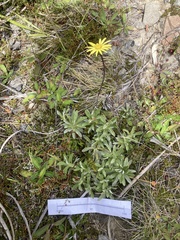
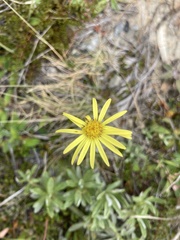
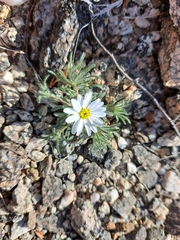
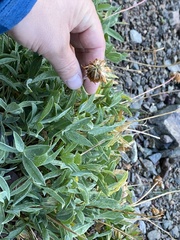
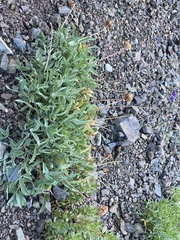
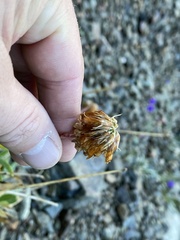
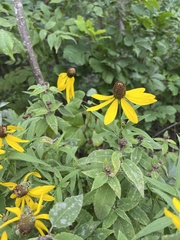
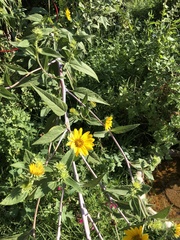
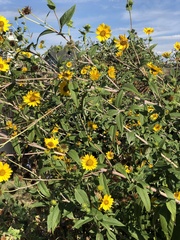
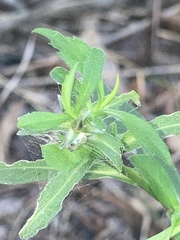
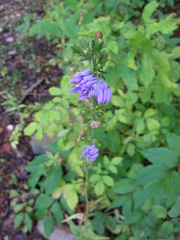
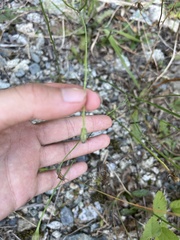
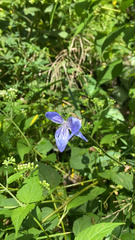
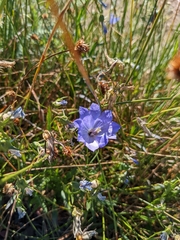
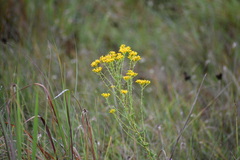
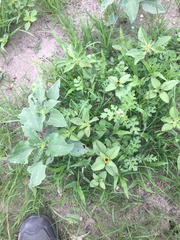
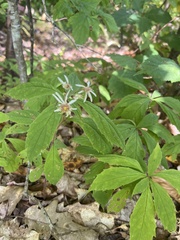
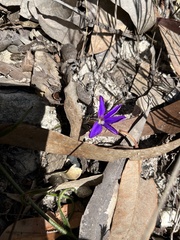
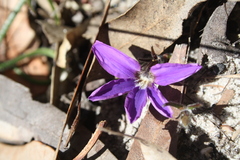

Parent Taxon
Sibling Taxa
- Amborellales
- Apiales
- Aquifoliales
- Asterales
- Austrobaileyales
- Berberidopsidales
- Boraginales
- Brassicales
- Bruniales
- Buxales
- Canellales
- Caryophyllales
- Celastrales
- Ceratophyllales
- Chloranthales
- Cornales
- Crossosomatales
- Cucurbitales
- Dilleniales
- Dipsacales
- Ericales
- Escalloniales
- Fabales
- Fagales
- Garryales
- Gentianales
- Geraniales
- Gunnerales
- Huerteales
- Icacinales
- Lamiales
- Laurales
- Magnoliales
- Malpighiales
- Malvales
- Metteniusales
- Myrtales
- Nymphaeales
- Oxalidales
- Paracryphiales
- Picramniales
- Piperales
- Proteales
- Ranunculales
- Rosales
- Santalales
- Sapindales
- Saxifragales
- Solanales
- Trochodendrales
- Vahliales
- Vitales
- Zygophyllales
Child Taxa
Top Observation Places
- Madison
- Santa Clara
- San Antonio
- Long Beach
- Syracuse
- Lubbock
- Walnut Creek
- La Plata
- Louisville
- Luxembourg
- Levittown
- Kowloon
- Victoria
- Glendora
- Lewisville
- Flower Mound
- Fort Worth
- Yalta
- Oakland
- Berkeley
- Anapa
- Gainesville
- West Town
- Evanston
- Logan Square
- West Ridge
- Lincoln Park
- Portage Park
- Skokie
- Irving Park
- Uptown
- Edgewater
- Rogers Park
- Albany Park
- Plano
- Garland
- Indianapolis
- Quito
- Durham
- Chapel Hill
- Boston
- South Boston
- Cambridge
- Newton
- Somerville
- Waltham
- Malden
- Brookline
- Medford
- Revere