Atriplex gardneri: taxon details and analytics
- Domain
- Kingdom
- Plantae
- Phylum
- Tracheophyta
- Class
- Magnoliopsida
- Order
- Caryophyllales
- Family
- Amaranthaceae
- Genus
- Atriplex
- Species
- Atriplex gardneri
- Scientific Name
- Atriplex gardneri
Summary description from Wikipedia:
Atriplex gardneri
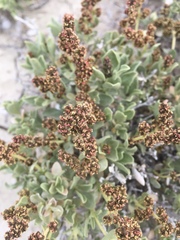
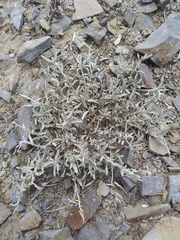
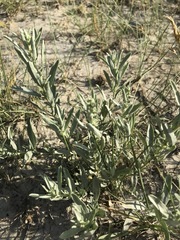
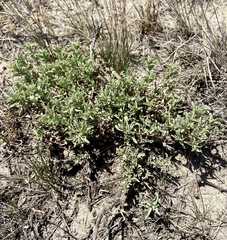
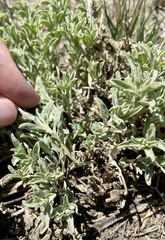
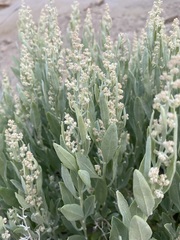
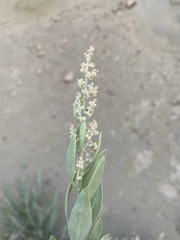
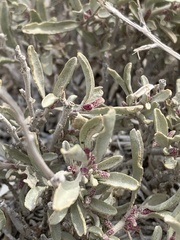
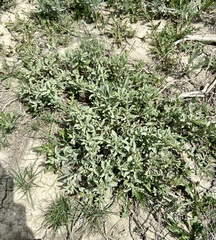
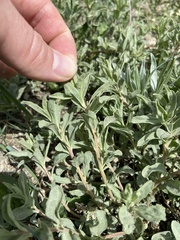
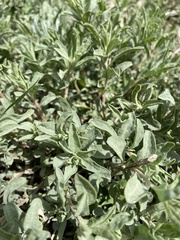
Atriplex gardneri is a species of flowering plant in the amaranth family known by the common name Gardner's saltbush. It is native to western North America from British Columbia to Saskatchewan in Canada south to Nevada and New Mexico in the United States. The specific epithet of the species, gardneri, is misnamed after its first collector, Alexander Gordon. The naturalist Alfred Moquin-Tandon was under the impression that Gordon's last name was Gardner.
This species is currently considered to be a complex of several varieties and the species is variable in appearance. The varieties can be variable in ploidy level, with diploid, triploid, tetraploid, hexaploid, and others known. Diploid and polyploid individuals may occupy different types of habitat. The varieties intergrade with each other and they can hybridize with each other and with other Atriplex such as Atriplex corrugata.
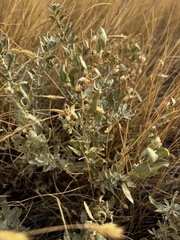
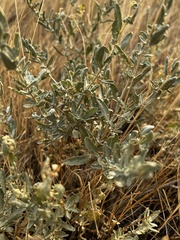
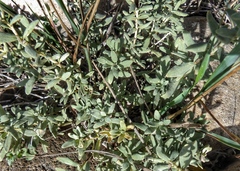
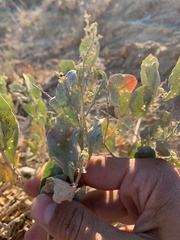
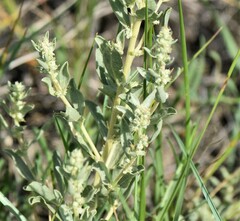
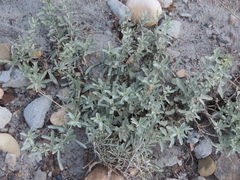
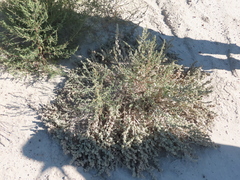
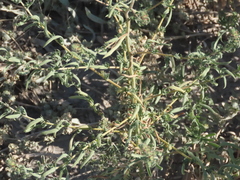
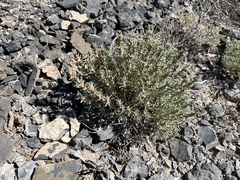
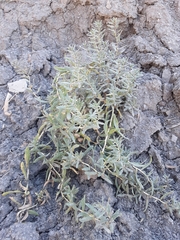
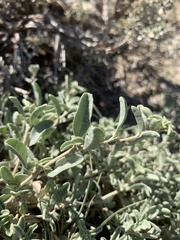
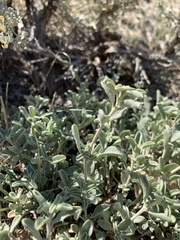
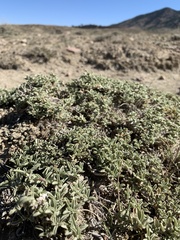
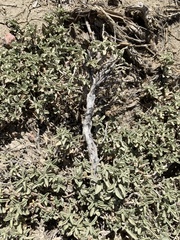
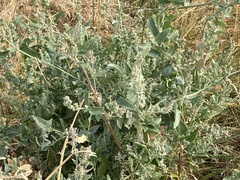
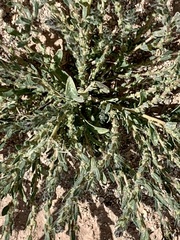
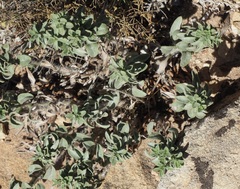
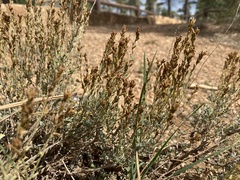
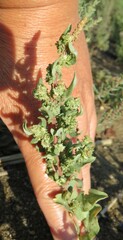
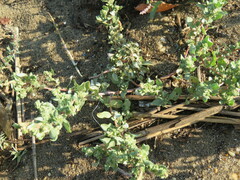
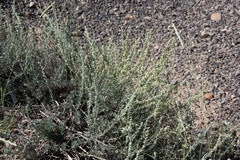
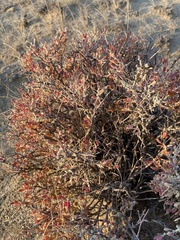
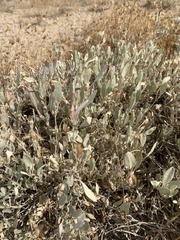
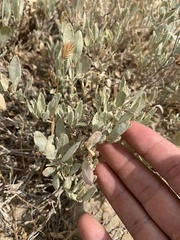
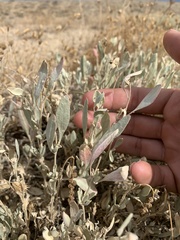
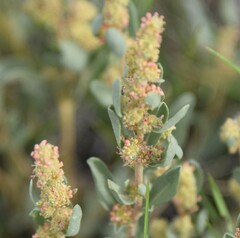
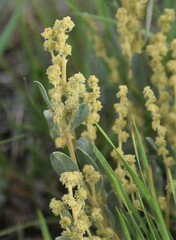
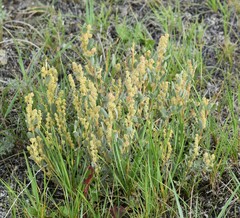
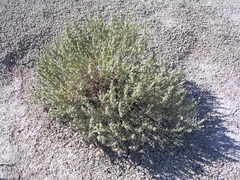
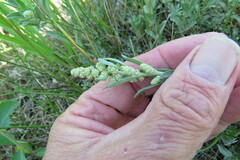
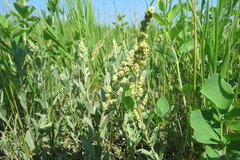
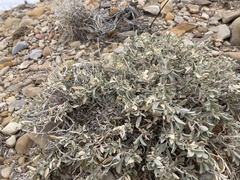
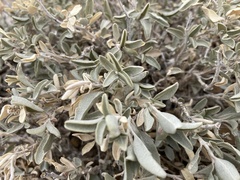
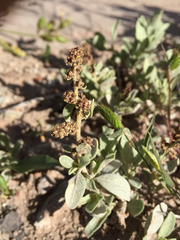
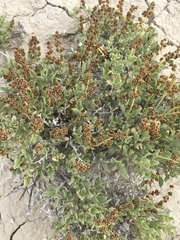
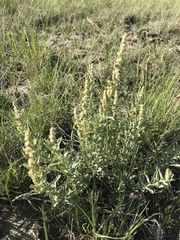
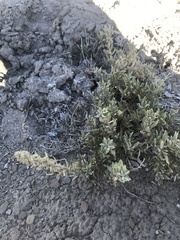
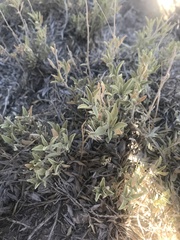
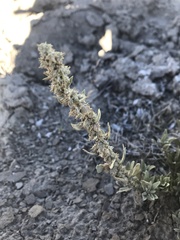
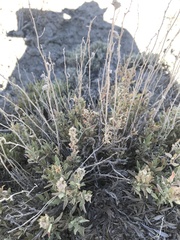
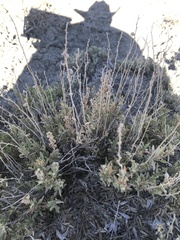
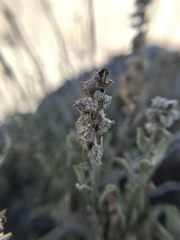
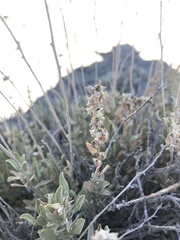
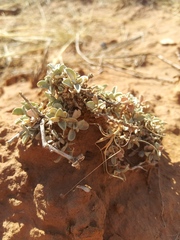
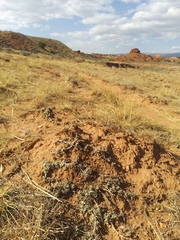
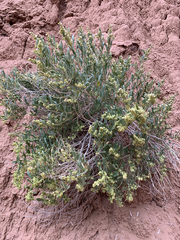
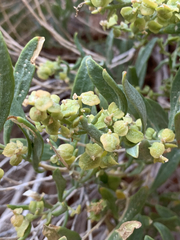
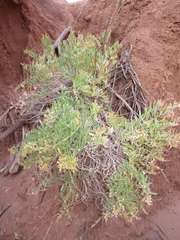
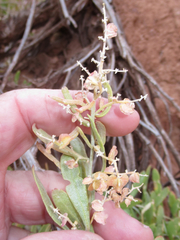
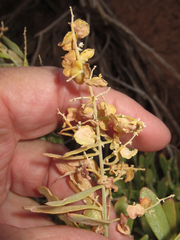
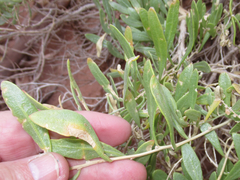
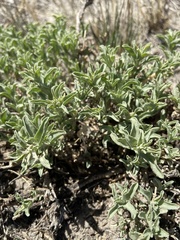
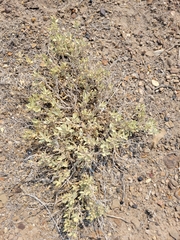
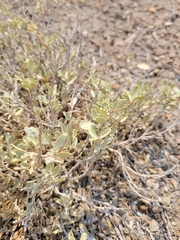
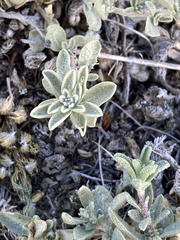
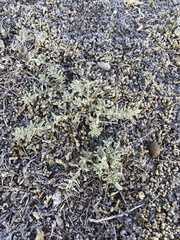
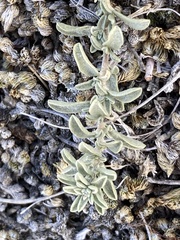
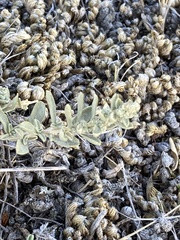
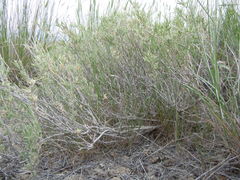
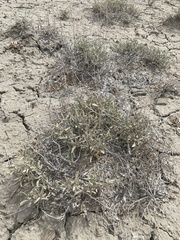
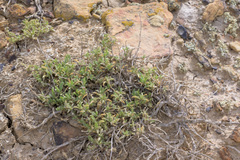
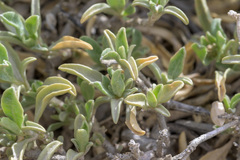
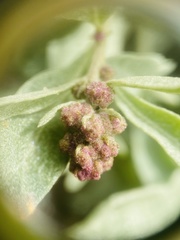
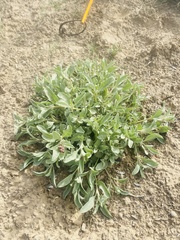
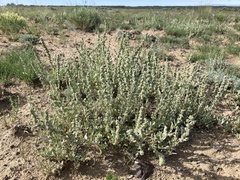
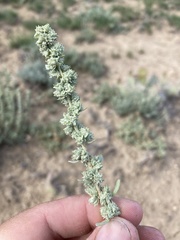
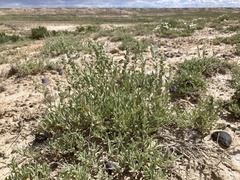
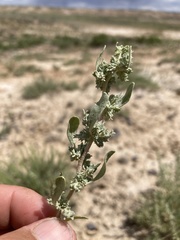
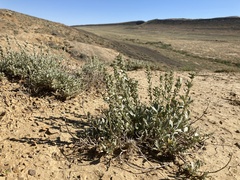
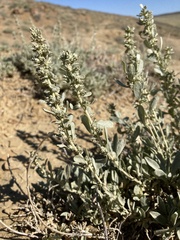
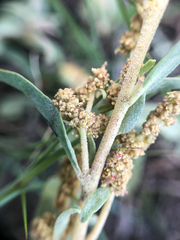
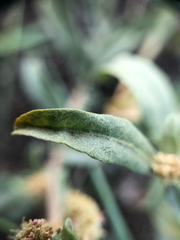
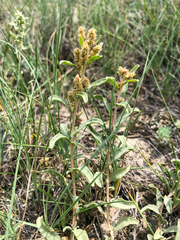
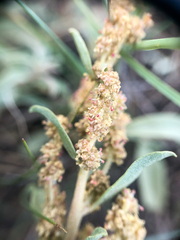
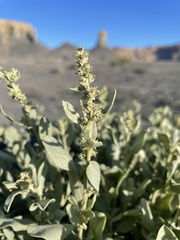
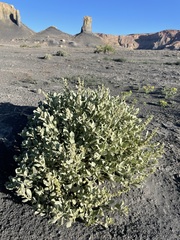
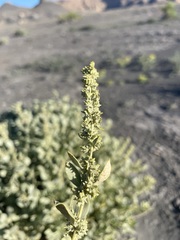
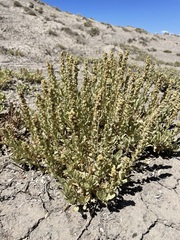
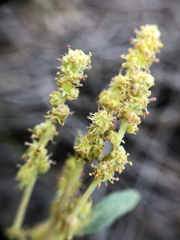
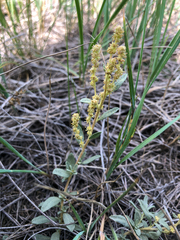
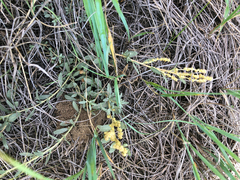
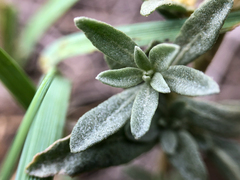
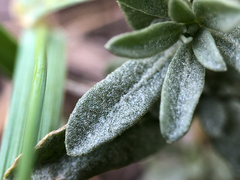
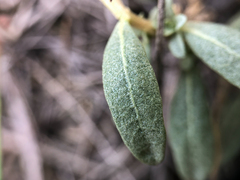
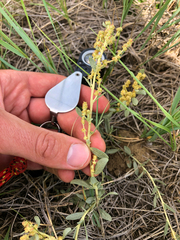
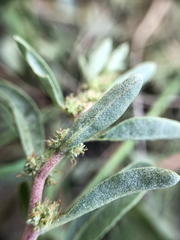
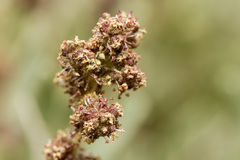
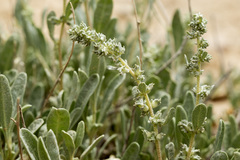
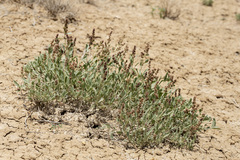
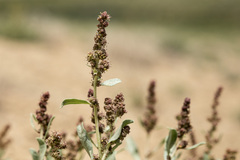
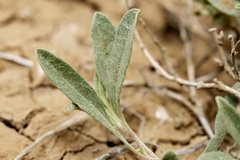
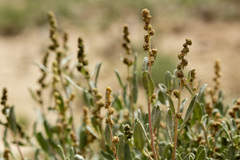
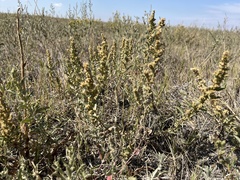
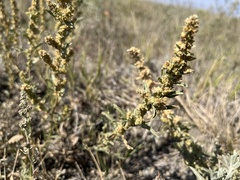
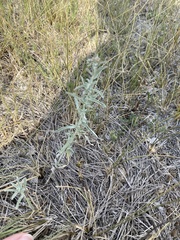
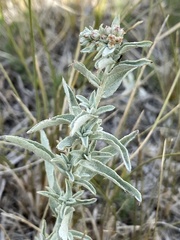
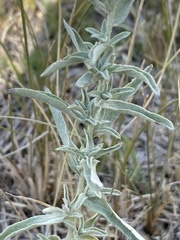
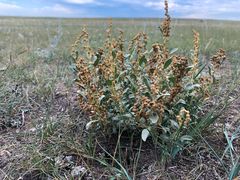
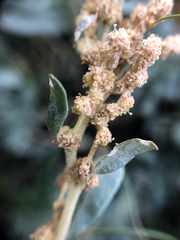
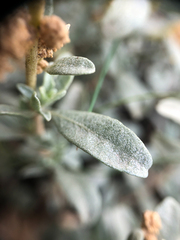
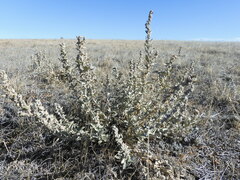
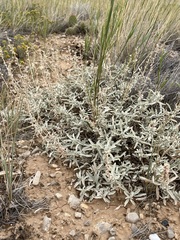
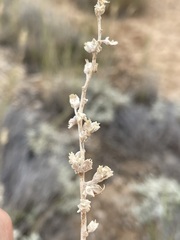
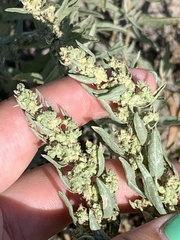
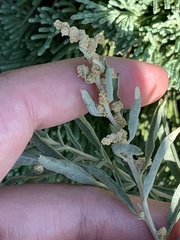
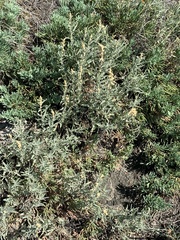
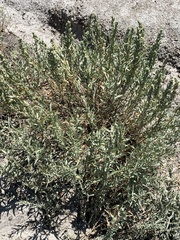
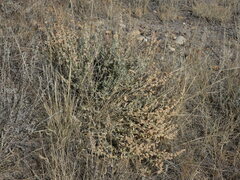
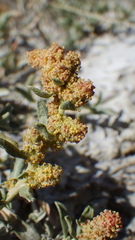
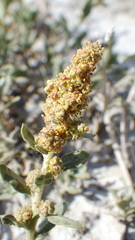
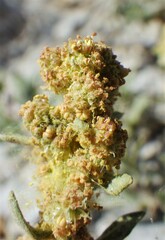
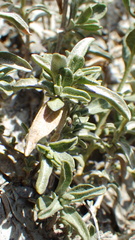
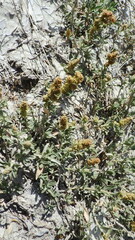
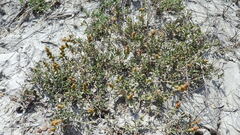
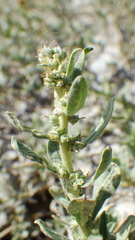
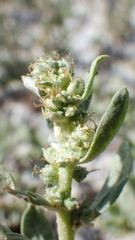
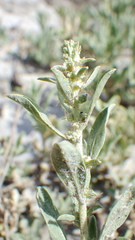
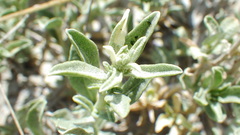
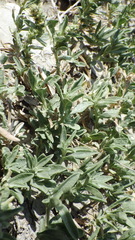
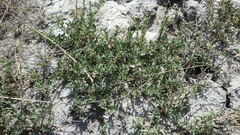
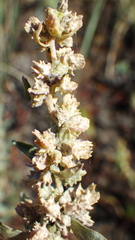
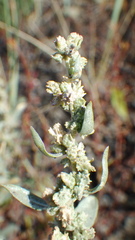
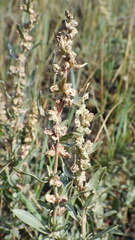
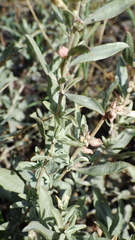
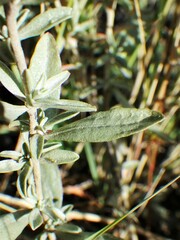
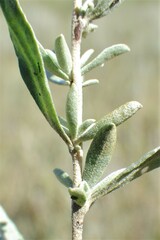
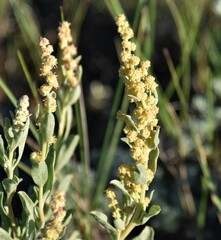
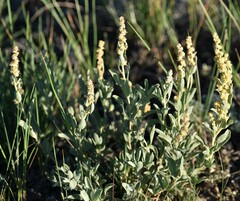
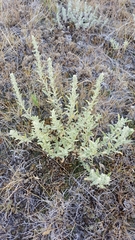
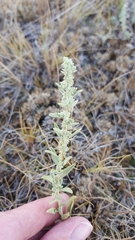
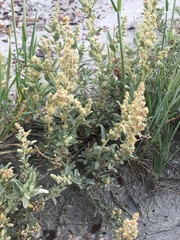
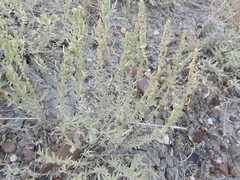
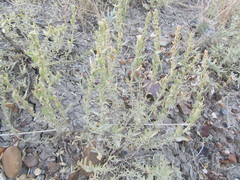
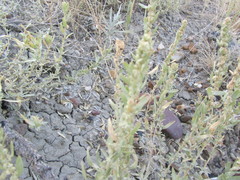
In general, the plant is a shrub or subshrub growing 10 centimetres (3.9 in) to 1 metre (3.3 ft) in height. The stems may be prostrate or upright. The leaves may be oppositely or alternately arranged and they vary in shape and size. They may be green or grayish green in color. The species can be dioecious or monoecious with male and female flower parts located on separate plants or on the same plant. Flower color can vary across the varieties. The plant produces many seeds. The plant reproduces by seed and by resprouting and layering.
In one treatment, varieties include:
- A. g. var. aptera - Nelson's saltbush, native to the Great Plains.
- A. g. var. bonnevillensis - Bonneville saltbush, native to Nevada and Utah
- A. g. var. cuneata - Castle Valley saltbush, occurs in Utah, Colorado, and New Mexico
- A. g. var. falcata - Jones' saltbush, occurs in the western United States
- A. g. var. gardneri - a widespread variety
- A. g. var. utahensis - basin saltbush, occurs in the western United States
- A. g. var. welshii - Welsh's saltbush, usually occurs with var. cuneata
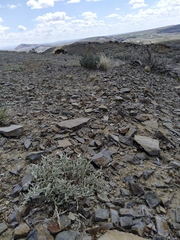
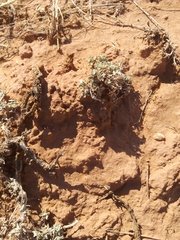
This plant like many other Atriplex is commonly found on salty and alkaline soils. The soils may be clay or sandy. It is a member of several types of saltbush-greasewood plant communities, the two shrub types often occurring together. In some habitats it is a climax species but it also takes hold during secondary succession after a habitat has been disturbed. This species is considered fire-resistant because it is low in flammable oils and high in ash and similar compounds. When it does burn down, the plant grows back quickly by resprouting from its roots. It is sometimes planted in fuelbreaks in California.
The leaves of the plant are a fairly nutritious food source for animals including antelope, some rabbit species, and pronghorn. It is an important source of minimum nutritional requirements for ewes (female sheep) undergoing a gestation period.
This species blooms from May to August.
...Atriplex gardneri in languages:
- English
- Gardner's Saltbush
- French
- arroche de Gardner
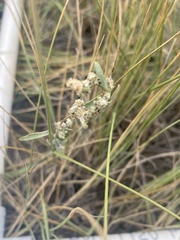
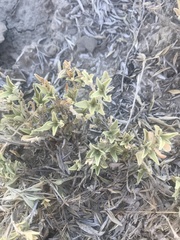
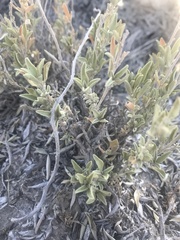
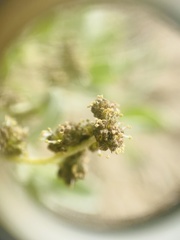
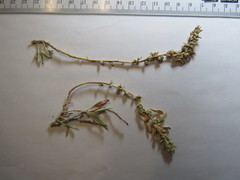
Images from inaturalist.org observations:
We recommend you sign up for this excellent, free service.
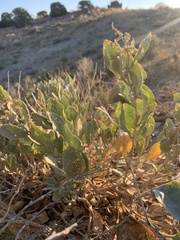
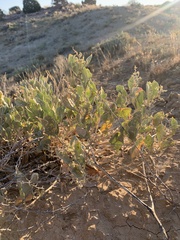
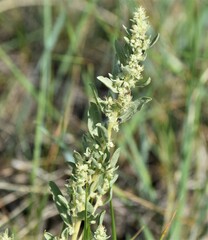
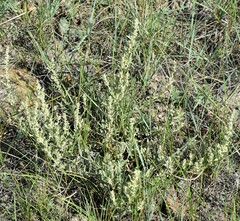
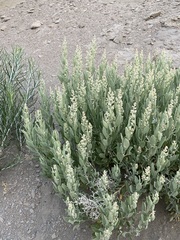
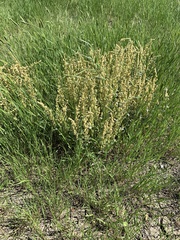
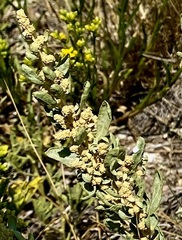
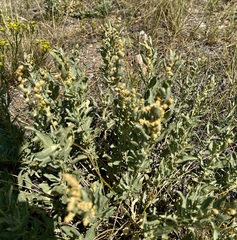
Parent Taxon
Sibling Taxa
- Atriplex abata
- Atriplex acadiensis
- Atriplex acanthocarpa
- Atriplex acutibractea
- Atriplex alaskensis
- Atriplex altaica
- Atriplex amboensis
- Atriplex ameghinoi
- Atriplex amnicola
- Atriplex angulata
- Atriplex argentea
- Atriplex argentina
- Atriplex atacamensis
- Atriplex aucheri
- Atriplex australasica
- Atriplex barclayana
- Atriplex billardierei
- Atriplex boecheri
- Atriplex bolusii
- Atriplex braunii
- Atriplex buchananii
- Atriplex bunburyana
- Atriplex cana
- Atriplex canescens
- Atriplex centralasiatica
- Atriplex chapinii
- Atriplex chenopodioides
- Atriplex cinerea
- Atriplex clivicola
- Atriplex codonocarpa
- Atriplex colerei
- Atriplex confertifolia
- Atriplex cordifolia
- Atriplex cordulata
- Atriplex coriacea
- Atriplex coronata
- Atriplex corrugata
- Atriplex coulteri
- Atriplex crenatifolia
- Atriplex cristata
- Atriplex davisii
- Atriplex depressa
- Atriplex dimorphostegia
- Atriplex dioica
- Atriplex drymarioides
- Atriplex eardleyae
- Atriplex eichleri
- Atriplex elegans
- Atriplex erosa
- Atriplex farinosa
- Atriplex fera
- Atriplex fissivalvis
- Atriplex flabellum
- Atriplex flavida
- Atriplex frankenioides
- Atriplex franktonii
- Atriplex frigida
- Atriplex fruticulosa
- Atriplex gardneri
- Atriplex garrettii
- Atriplex glabriuscula
- Atriplex glauca
- Atriplex glaucescens
- Atriplex gmelinii
- Atriplex graciliflora
- Atriplex griffithsii
- Atriplex halimus
- Atriplex hollowayi
- Atriplex holocarpa
- Atriplex hortensis
- Atriplex hymenelytra
- Atriplex imbricata
- Atriplex intracontinentalis
- Atriplex isatidea
- Atriplex johnstonii
- Atriplex jubata
- Atriplex julacea
- Atriplex klebergorum
- Atriplex laciniata
- Atriplex laevis
- Atriplex lampa
- Atriplex lanfrancoi
- Atriplex lasiantha
- Atriplex lentiformis
- Atriplex leptocarpa
- Atriplex leucoclada
- Atriplex leucophylla
- Atriplex limbata
- Atriplex lindleyi
- Atriplex linearis
- Atriplex linifolia
- Atriplex lithophila
- Atriplex littoralis
- Atriplex longipes
- Atriplex malvana
- Atriplex matamorensis
- Atriplex maximowicziana
- Atriplex micrantha
- Atriplex minuscula
- Atriplex monilifera
- Atriplex montevidensis
- Atriplex mucronata
- Atriplex muelleri
- Atriplex muricata
- Atriplex myriophylla
- Atriplex nilotica
- Atriplex nitrophiloides
- Atriplex nogalensis
- Atriplex nudicaulis
- Atriplex nummularia
- Atriplex nuttallii
- Atriplex obconica
- Atriplex oblongifolia
- Atriplex obovata
- Atriplex oestophora
- Atriplex pacifica
- Atriplex paludosa
- Atriplex pamparum
- Atriplex parishii
- Atriplex parryi
- Atriplex patagonica
- Atriplex patens
- Atriplex patula
- Atriplex pedunculata
- Atriplex pentandra
- Atriplex perrieri
- Atriplex persistens
- Atriplex peruviana
- Atriplex philippii
- Atriplex phyllostegia
- Atriplex polycarpa
- Atriplex portulacoides
- Atriplex powellii
- Atriplex procumbens
- Atriplex prosopidum
- Atriplex prostrata
- Atriplex pseudocampanulata
- Atriplex pueblensis
- Atriplex pumilio
- Atriplex pungens
- Atriplex pusilla
- Atriplex quinii
- Atriplex quixadensis
- Atriplex recurva
- Atriplex repanda
- Atriplex repens
- Atriplex reptans
- Atriplex retusa
- Atriplex rhagodioides
- Atriplex rosea
- Atriplex rotundifolia
- Atriplex rusbyi
- Atriplex saccaria
- Atriplex sagittata
- Atriplex sagittifolia
- Atriplex schugnanica
- Atriplex semibaccata
- Atriplex semilunaris
- Atriplex serenana
- Atriplex sibirica
- Atriplex sorianoi
- Atriplex spegazzinii
- Atriplex sphaeromorpha
- Atriplex spinibractea
- Atriplex spinifera
- Atriplex spongiosa
- Atriplex stipitata
- Atriplex subcordata
- Atriplex suberecta
- Atriplex subtilis
- Atriplex tampicensis
- Atriplex tatarica
- Atriplex texana
- Atriplex tornabenei
- Atriplex torreyi
- Atriplex truncata
- Atriplex tularensis
- Atriplex turbinata
- Atriplex undulata
- Atriplex valdesii
- Atriplex velutinella
- Atriplex verrucifera
- Atriplex vesicaria
- Atriplex vestita
- Atriplex watsonii
- Atriplex wolfii
- Atriplex wrightii
- Atriplex × aptera
- Atriplex × gustafssoniana
- Atriplex × neomexicana
- Atriplex × taschereaui