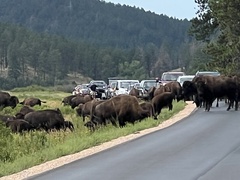
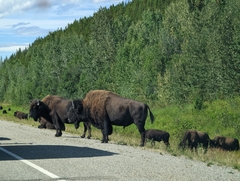
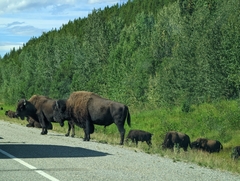
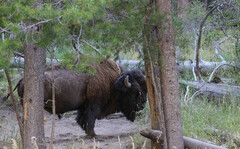
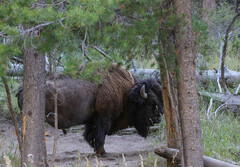
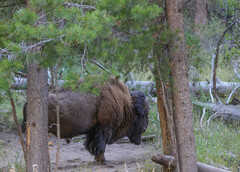
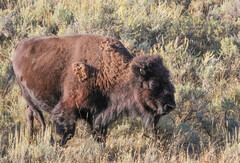
Bison bison: taxon details and analytics
- Domain
- Kingdom
- Animalia
- Phylum
- Chordata
- Class
- Mammalia
- Order
- Artiodactyla
- Family
- Bovidae
- Genus
- Bison
- Species
- Bison bison
- Scientific Name
- Bison bison
Summary description from Wikipedia:
American bison
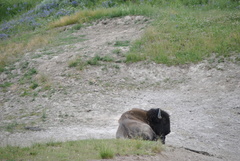
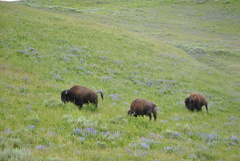
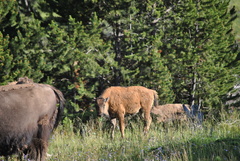
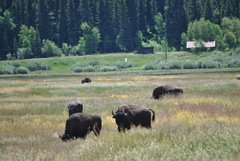
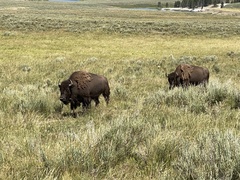
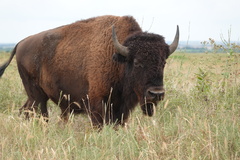
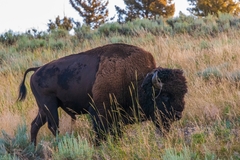
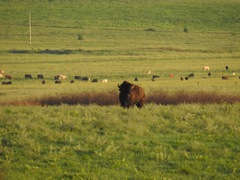
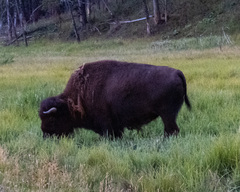
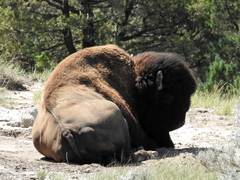
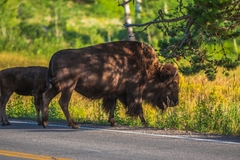
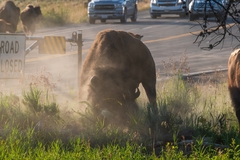
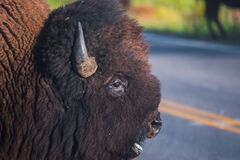
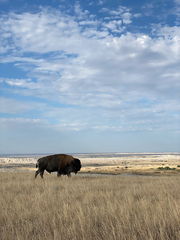
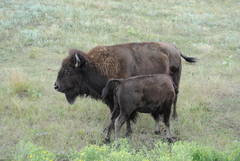
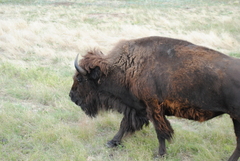
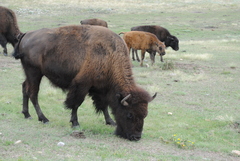
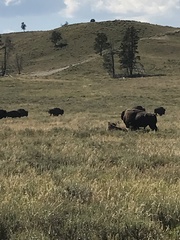
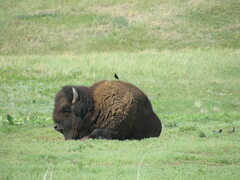
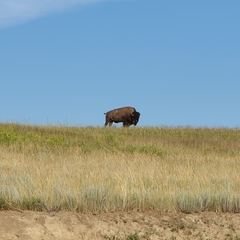
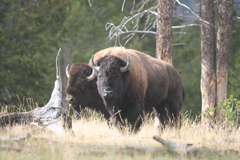
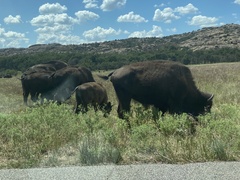
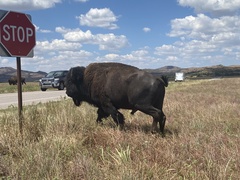
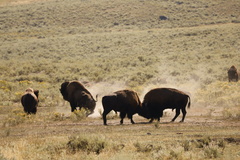
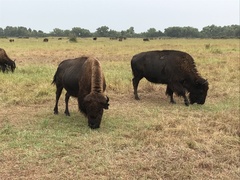
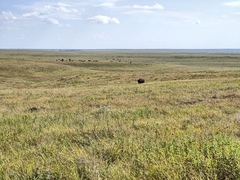
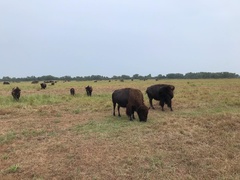
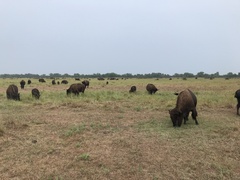
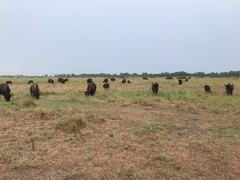
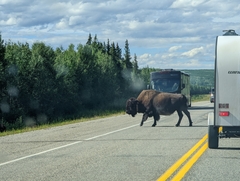
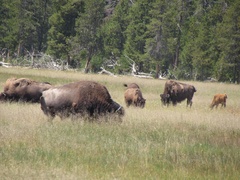
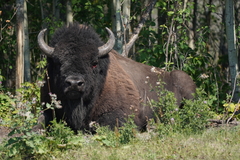
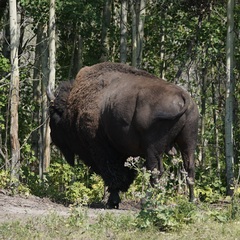
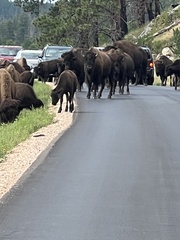
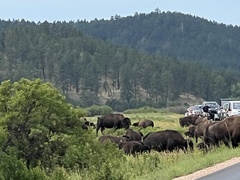
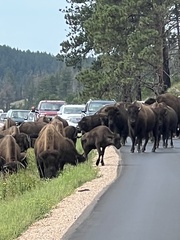
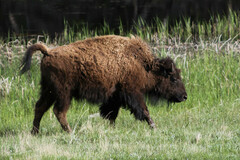
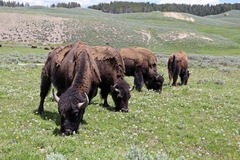
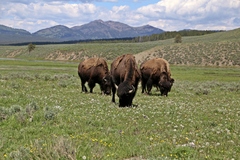
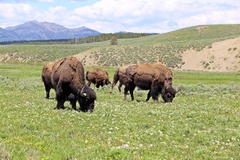
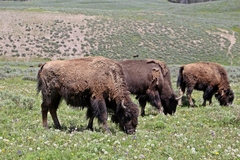
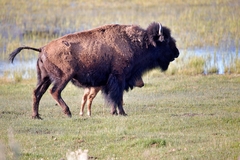
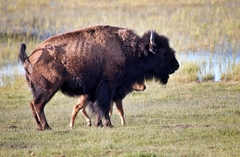
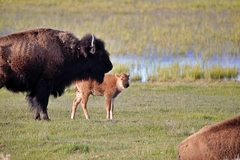
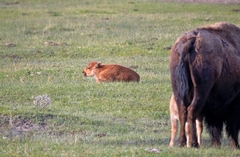
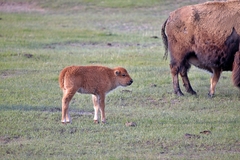
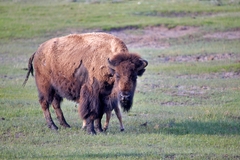
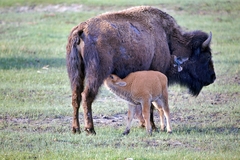
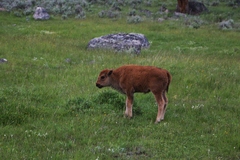
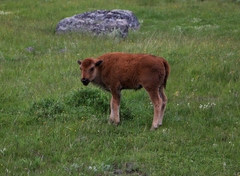
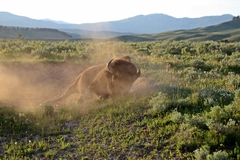
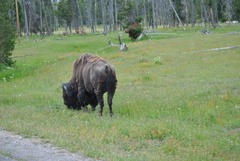
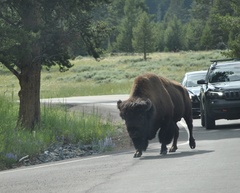
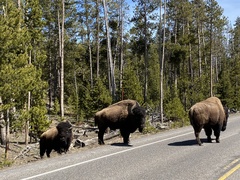
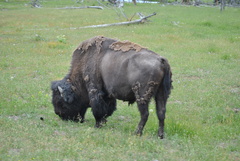
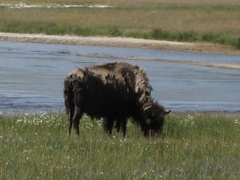
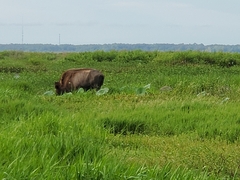
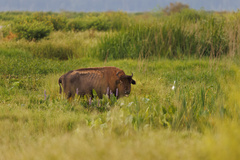
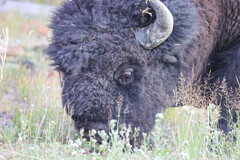
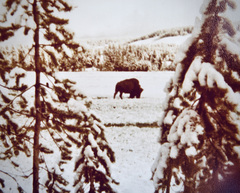
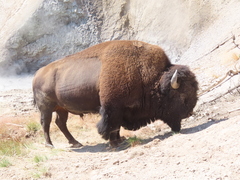
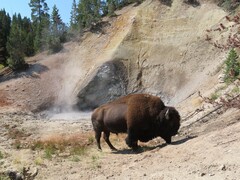
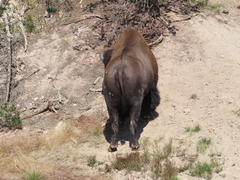
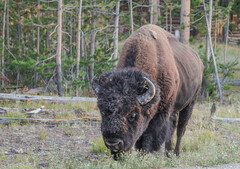
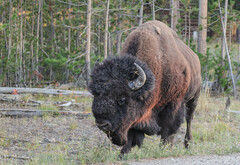
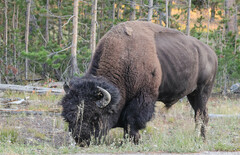
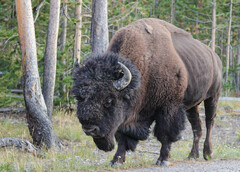
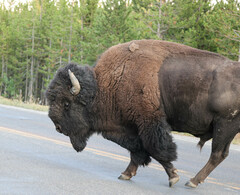
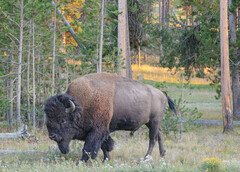
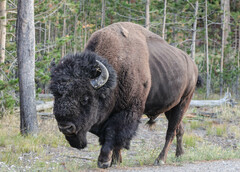
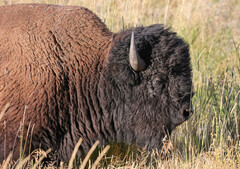
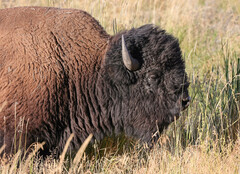
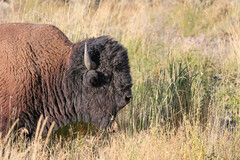
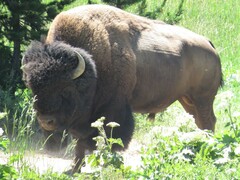
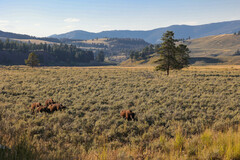
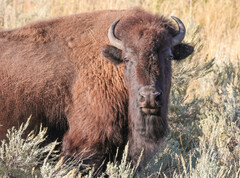
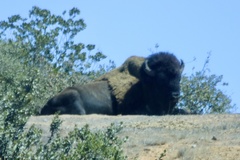
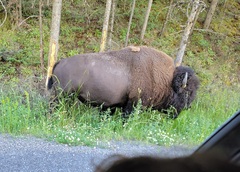
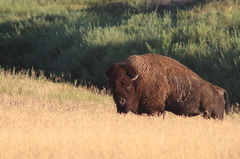
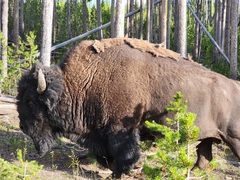
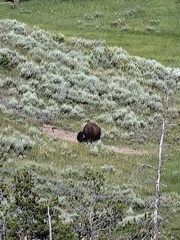
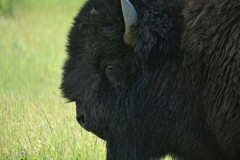
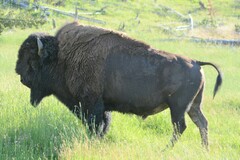
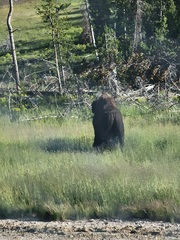
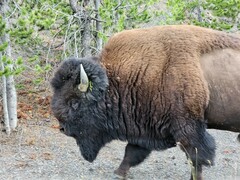
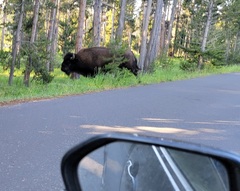
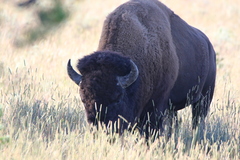
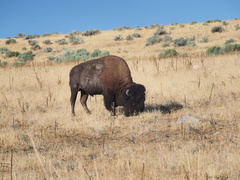
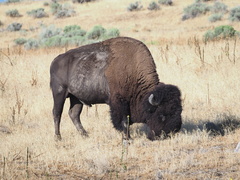
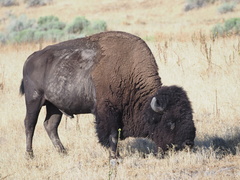
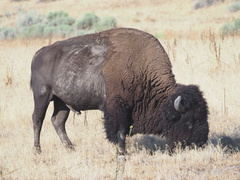
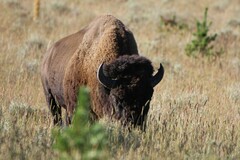
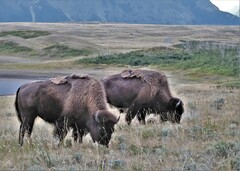
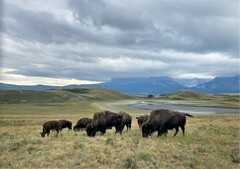
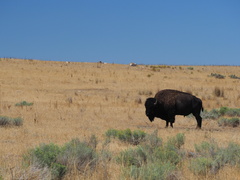
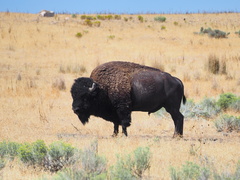
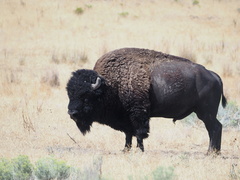
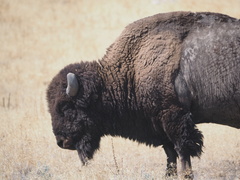
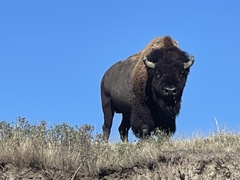
The American bison (Bison bison; pl.: bison), commonly known as the American buffalo, or simply buffalo (not to be confused with true buffalo), is a species of bison that is endemic to North America. It is one of two extant species of bison, along with the European bison. Its historical range circa 9000 BC is referred to as the great bison belt, a tract of rich grassland spanning from Alaska south to the Gulf of Mexico, and east to the Atlantic Seaboard (nearly to the Atlantic tidewater in some areas), as far north as New York, south to Georgia, and according to some sources, further south to northern Florida, with sightings in North Carolina near Buffalo Ford on the Catawba River as late as 1750.
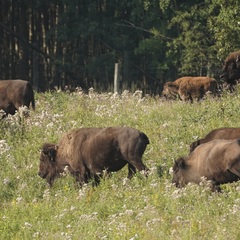
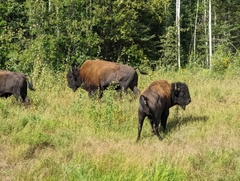
Two subspecies or ecotypes have been described: the plains bison (B. b. bison), smaller and with a more rounded hump; and the wood bison (B. b. athabascae), the larger of the two and having a taller, square hump. There has been a proposal to divide the plains bison into subspecies of northern (B. b. montanae) and southern (B. b. bison), but this proposal has limited scientific support. The wood bison is one of the largest wild species of extant bovid in the world, surpassed only by the Asian gaur. With wild animals weighing up to 1,270 kg (2,800 lb), the bison is among the heaviest extant land animals in North America and the heaviest herbivore.
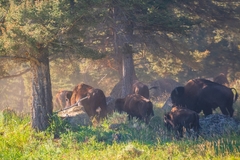
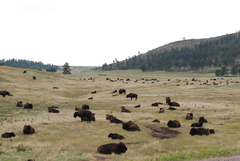
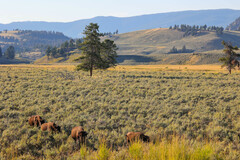
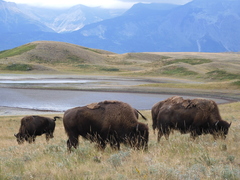
Once roaming in vast herds, the species nearly became extinct by a combination of commercial hunting and slaughter in the 19th century and introduction of bovine diseases from domestic cattle. With an estimated population of 60 million in the late 18th century, the species was reduced to 541 animals by 1889 as part of the subjugation of the Native Americans, because the American bison was a major resource for their traditional way of life (food source, hides for clothing and shelter, and horns and bones for tools). Recovery efforts expanded in the mid-20th century, with a resurgence to roughly 31,000 wild bison as of March 2019. For many years, the population was primarily found in a few national parks and reserves. Through multiple reintroductions, the species now freely roams wild in several regions in the United States, Canada and Mexico. Others are kept in smaller natural areas as conservation herds, while some are also kept in private commercial herds. The American bison has also been introduced in Russia, with a population established in Ingilor Nature Park in Yakutia.
Spanning back millennia, Indigenous peoples of the Great Plains have had cultural and spiritual connections to the American bison. It is the national mammal of the United States.
...Bison bison in languages:
- Afrikaans
- Amerikaanse Bison
- Afrikaans
- Amerikaanse Buffel
- Albanian
- Bizoni amerikan
- Arabic
- بيسون أمريكي
- Bokmål
- Amerikansk Bison
- Danish
- Amerikansk bison
- Dutch
- Amerikaanse Bizon
- Dutch
- Bizon
- English
- American Bison
- English
- Bison
- English
- American Buffalo
- English
- White Buffalo
- English
- White Bison
- English
- Buffle
- English
- Buffe
- English
- Bisonte
- English
- North American Bison
- English
- American Bonassus
- Finnish
- biisoni
- French
- Bison Américain
- German
- Amerikanischer Bison
- German
- Büffel
- Hungarian
- amerikai bölény
- Italian
- Bisonte americano
- Kazakh
- Бизон
- Modern Greek
- Αμερικανικός Βίσωνας
- Polish
- Bizon amerykański
- Portuguese
- Bisonte-americano
- Portuguese
- Bisão-americano
- Russian
- Американский бизон
- Swedish
- bison
- Thai
- ไบซันอเมริกัน
- Ukrainian
- Бізон американський
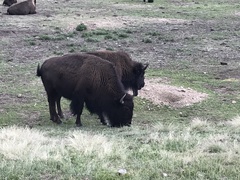
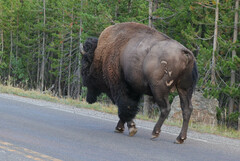
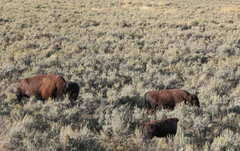
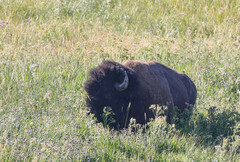
Images from inaturalist.org observations:
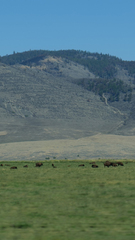
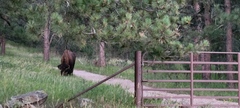
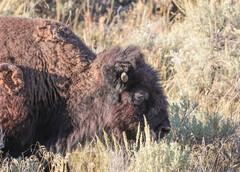
We recommend you sign up for this excellent, free service.