Callosamia promethea: taxon details and analytics
- Domain
- Kingdom
- Animalia
- Phylum
- Arthropoda
- Class
- Insecta
- Order
- Lepidoptera
- Family
- Saturniidae
- Genus
- Callosamia
- Species
- Callosamia promethea
- Scientific Name
- Callosamia promethea
Summary description from Wikipedia:
Callosamia promethea
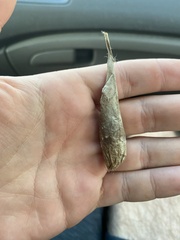
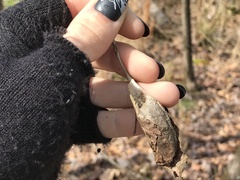
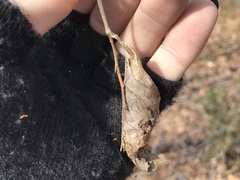
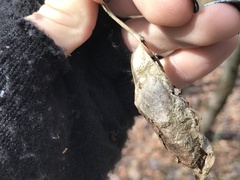
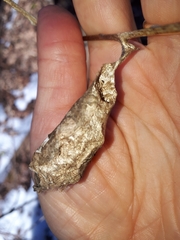
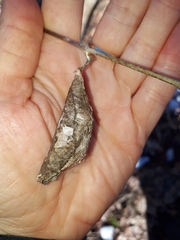
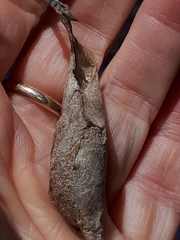
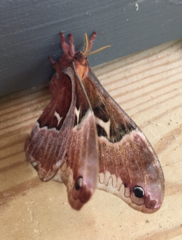
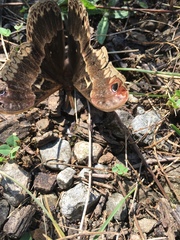
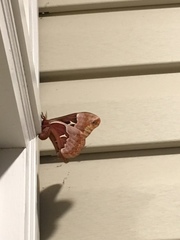
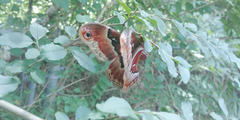
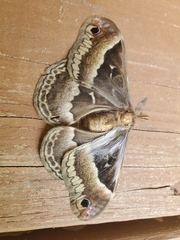
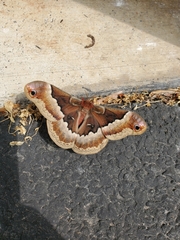
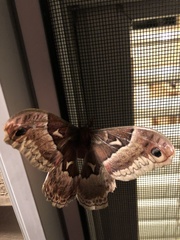
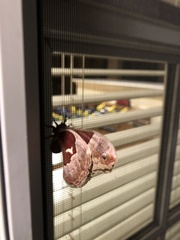
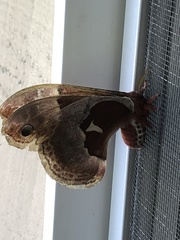
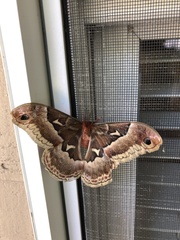
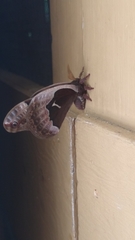
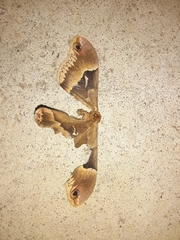
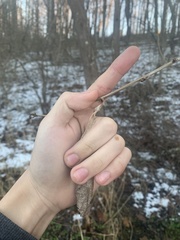
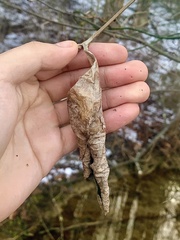
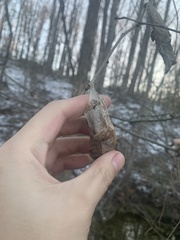
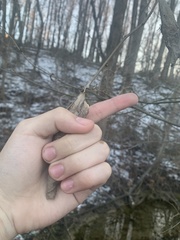
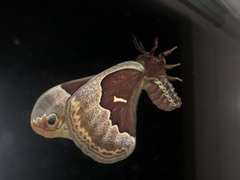
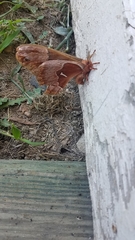
Callosamia promethea, commonly known as the promethea silkmoth, is a member of the family Saturniidae, which contains approximately 2,300 species. It is also known as the spicebush silkmoth, which refers to one of the promethea silkmoth's common host plants, spicebush (Lindera benzoin). C. promethea is classified as a silk moth, which stems from its ability to produce silk, which it does in the formation of its cocoon. C. promethea lives in forests in the eastern U.S. and does not damage the trees on which it lives. The species was first described by Dru Drury in 1773.
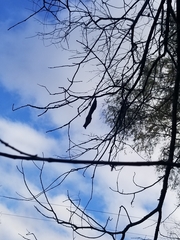
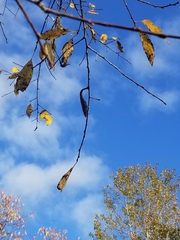
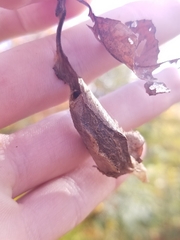
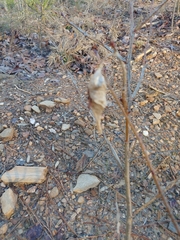
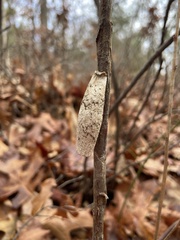
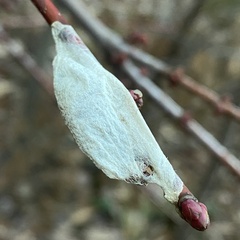
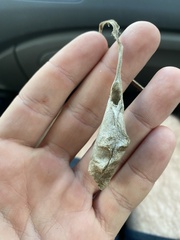
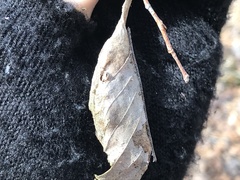
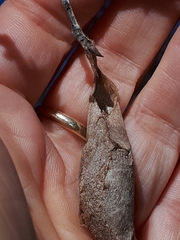
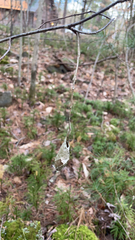
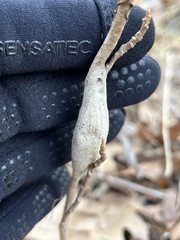
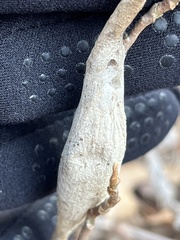
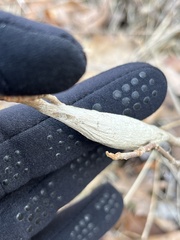
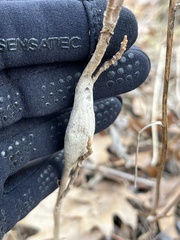
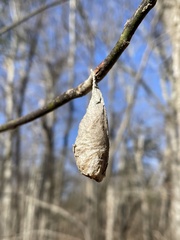
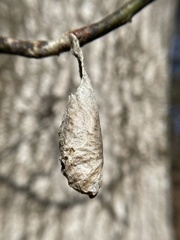
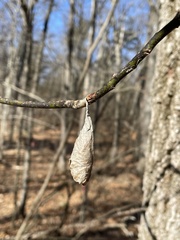
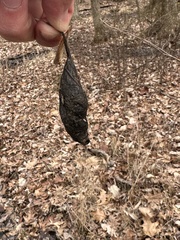
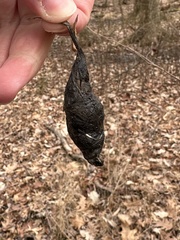
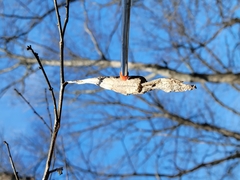
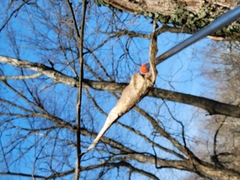
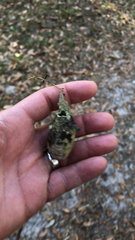
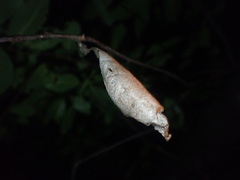
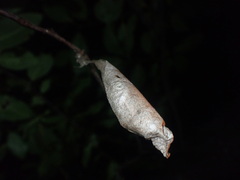
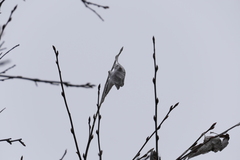
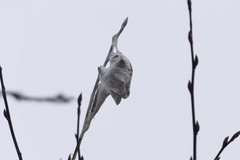
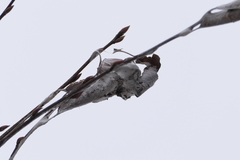
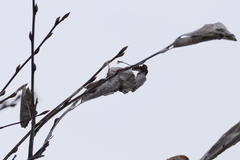
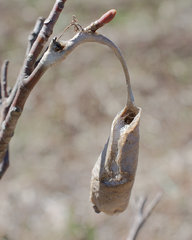
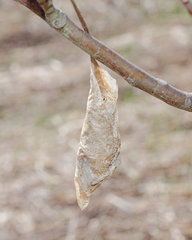
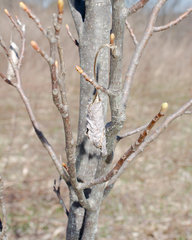
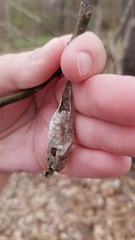
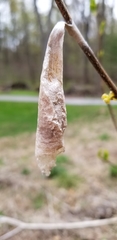
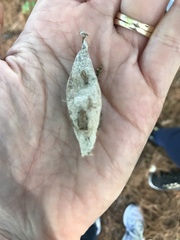
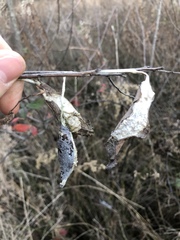
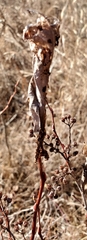
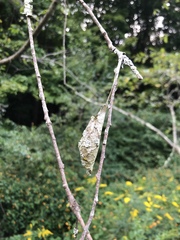
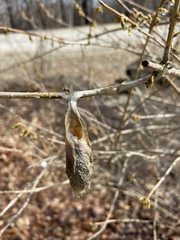
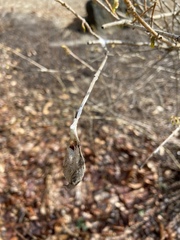
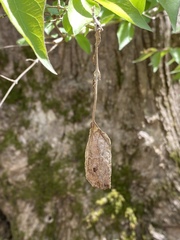
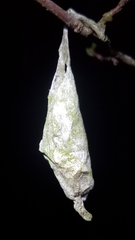
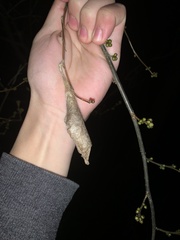
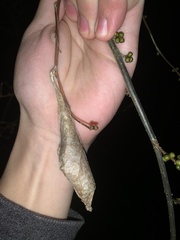
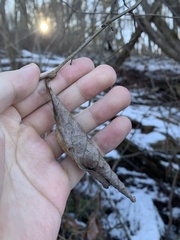
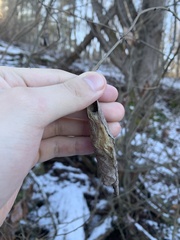
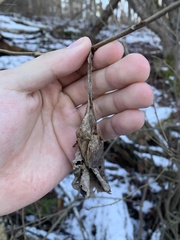
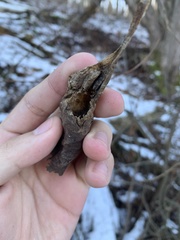
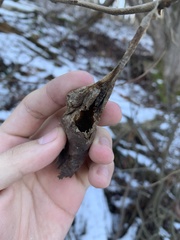
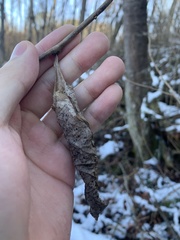
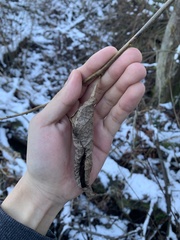
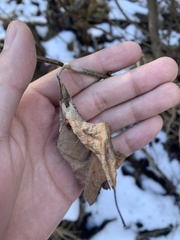
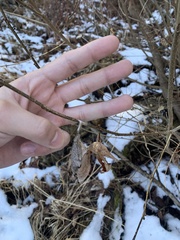
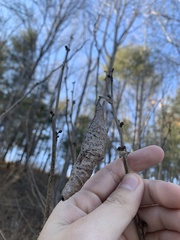
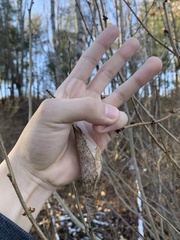
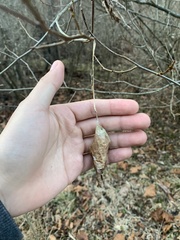
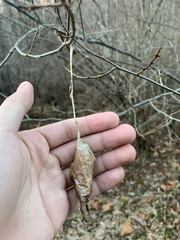
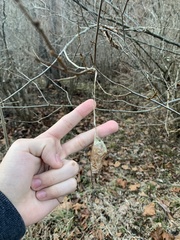
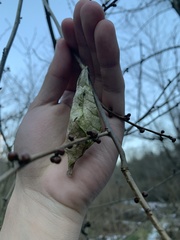
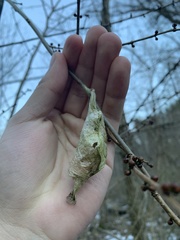
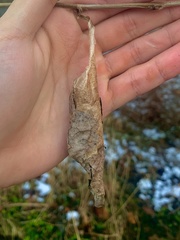
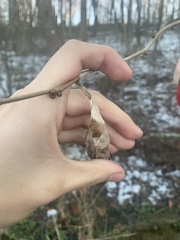
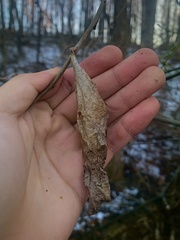
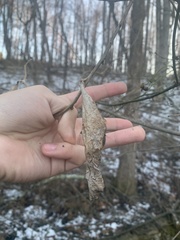
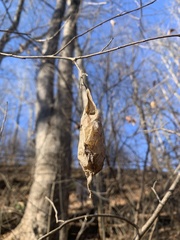
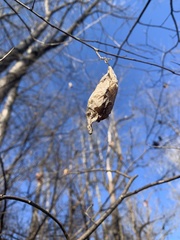
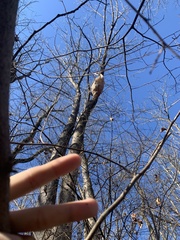
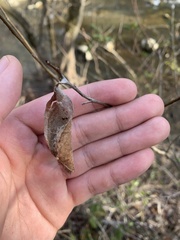
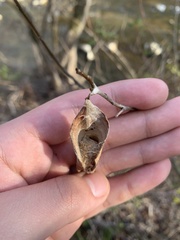
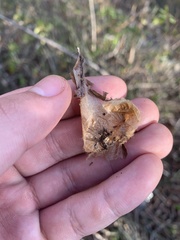
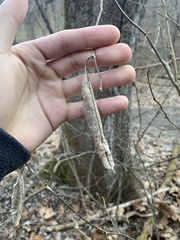
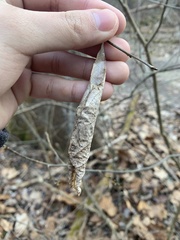
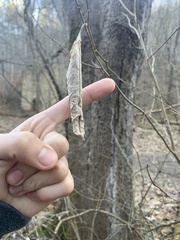
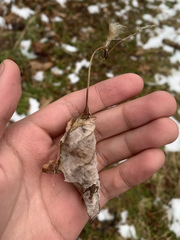
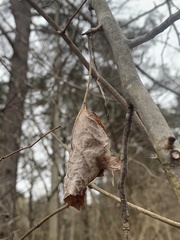
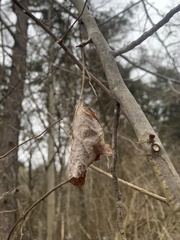
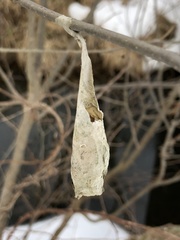
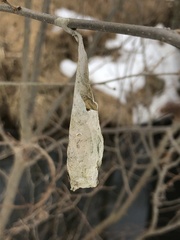
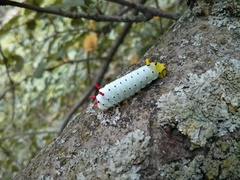
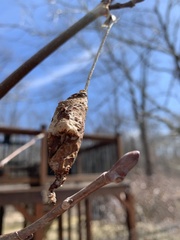
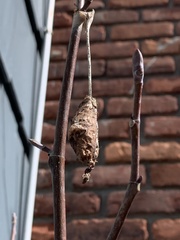
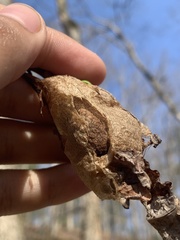
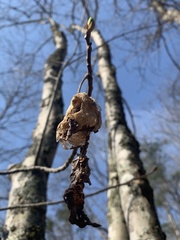
Callosamia promethea hatches from its eggs and feeds on its host plants before pupating while hanging from trees during the winter. It then emerges and mates during a specific time of day. The females utilize pheromones to attract males for mating, with both sexes mating multiple times. They are the only moth in their family where the sexes are not active at the same time of day, with males being diurnal and females being nocturnal. They only overlap in activity for a few hours in the early evening. The males use mimicry of the poisonous pipevine swallowtail butterfly as a form of protection from predators.
...Callosamia promethea in languages:
- English
- Promethea Silkmoth
- English
- Promethea Moth
- English
- Promethea Silk Moth
- English
- Prometheus Moth
- English
- Prometheus Silkmoth
- English
- Spicebush Silkmoth
- French
- Saturnie du cerisier
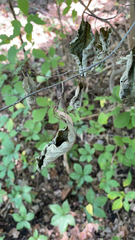
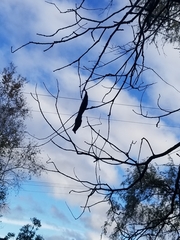
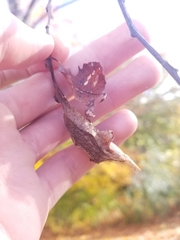
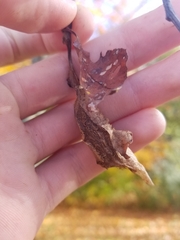
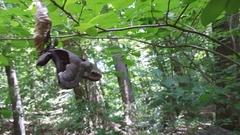
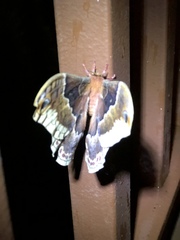
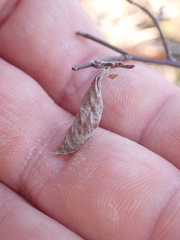
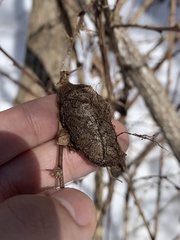
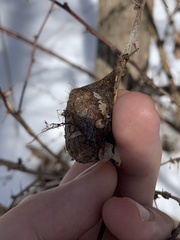
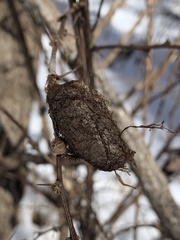
Images from inaturalist.org observations:
We recommend you sign up for this excellent, free service.