Careproctus: taxon details and analytics
- Domain
- Kingdom
- Animalia
- Phylum
- Chordata
- Class
- Actinopterygii
- Order
- Perciformes
- Family
- Liparidae
- Genus
- Careproctus
- Species
- Scientific Name
- Careproctus
Summary description from Wikipedia:
Careproctus
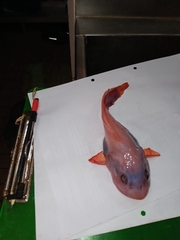
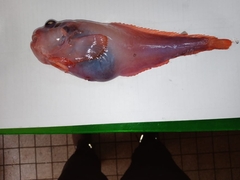
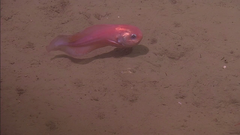
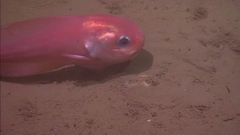
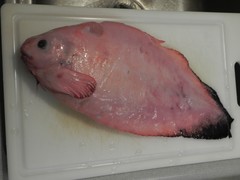
Careproctus is a genus of snailfishes found in benthic and benthopelagic habitats in the Atlantic, Pacific, Arctic and Southern Oceans. Whether they truly are absent from the Indian Ocean (except for a couple of species in subantarctic waters) is unknown and might be an artifact of limited sampling. They range from shallow coastal seas in the far north of their range to the abyssal zone, at depths of 6 to 5,459 m (20–17,910 ft). In the Northern Hemisphere they mostly live shallower than Paraliparis, but this pattern is reversed in the Southern Hemisphere. Although almost entirely restricted to very cold waters, a single species, C. hyaleius, lives at hydrothermal vents.
Its generic name is derived from the Ancient Greek κάρα (kara, "face, head") and πρωκτός (prōktos, "anus"), therefore literally meaning "butt-face".
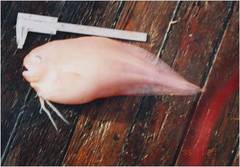
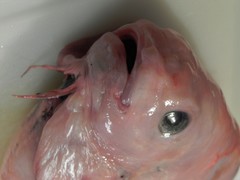
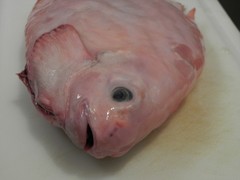
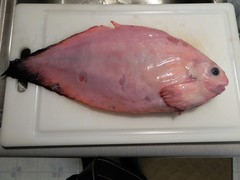
Careproctus have one pair of nostrils and a ventral suction disc but lack a pseudobranch. They are tadpole-like in shape and reach up to 54 cm (1.8 ft) in standard length, but most species are far smaller. Like other snailfish, they lack scales and have a loose gelatinous skin; a few species are covered in prickly spines.
Most species of Careproctus are poorly known, but they feed on small animals and some have unusual breeding behaviors. For example, C. ovigerus appears to be a mouth brooder where the eggs are carried and develop in the males' mouth. C. fulvus has a commensal relationship with glass sponges, laying their eggs in the paragastric cavity. Several other Careproctus species are parasitic on king crabs (such as Lithodes, Neolithodes and Paralithodes, and likely Echidnocerus), laying their egg mass in the gill chamber of the crab, forming a well-protected and well-aerated mobile "home" until they hatch. These parasitic Careproctus do not appear to be host specific, but rather they use various species of king crabs. An individual king crab may even carry the eggs of more than one Careproctus species at the same time. Additionally, small Careproctus—no more than 9 cm (3.5 in) long—have been seen together with Lithodes and Paralomis king crabs, hitching rides by attaching themselves to the crab's legs or back. In contrast, a C. reinhardti (species complex) in an aquarium deposited its eggs on the glass, but whether this resembles its wild behavior is unknown.
...Careproctus in languages:
- Japanese
- コンニャクウオ属
- Russian
- Карепрокты
- Ukrainian
- Карепрокт
Images from inaturalist.org observations:
We recommend you sign up for this excellent, free service.
Parent Taxon
Sibling Taxa
- Acantholiparis
- Aetheliparis
- Allocareproctus
- Bathyphasma
- Careproctus
- Crystallias
- Crystallichthys
- Eknomoliparis
- Elassodiscus
- Eutelichthys
- Genioliparis
- Gyrinichthys
- Liparis
- Lipariscus
- Lopholiparis
- Menziesichthys
- Nectoliparis
- Notoliparis
- Osteodiscus
- Palmoliparis
- Paraliparis
- Polypera
- Praematoliparis
- Prognatholiparis
- Psednos
- Pseudoliparis
- Pseudonotoliparis
- Rhinoliparis
- Rhodichthys
- Squaloliparis
- Temnocora
- Volodichthys
Child Taxa
- Careproctus abbreviatus
- Careproctus acaecus
- Careproctus acanthodes
- Careproctus aciculipunctatus
- Careproctus acifer
- Careproctus aculeolatus
- Careproctus albescens
- Careproctus ambustus
- Careproctus ampliceps
- Careproctus armatus
- Careproctus atakamensis
- Careproctus atrans
- Careproctus attenuatus
- Careproctus aureomarginatus
- Careproctus bathycoetus
- Careproctus batialis
- Careproctus bowersianus
- Careproctus brevipectoralis
- Careproctus cactiformis
- Careproctus canus
- Careproctus canusocius
- Careproctus catherinae
- Careproctus colletti
- Careproctus comus
- Careproctus continentalis
- Careproctus credispinulosus
- Careproctus crozetensis
- Careproctus cryptacanthoides
- Careproctus curilanus
- Careproctus cyanogladius
- Careproctus cyclocephalus
- Careproctus cypseluroides
- Careproctus cypselurus
- Careproctus discoveryae
- Careproctus ectenes
- Careproctus eltaninae
- Careproctus entargyreus
- Careproctus entomelas
- Careproctus falklandicus
- Careproctus faunus
- Careproctus fedorovi
- Careproctus filamentosus
- Careproctus fueguensis
- Careproctus furcatus
- Careproctus furcellus
- Careproctus georgianus
- Careproctus gilberti
- Careproctus globulus
- Careproctus guillemi
- Careproctus homopterus
- Careproctus hyaleius
- Careproctus iacchus
- Careproctus improvisus
- Careproctus inflexidens
- Careproctus kamikawai
- Careproctus kidoi
- Careproctus lacmi
- Careproctus lacrima
- Careproctus laperousei
- Careproctus latiosus
- Careproctus leptorhinus
- Careproctus lerikimae
- Careproctus longidigitus
- Careproctus longifilis
- Careproctus longipectoralis
- Careproctus lycopersicus
- Careproctus macranchus
- Careproctus macrodiscus
- Careproctus maculosus
- Careproctus magellanicus
- Careproctus marginatus
- Careproctus maslenikovae
- Careproctus mederi
- Careproctus melanuroides
- Careproctus melanurus
- Careproctus merretti
- Careproctus mica
- Careproctus micropus
- Careproctus microstomus
- Careproctus minimus
- Careproctus mollis
- Careproctus moskalevi
- Careproctus narilobus
- Careproctus nelsoni
- Careproctus nigricans
- Careproctus notosaikaiensis
- Careproctus novaezelandiae
- Careproctus opisthotremus
- Careproctus oregonensis
- Careproctus orri
- Careproctus ostentum
- Careproctus pallidus
- Careproctus parvidiscus
- Careproctus parviporatus
- Careproctus patagonicus
- Careproctus paxtoni
- Careproctus pellucicauda
- Careproctus pellucidus
- Careproctus phasma
- Careproctus polarsterni
- Careproctus profundicola
- Careproctus pseudoprofundicola
- Careproctus pulcher
- Careproctus pycnosoma
- Careproctus ranula
- Careproctus rastrinoides
- Careproctus rastrinus
- Careproctus rausuensis
- Careproctus reinhardti
- Careproctus rhodomelas
- Careproctus rimiventris
- Careproctus roseofuscus
- Careproctus rotundifrons
- Careproctus sandwichensis
- Careproctus sarasa
- Careproctus scaphopterus
- Careproctus schmidti
- Careproctus scottae
- Careproctus segaliensis
- Careproctus seraphimae
- Careproctus shigemii
- Careproctus simus
- Careproctus sinensis
- Careproctus spectrum
- Careproctus spiraki
- Careproctus staufferi
- Careproctus steini
- Careproctus stigmatogenus
- Careproctus surugaensis
- Careproctus tomiyamai
- Careproctus trachysoma
- Careproctus tricapitidens
- Careproctus vladibeckeri
- Careproctus zachirus
- Careproctus zispi