Chalciporus piperatus: taxon details and analytics
- Domain
- Kingdom
- Fungi
- Phylum
- Basidiomycota
- Class
- Agaricomycetes
- Order
- Boletales
- Family
- Boletaceae
- Genus
- Chalciporus
- Species
- Chalciporus piperatus
- Scientific Name
- Chalciporus piperatus
Summary description from Wikipedia:
Chalciporus piperatus
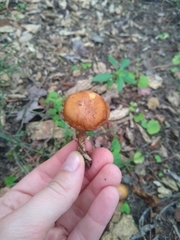
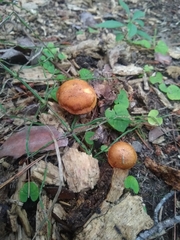
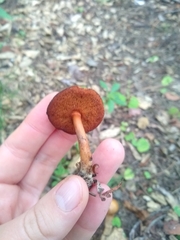
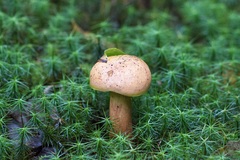
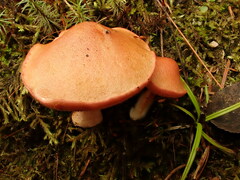
Chalciporus piperatus, commonly known as the peppery bolete, is a species of fungus in the family Boletaceae. Described by Pierre Bulliard in 1790 as Boletus piperatus, it is only distantly related to other members of the genus Boletus and was reclassified as Chalciporus piperatus by Frédéric Bataille in 1908. The genus Chalciporus was an early branching lineage in the Boletaceae and appears to be related to boletes with parasitic properties.
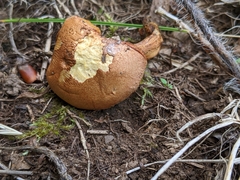
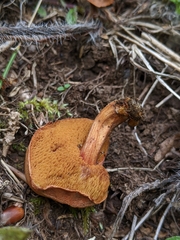
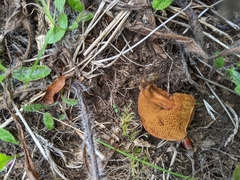
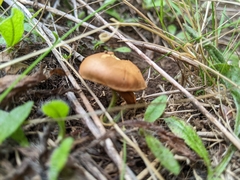
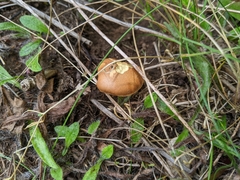
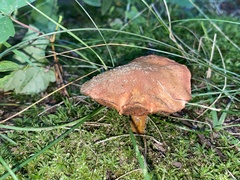
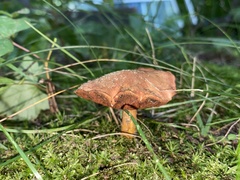
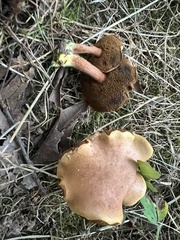
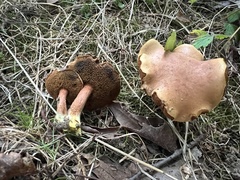
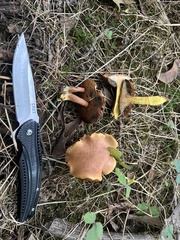
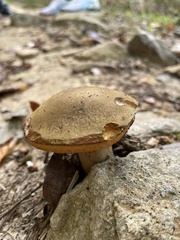
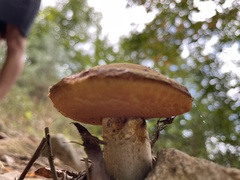
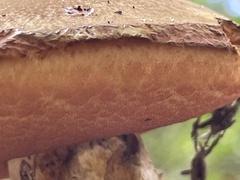
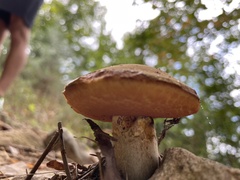
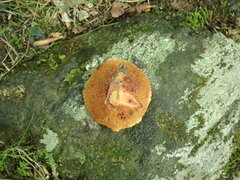
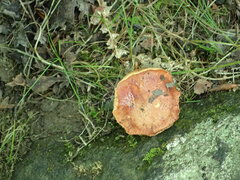
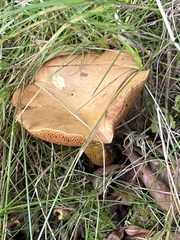
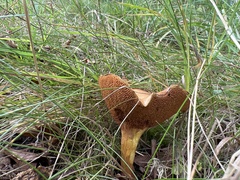
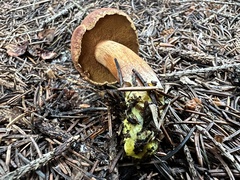
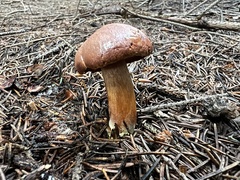
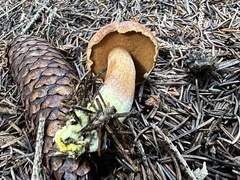
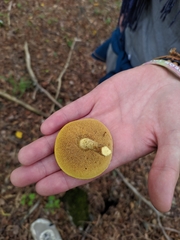
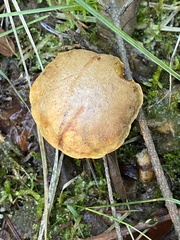
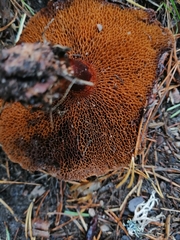
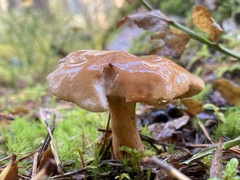
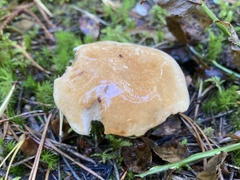
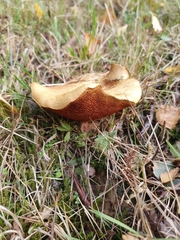
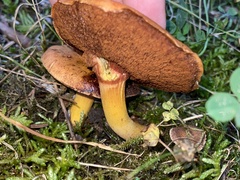
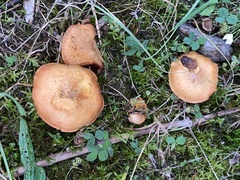
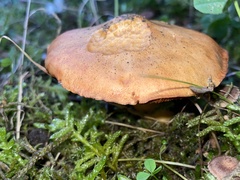
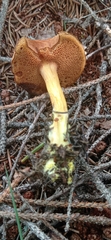
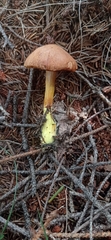
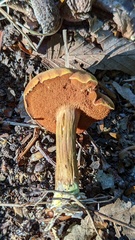
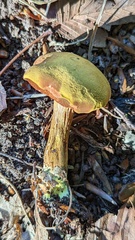
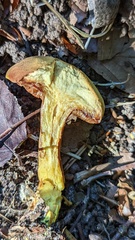
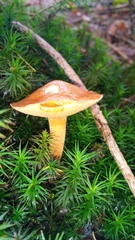
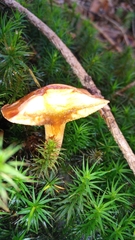
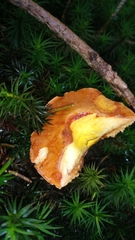
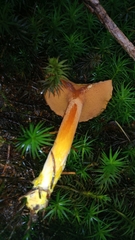
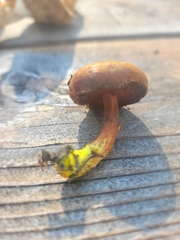
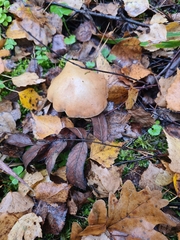
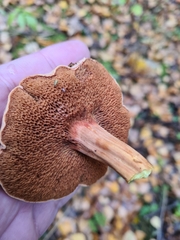
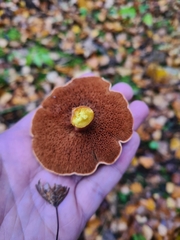
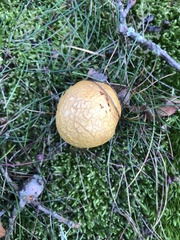
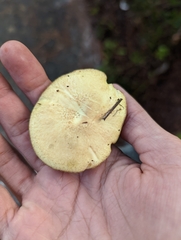
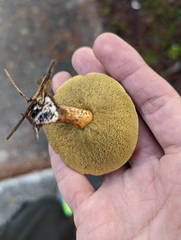
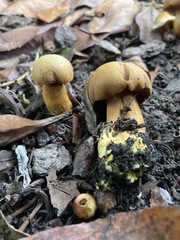
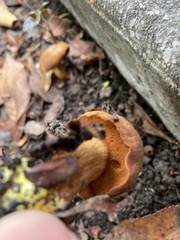
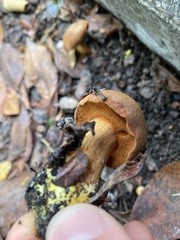
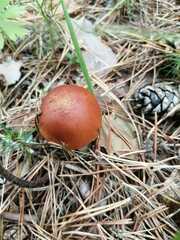
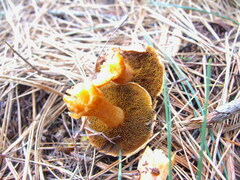
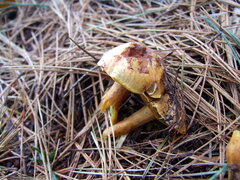
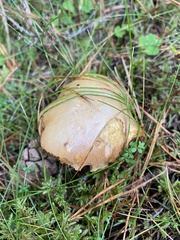
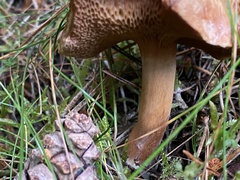
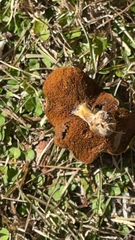
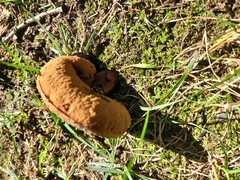
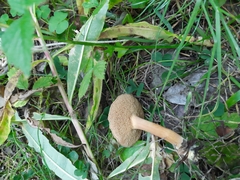
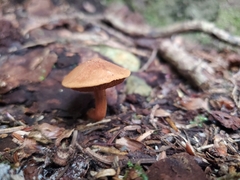
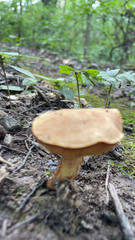
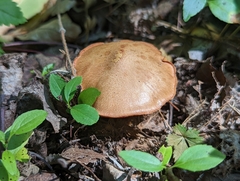
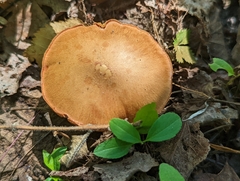
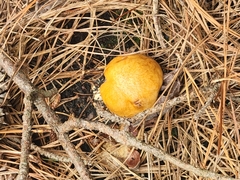
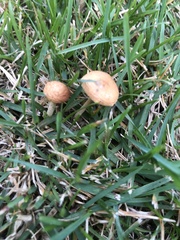
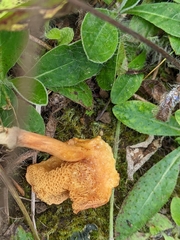
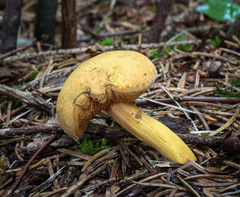
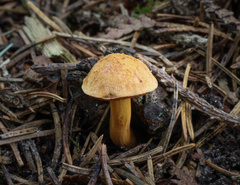
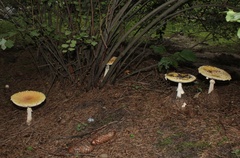
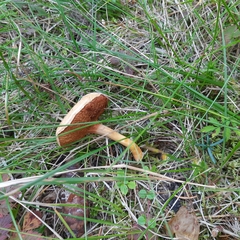
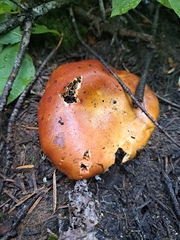
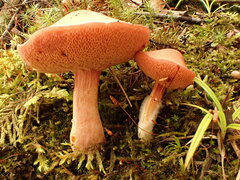
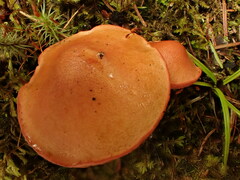
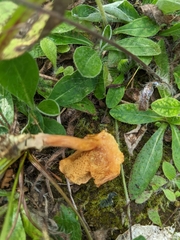
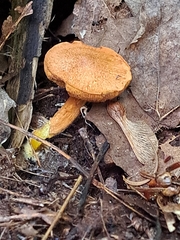
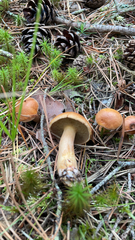
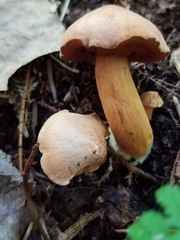
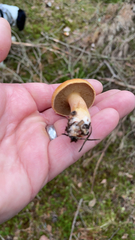
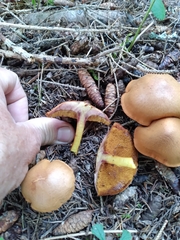
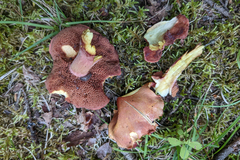
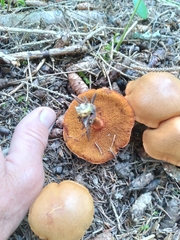
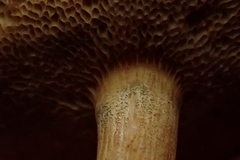
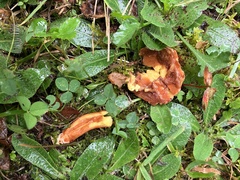
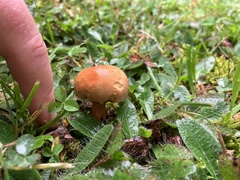
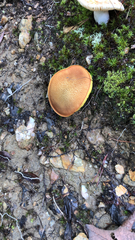
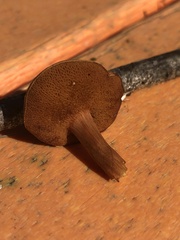
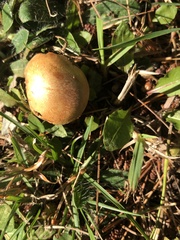
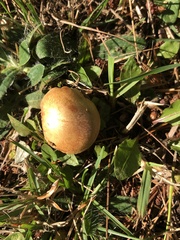
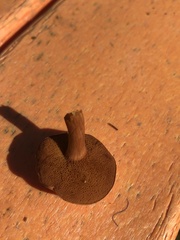
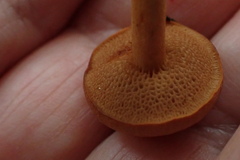
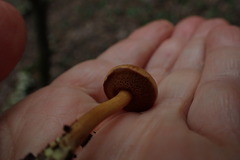
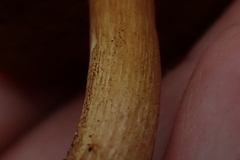
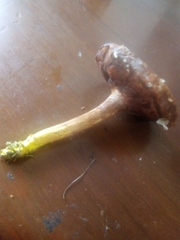
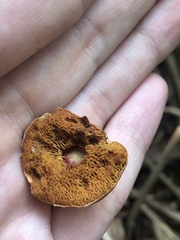
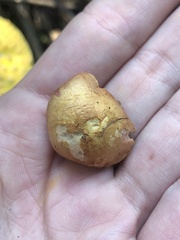
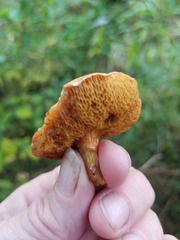
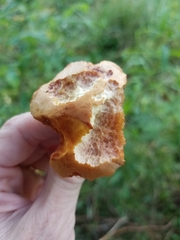
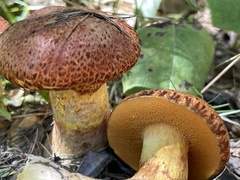
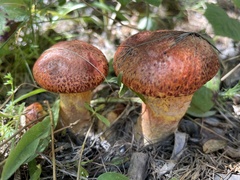
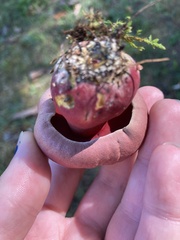
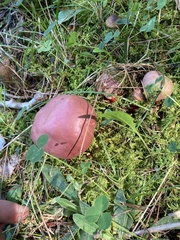
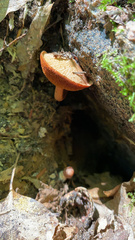
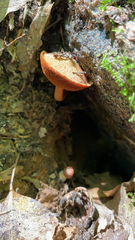
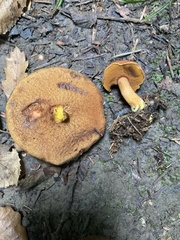
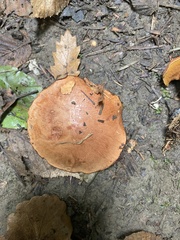
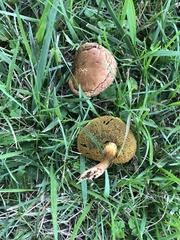
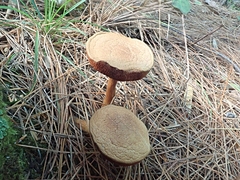
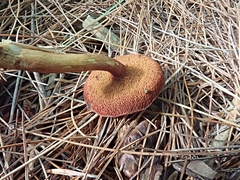
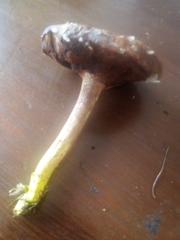
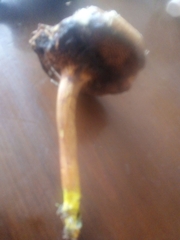
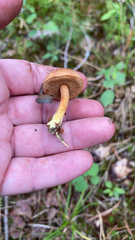
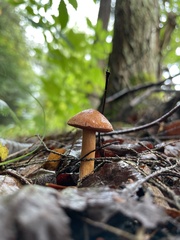
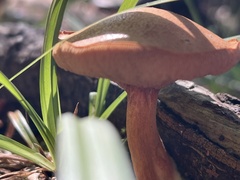
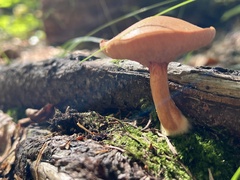
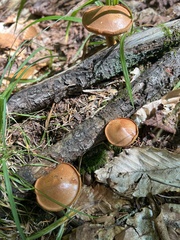
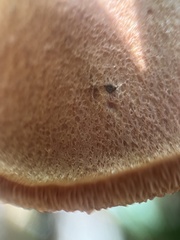
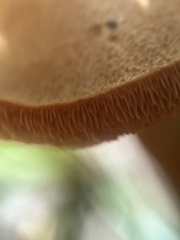
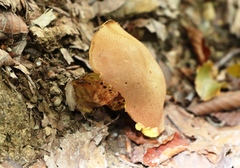
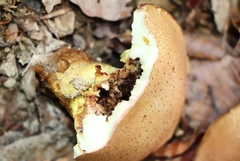
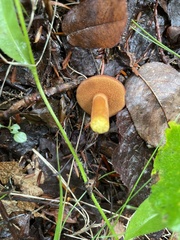
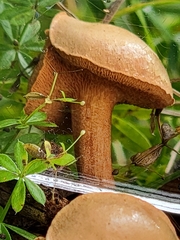
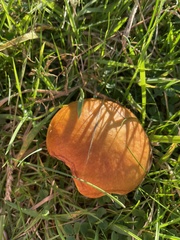
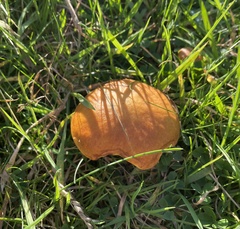
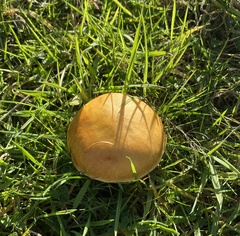
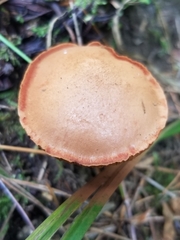
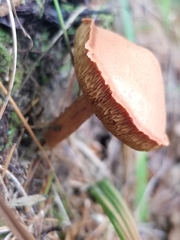
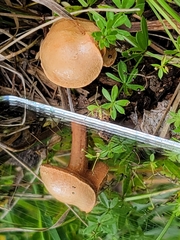
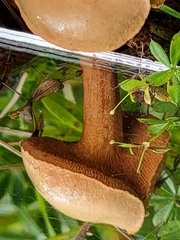
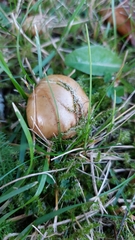
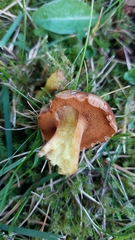
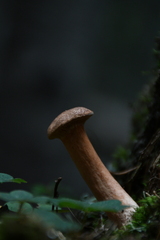
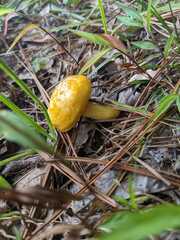
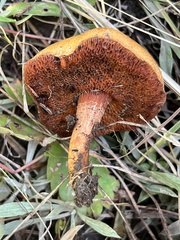
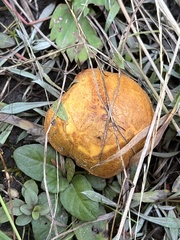
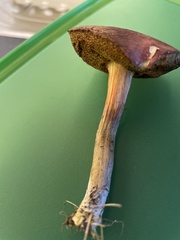
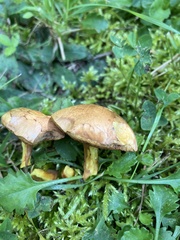
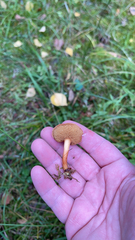
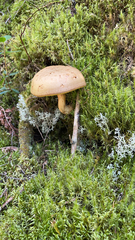
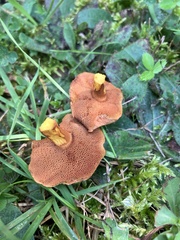
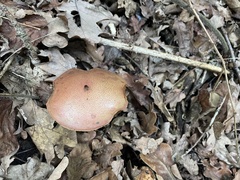
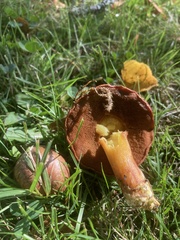
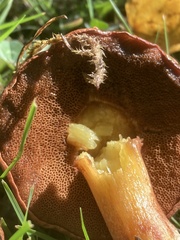
A small bolete, the fruit body has a 1.6–9 cm (5⁄8–3+1⁄2 in) orange-fawn cap with small cinnamon to brown pores underneath. The stipe is 4–9.5 cm (1+5⁄8–3+3⁄4 in) long and 0.6–1.2 cm (1⁄4–1⁄2 in). The flesh has a very peppery taste. The rare variety hypochryseus, found only in Europe, has yellow pores and tubes. The species is found in mixed woodland in Europe and North America. It has been recorded under introduced trees in Brazil, and has become naturalised in Tasmania and spread under native Nothofagus cunninghamii trees. Previously thought to be ectomycorrhizal (a symbiotic relationship that occurs between a fungus and the roots of various plant species), C. piperatus is now suspected of being parasitic on Amanita muscaria.
...Chalciporus piperatus in languages:
- Bokmål
- pepperrørsopp
- Chinese
- 胡椒牛肝菌
- Czech
- hřib peprný
- Danish
- Peberrørhat
- Dutch
- Peperboleet
- English
- Peppery Bolete
- Estonian
- pipartatik
- Estonian
- Piparpuravik
- Estonian
- Pipar-punatatik
- Finnish
- äikätatti
- French
- Bolet poivré
- German
- Pfefferröhrling
- Hungarian
- Borsos tinóru
- Japanese
- コショウイグチ
- Lithuanian
- Kartusis pipirbaravykis
- Russian
- Перечный гриб
- Slovak
- meďovec korenistý
- Swedish
- pepparsopp
- Ukrainian
- Перцевий гриб
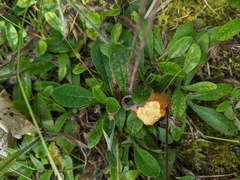
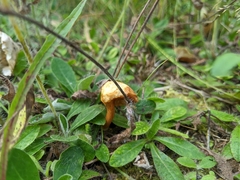
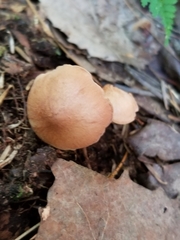
Images from inaturalist.org observations:
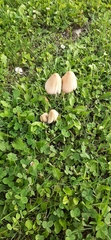
We recommend you sign up for this excellent, free service.