Chamaesyce: taxon details and analytics
- Domain
- Kingdom
- Plantae
- Phylum
- Tracheophyta
- Class
- Magnoliopsida
- Order
- Malpighiales
- Family
- Euphorbiaceae
- Genus
- Euphorbia
- Species
- Scientific Name
- Chamaesyce
Summary description from Wikipedia:
Chamaesyce
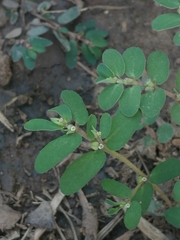
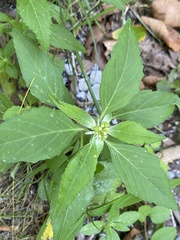
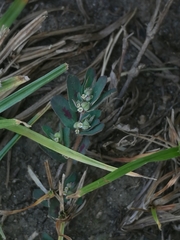
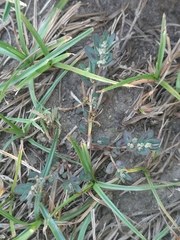
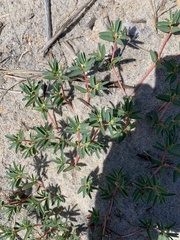
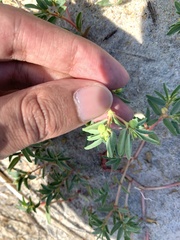
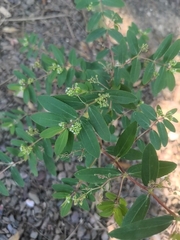
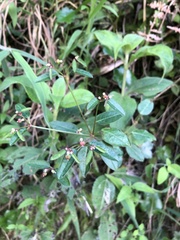
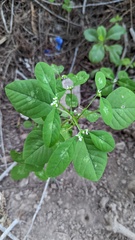
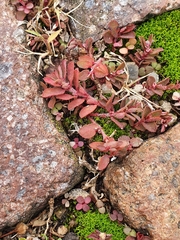
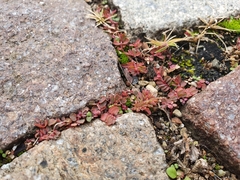
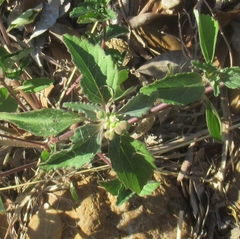
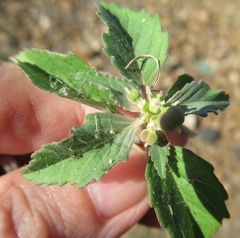
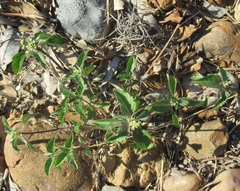
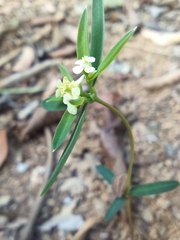
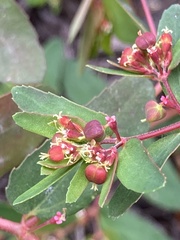
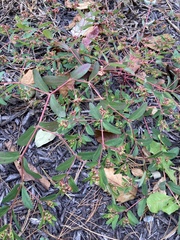
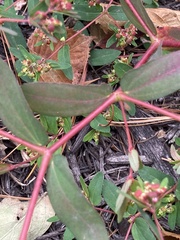
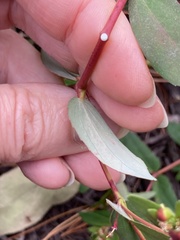
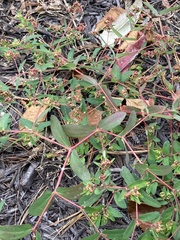
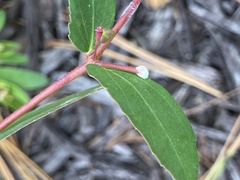
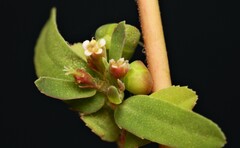
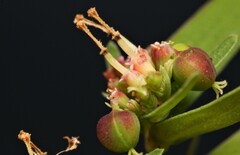
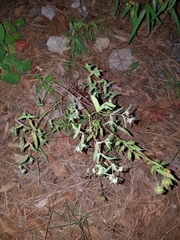
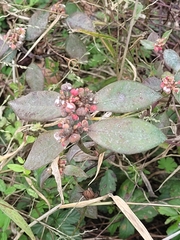
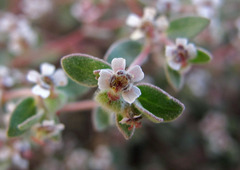
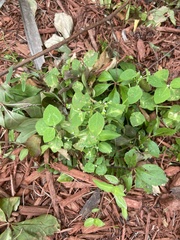
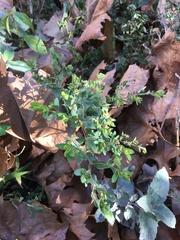
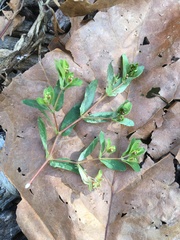
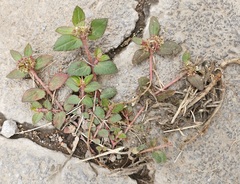
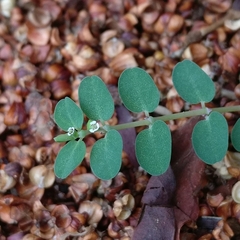
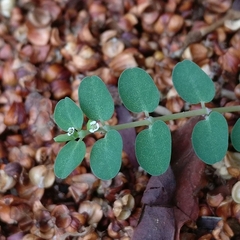
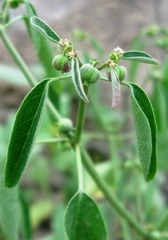
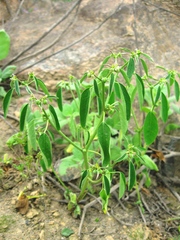
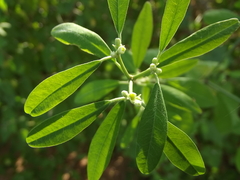
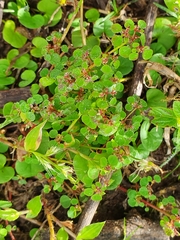
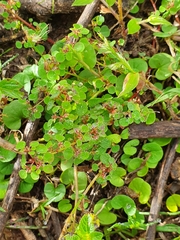
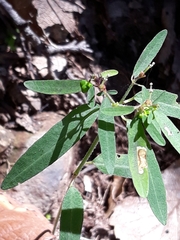
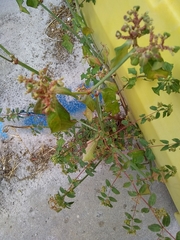
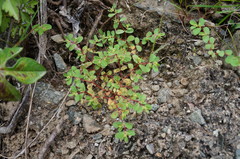
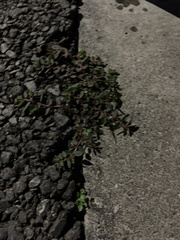
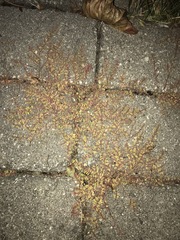
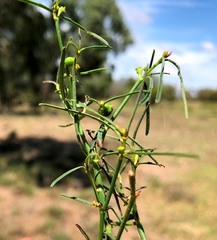
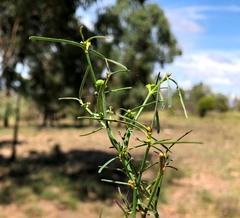
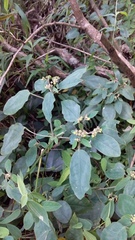
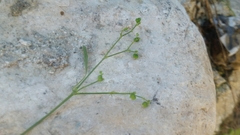
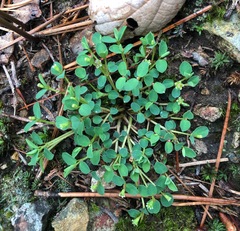
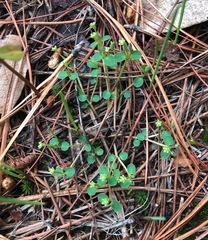
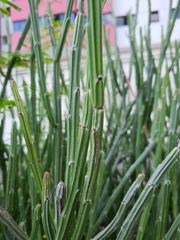
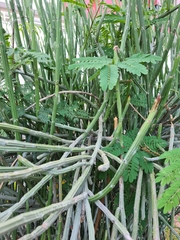
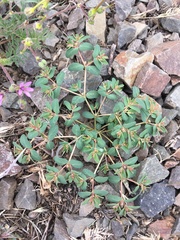
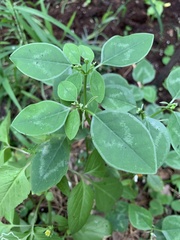
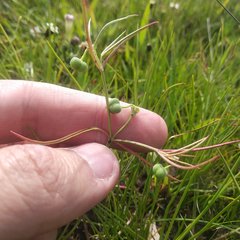
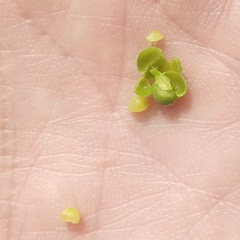
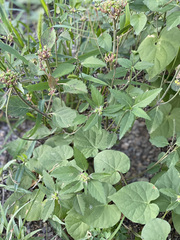
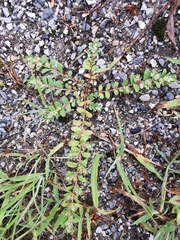
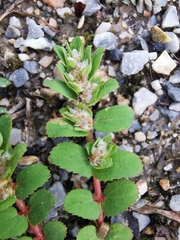
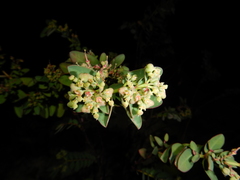
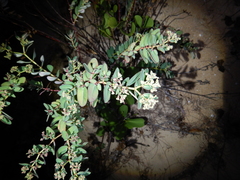
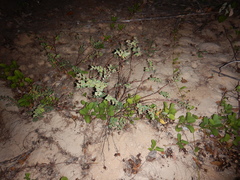
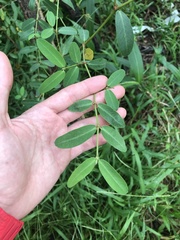
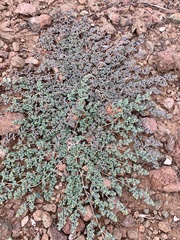
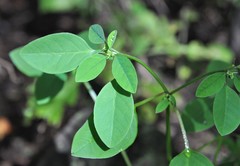
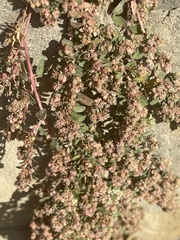
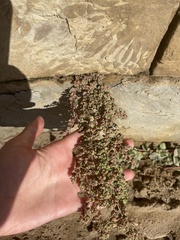
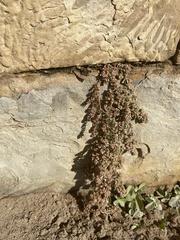
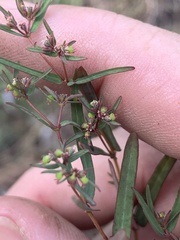
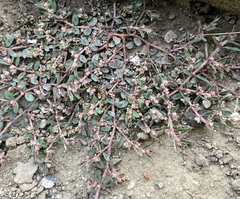
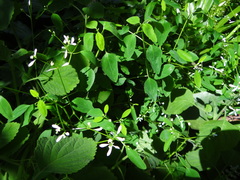
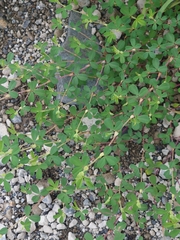
Chamaesyce is former genus of plants in the family Euphorbiaceae, now subsumed into the genus Euphorbia as Euphorbia sect. Anisophyllum in the subgenus Chamaesyce. The section contains around 350–365 species (around 210 New World and 140 Old World) that were formerly in the genus Chamaesyce. Plants in this section are known for their prostrate, branching habit and include probably best known for E. maculata, a temperate weed known as spotted spurge found worldwide, and E. hirta, a pantropical weed. Many of the species are known as sandmats. The section Anisophyllum is very closely related to plants like Euphorbia pulcherrima, the popular poinsettia.
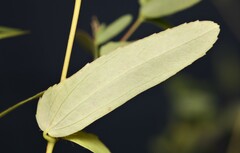
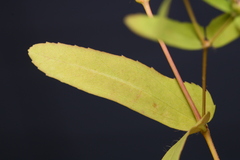
Euphorbia sect. Anisophyllum differs from other Euphorbia species in a number of characteristics. Perhaps the most important is the presence of C4 photosynthesis in all but one subsection (subsection Acutae, which represents a basal clade that is made up of species with intermediate C2 photosynthetic pathways). Other characteristics include sympodial branching, dorsi-ventral stems, asymmetric leaves, non-glandular stipules, and ecarunculate seeds.
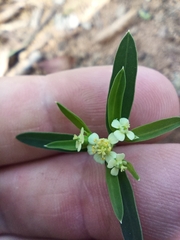
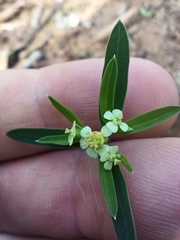
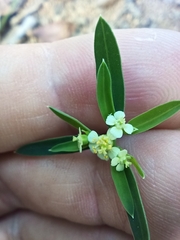
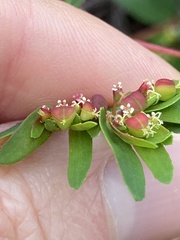
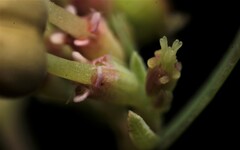
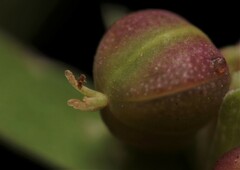
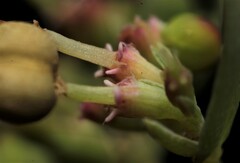
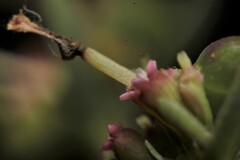
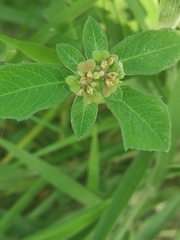
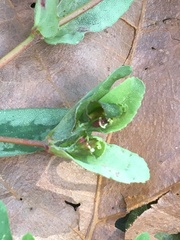
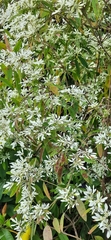
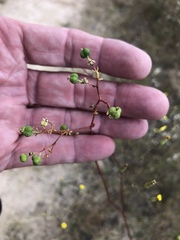
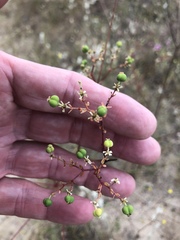
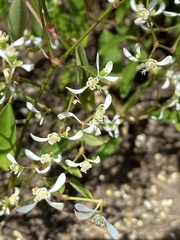
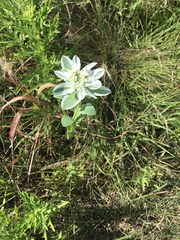
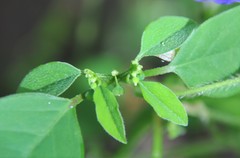
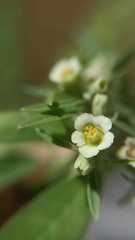
Plants in the section (as with all other species in the genus Euphorbia) bear tiny flowering structures that look like single true flowers, as if each one were a flower with many stamens surrounding a single ovary. In fact, the structure is a cyathium (sometimes called a pseudanthium, meaning a "false flower"). It is made up of many small flowers, but with each flower reduced to only the functional organs of sexual reproduction: a single stamen or a single pistil without petals or sepals. Under magnification it can be seen that what appear to be many stamens plus the gynoecium of a single flower, actually form an inflorescence surrounded with many staminate flowers surrounding a single pistillate flower. Each individual staminate flower contributes only a single stamen and retaining no other structure apart from a vestigial stalk below the base of the stamen's filament. That stalk joins the capitulum or base of the inflorescence — the flowering head. Similarly, what appears to be the flower's ovary is the gynoecium of a single pistillate flower that has lost all the other associated organs of a flower. What appear to be the petals of an individual flower are in fact appendages produced by glands that are produced by bracts (collectively called the involucre), adapted leaves attached below the cyathium. These bracts are fused into a cup-like structure. In some species, such as Euphorbia albomarginata, the glandular appendages are quite showy.
–
...Chamaesyce in languages:
- Chinese
- 地錦草亞屬
- Chinese
- 一品紅亞屬
- Japanese
- ニシキソウ亜属
- Thai
- สกุลย่อย หญ้ายาง
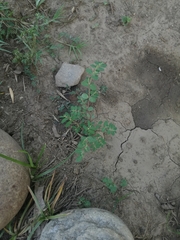
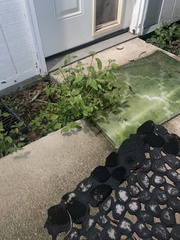
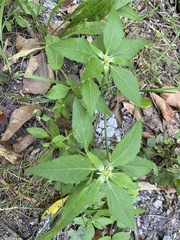
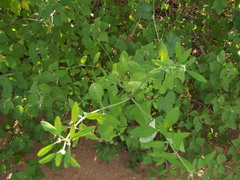
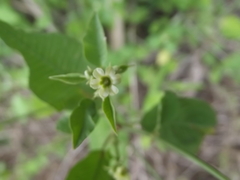
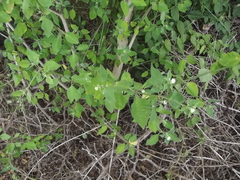
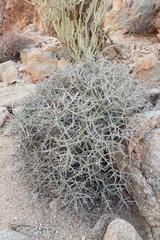
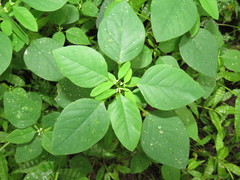
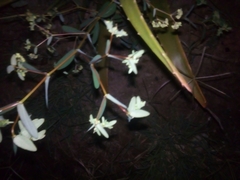
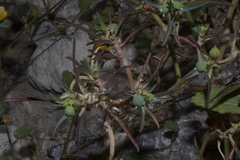
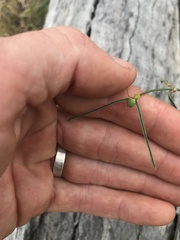
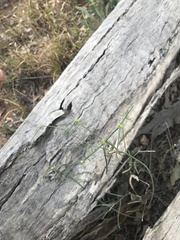
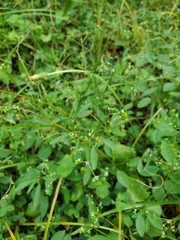
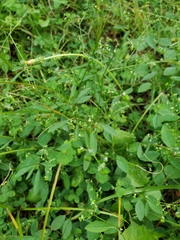
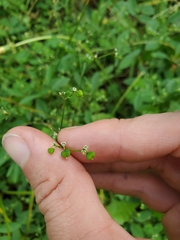
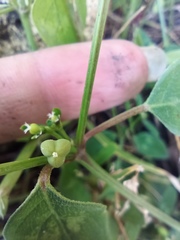
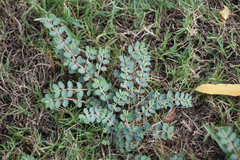
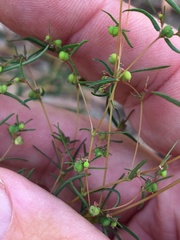
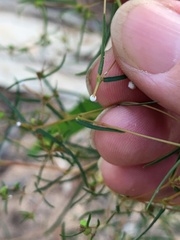
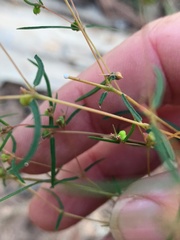
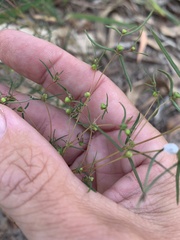
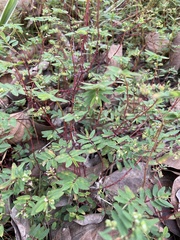
Images from inaturalist.org observations:
We recommend you sign up for this excellent, free service.

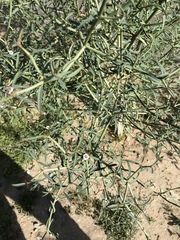
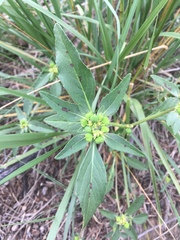
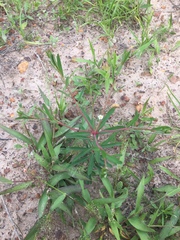
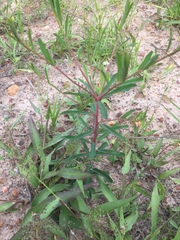
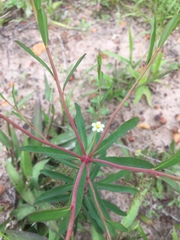
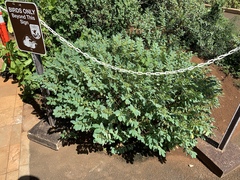
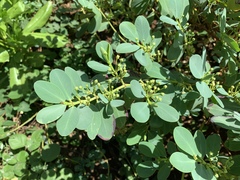
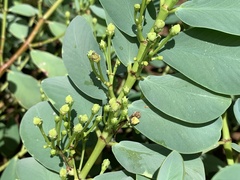
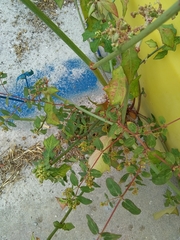
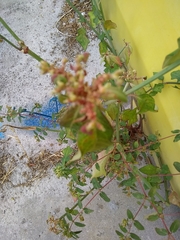
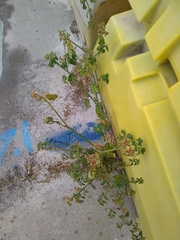
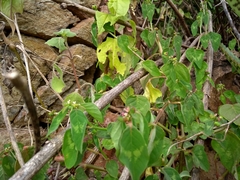
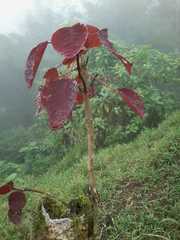
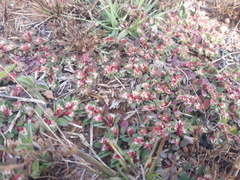
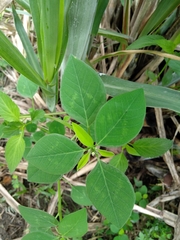
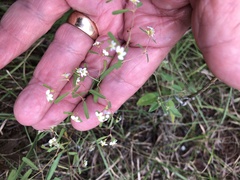
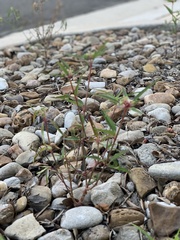
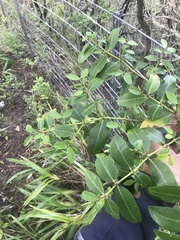
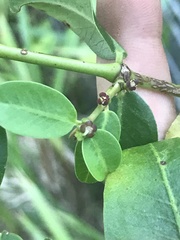
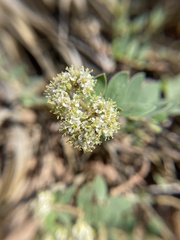
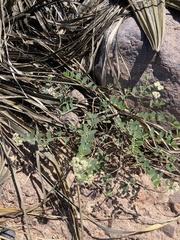
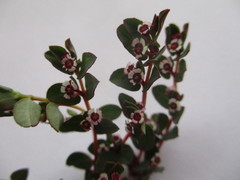
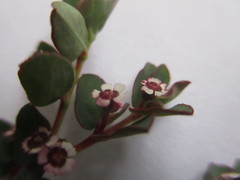
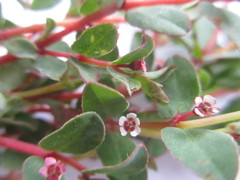
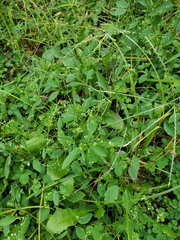
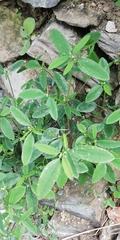
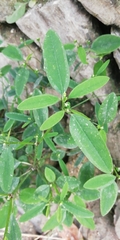
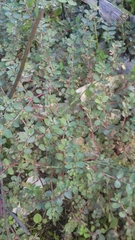
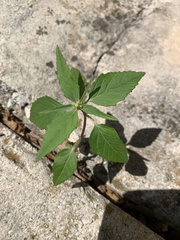
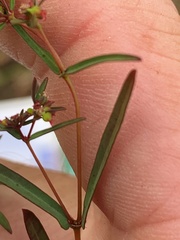
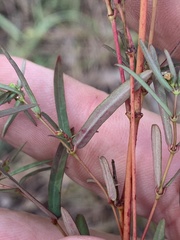
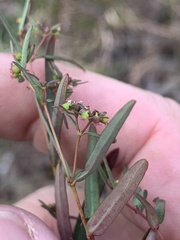


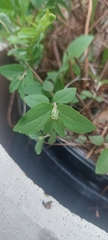
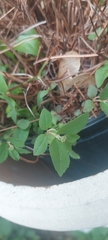
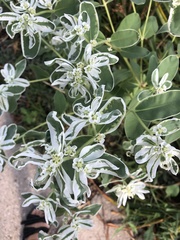
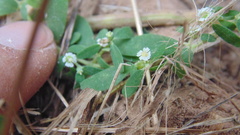
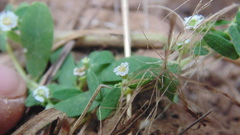
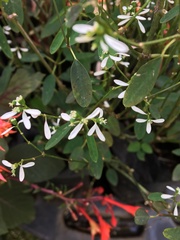
Parent Taxon
Sibling Taxa
- Athymalus
- Chamaesyce
- Esula
- Euphorbia
- Euphorbia alsiniflora
- Euphorbia antonii
- Euphorbia apocynoides
- Euphorbia asclepiadea
- Euphorbia baga
- Euphorbia balbisii
- Euphorbia balfourii
- Euphorbia belgradica
- Euphorbia bokorensis
- Euphorbia bottae
- Euphorbia brownii
- Euphorbia budensis
- Euphorbia burgeri
- Euphorbia burmanni
- Euphorbia cameronii
- Euphorbia capansa
- Euphorbia carinifolia
- Euphorbia charleswilsoniana
- Euphorbia chiogenes
- Euphorbia commersonii
- Euphorbia consoquitlae
- Euphorbia cordatella
- Euphorbia crassinodis
- Euphorbia cruentata
- Euphorbia culminicola
- Euphorbia damasoi
- Euphorbia digestiva
- Euphorbia dilobadena
- Euphorbia diuretica
- Euphorbia elymaitica
- Euphorbia emetica
- Euphorbia eranthes
- Euphorbia erythrocephala
- Euphorbia excisa
- Euphorbia filicaulis
- Euphorbia fimbrilligera
- Euphorbia fleckii
- Euphorbia forskaolii
- Euphorbia fuscolanata
- Euphorbia garkeana
- Euphorbia gaubae
- Euphorbia gedrosiaca
- Euphorbia gorenflotii
- Euphorbia grandilobata
- Euphorbia grisea
- Euphorbia guineensis
- Euphorbia gulestanica
- Euphorbia gundlachii
- Euphorbia gypsicola
- Euphorbia hainanensis
- Euphorbia hararensis
- Euphorbia heraldiana
- Euphorbia herteri
- Euphorbia hockii
- Euphorbia hondurana
- Euphorbia huttoniae
- Euphorbia iloitaii
- Euphorbia ingezalahiana
- Euphorbia jablonskiana
- Euphorbia josei
- Euphorbia jubaeaphylla
- Euphorbia juvoklanti
- Euphorbia kalbaensis
- Euphorbia kopetdaghi
- Euphorbia laevigata
- Euphorbia larranagae
- Euphorbia latericolor
- Euphorbia limaensis
- Euphorbia linearibracteata
- Euphorbia lingiana
- Euphorbia lioui
- Euphorbia lorentzii
- Euphorbia lucii-smithii
- Euphorbia macinensis
- Euphorbia macroglypha
- Euphorbia malleata
- Euphorbia malurensis
- Euphorbia marreroi
- Euphorbia microsciadia
- Euphorbia mtolohensis
- Euphorbia musilii
- Euphorbia navae
- Euphorbia nudicaulis
- Euphorbia nyaradyana
- Euphorbia officinalis
- Euphorbia orphanidis
- Euphorbia oryctis
- Euphorbia osyridiformis
- Euphorbia panjutinii
- Euphorbia pantomalaca
- Euphorbia paradoxa
- Euphorbia parifolia
- Euphorbia parodii
- Euphorbia perfoliata
- Euphorbia pestalozzae
- Euphorbia petterssonii
- Euphorbia pisidica
- Euphorbia plebeia
- Euphorbia psammophila
- Euphorbia pseudovillosa
- Euphorbia pubicaulis
- Euphorbia pubiglans
- Euphorbia randrianijohanyi
- Euphorbia repanda
- Euphorbia rohlenae
- Euphorbia roschanica
- Euphorbia rothrockii
- Euphorbia sahendi
- Euphorbia sanctae-catharinae
- Euphorbia saxicola
- Euphorbia scordifolia
- Euphorbia senilis
- Euphorbia sepium
- Euphorbia sessei
- Euphorbia souliei
- Euphorbia spartiformis
- Euphorbia stenocalli
- Euphorbia submamillaris
- Euphorbia tarokoensis
- Euphorbia tavoyensis
- Euphorbia teheranica
- Euphorbia tessmannii
- Euphorbia tongchuanensis
- Euphorbia trichocardia
- Euphorbia triphylla
- Euphorbia uniflora
- Euphorbia urceolophora
- Euphorbia varians
- Euphorbia viatilis
- Euphorbia yanjinensis
- Euphorbia yemenica
- Euphorbia zeylana