Clerodendrum: taxon details and analytics
- Domain
- Kingdom
- Plantae
- Phylum
- Tracheophyta
- Class
- Magnoliopsida
- Order
- Lamiales
- Family
- Lamiaceae
- Genus
- Clerodendrum
- Species
- Scientific Name
- Clerodendrum
Summary description from Wikipedia:
Clerodendrum
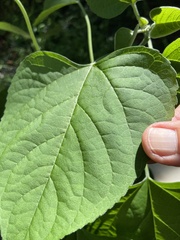
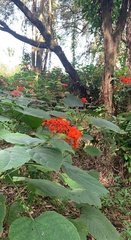
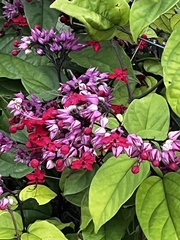
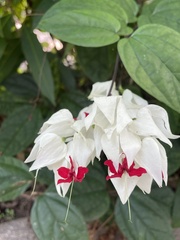
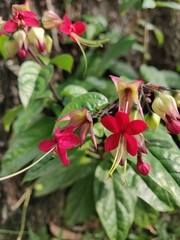
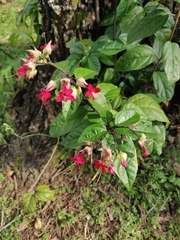
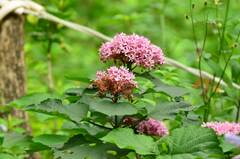
Clerodendrum is a genus of flowering plants formerly placed in the family Verbenaceae, but now considered to belong to the Lamiaceae (mint) family. Its common names include glorybower, bagflower, pagoda flower and bleeding-heart. It is currently classified in the subfamily Ajugoideae, being one of several genera transferred from Verbenaceae to Lamiaceae in the 1990s, based on phylogenetic analysis of morphological and molecular data.
Estimates of the number of species in Clerodendrum vary widely, from about 150 to about 450. This is partly because about 30 species have been transferred to Rotheca, about 30 more to Volkameria, and 1 to Ovieda. The type species for the genus is Clerodendrum infortunatum. It is native to Sri Lanka and the Andaman Islands.
The genus is native to tropical and warm temperate regions of the world, with most of the species occurring in tropical Africa and southern Asia, but with a few in the tropical Americas and northern Australasia, and a few extending north into the temperate zone in eastern Asia.
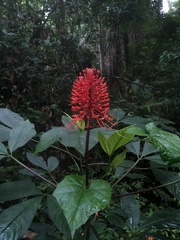
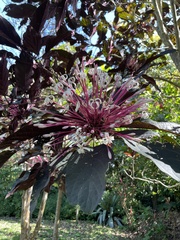
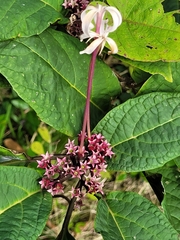
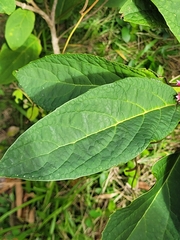
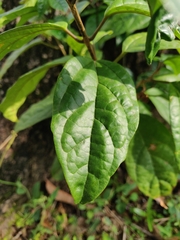
They are shrubs, lianas, and small trees, usually growing to 1–12 m (3 ft 3 in – 39 ft 4 in) tall, with opposite or whorled leaves. C. floribundum can grow to 30 m (98 ft) tall. Clerodendrum fistulosum and Clerodendrum myrmecophila have hollow stems that are inhabited by ants. Clerodendrum trichotomum is a common ornamental in warmer parts of the world. Eight other species are also grown in the tropics for their abundant and attractive flowers. One of these, Clerodendrum macrostegium, suckers abundantly from the roots, often producing a thicket within a few years.
The following species are cultivated in the UK:
- C. chinense
- C. splendens
- C. thomsoniae
- C. trichotomum
Clerodendrum species are used as food plants by the larvae of some Lepidoptera species including Endoclita malabaricus and Endoclita sericeus. Both butterflies and hummingbirds are often attracted to blooming clerodendrum.
...Clerodendrum in languages:
- Chinese
- 大青屬
- Czech
- blahokeř
- English
- Clerodendrums
- English
- Glorybowers
- Finnish
- kohtalonpensaat
- German
- Losbäume
- Japanese
- クサギ属
- Korean
- 누리장나무속
- Polish
- Klerodendron
- Polish
- Szczęślin
- Thai
- นางแย้ม นมสวรรค์ ฯลฯ
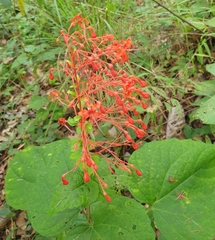
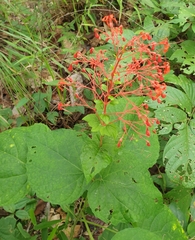
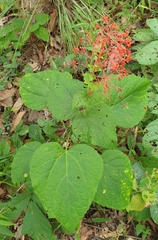
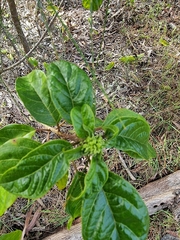
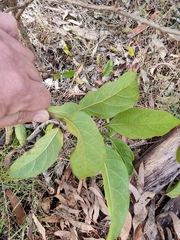
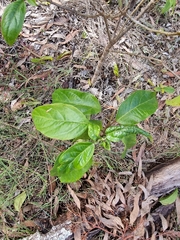
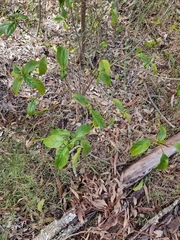
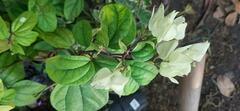
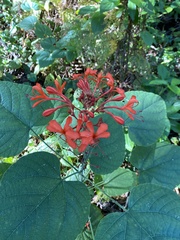
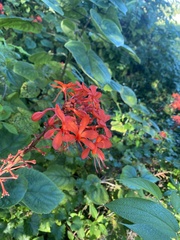
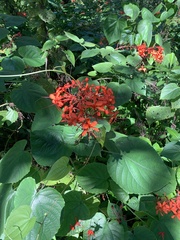
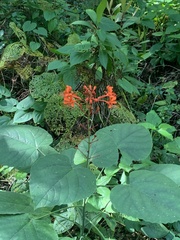
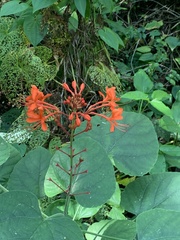
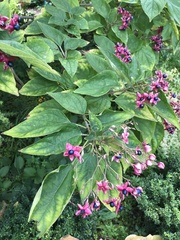
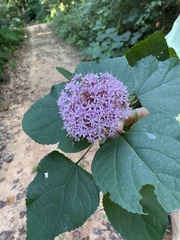
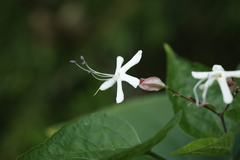
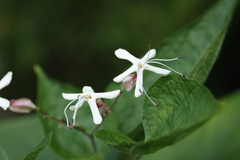
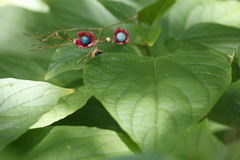
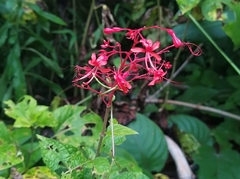
Images from inaturalist.org observations:
We recommend you sign up for this excellent, free service.
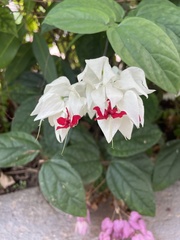
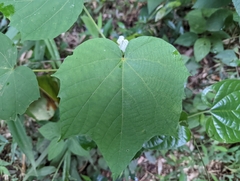
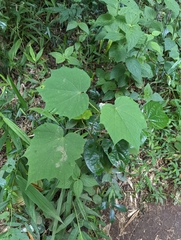
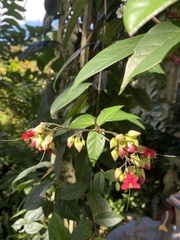
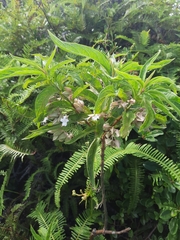
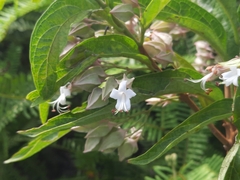
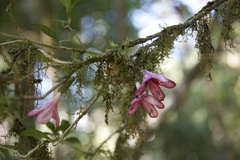
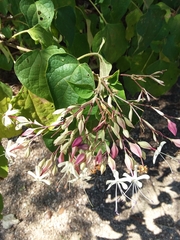
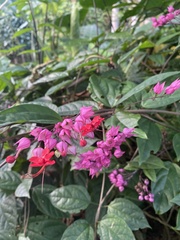
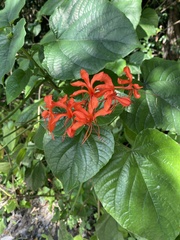
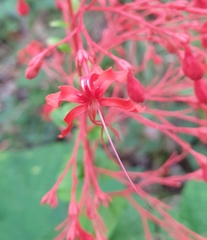
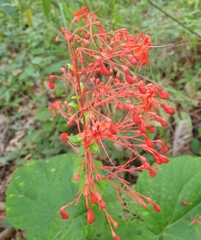
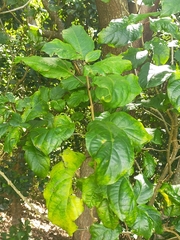
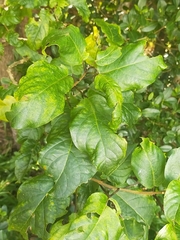
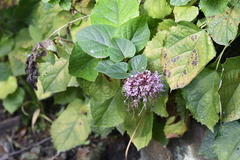
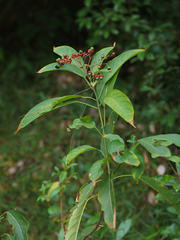
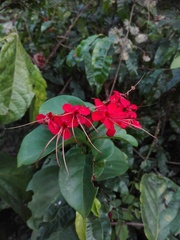
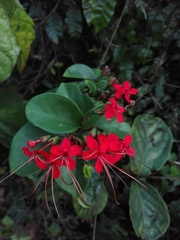
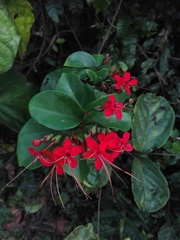
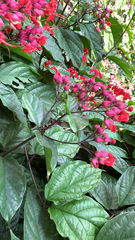
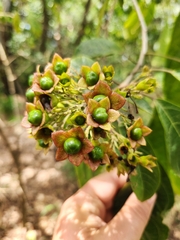
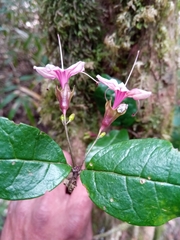
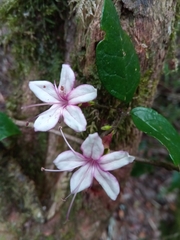
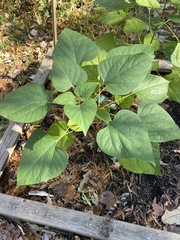
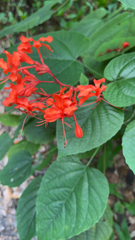
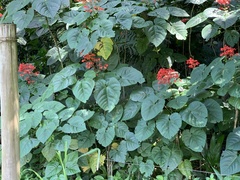
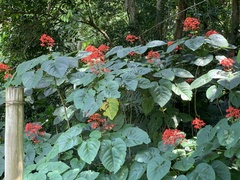
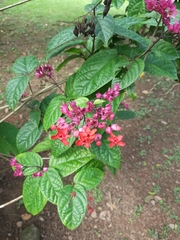
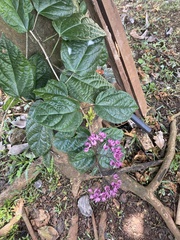
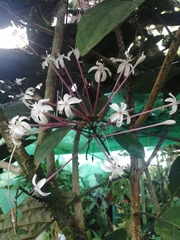
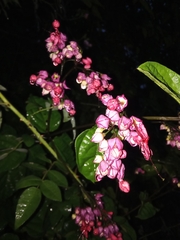
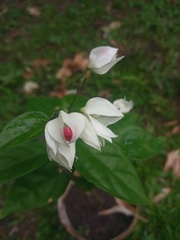
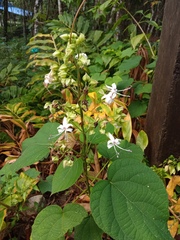
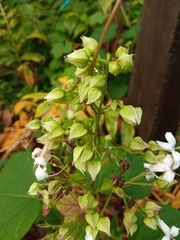
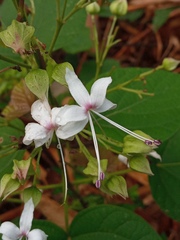
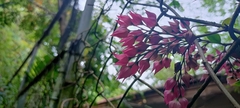
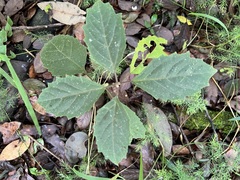
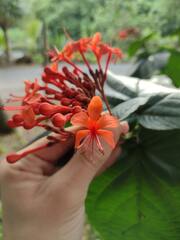
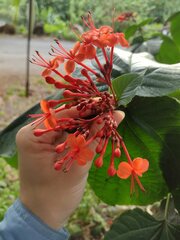
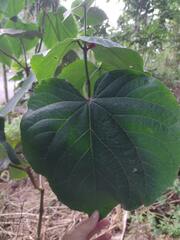
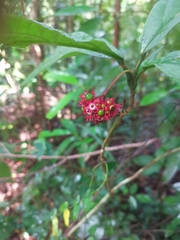
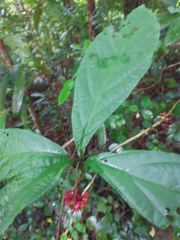
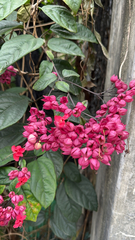
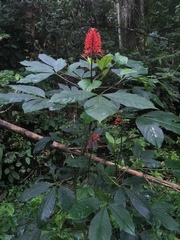
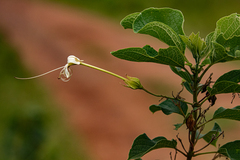
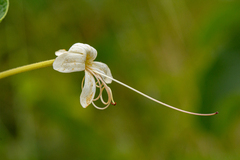
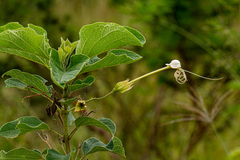
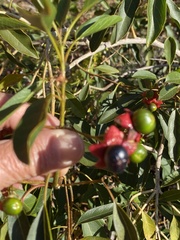
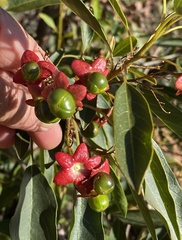
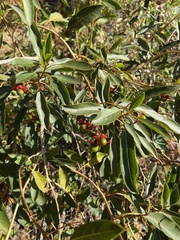
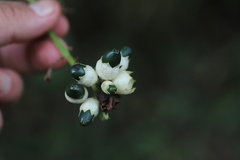
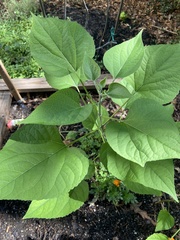
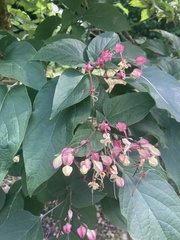
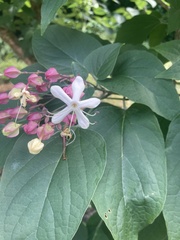
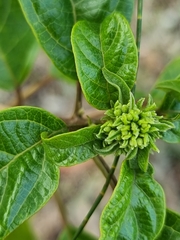
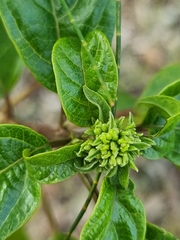
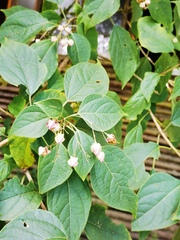
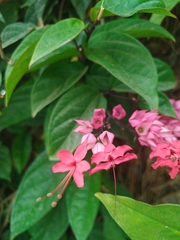
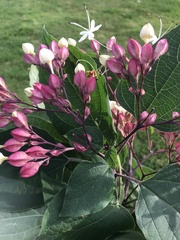
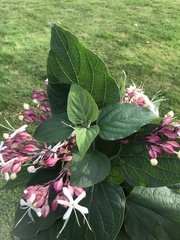
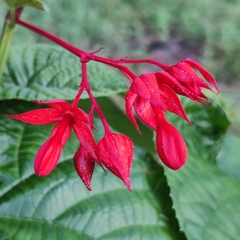
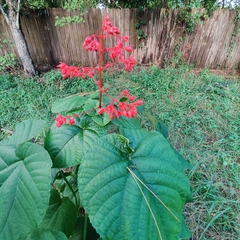
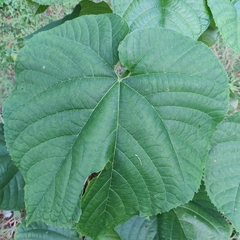
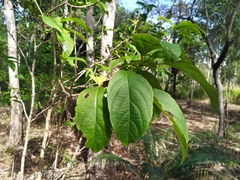
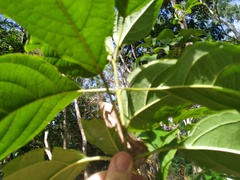
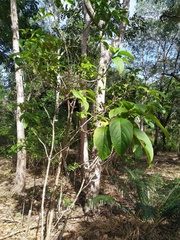
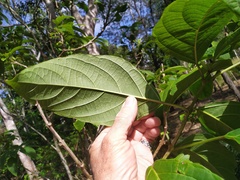
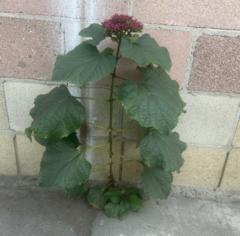
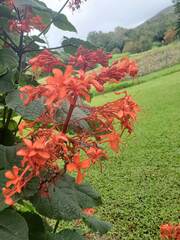
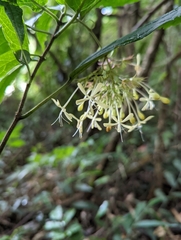
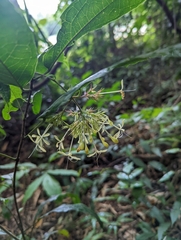
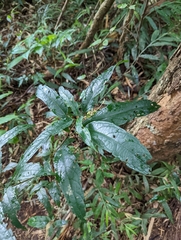
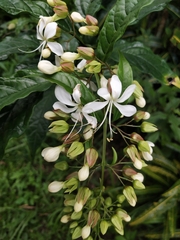
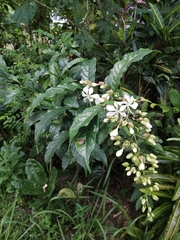
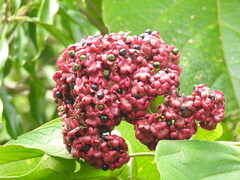
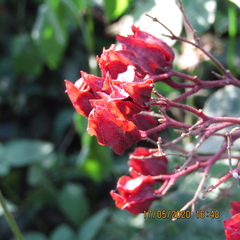
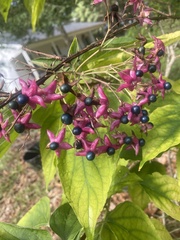
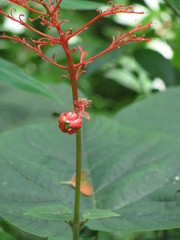
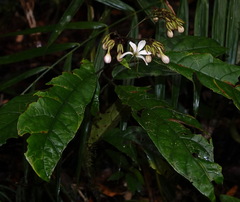
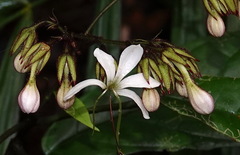
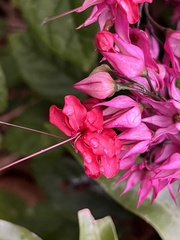
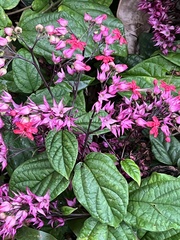
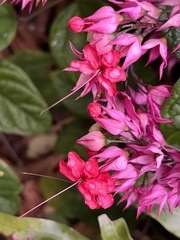
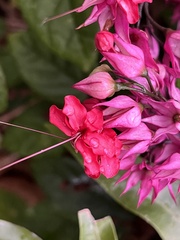
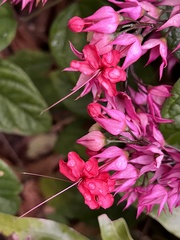
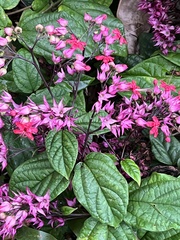
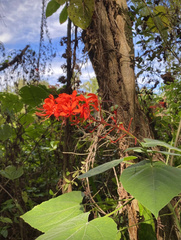
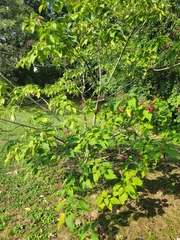
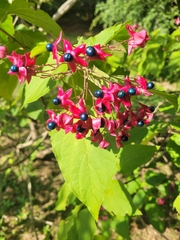
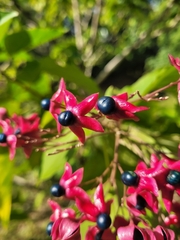
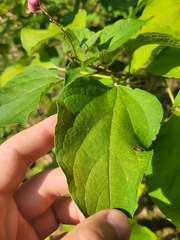
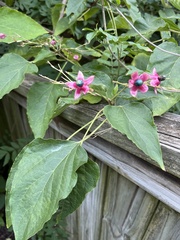
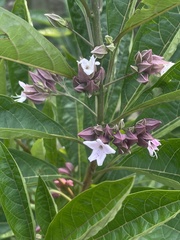
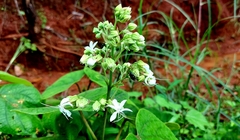
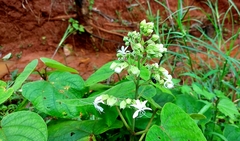
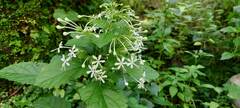
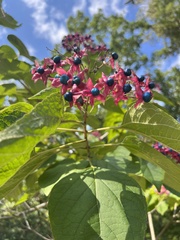
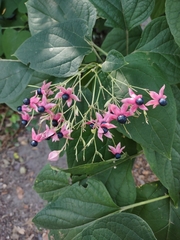
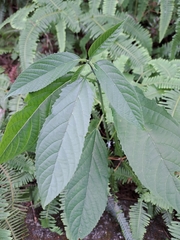
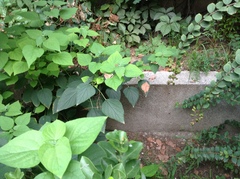
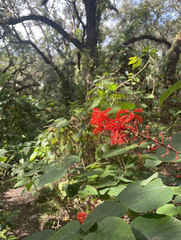
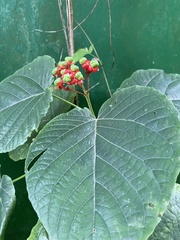
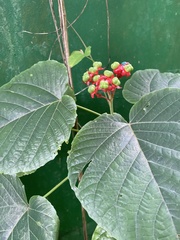
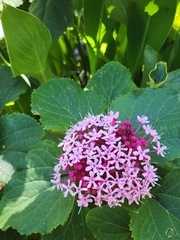
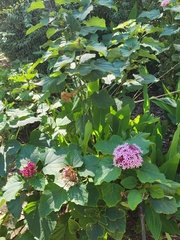
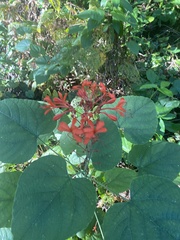

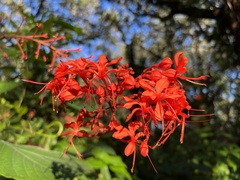
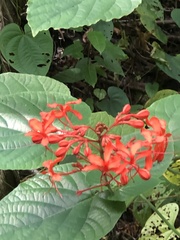
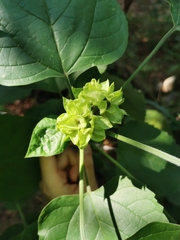
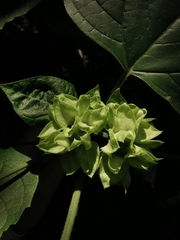
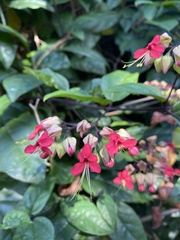
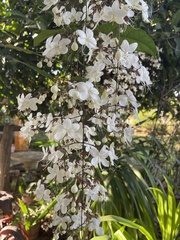
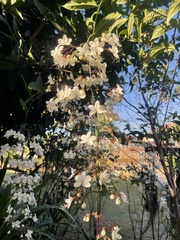
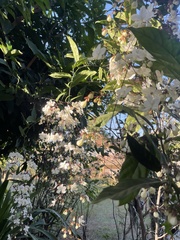
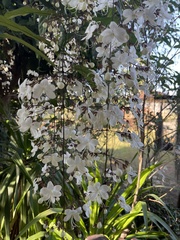
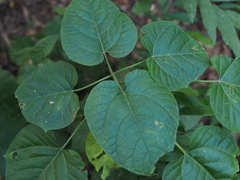
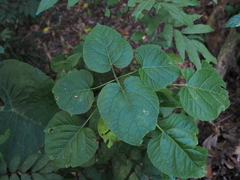
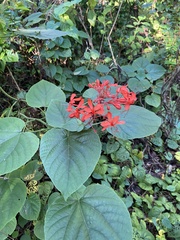
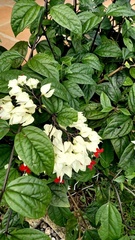
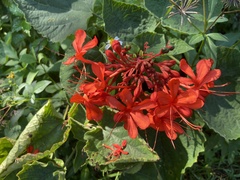
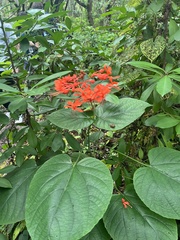
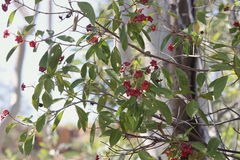
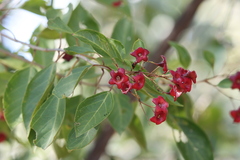
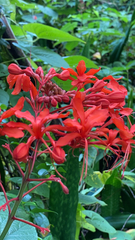
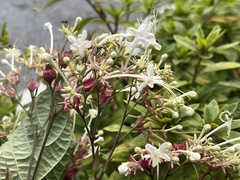
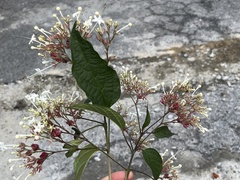
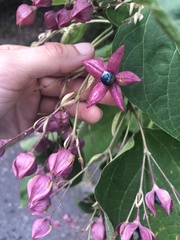
Parent Taxon
Sibling Taxa
Child Taxa
- Clerodendrum africanum
- Clerodendrum anomalum
- Clerodendrum arenarium
- Clerodendrum aucubifolium
- Clerodendrum bosseri
- Clerodendrum brachyanthum
- Clerodendrum buchananii
- Clerodendrum buchneri
- Clerodendrum bungei
- Clerodendrum calamitosum
- Clerodendrum canescens
- Clerodendrum capitatum
- Clerodendrum chartaceum
- Clerodendrum chinense
- Clerodendrum colebrookianum
- Clerodendrum cordatum
- Clerodendrum costatum
- Clerodendrum cuspidatum
- Clerodendrum cyrtophyllum
- Clerodendrum decaryi
- Clerodendrum deflexum
- Clerodendrum denticulatum
- Clerodendrum disparifolium
- Clerodendrum dusenii
- Clerodendrum eucalycinum
- Clerodendrum filipes
- Clerodendrum fistulosum
- Clerodendrum floribundum
- Clerodendrum formicarum
- Clerodendrum fortunatum
- Clerodendrum fuscum
- Clerodendrum galeatum
- Clerodendrum garrettianum
- Clerodendrum glandulosum
- Clerodendrum grayi
- Clerodendrum griffithianum
- Clerodendrum hainanense
- Clerodendrum indicum
- Clerodendrum infortunatum
- Clerodendrum intermedium
- Clerodendrum involucratum
- Clerodendrum japonicum
- Clerodendrum johnstonii
- Clerodendrum kamhyoae
- Clerodendrum kauderni
- Clerodendrum laevifolium
- Clerodendrum lanuginosum
- Clerodendrum leucophloeum
- Clerodendrum lindleyi
- Clerodendrum longiflorum
- Clerodendrum lutambense
- Clerodendrum macrocalycinum
- Clerodendrum macrostegium
- Clerodendrum madagascariense
- Clerodendrum magnoliifolium
- Clerodendrum mandarinorum
- Clerodendrum micans
- Clerodendrum minahassae
- Clerodendrum mindorense
- Clerodendrum nutans
- Clerodendrum ohwii
- Clerodendrum palmatolobatum
- Clerodendrum paniculatum
- Clerodendrum parvulum
- Clerodendrum peninsulare
- Clerodendrum phlomidis
- Clerodendrum phyllomega
- Clerodendrum pleiosciadium
- Clerodendrum polycephalum
- Clerodendrum pusillum
- Clerodendrum putre
- Clerodendrum quadriloculare
- Clerodendrum robustum
- Clerodendrum rotundifolium
- Clerodendrum rubellum
- Clerodendrum sarawakanum
- Clerodendrum schmidtii
- Clerodendrum schweinfurthii
- Clerodendrum silvanum
- Clerodendrum sinuatum
- Clerodendrum smitinandii
- Clerodendrum speciosissimum
- Clerodendrum splendens
- Clerodendrum sylvae
- Clerodendrum tanganyikense
- Clerodendrum tatei
- Clerodendrum ternatum
- Clerodendrum thomsoniae
- Clerodendrum thyrsoideum
- Clerodendrum tomentosum
- Clerodendrum tonkinense
- Clerodendrum toxicarium
- Clerodendrum tracyanum
- Clerodendrum trichotomum
- Clerodendrum tubulosum
- Clerodendrum umbellatum
- Clerodendrum villosum
- Clerodendrum volubile
- Clerodendrum williamsii
- Clerodendrum yunnanense
- Clerodendrum × speciosum
Top Observation Places
- Xiamen
- Melbourne
- Bangkok
- Kissimmee
- Tainan
- Alhambra
- Monterey Park
- Payyannūr
- London
- Jacksonville
- Jardim Paulista
- Homestead
- Seattle
- Coatepec
- Brasília
- David
- Medellín
- Brookline
- Taichung
- Sandy Springs
- Brookhaven
- New York City
- Chinatown
- East Village
- Financial District
- Honolulu
- Gainesville
- Queenstown Estate
- West Palm Beach
- Boynton Beach
- Jupiter
- Wellington
- Palm Beach Gardens
- Portland
- Taipei
- Neihu
- Xizhi
- Fort Lauderdale
- Coral Springs
- Pompano Beach
- Davie
- Boca Raton
- Plantation
- Sunrise
- Deerfield Beach
- Lauderhill
- Tamarac
- Coconut Creek
- Margate
- Hong Kong