Cnidoscolus texanus: taxon details and analytics
- Domain
- Kingdom
- Plantae
- Phylum
- Tracheophyta
- Class
- Magnoliopsida
- Order
- Malpighiales
- Family
- Euphorbiaceae
- Genus
- Cnidoscolus
- Species
- Cnidoscolus texanus
- Scientific Name
- Cnidoscolus texanus
Summary description from Wikipedia:
Cnidoscolus texanus
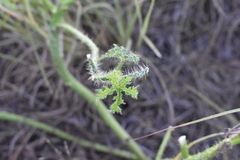
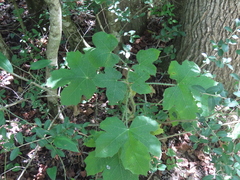
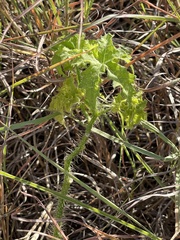
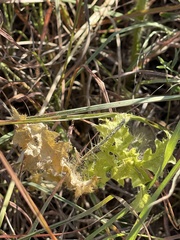
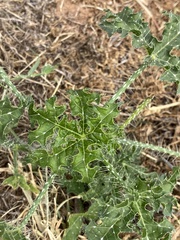
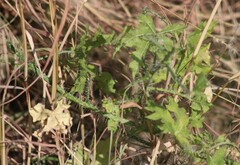
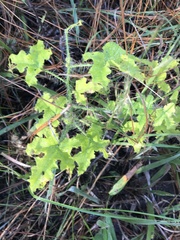
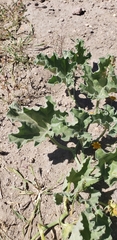
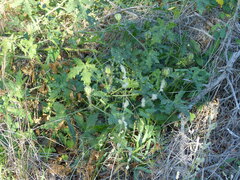
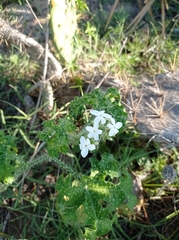
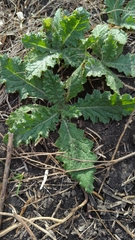
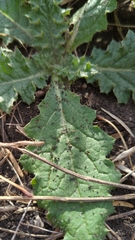
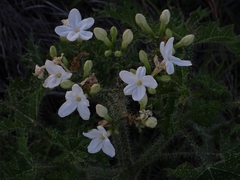
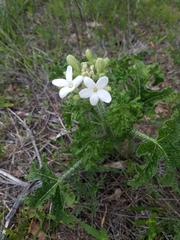
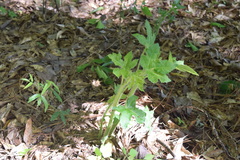
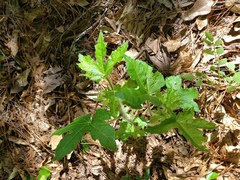
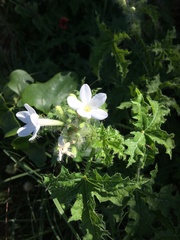
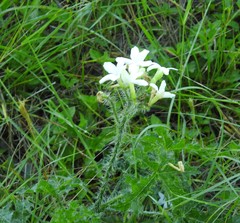
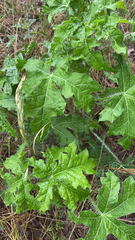
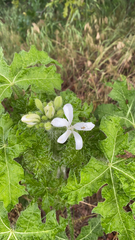
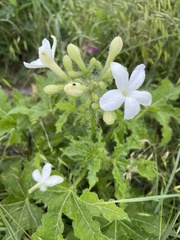
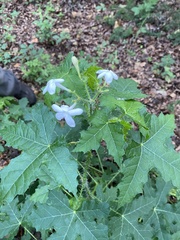
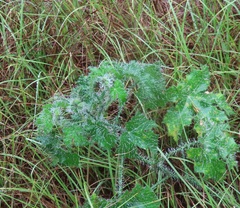
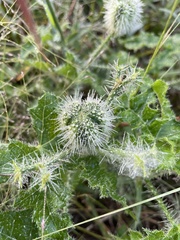
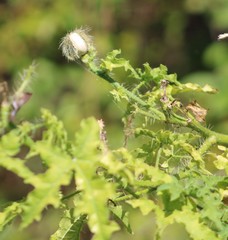
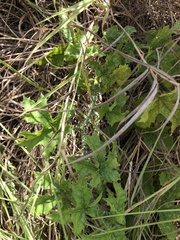
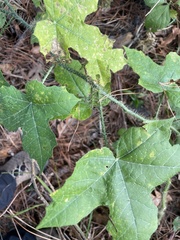
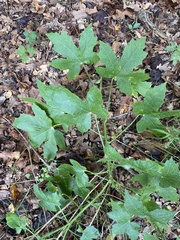
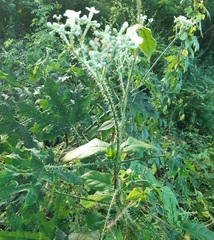
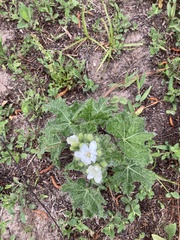
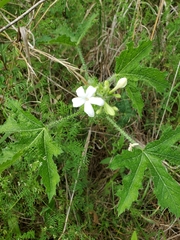
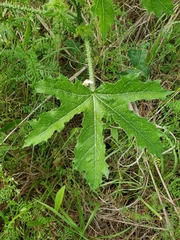
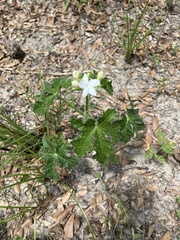
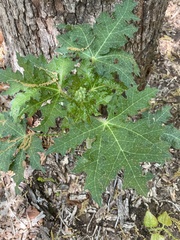
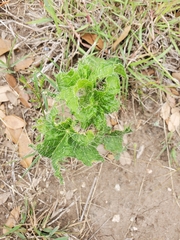
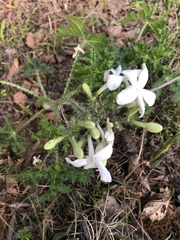
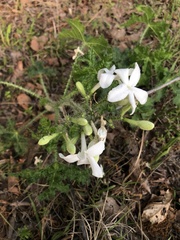
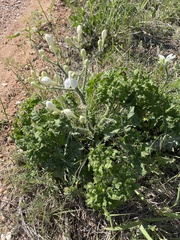
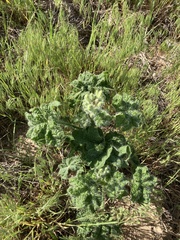
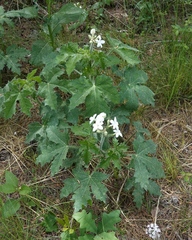
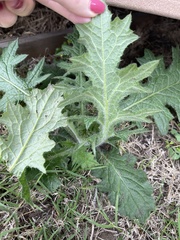
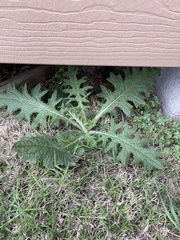
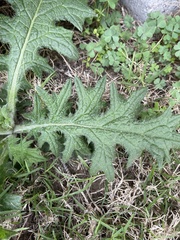
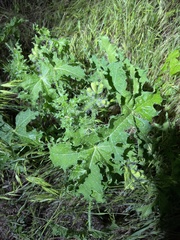
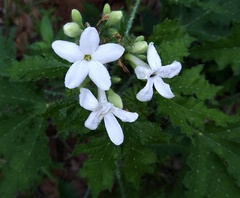
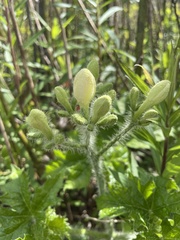
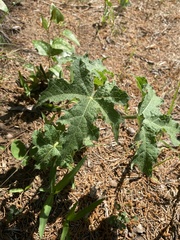
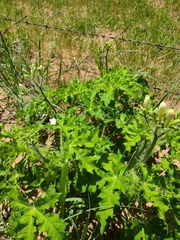
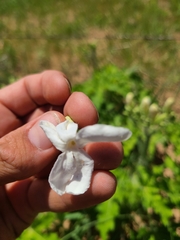
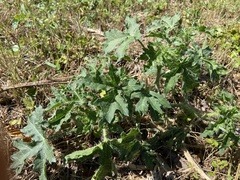
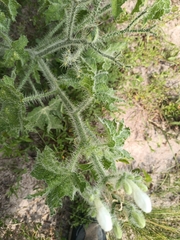
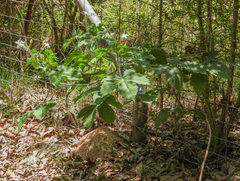
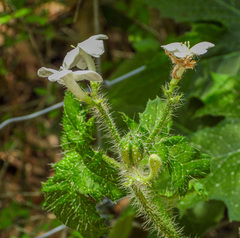
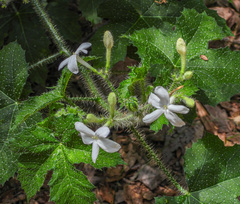
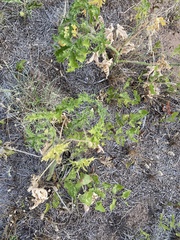
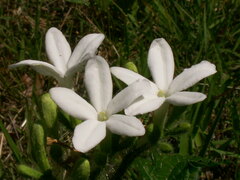
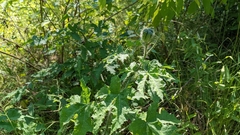
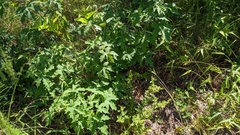
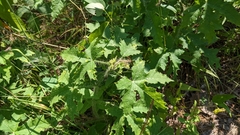
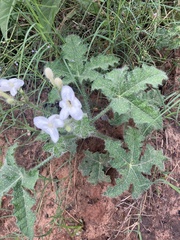
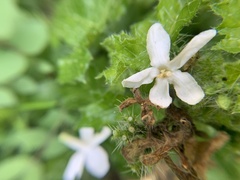
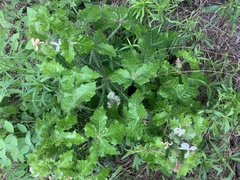
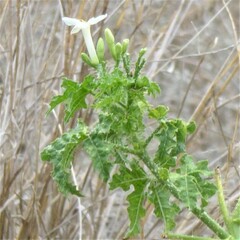
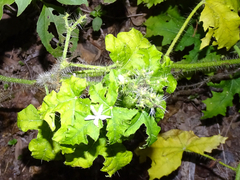
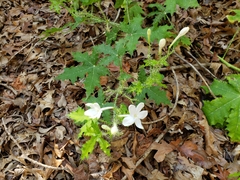
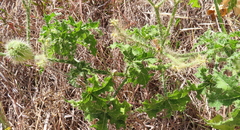
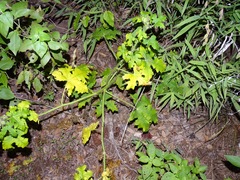
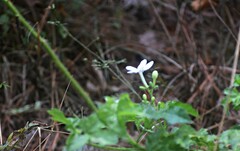
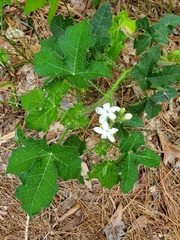
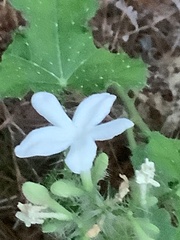
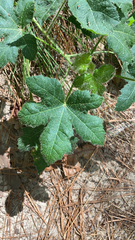
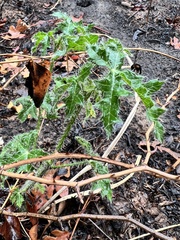
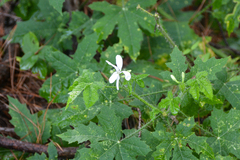
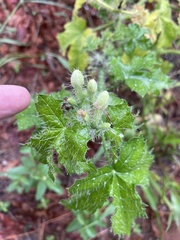
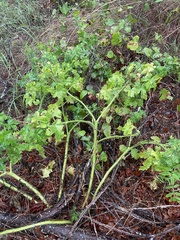
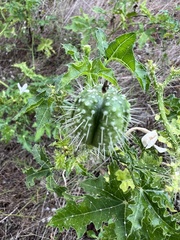
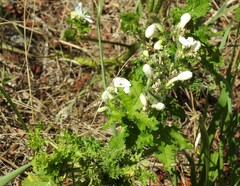
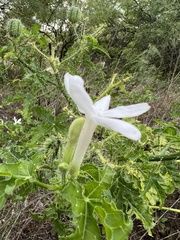
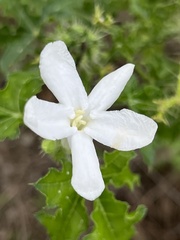
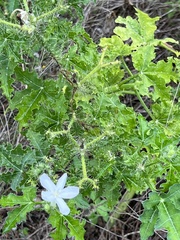
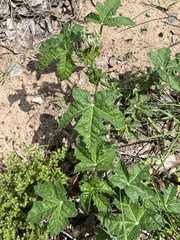
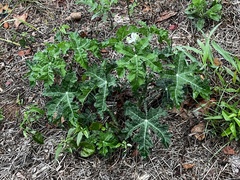
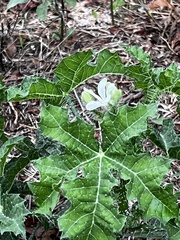
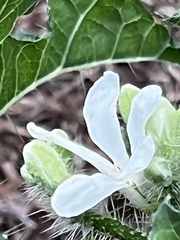
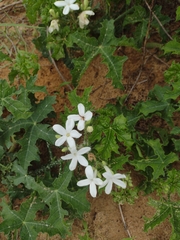
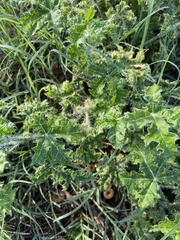
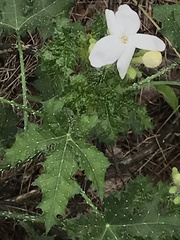
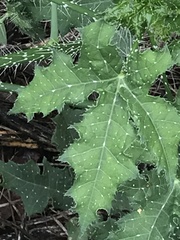
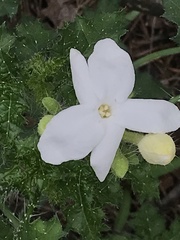
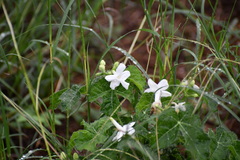
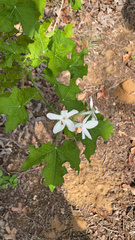
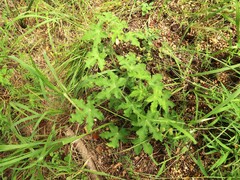
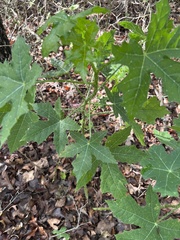
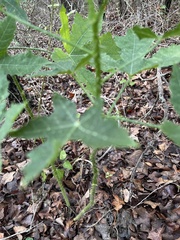
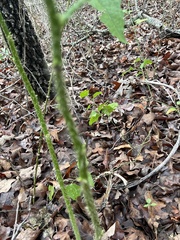
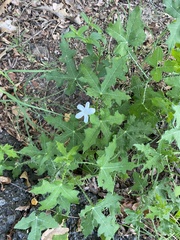
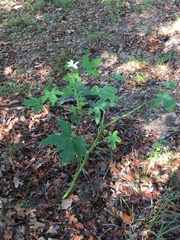
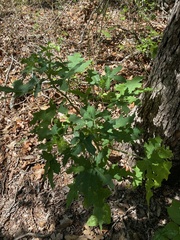
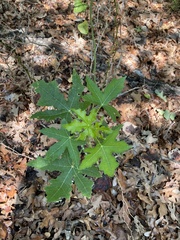
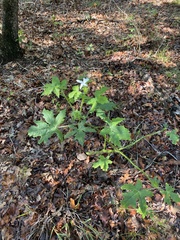
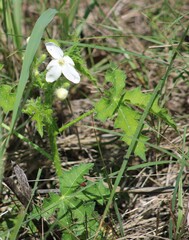
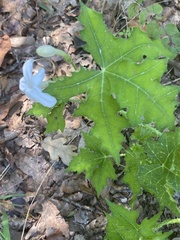
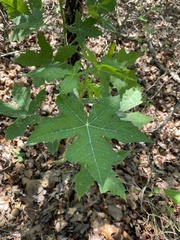
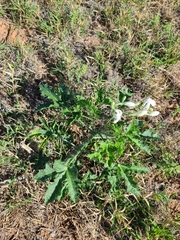
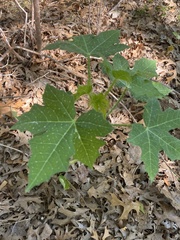
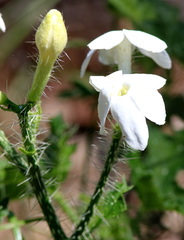
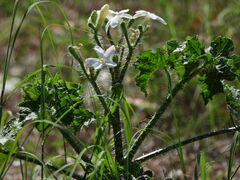
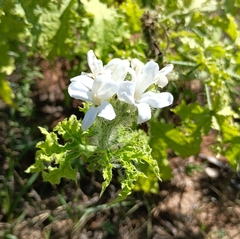
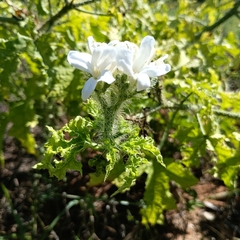
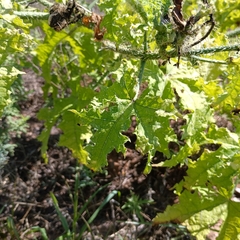
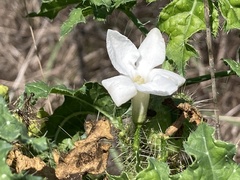
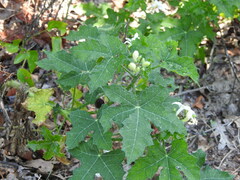
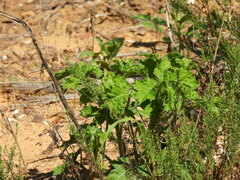
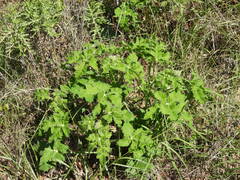
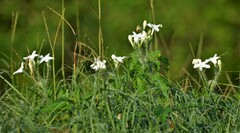
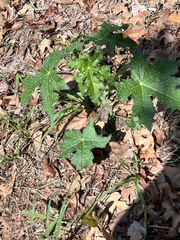
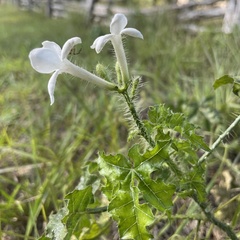
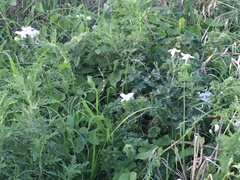
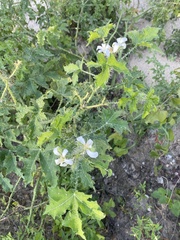
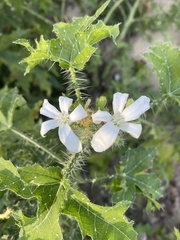
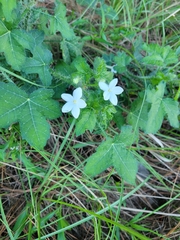
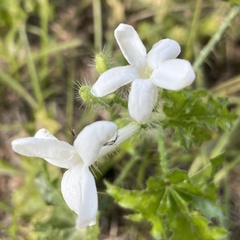
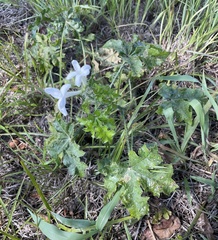
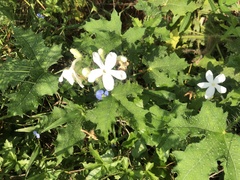
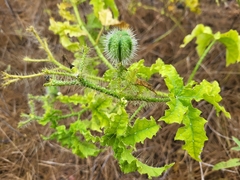
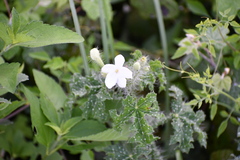
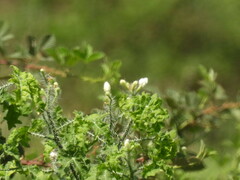
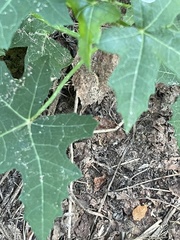
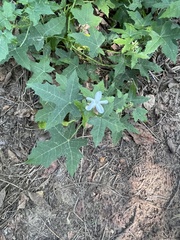
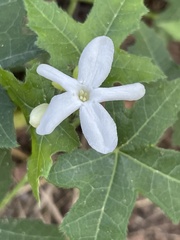
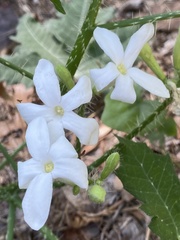
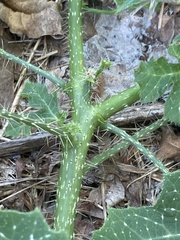
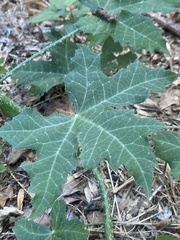
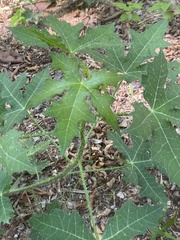
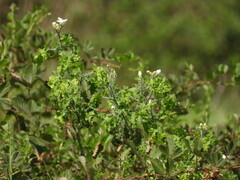
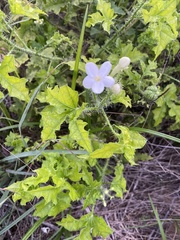
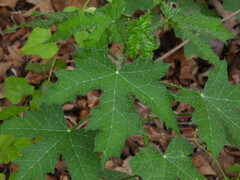
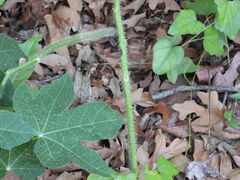
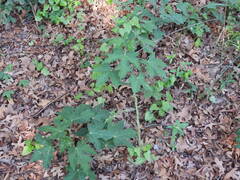
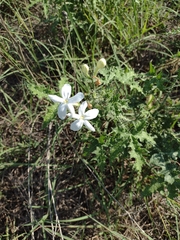
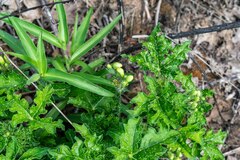
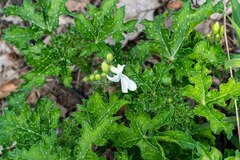
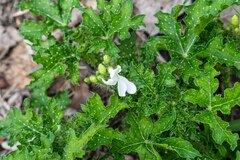
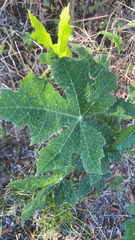
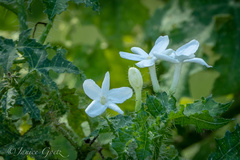
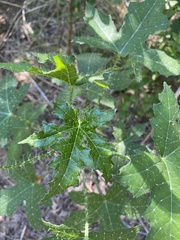
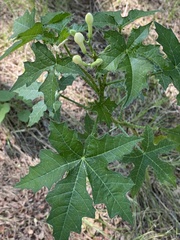
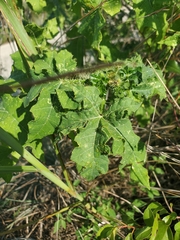
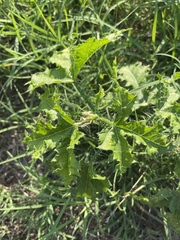
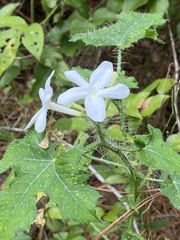
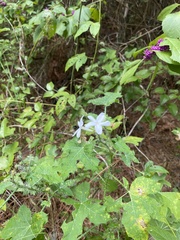
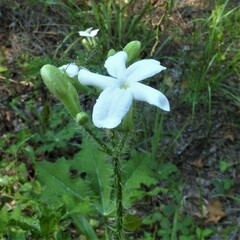
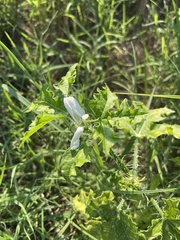
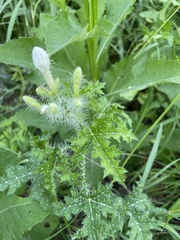
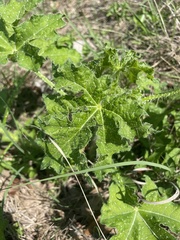
Cnidoscolus texanus, commonly known as Texas bullnettle (also Texas bull nettle and Texas bull-nettle), tread-softly, mala mujer, and finger rot, is a perennial herb covered with stinging hairs. The main stem, branches, leaves, and seed pods are all covered with hispid or glass-like bristly hairs that release an allergenic toxin upon contact. Contact with the plant results in intense pain: stinging, burning, and itching lasting for hours. It is native to the U.S. states of Texas, Arkansas, Kansas, Louisiana, and Oklahoma and also native to the northeastern state of Tamaulipas, Mexico. It is a herbaceous flowering plant that grows between 30–80 cm (11.8–31.5 in) tall and as much as 1 m (3.3 ft) across. Texas bullnettle (Cnidoscolus texanus) has showy, fragrant white flowers that can bloom throughout the year in southern regions of its distribution, predominantly March to November in northern regions. It is a drought-tolerant plant, therefore making it a superb choice for xeriscaping. This plant is attractive to birds, bees, butterflies, and other insects. The seeds are known to be consumed by Rio Grande wild turkeys (Meleagris gallopavo intermedia) and mourning doves (Zenaida macroura).
The seeds, which are edible when ripe, are also consumed by humans. Indigenous Peoples harvested bullnettle seeds in the past, and some people still eat them today. Each seed pod contains three seeds, which are smooth, somewhat cylindrical, brownish white, and a half to three quarters of an inch long. When ripe, they are dispersed when the pod burst open, catapulting the seeds away from the plant. Great care and caution is advised in collecting the seeds. Tull suggested wearing long pants, long sleeves, boots, and gloves to pick the seed pods with a pair of tongs, then dropping them into a paper sack and waiting for the pods to ripen and burst in the sack to collect the seeds. They are said to be appetizing and tasty with a nutty flavor.
...Cnidoscolus texanus in languages:
- English
- Texas Bull Nettle
Images from inaturalist.org observations:
We recommend you sign up for this excellent, free service.
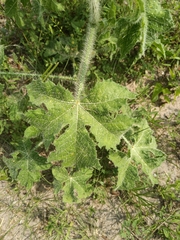
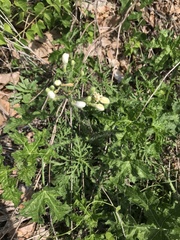
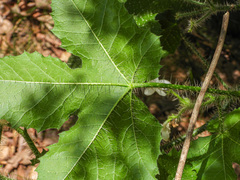
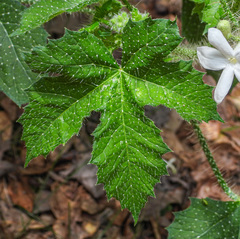
Parent Taxon
Sibling Taxa
- Cnidoscolus aconitifolius
- Cnidoscolus adenochlamys
- Cnidoscolus aequatoriensis
- Cnidoscolus albibracteatus
- Cnidoscolus albidus
- Cnidoscolus albomaculatus
- Cnidoscolus angustidens
- Cnidoscolus autlanensis
- Cnidoscolus bahianus
- Cnidoscolus basiacanthus
- Cnidoscolus bellator
- Cnidoscolus eglandulatus
- Cnidoscolus egregius
- Cnidoscolus elasticus
- Cnidoscolus fragrans
- Cnidoscolus froesii
- Cnidoscolus hamosus
- Cnidoscolus hypoleucus
- Cnidoscolus infernidialis
- Cnidoscolus liebmannii
- Cnidoscolus loasoides
- Cnidoscolus maculatus
- Cnidoscolus maracayensis
- Cnidoscolus matosii
- Cnidoscolus megacanthus
- Cnidoscolus monicanus
- Cnidoscolus multilobus
- Cnidoscolus oligandrus
- Cnidoscolus orientensis
- Cnidoscolus palmeri
- Cnidoscolus pavonianus
- Cnidoscolus pubescens
- Cnidoscolus quercifolius
- Cnidoscolus rangel
- Cnidoscolus rostratus
- Cnidoscolus rotundifolius
- Cnidoscolus rzedowskii
- Cnidoscolus sellowianus
- Cnidoscolus shrevei
- Cnidoscolus sinaloensis
- Cnidoscolus souzae
- Cnidoscolus spinosus
- Cnidoscolus stimulosus
- Cnidoscolus tehuacanensis
- Cnidoscolus tepiquensis
- Cnidoscolus texanus
- Cnidoscolus tubulosus
- Cnidoscolus urens
- Cnidoscolus urniger
- Cnidoscolus vitifolius