Dipsadinae: taxon details and analytics
- Domain
- Kingdom
- Animalia
- Phylum
- Chordata
- Class
- Reptilia
- Order
- Squamata
- Family
- Colubridae
- Genus
- Species
- Scientific Name
- Dipsadinae
Summary description from Wikipedia:
Dipsadinae
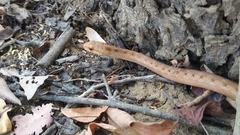
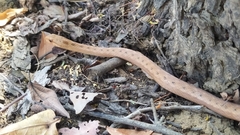
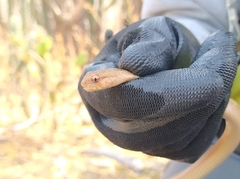
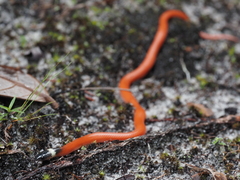
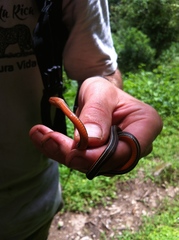
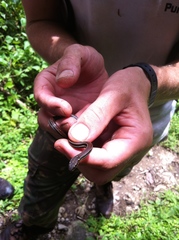
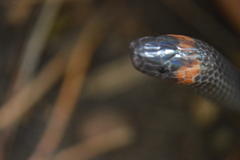
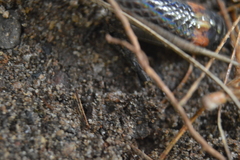
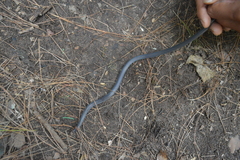
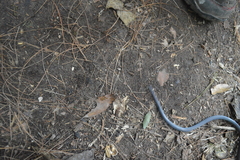
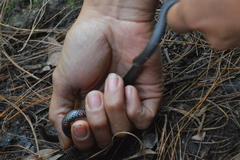
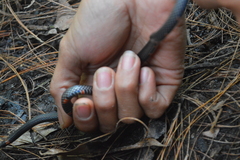
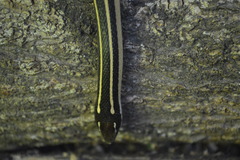
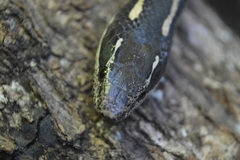
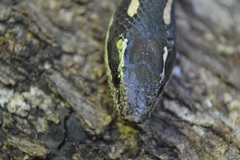
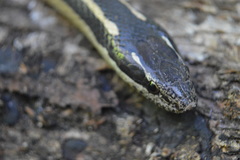
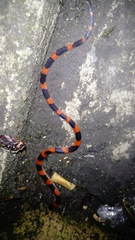
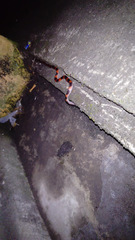
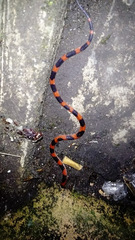
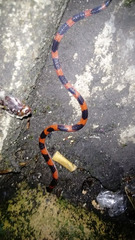
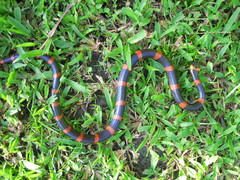
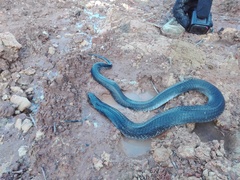
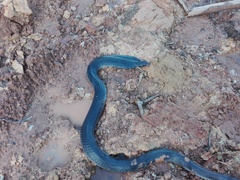
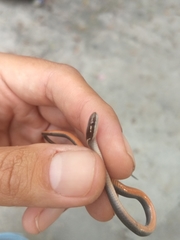
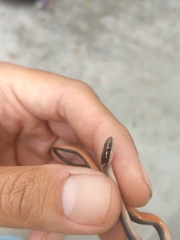
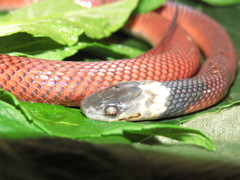
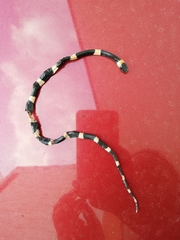
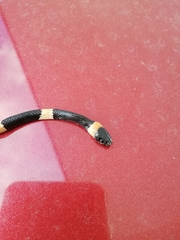
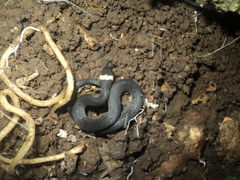
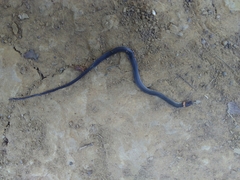
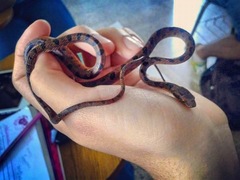
Dipsadinae is a large subfamily of colubroid snakes, sometimes referred to as a family (Dipsadidae). Species of the subfamily Dipsadinae are found in most of the Americas, including the West Indies, and are most diverse in South America. There are more than 700 member species.
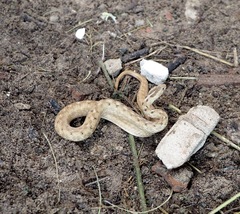
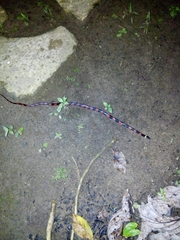
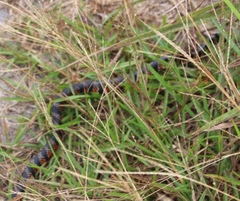
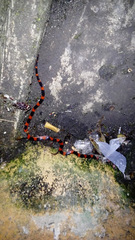
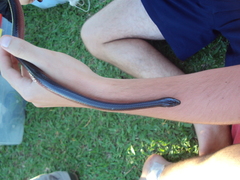
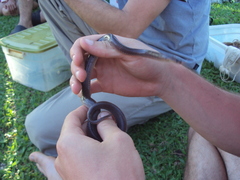
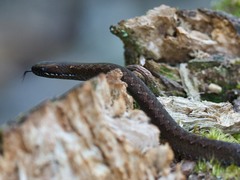
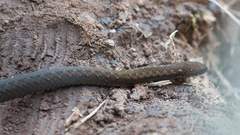
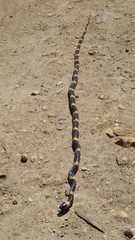
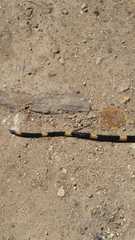
Dipsadinae are an ecologically and morphologically diverse group of mostly small to moderate-sized snakes, typically less than 80 cm (31 in) in total length. Some are arboreal, but others are aquatic or terrestrial and may even burrow. Most are oviparous. Many eat frogs or lizards, and some consume mammals and birds. Several genera (e.g. Adelphicos, Atractus, Geophis, Dipsas, Ninia, Sibon, Sibynomorphus, Tropidodipsas) are specialized feeders on gooey and slimy prey, such as frog eggs, earthworms, snails, and slugs. Many species have opisthoglyphous (rear-fanged) dentition. Almost all species are completely harmless to humans, although a few genera (e.g. Borikenophis, Cubophis, Heterodon, Hydrodynastes, Philodryas) have inflicted painful bites with local, non-life-threatening symptoms. However, the venom of one species, Tachymenis peruvianus, has caused human fatalities.
...Dipsadinae in languages:
- Danish
- Centralamerikanske xenodontine slanger
- English
- Dipsadine Snakes
- French
- Couresses, Atractes, Apostolépides et Apparentés
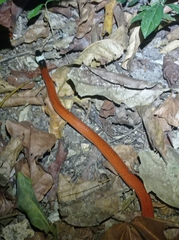
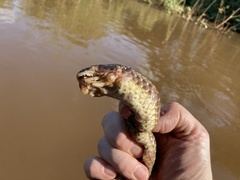
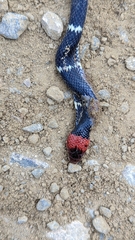
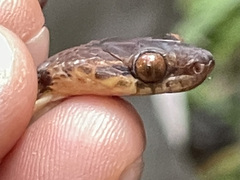
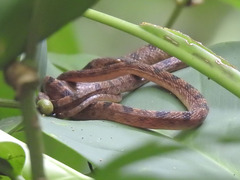
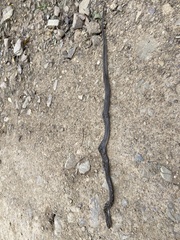
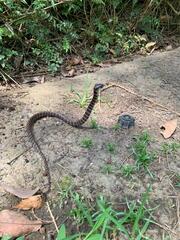
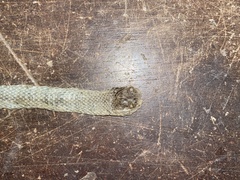
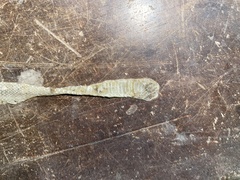
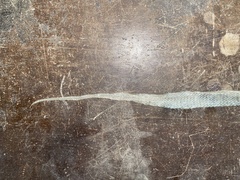
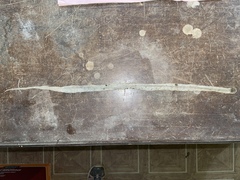
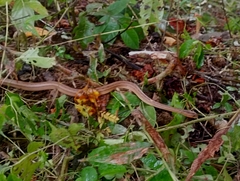
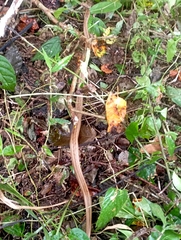
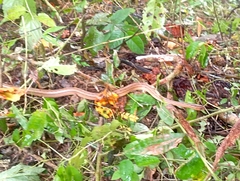
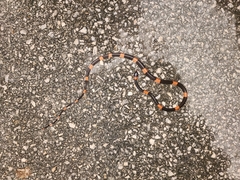
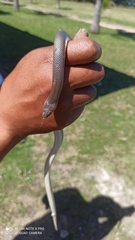
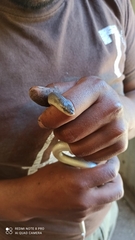
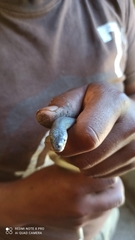
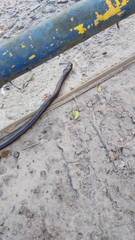
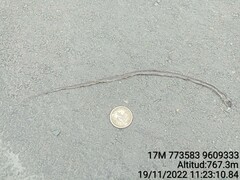
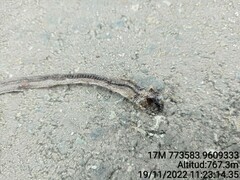
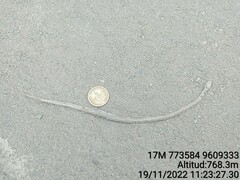
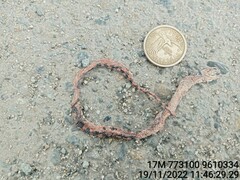
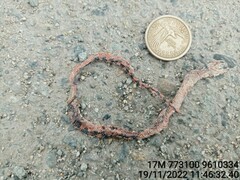
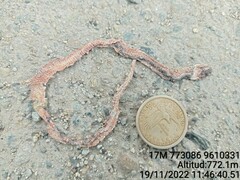
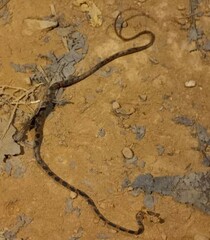
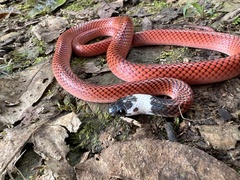
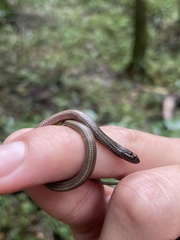
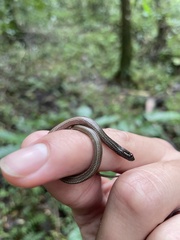
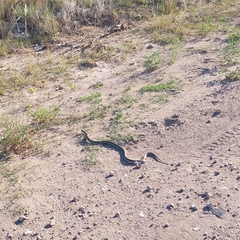
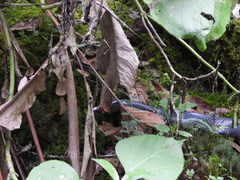
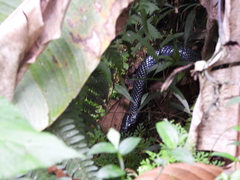
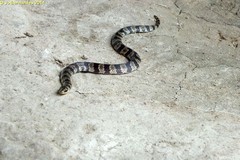
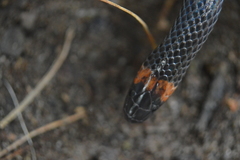
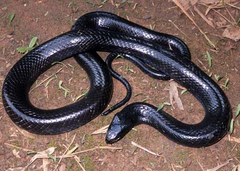
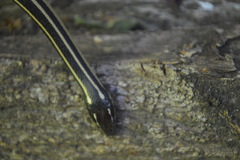
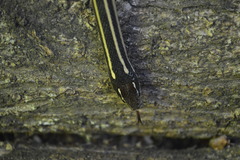
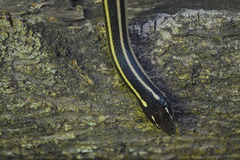
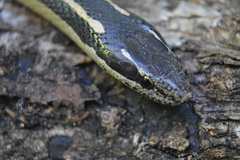
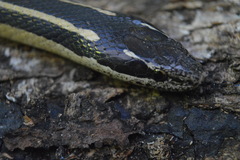
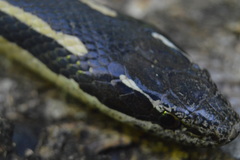
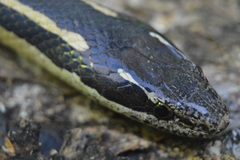
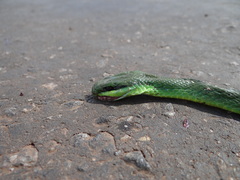
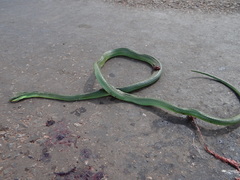
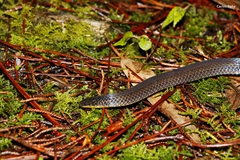
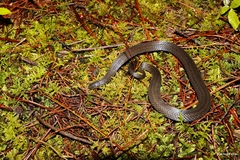
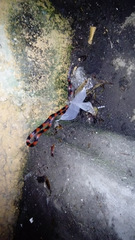
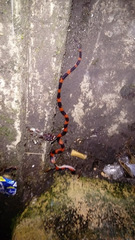
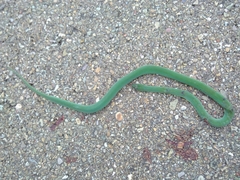
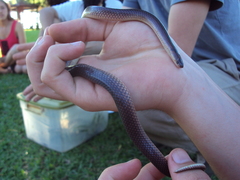
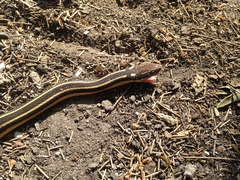
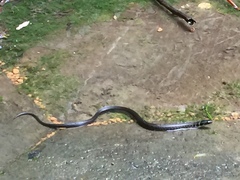
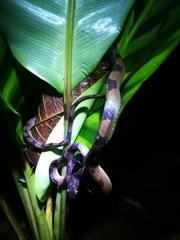
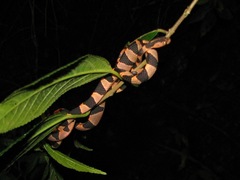
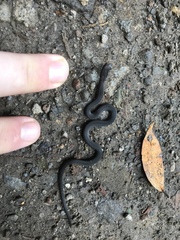
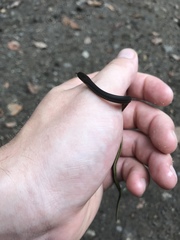
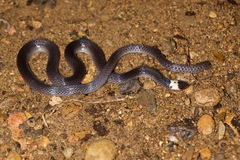
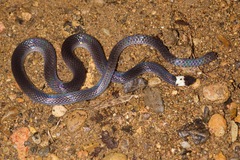
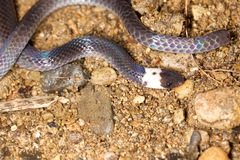
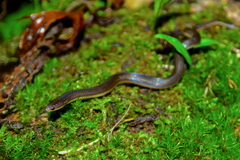
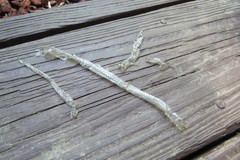
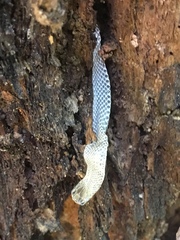
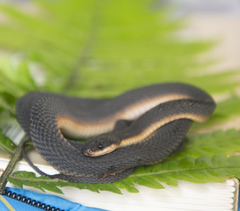
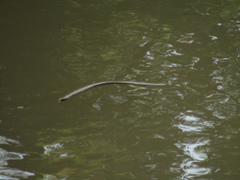
Images from inaturalist.org observations:
We recommend you sign up for this excellent, free service.
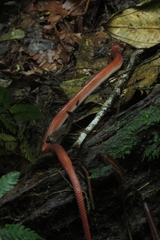
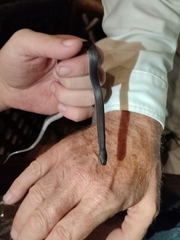
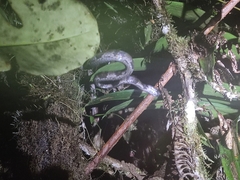
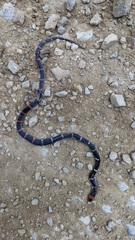
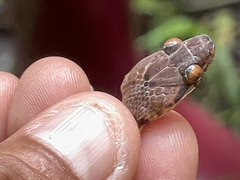
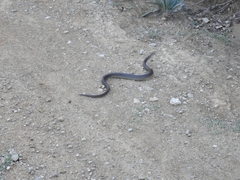
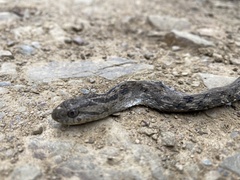
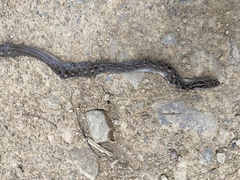
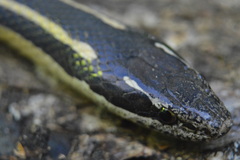
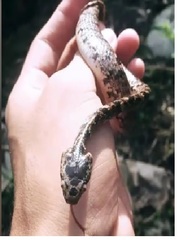
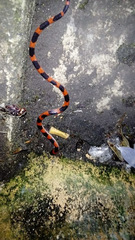
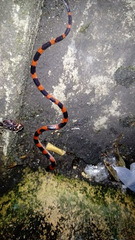

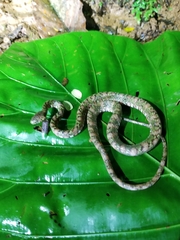
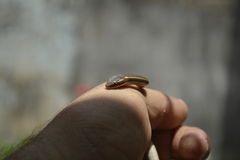
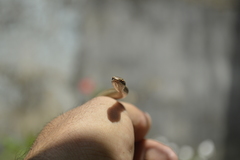
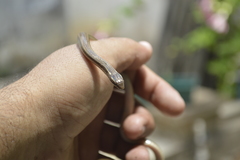
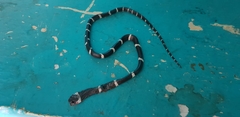
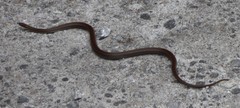
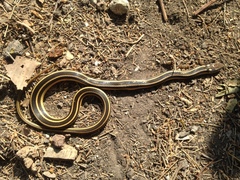
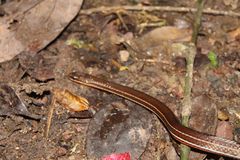
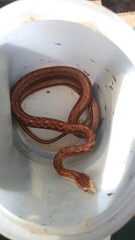
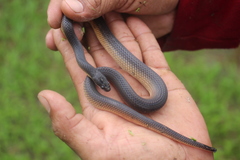
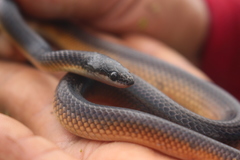
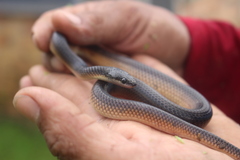
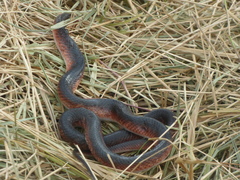
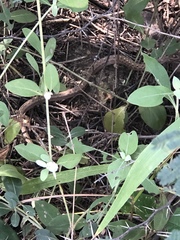
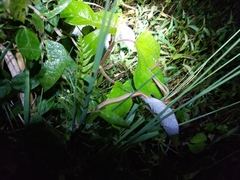
Parent Taxon
Sibling Taxa
Child Taxa
- Adelphicos
- Adelphostigma
- Alsophis
- Amastridium
- Amnesteophis
- Amnisiophis
- Apographon
- Apostolepis
- Arcanumophis
- Arrhyton
- Atractus
- Baliodryas
- Boiruna
- Borikenophis
- Caaeteboia
- Calamodontophis
- Caraiba
- Carphophis
- Cenaspis
- Cercophis
- Chersodromus
- Chlorosoma
- Clelia
- Coniophanes
- Conophis
- Contia
- Coronelaps
- Crisantophis
- Cryophis
- Cubophis
- Diadophis
- Diaphorolepis
- Dibernardia
- Dipsas
- Ditaxodon
- Drepanoides
- Dryophylax
- Echinanthera
- Elapomorphus
- Emmochliophis
- Enuliophis
- Enulius
- Erythrolamprus
- Eutrachelophis
- Farancia
- Galvarinus
- Geophis
- Gomesophis
- Haitiophis
- Helicops
- Heterodon
- Hydrodynastes
- Hydromorphus
- Hydrops
- Hypsiglena
- Hypsirhynchus
- Ialtris
- Imantodes
- Incaspis
- Leptodeira
- Lioheterophis
- Lygophis
- Magliophis
- Manolepis
- Mesotes
- Mussurana
- Ninia
- Nothopsis
- Omoadiphas
- Oxyrhopus
- Paraphimophis
- Phalotris
- Philodryas
- Phimophis
- Plesiodipsas
- Pliocercus
- Pseudalsophis
- Pseudoboa
- Pseudoeryx
- Pseudoleptodeira
- Psomophis
- Ptychophis
- Rhachidelus
- Rhadinaea
- Rhadinella
- Rhadinophanes
- Rodriguesophis
- Saphenophis
- Sibon
- Siphlophis
- Sordellina
- Stichophanes
- Synophis
- Tachymenis
- Tachymenoides
- Taeniophallus
- Tantalophis
- Thamnodynastes
- Thermophis
- Tomodon
- Tretanorhinus
- Trimetopon
- Tropidodipsas
- Tropidodryas
- Uromacer
- Urotheca
- Xenodon
- Xenopholis
- Xenoxybelis
- Zonateres