Coprinellus micaceus: taxon details and analytics
- Domain
- Kingdom
- Fungi
- Phylum
- Basidiomycota
- Class
- Agaricomycetes
- Order
- Agaricales
- Family
- Psathyrellaceae
- Genus
- Coprinellus
- Species
- Coprinellus micaceus
- Scientific Name
- Coprinellus micaceus
Summary description from Wikipedia:
Coprinellus micaceus
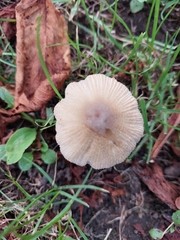
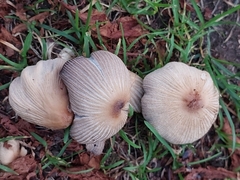
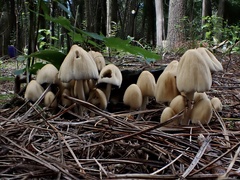
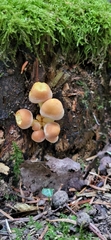
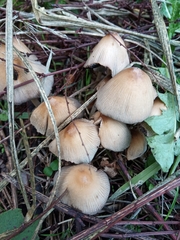
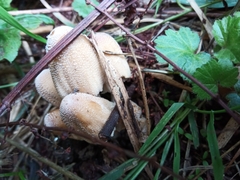
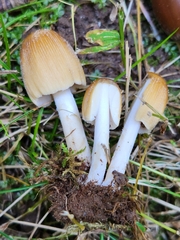
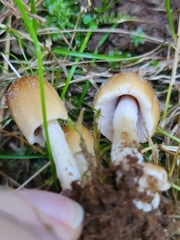
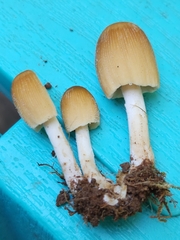
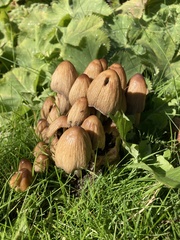
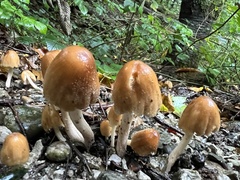
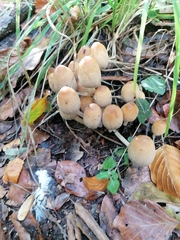
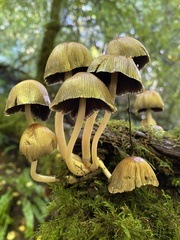
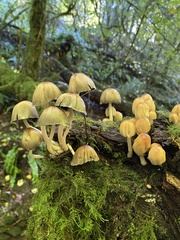
Coprinellus micaceus, commonly known as the mica cap, glistening inky cap, or shiny cap, is a common species of mushroom-forming fungus in the family Psathyrellaceae.
Formerly known as Coprinus micaceus, the species was transferred to Coprinellus in 2001 as phylogenetic analyses provided the impetus for a reorganization of the many species formerly grouped together in the genus Coprinus. Based on external appearance, C. micaceus is virtually indistinguishable from C. truncorum, and it has been suggested that many reported collections of the former may be of the latter.
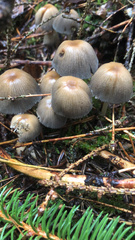
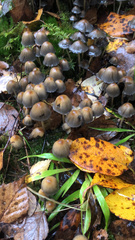
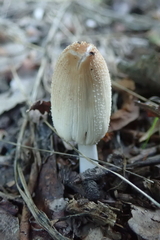
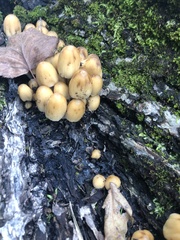
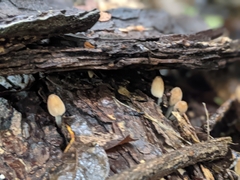
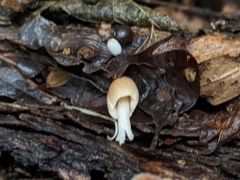
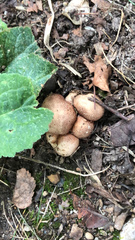
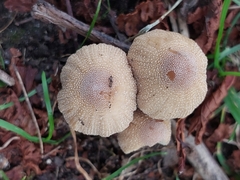
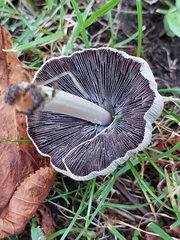
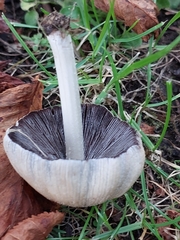
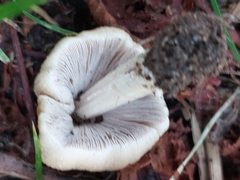
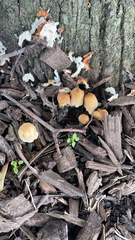
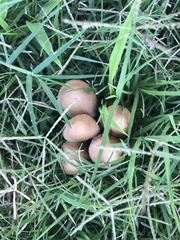
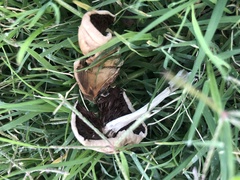
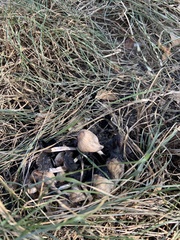
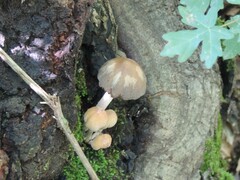
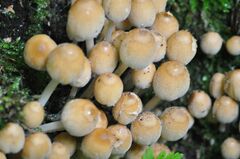
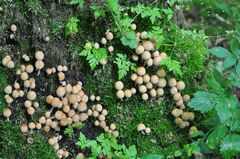
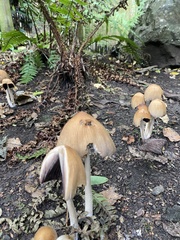
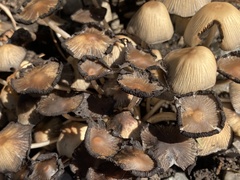
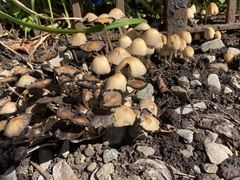
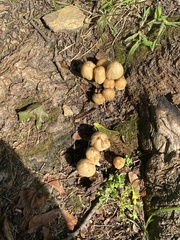
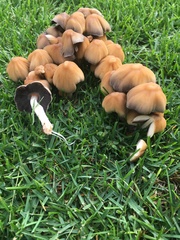
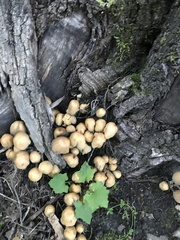
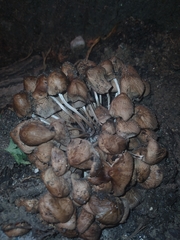
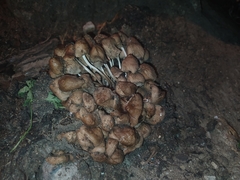
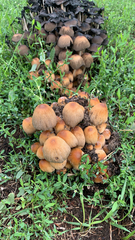
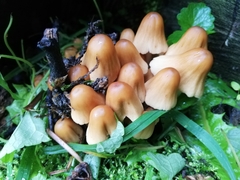
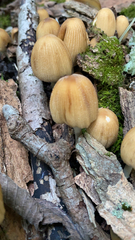
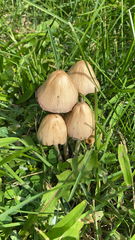
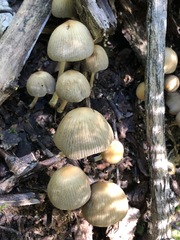
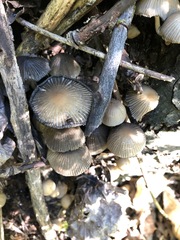
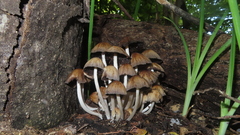
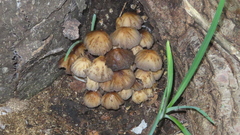
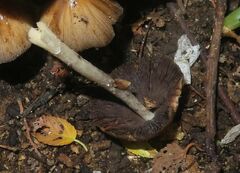
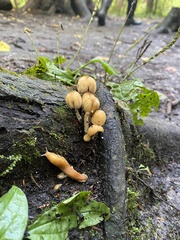
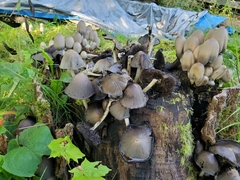
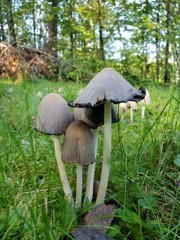
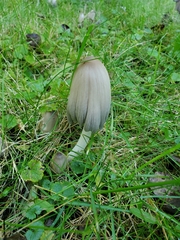
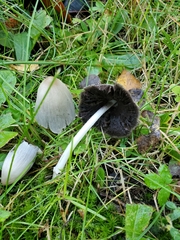
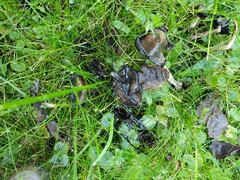
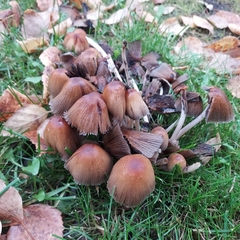
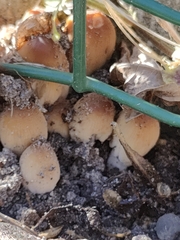
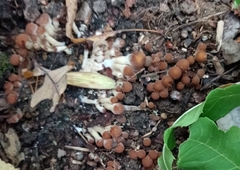
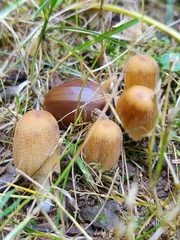
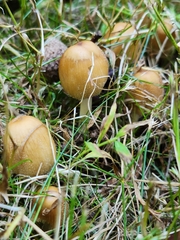
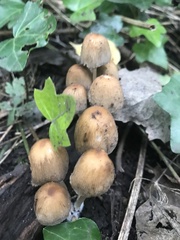
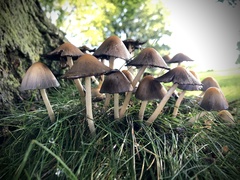
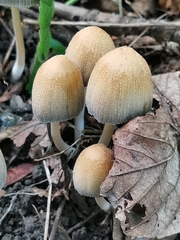
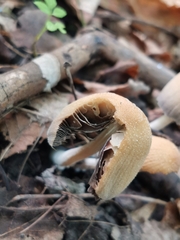
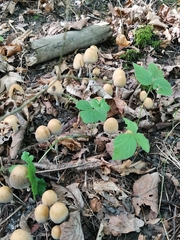
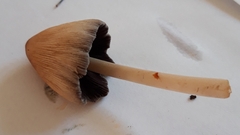
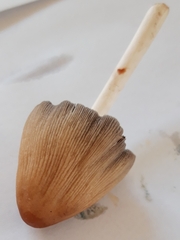
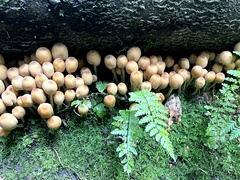
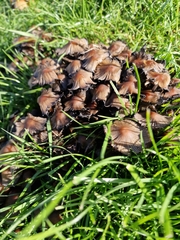
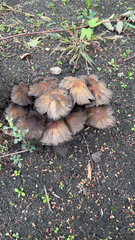
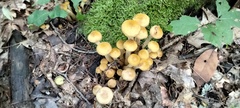
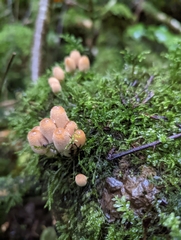
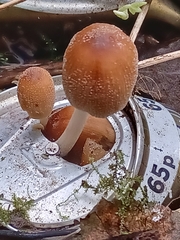
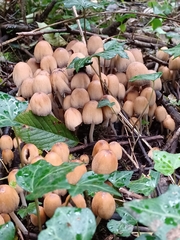
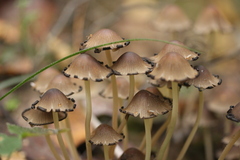
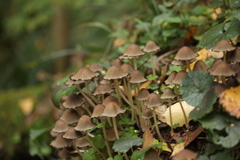
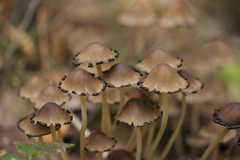
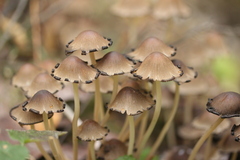
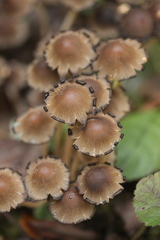
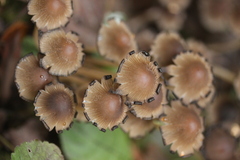
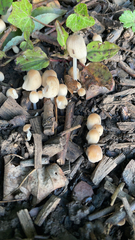
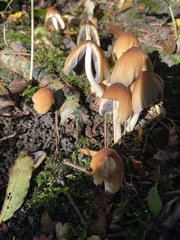
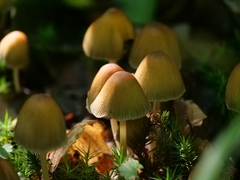
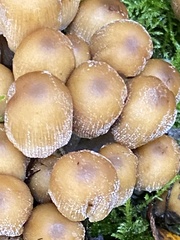
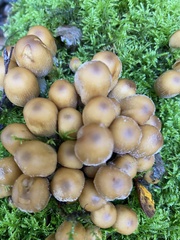
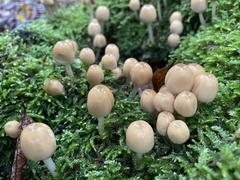
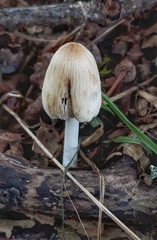
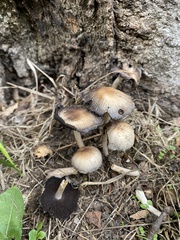
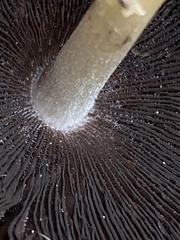
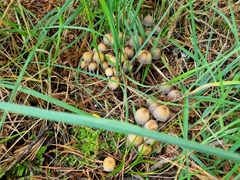
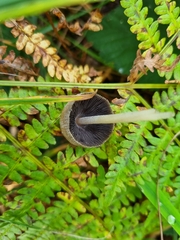
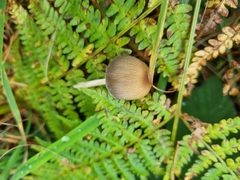
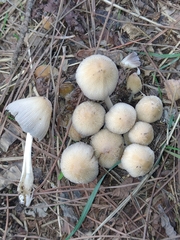
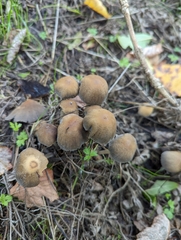
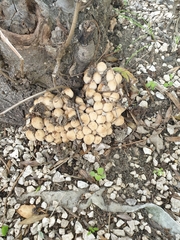
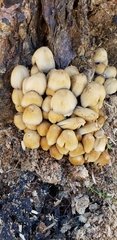
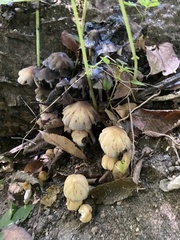
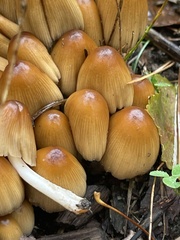
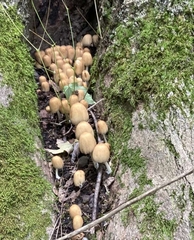
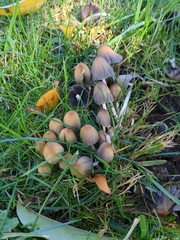
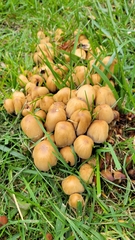
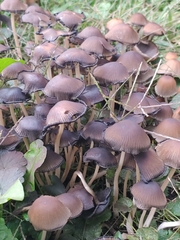
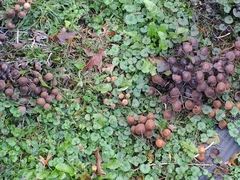
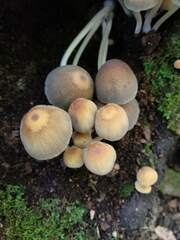
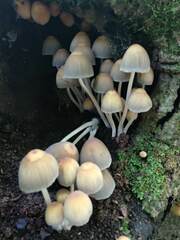
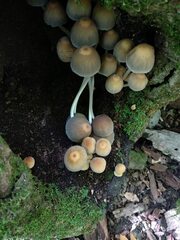
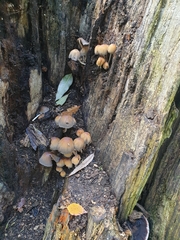
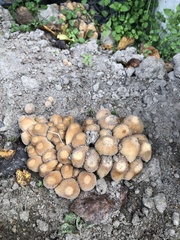
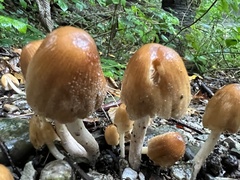
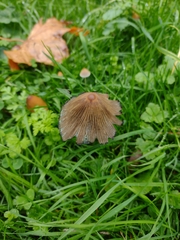
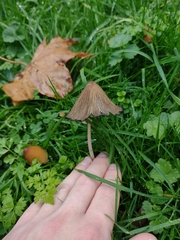
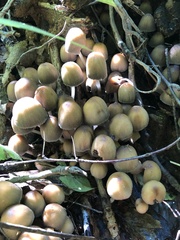
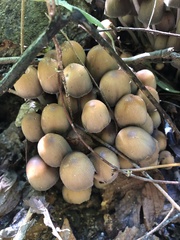
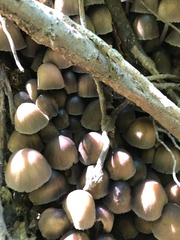
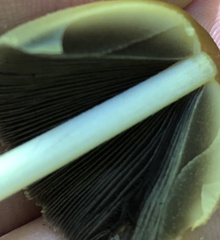
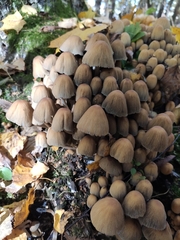
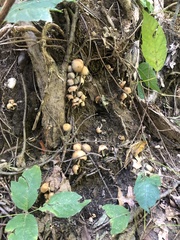
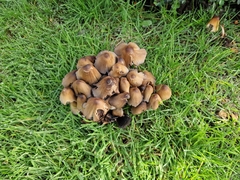
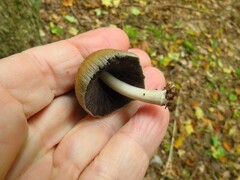
Depending on their stage of development, the tawny-brown mushroom caps may range in shape from oval to bell-shaped to convex, and reach diameters up to 3 cm (1+1⁄4 in). The caps, marked with fine radial or linear grooves that extend nearly to the center, rest atop whitish stipes up to 10 cm (4 in) long. In young specimens, the entire cap surface is coated with a fine layer of reflective mica-like cells. Although small and with thin flesh, the mushrooms are usually bountiful, as they typically grow in dense clusters. A few hours after collection, the gills will begin to slowly dissolve into a black, inky, spore-laden liquid—an enzymatic process called autodigestion or deliquescence.
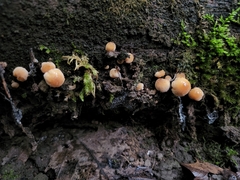
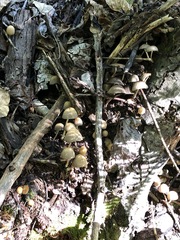
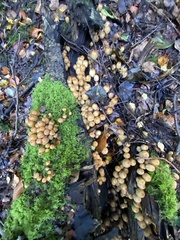
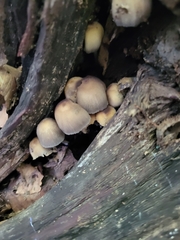
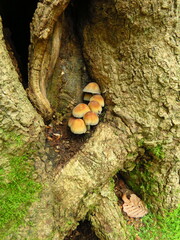
With a cosmopolitan distribution, the saprobe typically produces clusters on or near rotting hardwood tree stumps or underground tree roots. The fruit bodies are edible before the gills blacken and dissolve; cooking stops the autodigestion process. Chemical analysis of the fruit bodies has revealed the presence of antibacterial and enzyme-inhibiting compounds.
...Coprinellus micaceus in languages:
- Bokmål
- Glimmerblekksopp
- Bulgarian
- Зърнеста копринка
- Chinese
- 晶粒鬼傘
- Czech
- hnojník třpytivý
- Danish
- Glimmer-blækhat
- Dutch
- Gewone glimmerinktzwam
- English
- mica cap
- English
- glistening inkcap
- Estonian
- sätendav tindik
- Finnish
- kiillemustesieni
- French
- Coprin micacé
- German
- Glimmertintling
- Hebrew
- דיואית מנצנצת
- Hungarian
- Kerti tintagomba
- Japanese
- キララタケ
- Korean
- 갈색먹물버섯
- Lithuanian
- Kelminis mėšlagrybukas
- Polish
- Czernidłak Błyszczący
- Russian
- Навозник мерцающий
- Serbian
- Светлуцава гнојиштарка
- Serbian
- Svetlucava gnojištarka
- Slovak
- Hnojník ligotavý
- Swedish
- glitterbläcksvamp
- Ukrainian
- Гнойовик іскристий
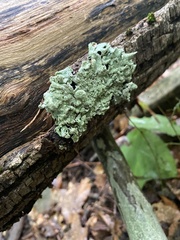
Images from inaturalist.org observations:
We recommend you sign up for this excellent, free service.
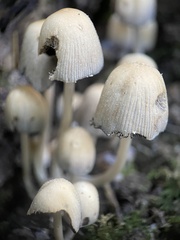
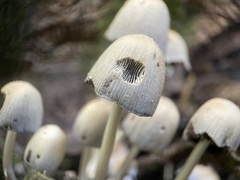
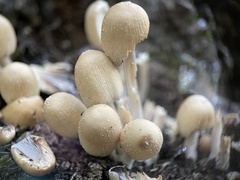
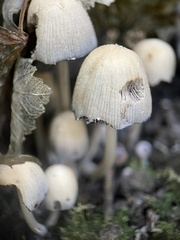
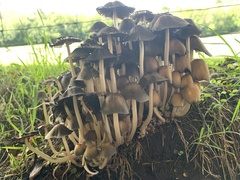
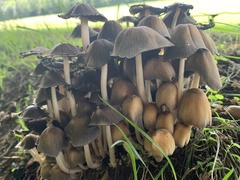
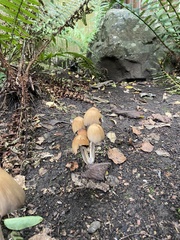
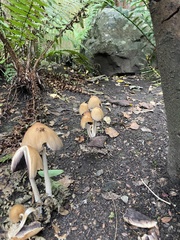

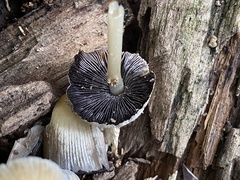
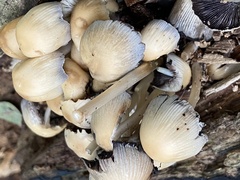
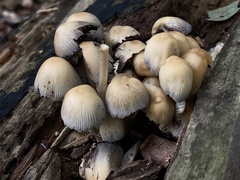
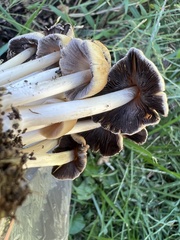
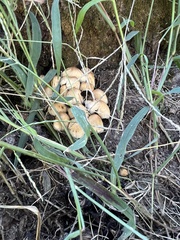
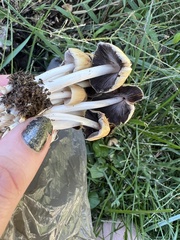
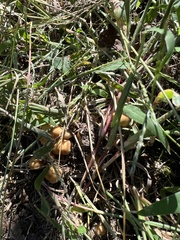
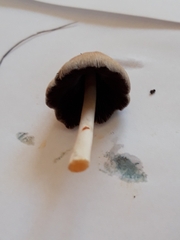
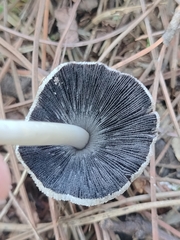
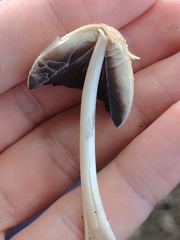
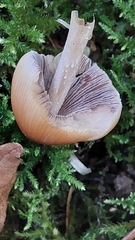
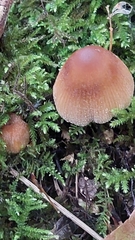
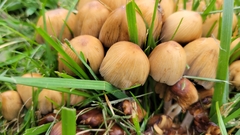
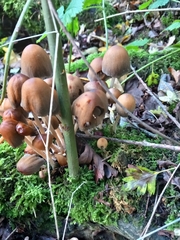
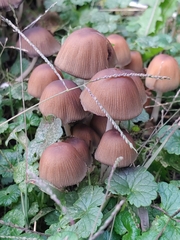
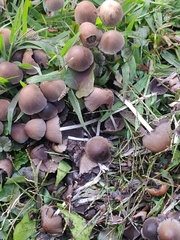
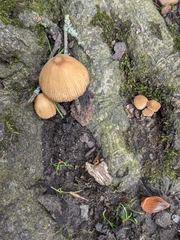
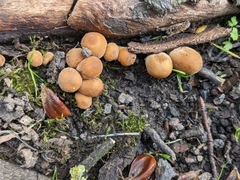
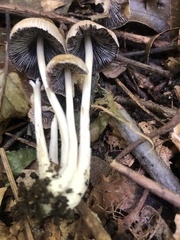
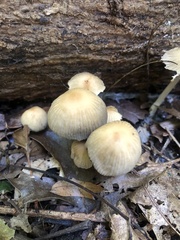
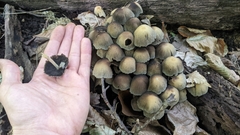
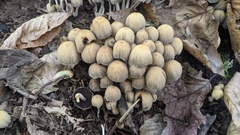
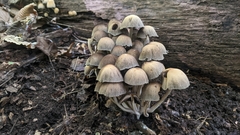
Parent Taxon
Sibling Taxa
Top Observation Places
- Colchester
- Halifax
- Kalamariá
- York
- Uppsala
- La Laguna
- Budapest
- Sault Ste. Marie
- Gent
- Kettering
- Geelong
- Rocklin
- Santiago
- Tula
- Riverside
- Saskatoon
- Spokane
- Lansing
- Dublin
- Braunschweig
- Zwickau
- Southampton
- Eastleigh
- Tin Shui Wai
- Yuen Long Kau Hui
- Bloomington
- Minsk
- Graz
- Green Bay
- Chico
- Nashville
- Cincinnati
- Reading
- Grand Forks
- Zürich
- Sesto San Giovanni
- Cinisello Balsamo
- Ontario
- Pomona
- Cheltenham
- Lincoln
- Rome
- Royal Oak
- Lancaster
- Kelowna
- Jyväskylä
- Frederick
- Boise
- Round Rock
- Groningen