Curcuma longa: taxon details and analytics
- Domain
- Kingdom
- Plantae
- Phylum
- Tracheophyta
- Class
- Liliopsida
- Order
- Zingiberales
- Family
- Zingiberaceae
- Genus
- Curcuma
- Species
- Curcuma longa
- Scientific Name
- Curcuma longa
Summary description from Wikipedia:
Turmeric
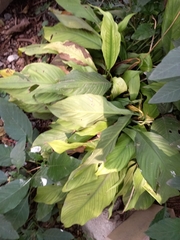
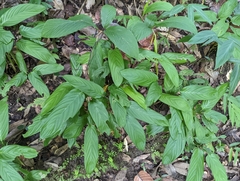
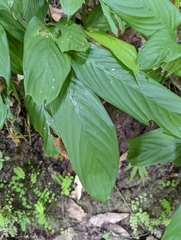
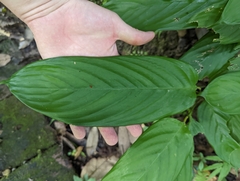
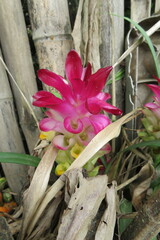
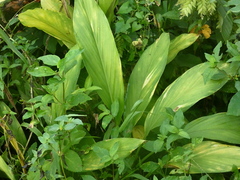
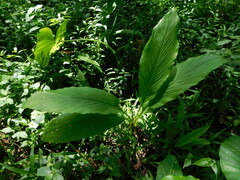
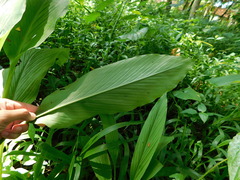
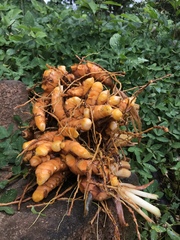
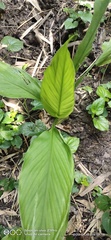
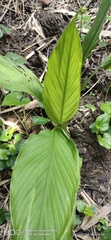
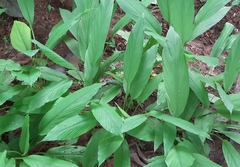
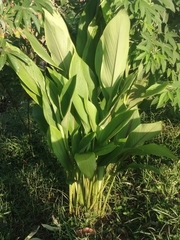
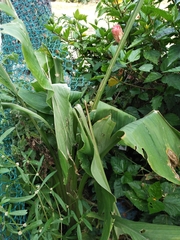
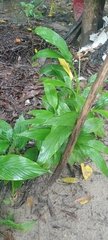
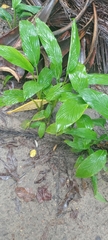
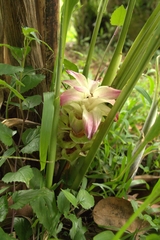
Turmeric (), or Curcuma longa (), is a flowering plant in the ginger family Zingiberaceae. It is a perennial, rhizomatous, herbaceous plant native to the Indian subcontinent and Southeast Asia that requires temperatures between 20 and 30 °C (68 and 86 °F) and high annual rainfall to thrive. Plants are gathered each year for their rhizomes, some for propagation in the following season and some for consumption or dyeing.
The rhizomes can be used fresh, but they are often boiled in water and dried, after which they are ground into a deep orange-yellow shelf-stable spice powder commonly used as a coloring and flavoring agent in many Asian cuisines, especially for curries (curry powder). Turmeric powder has a warm, bitter, black pepper-like flavor and earthy, mustard-like aroma.
Although long used in Ayurvedic medicine, there is no high-quality clinical evidence that consuming turmeric or the principal turmeric constituent, curcumin, is effective for treating any disease. Curcumin, a bright yellow chemical produced by the turmeric plant, is approved as a food additive by the World Health Organization, European Parliament, and United States Food and Drug Administration. Turmeric and its extract curcumin are generally safe but have recently been linked, especially in high-bioavailability forms, to rare cases of immune-mediated acute liver injury that typically resolve after stopping use, though severe outcomes can occur if use continues.
...Curcuma longa in languages:
- Chinese
- 薑黃
- English
- Turmeric
- Estonian
- harilik kollajuur
- Estonian
- harilik kurkum
- Estonian
- harilik kurkuma
- Finnish
- maustekurkuma
- French
- Curcuma
- French
- Safran des Indes
- German
- Kurkuma
- Indonesian
- Kunyit
- Italian
- Curcuma
- Italian
- Zafferano delle indie
- Italian
- Turmerico
- Japanese
- ウコン
- Japanese
- 秋ウコン
- Japanese
- 赤ウコン
- Polish
- ostryż długi
- Portuguese
- açafrão-da-terra
- Portuguese
- cúrcuma
- Russian
- Куркума длинная
- Swedish
- Gurkmeja
- Thai
- ขมิ้นชัน
- Turkish
- zerdeçal
Images from inaturalist.org observations:
We recommend you sign up for this excellent, free service.
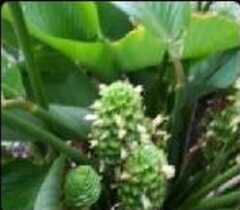
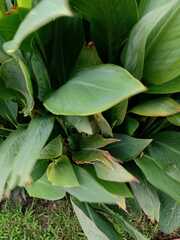
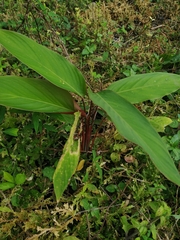
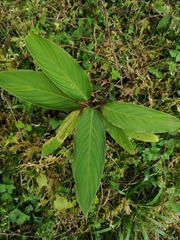
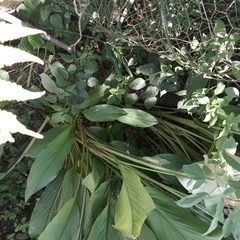
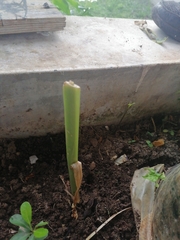
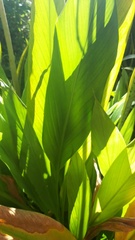
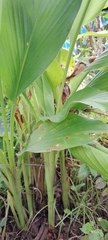
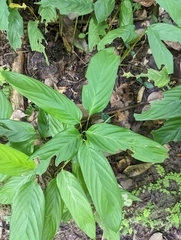
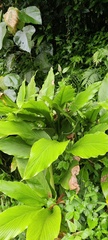
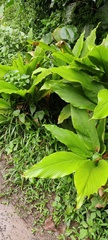
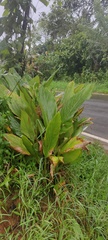
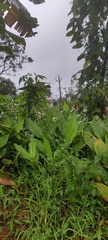
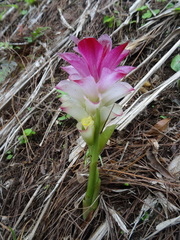
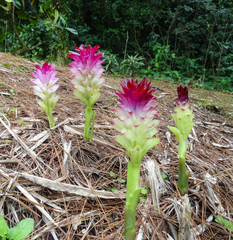
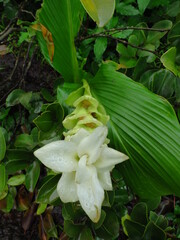
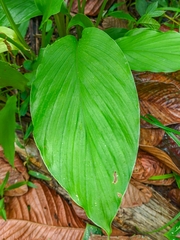
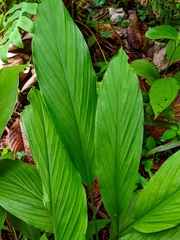
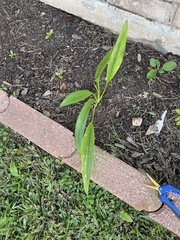
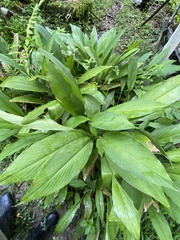
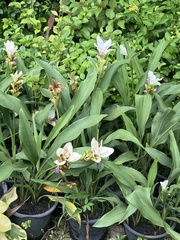
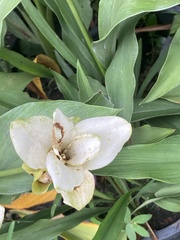
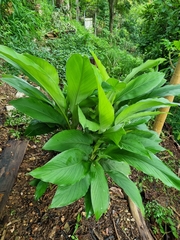
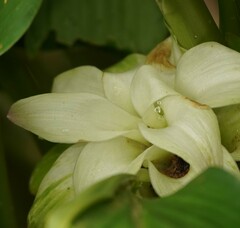
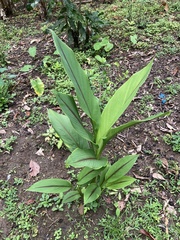
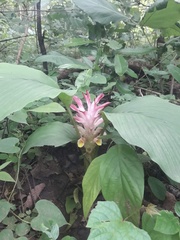
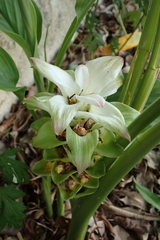
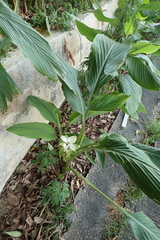
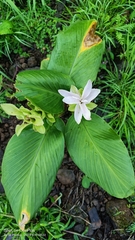
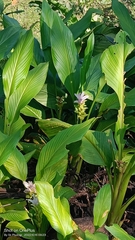
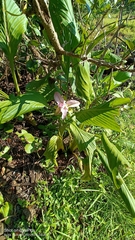
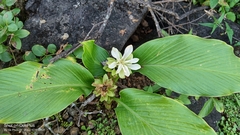
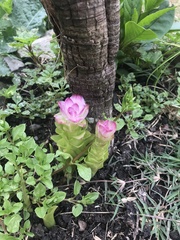
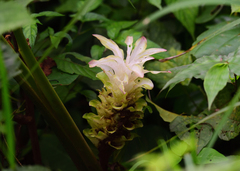
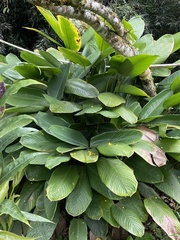
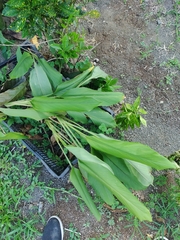
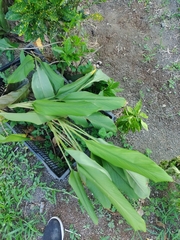
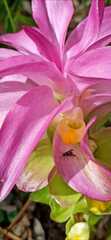
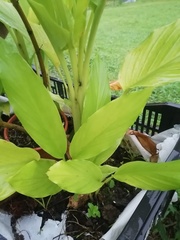
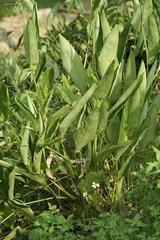
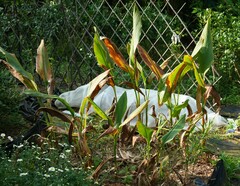
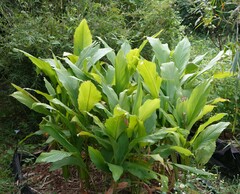
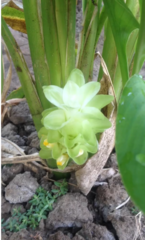
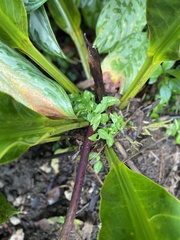
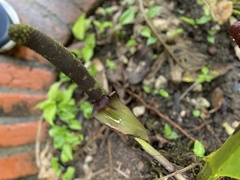
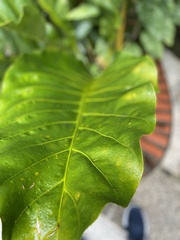
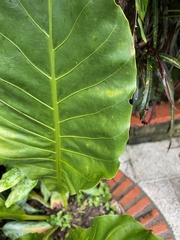
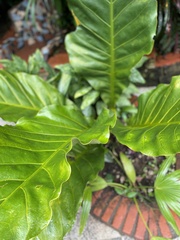
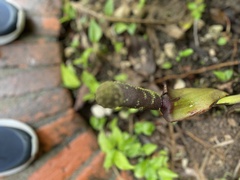
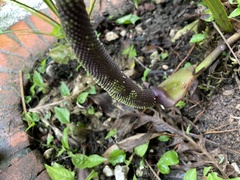
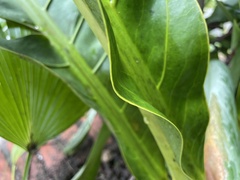
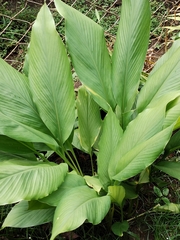
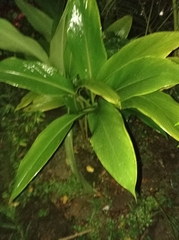
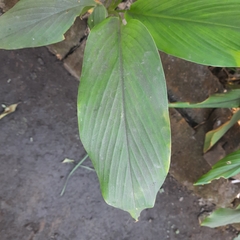
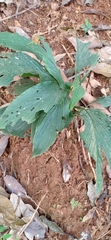
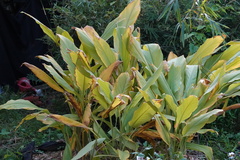
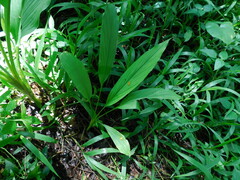
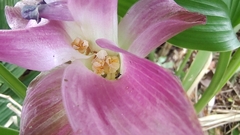
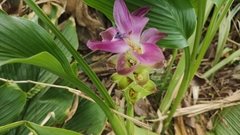
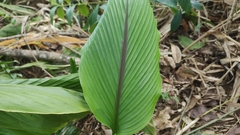
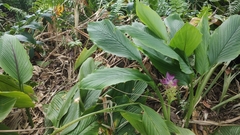
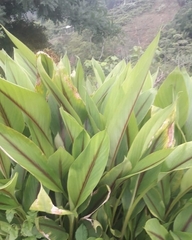
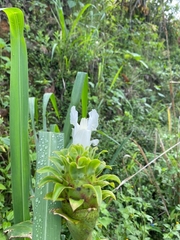
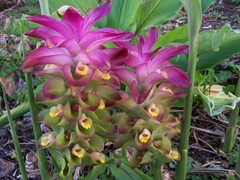
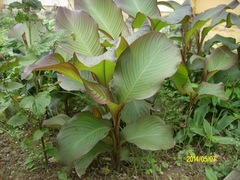
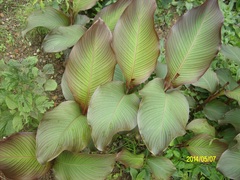
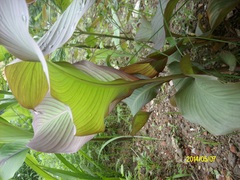
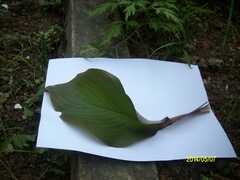
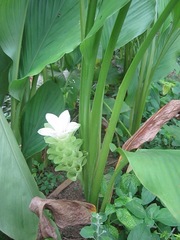
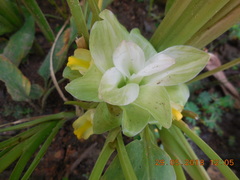
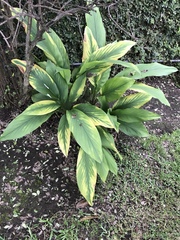
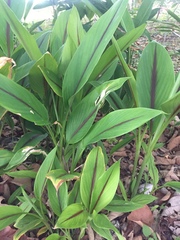
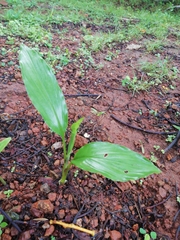
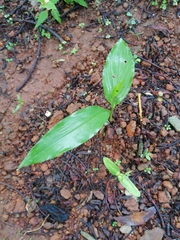
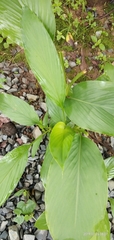
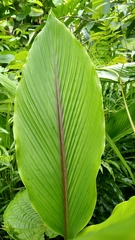
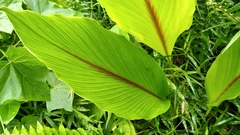
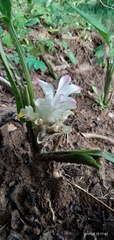
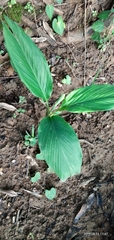
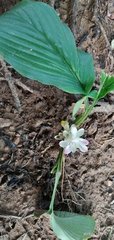
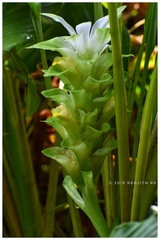
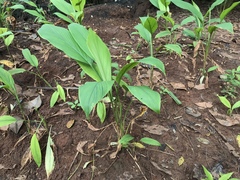
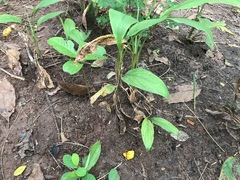
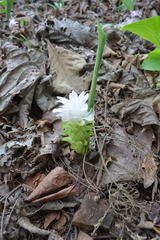
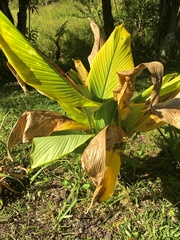


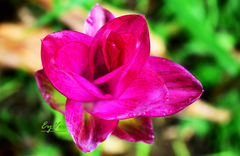
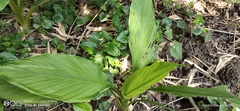
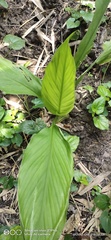
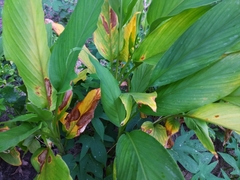
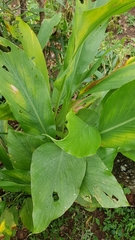

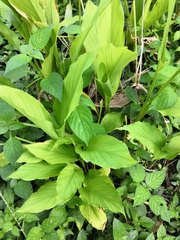
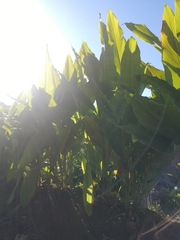
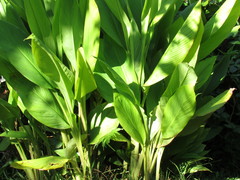
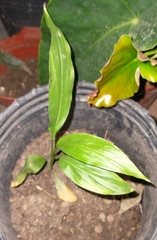
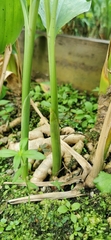
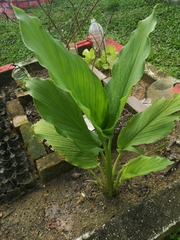
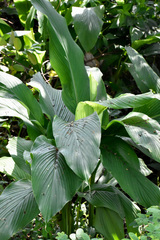
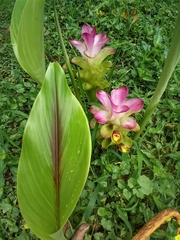
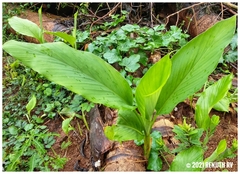
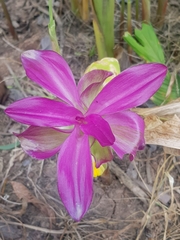
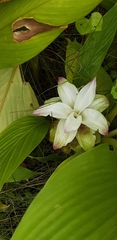
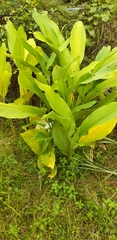
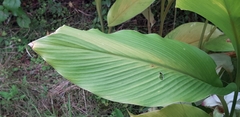
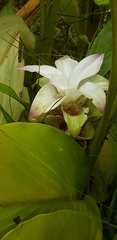
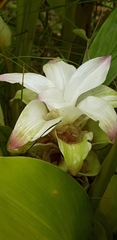
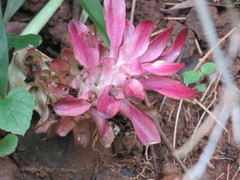
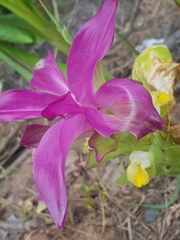
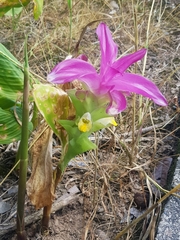
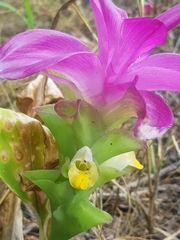
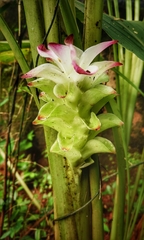
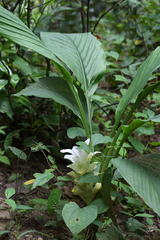
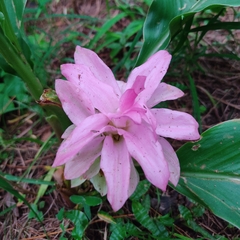
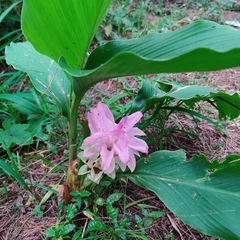
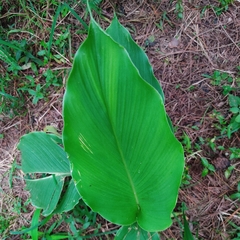
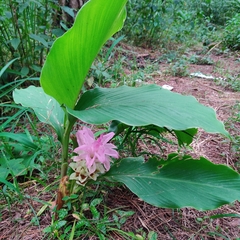
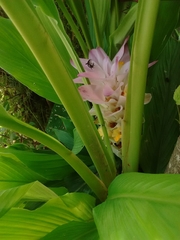
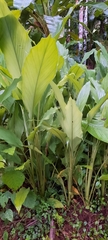
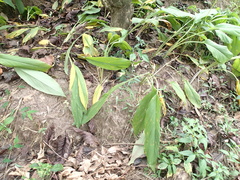
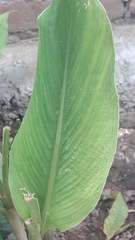
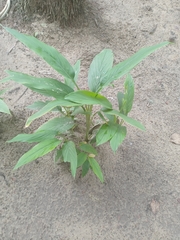
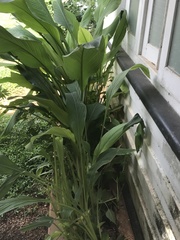
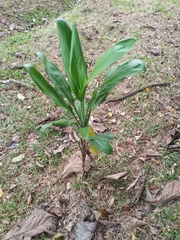
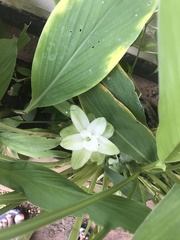
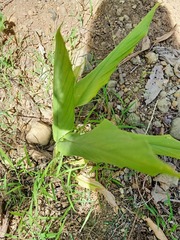
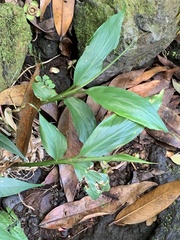
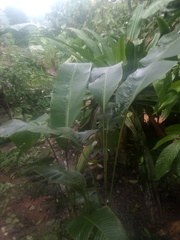
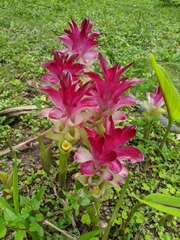
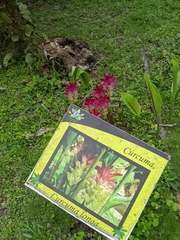
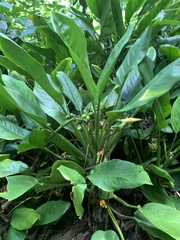
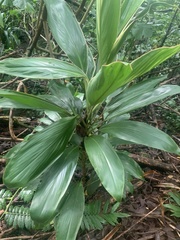
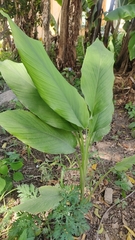
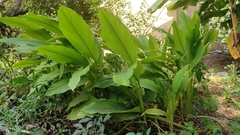
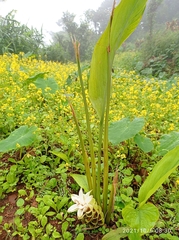
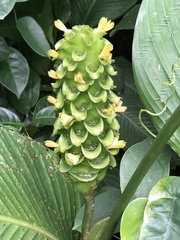
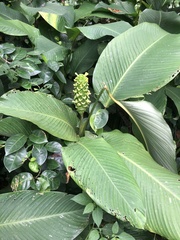
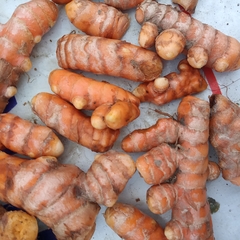
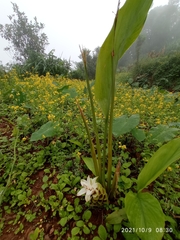
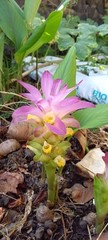
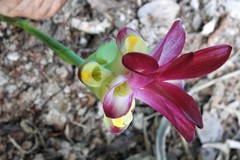
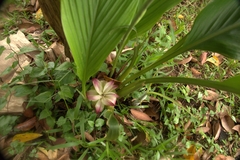
Parent Taxon
Sibling Taxa
- Curcuma aeruginosa
- Curcuma amada
- Curcuma amarissima
- Curcuma angustifolia
- Curcuma aromatica
- Curcuma australasica
- Curcuma bhatii
- Curcuma caesia
- Curcuma cannanorensis
- Curcuma caulina
- Curcuma colorata
- Curcuma comosa
- Curcuma coriacea
- Curcuma decipiens
- Curcuma elata
- Curcuma exigua
- Curcuma haritha
- Curcuma heyneana
- Curcuma inodora
- Curcuma karnatakensis
- Curcuma kudagensis
- Curcuma kwangsiensis
- Curcuma longa
- Curcuma longispica
- Curcuma mangga
- Curcuma montana
- Curcuma mutabilis
- Curcuma nankunshanensis
- Curcuma neilgherrensis
- Curcuma oligantha
- Curcuma ornata
- Curcuma petiolata
- Curcuma phaeocaulis
- Curcuma picta
- Curcuma prakasha
- Curcuma pseudomontana
- Curcuma purpurascens
- Curcuma roscoeana
- Curcuma roxburghii
- Curcuma rubescens
- Curcuma rubrobracteata
- Curcuma scaposa
- Curcuma sessilis
- Curcuma sichuanensis
- Curcuma sumatrana
- Curcuma sylvatica
- Curcuma trichosantha
- Curcuma viridiflora
- Curcuma wallichii
- Curcuma wilcockii
- Curcuma yunnanensis
- Curcuma zanthorrhiza
- Curcuma zedoaria