Dendrodrilus rubidus: taxon details and analytics
- Domain
- Kingdom
- Animalia
- Phylum
- Annelida
- Class
- Clitellata
- Order
- Crassiclitellata
- Family
- Lumbricidae
- Genus
- Dendrodrilus
- Species
- Dendrodrilus rubidus
- Scientific Name
- Dendrodrilus rubidus
Summary description from Wikipedia:
Dendrodrilus rubidus
Bimastos rubidus is a species of earthworm in the family Lumbricidae. Formerly placed in its own genus and referred to as Dendrodrilus rubidus, it is now believed to be a member of the genus Bimastos. It is a widespread introduced species, occurring on every continent except Antarctica, as well as many islands. Though originally believed to be native to Europe, fossil and genetic evidence suggests that it actually originated in North America. It is sometimes used to produce vermicompost and as fishing bait, and is marketed under many nonspecific names, including red wiggler, jumping red wiggler, red trout worm, jumbo red worm, and pink worm. Other common names include bank worm, tree worm, and gilt tail.
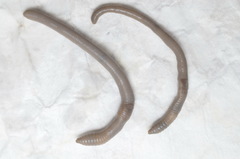
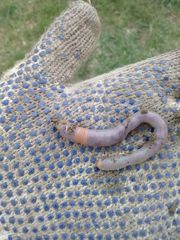
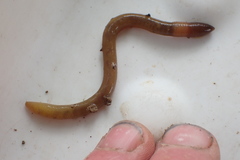
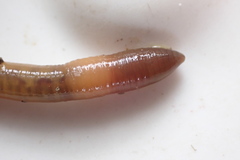
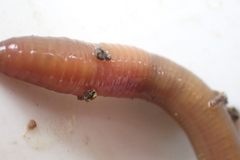
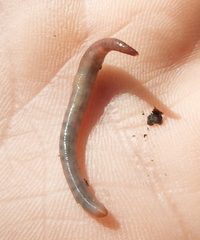
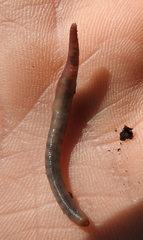
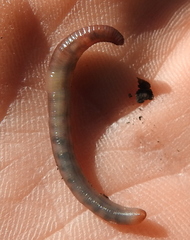
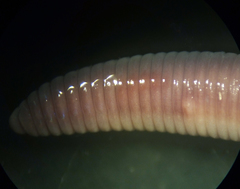
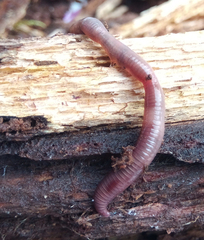
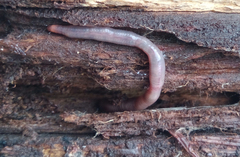
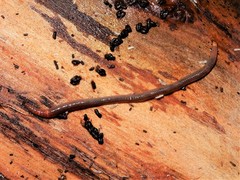
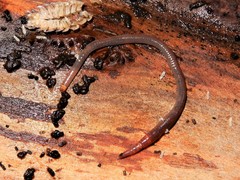
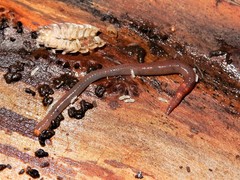
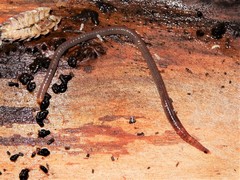
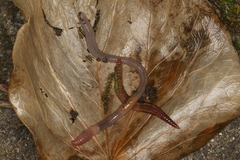
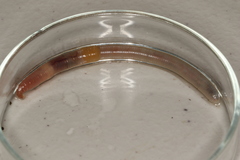
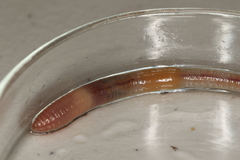
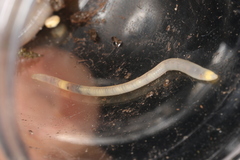
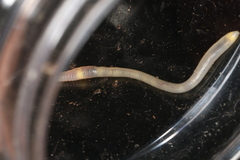
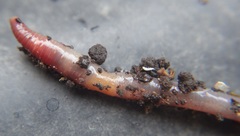
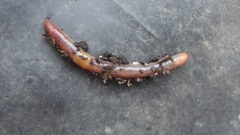
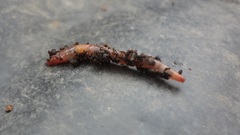
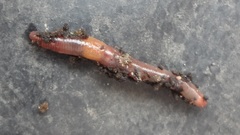
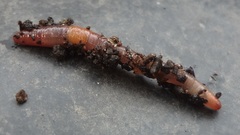
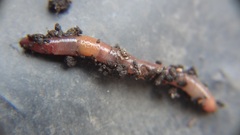
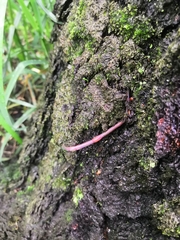
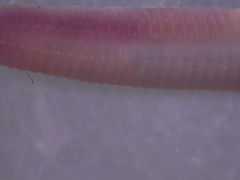
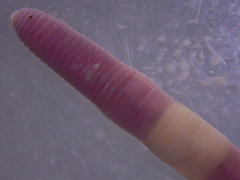
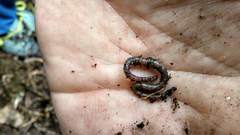
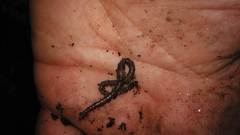
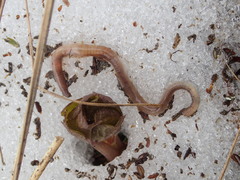
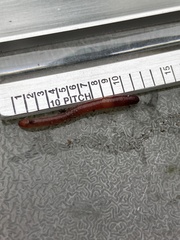
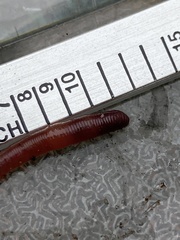
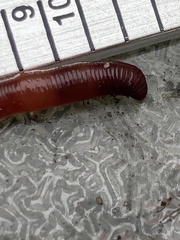
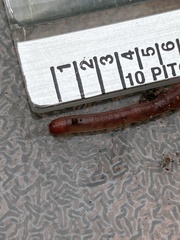
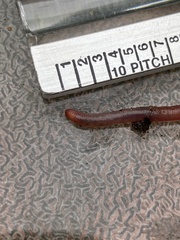
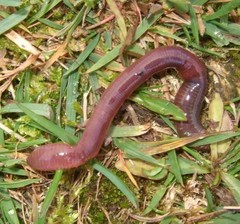
Highly variable in appearance, individuals of this species may appear red-violet, chestnut brown or even a bright purplish colour, with the colouration being darker on the upper side than on the underside. Measuring 2 to 9 cm (1 to 4 in) in length and 2 to 4 mm (0 to 0 in) in width, the body of this worm is divided into many segments, with the exact segment that certain structures are located on varying between individuals. These variations have been used to classify individuals into four different forms, though they differ only in physical anatomy and not on the genetic level. Some of these forms reproduce sexually while others are parthenogenetic, capable of producing offspring without fertilisation. Members of this species are hermaphroditic, bearing both male and female reproductive organs.
Though it prefers cool, moist conditions in substrate with large amounts of organic matter, this species is highly adaptable and can inhabit a wide range of habitats such as woodlands, caves and the nests of ants. It is even tolerant of polluted soils, having been found in areas contaminated with chemicals such as arsenic, copper and nickel. This adaptability has allowed it to colonise many areas outside of its native range, which it typically reaches when unintentionally transported in soil, timber or plants, or when bait worms are discarded by anglers. In such areas it is typically considered an invasive species, as its activity alters soil and leaf litter in ways that can cause the local extinction of native species.
...Dendrodrilus rubidus in languages:
- Bokmål
- stubbemeitemark
- Chinese
- 紅叢林蚓
- English
- Gilt-tail
- English
- Bank Worm
- English
- Bark worm
- English
- Barkeating Earthworm
- English
- Bark-eating Earthworm
- English
- Small Litter Worm
- Lithuanian
- Raudonasis sliekas
Images from inaturalist.org observations:
We recommend you sign up for this excellent, free service.