Dermacentor albipictus: taxon details and analytics
- Domain
- Kingdom
- Animalia
- Phylum
- Arthropoda
- Class
- Arachnida
- Order
- Ixodida
- Family
- Ixodidae
- Genus
- Dermacentor
- Species
- Dermacentor albipictus
- Scientific Name
- Dermacentor albipictus
Summary description from Wikipedia:
Dermacentor albipictus
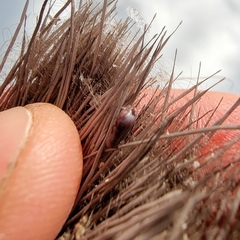
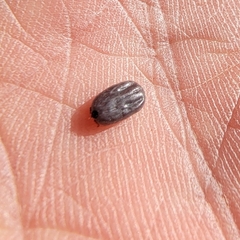
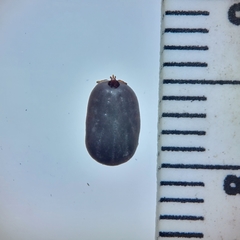
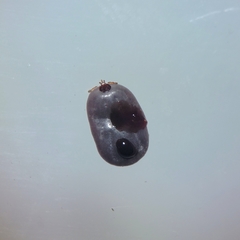
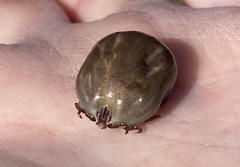
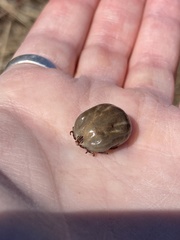
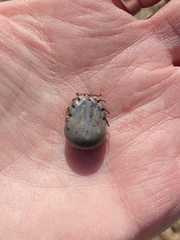
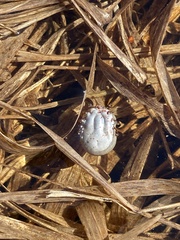
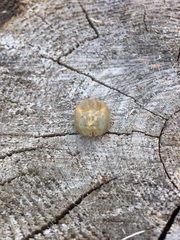
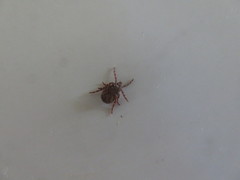
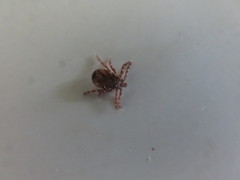
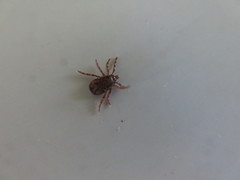
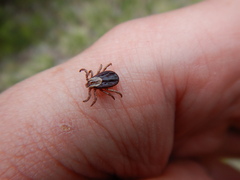
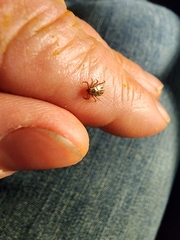
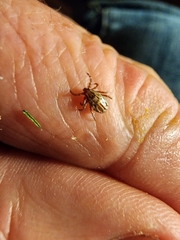
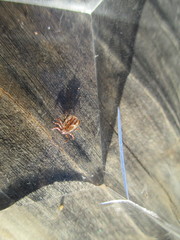
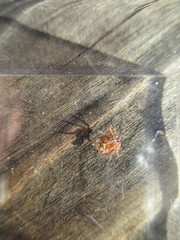
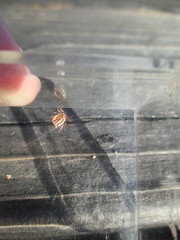
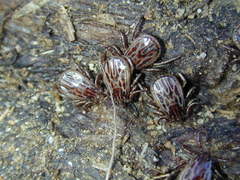
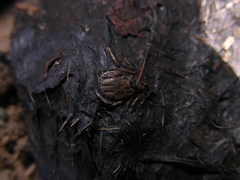
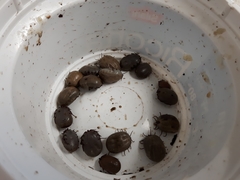
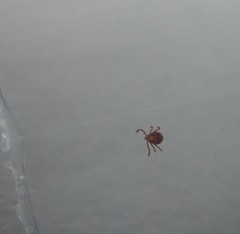
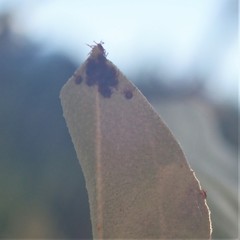
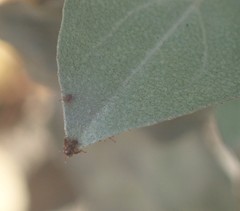
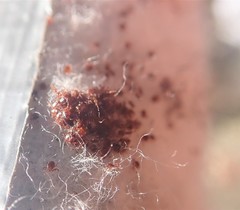
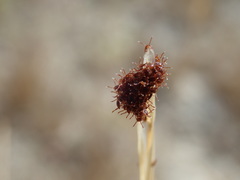
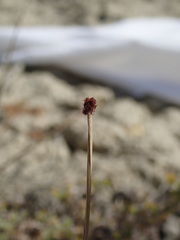
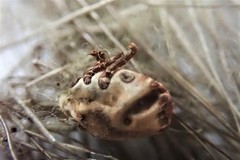
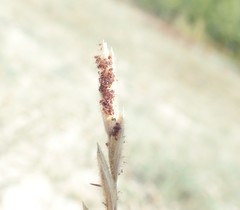
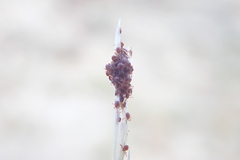
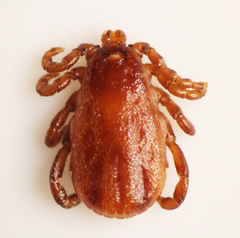
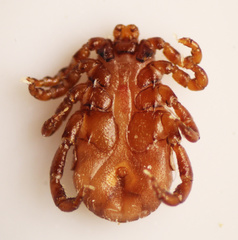
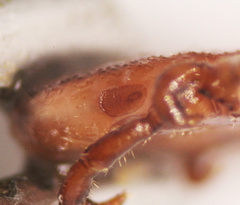
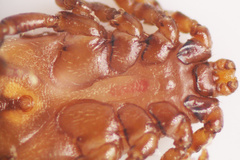
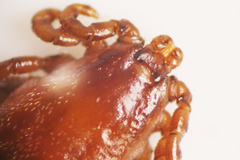
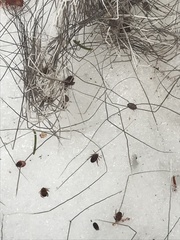
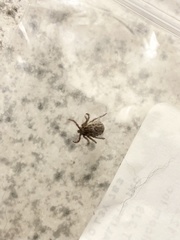
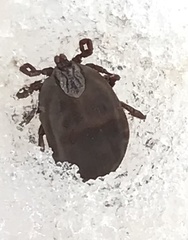
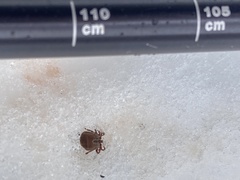
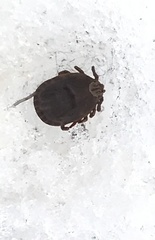
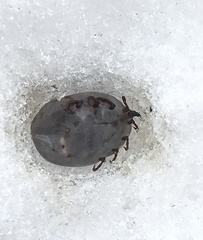
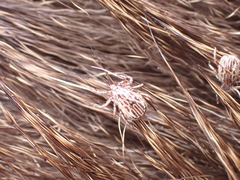
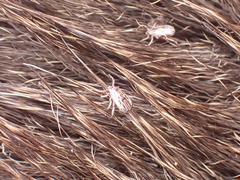
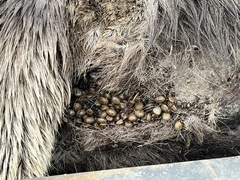
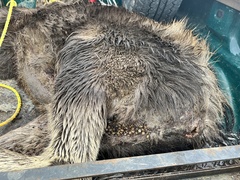
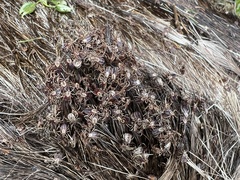
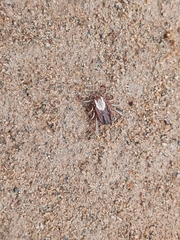
Dermacentor albipictus, the winter tick, is a species of hard tick that parasitizes many different mammal species in North America. It is commonly associated with cervid species such as elk (Cervus canadensis), white-tailed deer (Odocoileus virginianus), mule deer (O. hemionus) and caribou (Rangifer tarandus) but is primarily known as a serious pest of moose (Alces alces). As early as 1909, Ernest Thompson Seton described the winter tick as a greater enemy of the moose than were "wolves, bears, and cougars."
The tick can be found all across North America, and has a large geographic distribution. While it can be found in several different habitats, it is often located in areas with a presence of moose.
Some evidence indicates that increasing populations of the winter tick may be responsible for a steep decline in the eastern moose population throughout the southern half of their range. In recent years, heavy infestations up to 75,000 ticks have been seen on single moose, and can lead to the death of the animal.
...Dermacentor albipictus in languages:
- Czech
- piják losí
- English
- Winter tick
- English
- Moose tick; winter tick
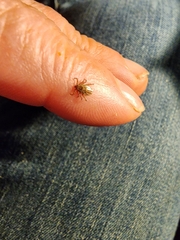
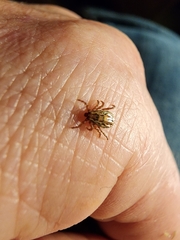
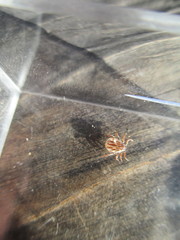
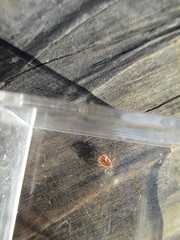
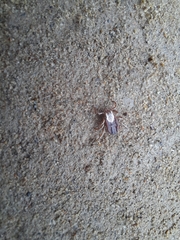
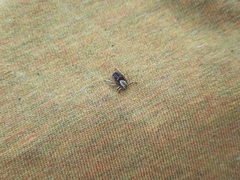
Images from inaturalist.org observations:
We recommend you sign up for this excellent, free service.
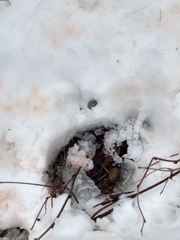
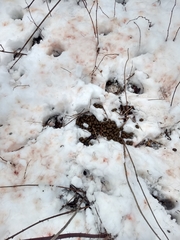


Parent Taxon
Sibling Taxa
- Dermacentor albipictus
- Dermacentor andersoni
- Dermacentor auratus
- Dermacentor circumguttatus
- Dermacentor compactus
- Dermacentor dispar
- Dermacentor dissimilis
- Dermacentor halli
- Dermacentor hunteri
- Dermacentor imitans
- Dermacentor latus
- Dermacentor marginatus
- Dermacentor nitens
- Dermacentor nuttalli
- Dermacentor occidentalis
- Dermacentor parumapertus
- Dermacentor reticulatus
- Dermacentor rhinocerinus
- Dermacentor silvarum
- Dermacentor similis
- Dermacentor steini
- Dermacentor taiwanensis
- Dermacentor variabilis