Diaphania nitidalis: taxon details and analytics
- Domain
- Kingdom
- Animalia
- Phylum
- Arthropoda
- Class
- Insecta
- Order
- Lepidoptera
- Family
- Crambidae
- Genus
- Diaphania
- Species
- Diaphania nitidalis
- Scientific Name
- Diaphania nitidalis
Summary description from Wikipedia:
Diaphania nitidalis
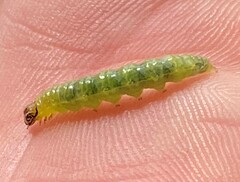
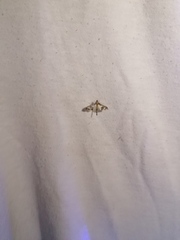
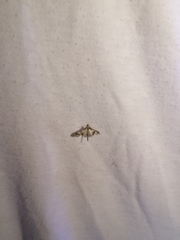
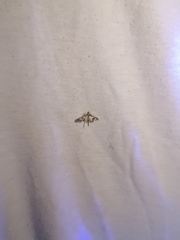
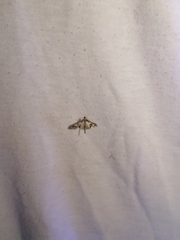
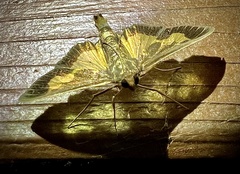
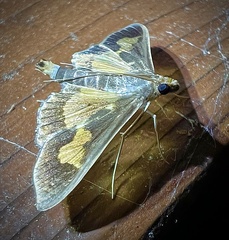
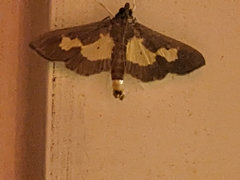
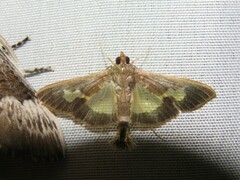
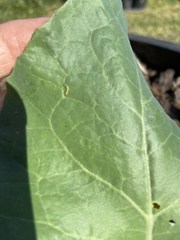
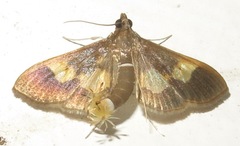
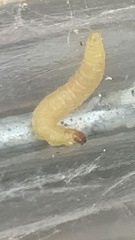
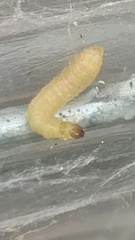
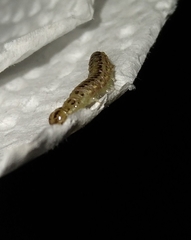
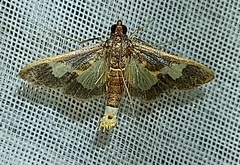
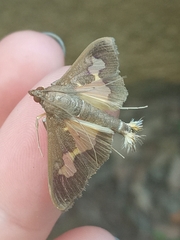
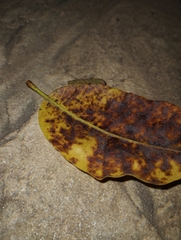
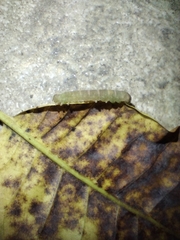
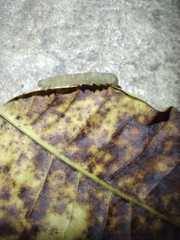
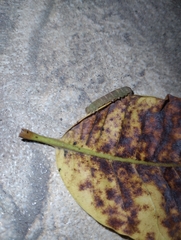
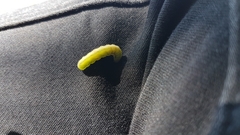
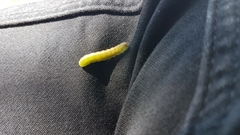
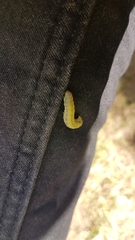
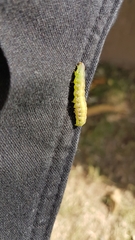
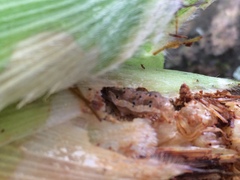
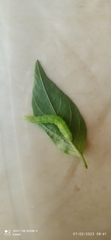
Diaphania nitidalis, the pickleworm, is a serious agricultural pest insect in the family Crambidae. It damages squash primarily, but it is also a common pest of other cucurbits such as cucumbers and melons. It is a tropical species which can be found in the southern United States. In the southern United States, earlier plants are less affected compared to later plantings. It does not tolerate cold temperatures. The species was first described by Caspar Stoll in 1781.
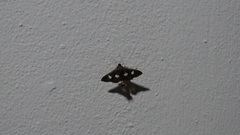
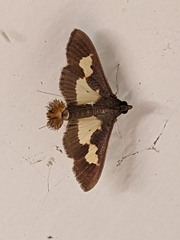
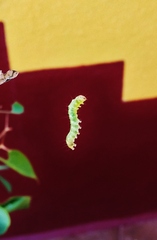
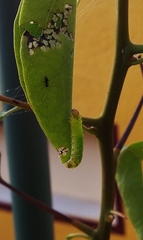
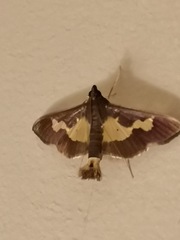
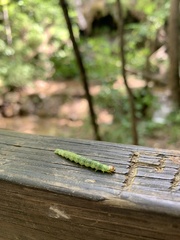
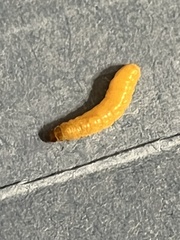
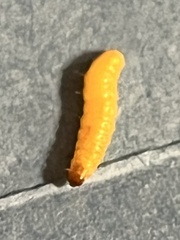
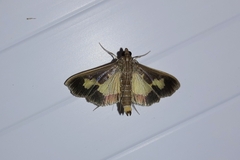
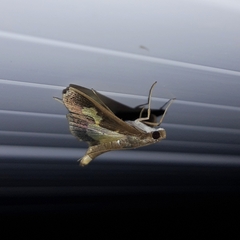
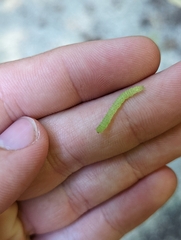
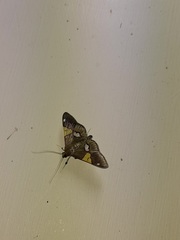
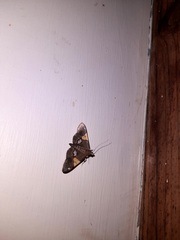
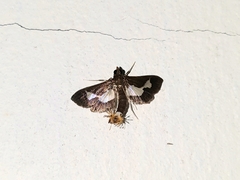
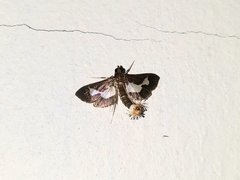
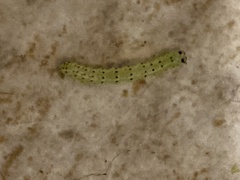
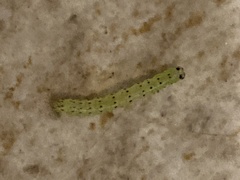
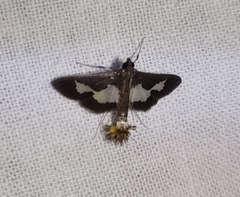
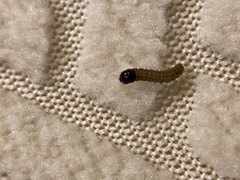
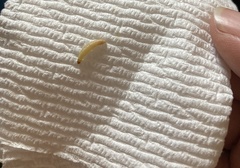
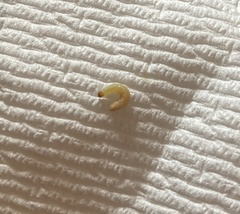
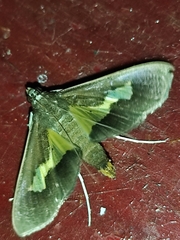
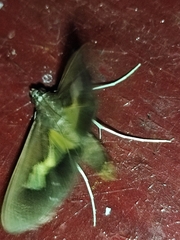
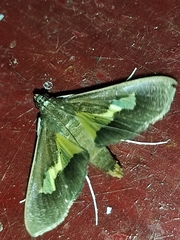
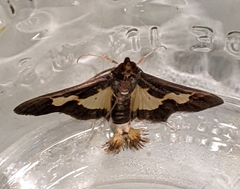
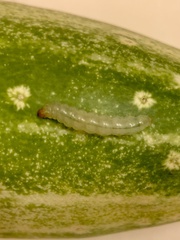
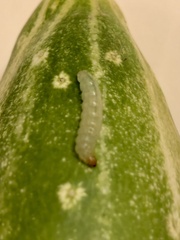
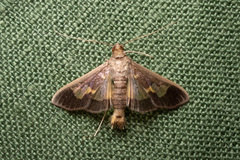
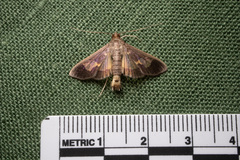
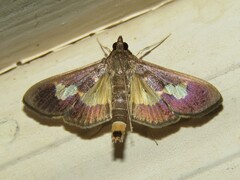
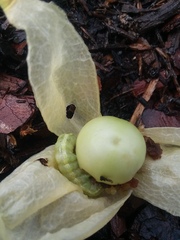
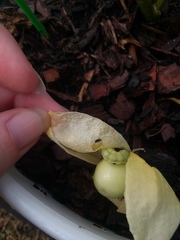
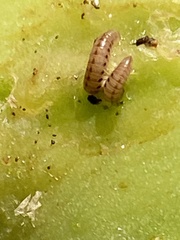
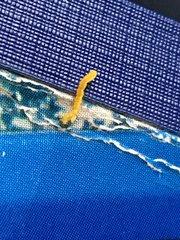
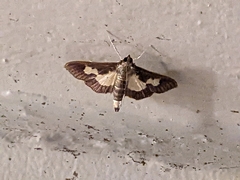
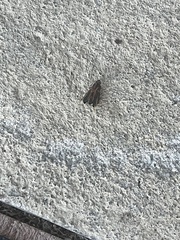
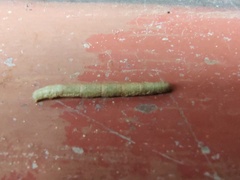
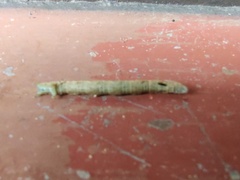
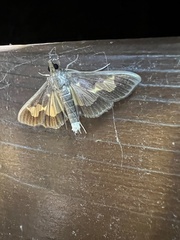
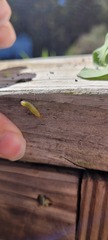
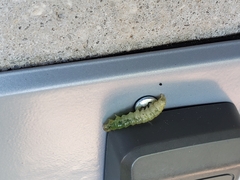
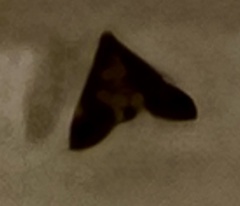
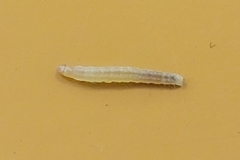
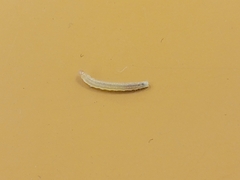
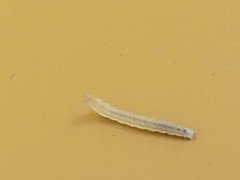
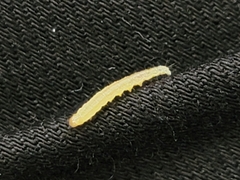
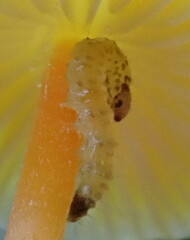
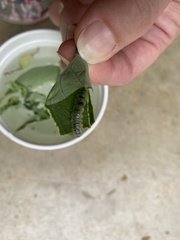
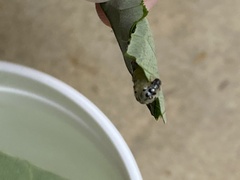
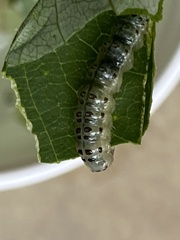
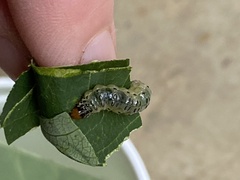
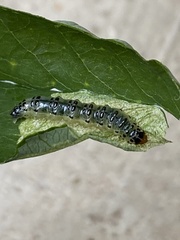
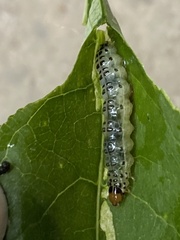
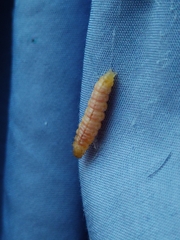
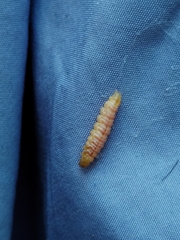
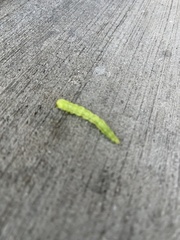
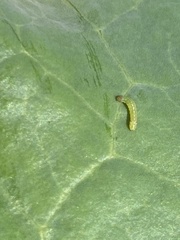
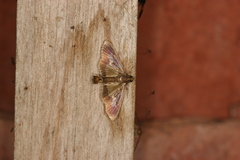
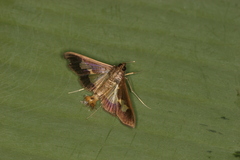
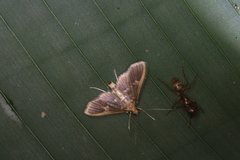
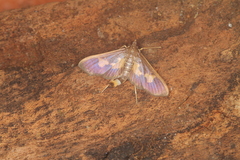
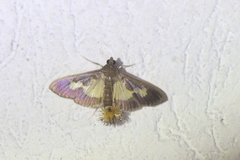
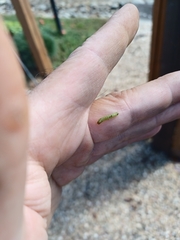
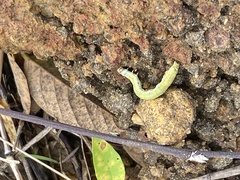
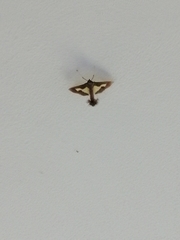
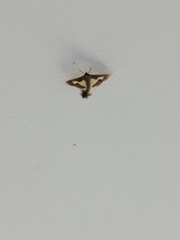
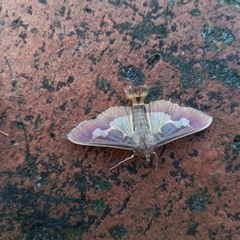
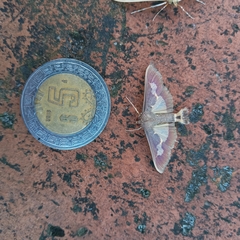
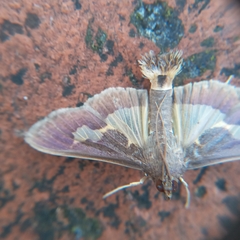
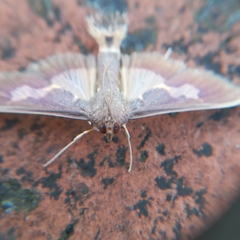
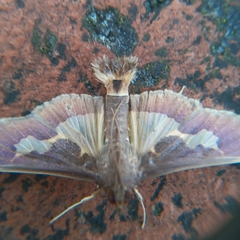
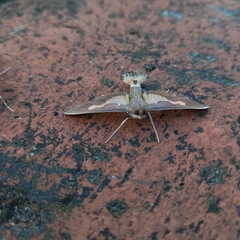
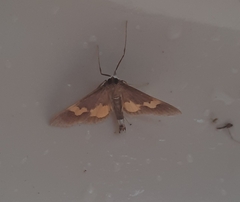
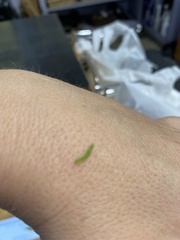
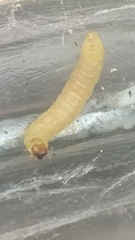
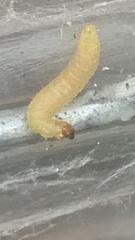
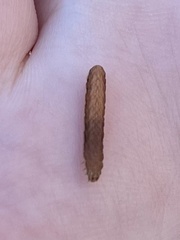
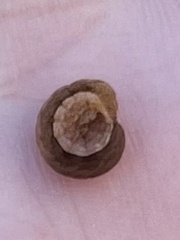
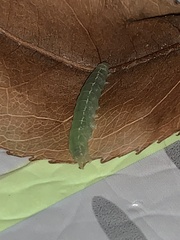
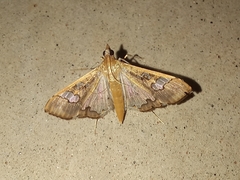
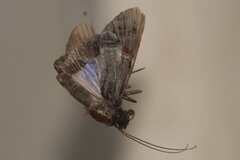
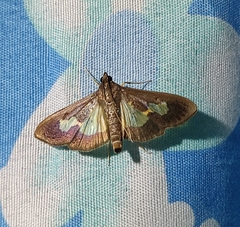
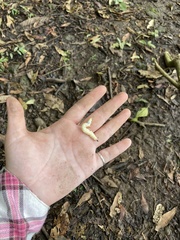
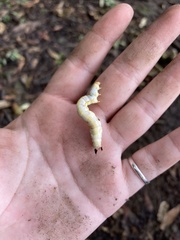
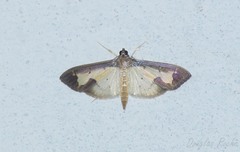
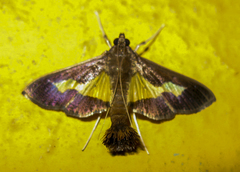
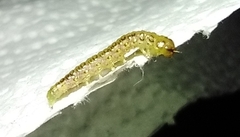
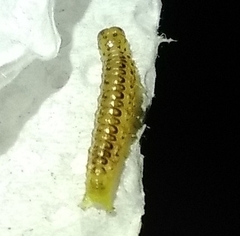
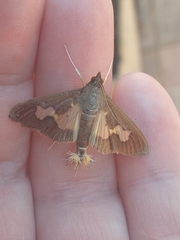
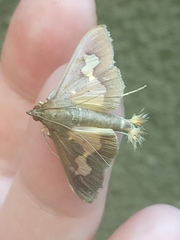
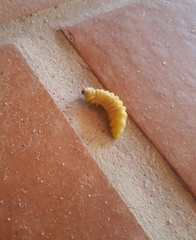
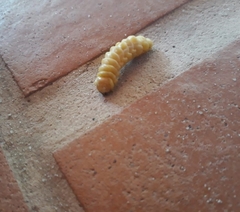
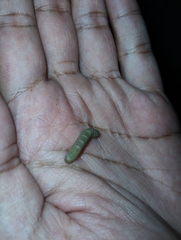
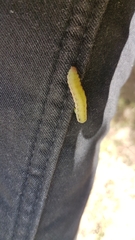
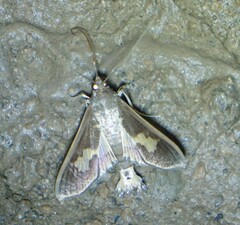
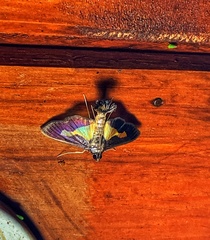
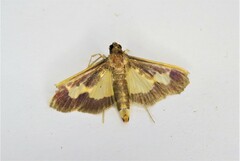
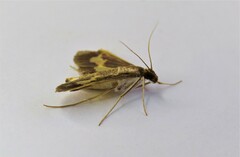
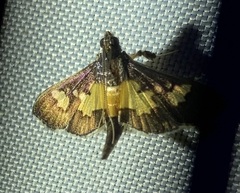
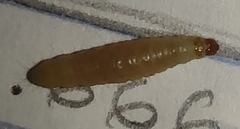
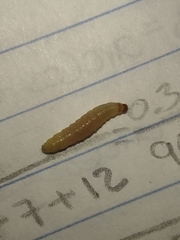
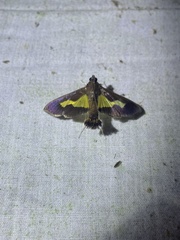
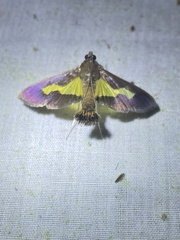
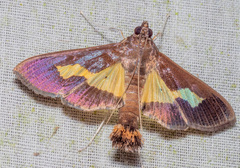
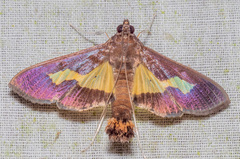
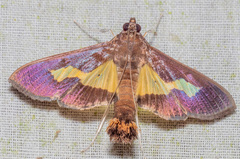
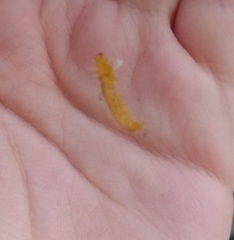
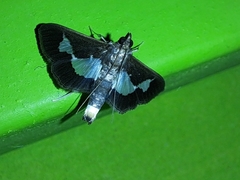
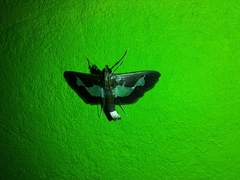
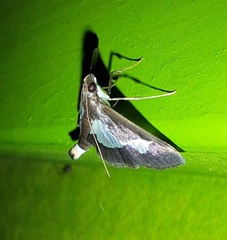
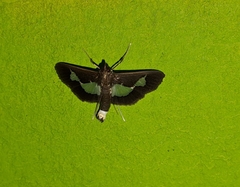
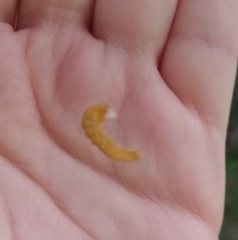
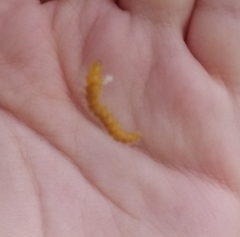
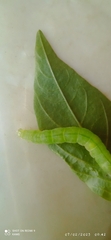
The pickleworm adult is a flashy moth with wide triangular wings and a wingspan of about one inch. The wings are mostly iridescent brown with a central band of yellow and thin white borders. The legs are white. The abdomen is mostly brown except for the tail segment, which is white and has a large fluffy tuft. Adults are not active during daylight hours and eggs are laid only at night. It lays tiny eggs in small clusters on growing areas of the plant, such as flowers, shoots, and new leaf buds. These areas are the feeding spots for the larvae, which emerge after a few days and eat voraciously for two weeks. The younger larvae are thin white caterpillars with numerous small black spots. As the larvae mature they become plump and darker in color and they lose their spots. The larvae tuck themselves into crumpled dead leaves to pupate for 8 to 10 days. The life cycle varies by environmental conditions ranging from 22 to 55 days. In warm areas the pickleworm can produce four generations per year.
...Diaphania nitidalis in languages:
- English
- Pickleworm Moth
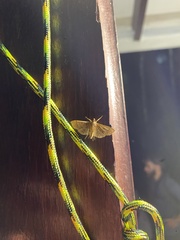
Images from inaturalist.org observations:
We recommend you sign up for this excellent, free service.

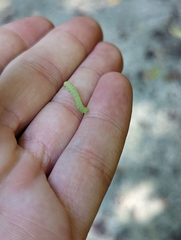
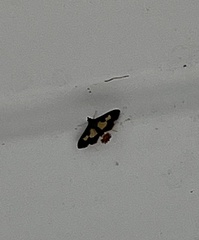
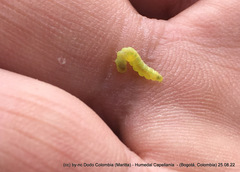
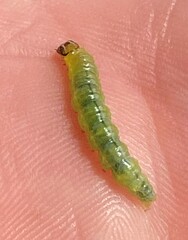


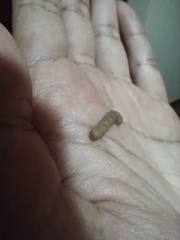
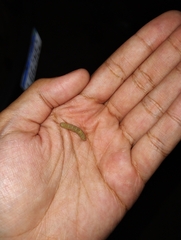
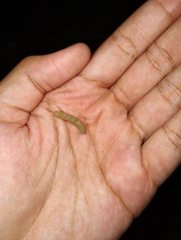
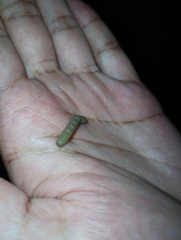
Parent Taxon
Sibling Taxa
- Diaphania albifascialis
- Diaphania andringitralis
- Diaphania antillia
- Diaphania argealis
- Diaphania arguta
- Diaphania attigua
- Diaphania auricollis
- Diaphania aurogrisealis
- Diaphania beckeri
- Diaphania busccalis
- Diaphania cachinalis
- Diaphania circumfumata
- Diaphania clavata
- Diaphania costaricalis
- Diaphania costata
- Diaphania elegans
- Diaphania esmeralda
- Diaphania eumeusalis
- Diaphania euryzonalis
- Diaphania exclusalis
- Diaphania fuligalis
- Diaphania fumosalis
- Diaphania fuscicaudalis
- Diaphania glauculalis
- Diaphania grisea
- Diaphania grisealis
- Diaphania guenealis
- Diaphania hyalinata
- Diaphania immaculalis
- Diaphania indica
- Diaphania infernalis
- Diaphania infimalis
- Diaphania innotata
- Diaphania jairusalis
- Diaphania latilimbalis
- Diaphania lualis
- Diaphania lucidalis
- Diaphania modialis
- Diaphania nigricilialis
- Diaphania nitidalis
- Diaphania novicialis
- Diaphania ochrivitralis
- Diaphania oeditornalis
- Diaphania oriolalis
- Diaphania plumbidorsalis
- Diaphania praxialis
- Diaphania pyloalis
- Diaphania quadristigmalis
- Diaphania subtilalis
- Diaphania superalis
- Diaphania taenialis
- Diaphania translucidalis
- Diaphania yurakyana