Diplostraca: taxon details and analytics
- Domain
- Kingdom
- Animalia
- Phylum
- Arthropoda
- Class
- Branchiopoda
- Order
- Family
- Genus
- Species
- Scientific Name
- Diplostraca
Summary description from Wikipedia:
Diplostraca
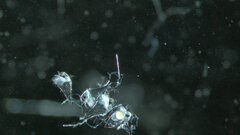
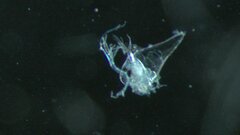
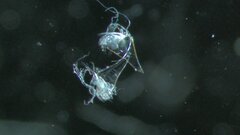
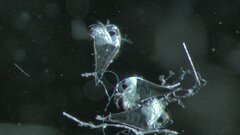
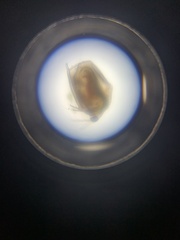
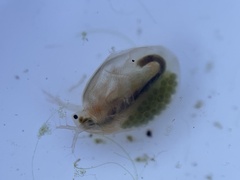
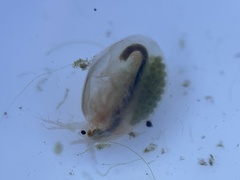
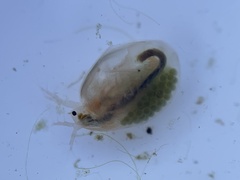
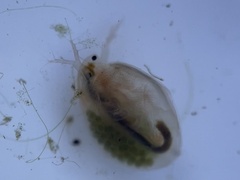
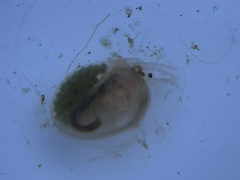
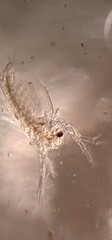
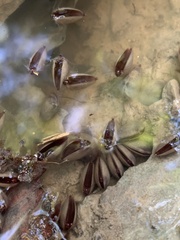
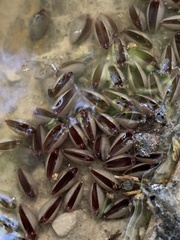
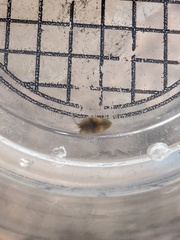
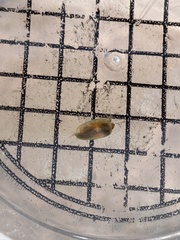
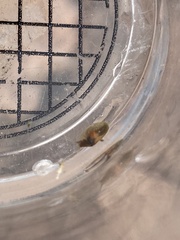
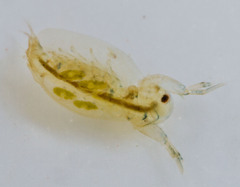
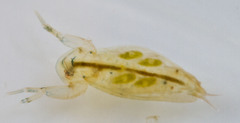
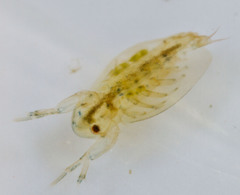
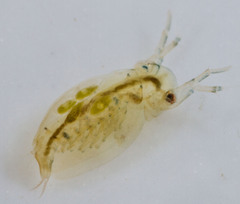
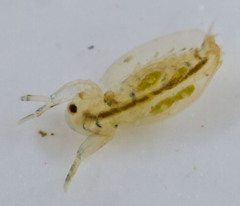
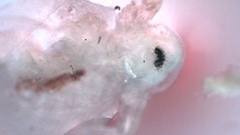
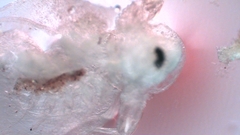
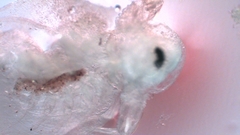
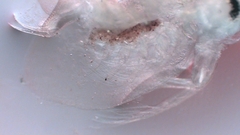
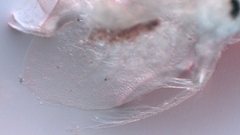
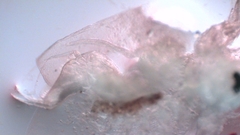
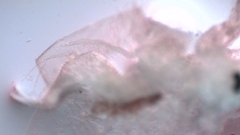
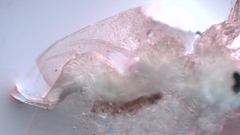
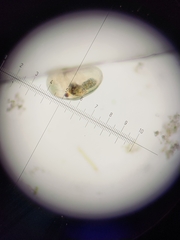
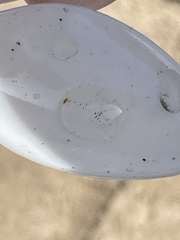
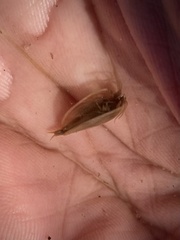
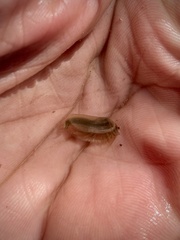
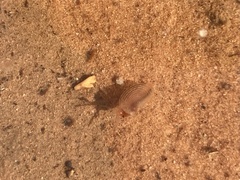
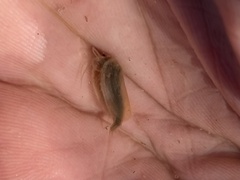
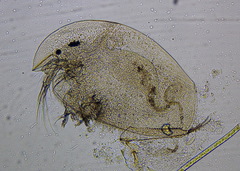
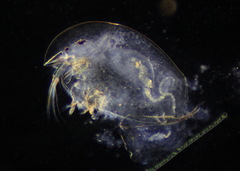
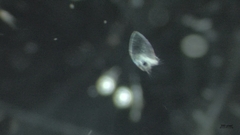
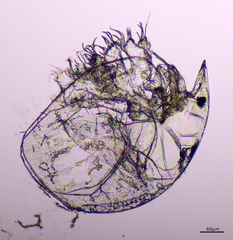
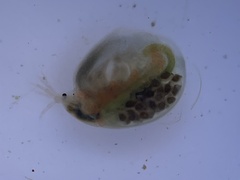
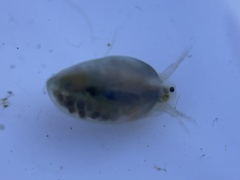
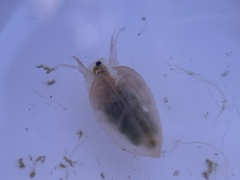
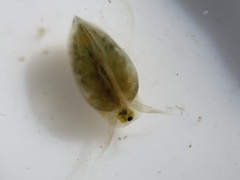
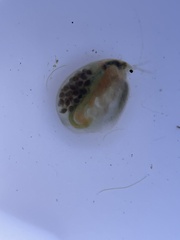
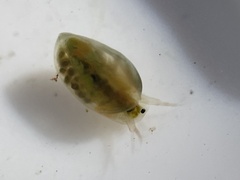
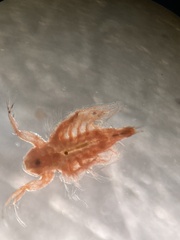
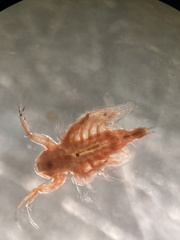
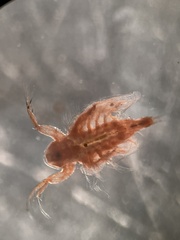
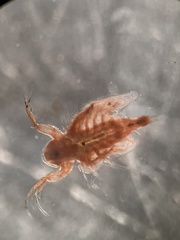
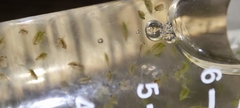
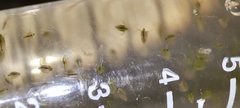
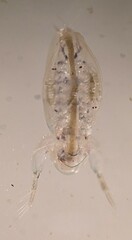
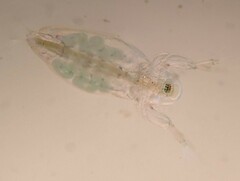
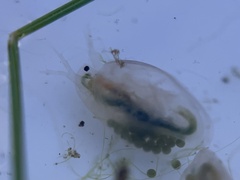
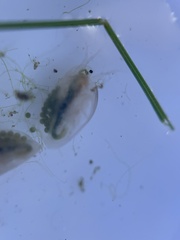
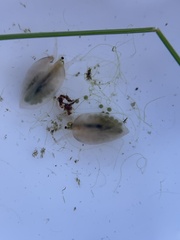
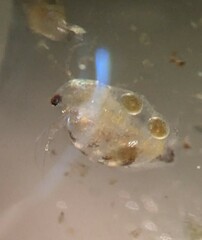
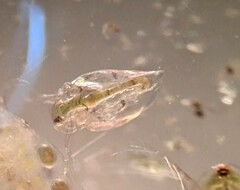
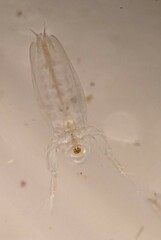
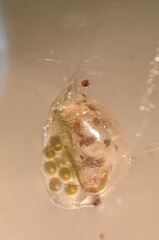
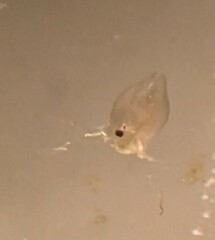
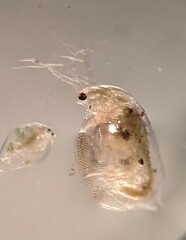
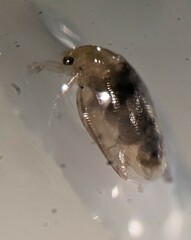
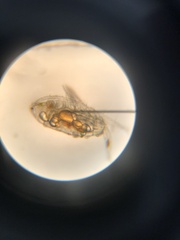
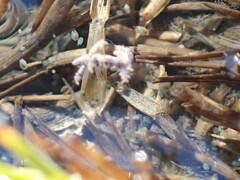
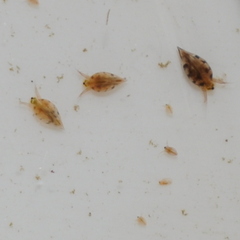
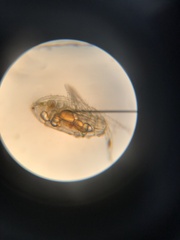
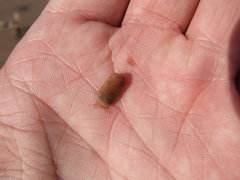
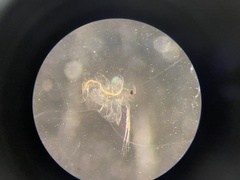
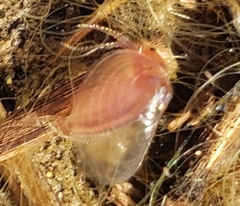
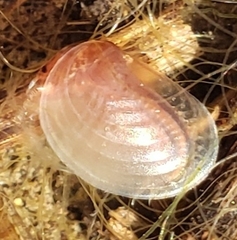
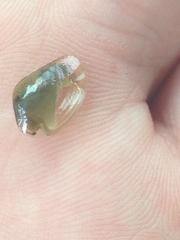
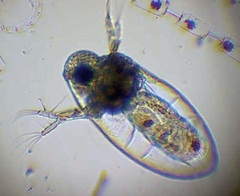
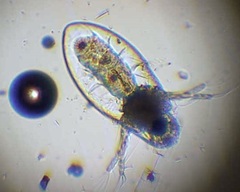
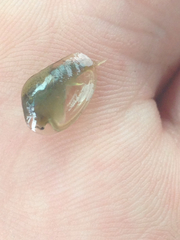
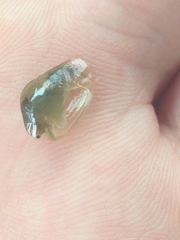
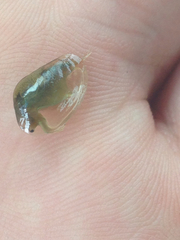
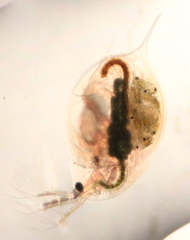
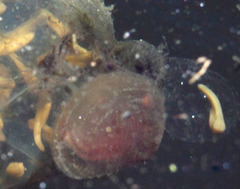
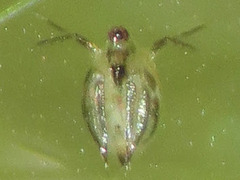
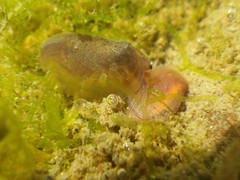
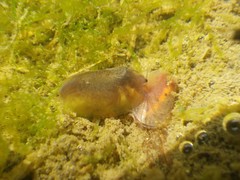
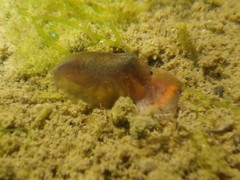
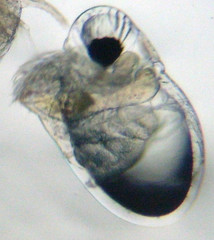
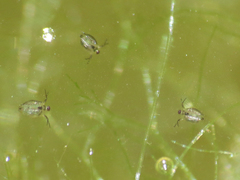
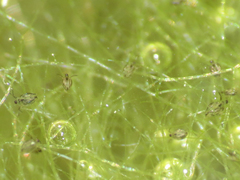
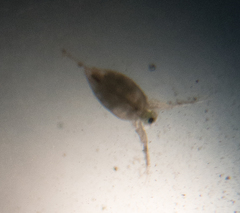
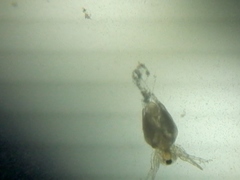
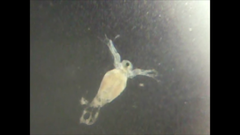
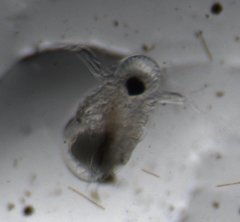
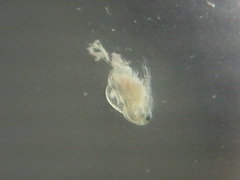
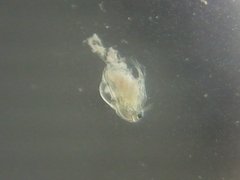
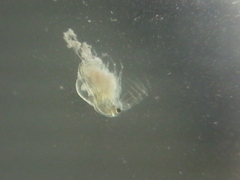
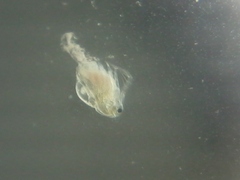
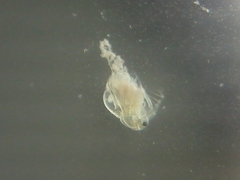
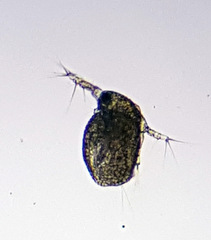
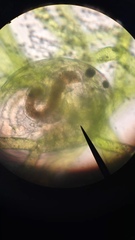
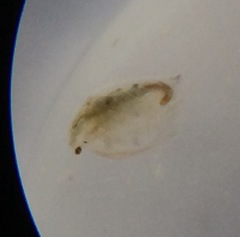
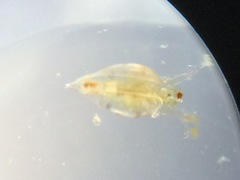
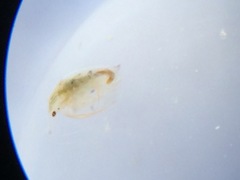
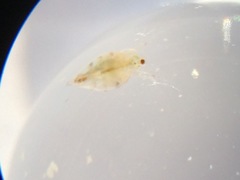
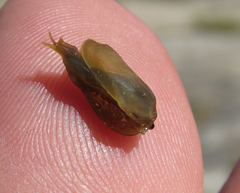
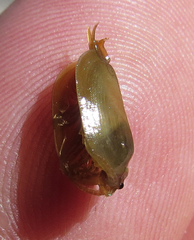
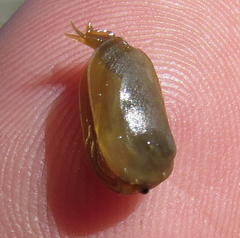
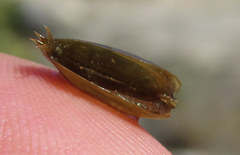
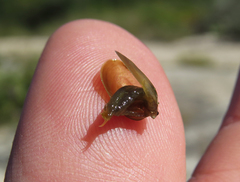
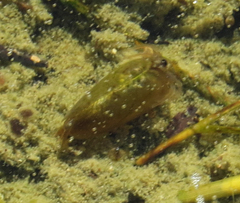
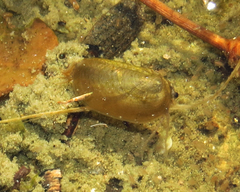
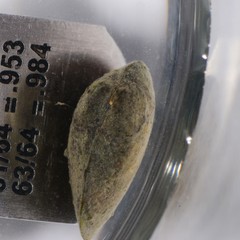
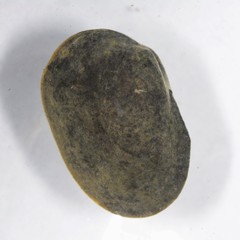
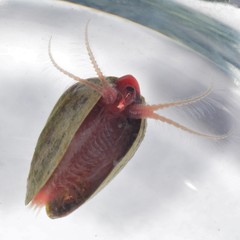
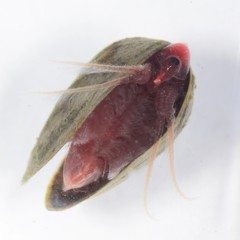
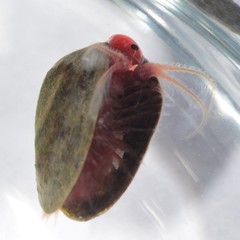
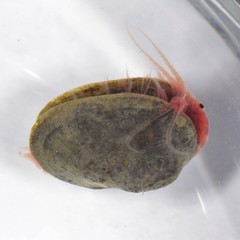
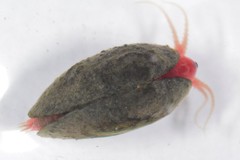
The Diplostraca or Cladocera, commonly known as water fleas, is a superorder of small, mostly freshwater crustaceans, most of which feed on microscopic chunks of organic matter, though some forms are predatory.
Over 1000 species have been recognised so far, with many more undescribed. The oldest unequivocal fossils of diplostracans date to the Jurassic, though their modern morphology suggests that they originated substantially earlier, during the Paleozoic. Some have also adapted to a life in the ocean, the only members of Branchiopoda to do so, though several anostracans live in hypersaline lakes. Most are 0.2–6.0 mm (0.01–0.24 in) long, with a down-turned head with a single median compound eye, and a carapace covering the apparently unsegmented thorax and abdomen. Most species show cyclical parthenogenesis, where asexual reproduction is occasionally supplemented by sexual reproduction, which produces resting eggs that allow the species to survive harsh conditions and disperse to distant habitats.
...Diplostraca in languages:
- Afrikaans
- Watervlooie
- Czech
- perloočky
- Dutch
- Watervlooien
- English
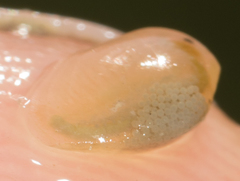
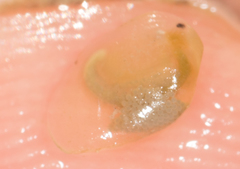
- Clam Shrimps and Water Fleas
- English
- Water Fleas
- Estonian
- vesikirbulised
- Finnish
- (mm. vesikirput)
- Finnish
- vesikirput
- French
- Cladocères
- German
- Wasserflöhe
- Japanese
- 双殻目
- Japanese
- ミジンコ上目
- Japanese
- 枝角上目
- Polish
- Wioślarki
- Portuguese
- Camarões-de-Concha e Afins
- Swedish
- hinnkräftor
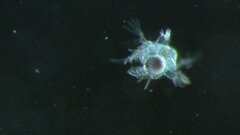
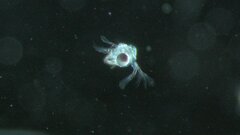
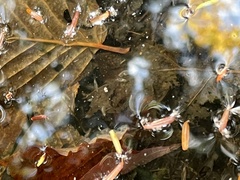
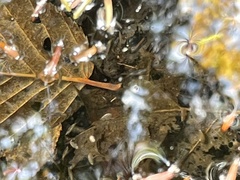
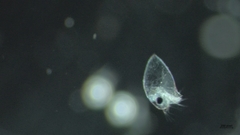
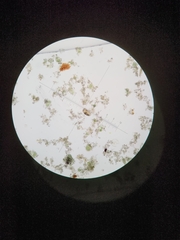
Images from inaturalist.org observations:
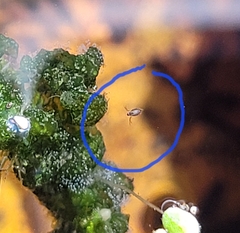
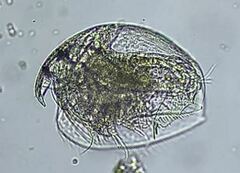
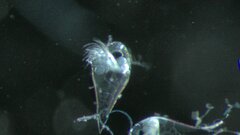
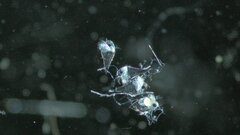
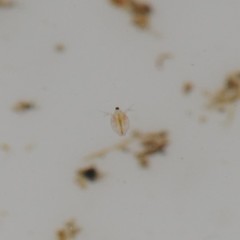
We recommend you sign up for this excellent, free service.