Donax trunculus: taxon details and analytics
- Domain
- Kingdom
- Animalia
- Phylum
- Mollusca
- Class
- Bivalvia
- Order
- Cardiida
- Family
- Donacidae
- Genus
- Donax
- Species
- Donax trunculus
- Scientific Name
- Donax trunculus
Summary description from Wikipedia:
Donax trunculus
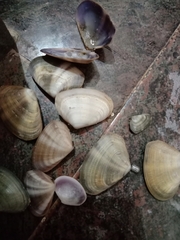
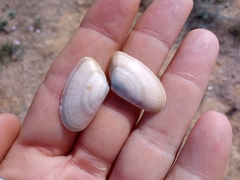
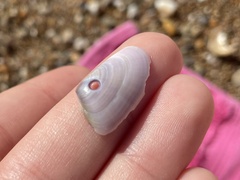
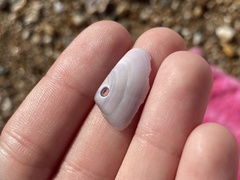
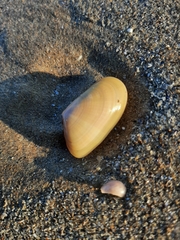
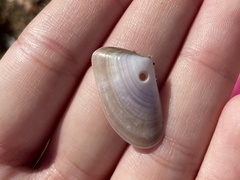
The truncate donax, abrupt wedge shell, wedge clam or coquina clam (Donax trunculus), is a bivalve species in the family Donacidae.
It is native to the Mediterranean and Atlantic coasts of western Europe, as well as the Red sea, where it is consumed as a food. The wedge clam prefers to live at depths of 0-2m and in clean, fine, and well sorted sand. These clams are efficient and rapid burrowers, and their survival relies heavily on the composition of the sand they burrow in. Their burrowing times vary based on the coarseness of the sand, which reflects their prevalence in these fine-sanded environments. The wedge clam is a popular food item for human consumption, but can carry heavy metals and hydrocarbon contaminations. As they are commonly consumed raw or lightly cooked, these contaminants are commonly present at the time of consumption. Despite this, the wedge clam is an efficient bioindicator of heavy metals and hydrocarbon contaminants in their environment.
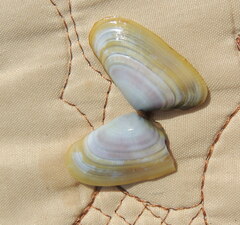
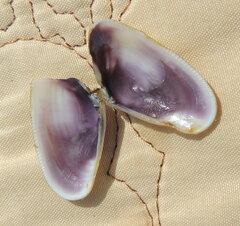
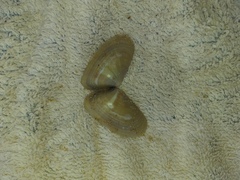
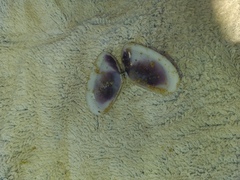
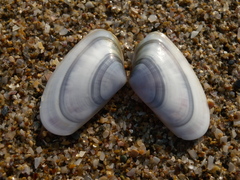
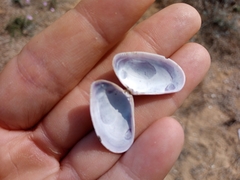
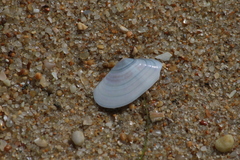
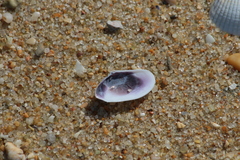
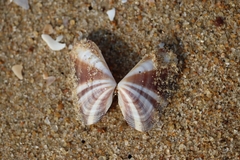
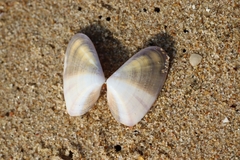
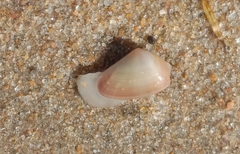
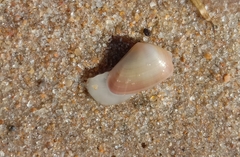
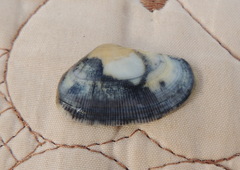
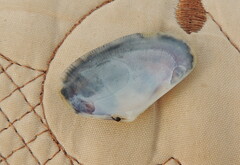
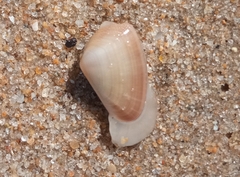
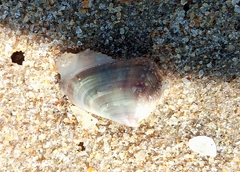
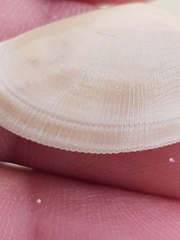
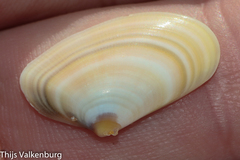
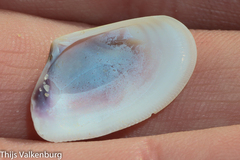
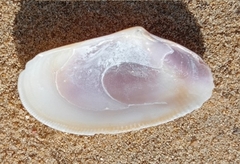
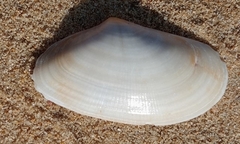
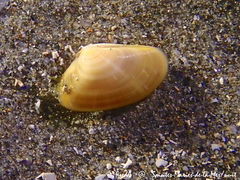
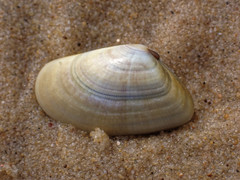
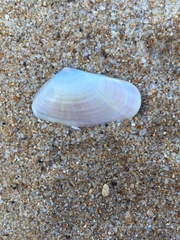
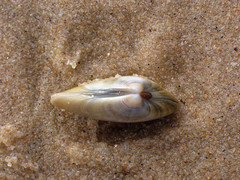
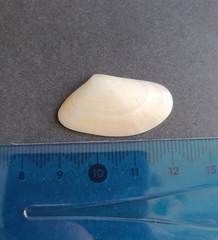
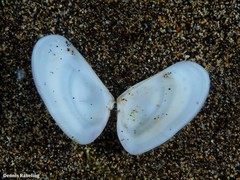
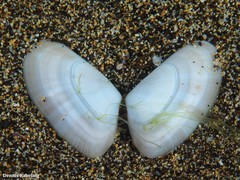
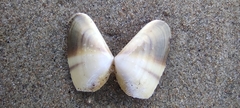
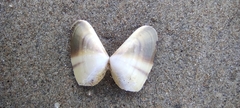
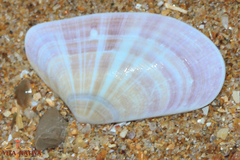
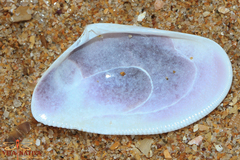
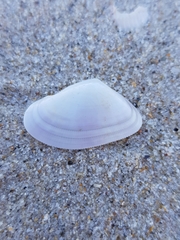
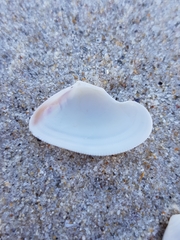
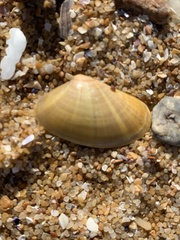
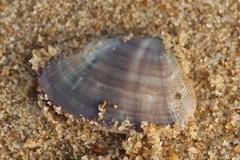
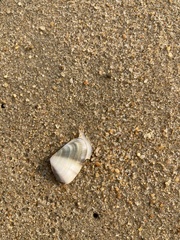
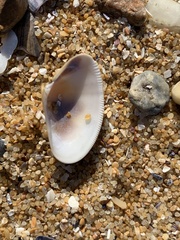
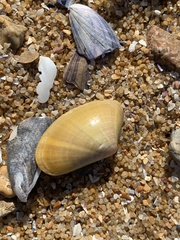
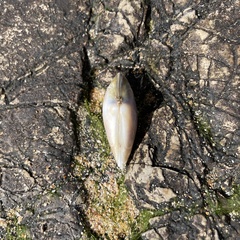
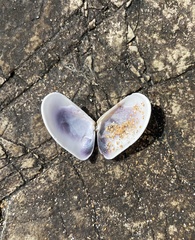
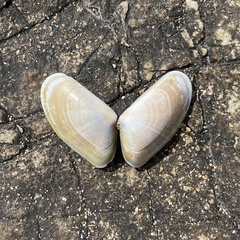
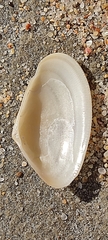
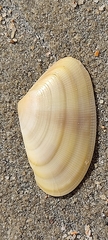
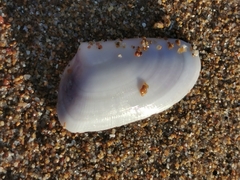
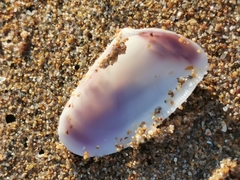
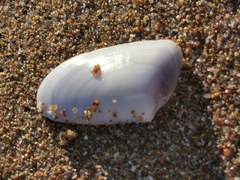
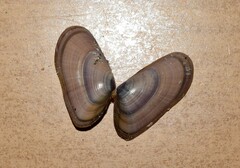
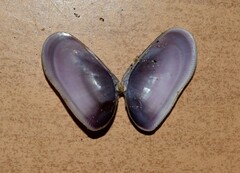
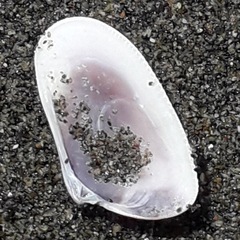
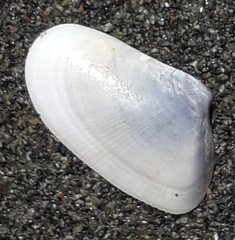
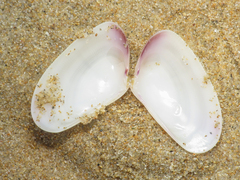
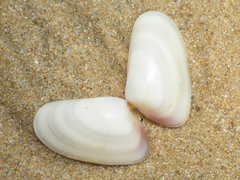
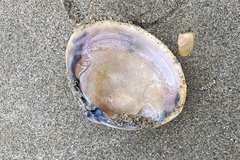
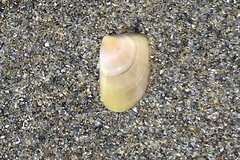
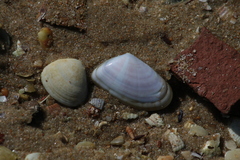
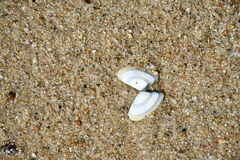
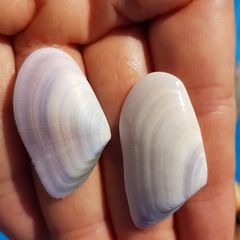
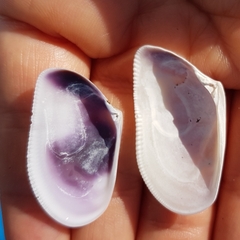
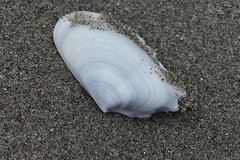
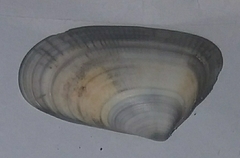
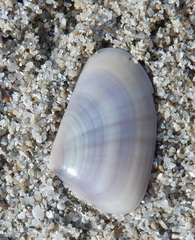
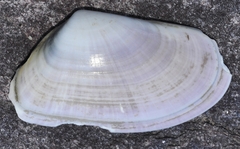
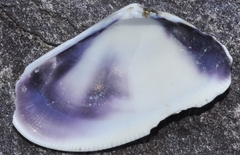
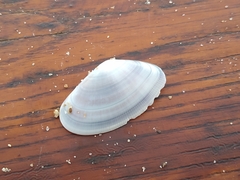
With this species, as with many in its family Donacidae, it's easy to mistake the orientation of the valves, that is, to locate wrong the anterior and posterior ends of the animal and thus to mistake the right valve for the left one and vice versa (if there's no soft body left to give a reference), because the wedge clam's valves have some distinct features which are the opposite to what we see in the majority of the bivalves and can lead to confusion if we try to orientate the valves using these: first, Donax's umbo points backwards, towards the posterior end (instead of pointing forward, which is the common thing to happen in other bivalve families such as Veneridae); second, the anterior half of the valve (if you divide the valve in two by tracing a transverse axis from the umbo's point) is bigger, broader, more elongate, extends further away, while the posterior half is much shorter and reduced, which is exactly the opposite to the norm. However, if we ignore these unusual features, the valve can be readily oriented if we are able to make out the impression of the pallial sinus on the internal face of the valve: the pallial sinus, which is quite deep and prominent in this species, always opens towards the posterior end of the animal, with no exception.
...Donax trunculus in languages:
- Czech
- violetka obecná
- Dutch
- Stomp zaagje
- English
- Wedge Clam
- French
- Flion tronqué
- Italian
- Arsella
- Italian
- Arsellina
- Italian
- Calcinello
- Lithuanian
- Pleištinis drugenis
- Portuguese
- Conquilha
- Russian
- Донакс обрезанный
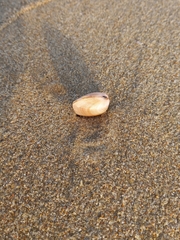
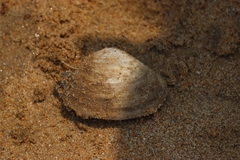
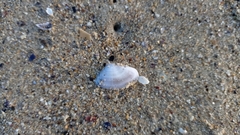
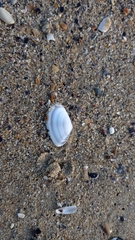
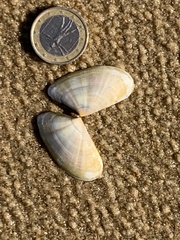
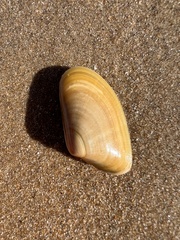
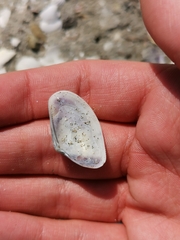
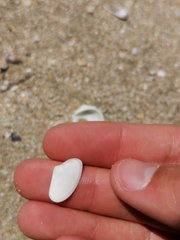
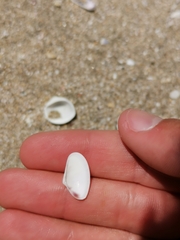
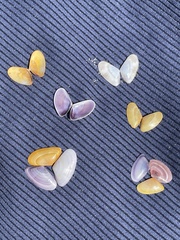
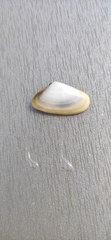
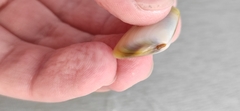
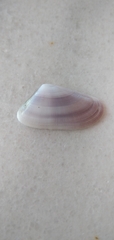
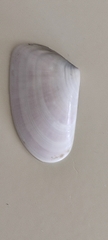
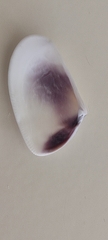
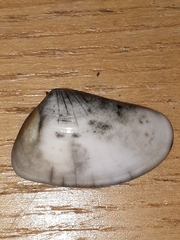
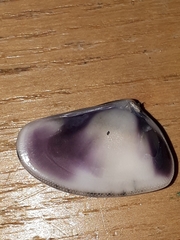
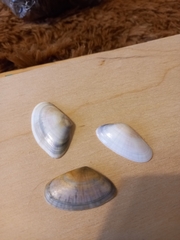
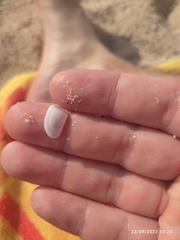
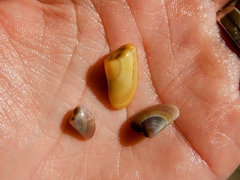
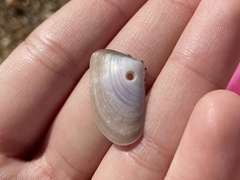
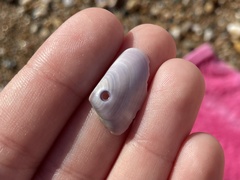
Images from inaturalist.org observations:
We recommend you sign up for this excellent, free service.

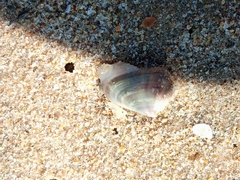
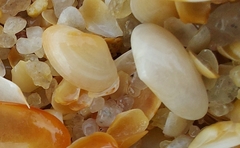
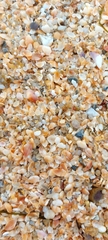
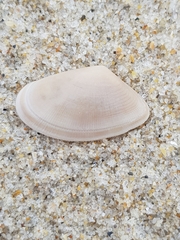
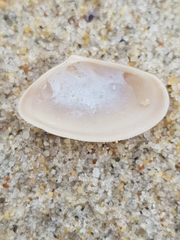
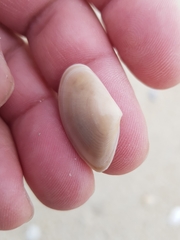
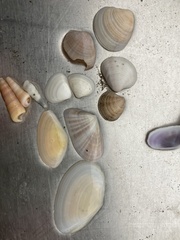
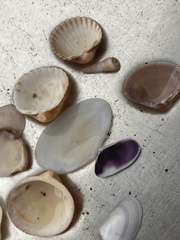
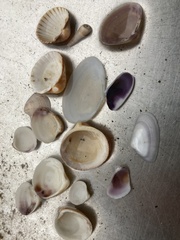
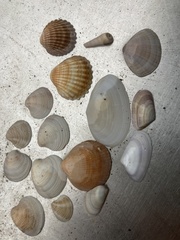
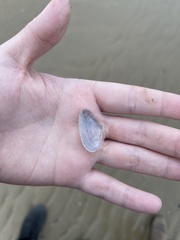
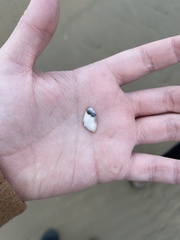
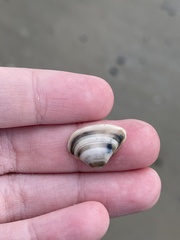
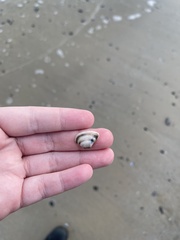
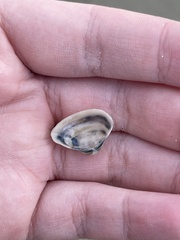
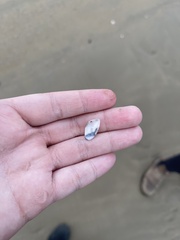
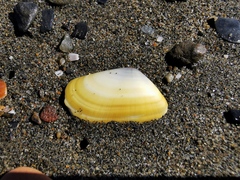
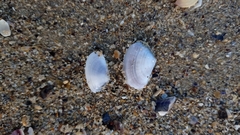
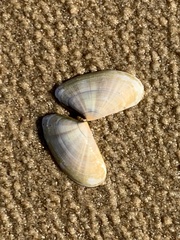
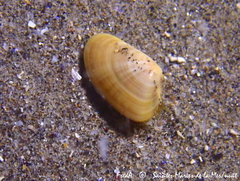
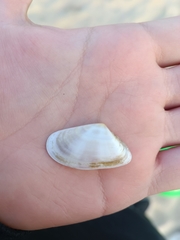
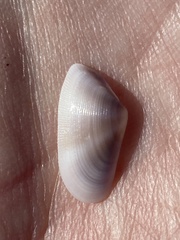
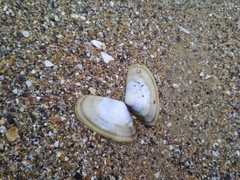
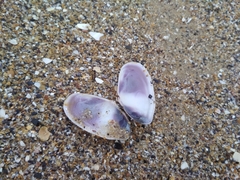
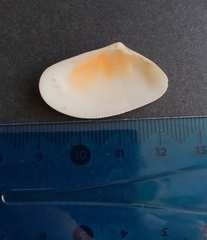
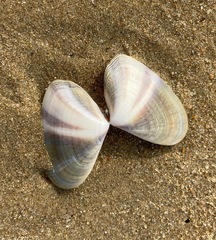
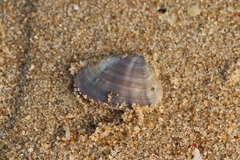
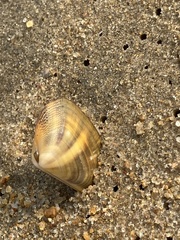
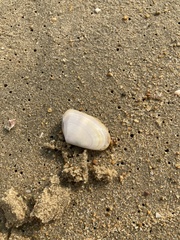
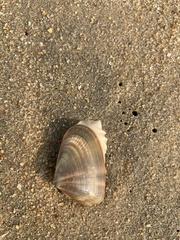
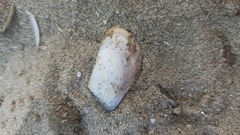
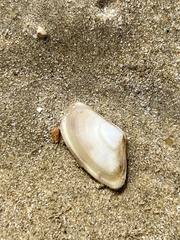
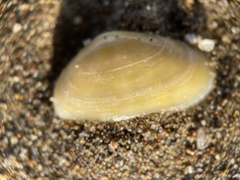
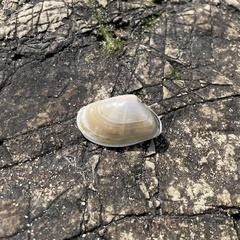
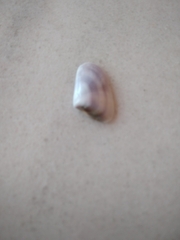
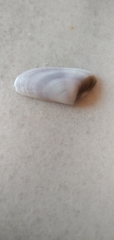
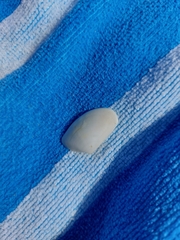
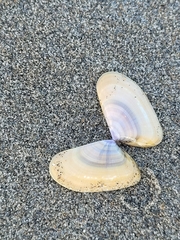
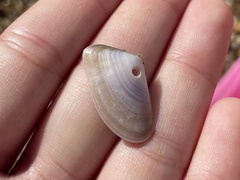
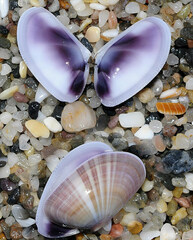
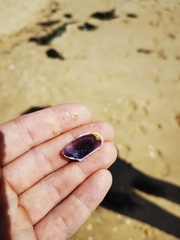
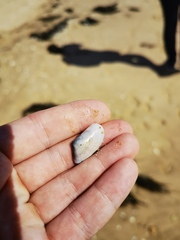
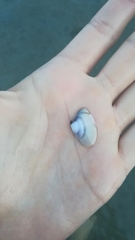
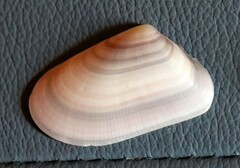
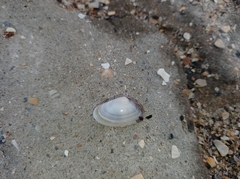
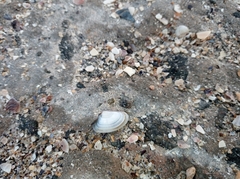
Parent Taxon
Sibling Taxa
- Donax acutangulus
- Donax aperittus
- Donax asper
- Donax assimilis
- Donax baliregteri
- Donax bertini
- Donax bipartitus
- Donax brazieri
- Donax bruneirufi
- Donax burnupi
- Donax caelatus
- Donax californicus
- Donax carinatus
- Donax clathratus
- Donax culter
- Donax cumingii
- Donax denisi
- Donax denticulatus
- Donax dentifer
- Donax domaini
- Donax ecuadorianus
- Donax electilis
- Donax erythraeensis
- Donax faba
- Donax fossor
- Donax francisensis
- Donax gemmula
- Donax gouldii
- Donax grasi
- Donax hanleyanus
- Donax impar
- Donax incarnatus
- Donax introradiatus
- Donax kindermanni
- Donax kiusiuensis
- Donax listeri
- Donax lubricus
- Donax obesulus
- Donax owenii
- Donax paxillus
- Donax phariformis
- Donax pulchellus
- Donax punctatostriatus
- Donax purpurascens
- Donax pusillus
- Donax rothi
- Donax rugosus
- Donax saigonensis
- Donax saxulum
- Donax scalpellum
- Donax sebae
- Donax semistriatus
- Donax semisulcatus
- Donax serra
- Donax simplex
- Donax solidus
- Donax souverbianus
- Donax spiculum
- Donax striatus
- Donax szemiani
- Donax texasianus
- Donax ticaonicus
- Donax townsendi
- Donax transversus
- Donax trunculus
- Donax variabilis
- Donax variegatus
- Donax vellicatus
- Donax venustus
- Donax verdensis
- Donax veruinus
- Donax vittatus