Ecliptopera silaceata: taxon details and analytics
- Domain
- Kingdom
- Animalia
- Phylum
- Arthropoda
- Class
- Insecta
- Order
- Lepidoptera
- Family
- Geometridae
- Genus
- Ecliptopera
- Species
- Ecliptopera silaceata
- Scientific Name
- Ecliptopera silaceata
Summary description from Wikipedia:
Ecliptopera silaceata
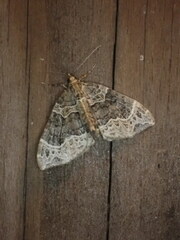
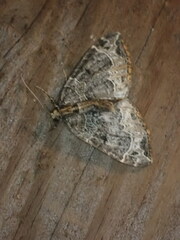
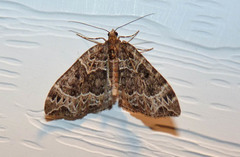
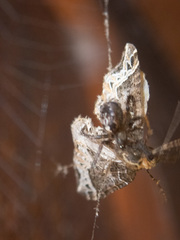
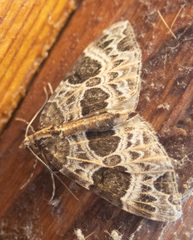
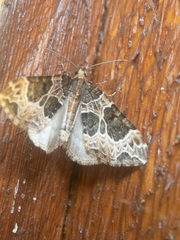
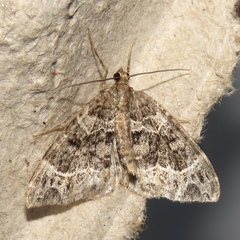
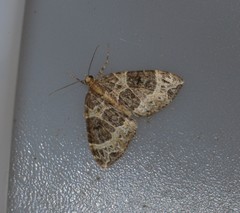
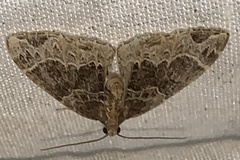
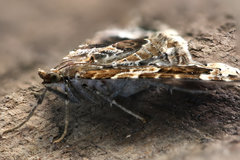
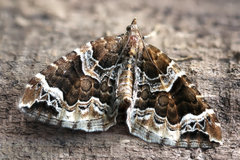
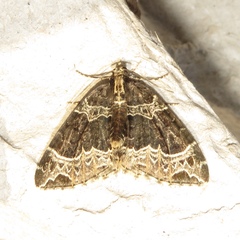
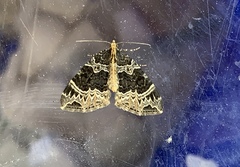
Ecliptopera silaceata, the small phoenix, is a species of moth in the family Geometridae. The species was first described by Michael Denis and Ignaz Schiffermüller in 1775.
The distribution includes most of Europe including the British Isles and extends eastwards through Russia and the Altai and the Vyatskoye, as well as north into the Arctic Circle, and south to the Caucasus. It also occurs in North America.
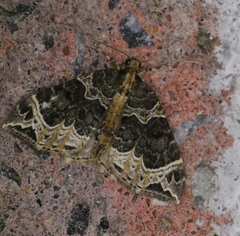
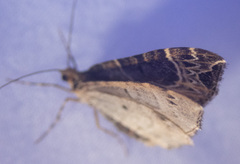
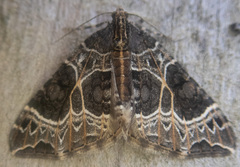
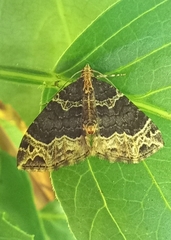
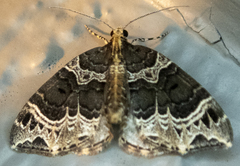
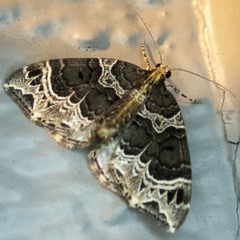
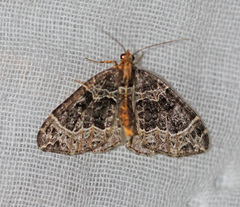
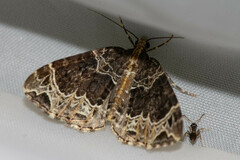
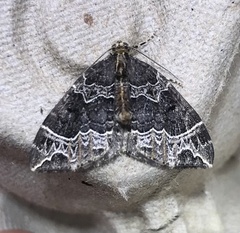
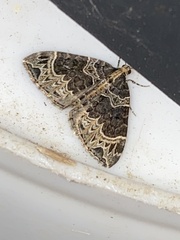
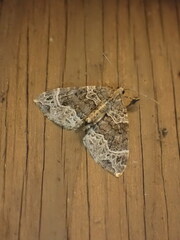
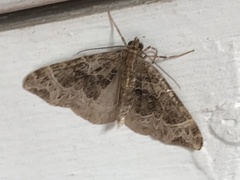
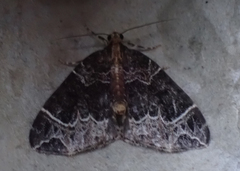
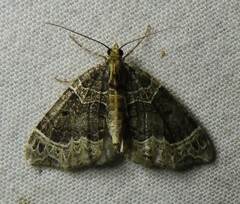
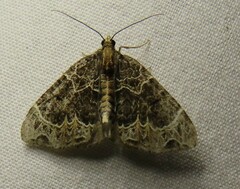
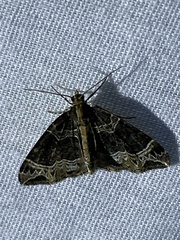
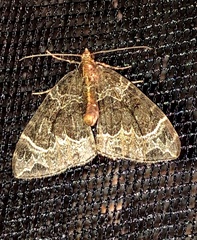
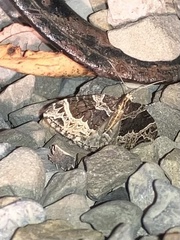
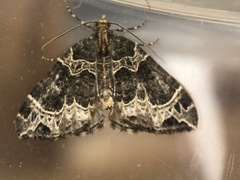
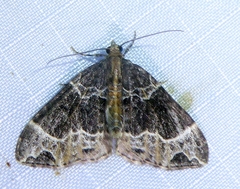
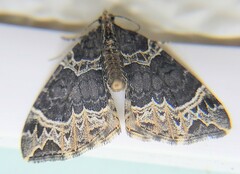
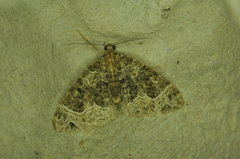
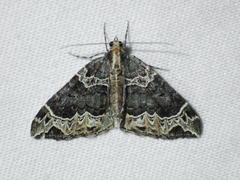
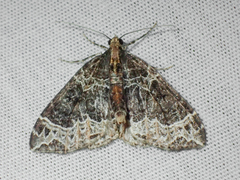
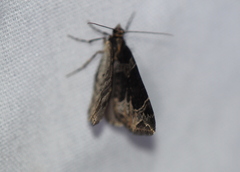
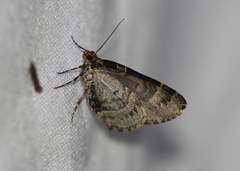
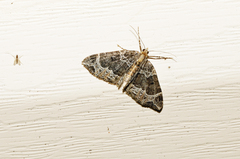
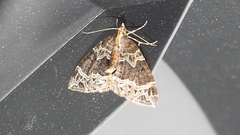
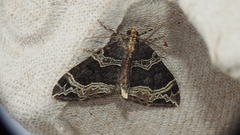
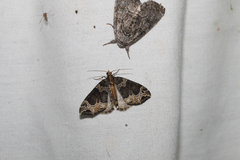
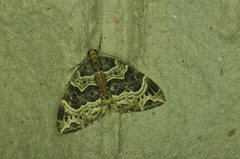
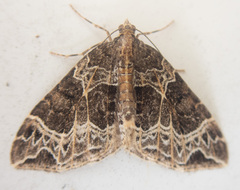
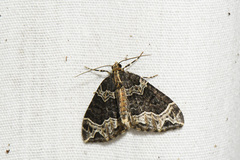
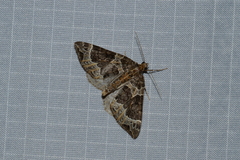
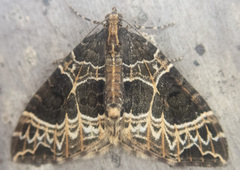
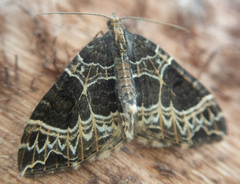
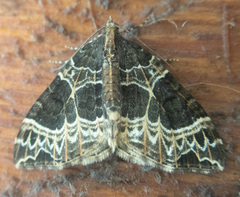
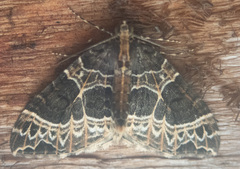
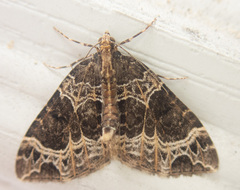
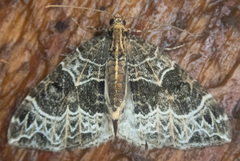
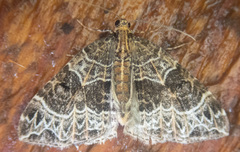
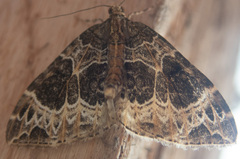
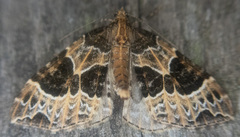
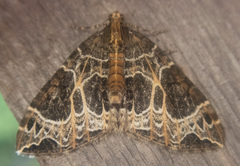
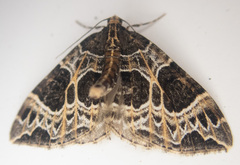
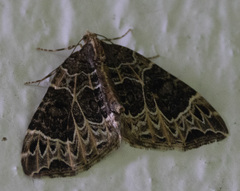
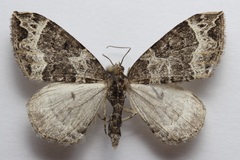
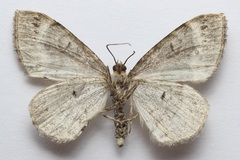
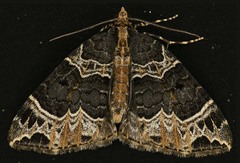
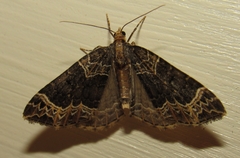
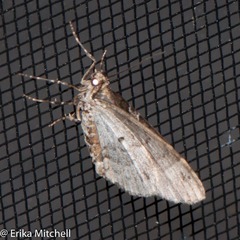
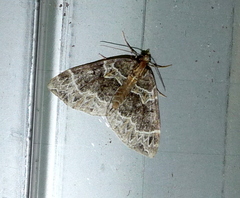
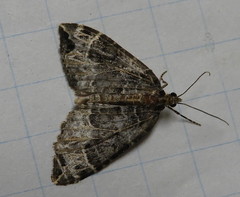
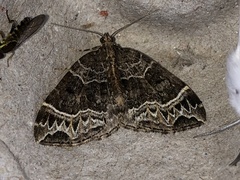
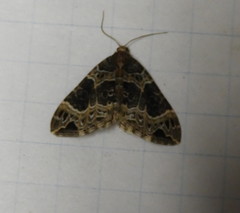
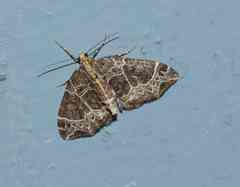
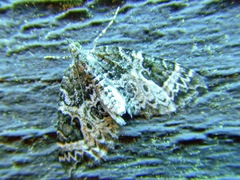
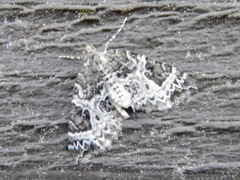
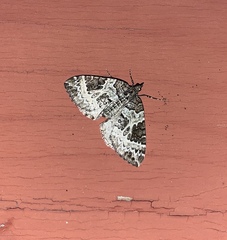
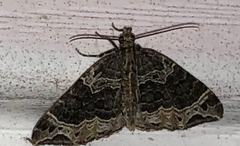
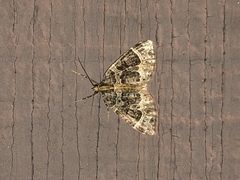
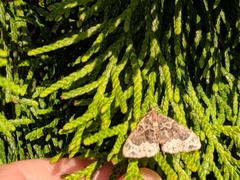
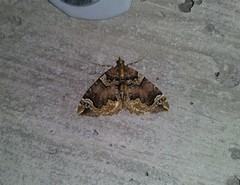
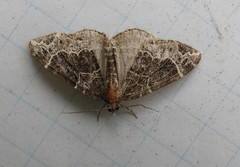
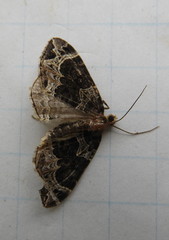
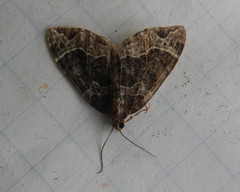
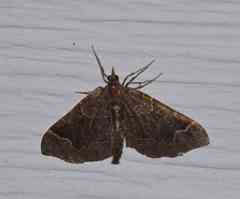
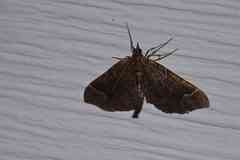
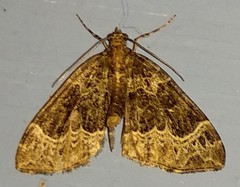
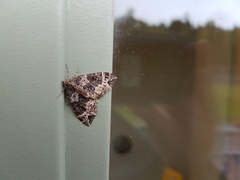
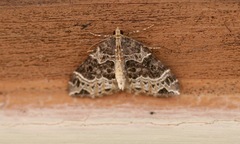
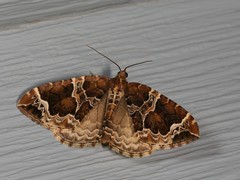
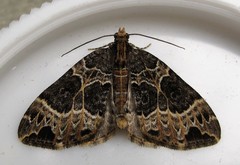
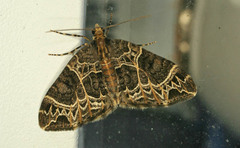
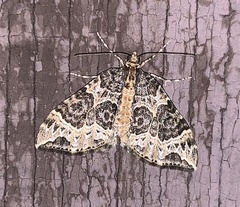
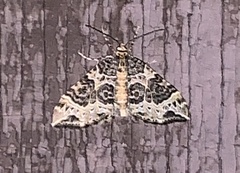
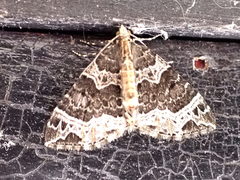
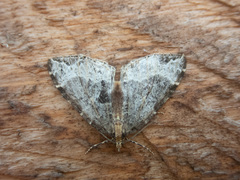
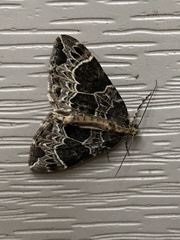
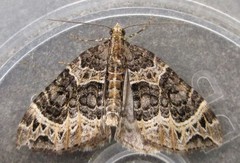
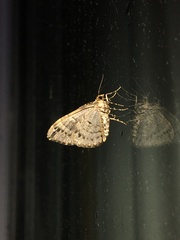
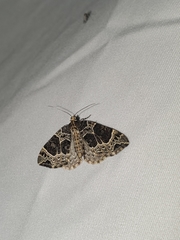
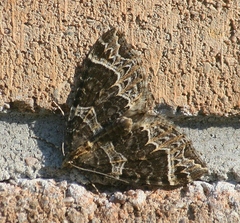
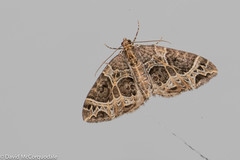
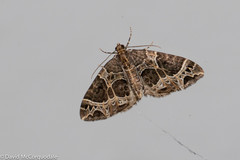
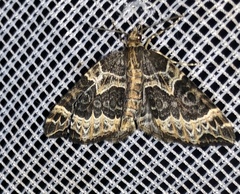
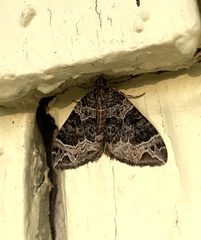
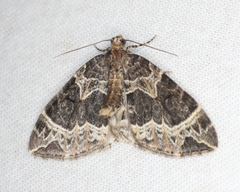
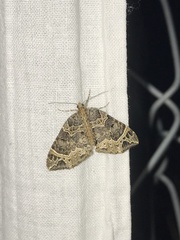
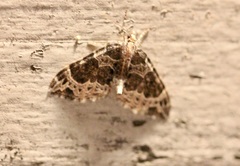
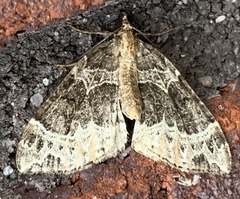
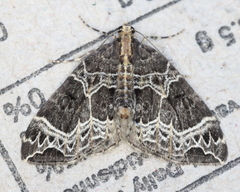
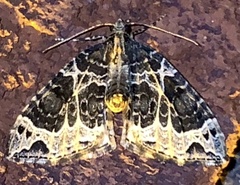
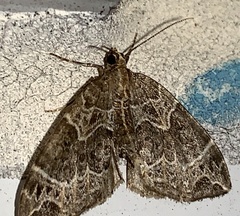
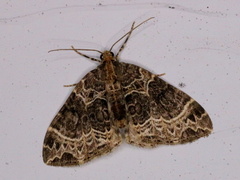
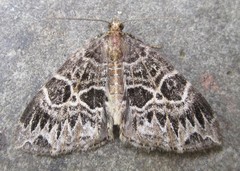
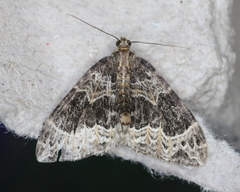
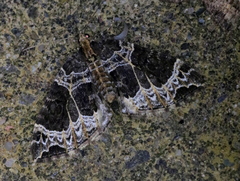
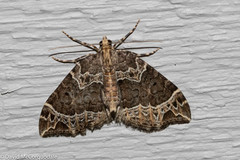
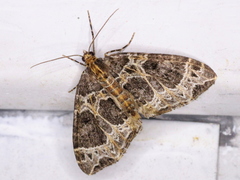
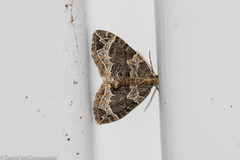
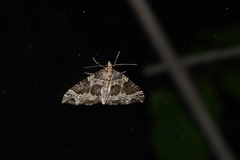
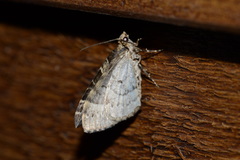
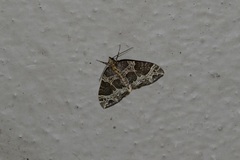
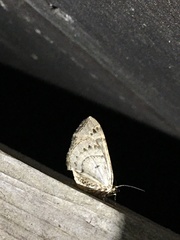
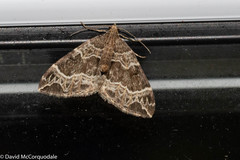
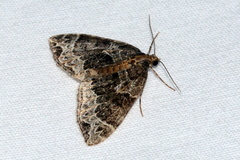
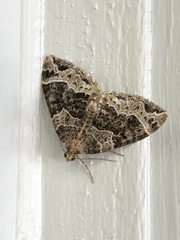
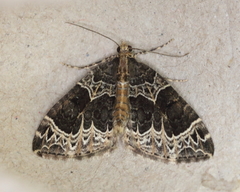
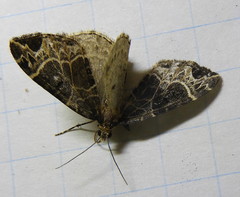
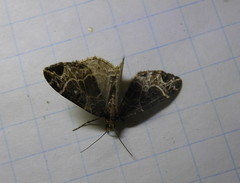
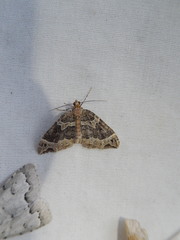
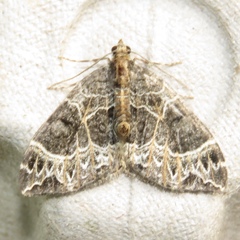
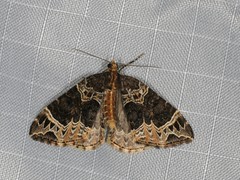
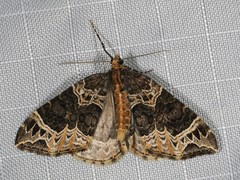
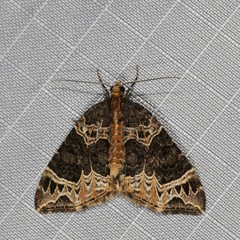
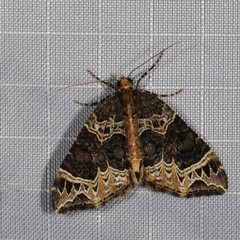
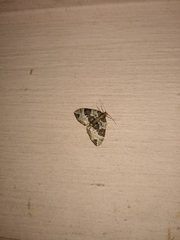
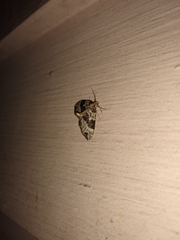
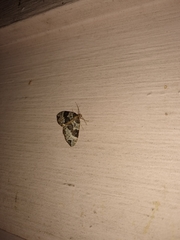
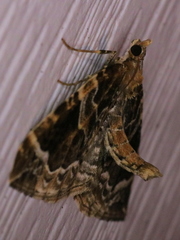
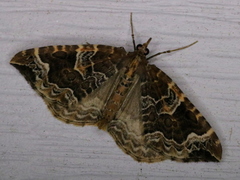
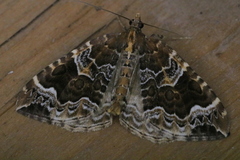
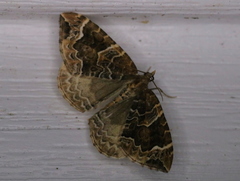
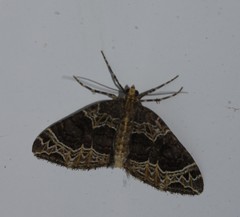
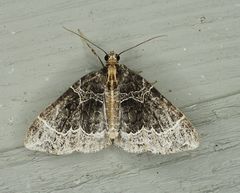
The wingspan is 23–27 mm. The length of the forewings is 13–17 mm. The basal region is dark grey, and is bordered by a light coloured band in which are mostly dark stains. The very wide discal region is black brown, and often shows a nearly elliptical white "drawing" in the middle. The marginal area is brown with several significant arrow patches. Two or three distally facing peaks continue as orange coloured strokes sometimes up to the outer edge. Below the apex, there are dark arch stains and a white wavy line located at the outer edge. The hind wings are white grey and have bright crosslines as well as a little black heart. The colour of head, thorax, and abdomen is brown. Prout describes some variants. The larva is long and thin, variable in colour, green or flesh-colour, the thoracic and last 4 abdominal segments with a red or blackish mediodorsal line, the middle segments with blackish dots. The venter has a white line, sometimes pink-edged.
The main habitats of the species are semi-shady areas in deciduous, and mixed forests as well as young forest plantations and heaths.
The moths fly in two generations from May to July and from August to September. [1].
The larvae feed mainly on willowherbs. The compact, brownish green pupa hibernates.
...Ecliptopera silaceata in languages:
- Bokmål
- geitramsdråpemåler
- Czech
- píďalka hnědohlavá
- Danish
- Dueurt-bladmåler
- Dutch
- Marmerspanner
- English
- Small Phoenix
- Estonian
- Pajulille-kirivaksik
- Finnish
- horsmamittari
- French
- Cidarie ochracée
- German
- Braunleibiger Springkrautspanner
- Hungarian
- Barna tarkaaraszoló
- Japanese
- ヒメハガタナミシャク
- Korean
- 버들물결자나방
- Lithuanian
- Danteninė Cidarija
- Russian
- Ларенция кипрейная
- Slovak
- piadivka hnedohlavá
- Swedish
- gråryggig fältmätare
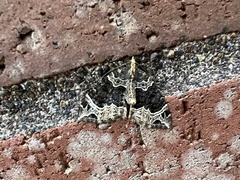
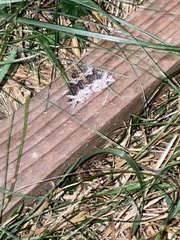
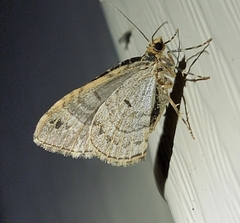
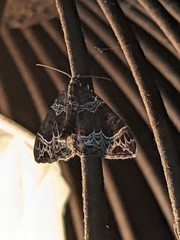
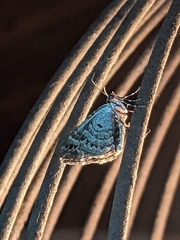
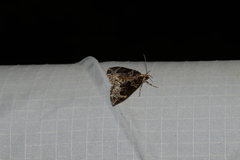
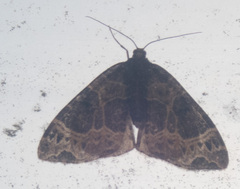
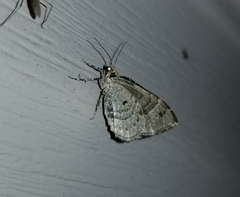
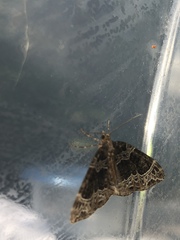
Images from inaturalist.org observations:
We recommend you sign up for this excellent, free service.

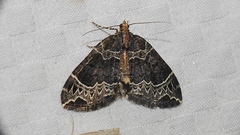
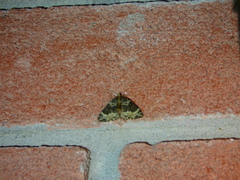
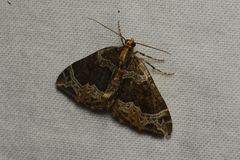
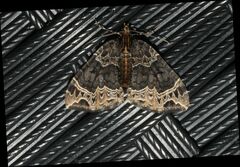
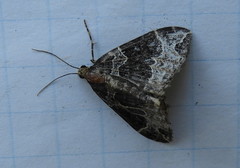
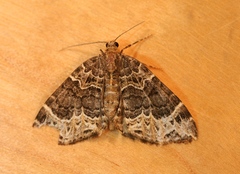
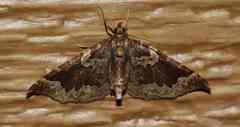
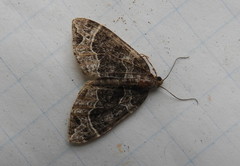

Parent Taxon
Sibling Taxa
- Ecliptopera acalles
- Ecliptopera albogilva
- Ecliptopera angustaria
- Ecliptopera benigna
- Ecliptopera capitata
- Ecliptopera convexa
- Ecliptopera ctenoplia
- Ecliptopera delecta
- Ecliptopera dentifera
- Ecliptopera dimita
- Ecliptopera dissecta
- Ecliptopera falsiloqua
- Ecliptopera fastigata
- Ecliptopera fervidaria
- Ecliptopera fulvidorsata
- Ecliptopera fulvotincta
- Ecliptopera furva
- Ecliptopera furvoides
- Ecliptopera haplocrossa
- Ecliptopera leucoglyphica
- Ecliptopera litterata
- Ecliptopera lucrosa
- Ecliptopera macarthuri
- Ecliptopera muscicolor
- Ecliptopera oblongata
- Ecliptopera obscurata
- Ecliptopera odontoplia
- Ecliptopera phaula
- Ecliptopera postpallida
- Ecliptopera pryeri
- Ecliptopera recordans
- Ecliptopera rectilinea
- Ecliptopera relata
- Ecliptopera sagittatoides
- Ecliptopera silaceata
- Ecliptopera subfalcata
- Ecliptopera subnubila
- Ecliptopera substituta
- Ecliptopera thalycra
- Ecliptopera torajae
- Ecliptopera triangulifera
- Ecliptopera umbrosaria
- Ecliptopera zaes
- Ecliptopera zophera