Eleocharis: taxon details and analytics
- Domain
- Kingdom
- Plantae
- Phylum
- Tracheophyta
- Class
- Liliopsida
- Order
- Poales
- Family
- Cyperaceae
- Genus
- Eleocharis
- Species
- Scientific Name
- Eleocharis
Summary description from Wikipedia:
Eleocharis
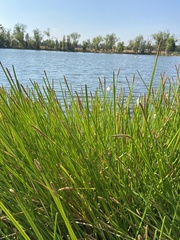
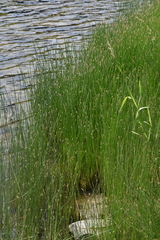
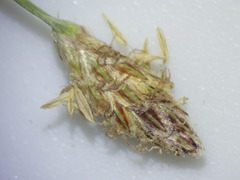
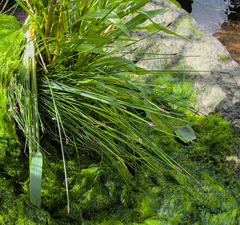
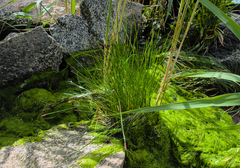
Eleocharis is a virtually cosmopolitan genus of 250 or more species of flowering plants in the sedge family, Cyperaceae. The name is derived from the Greek words ἕλειος (heleios), meaning "marsh dweller," and χάρις (charis), meaning "grace." Members of the genus are known commonly as spikerushes or spikesedges. The genus has a geographically cosmopolitan distribution, with centers of diversity in the Amazon rainforest and adjacent eastern slopes of the South American Andes, northern Australia, eastern North America, California, Southern Africa, and subtropical Asia. The vast majority of Eleocharis species grow in aquatic or mesic habitats from sea level to higher than 5,000 meters in elevation (in the tropical Andes).
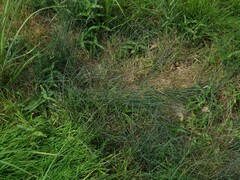
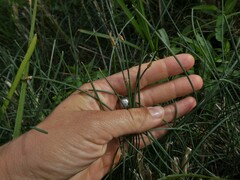
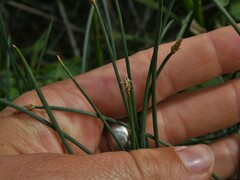
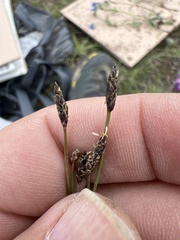
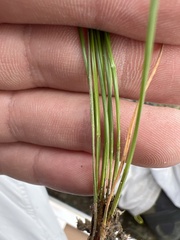
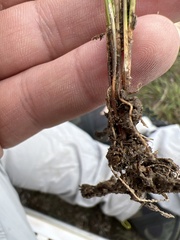
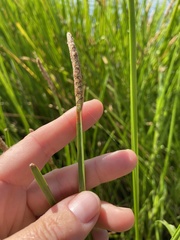
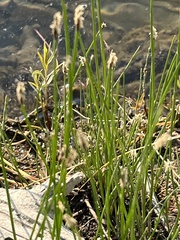
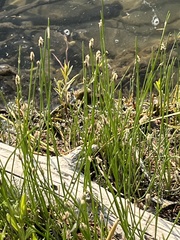
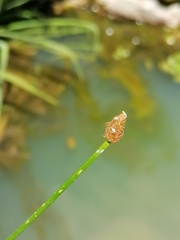
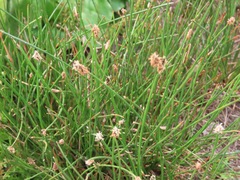
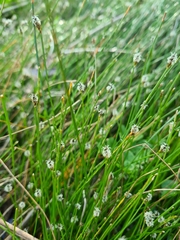
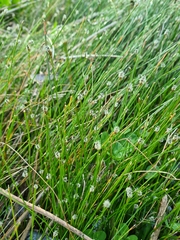
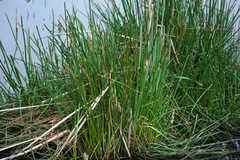
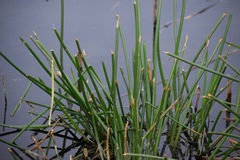
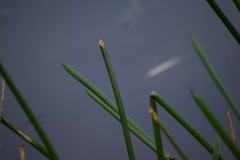
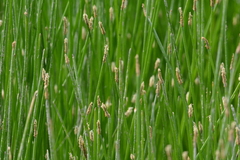
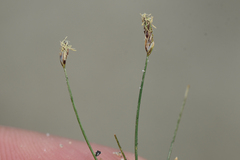
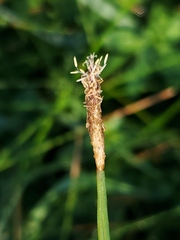
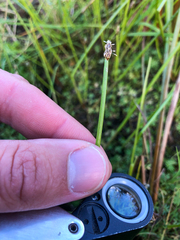
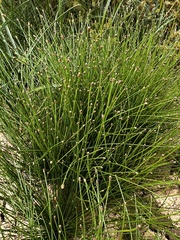
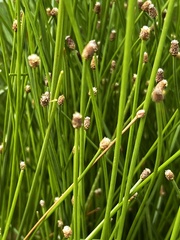
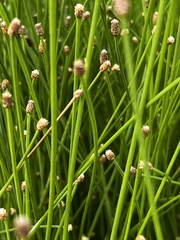
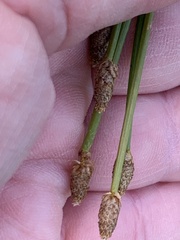
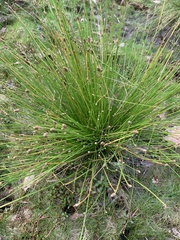
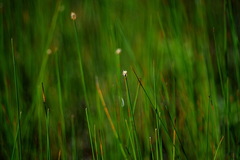
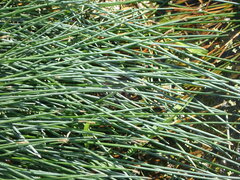
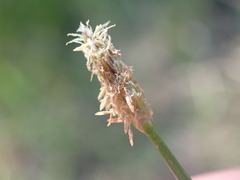
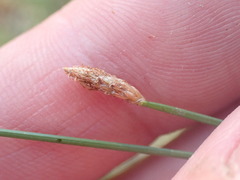
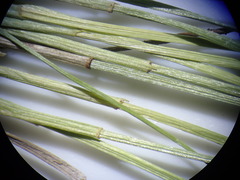
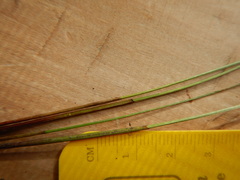
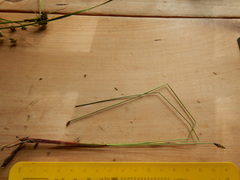
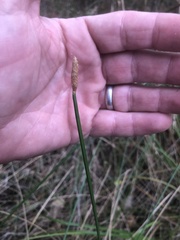
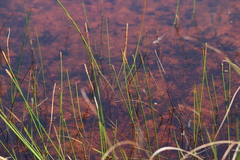
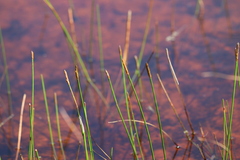
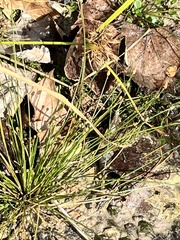
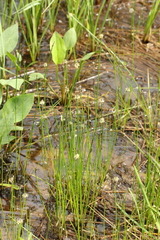
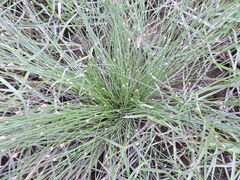
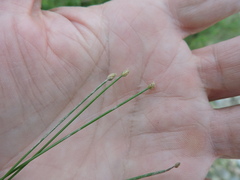
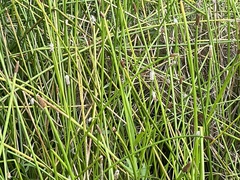
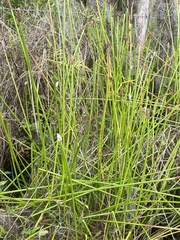
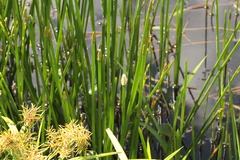
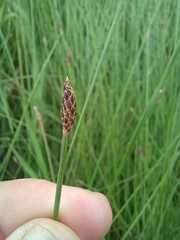
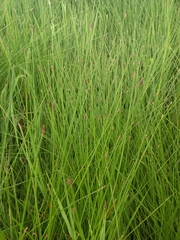
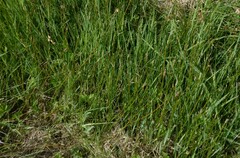
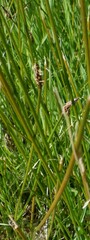
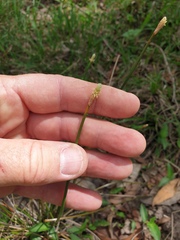
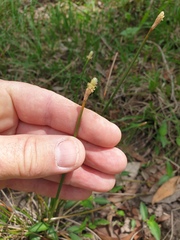
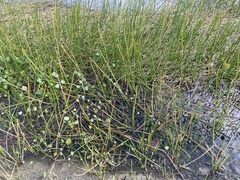
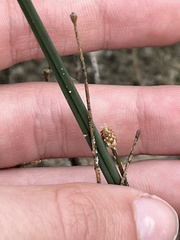
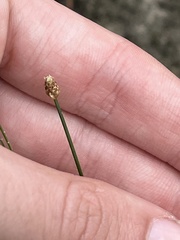
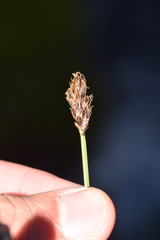
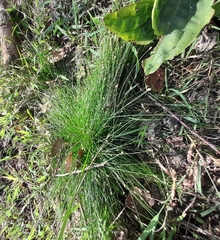
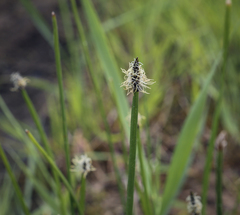
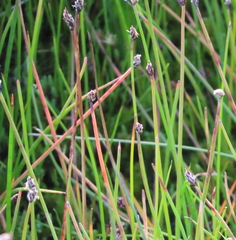
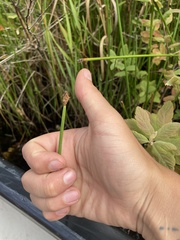
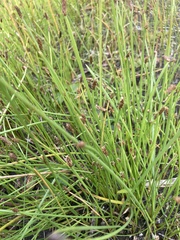
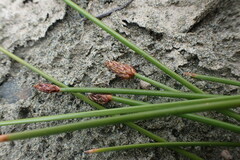
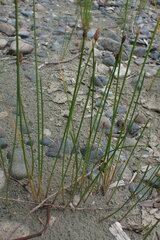
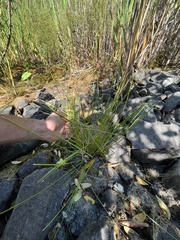
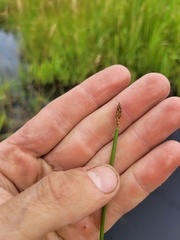
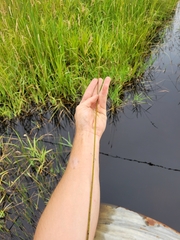
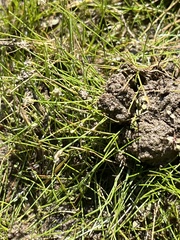
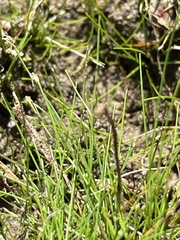
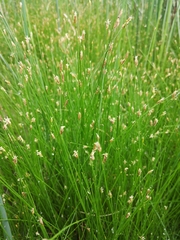
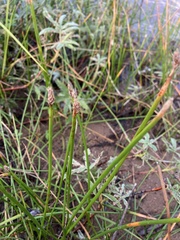
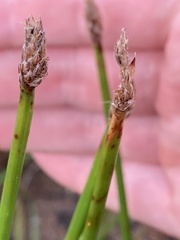
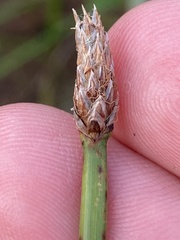
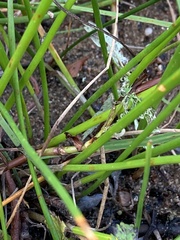
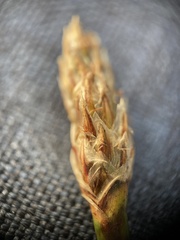
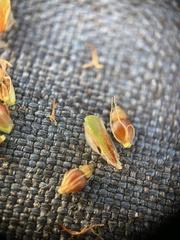
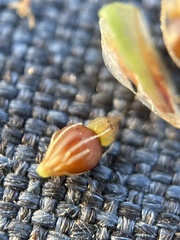
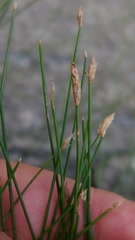
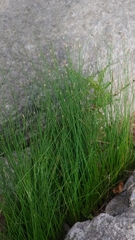
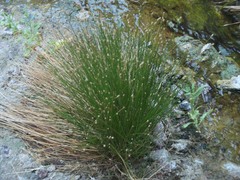
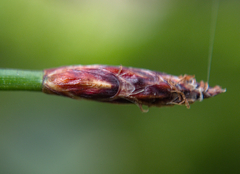
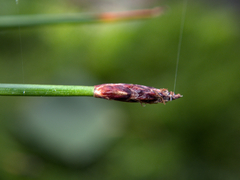
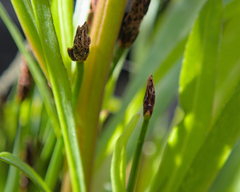
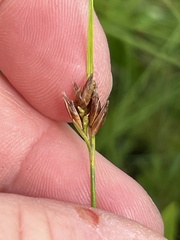
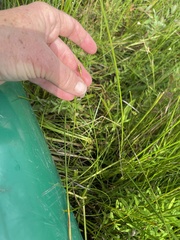
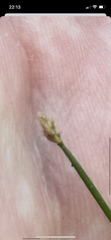
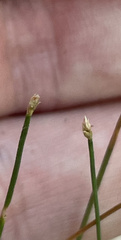
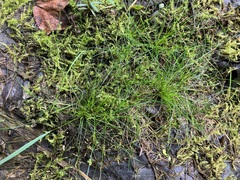
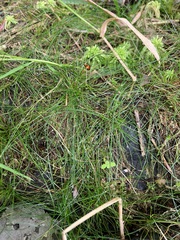
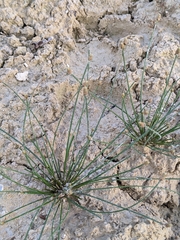
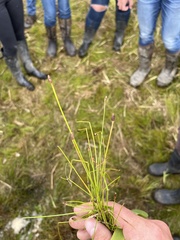
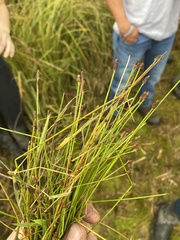
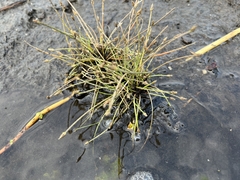
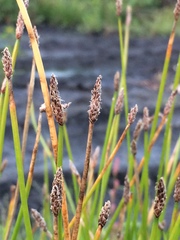
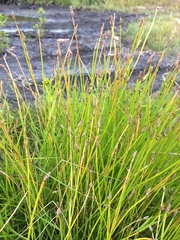
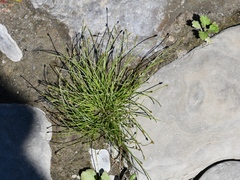
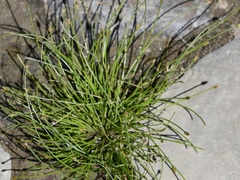
The genus itself is relatively easy to recognize; all Eleocharis species have photosynthetic stems but no green leaves (the leaves have been reduced to sheaths surrounding the base of the stems). Many species are robust, rhizomatously-spreading plants of lowland tropical wetlands, while many others are small caespitose annual or perennial herbs growing near streams, and still others are intermediate. There are also a number of species that are obligate aquatic species, which usually have submerged, branching stems and often exhibit interesting photosynthetic adaptations, such as the ability to switch between C3 and C4 carbon fixation in response to different environmental stimuli. In all Eleocharis species, the flowers are borne on unbranched terminal spikelets at the apices of stems.
In spite of the diversity of the genus itself, taxonomic characters useful for delimiting species within it are few, and many species are very difficult to tell apart. Many currently recognized species with very wide geographic ranges are highly polymorphic. Some of these species probably contain multiple independently evolving lineages. Because of their difficult nature, it is suggested that many botanists avoid collecting these plants and so many species are under-represented in the botanical record.
One of the best known species is the Chinese water chestnut, Eleocharis dulcis. These plants bear tubers on their rhizomes which may be peeled and eaten raw or boiled. In Australia, magpie geese rely almost exclusively on these tubers for sustenance for a significant portion of the year.
...Eleocharis in languages:
- Chinese
- 荸薺屬
- Czech
- bahnička
- Dutch
- Waterbies
- English
- spikerushes
- English
- spikesedges
- English
- Spike Rushes
- English
- Needle Grasses
- Finnish
- pilliluikat
- German
- Sumpfbinsen
- German
- Sumpfried
- Korean
- 바늘골속
- Lithuanian
- Duonis
- Russian
- Болотница
- Swedish
- småsäv
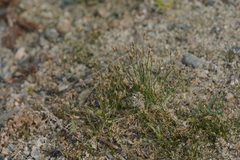
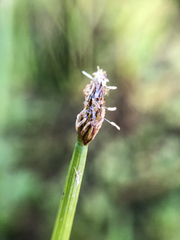
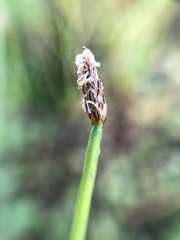
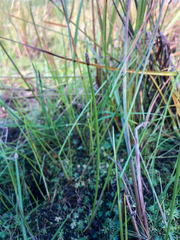
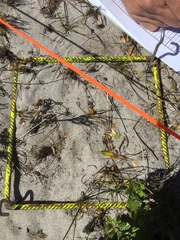
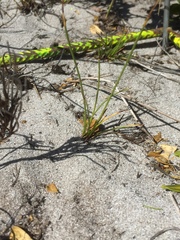
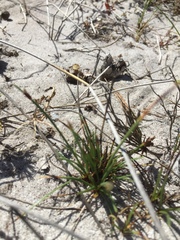
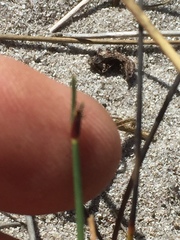
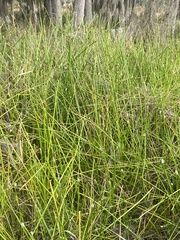
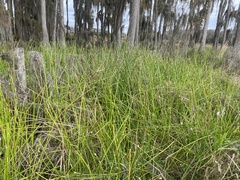
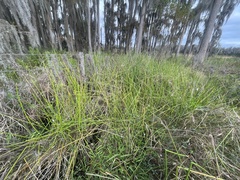
Images from inaturalist.org observations:
We recommend you sign up for this excellent, free service.
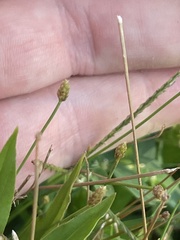
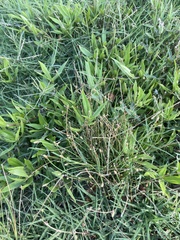
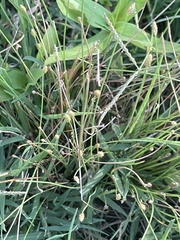
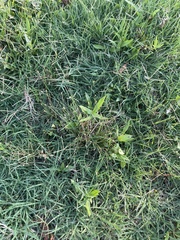
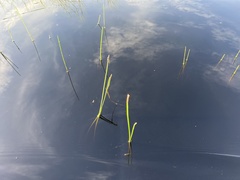
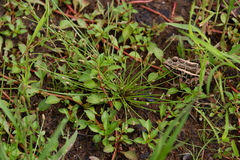
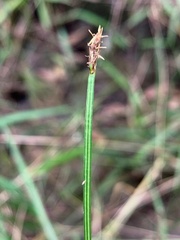
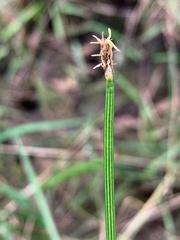


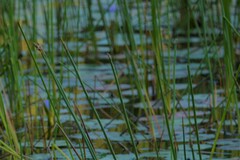
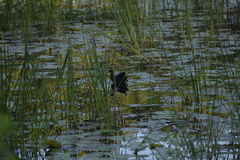
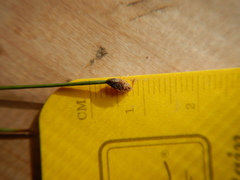
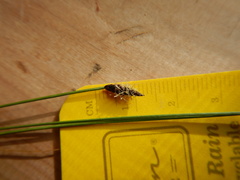
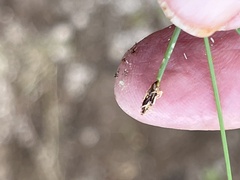
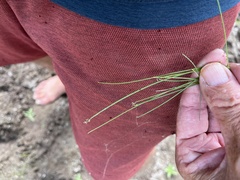
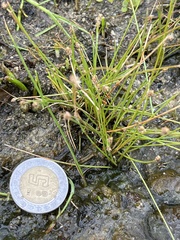
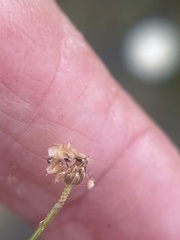
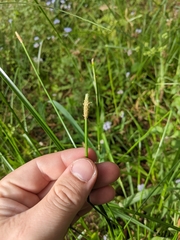
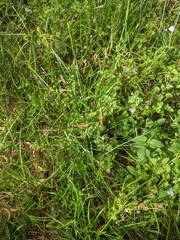
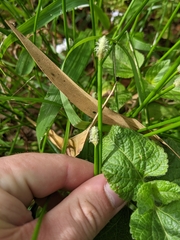
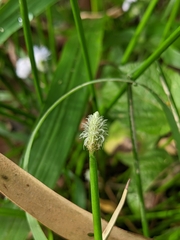
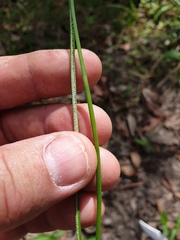
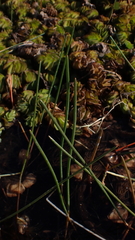
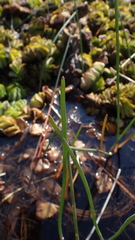
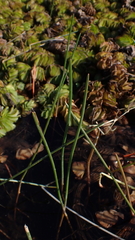
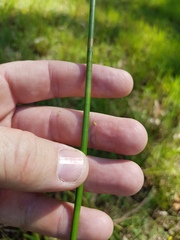
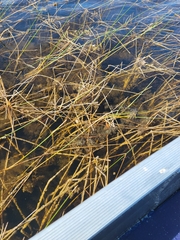
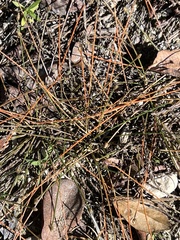
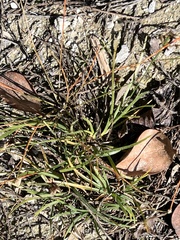
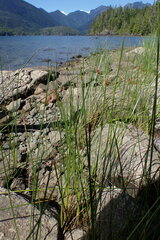
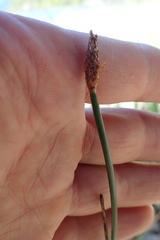
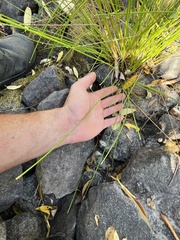
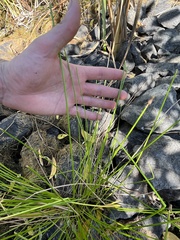
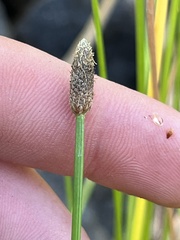
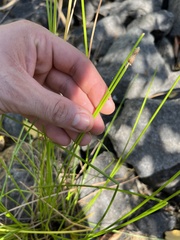
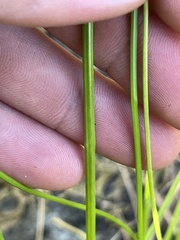
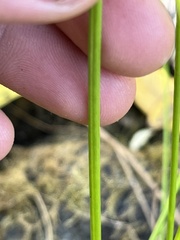
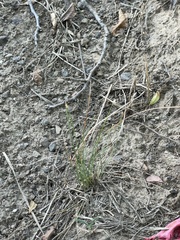
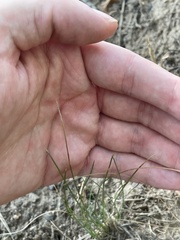
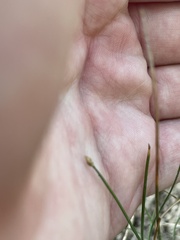
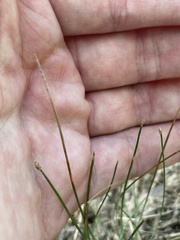
Parent Taxon
Sibling Taxa
Child Taxa
- Eleocharis abnorma
- Eleocharis acicularis
- Eleocharis acuta
- Eleocharis acutangula
- Eleocharis acutisquamata
- Eleocharis aestuum
- Eleocharis albibracteata
- Eleocharis albida
- Eleocharis alveolata
- Eleocharis alveolatoides
- Eleocharis amazonica
- Eleocharis andamanensis
- Eleocharis angolensis
- Eleocharis angustirostris
- Eleocharis angustispicula
- Eleocharis antunesii
- Eleocharis argentina
- Eleocharis argyrolepis
- Eleocharis atricha
- Eleocharis atrobrunnea
- Eleocharis atropurpurea
- Eleocharis atrospiculata
- Eleocharis attenuata
- Eleocharis aurea
- Eleocharis ayacuchensis
- Eleocharis bahamensis
- Eleocharis bahiensis
- Eleocharis baldwinii
- Eleocharis barrosii
- Eleocharis bella
- Eleocharis bernardina
- Eleocharis bicolor
- Eleocharis bifida
- Eleocharis blakeana
- Eleocharis bolanderi
- Eleocharis bonariensis
- Eleocharis brachycarpa
- Eleocharis brainii
- Eleocharis brittonii
- Eleocharis caduca
- Eleocharis caespitosissima
- Eleocharis cancellata
- Eleocharis carniolica
- Eleocharis cellulosa
- Eleocharis coloradoensis
- Eleocharis complanata
- Eleocharis compressa
- Eleocharis confervoides
- Eleocharis congesta
- Eleocharis contracta
- Eleocharis cryptica
- Eleocharis cubangensis
- Eleocharis cylindrica
- Eleocharis cylindrostachys
- Eleocharis debilis
- Eleocharis decoriglumis
- Eleocharis decumbens
- Eleocharis deightonii
- Eleocharis densa
- Eleocharis diandra
- Eleocharis dietrichiana
- Eleocharis dombeyana
- Eleocharis dregeana
- Eleocharis dulcis
- Eleocharis elegans
- Eleocharis elliptica
- Eleocharis elongata
- Eleocharis engelmannii
- Eleocharis equisetoides
- Eleocharis exigua
- Eleocharis fallax
- Eleocharis fennica
- Eleocharis filiculmis
- Eleocharis flavescens
- Eleocharis fluctuans
- Eleocharis geniculata
- Eleocharis gonzaleziae
- Eleocharis gracilis
- Eleocharis halophila
- Eleocharis haumaniana
- Eleocharis ignota
- Eleocharis intermedia
- Eleocharis interstincta
- Eleocharis keigheryi
- Eleocharis konkanensis
- Eleocharis kuroguwai
- Eleocharis lanceolata
- Eleocharis lankana
- Eleocharis lepta
- Eleocharis limosa
- Eleocharis macrantha
- Eleocharis maculosa
- Eleocharis margaritacea
- Eleocharis marginulata
- Eleocharis maximowiczii
- Eleocharis melanocarpa
- Eleocharis melanostachys
- Eleocharis mendocina
- Eleocharis microcarpa
- Eleocharis microformis
- Eleocharis minarum
- Eleocharis minima
- Eleocharis minuta
- Eleocharis minutissima
- Eleocharis mitracarpa
- Eleocharis monantha
- Eleocharis montana
- Eleocharis montevidensis
- Eleocharis moorei
- Eleocharis multicaulis
- Eleocharis mutata
- Eleocharis nana
- Eleocharis naumanniana
- Eleocharis neozelandica
- Eleocharis nigrescens
- Eleocharis nitida
- Eleocharis obtusa
- Eleocharis obtusetrigona
- Eleocharis occulta
- Eleocharis ochrostachys
- Eleocharis onthitensis
- Eleocharis ovata
- Eleocharis oxylepis
- Eleocharis pachycarpa
- Eleocharis pachystyla
- Eleocharis pallens
- Eleocharis palustris
- Eleocharis parishii
- Eleocharis parvula
- Eleocharis pellucida
- Eleocharis philippinensis
- Eleocharis plana
- Eleocharis plicarhachis
- Eleocharis pusilla
- Eleocharis quadrangulata
- Eleocharis quinqueflora
- Eleocharis radicans
- Eleocharis ravenelii
- Eleocharis retroflexa
- Eleocharis reverchonii
- Eleocharis reznicekii
- Eleocharis robbinsii
- Eleocharis rostellata
- Eleocharis rzedowskii
- Eleocharis schaffneri
- Eleocharis schlechteri
- Eleocharis sellowiana
- Eleocharis setifolia
- Eleocharis smallii
- Eleocharis sphacelata
- Eleocharis spiralis
- Eleocharis subcancellata
- Eleocharis suksdorfiana
- Eleocharis svensoniana
- Eleocharis swamyi
- Eleocharis tenarum
- Eleocharis tenuis
- Eleocharis tetraquetra
- Eleocharis tiarata
- Eleocharis torticulmis
- Eleocharis tortilis
- Eleocharis tricostata
- Eleocharis tuberculosa
- Eleocharis uniflora
- Eleocharis urceolata
- Eleocharis ussuriensis
- Eleocharis valleculosa
- Eleocharis variegata
- Eleocharis vivipara
- Eleocharis wadoodii
- Eleocharis wichurae
- Eleocharis wilkensii
- Eleocharis wolfii
- Eleocharis yecorensis
- Eleocharis yokoscensis
Top Observation Places
- Edina
- The Woodlands
- Mérida
- Chertanovo Yuzhnoye
- Tsaritsyno
- Kitchener
- Waterloo
- West Ridge
- Abington
- Vantaa
- Taipei
- Neihu
- Norman
- Oak Lawn
- Davie
- Plantation
- Lauderhill
- New Orleans
- Metairie
- Gainesville
- South Shore
- Staten Island
- Elizabeth
- Edison
- New Brunswick
- Union
- Piscataway
- Perth Amboy
- Hialeah
- Doral
- North Miami
- Fountainebleau
- Tamiami
- League City
- Mira Mesa
- La Mesa
- Rancho Penasquitos
- Sugar Land
- Houston
- Austin
- Round Rock
- Cedar Park
- Georgetown
- Pflugerville
- Fort Worth
- Arlington
- Irving
- Grand Prairie
- McKinney
- Frisco