Elysia pusilla: taxon details and analytics
- Domain
- Kingdom
- Animalia
- Phylum
- Mollusca
- Class
- Gastropoda
- Order
- Family
- Plakobranchidae
- Genus
- Elysia
- Species
- Elysia pusilla
- Scientific Name
- Elysia pusilla
Summary description from Wikipedia:
Elysia pusilla
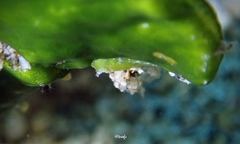
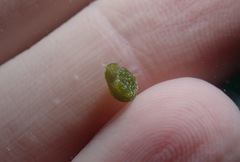
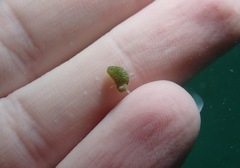
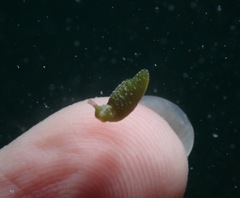
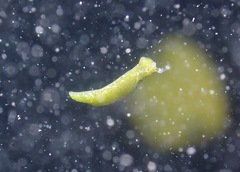
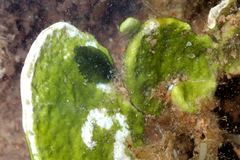
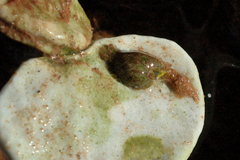
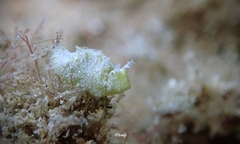
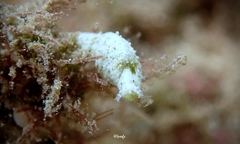
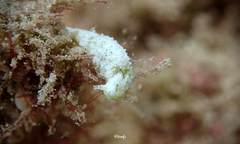
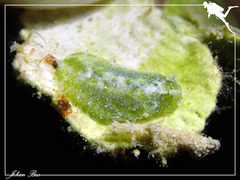
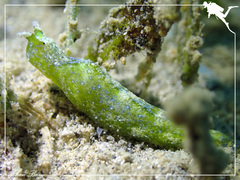
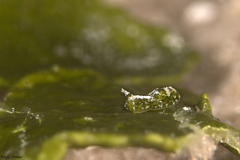
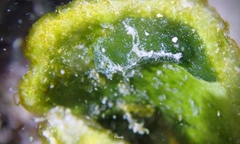
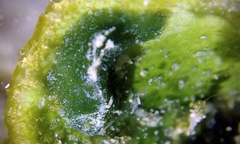
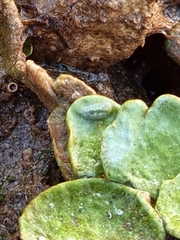
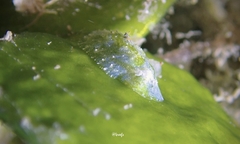
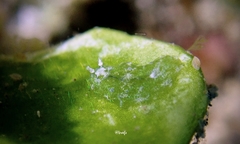
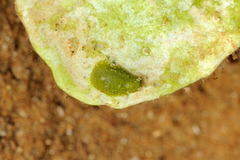
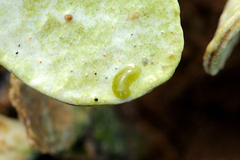
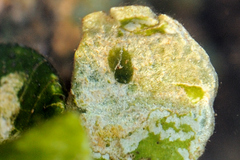
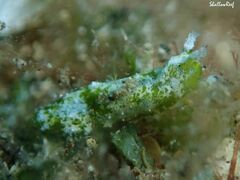
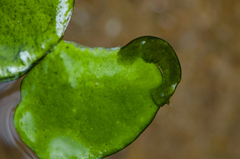
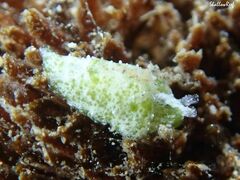
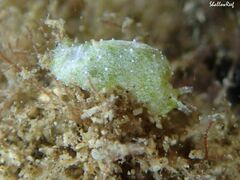
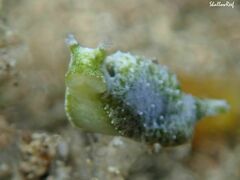
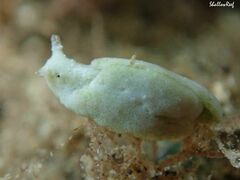
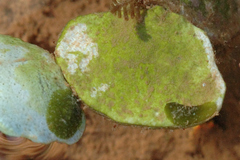
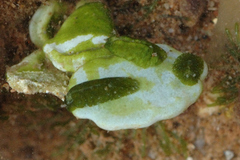
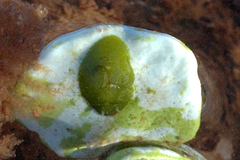
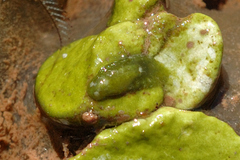
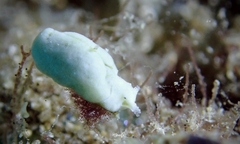
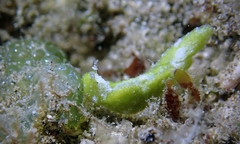
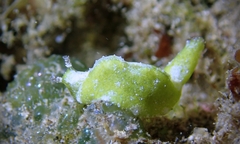
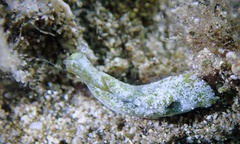
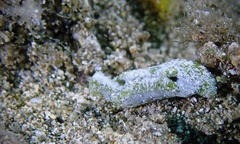
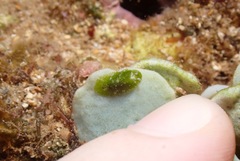
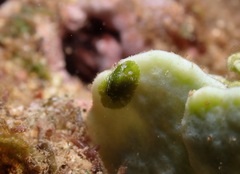
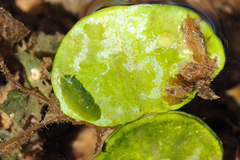
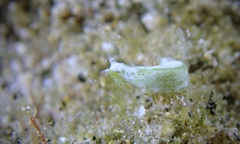
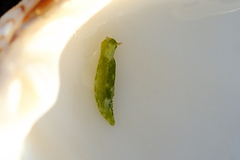
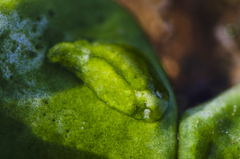
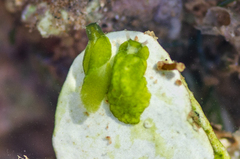
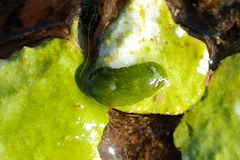
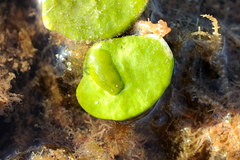
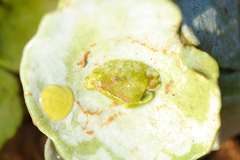
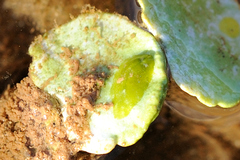
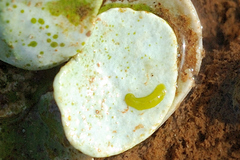
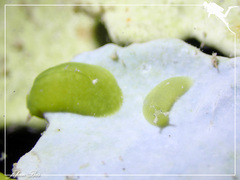
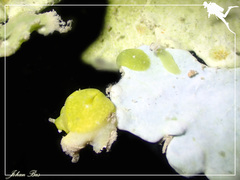
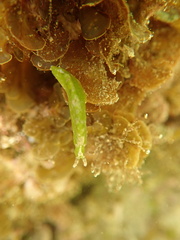
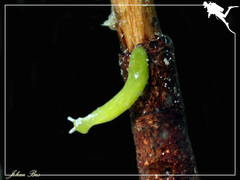
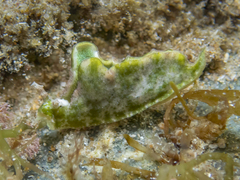
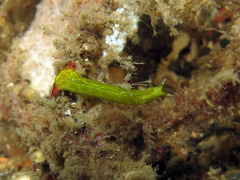
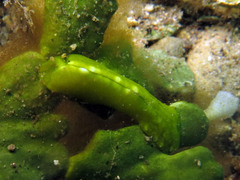
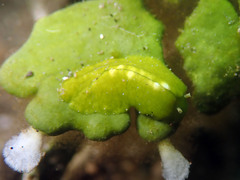
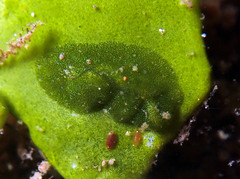
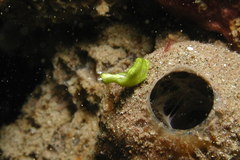
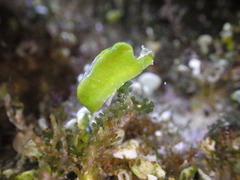
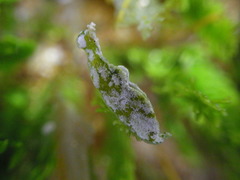
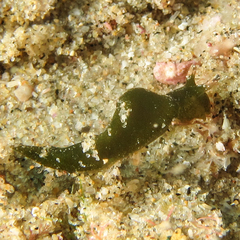
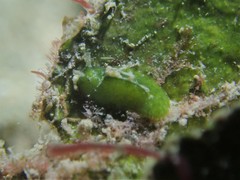
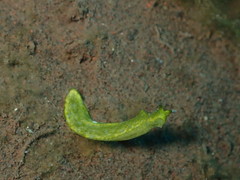
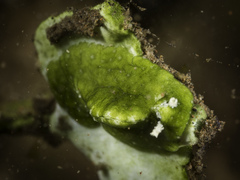
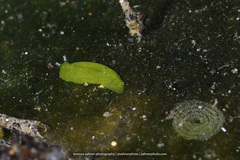
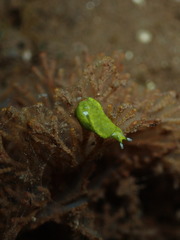
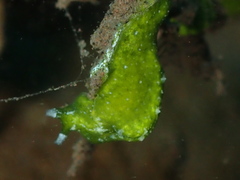
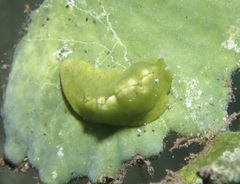
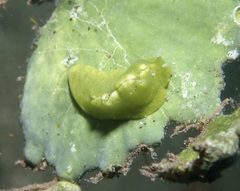
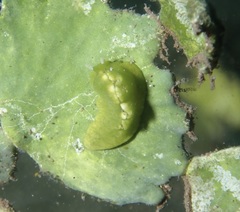
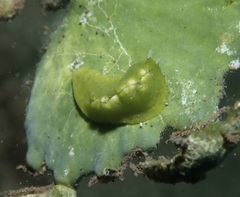
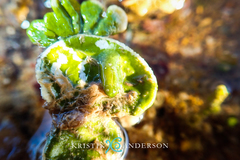
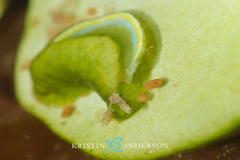
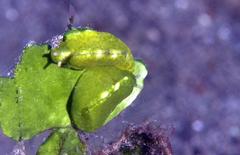
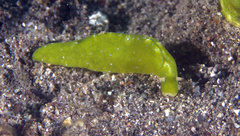
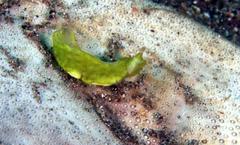
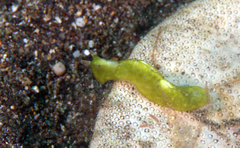
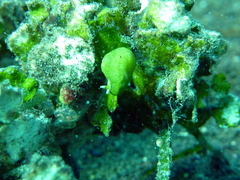
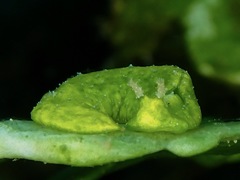
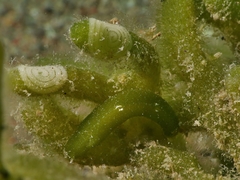
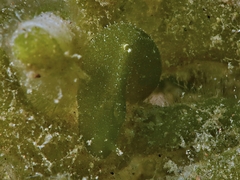
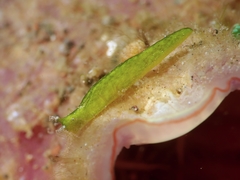
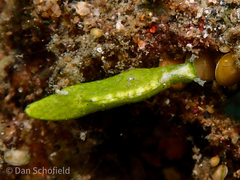
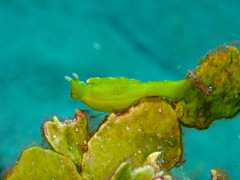
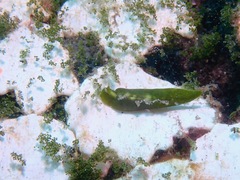
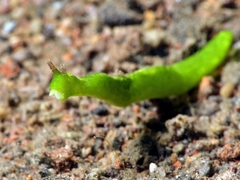
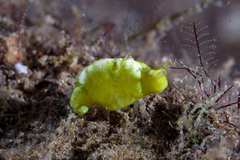
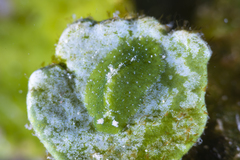
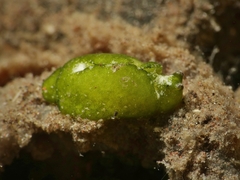
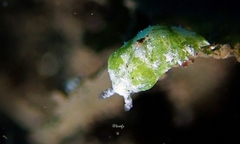
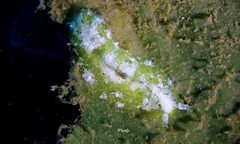
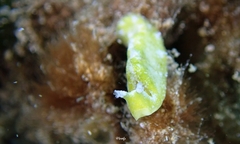
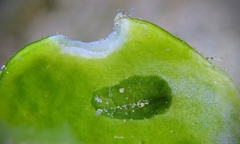
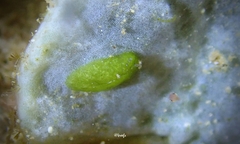
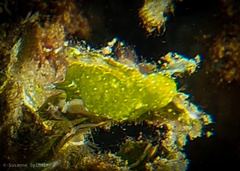
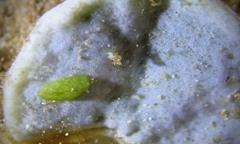
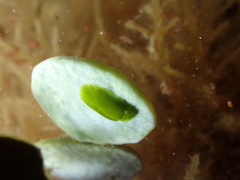
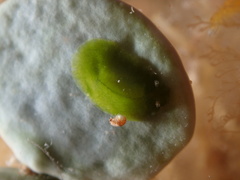
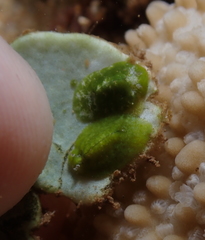
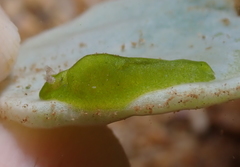
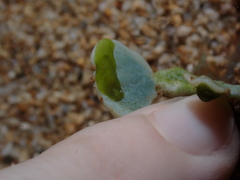
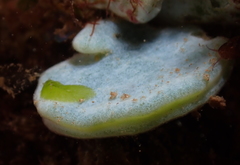
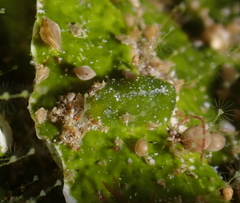
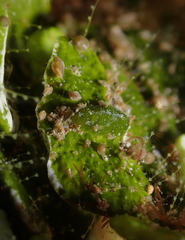
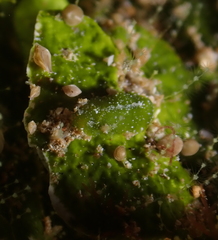
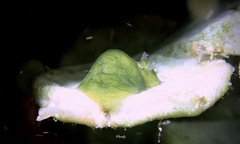
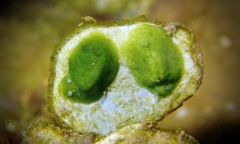
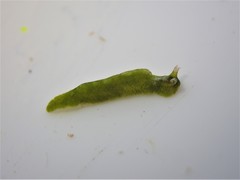
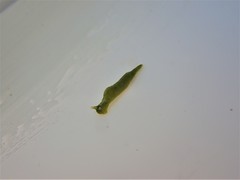
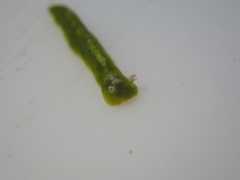
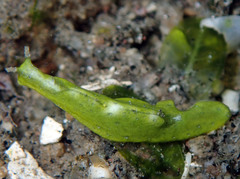
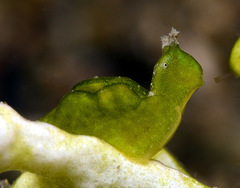
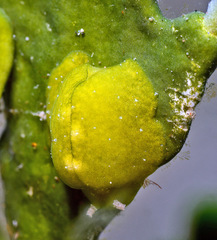
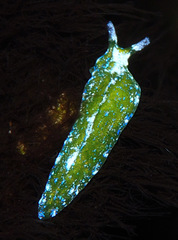
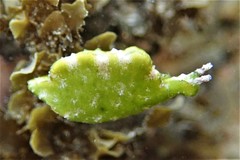
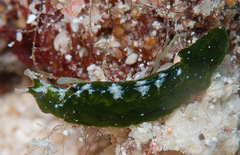
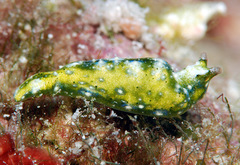
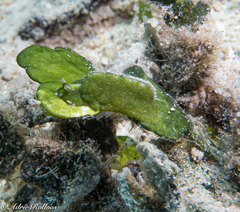
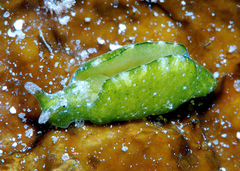
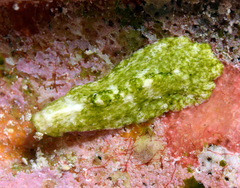
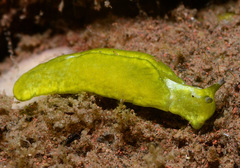
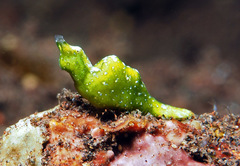
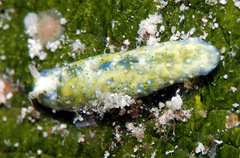
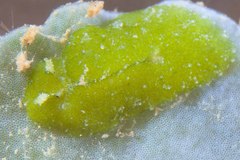
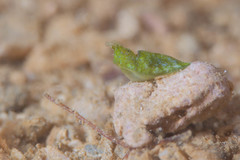
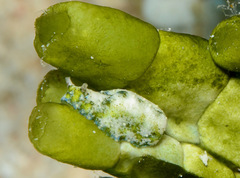
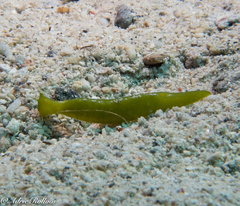
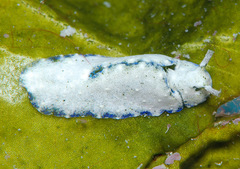
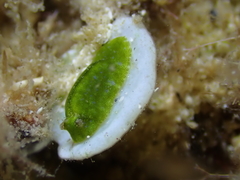
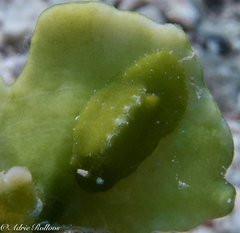
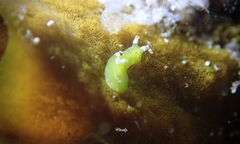
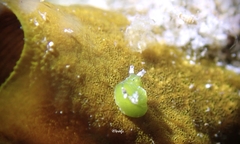
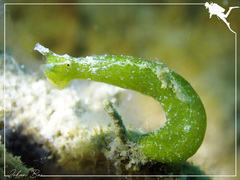
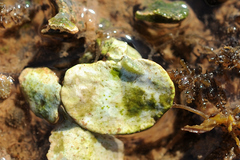
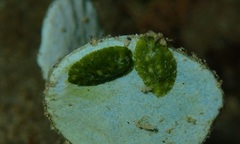
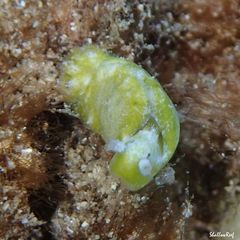
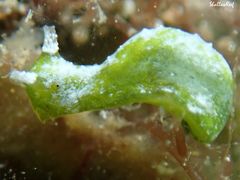
Elysia pusilla is a species of small sea slug, a marine gastropod mollusk in the family Plakobranchidae. It is a sacoglossan.
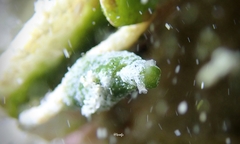
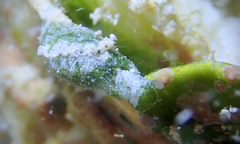
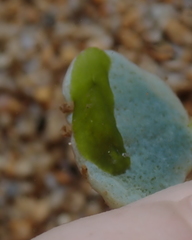
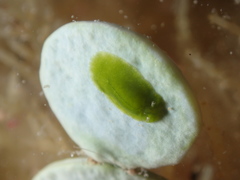
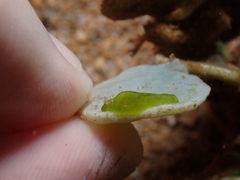
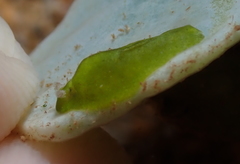
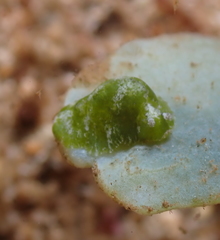
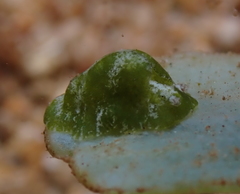
Elysia pusilla feeds on the calcified green alga Halimeda and incorporates functioning chloroplasts into its body, thus it is known as a solar-powered sea slug. It is found in shallow water in tropical regions of the Indo-Pacific wherever its host species grows.
Elysia pusilla are part of Sacoglossa, also known as the solar powered sea slugs and might be the most common Elysia species. Sacoglossans are marine gastropods that ingest the chloroplast of algae. Sacoglossa has two superfamilies under it: Plakobranchidae and Oxynoace. The distinguishing feature between the two superfamilies is having a shell or being able to store chloroplast. Oxynoacea consists of three shelled families, all of whom don't photosynthesize with the algae they consume. However, they might be able to retain the chloroplast and use it as camouflage. Elysia pusilla is under the superfamily Plakobranchidae. The majority of the organisms in this superfamily are shell less, however, many develop a shell before hatching. Sacoglossa are the only metazoans on earth to exhibit kleptoplasty. The only other organisms known to have this ability are single celled protists.
Elysia pusilla and Elysia stylifera are each other's closest living relative. They are often found together on a calcareous algae called Halimeda. The sea slugs use the chemicals to protect themselves and their eggs.
...Elysia pusilla in languages:
- French
- Elysie naine
- Japanese
- ウチワミドリガイ
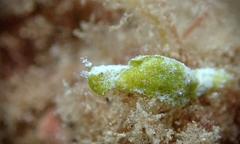
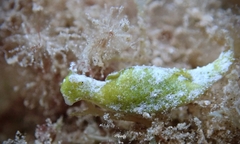
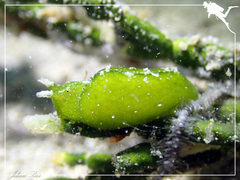
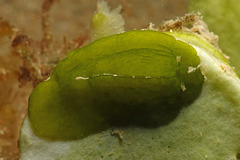
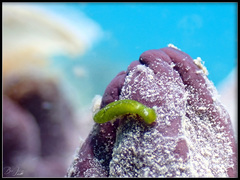
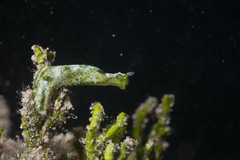
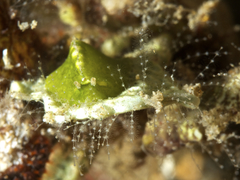
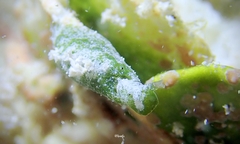
Images from inaturalist.org observations:
We recommend you sign up for this excellent, free service.


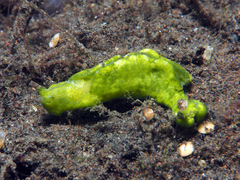
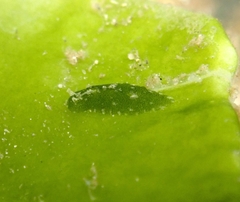
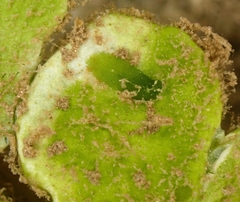
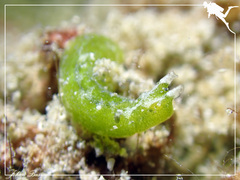
Parent Taxon
Sibling Taxa
- Elysia abei
- Elysia amakusana
- Elysia amuravela
- Elysia aowthai
- Elysia arena
- Elysia asbecki
- Elysia atroviridis
- Elysia australis
- Elysia babai
- Elysia bangtawaensis
- Elysia bella
- Elysia bengalensis
- Elysia bennettae
- Elysia brycei
- Elysia buonoi
- Elysia canguzua
- Elysia catulus
- Elysia chavelavargas
- Elysia chilkensis
- Elysia chlorotica
- Elysia christinae
- Elysia coodgeensis
- Elysia cornigera
- Elysia crispata
- Elysia deborahae
- Elysia degeneri
- Elysia delcarmen
- Elysia diomedea
- Elysia ellenae
- Elysia entredosaguas
- Elysia evelinae
- Elysia expansa
- Elysia faustula
- Elysia filicauda
- Elysia flava
- Elysia flavipunctata
- Elysia flavomacula
- Elysia frankenstein
- Elysia furvacauda
- Elysia grandifolia
- Elysia grandis
- Elysia hamatanii
- Elysia hedgpethi
- Elysia hendersoni
- Elysia hetta
- Elysia hirasei
- Elysia japonica
- Elysia jaramilloi
- Elysia jibacoaensis
- Elysia kushimotoensis
- Elysia leucolegnote
- Elysia lobata
- Elysia macnaei
- Elysia manriquei
- Elysia maoria
- Elysia marcusi
- Elysia margaritae
- Elysia marginata
- Elysia mercieri
- Elysia minima
- Elysia nealae
- Elysia nigrocapitata
- Elysia nigropunctata
- Elysia nisbeti
- Elysia obtusa
- Elysia oerstedii
- Elysia orientalis
- Elysia ornata
- Elysia papillosa
- Elysia patagonica
- Elysia patina
- Elysia pawliki
- Elysia pilosa
- Elysia pratensis
- Elysia punctata
- Elysia pusilla
- Elysia rufescens
- Elysia sanfermin
- Elysia serca
- Elysia siamensis
- Elysia singaporensis
- Elysia slimora
- Elysia stylifera
- Elysia subornata
- Elysia sugashimae
- Elysia thompsoni
- Elysia timida
- Elysia tokarensis
- Elysia tomentosa
- Elysia translucens
- Elysia trilobata
- Elysia trisinuata
- Elysia velutinus
- Elysia verrucosa
- Elysia viridis
- Elysia vreelandae
- Elysia yaeyamana
- Elysia zemi
- Elysia zuleicae