Enterolobium cyclocarpum: taxon details and analytics
- Domain
- Kingdom
- Plantae
- Phylum
- Tracheophyta
- Class
- Magnoliopsida
- Order
- Fabales
- Family
- Fabaceae
- Genus
- Enterolobium
- Species
- Enterolobium cyclocarpum
- Scientific Name
- Enterolobium cyclocarpum
Summary description from Wikipedia:
Enterolobium cyclocarpum
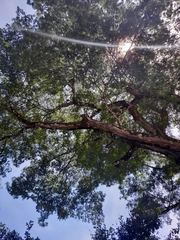
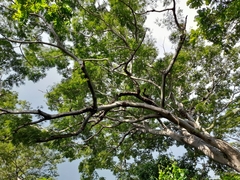
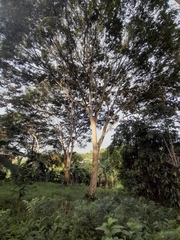
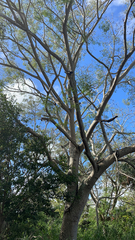
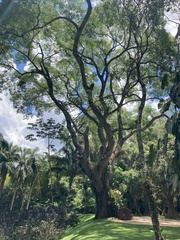
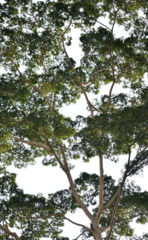
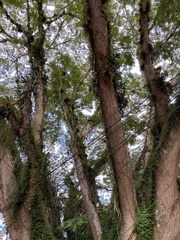
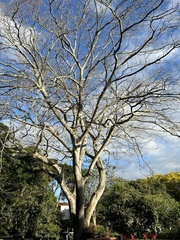
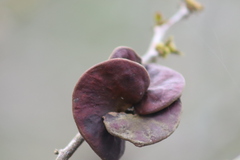
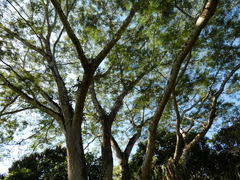
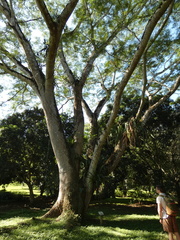
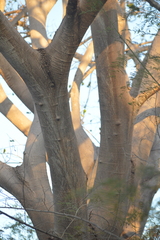
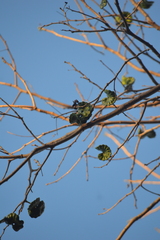
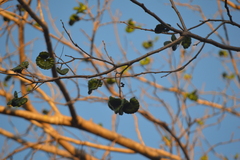
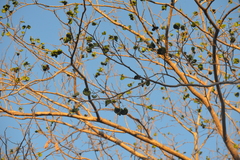
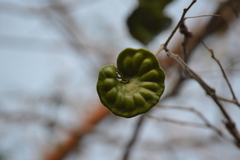
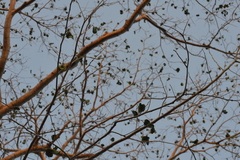
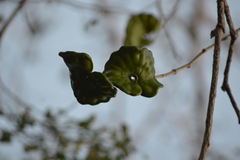
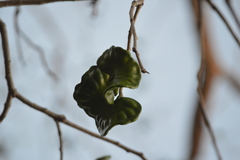
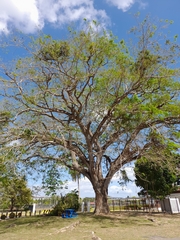
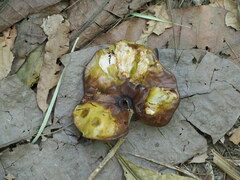
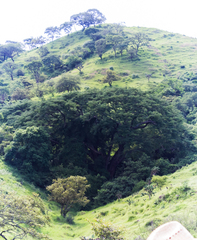
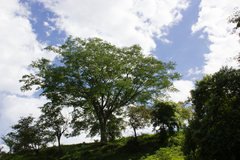
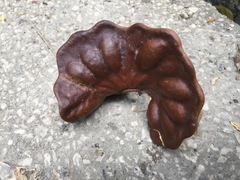
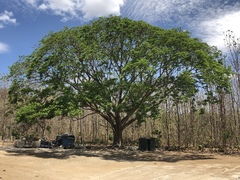
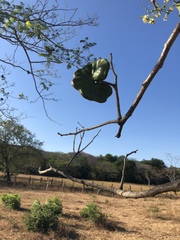
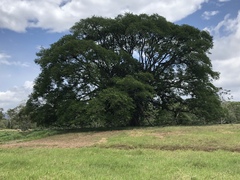
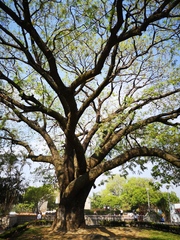
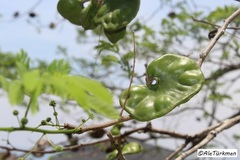
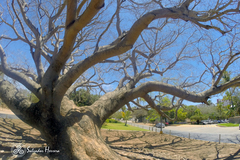
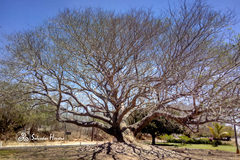
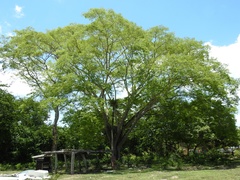
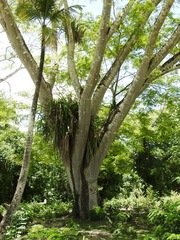
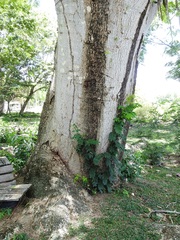
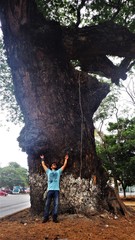
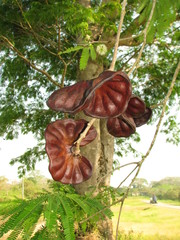
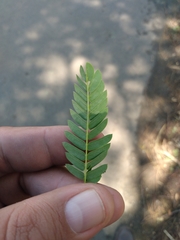
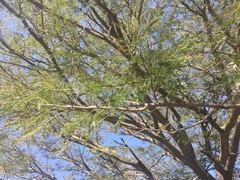
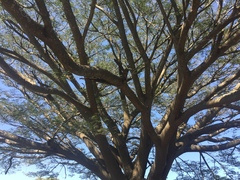
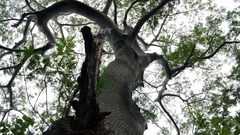
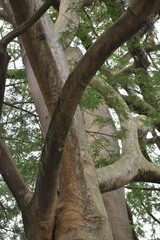
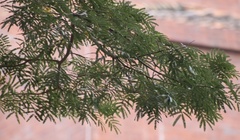
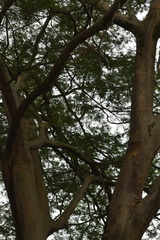
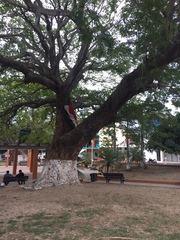
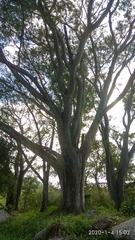
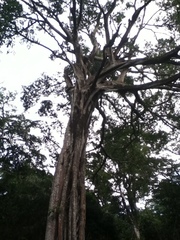
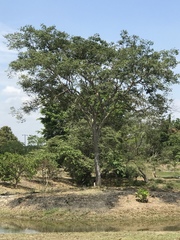
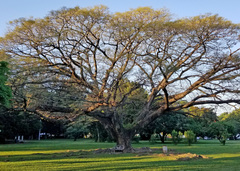
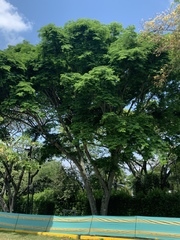
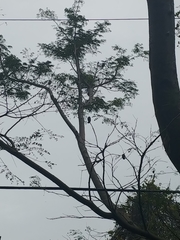
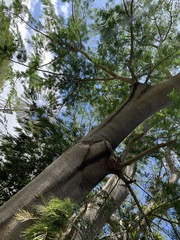
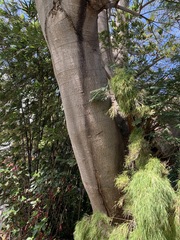
Enterolobium cyclocarpum, commonly known as conacaste, guanacaste, caro caro, devil's ear tree, monkey-ear tree, or elephant-ear tree, is a species of flowering tree in the family Fabaceae, that is native to tropical regions of the Americas, from central Mexico south to northern Brazil (Roraima) and Venezuela. It is known for its large proportions, expansive, often spherical crown, and curiously shaped seedpods. The abundance of this tree, especially in Guanacaste Province, Costa Rica, where it is prized for the shady relief it provides from the intense sun, coupled with its immensity, have made it a widely recognized species. It is the national tree of Costa Rica.
In North America, it is often called elephant-ear tree, due to the shape of the seedpods. Other common names include devil's ear and earpod tree, parota, and orejón (Spanish) or huanacaxtle (Nahuatl). In El Salvador, it is known as conacaste. In the Yucatán Peninsula, it is known by the Mayan name, pich. In Panama, it is known as a corotú.
...Enterolobium cyclocarpum in languages:
- Chinese
- 象耳豆
- English
- elephant ear tree
- English
- Guanacaste
- French
- oreille à mulâtre
- Russian
- Энтеролобиум круглоплодный
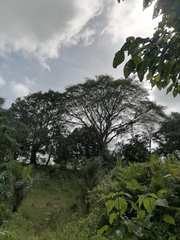
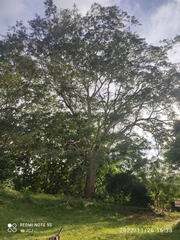
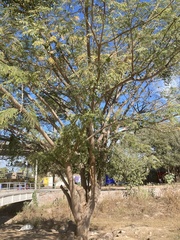
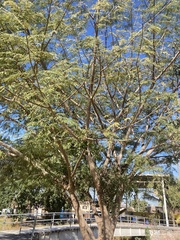
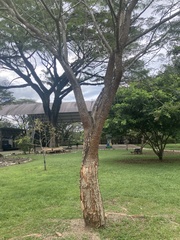
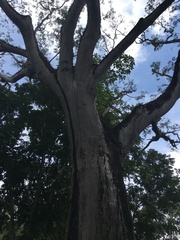
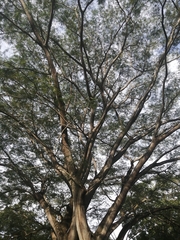
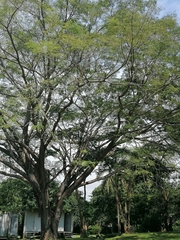
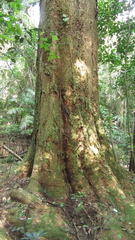
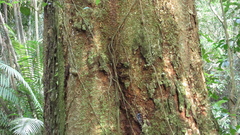
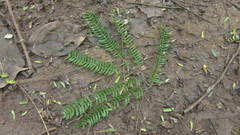
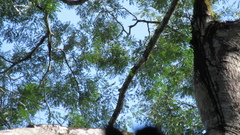
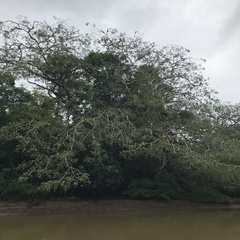
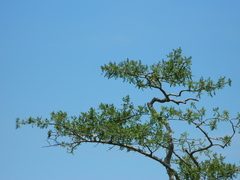
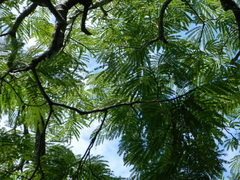
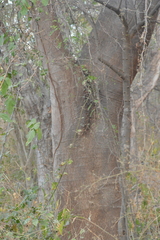
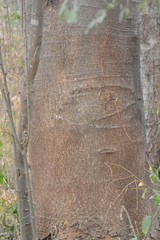
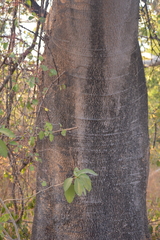
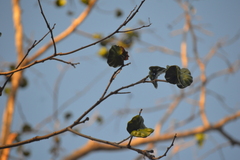
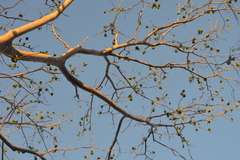
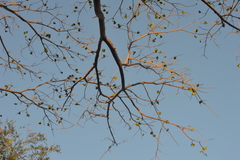
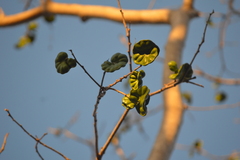
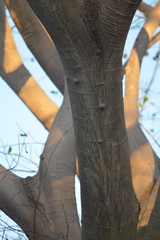
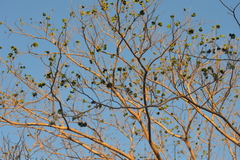
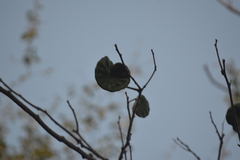
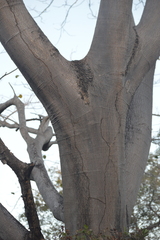
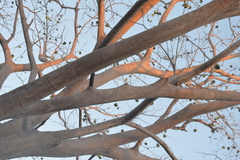
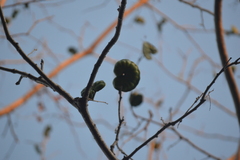
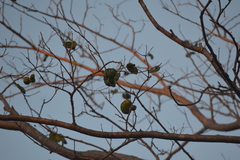
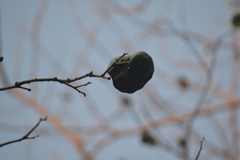
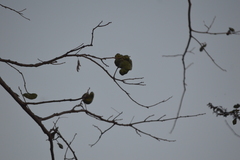
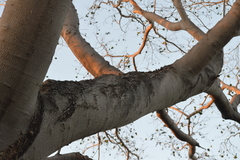
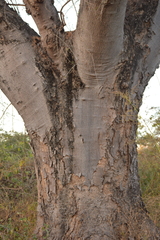
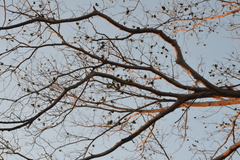
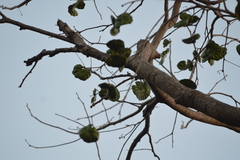
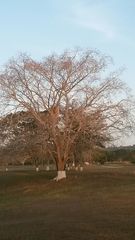
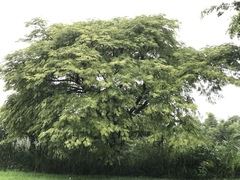
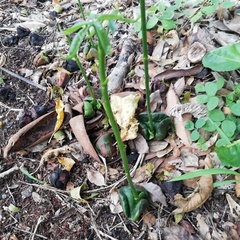
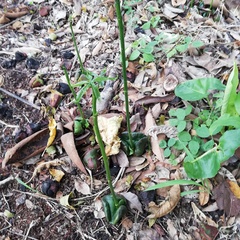
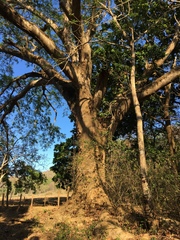
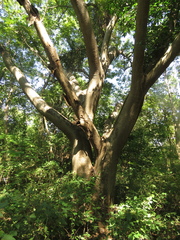
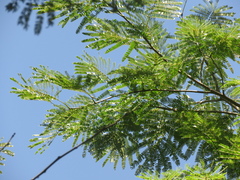
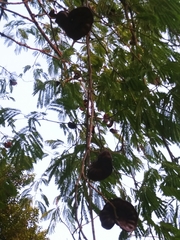
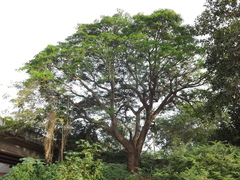
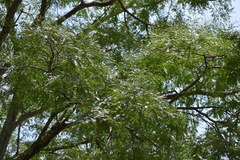
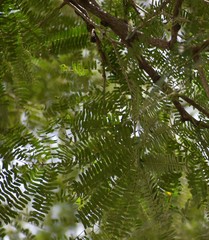
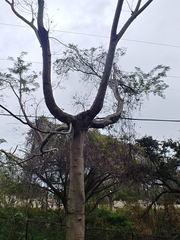
Images from inaturalist.org observations:
We recommend you sign up for this excellent, free service.