Eremobates: taxon details and analytics
- Domain
- Kingdom
- Animalia
- Phylum
- Arthropoda
- Class
- Arachnida
- Order
- Solifugae
- Family
- Eremobatidae
- Genus
- Eremobates
- Species
- Scientific Name
- Eremobates
Summary description from Wikipedia:
Eremobates
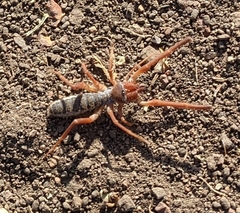
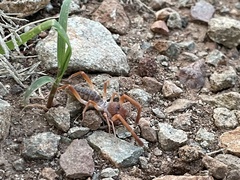
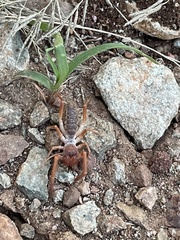
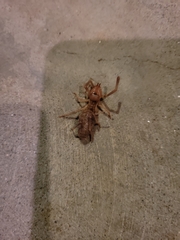
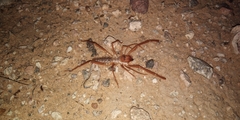
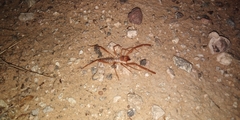
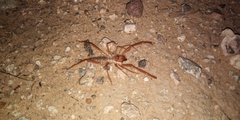
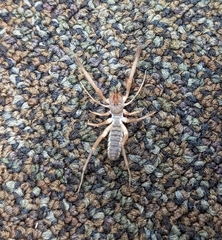
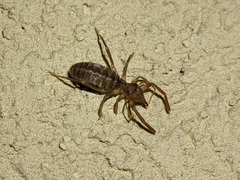
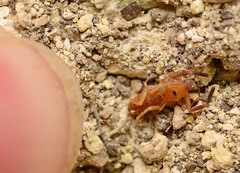
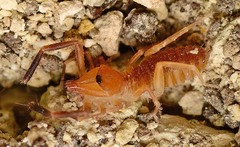
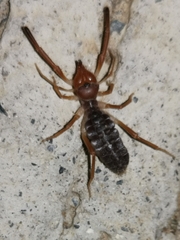
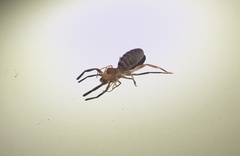
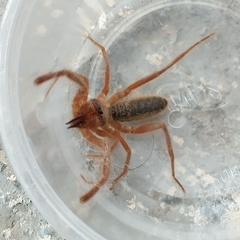
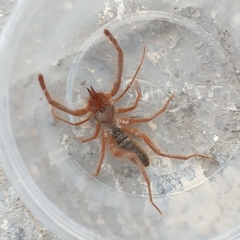
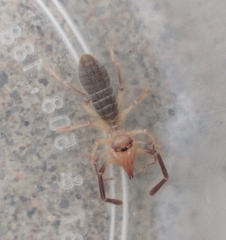
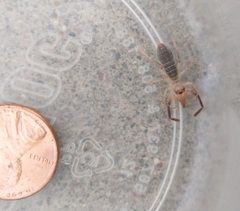
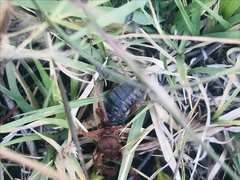
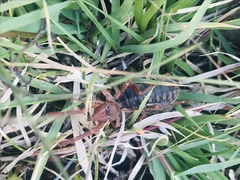
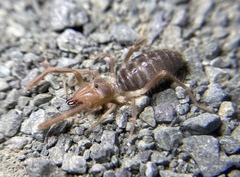
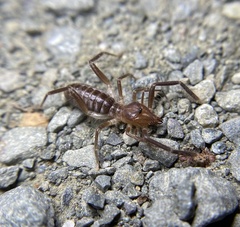
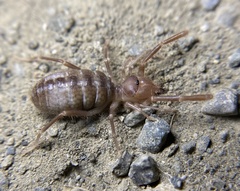
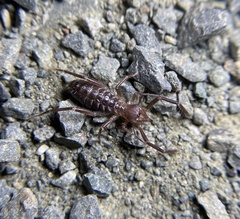
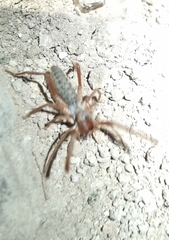
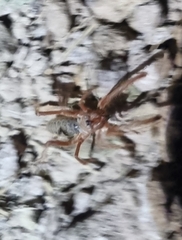
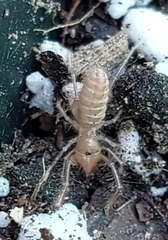
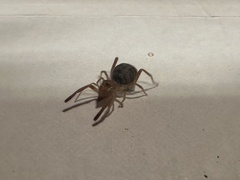
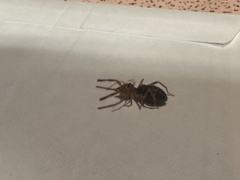
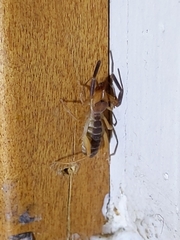
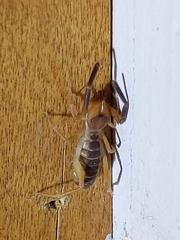
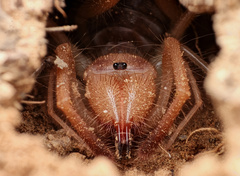
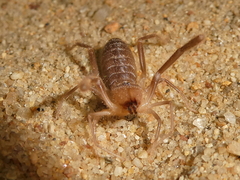
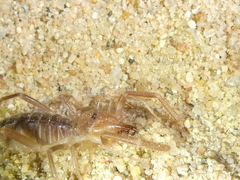
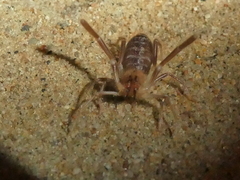
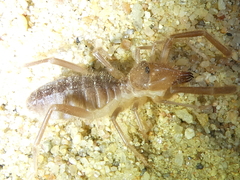
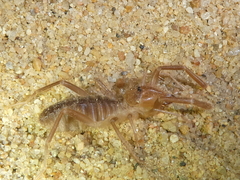
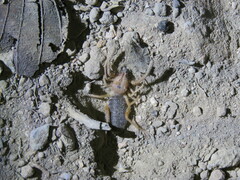
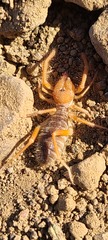
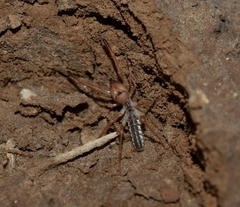
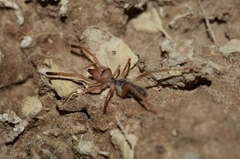
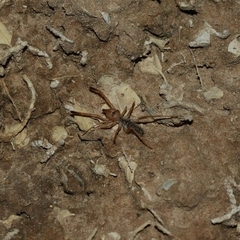
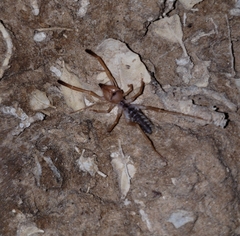
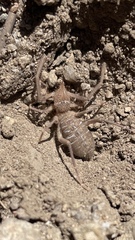
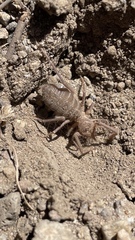
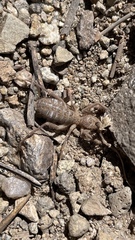
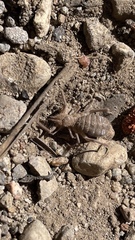
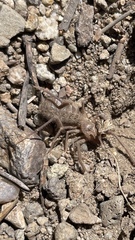
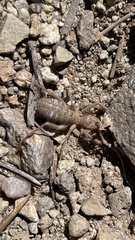
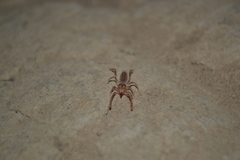
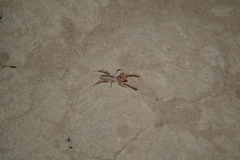
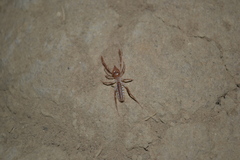
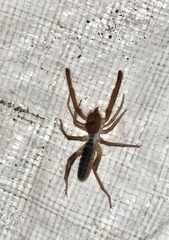
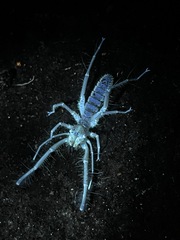
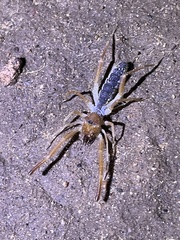
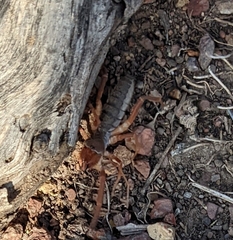
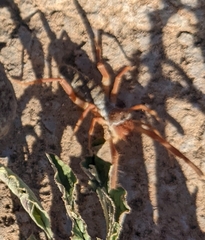
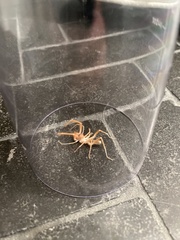
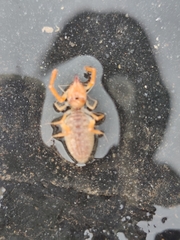
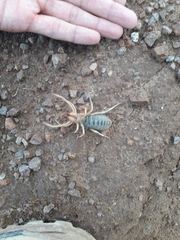
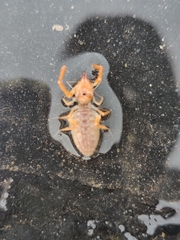
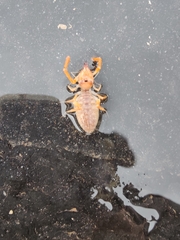
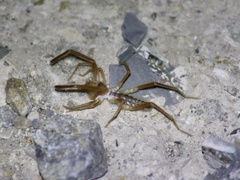
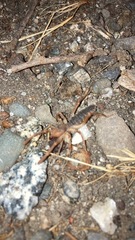
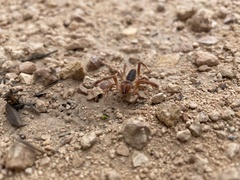
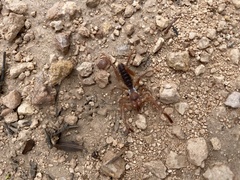
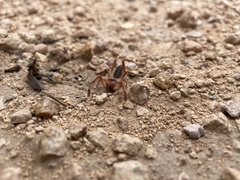
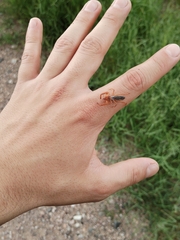
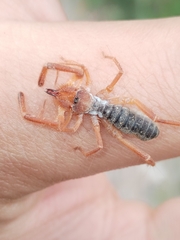
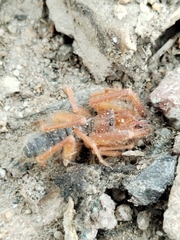
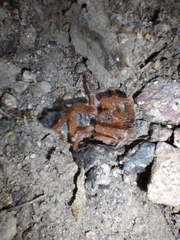
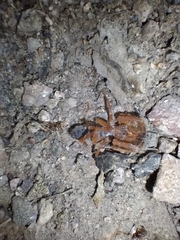
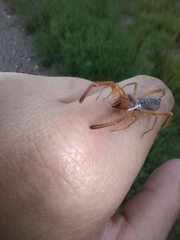
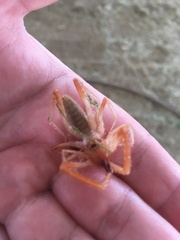
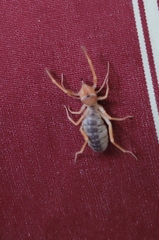
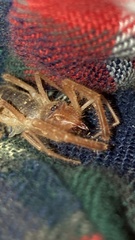
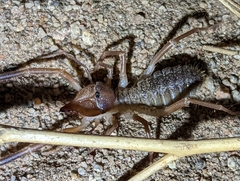
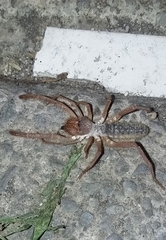
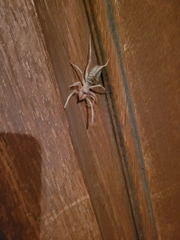
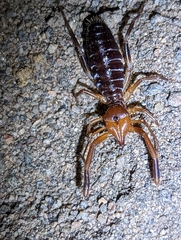
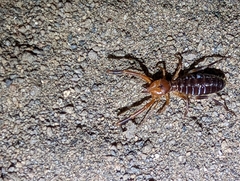
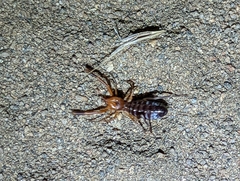
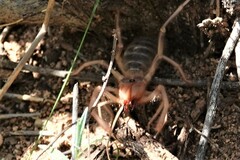
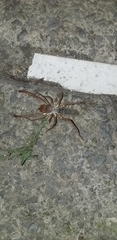
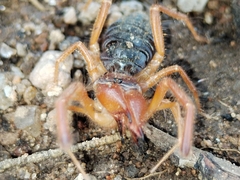
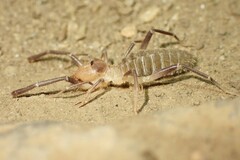
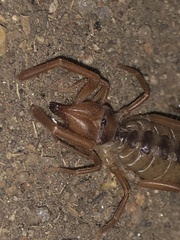
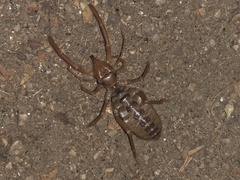
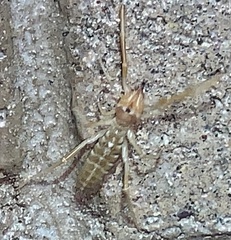
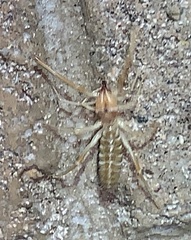
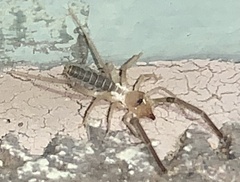
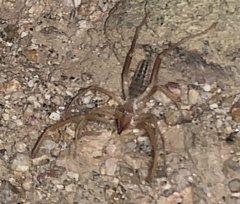
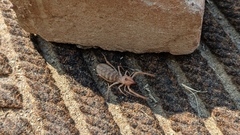
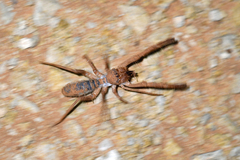
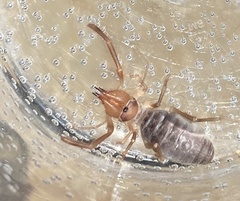
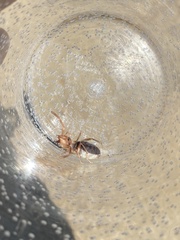
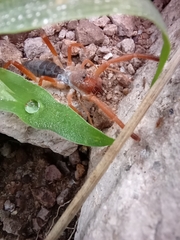
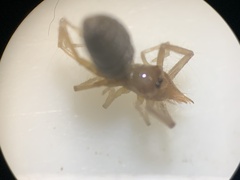
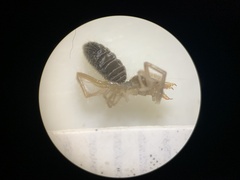
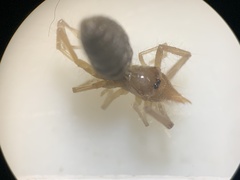
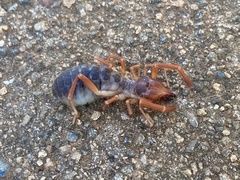
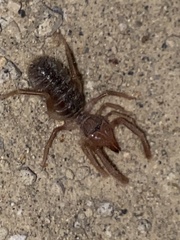
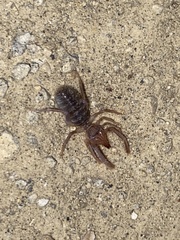
Eremobates is a genus of arachnids of the order Solifugae. About 2 inches long, these fast-moving arachnids have the largest jaw size to body ratio of any animal. They are not venomous, but have a remarkably powerful bite. Often hunting at night, they have poor eyesight and navigate mostly by use of a pair of pedipalps.
They are solitary creatures, coming together only to mate, the male using his pedipalps to transfer seminal fluid to the female, which buries between 50 and 200 eggs in the ground. The female stays with the young until they are mature enough to hunt and defend themselves, feeding and caring for them.
Species of the genus Eremobates are generally found in the western United States, and at northern end into southwestern Canada, and south into Mexico.
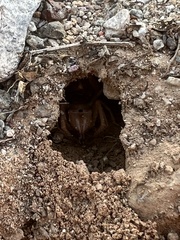
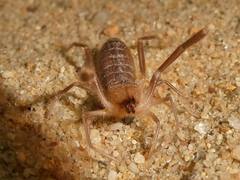
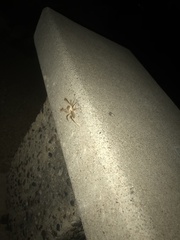
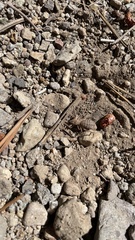
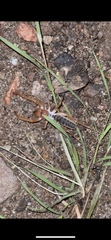
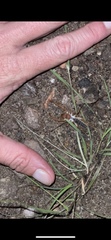
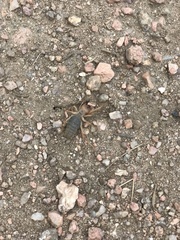
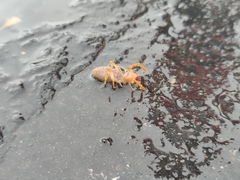
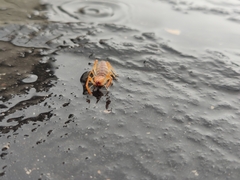
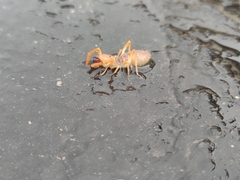
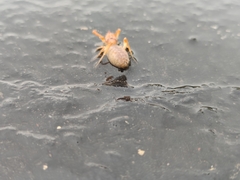
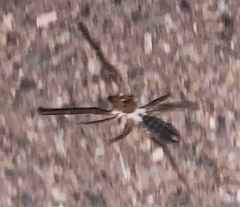
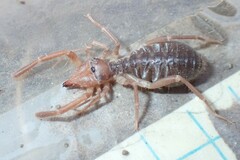
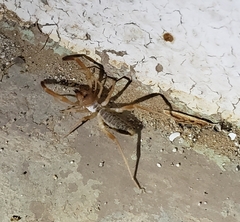
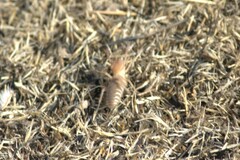
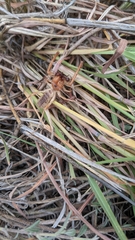
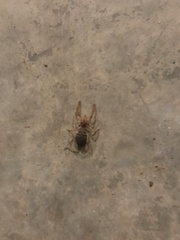
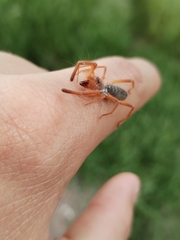
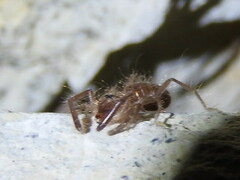
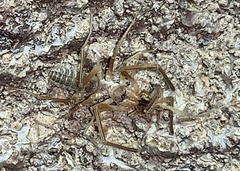
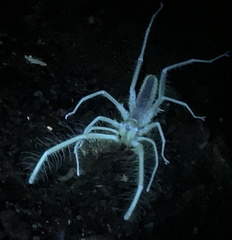
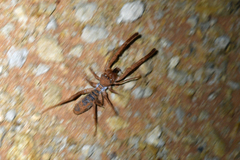
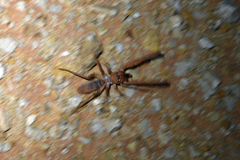
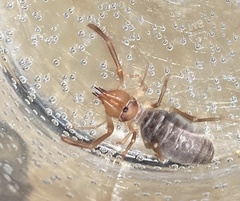
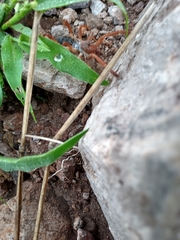
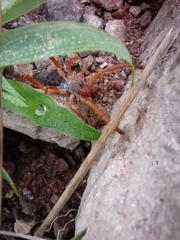
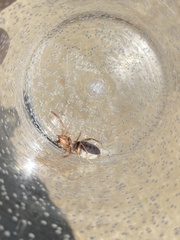
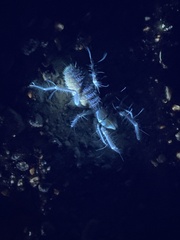
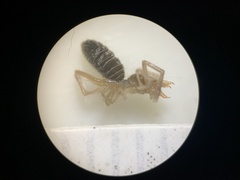
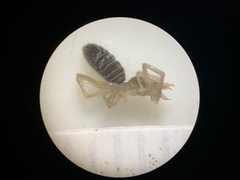
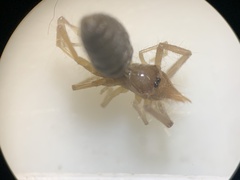
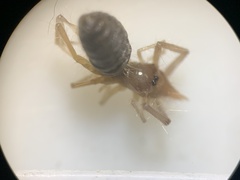
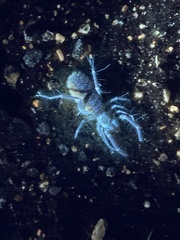
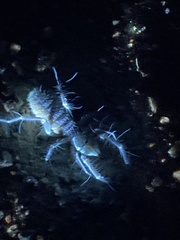
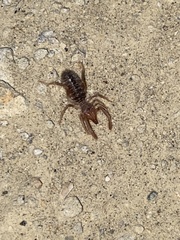
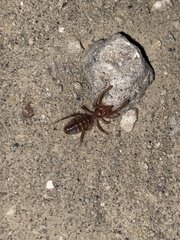
...Images from inaturalist.org observations:
We recommend you sign up for this excellent, free service.
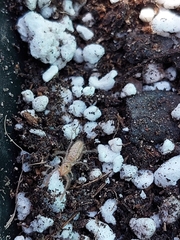
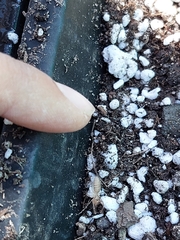
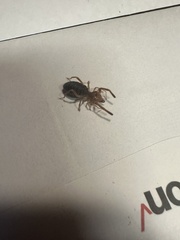
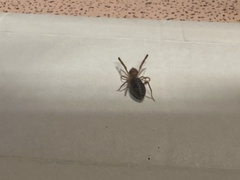
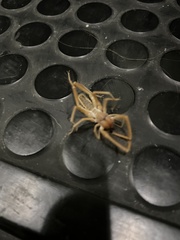
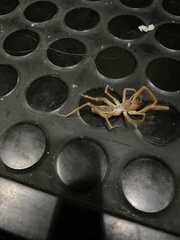
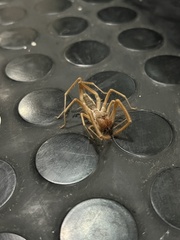
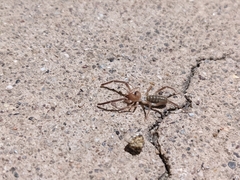
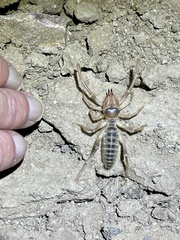
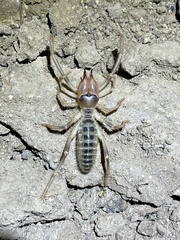
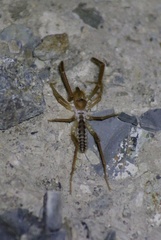
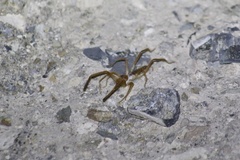

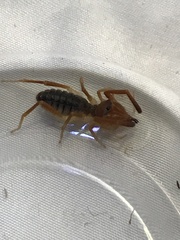
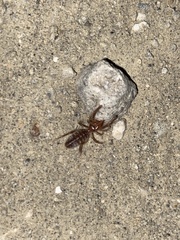
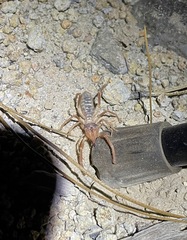
Parent Taxon
Child Taxa
- Eremobates actenidia
- Eremobates affinis
- Eremobates ajoanus
- Eremobates angustus
- Eremobates ascopulatus
- Eremobates aztecus
- Eremobates bajadae
- Eremobates bajaensis
- Eremobates bantai
- Eremobates barberi
- Eremobates becki
- Eremobates bixleri
- Eremobates californicus
- Eremobates chihuaensis
- Eremobates cinerascens
- Eremobates clarus
- Eremobates coahuilanus
- Eremobates corpink
- Eremobates cruzi
- Eremobates ctenidiellus
- Eremobates dentilis
- Eremobates dilatatus
- Eremobates dinamita
- Eremobates docolora
- Eremobates durangonus
- Eremobates fagei
- Eremobates formicarius
- Eremobates geniculatus
- Eremobates gerbae
- Eremobates girardi
- Eremobates gracilidens
- Eremobates guenini
- Eremobates hesei
- Eremobates hidalgoana
- Eremobates hodai
- Eremobates hystrix
- Eremobates icenogelei
- Eremobates inyoanus
- Eremobates kastoni
- Eremobates kiseri
- Eremobates kraepelini
- Eremobates lapazi
- Eremobates leechi
- Eremobates legalis
- Eremobates lentiginosus
- Eremobates marathoni
- Eremobates mormonus
- Eremobates nanus
- Eremobates nivis
- Eremobates nodularis
- Eremobates norrisi
- Eremobates otavonae
- Eremobates pallidus
- Eremobates pallipes
- Eremobates palpisetulosus
- Eremobates papillatus
- Eremobates pimanus
- Eremobates polhemusi
- Eremobates purpusi
- Eremobates putnami
- Eremobates pyriflora
- Eremobates scaber
- Eremobates scopulatellus
- Eremobates scopulatus
- Eremobates similis
- Eremobates simoni
- Eremobates socal
- Eremobates spissus
- Eremobates suspectus
- Eremobates tejonus
- Eremobates texanus
- Eremobates titschacki
- Eremobates tuberculatus
- Eremobates vicinus
- Eremobates villosus
- Eremobates williamsi
- Eremobates woodruffi
- Eremobates zini
- Eremobates zinni
Top Observation Places
- Lagos de Moreno
- Fort Collins
- Tulancingo
- Victoria de Durango
- Santa Fe
- Tlaxcala
- Oaxaca
- Santa Cruz Xoxocotlán
- Cathedral City
- Walnut Creek
- Ciudad Delicias
- Magdalena Contreras
- Albuquerque
- Cuautitlán Izcalli
- Coacalco
- Buenavista
- Cuautitlán
- Fuentes del Valle
- Texcoco de Mora
- Tepexpan
- Colorado Springs
- Riverside
- Los Angeles
- Glendale
- Pasadena
- Burbank
- El Cajon
- Santee
- Tucson
- Casas Adobes
- Catalina Foothills