Eucera: taxon details and analytics
- Domain
- Kingdom
- Animalia
- Phylum
- Arthropoda
- Class
- Insecta
- Order
- Hymenoptera
- Family
- Apidae
- Genus
- Eucera
- Species
- Scientific Name
- Eucera
Summary description from Wikipedia:
Eucera
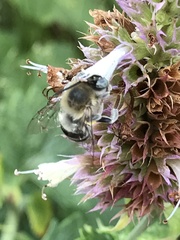
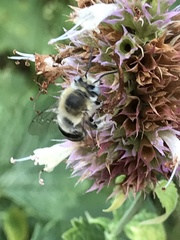
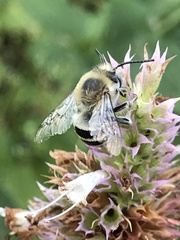
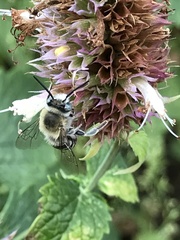
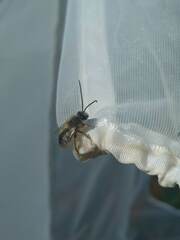
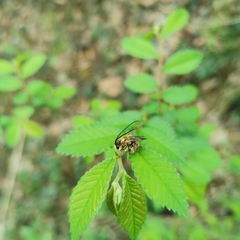
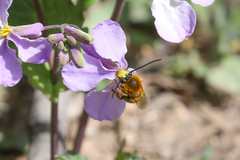
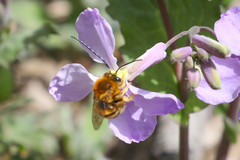
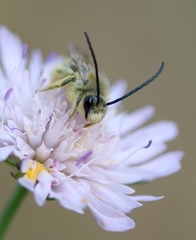
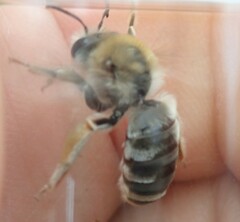
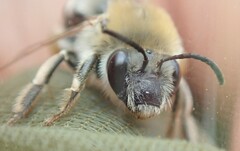
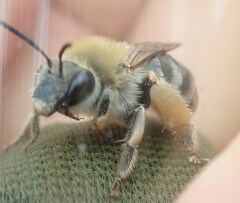
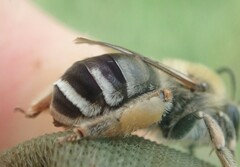
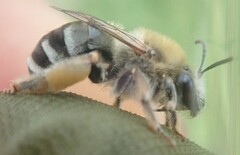
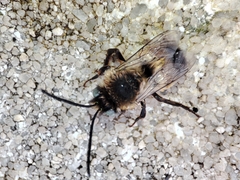
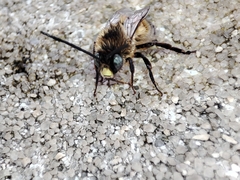
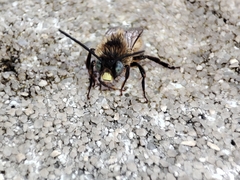
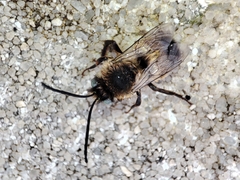
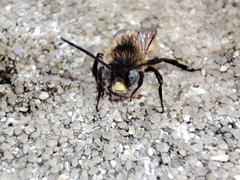
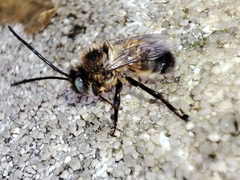
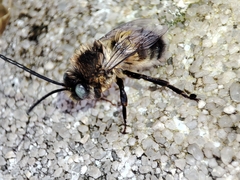
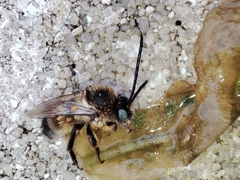
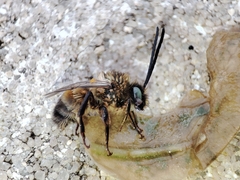
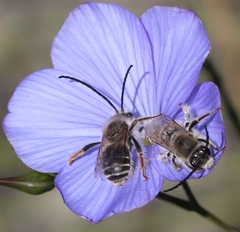
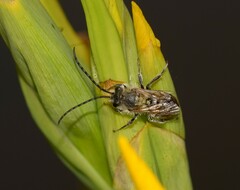
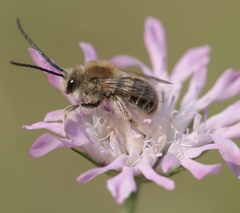
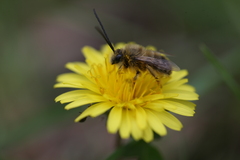
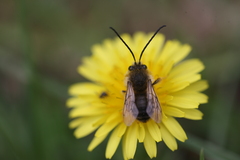
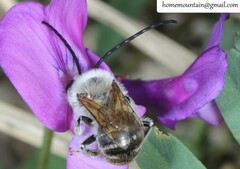
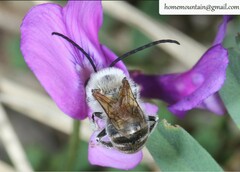
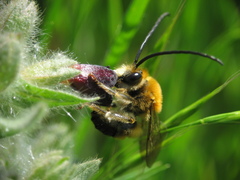
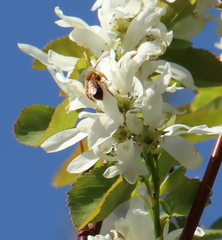
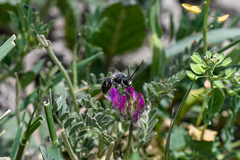
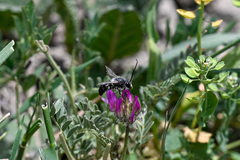
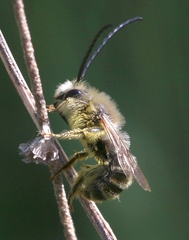
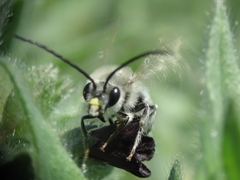
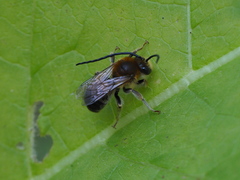
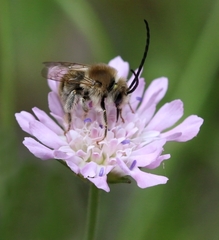
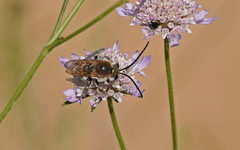
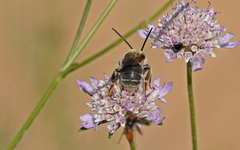
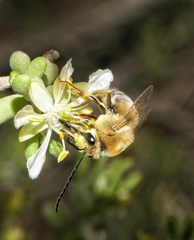
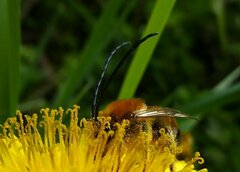
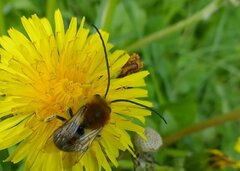
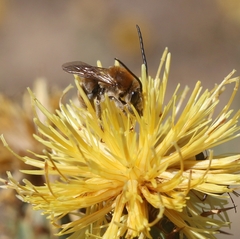
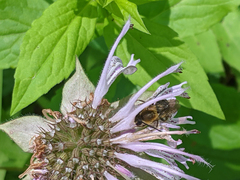
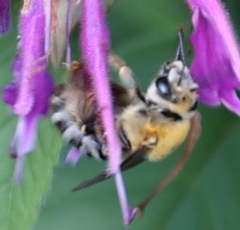
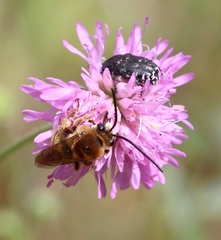
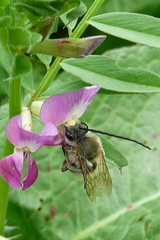
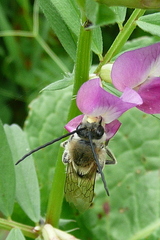
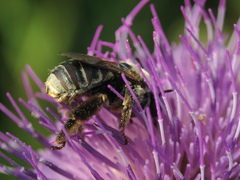
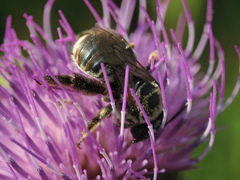
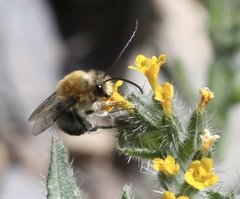
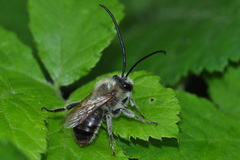
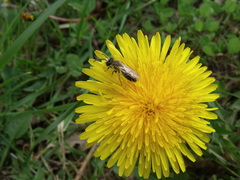
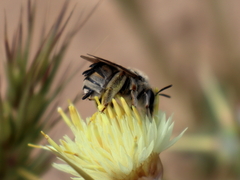
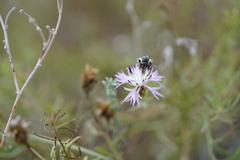
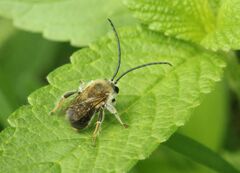
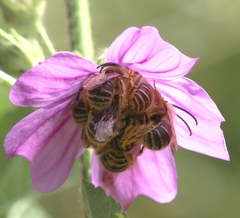
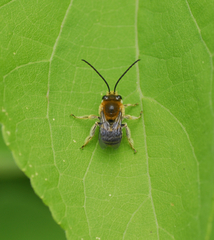
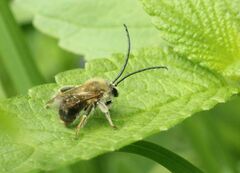
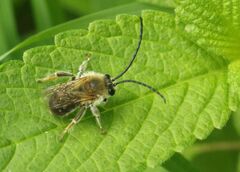
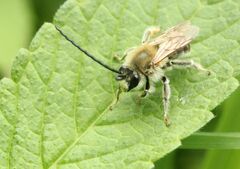
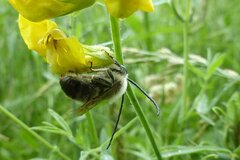
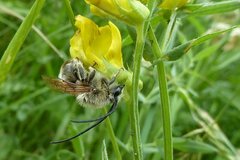
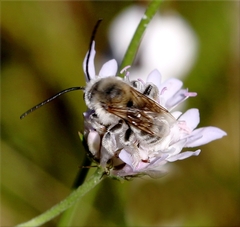
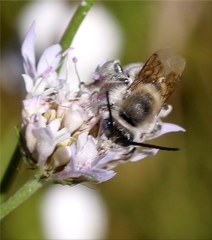
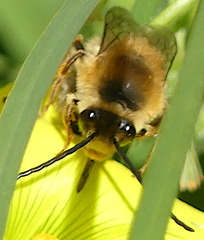
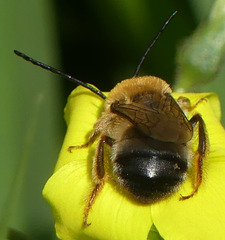
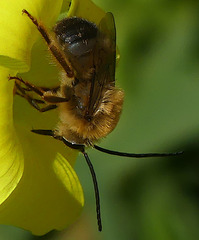
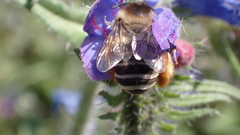
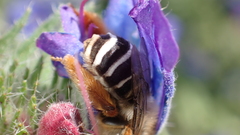
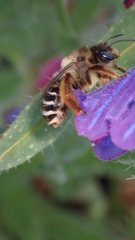
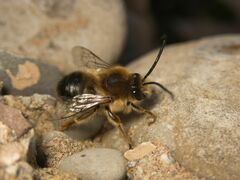
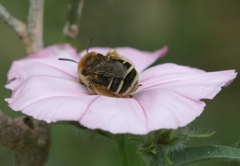
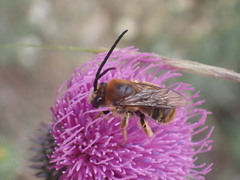
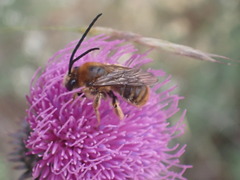
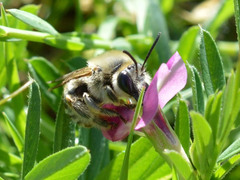
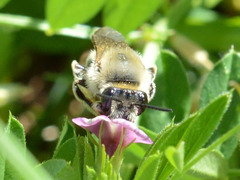
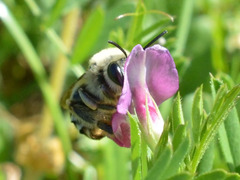
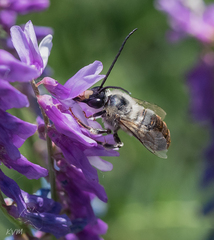
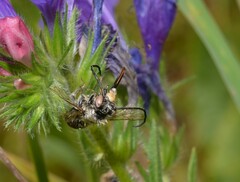
Eucera is a genus of bees in the family Apidae, which comprises more than 100 species. These bees are commonly known as long-horned bees due to their characteristically long antennae, especially in males. Eucera species can be found in diverse habitats, including meadows, fields, and urban gardens, primarily in the Palearctic and Nearctic regions, covering parts of Europe, Asia, North Africa, and North America.
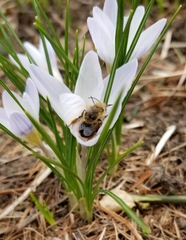
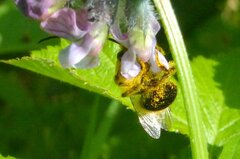
Eucera bees play a crucial role in pollinating a wide range of flowering plants. They are solitary bees, meaning that each female builds and provisions her own nest without forming social colonies like honeybees. Female Eucera bees construct their nests in the ground, typically in well-drained, sandy soils. They lay their eggs within the nest and provide a food supply for their offspring by collecting pollen and nectar from flowers.
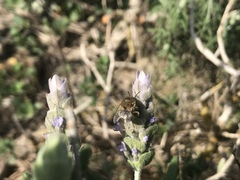
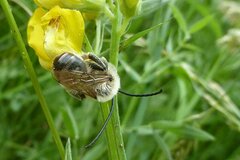
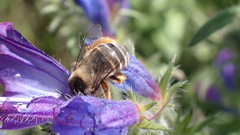
Eucera bees are active from spring to fall, and their flight period often coincides with the blooming period of their preferred flowering plants. They are generalist pollinators, meaning they visit a wide variety of flowers, but some species show preferences for specific plants or families, such as legumes or sunflowers.
...Eucera in languages:
- Finnish
- pitkäsarvimehiläiset
- French
- Eucères
- Japanese
- ヒゲナガハナバチ属
- Korean
- 수염줄벌속
- Russian
- Эуцеры
- Russian
- Эвцеры
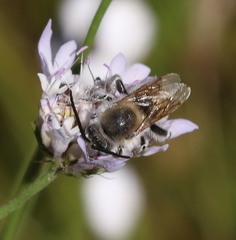
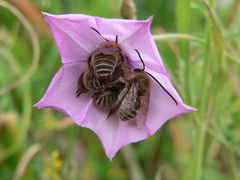
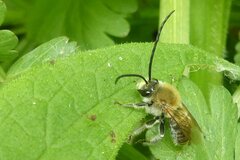
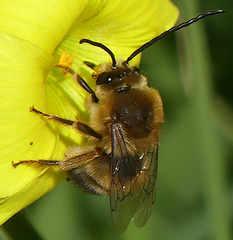
Images from inaturalist.org observations:
We recommend you sign up for this excellent, free service.
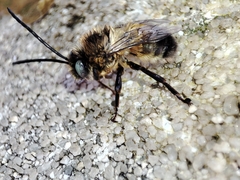
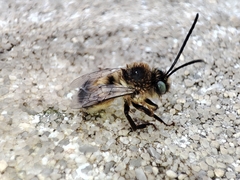
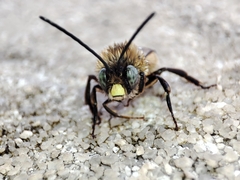
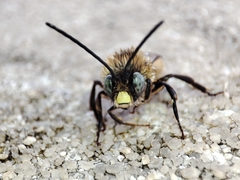
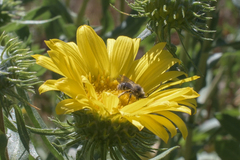
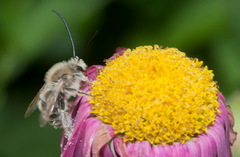
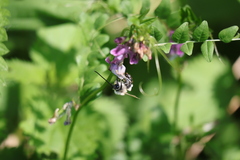

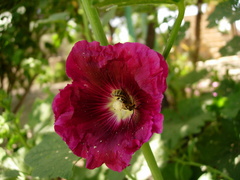
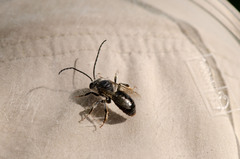
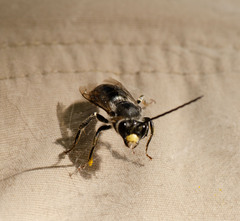
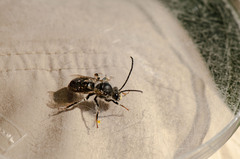
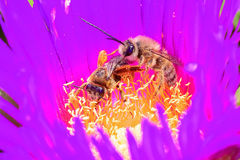
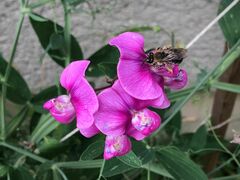
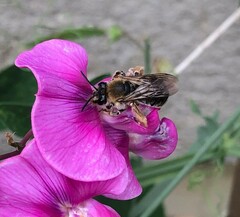

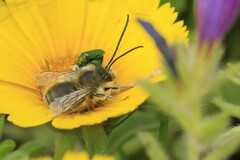
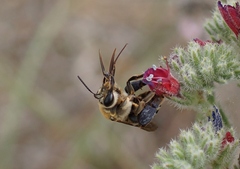
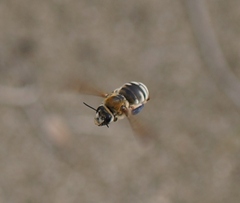
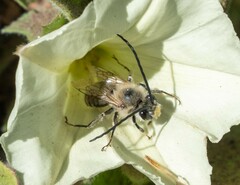
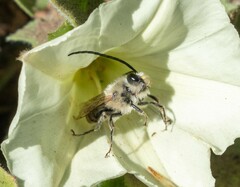
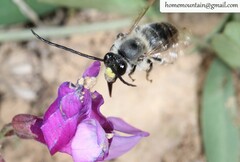
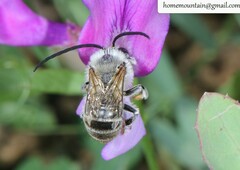
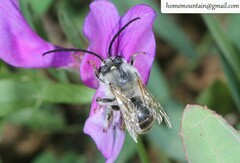
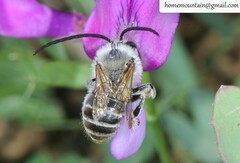
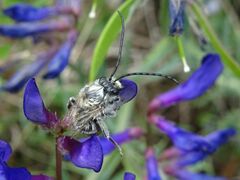
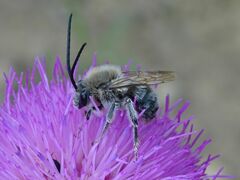

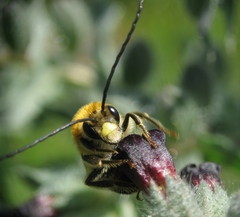
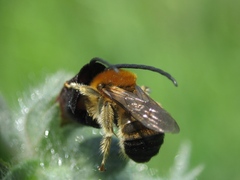
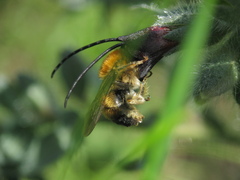
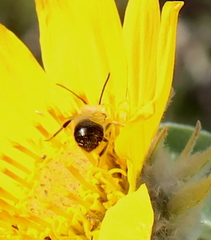
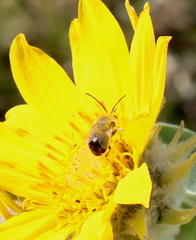
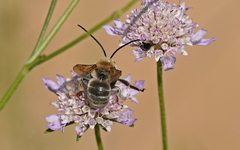
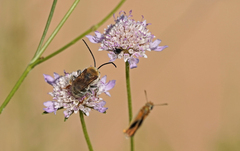





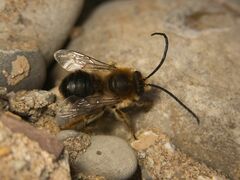
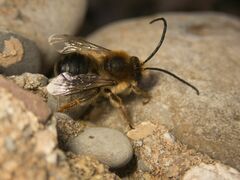
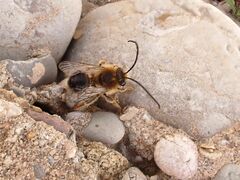
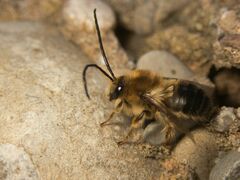
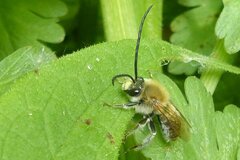
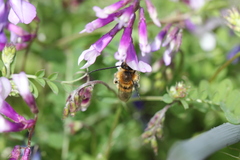
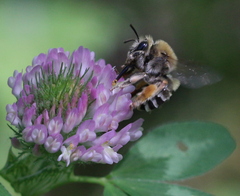
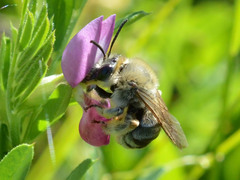
Parent Taxon
Sibling Taxa
- Agapanthinus
- Alloscirtetica
- Canephorula
- Cemolobus
- Cubitalia
- Eucera
- Eucerinoda
- Florilegus
- Gaesischia
- Gaesochira
- Hamatothrix
- Lophothygater
- Martinapis
- Melissodes
- Melissoptila
- Micronychapis
- Mirnapis
- Notolonia
- Pachysvastra
- Peponapis
- Platysvastra
- Preponapis
- Simanthedon
- Svastra
- Svastrides
- Svastrina
- Syntrichalonia
- Tetralonia
- Tetraloniella
- Thygater
- Trichocerapis
- Ulugombakia
- Xenoglossa
Child Taxa
- Eucera
- Eucera albescens
- Eucera amoena
- Eucera aragalli
- Eucera argyrophila
- Eucera californica
- Eucera cercidis
- Eucera chrysobotryae
- Eucera chrysophila
- Eucera conformis
- Eucera curvitarsis
- Eucera deceptrix
- Eucera diana
- Eucera eucnemidea
- Eucera excisa
- Eucera ferghanica
- Eucera fulviventris
- Eucera hispana
- Eucera illinoensis
- Eucera jacoti
- Eucera lepida
- Eucera monozona
- Eucera nigrita
- Eucera palaestinae
- Eucera pallidihirta
- Eucera paraclypeata
- Eucera parvicornis
- Eucera phaceliae
- Eucera pomona
- Eucera primiveris
- Eucera quadricincta
- Eucera ruficollis
- Eucera rufipes
- Eucera stretchii
- Eucera suavis
- Eucera territella
- Eucera texana
- Eucera truttae
- Eucera vittulata
- Eucera vulpes
- Eucera zonata
- Hetereucera
- Oligeucera
- Pareucera
- Pteneucera
- Synhalonia
Top Observation Places
- Porto
- Vila Nova de Gaia
- Khalándrion
- Maroúsi
- Zográfos
- Néa Ionía
- Galátsi
- Eugene
- Barcelona
- Eixample
- Sants-Montjuïc
- Horta-Guinardó
- Nou Barris
- Sarrià-Sant Gervasi
- Sant Andreu
- Gràcia
- Les Corts
- Sant Cugat del Vallès
- Rubí
- Cerdanyola del Vallès
- la Nova Esquerra de l'Eixample
- Barri de Sant Andreu
- Sagrada Família
- la Vila de Gràcia
- Zheleznogorsk
- Catania
- Montpellier
- Vienna
- Favoriten
- Donaustadt
- Floridsdorf
- Ottakring
- Simmering
- Meidling
- Hernals
- Hietzing
- Madrid
- Puente de Vallecas
- Ciudad Lineal
- Fuencarral-El Pardo
- Hortaleza
- San Blas-Canillejas
- Tetuán de las Victorias
- Madrid Centro
- Salamanca
- Chamberí
- Chamartín
- Retiro
- Moncloa-Aravaca
- Alcobendas