Glaucocharis parorma: taxon details and analytics
- Domain
- Kingdom
- Animalia
- Phylum
- Arthropoda
- Class
- Insecta
- Order
- Lepidoptera
- Family
- Crambidae
- Genus
- Glaucocharis
- Species
- Glaucocharis parorma
- Scientific Name
- Glaucocharis parorma
Summary description from Wikipedia:
Glaucocharis parorma
Glaucocharis parorma is a moth of the family Crambidae. It was first described by Edward Meyrick in 1924. It is endemic to New Zealand and is found in the North Island. This species inhabits native forest from lowland to subalpine altitudes. Larvae of Glaucocharis species feed on mosses and liverworts. Adults are on the wing from October to February. This species is very similar in appearance to G. elaina but can be distinguished as a result of the black terminal dots on its forewings.
...Images from inaturalist.org observations:
We recommend you sign up for this excellent, free service.
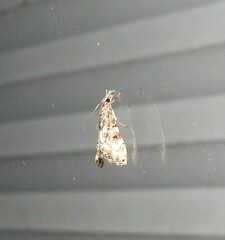
©Lindsay Alexander, some rights reserved (CC-BY-NC)
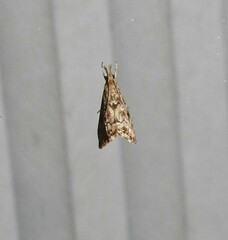
©Lindsay Alexander, some rights reserved (CC-BY-NC)
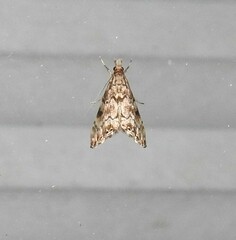
©Lindsay Alexander, some rights reserved (CC-BY-NC)
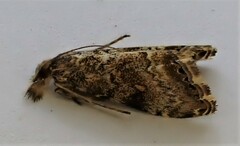
©Tony Steer, some rights reserved (CC-BY-SA)
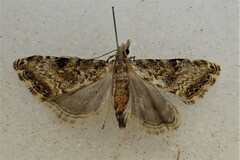
©Tony Steer, some rights reserved (CC-BY-SA)
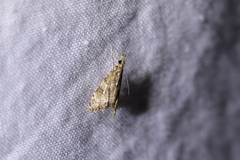
©Christopher Stephens, some rights reserved (CC-BY-SA)
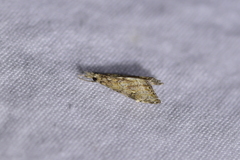
©Christopher Stephens, some rights reserved (CC-BY-SA)
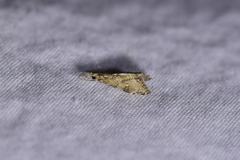
©Christopher Stephens, some rights reserved (CC-BY-SA)
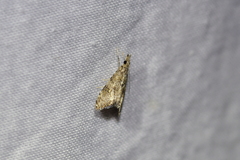
©Christopher Stephens, some rights reserved (CC-BY-SA)
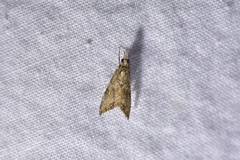
©Christopher Stephens, some rights reserved (CC-BY-SA)
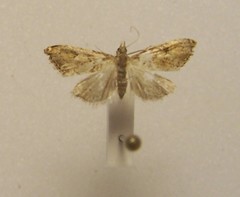
©Tony Steer, some rights reserved (CC-BY-SA)
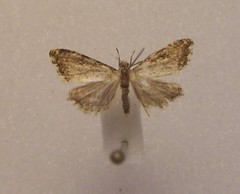
©Tony Steer, some rights reserved (CC-BY-SA)
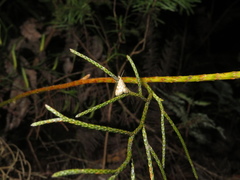
©William Brockelsby, some rights reserved (CC-BY)
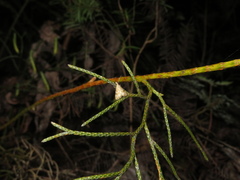
©William Brockelsby, some rights reserved (CC-BY)
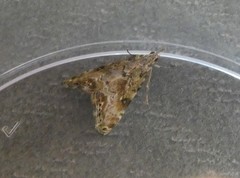
©Neville Hudson, some rights reserved (CC-BY-NC)
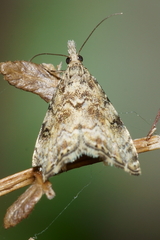
©Uwe Schneehagen, some rights reserved (CC-BY-SA)
Parent Taxon
Sibling Taxa
- Glaucocharis aeolocnemis
- Glaucocharis ajaxella
- Glaucocharis alatella
- Glaucocharis albilinealis
- Glaucocharis alypophanes
- Glaucocharis amydra
- Glaucocharis apicudentella
- Glaucocharis assamensis
- Glaucocharis auriscriptella
- Glaucocharis baculella
- Glaucocharis bathrogramma
- Glaucocharis batianensis
- Glaucocharis biconvexa
- Glaucocharis bifidella
- Glaucocharis bilinealis
- Glaucocharis bipunctella
- Glaucocharis brandti
- Glaucocharis brevis
- Glaucocharis burmanella
- Glaucocharis celebesensis
- Glaucocharis cheesmani
- Glaucocharis chelatella
- Glaucocharis chrysochyta
- Glaucocharis clandestina
- Glaucocharis classeyi
- Glaucocharis clytia
- Glaucocharis comparella
- Glaucocharis copernici
- Glaucocharis dialitha
- Glaucocharis dilatella
- Glaucocharis ediella
- Glaucocharis eichhorni
- Glaucocharis elaina
- Glaucocharis electra
- Glaucocharis epiphaea
- Glaucocharis equestris
- Glaucocharis euchromiella
- Glaucocharis exotica
- Glaucocharis exsectella
- Glaucocharis fehrei
- Glaucocharis fijiensis
- Glaucocharis flavescens
- Glaucocharis flavifasciaria
- Glaucocharis forcipella
- Glaucocharis furculella
- Glaucocharis fusca
- Glaucocharis fuscobasella
- Glaucocharis fuscopinna
- Glaucocharis grandispinata
- Glaucocharis griseolalis
- Glaucocharis hagenella
- Glaucocharis harmonica
- Glaucocharis hastatella
- Glaucocharis helioctypa
- Glaucocharis himalayana
- Glaucocharis hobbyi
- Glaucocharis holanthes
- Glaucocharis incisella
- Glaucocharis infundella
- Glaucocharis interrupta
- Glaucocharis interruptus
- Glaucocharis javaensis
- Glaucocharis kangraensis
- Glaucocharis khasiella
- Glaucocharis lasiotella
- Glaucocharis lathonia
- Glaucocharis lepidella
- Glaucocharis leucoxantha
- Glaucocharis lunatella
- Glaucocharis maculosa
- Glaucocharis margretella
- Glaucocharis melistoma
- Glaucocharis melli
- Glaucocharis metallifera
- Glaucocharis microdora
- Glaucocharis microxantha
- Glaucocharis minutalis
- Glaucocharis molleri
- Glaucocharis molydocrossa
- Glaucocharis moriokensis
- Glaucocharis morobella
- Glaucocharis muscela
- Glaucocharis mutuurella
- Glaucocharis natalensis
- Glaucocharis neotafanella
- Glaucocharis novaehebridensis
- Glaucocharis ochracealis
- Glaucocharis ochronella
- Glaucocharis ochrophanes
- Glaucocharis octacornutella
- Glaucocharis omeishani
- Glaucocharis palidella
- Glaucocharis papuanensis
- Glaucocharis paradisella
- Glaucocharis parmulella
- Glaucocharis parorma
- Glaucocharis parthenie
- Glaucocharis parviexectella
- Glaucocharis pauli
- Glaucocharis paulispinata
- Glaucocharis penetrata
- Glaucocharis pilcheri
- Glaucocharis planetopa
- Glaucocharis pogonias
- Glaucocharis pomae
- Glaucocharis praemialis
- Glaucocharis preangerella
- Glaucocharis propepraemialis
- Glaucocharis pyrsophanes
- Glaucocharis quadratella
- Glaucocharis queenslandensis
- Glaucocharis qujingella
- Glaucocharis ramona
- Glaucocharis rectifascialis
- Glaucocharis reniella
- Glaucocharis rhamphella
- Glaucocharis robinsoni
- Glaucocharis rosanna
- Glaucocharis rosannoides
- Glaucocharis rossi
- Glaucocharis rothschildi
- Glaucocharis rusticula
- Glaucocharis scrotiformis
- Glaucocharis selenaea
- Glaucocharis senekai
- Glaucocharis sericophthalma
- Glaucocharis setacea
- Glaucocharis setosa
- Glaucocharis siciformis
- Glaucocharis sikkimella
- Glaucocharis simmondsi
- Glaucocharis spiculella
- Glaucocharis spinulella
- Glaucocharis stella
- Glaucocharis stenura
- Glaucocharis subalbilinealis
- Glaucocharis subnatalensis
- Glaucocharis sumatraensis
- Glaucocharis swanni
- Glaucocharis taeniata
- Glaucocharis tafanella
- Glaucocharis taphrophracta
- Glaucocharis tibetensis
- Glaucocharis torva
- Glaucocharis tridentata
- Glaucocharis tripunctata
- Glaucocharis tyriochrysa
- Glaucocharis unipunctalis
- Glaucocharis utsugii
- Glaucocharis vermeeri
- Glaucocharis xanthogramma