Halictus: taxon details and analytics
- Domain
- Kingdom
- Animalia
- Phylum
- Arthropoda
- Class
- Insecta
- Order
- Hymenoptera
- Family
- Halictidae
- Genus
- Halictus
- Species
- Scientific Name
- Halictus
Summary description from Wikipedia:
Halictus
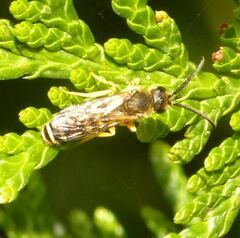
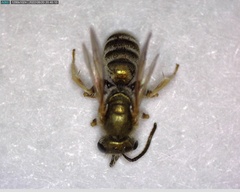
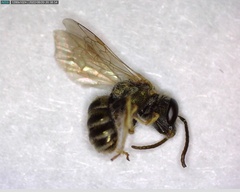
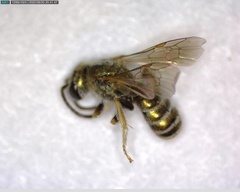
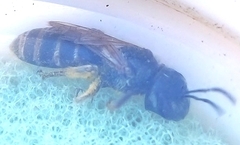
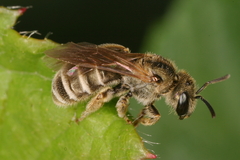
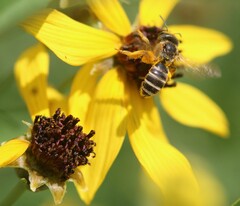
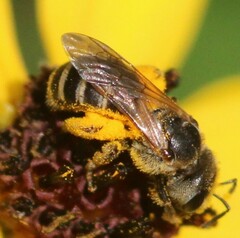
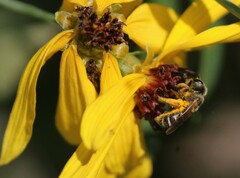
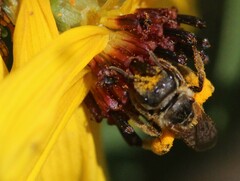
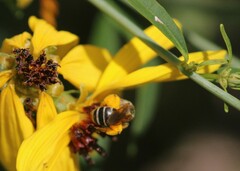
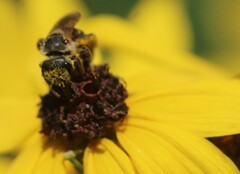
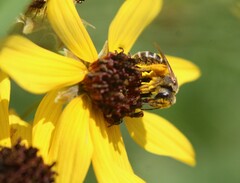
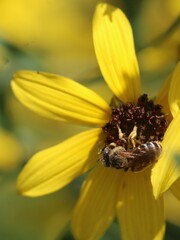
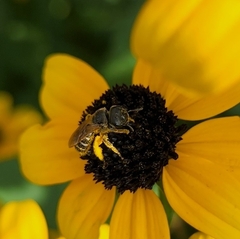
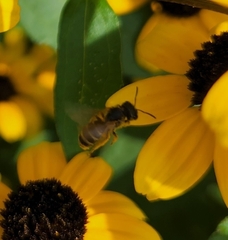
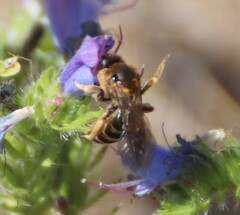
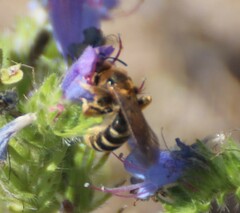
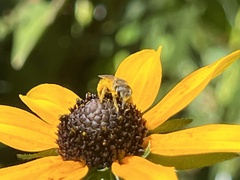
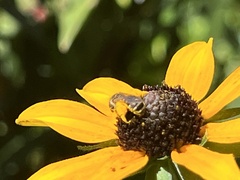
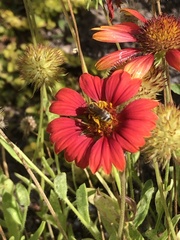
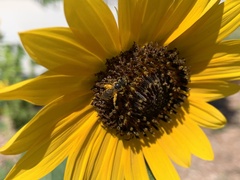
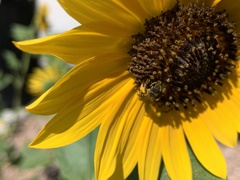
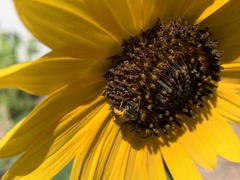
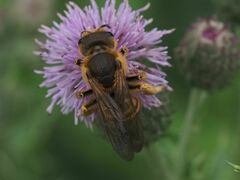
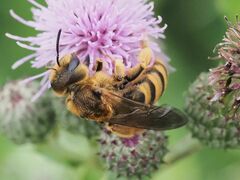
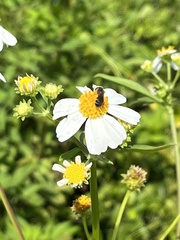
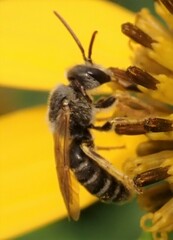
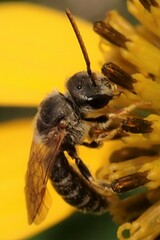
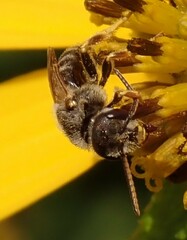
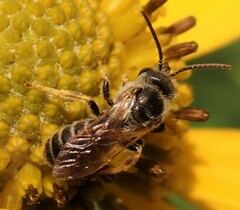
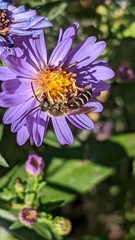
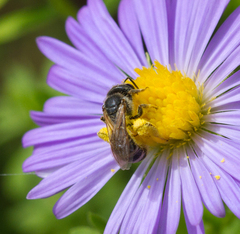
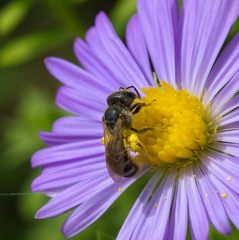
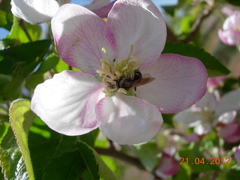
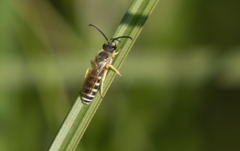
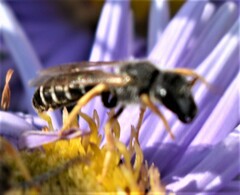
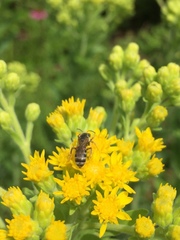
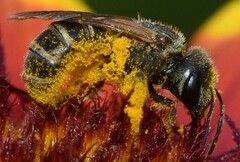
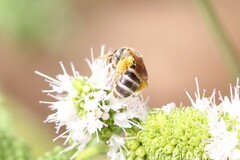
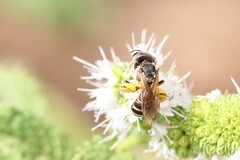
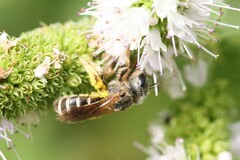
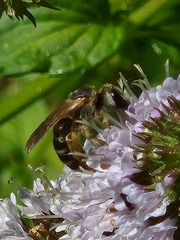
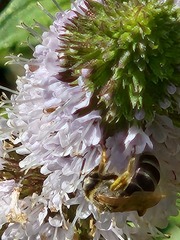
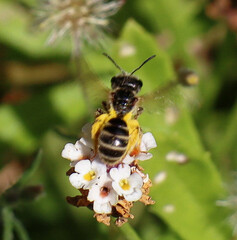
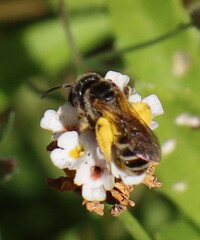
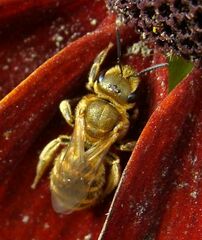
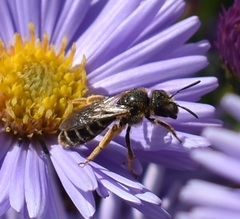
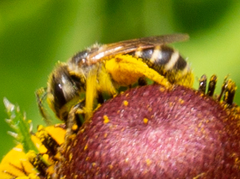
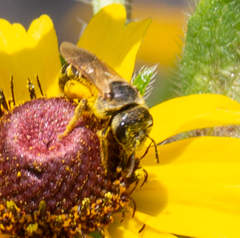
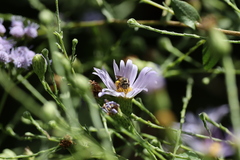
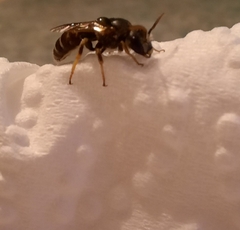
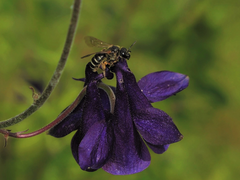
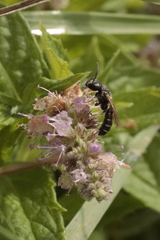
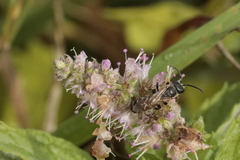
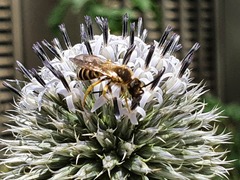
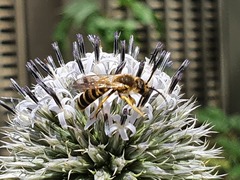
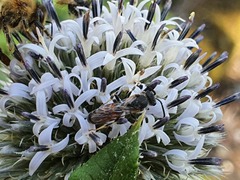
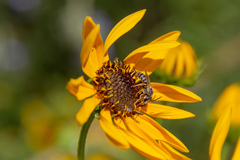
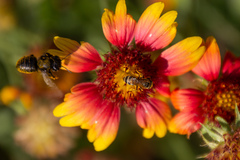
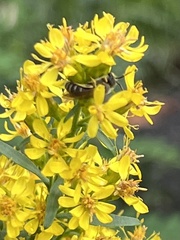
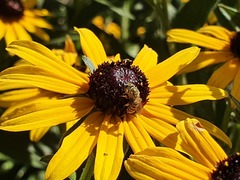
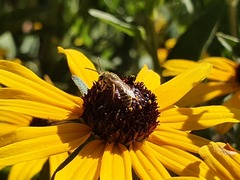
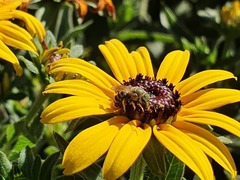
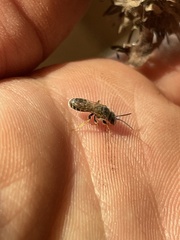
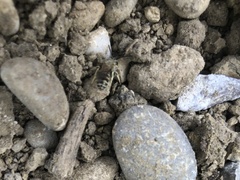
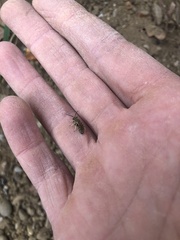
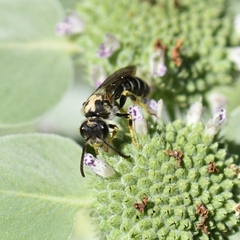
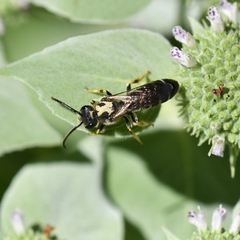
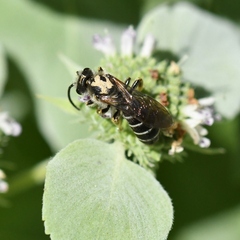
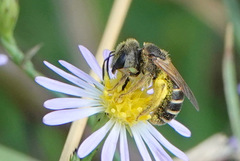
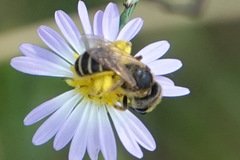
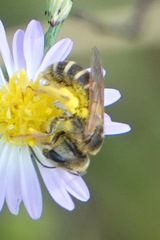
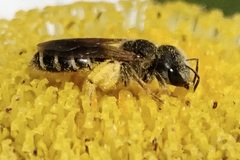
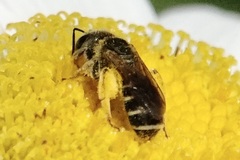
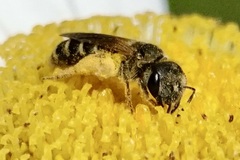
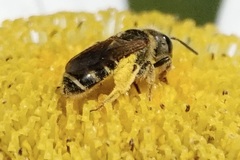
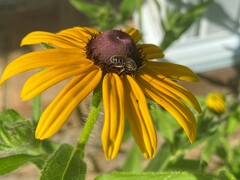
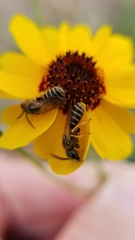
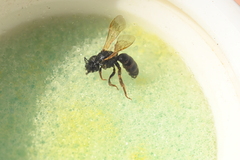
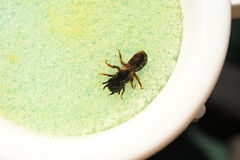
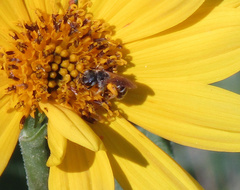
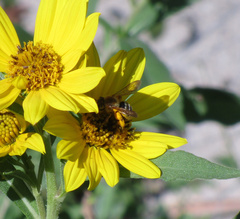
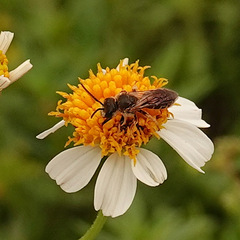
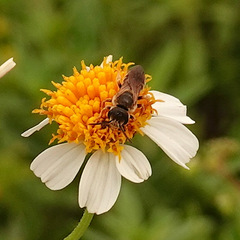
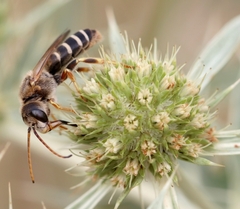
The genus Halictus is a large assemblage of bee species in the family Halictidae. The genus is divided into 15 subgenera, some of dubious monophyly, containing over 200 species, primarily in the Northern Hemisphere (a few species occur in South America, Asia and Africa). Most species are black or dark brown, sometimes metallic greenish-tinted, with apical whitish abdominal bands on the terga (the related genus Lasioglossum, which is otherwise often similar in appearance, has the abdominal hair bands located basally, not apically).
Many species in the genus are eusocial, with colony sizes ranging from very small (two to four bees) to large (>200). Nests are typically burrows in the soil, with several ovoid "cells" in which pollen mixed with nectar is provided as food for the developing larvae; a single egg is laid on a pollen mass, and the cell is sealed. In a few species, the cells are arranged in clusters resembling a honeycomb, but constructed of soil rather than beeswax. Like most ground-nesting bees, the brood cells are lined internally with a waterproofing secretion.
A few species in the genus have extensive geographic distribution, such as Halictus rubicundus, which spans virtually the entire Holarctic region. Previously, Halictus ligatus was considered to range from Canada to Venezuela, including the Caribbean. However, genetic data show that there are at least three species previously considered within this one. One of them is restricted to Southeastern USA and the Caribbean, one is Central American, and true H. ligatus is found in northern and western North America. Common European species include Halictus quadricinctus and Halictus sexcinctus, as well as H. rubicundus. H. rubicundus is solitary at high altitudes and latitudes but has eusocial colonies in warmer areas.
...Halictus in languages:
- Bokmål
- båndbier
- Chinese
- 隧蜂屬
- Czech
- ploskočelka
- Dutch
- Groefbijen
- English
- Furrow Bees
- Finnish
- vakomehiläiset
- French
- Halictes
- German
- Furchenbienen
- Hebrew
- הליקטית
- Japanese
- アトジマコハナバチ属
- Korean
- 꼬마꽃벌속
- Polish
- Smuklik
- Russian
- Галикты
- Swedish
- bandbin
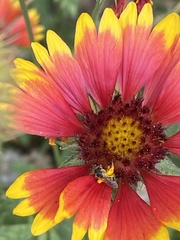
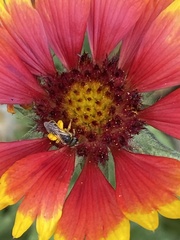
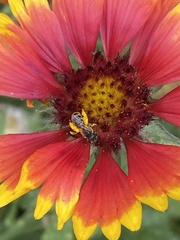
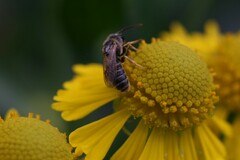
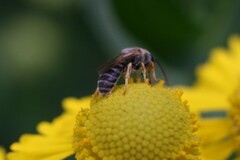
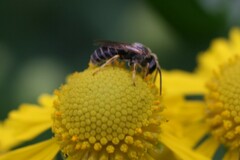
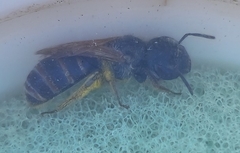
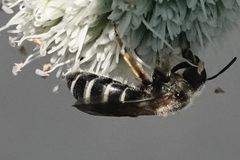
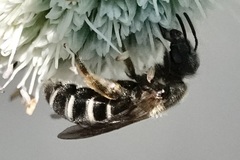
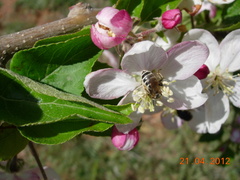
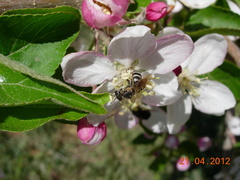
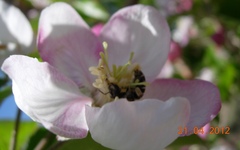
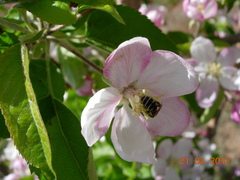
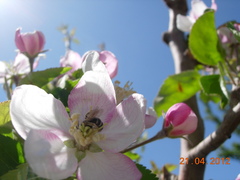
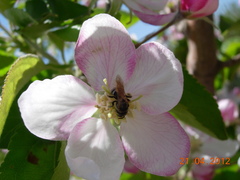
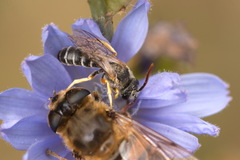
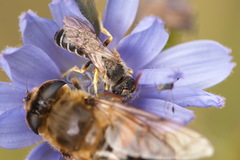
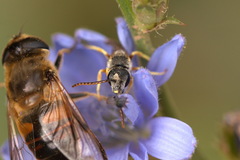
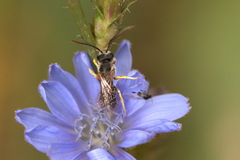
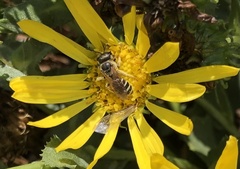
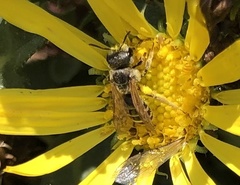
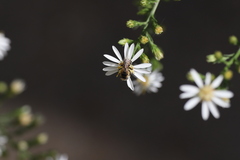
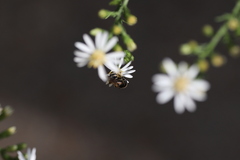
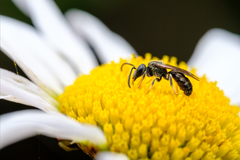
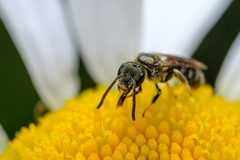
Images from inaturalist.org observations:
We recommend you sign up for this excellent, free service.
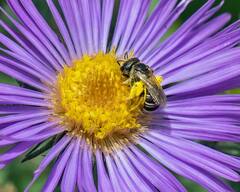

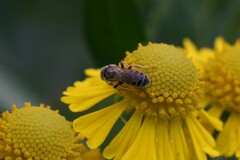
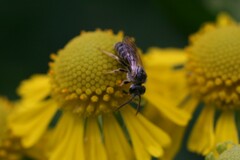
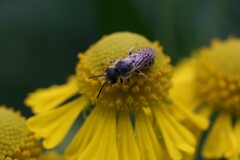
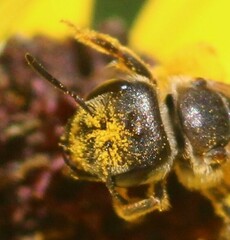
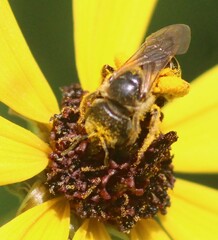
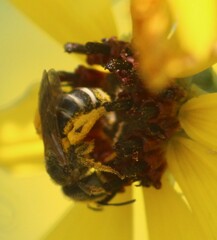
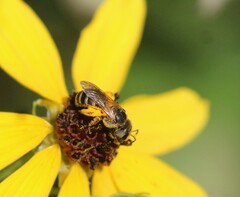
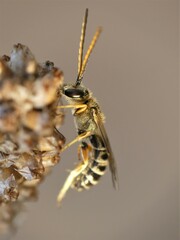
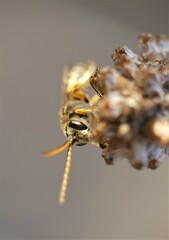
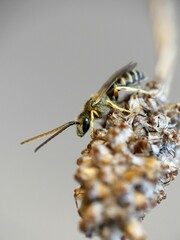
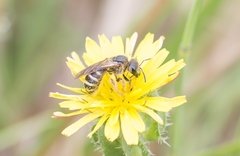
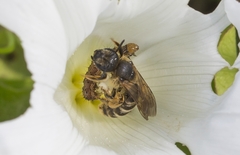
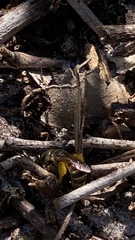
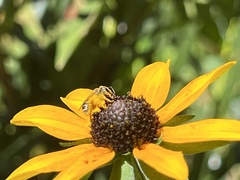
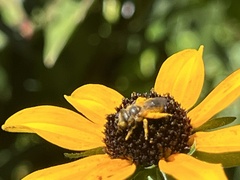
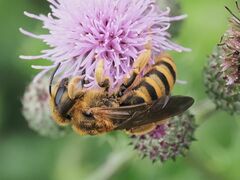
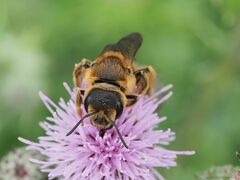
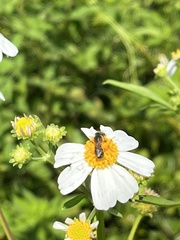
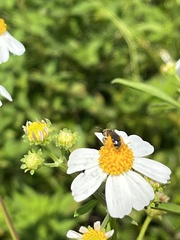
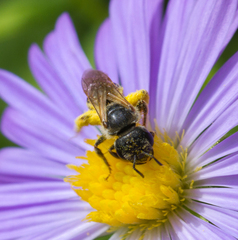
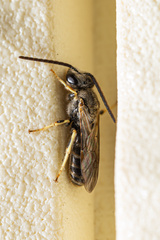
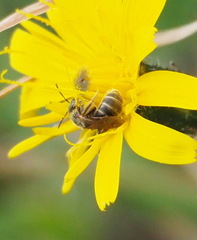
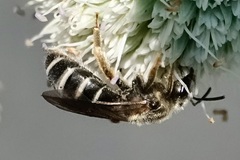
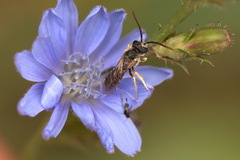
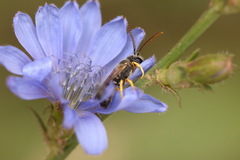
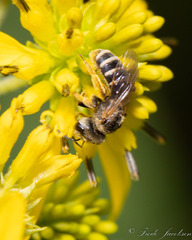
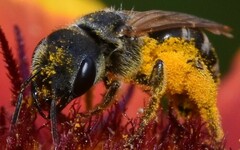
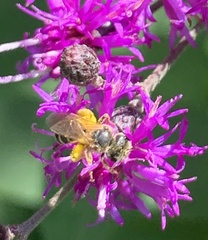
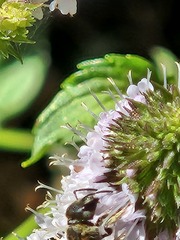
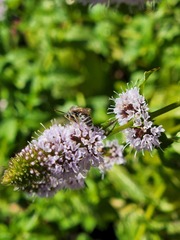
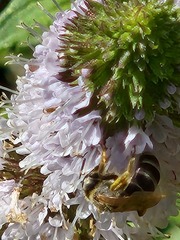
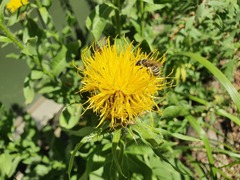
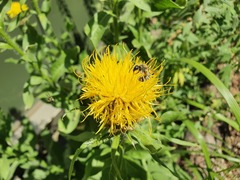
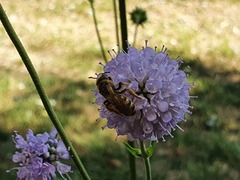
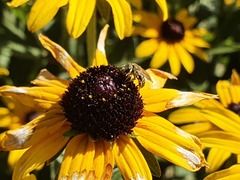
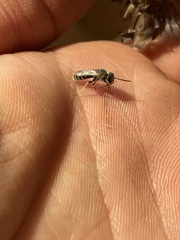
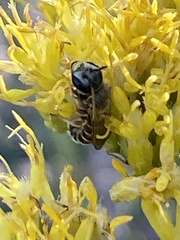
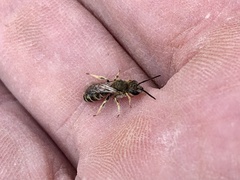
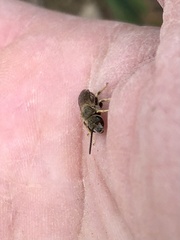
Parent Taxon
Sibling Taxa
Child Taxa
- Acalcaripes
- Argalictus
- Halictus
- Halictus albidus
- Halictus basizonus
- Halictus bidens
- Halictus designatus
- Halictus fascialis
- Halictus ferinus
- Halictus harveyi
- Halictus inornatus
- Halictus jonesi
- Halictus kloofensis
- Halictus leleji
- Halictus levibasis
- Halictus masselinus
- Halictus moffati
- Halictus pallidipennis
- Halictus perfumidus
- Halictus philipi
- Halictus placatus
- Halictus rhodaspis
- Halictus rhodesi
- Halictus rugicollis
- Halictus subsenilis
- Halictus sulciferus
- Halictus transiens
- Halictus trimeni
- Halictus tuckeri
- Halictus zonatus
- Hexataenites
- Lampralictus
- Monilapis
- Mucoreohalictus
- Nealictus
- Odontalictus
- Paraseladonia
- Placidohalictus
- Platyhalictus
- Protohalictus
- Ramalictus
- Seladonia
- Tytthalictus
- Vestitohalictus
Top Observation Places
- Hoover
- Erlangen
- Zyuzino
- Cherëmushki
- Novyye Cherëmushki
- Staten Island
- Antioch
- Córdoba
- Orem
- London
- Dunstable
- Saratov
- Salford
- Stamford Hill
- Zrenjanin
- Omaha
- Pasadena
- Iowa City
- Frederick
- Trento
- Monza
- Sesto San Giovanni
- Cinisello Balsamo
- Hampton
- Greenville
- Würzburg
- Brno
- Roubaix
- Dayton
- Kettering
- Rennes
- Gent
- Edmonton
- San Antonio
- Łódź
- Granada
- Bloomington
- Waterloo
- Jena
- Guelph
- Budapest
- Budapest XII. kerület
- Newmarket
- Aurora
- Bismarck
- Nantes
- Aliso Viejo
- New Orleans
- Metairie
- Athens