Hecatera dysodea: taxon details and analytics
- Domain
- Kingdom
- Animalia
- Phylum
- Arthropoda
- Class
- Insecta
- Order
- Lepidoptera
- Family
- Noctuidae
- Genus
- Hecatera
- Species
- Hecatera dysodea
- Scientific Name
- Hecatera dysodea
Summary description from Wikipedia:
Hecatera dysodea
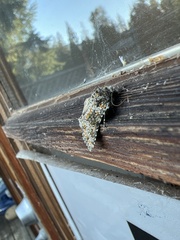
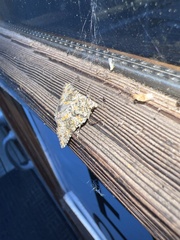
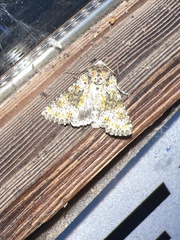
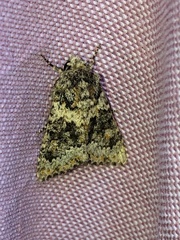
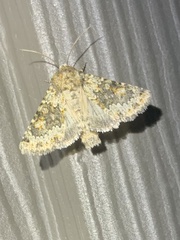
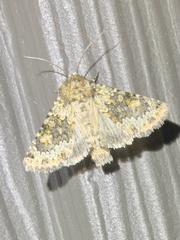
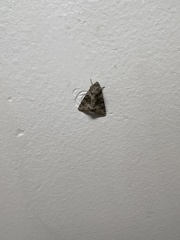
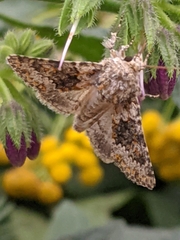
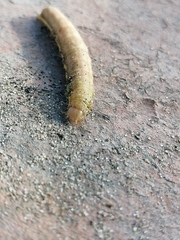
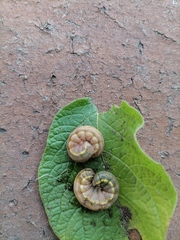
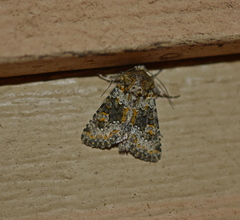
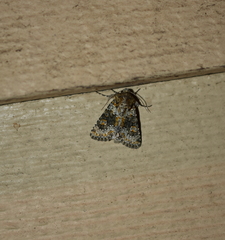
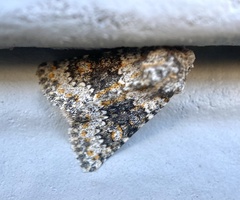
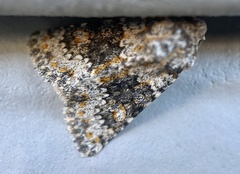
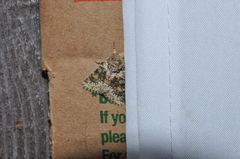
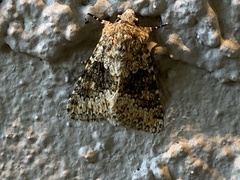
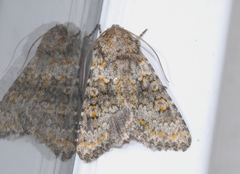
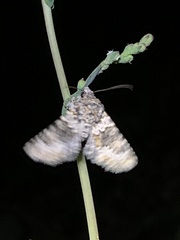
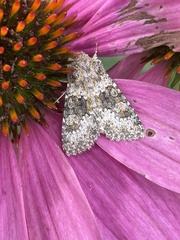
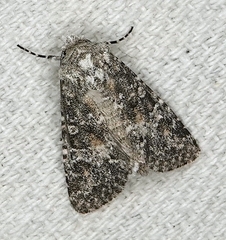
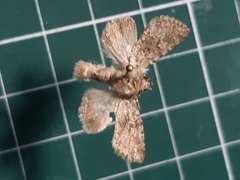
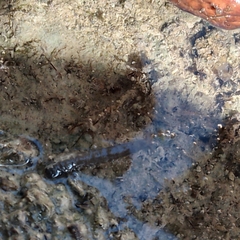
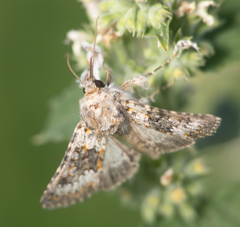
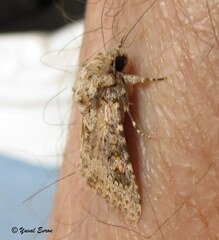
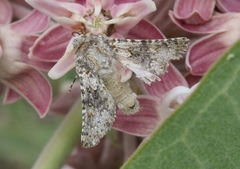
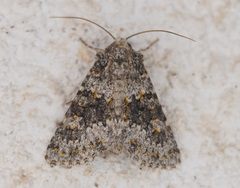
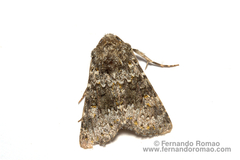
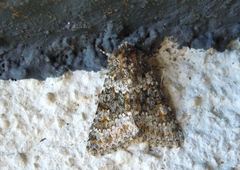
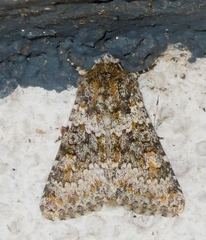
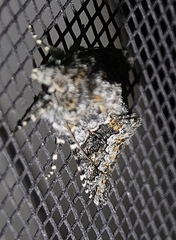
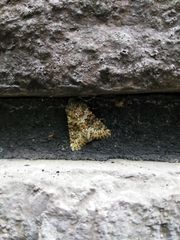
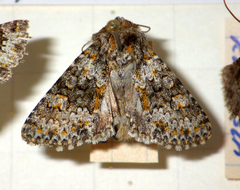
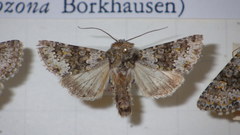
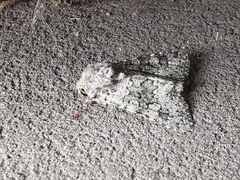
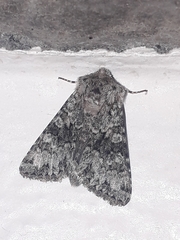
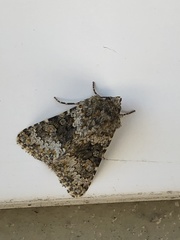
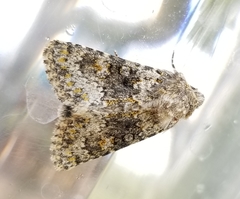
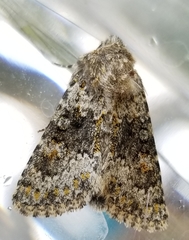
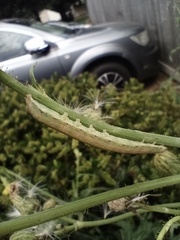
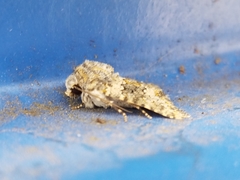
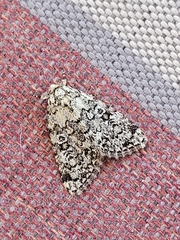
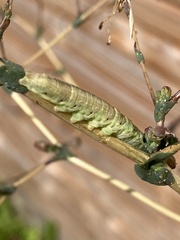
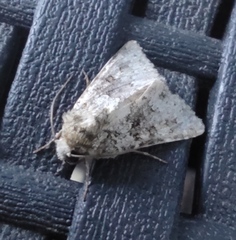
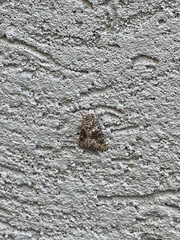
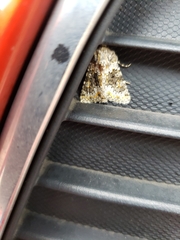
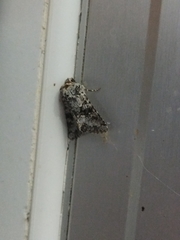
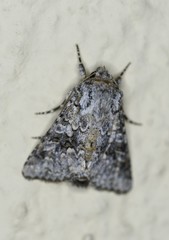
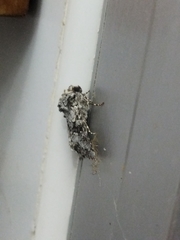
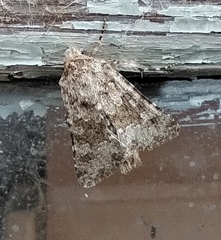
Hecatera dysodea, the small ranunculus, is a moth of the family Noctuidae. It is found in Europe, primarily in Central Europe and Southern Europe. The northern boundary of the distribution is from the Baltic Sea and the southern part of Lithuania, Belarus, south of Moscow to the Urals. North Africa forms the distribution border in the south (from Algeria and Morocco) east they extend to the Middle East, Turkestan and across the Palearctic to Central Asia. It is an introduced species in North America, where it was first found in Utah in 1998 and Oregon in 2005.
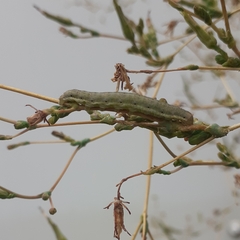
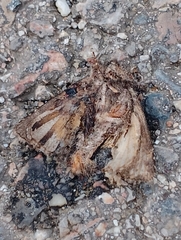
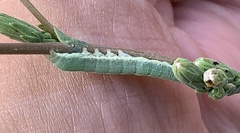
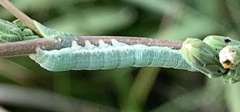
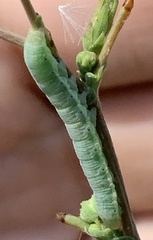
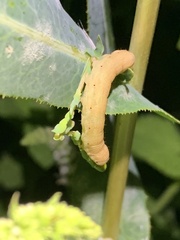
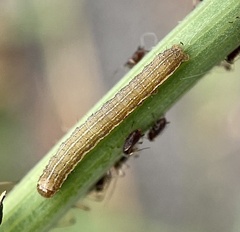
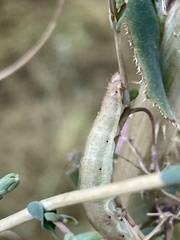
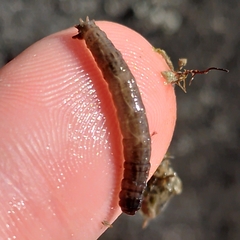
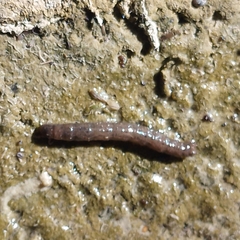
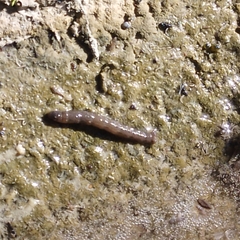
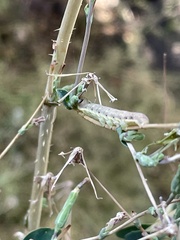
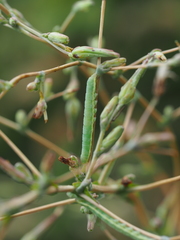
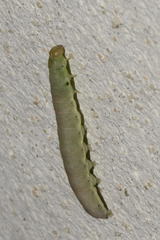
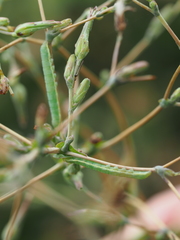
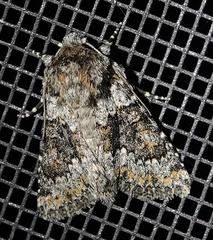
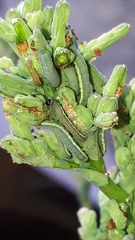
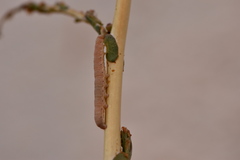
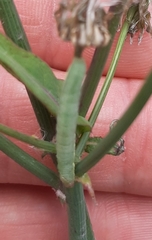
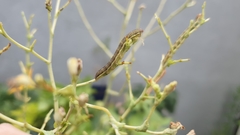
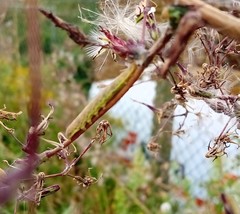
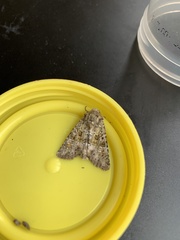
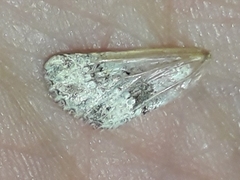
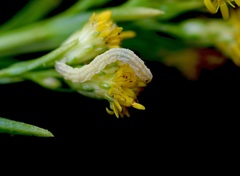
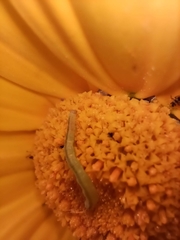
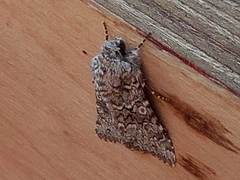
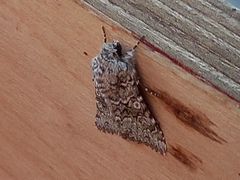
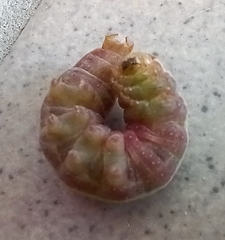
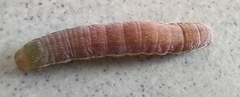
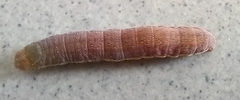
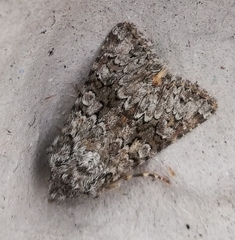
The wingspan is 32–34 mm. The length of the forewings is 14–15 mm. Meyrick describes it thus - Forewings whitish irrorated with grey, median area suffused with grey and partly mixed with orange; subbasal line whitish, edged anteriorly with black mixed with orange; first and second lines whitish, edged internally with blackish; spots outlined with black mixed with orange; subterminal line formed of orange spots, preceded by some black scales. Hindwings pale grey, with darker posterior suffusion. Larva pale dull green, or yellowish freckled with brown; dorsal line pale, dark-edged; lateral dark, indistinct; spiracles black; head ochreous-brown or dull greenish. Seitz - P. spinaciae Hew. (= dysodea Schiff, flavicincta-minor Esp., chrysozona Bkh., ornata Vill, ranunculina Haw., dysodea of Plate 17). Forewing pale- or greenish-grey, dusted with dark grey; median area darker; all the lines and markings picked out with orange scales; claviform stigma dark; the upper two grey; hindwing dull grey in male, dark grey in female, with broad dark border, the veins and cellspot dark; caduca H-Sch. (17 ¢) is a pale grey form with very little yellow scaling: in innocens Stg. (17g) the median area is blacker, and the inner and outer, by comparison, paler, the yellow scaling slight; koechlini Th.-Mg. (= turbida Hofm.) is a darker form with the orange markings strongly developed. Throughout Europe: in Asia Minor, Persia, Syria, Kashmir, Turkestan, and China. — Larva yellow green, freckled with brown; dorsal line pale, darkedged.
...Hecatera dysodea in languages:
- Czech
- můra lociková
- Danish
- Tornet salat-ugle
- Dutch
- Kompassla-uil
- English
- Small Ranunculus
- French
- Noctuelle dysodée
- German
- Kompasslattich-Eule
- Hungarian
- Parajbagoly
- Russian
- Совка латуковая
- Swedish
- taggsallatsfly
- Ukrainian
- Совка салатна
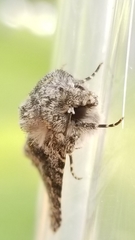
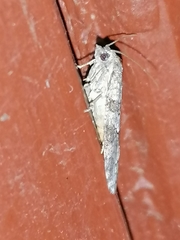
Images from inaturalist.org observations:
We recommend you sign up for this excellent, free service.
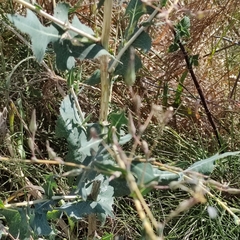
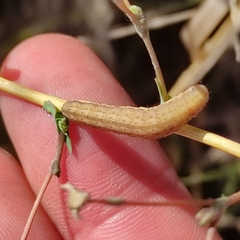
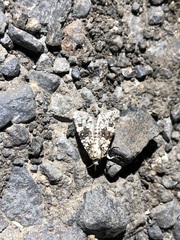
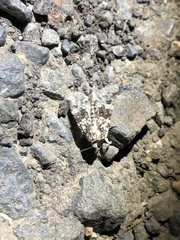
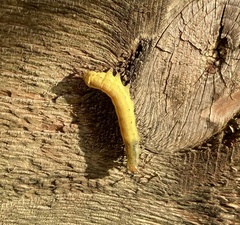
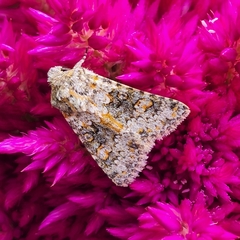
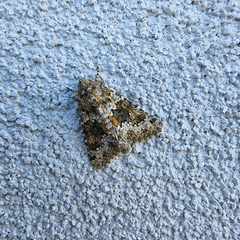
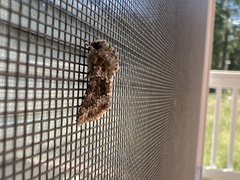
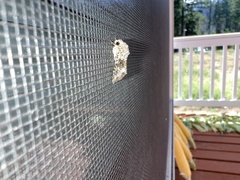
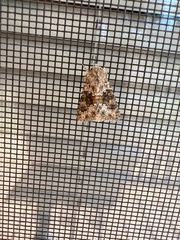
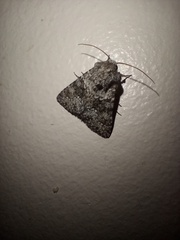
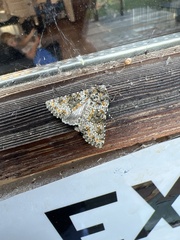
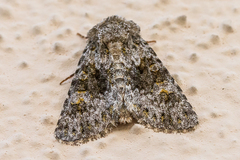
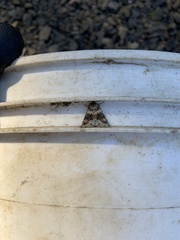
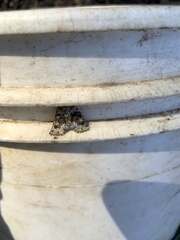
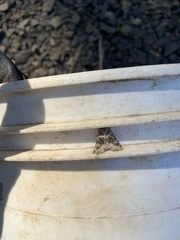
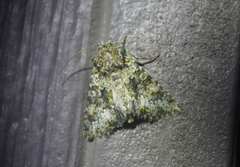
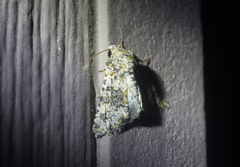
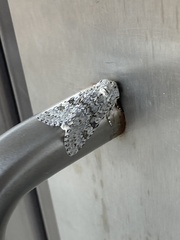
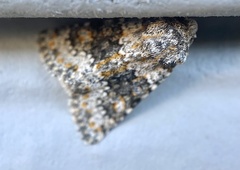
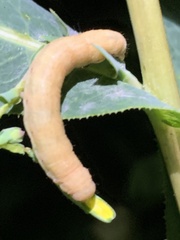
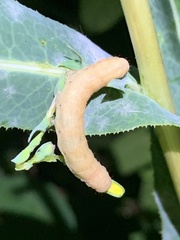
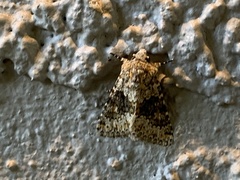
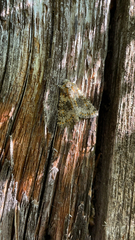

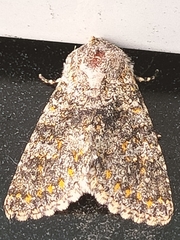
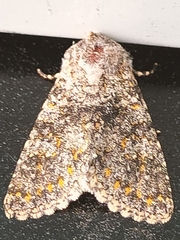
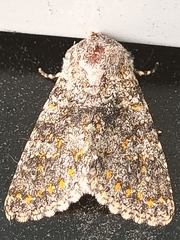
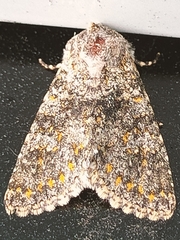
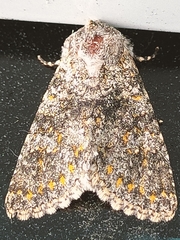
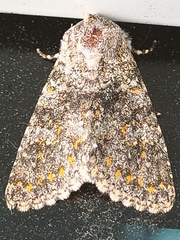
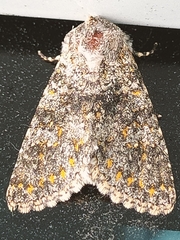
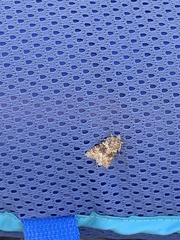
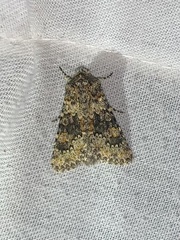
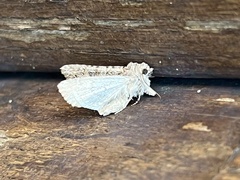
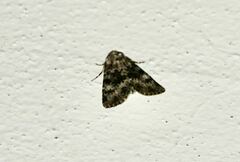
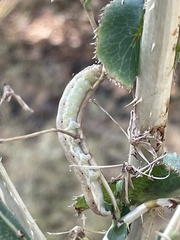


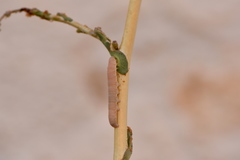
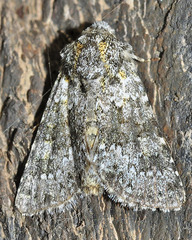
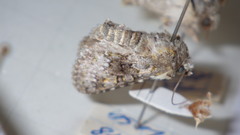
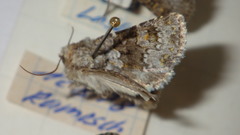
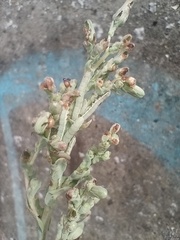
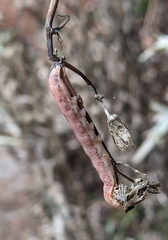
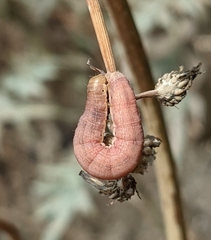
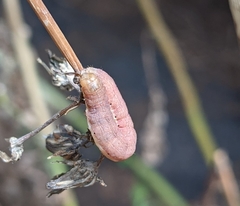
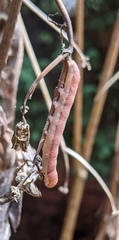
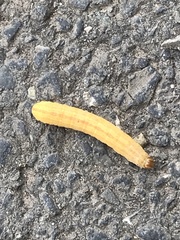
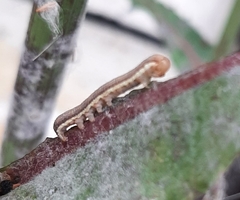
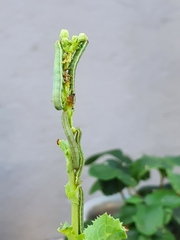
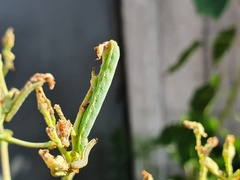
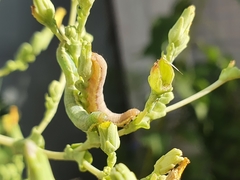
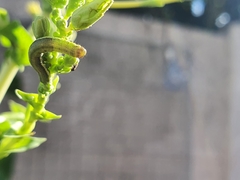
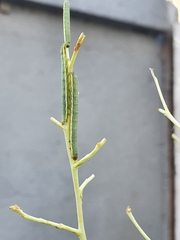
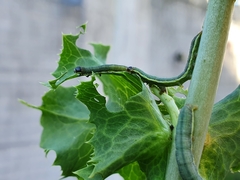
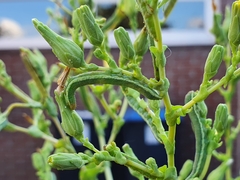
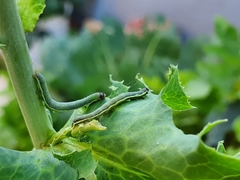
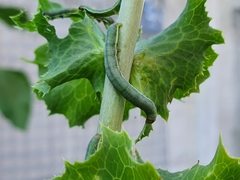
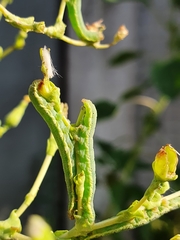
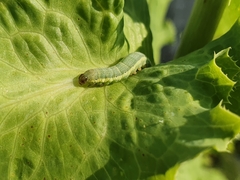
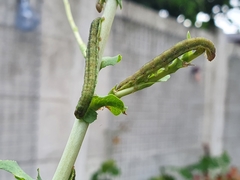
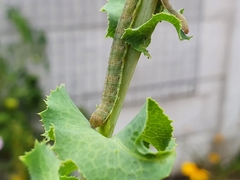
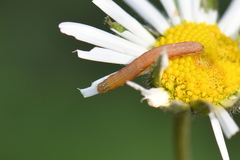
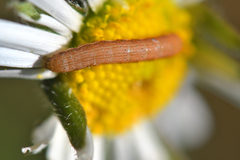
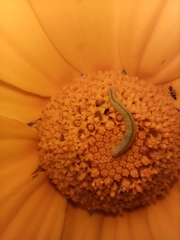
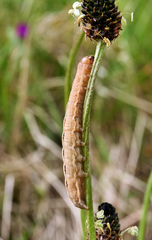
Parent Taxon
Sibling Taxa
- Hecatera accurata
- Hecatera agrapha
- Hecatera bicolorata
- Hecatera cappa
- Hecatera confusa
- Hecatera constantialis
- Hecatera corsica
- Hecatera cretacea
- Hecatera deserticola
- Hecatera digramme
- Hecatera disjuncta
- Hecatera dysodea
- Hecatera filipjevi
- Hecatera fixseni
- Hecatera maderae
- Hecatera mirabilis
- Hecatera rhodocharis
- Hecatera weissi