Helianthus debilis: taxon details and analytics
- Domain
- Kingdom
- Plantae
- Phylum
- Tracheophyta
- Class
- Magnoliopsida
- Order
- Asterales
- Family
- Asteraceae
- Genus
- Helianthus
- Species
- Helianthus debilis
- Scientific Name
- Helianthus debilis
Summary description from Wikipedia:
Helianthus debilis
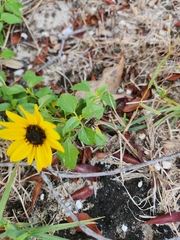
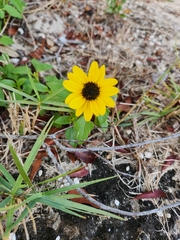
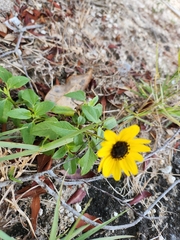
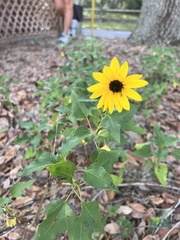
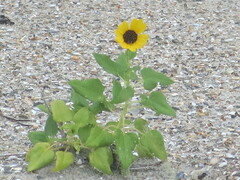
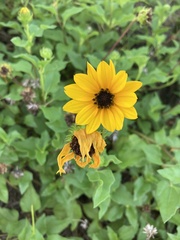
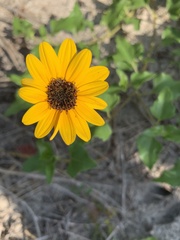
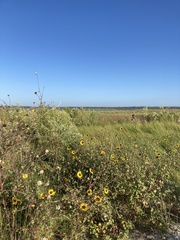
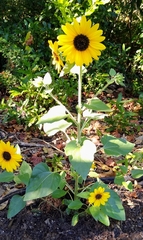
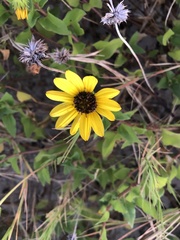
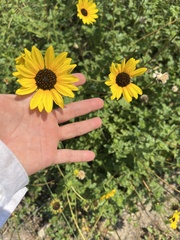
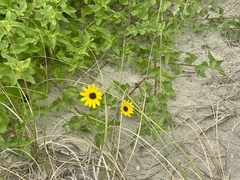
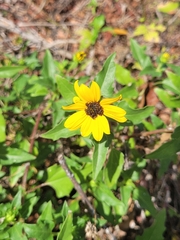
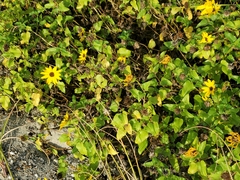
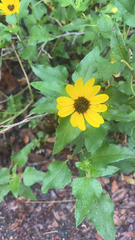
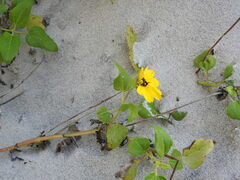
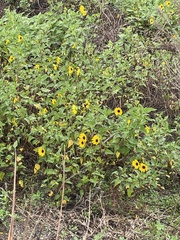
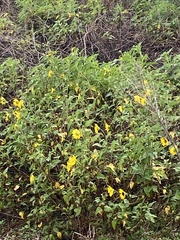
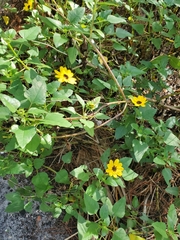
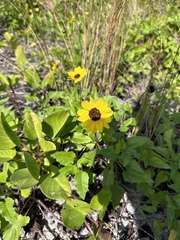
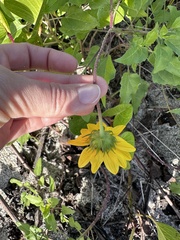
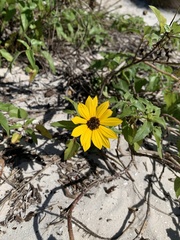
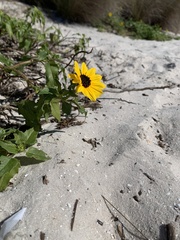
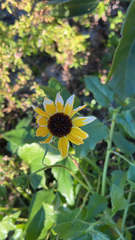
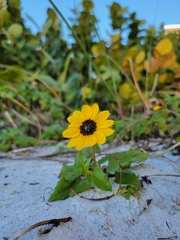
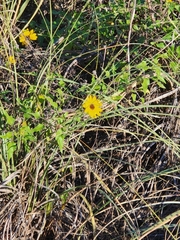
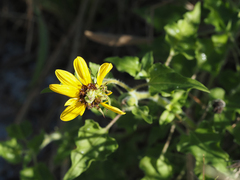
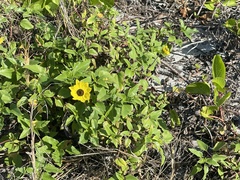
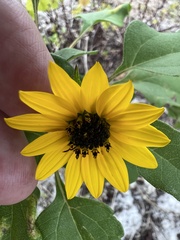
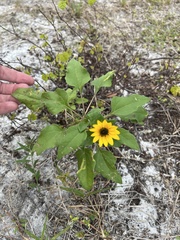
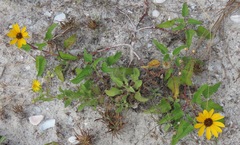
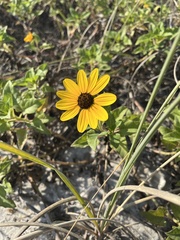
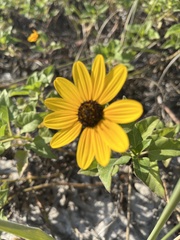
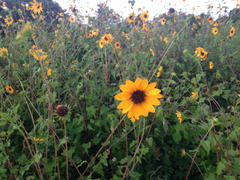
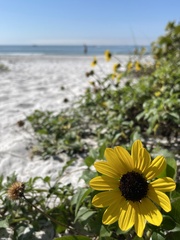
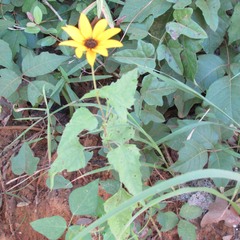
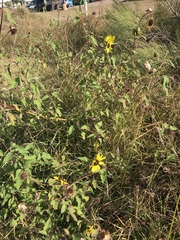
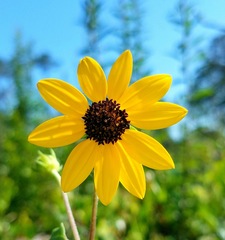
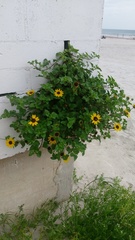
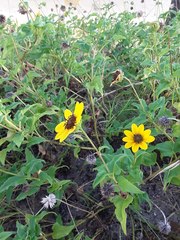
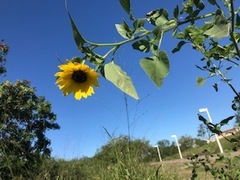
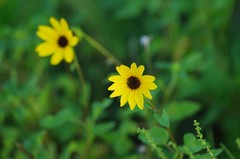
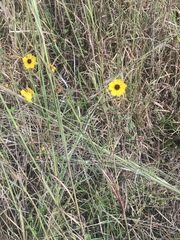
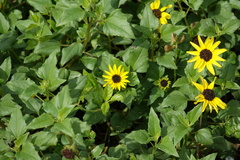
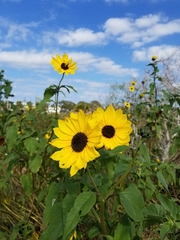
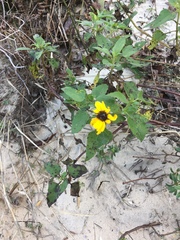
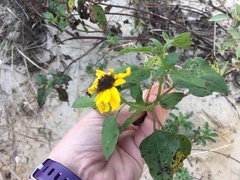
Helianthus debilis is a species of sunflower known by the common names cucumberleaf sunflower, beach sunflower, weak sunflower, East Florida beach sunflower, and East Coast dune sunflower. It is native to the United States, where it can be found along the Atlantic and Gulf Coasts. It is known elsewhere as an introduced species, such as South Africa, Australia, Taiwan, Slovakia, and Cuba.
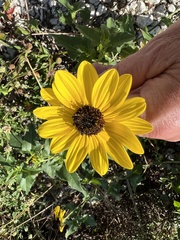
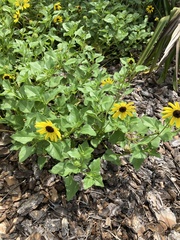
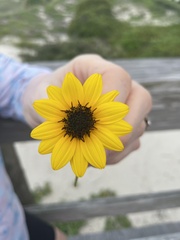
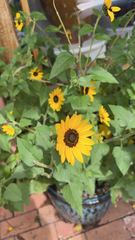
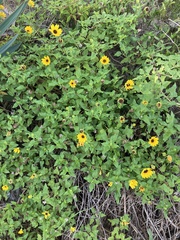
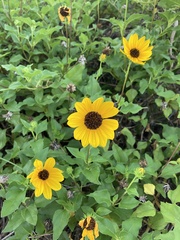
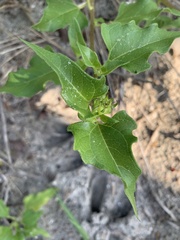
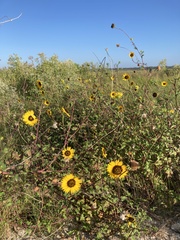
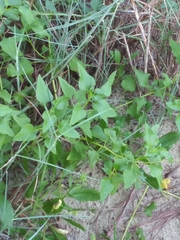
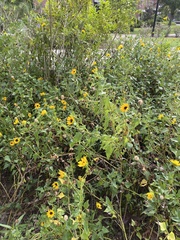
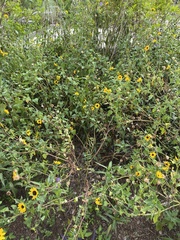
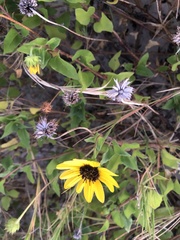
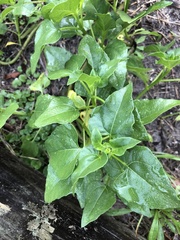
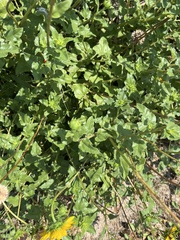
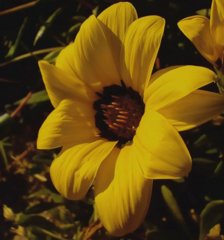
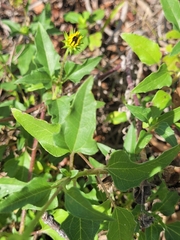
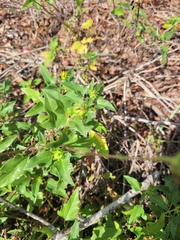
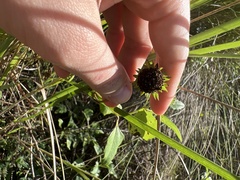
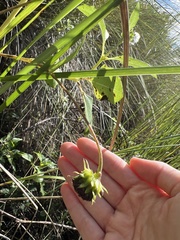
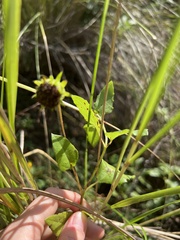
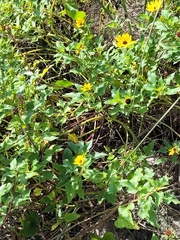
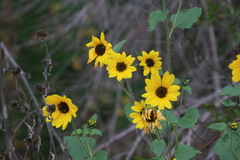
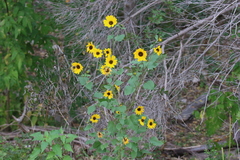
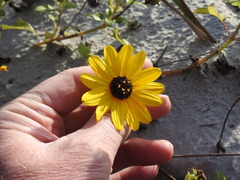
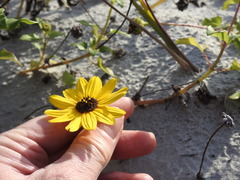
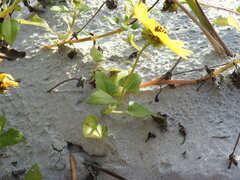
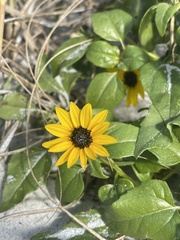
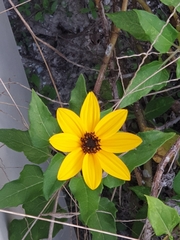
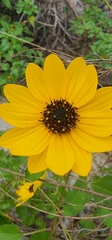
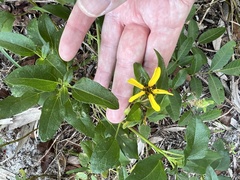
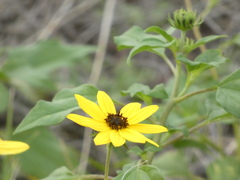
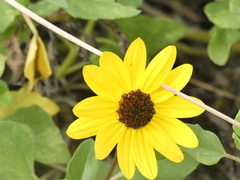
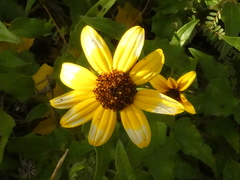
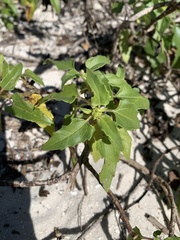
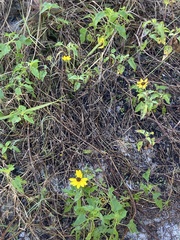
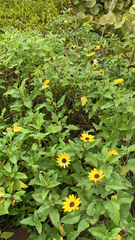
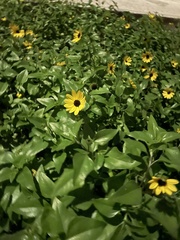
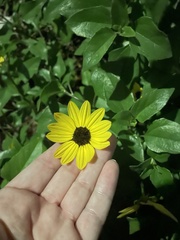
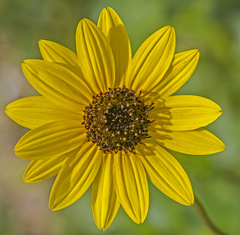
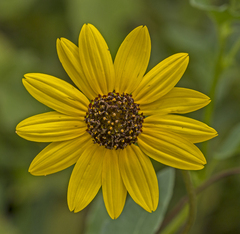
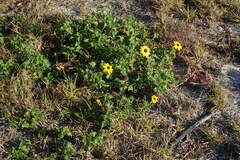
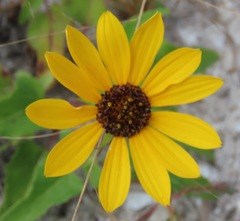
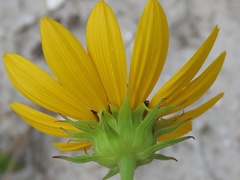
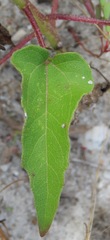
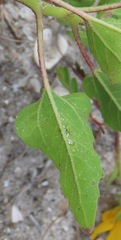
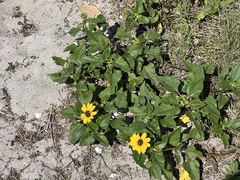
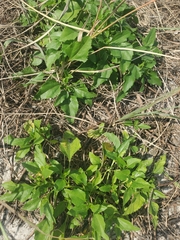
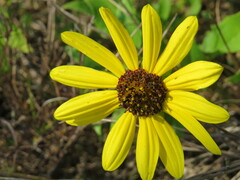
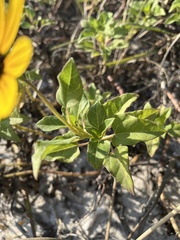
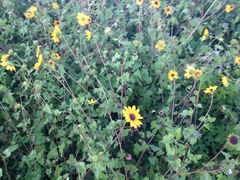
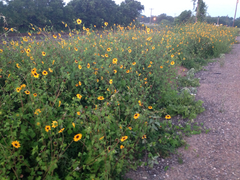
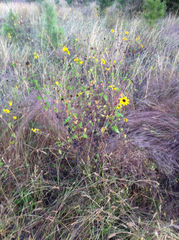
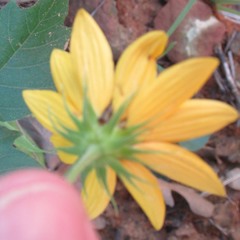
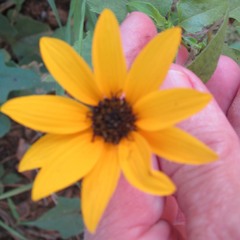
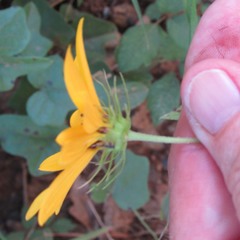
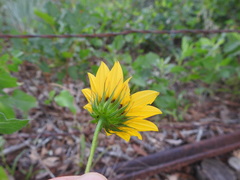
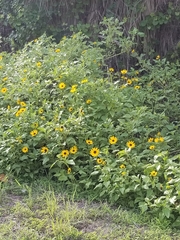
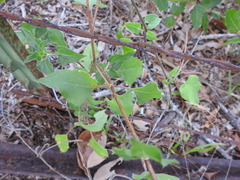
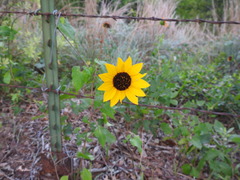
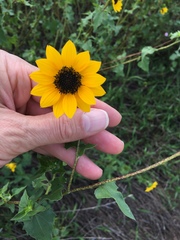
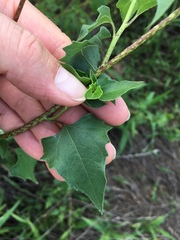
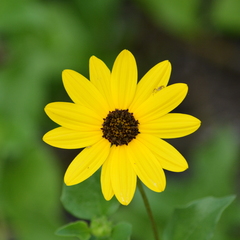
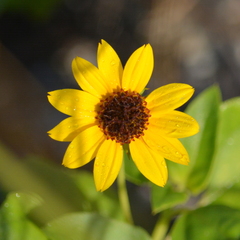
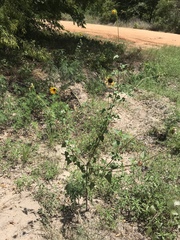
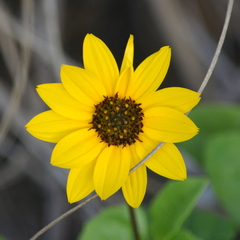
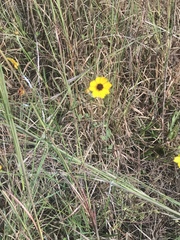
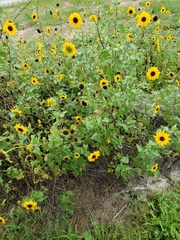
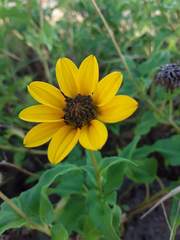
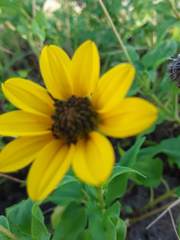
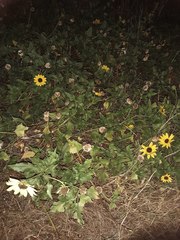
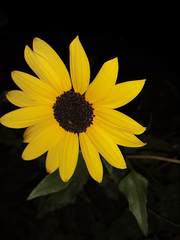
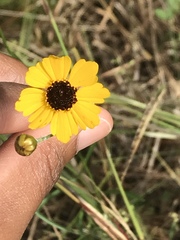
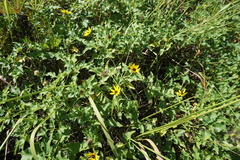
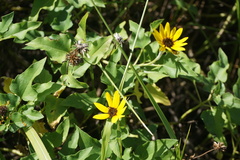
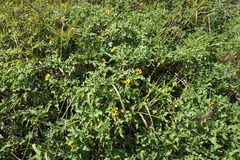
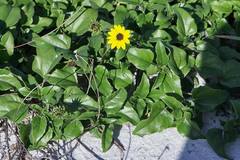
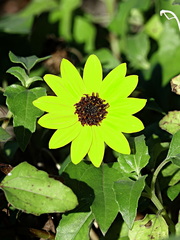
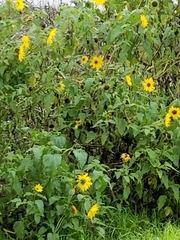
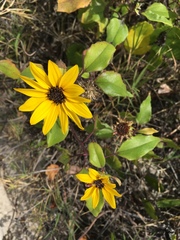
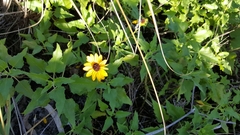
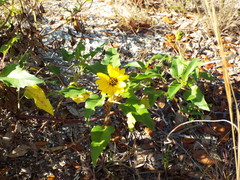
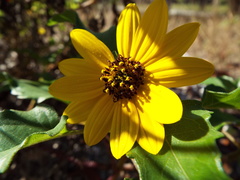
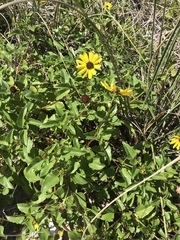
This species may be an annual or perennial herb. It is usually perennial but it may last only one season in climates where freezes occur. It can reach a height of 2 meters. The stem grows from a taproot and may grow erect or decumbent. It can also spread along the ground, becoming a dense groundcover. The leaves are usually arranged alternately and are variable in shape and size. The largest are up to 14 centimeters long by 13 wide. The showy inflorescence is a single flower head or an array of two or three heads. There are up to 30 lance-shaped phyllaries each up to 1.7 centimeters long. There are up to 20 or 21 ray florets, each up to 2.3 centimeters long. They are usually yellow in the wild, but cultivars have been bred to bear whitish, reddish, or orange florets. The center of the head is filled with many red, yellowish, or purplish disc florets. The fruit, a cypsela, is roughly 2 or 3 millimeters long.
There are several subspecies. At one point there were eight. Five are currently recognized.
- Helianthus debilis subsp. cucumerifolius - cucumberleaf sunflower. The subspecies with the widest distribution.
- Helianthus debilis subsp. debilis - beach sunflower. Endemic to Florida.
- Helianthus debilis subsp. silvestris - forest sunflower. Endemic to Texas.
- Helianthus debilis subsp. tardiflorus - slow-flowering sunflower. Mississippi to Florida. Limited to rare, specialized coastal habitat.
- Helianthus debilis subsp. vestitus - clothed sunflower, hairy beach sunflower. Endemic to Florida. Imperiled; known from about 22 occurrences.
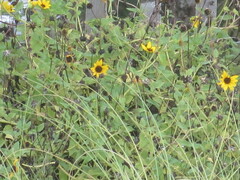
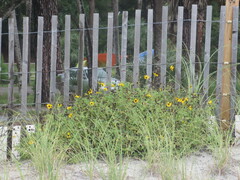
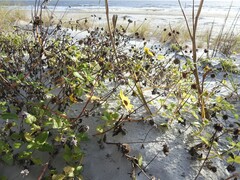
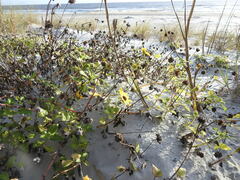
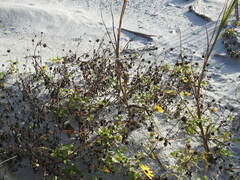
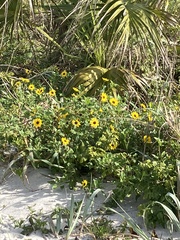
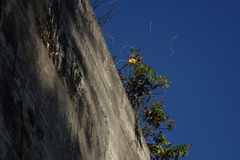
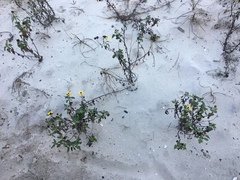
This species grows in several types of coastal habitat, sometimes directly on the beach. It tolerates a moderately saline environment, but not an excessive amount of salt spray or inundation. It is highly drought-tolerant and it will grow in low-nutrient and poor soils, such as alkaline and acidic soils and sand. The plant attracts butterflies and birds feed on the fruits.
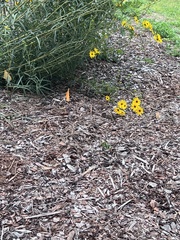
This plant is used as a garden flower. It is also good for landscaping, especially in poor, dry soils. It is planted on beaches, where it forms a sand-binding groundcover that prevents erosion and stabilizes dunes. It requires supplemental watering only rarely, if ever. It may get "ratty-looking" after the showy flowers have withered. Available cultivars include 'Italian White', 'Flora Sun','Dazzler', 'Excelsior', and 'Orion'.
...Helianthus debilis in languages:
- Chinese
- 瓜葉向日葵
- Czech
- slunečnice útlá
- English
- cucumberleaf sunflower
- English
- beach sunflower
- English
- dune sunflower
- Hebrew
- חמנית החופים
- Hebrew
- חמנית זוחלת
- Japanese
- ヒメヒマワリ (広義)
- Russian
- Подсолнечник слабый
- Russian
- Подсолнечник увечный
- Swedish
- miniatyrsolros
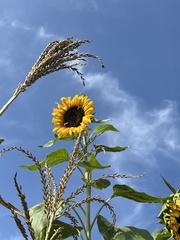
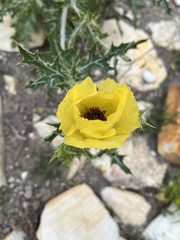
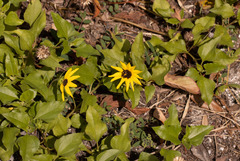
Images from inaturalist.org observations:
We recommend you sign up for this excellent, free service.


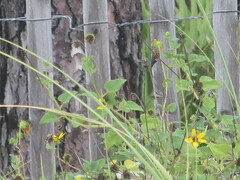
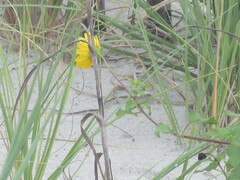
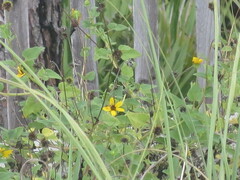



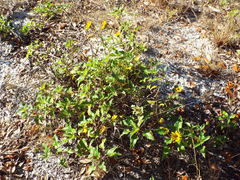
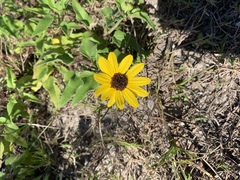
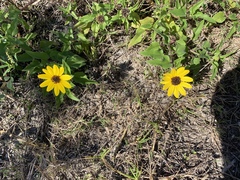
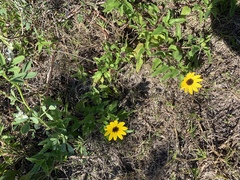
Parent Taxon
Sibling Taxa
- Helianthus agrestis
- Helianthus angustifolius
- Helianthus annuus
- Helianthus anomalus
- Helianthus argophyllus
- Helianthus arizonensis
- Helianthus atrorubens
- Helianthus bolanderi
- Helianthus californicus
- Helianthus carnosus
- Helianthus ciliaris
- Helianthus couplandii
- Helianthus cusickii
- Helianthus debilis
- Helianthus decapetalus
- Helianthus deserticola
- Helianthus devernii
- Helianthus dissectifolius
- Helianthus divaricatus
- Helianthus eggertii
- Helianthus exilis
- Helianthus floridanus
- Helianthus giganteus
- Helianthus glaucophyllus
- Helianthus gracilentus
- Helianthus grosseserratus
- Helianthus heterophyllus
- Helianthus hirsutus
- Helianthus inexpectatus
- Helianthus laciniatus
- Helianthus laevigatus
- Helianthus longifolius
- Helianthus maximiliani
- Helianthus microcephalus
- Helianthus mollis
- Helianthus mollissimus
- Helianthus multiflorus
- Helianthus navarri
- Helianthus neglectus
- Helianthus niveus
- Helianthus nuttallii
- Helianthus occidentalis
- Helianthus paradoxus
- Helianthus pauciflorus
- Helianthus petiolaris
- Helianthus porteri
- Helianthus praecox
- Helianthus praetermissus
- Helianthus pumilus
- Helianthus radula
- Helianthus resinosus
- Helianthus salicifolius
- Helianthus schweinitzii
- Helianthus silphioides
- Helianthus simulans
- Helianthus smithii
- Helianthus speciosus
- Helianthus strumosus
- Helianthus tuberosus
- Helianthus verticillatus
- Helianthus winteri
- Helianthus × alexidis
- Helianthus × ambiguus
- Helianthus × brevifolius
- Helianthus × cinereus
- Helianthus × divariserratus
- Helianthus × doronicoides
- Helianthus × glaucus
- Helianthus × intermedius
- Helianthus × kellermanii
- Helianthus × laetiflorus
- Helianthus × luxurians
- Helianthus × multiflorus
Child Taxa
Top Observation Places
- Tallahassee
- Austin
- Alafaya
- Charleston
- Gainesville
- Galveston
- Palm Coast
- Daytona Beach
- Port Orange
- Miami
- Hialeah
- Fort Lauderdale
- Pembroke Pines
- Port Saint Lucie
- Hollywood
- Miramar
- Coral Springs
- Miami Gardens
- Palm Bay
- Pompano Beach
- West Palm Beach
- Davie
- Boca Raton
- Plantation
- Miami Beach
- Sunrise
- Kendall
- Melbourne
- Deerfield Beach
- Boynton Beach
- Lauderhill
- Delray Beach
- Tamarac
- Carol City
- Jupiter
- Wellington
- North Miami
- West Hollywood
- Coconut Creek
- Margate
- Allapattah
- Palm Beach Gardens
- Coral Gables
- Flagami
- Tampa
- St. Petersburg
- Cape Coral
- Clearwater
- Brandon
- Largo