Heliconiinae: taxon details and analytics
- Domain
- Kingdom
- Animalia
- Phylum
- Arthropoda
- Class
- Insecta
- Order
- Lepidoptera
- Family
- Nymphalidae
- Genus
- Species
- Scientific Name
- Heliconiinae
Summary description from Wikipedia:
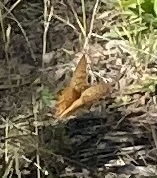
Heliconiinae
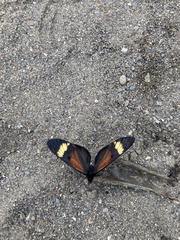
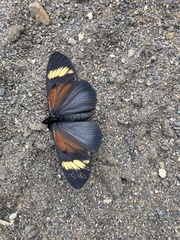
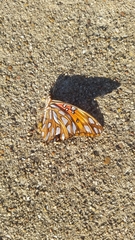
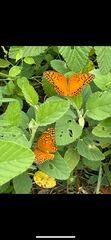
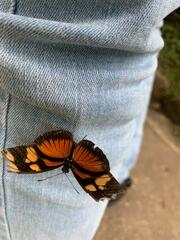
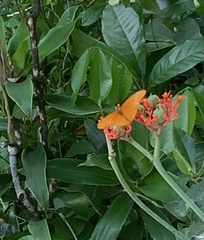
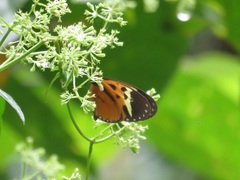
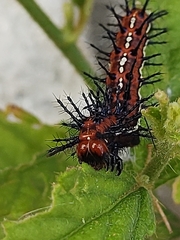
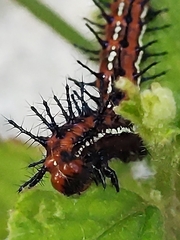
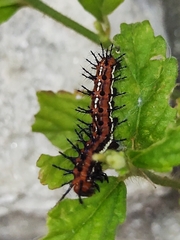
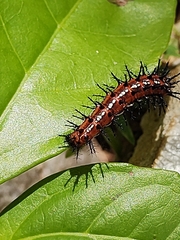
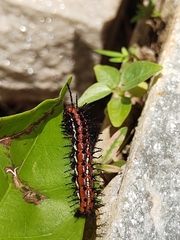
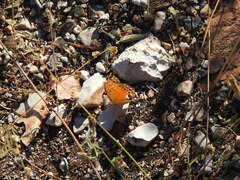
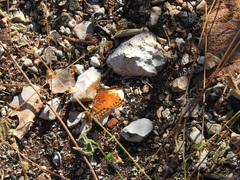
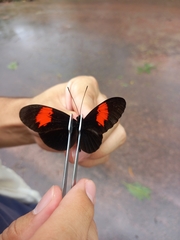
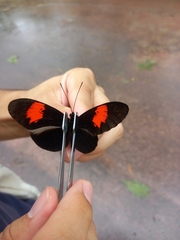
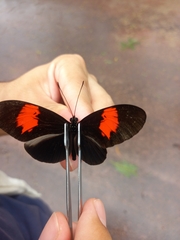
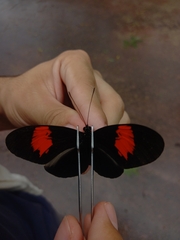
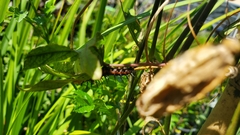
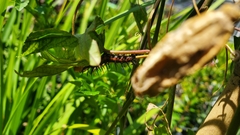
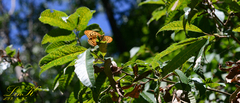
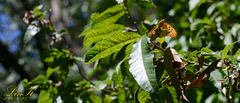
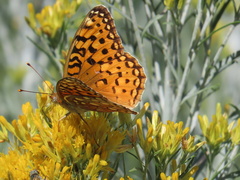
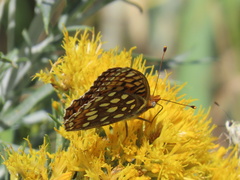
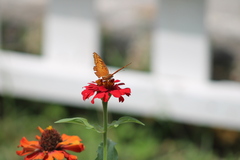
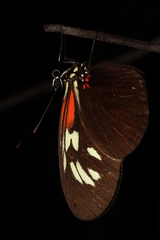
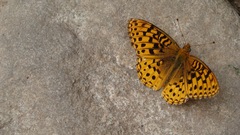
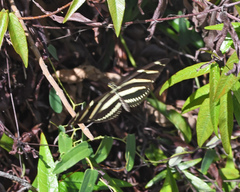
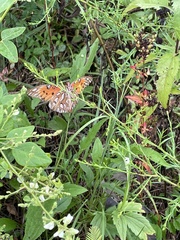
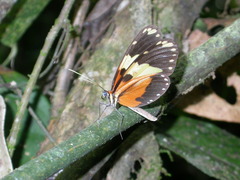
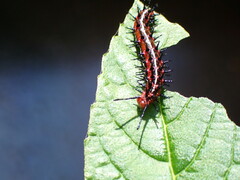
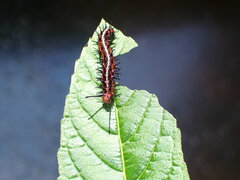
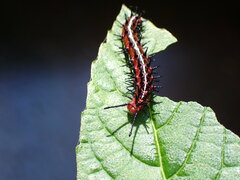
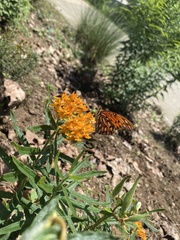
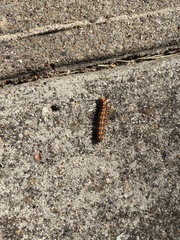
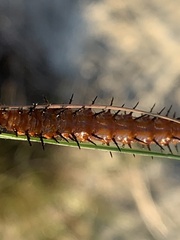
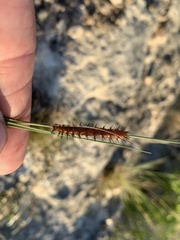
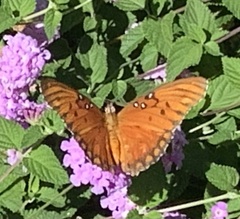
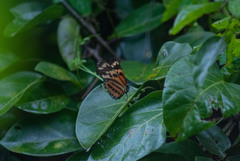
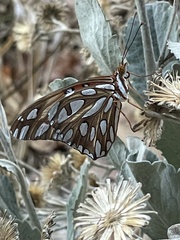
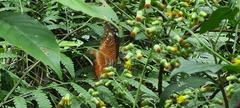
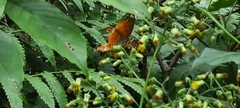
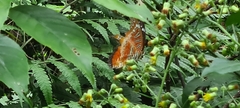
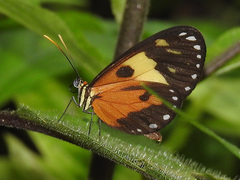
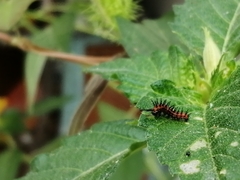
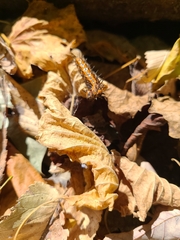
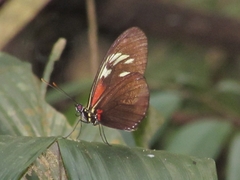
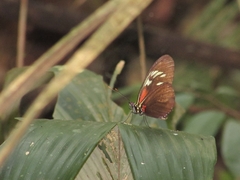
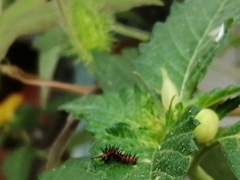
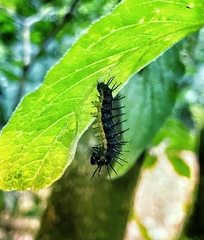
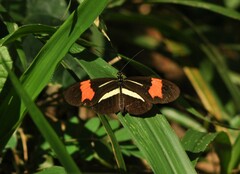
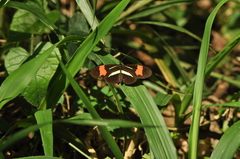
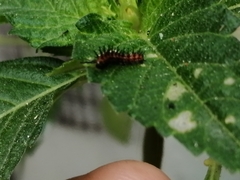
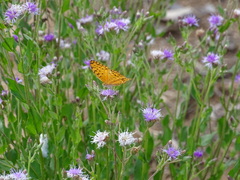
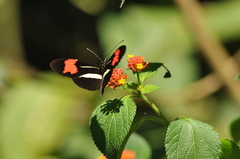
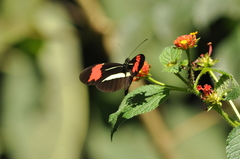
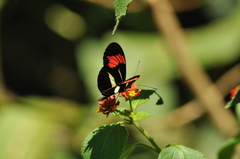
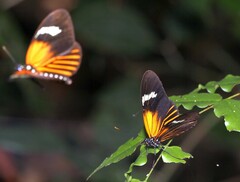
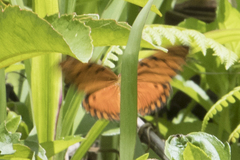
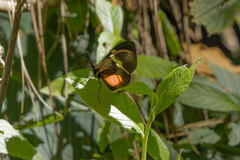
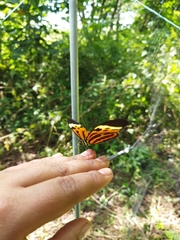
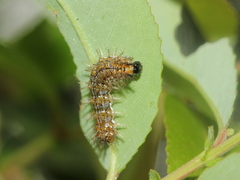
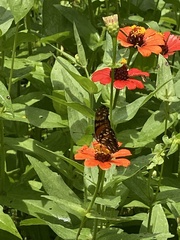
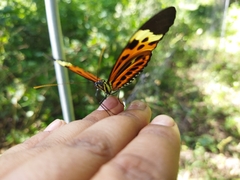
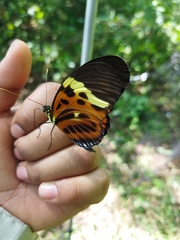
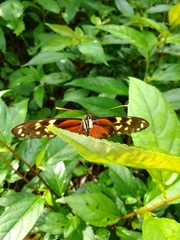
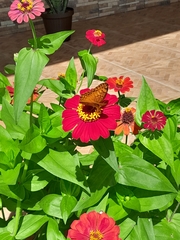
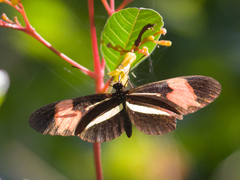
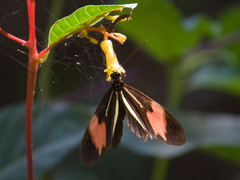
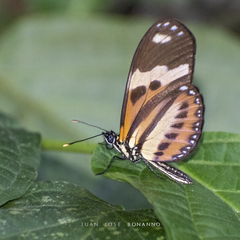
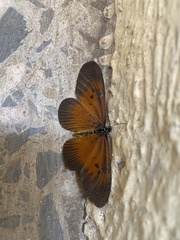
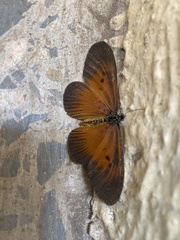
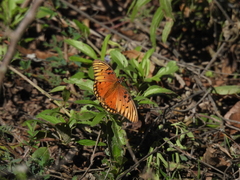
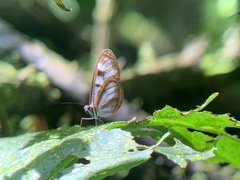
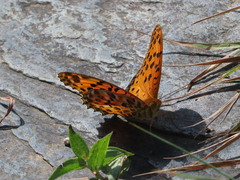
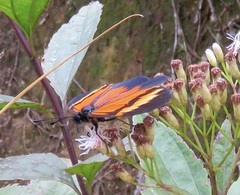
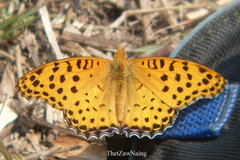
The Heliconiinae, commonly called heliconians or longwings, are a subfamily of the brush-footed butterflies (family Nymphalidae). They can be divided into 45–50 genera and were sometimes treated as a separate family Heliconiidae within the Papilionoidea. The colouration is predominantly reddish and black, and though of varying wing shape, the forewings are always elongated tipwards, hence the common name.
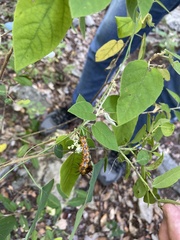
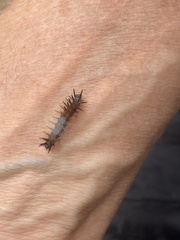
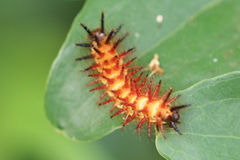
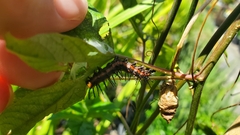
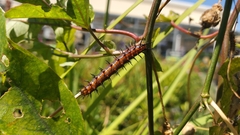
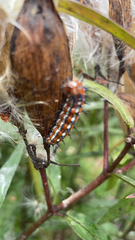
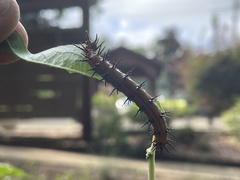
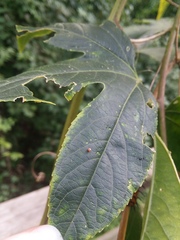
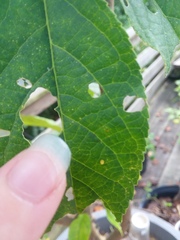
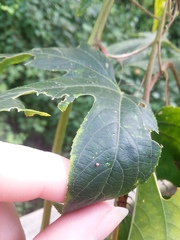
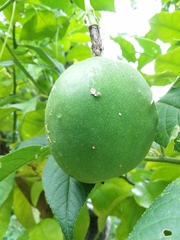
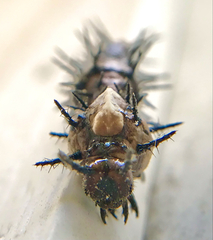
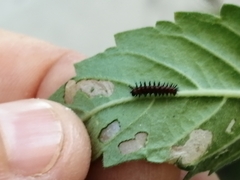
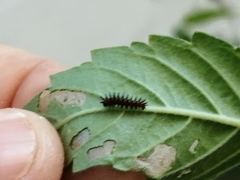
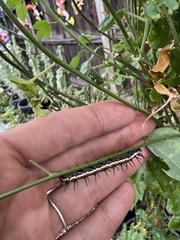
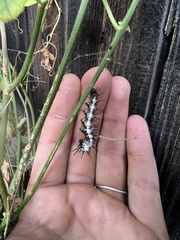
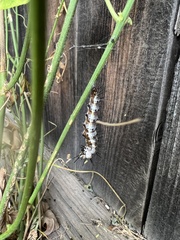
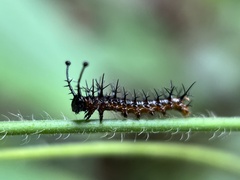
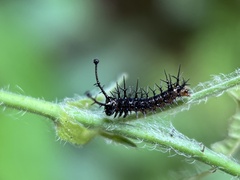
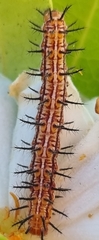
Most longwings are found in the Tropics, particularly in South America; only the Argynnini are quite diverse in the Holarctic. Especially tropical species feed on poisonous plants, characteristically Passifloraceae vines, as larvae, becoming poisonous themselves. The adult butterflies announce their acquired toxicity with strong aposematic colours, warning off would-be predators. There are several famous cases of Batesian and Müllerian mimicry both within this group and with other butterflies. Other commonly seen food plants are Fabaceae (which also contain several toxic species), and particularly among northerly species of Violaceae.
...Heliconiinae in languages:
- Chinese
- 釉蛺蝶亞科
- Czech
- perleťovci
- English
- Heliconians or Longwings
- English
- Fritillaries and Longwings
- English
- Actinotes, Heliconians, and Fritillaries
- Finnish
- aurinkoperhoset
- German
- Passionsblumenfalter
- Japanese
- ドクチョウ亜科
- Korean
- 표범나비아과
- Russian
- Геликониды
- Swedish
- pärlemorfjärilar
- Thai
- วงศ์ย่อย ผีเสื้อกะทกรก
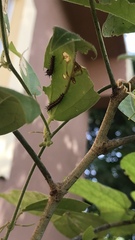
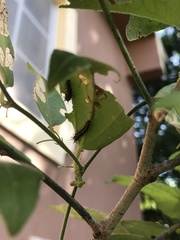
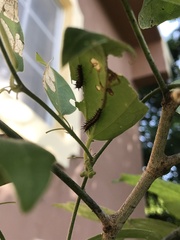
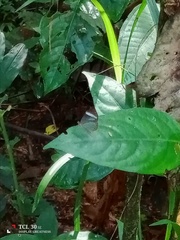
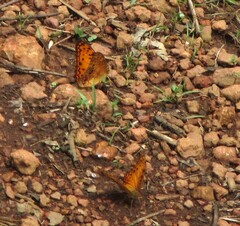
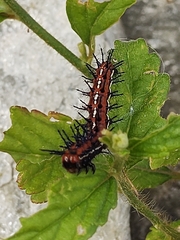
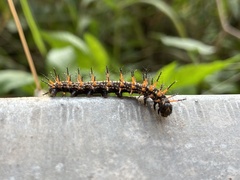
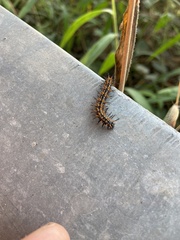
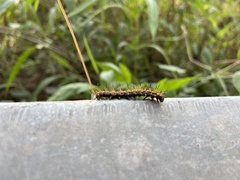
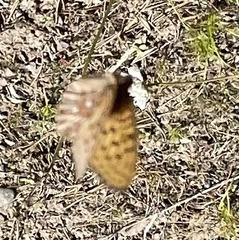
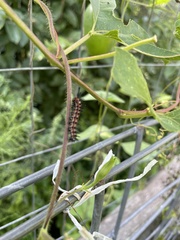
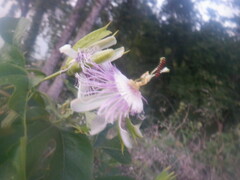
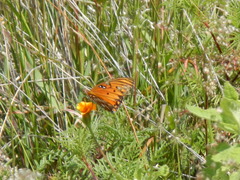
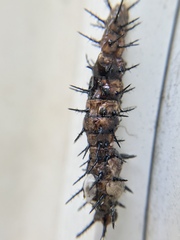
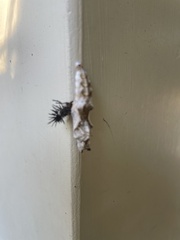
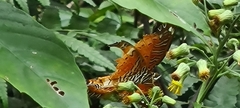
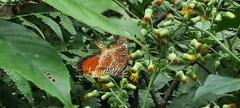
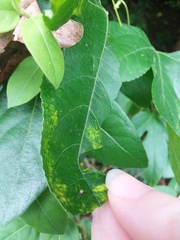
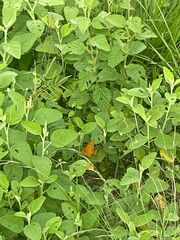
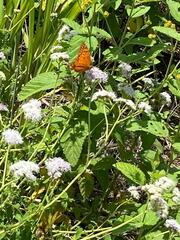
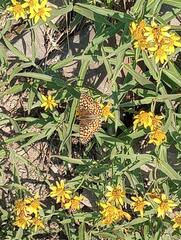
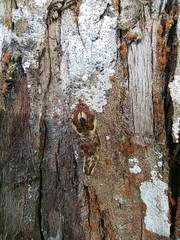
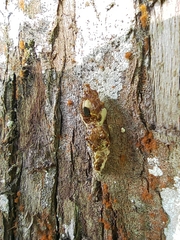
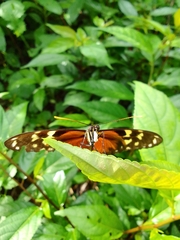
Images from inaturalist.org observations:
We recommend you sign up for this excellent, free service.