Hydrochus: taxon details and analytics
- Domain
- Kingdom
- Animalia
- Phylum
- Arthropoda
- Class
- Insecta
- Order
- Coleoptera
- Family
- Hydrochidae
- Genus
- Hydrochus
- Species
- Scientific Name
- Hydrochus
Summary description from Wikipedia:
Hydrochus
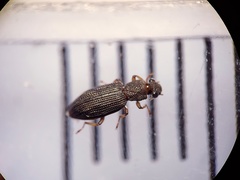
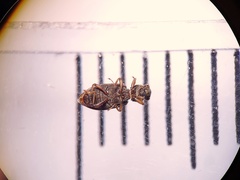
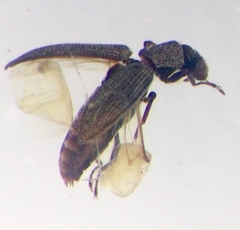
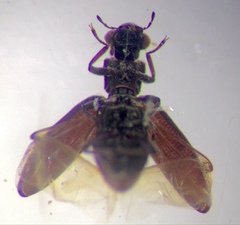
Hydrochus is the only living genus of beetle in the family Hydrochidae, which belongs to the superfamily Hydrophiloidea, and was formerly treated as a subfamily of Hydrophilidae. Hydrochus includes about 180 species, which are found worldwide. The name "Hydrochus" has also been used for a fly genus in the family Dolichopodidae, but this is a junior subjective synonym of the genus Rhaphium.
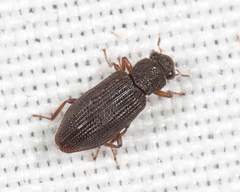
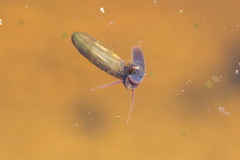
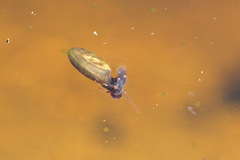
They are found in slow moving streams or stagnant water bodies, where they are associated with dense vegetation. In adults air is stored in a bubble on the underside of the body, with the antennae used to transfer atmospheric air to the bubble. The larvae live at the bottom of water bodies, indicating that they can breathe underwater. The diet is only known for the larvae of one species, H. japonicus, which feed on annelid worms belonging the family Naididae. The larvae also burrow into crevices, such as hollow dead grass, including to pupate. The adults are sluggish crawlers along surfaces, and are thought to consume algae and plant detritus. Eggs are laid in silk cases, often attached to (usually plant) substrates.
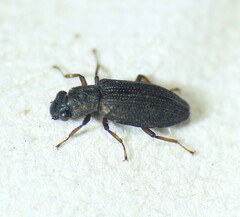
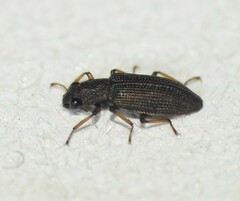
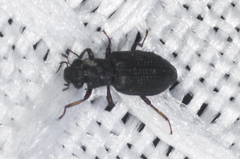
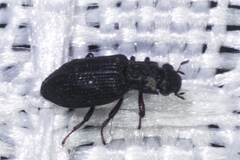
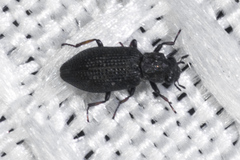
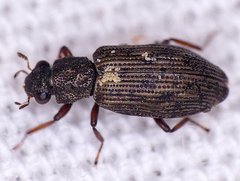
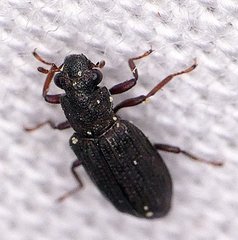
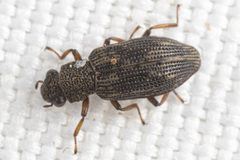
The club of the seven segmented antennae consists of three segments with a cup-like basal segment. The number of tarsi on the legs are usually 5-5-5 or 4-4-4 (a tiny basal segment can be hard to see). The pronotum narrows towards the rear but is narrower than the base of the elytra. An African species was formerly described under the genus Kiransus, but along with several other African species, it is now placed in Hydrochus. Hydrochids are considered to be an older branch of the Hydrophiloidea. Hydrochids have been suggested as a sister group of the Spercheidae and Hydrophilidae, but the relationships are unclear. Molecular phylogenetic comparisons suggest that they are related as a sister group to Helophorus and Georissus.
The oldest fossil of the modern genus is Hydrochus relictus from the Green River Formation of North America, dating to the Eocene. An extinct genus of the family, Ponohydrochus, is known from the Early Cretaceous (Hauterivian) Khasurty locality in Russia.
...Hydrochus in languages:
- Japanese
- ホソガムシ属
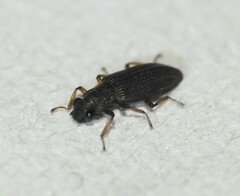
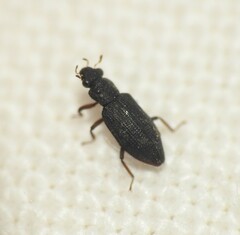
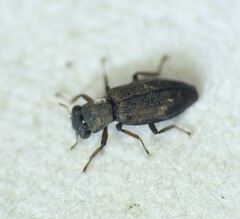
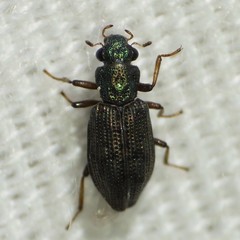
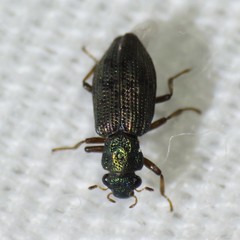
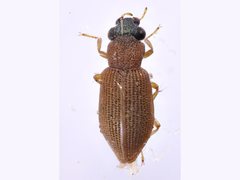
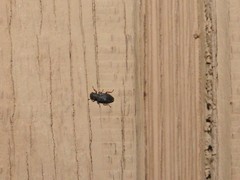
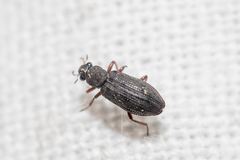
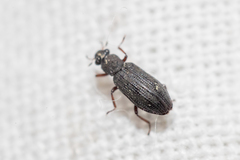
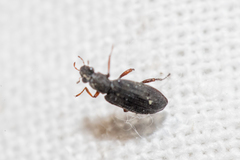
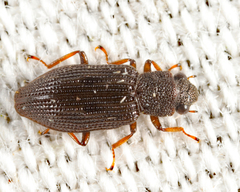
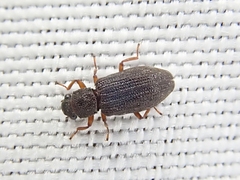
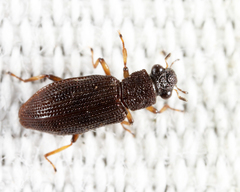
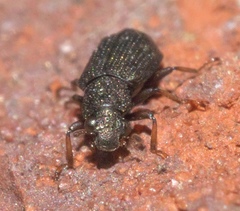
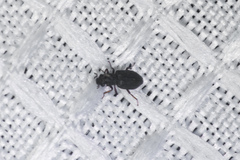
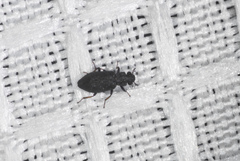
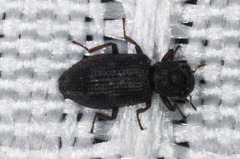
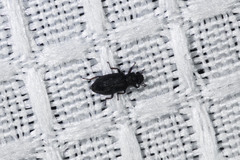
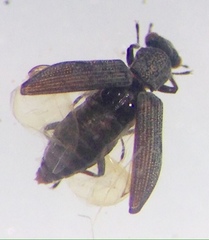
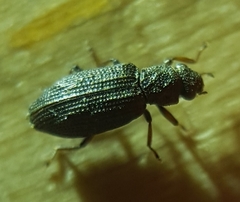
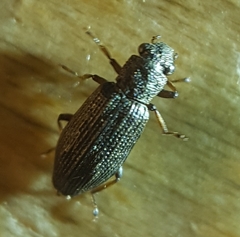
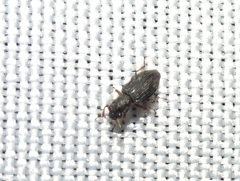
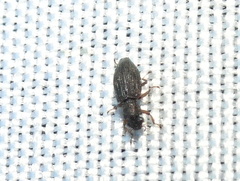
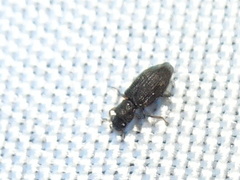
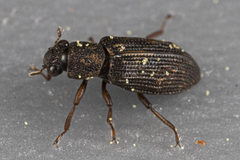
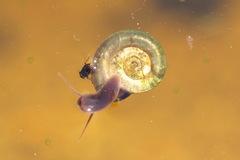
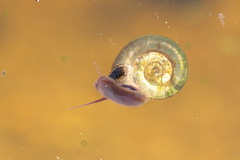
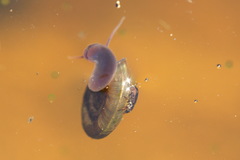
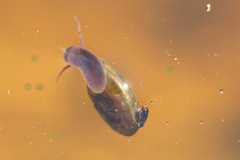
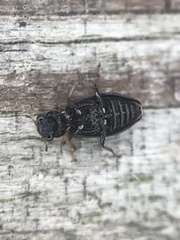
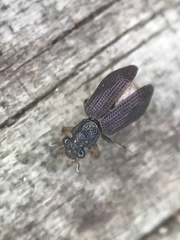
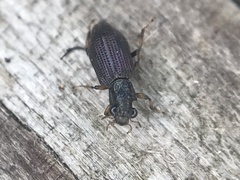
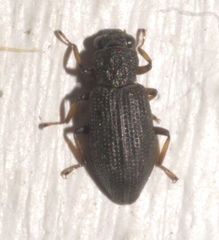
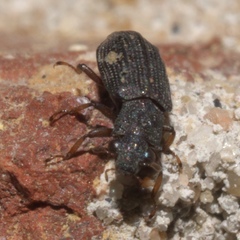
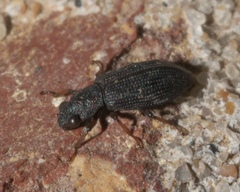
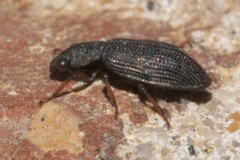
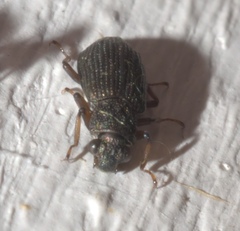
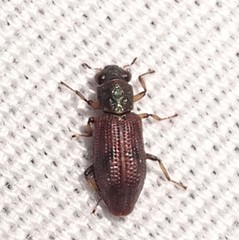
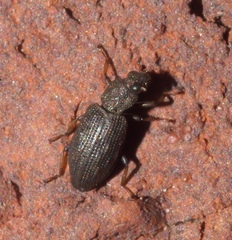
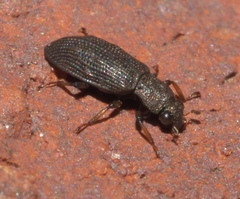
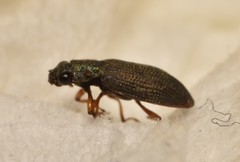
Images from inaturalist.org observations:
We recommend you sign up for this excellent, free service.
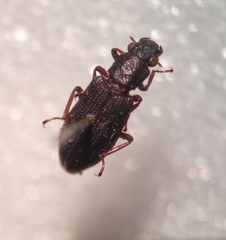
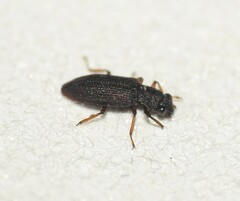
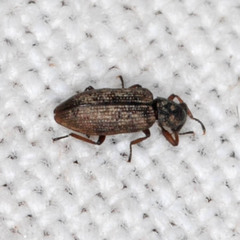
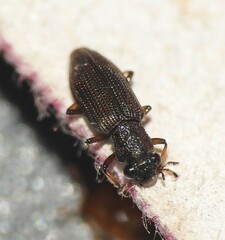
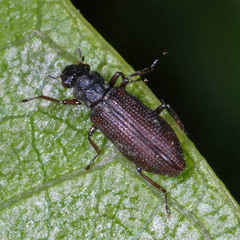
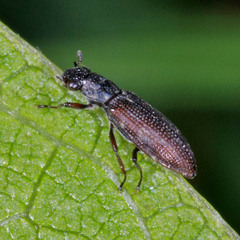
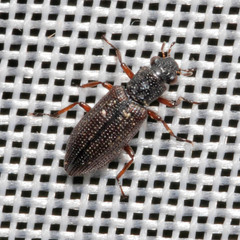
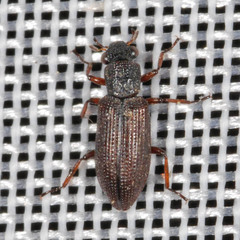
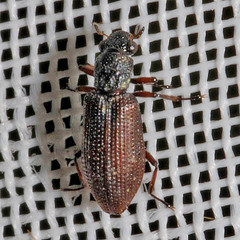
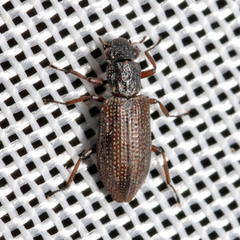
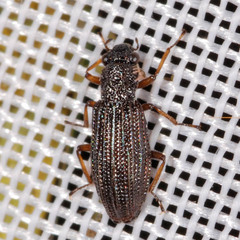
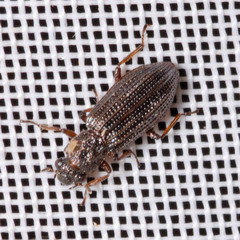
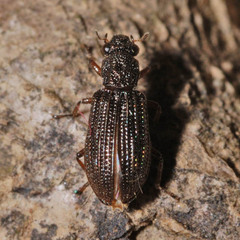
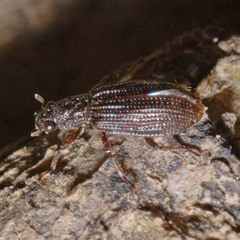
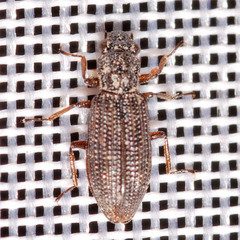
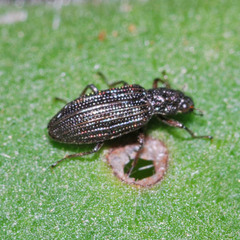
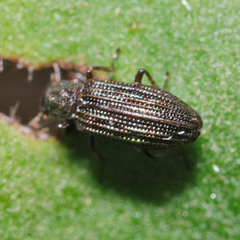
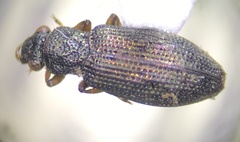
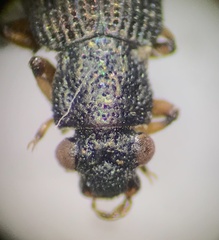
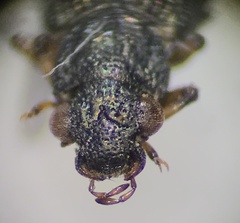
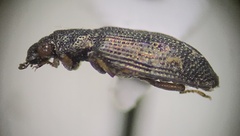
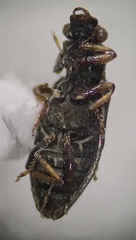
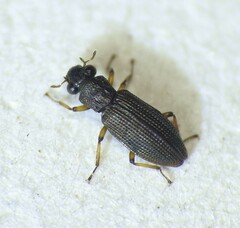
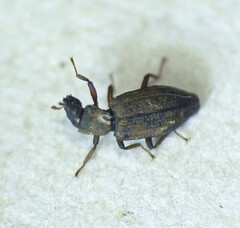
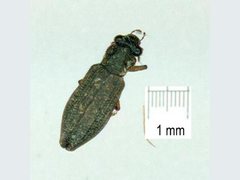
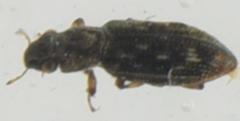
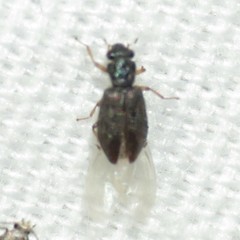
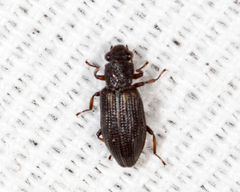
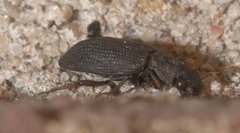
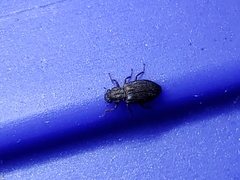
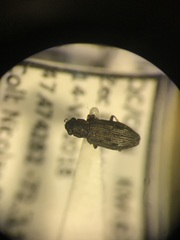
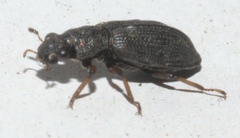
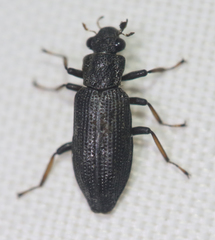
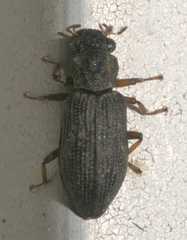
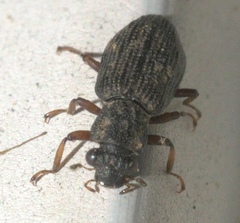
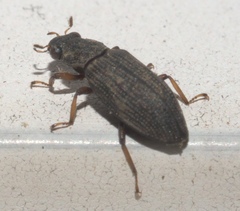
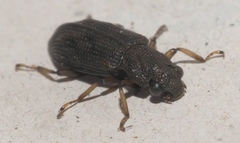
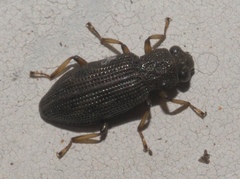
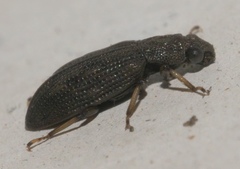
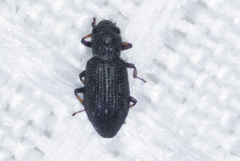
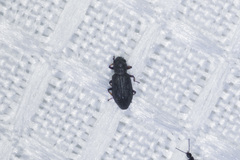
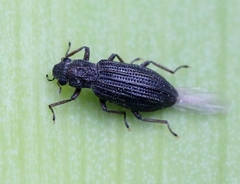
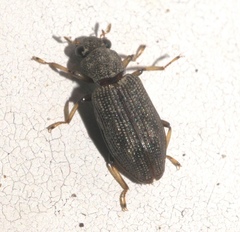
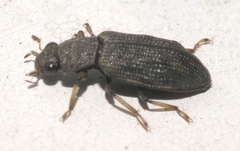
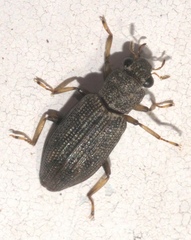
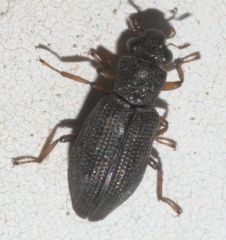
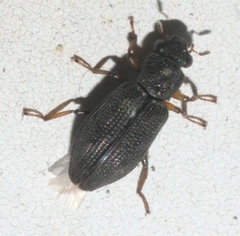
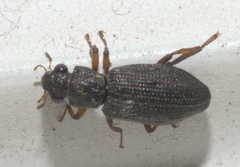
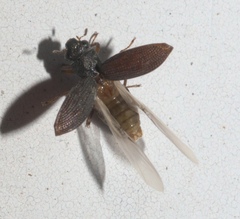
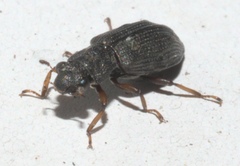
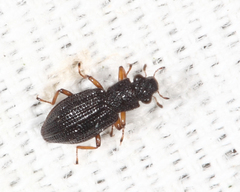
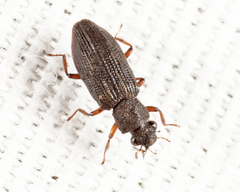
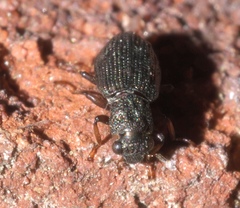
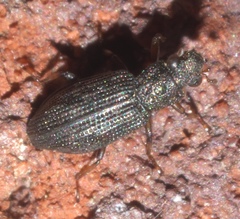
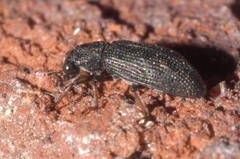
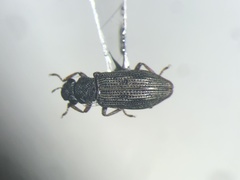
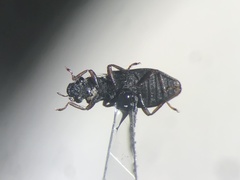
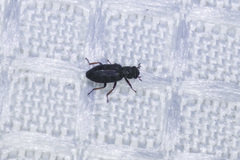
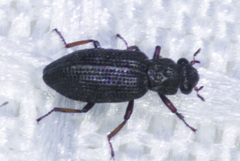
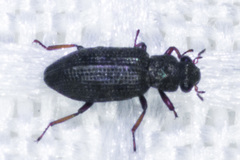
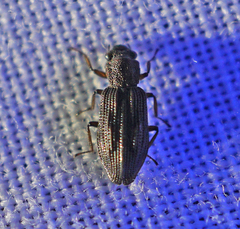
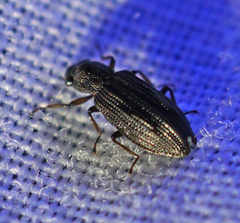
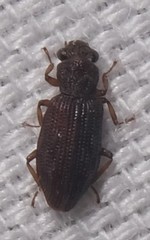
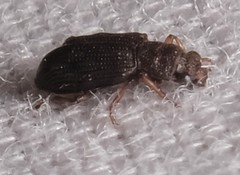
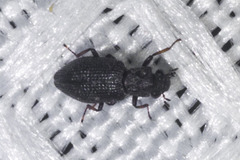
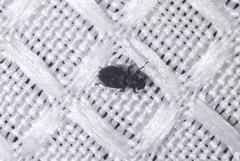
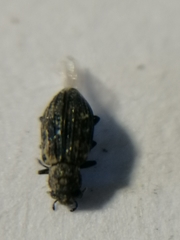
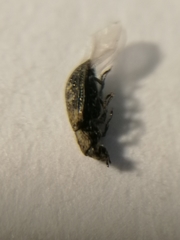
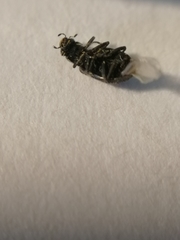
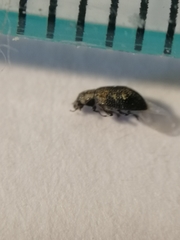
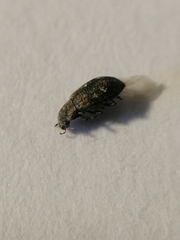
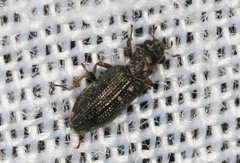
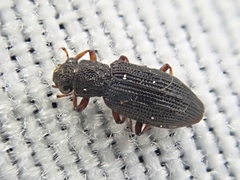
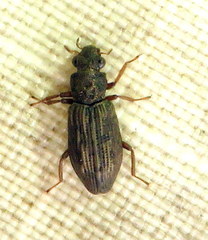
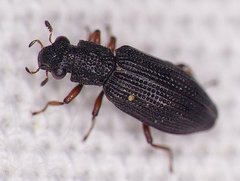
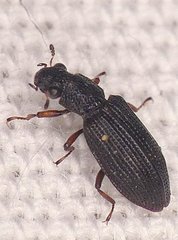
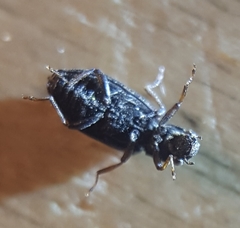
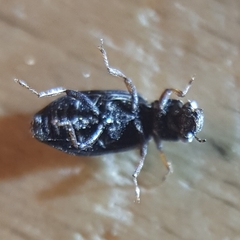
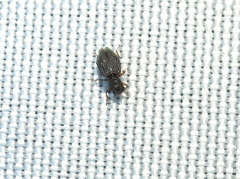
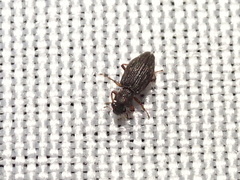
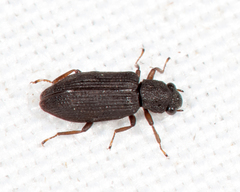
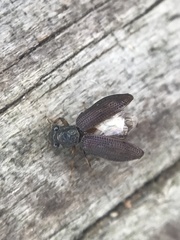
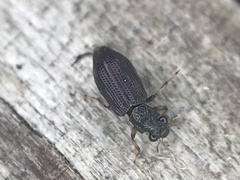
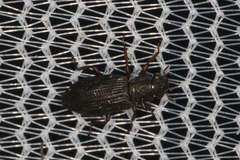
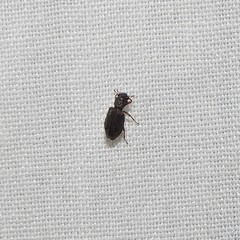
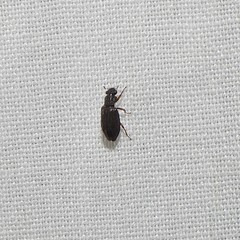
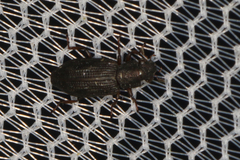
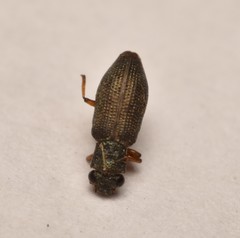
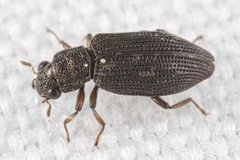
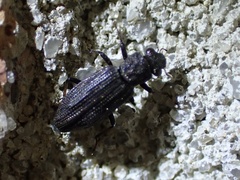
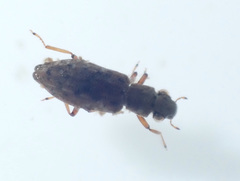
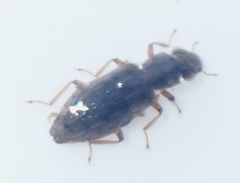
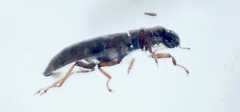
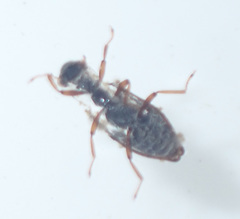
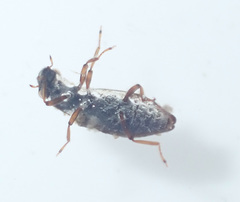
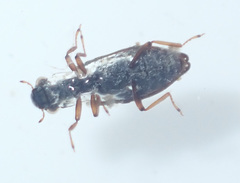
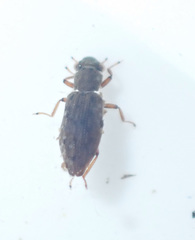
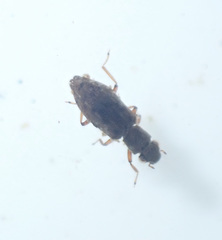
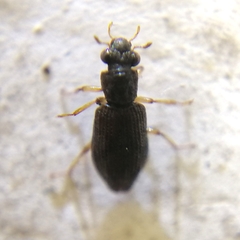
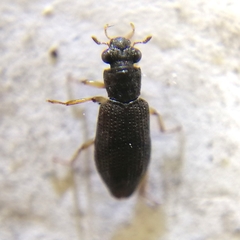
Parent Taxon
Sibling Taxa
Child Taxa
- Hydrochus aequalis
- Hydrochus amrishi
- Hydrochus angustatus
- Hydrochus aschnaae
- Hydrochus boedhani
- Hydrochus brevis
- Hydrochus brevitarsis
- Hydrochus callosus
- Hydrochus capensis
- Hydrochus chubu
- Hydrochus crenatus
- Hydrochus currani
- Hydrochus elongatus
- Hydrochus excavatus
- Hydrochus falsus
- Hydrochus flavipennis
- Hydrochus foveatus
- Hydrochus granulatus
- Hydrochus harryi
- Hydrochus ignicollis
- Hydrochus irmae
- Hydrochus jaechi
- Hydrochus japonicus
- Hydrochus jasodae
- Hydrochus jiawanae
- Hydrochus lachmoni
- Hydrochus laferi
- Hydrochus lucidus
- Hydrochus megaphallus
- Hydrochus mitamurai
- Hydrochus neosquamifer
- Hydrochus niloticus
- Hydrochus nitidicollis
- Hydrochus octocarinatus
- Hydrochus pajnii
- Hydrochus perforatus
- Hydrochus pseudosquamifer
- Hydrochus roomylae
- Hydrochus rufipes
- Hydrochus rugosus
- Hydrochus scabratus
- Hydrochus schereri
- Hydrochus setosus
- Hydrochus sewnathi
- Hydrochus simplex
- Hydrochus smaragdineus
- Hydrochus spangleri
- Hydrochus squamifer
- Hydrochus subcupreus