Icterus: taxon details and analytics
- Domain
- Kingdom
- Animalia
- Phylum
- Chordata
- Class
- Aves
- Order
- Passeriformes
- Family
- Icteridae
- Genus
- Icterus
- Species
- Scientific Name
- Icterus
Summary description from Wikipedia:
New World oriole
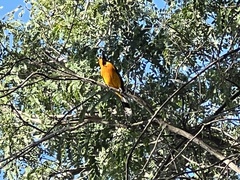
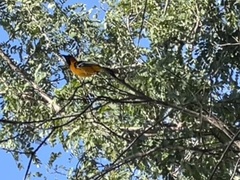
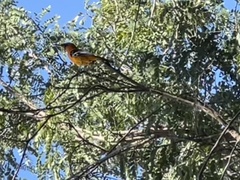
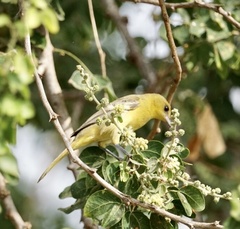
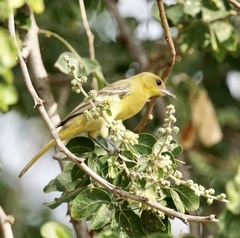
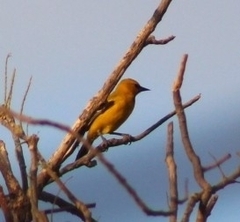
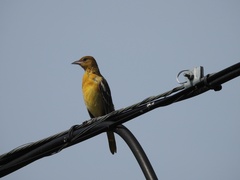
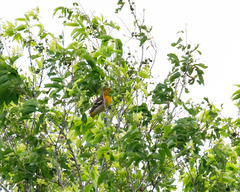
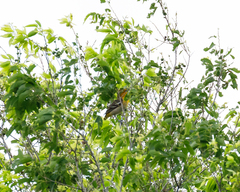
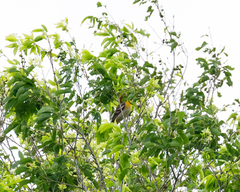
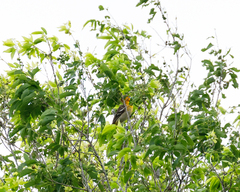
New World orioles are a group of birds in the genus Icterus of the blackbird family. Although they are not closely related to Old World orioles of the family Oriolidae, they are strikingly similar in size, diet, behavior, and strongly contrasting plumage. As a result, the two have been given the same vernacular name.
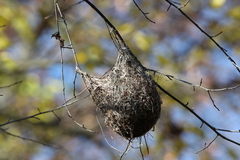
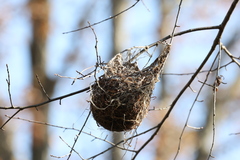
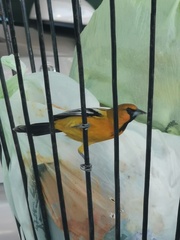
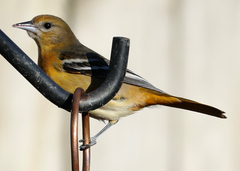
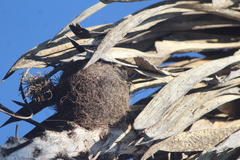
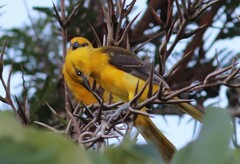
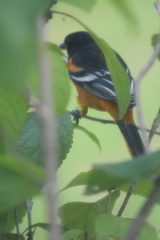
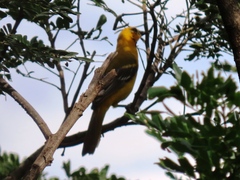
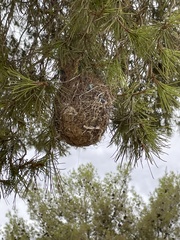
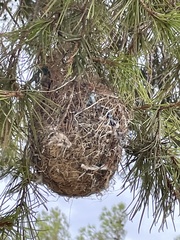
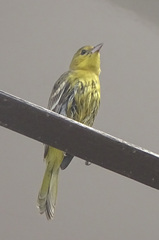
Males are typically black and vibrant yellow or orange with white markings, females and immature birds duller. They molt annually. New World orioles are generally slender with long tails and a pointed bill. They mainly eat insects, but also enjoy nectar and fruit. The nest is a woven, elongated pouch. Species nesting in areas with cold winters are strongly migratory, while subtropical and tropical species are more sedentary.
The name "oriole" was first recorded (in the Latin form oriolus) by the German Dominican friar Albertus Magnus in about 1250, which he erroneously stated to be onomatopoeic, from the song of the European golden oriole.
One of the species in the genus, Bahama oriole, is considered endangered, formerly critically endangered, by the International Union for Conservation of Nature.
...Icterus in languages:
- Bokmål
- Gultrupialer
- Chinese
- 擬黃鸝屬
- English
- New World Orioles
- French
- Orioles
- German
- Trupiale
- Japanese
- ムクドリモドキ属
- Portuguese
- Corrupiões
- Russian
- Цветные трупиалы
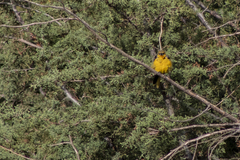
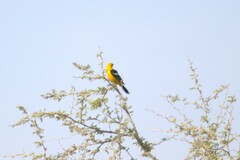
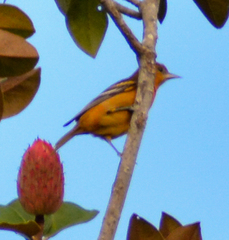
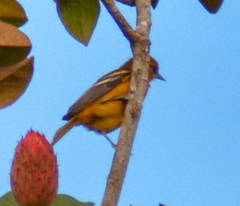
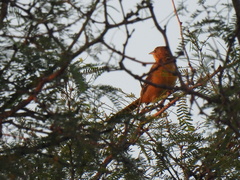
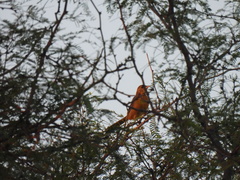
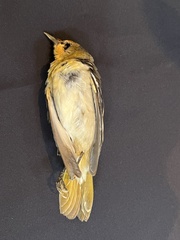
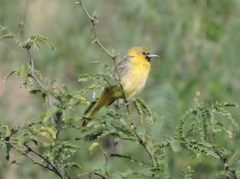
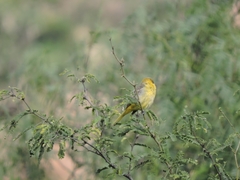
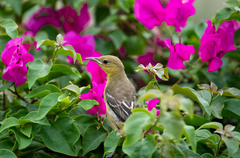
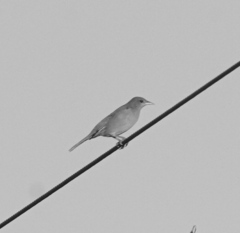
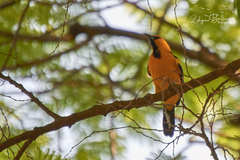
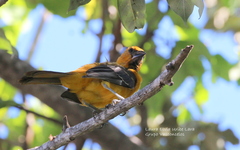
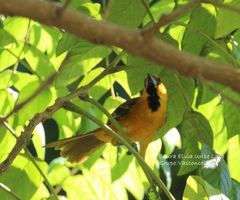
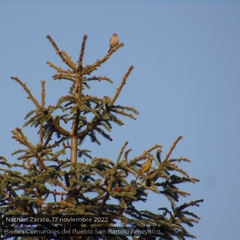
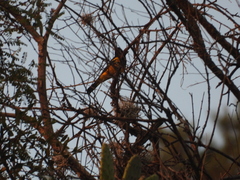
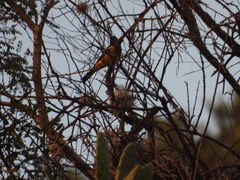
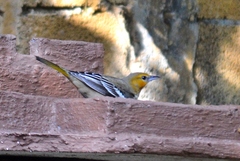
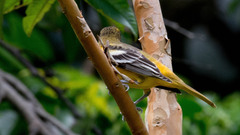
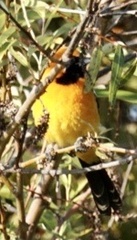
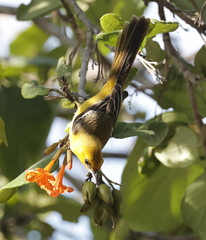
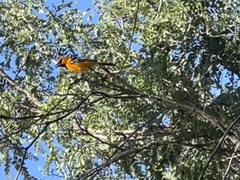
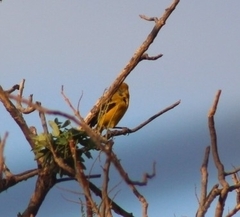
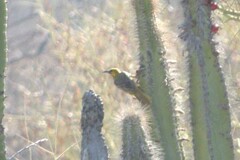
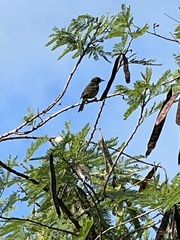
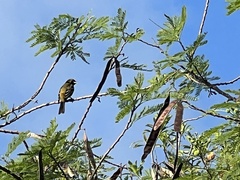
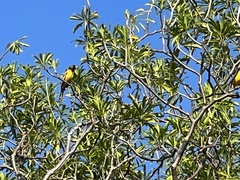
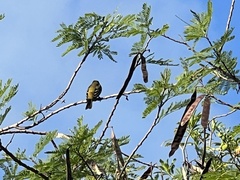
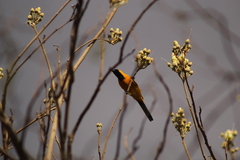
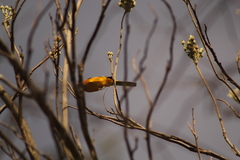
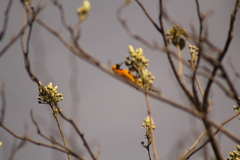
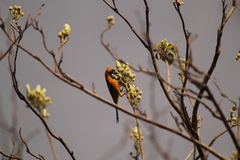
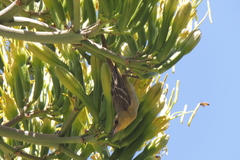
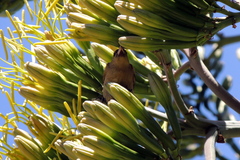
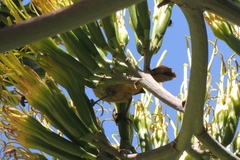
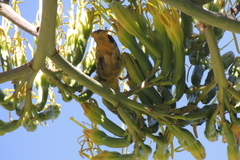
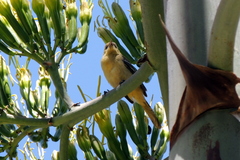
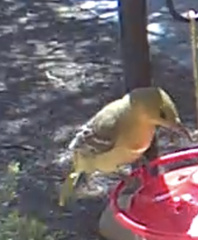
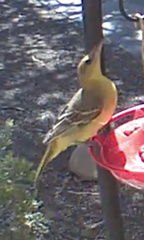
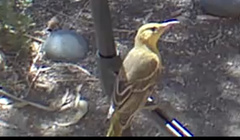
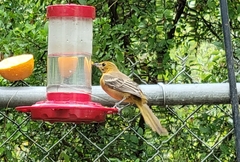
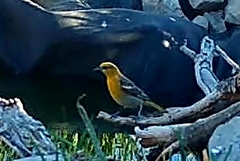
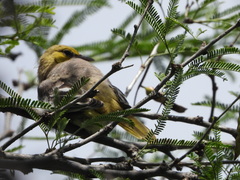
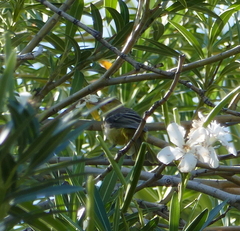
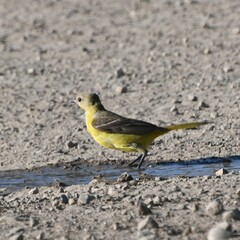
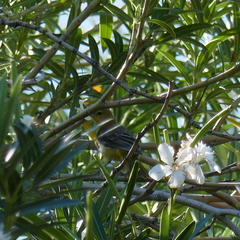
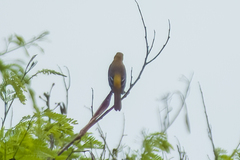
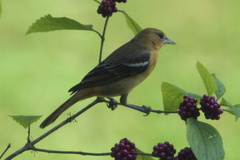
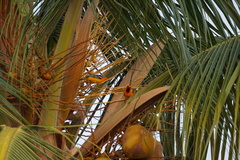
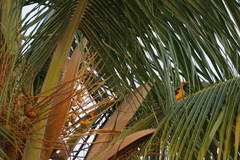
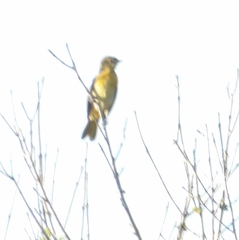
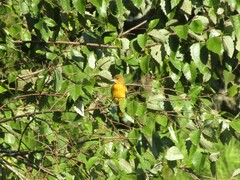
Images from inaturalist.org observations:
We recommend you sign up for this excellent, free service.
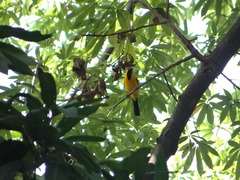
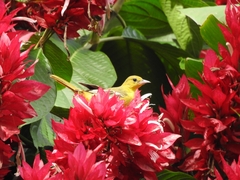
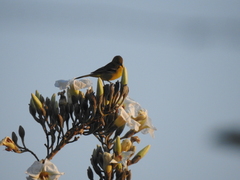
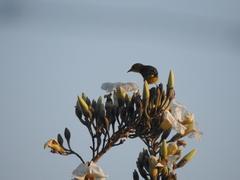
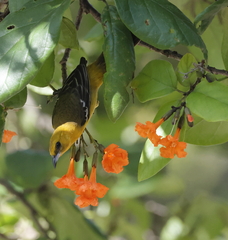
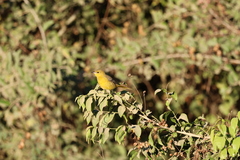
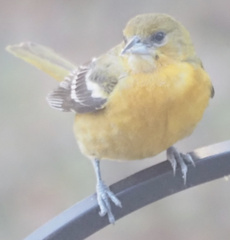
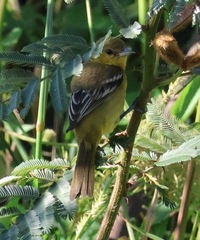
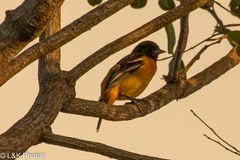
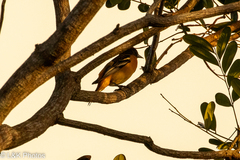
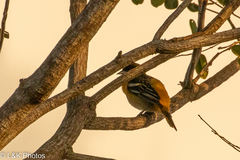
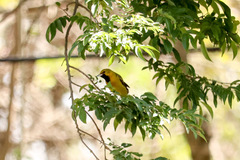
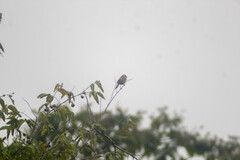
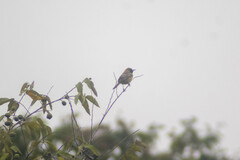
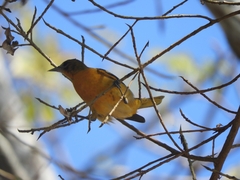
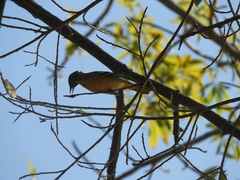
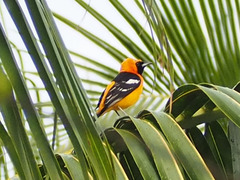
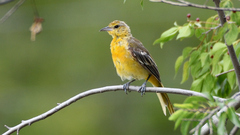
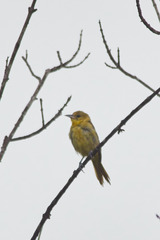
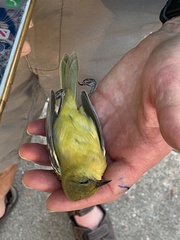
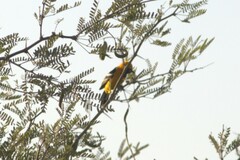
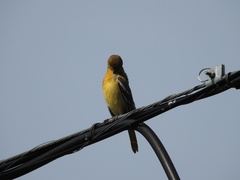
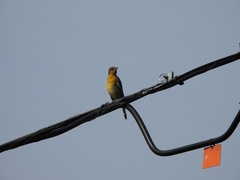
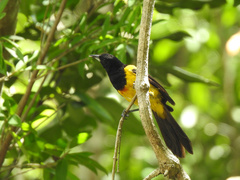
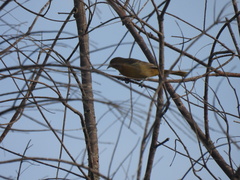
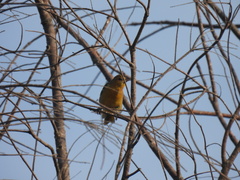
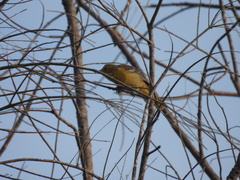
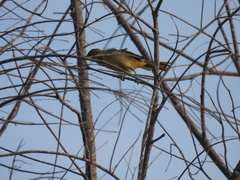
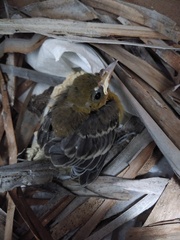
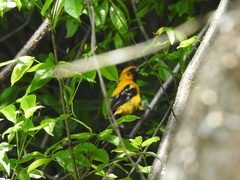

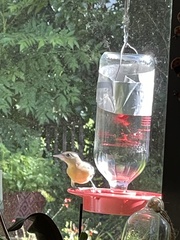
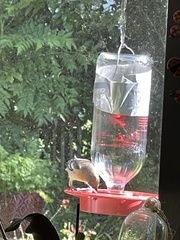
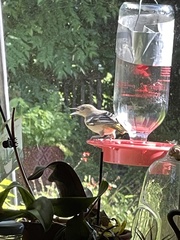
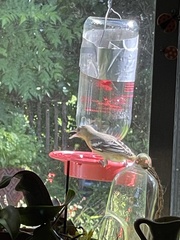


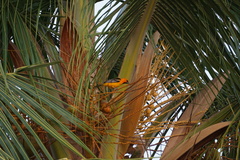
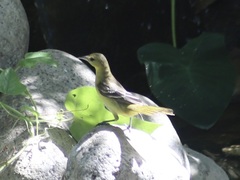
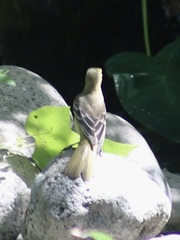
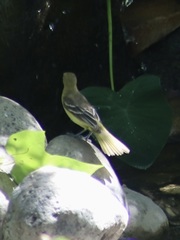
Parent Taxon
Sibling Taxa
Child Taxa
- Icterus abeillei
- Icterus auratus
- Icterus auricapillus
- Icterus bonana
- Icterus bullocki × abeillei
- Icterus bullockii
- Icterus bullockii × galbula
- Icterus cayanensis
- Icterus chrysater
- Icterus croconotus
- Icterus cucullatus
- Icterus dominicensis
- Icterus galbula
- Icterus graceannae
- Icterus graduacauda
- Icterus gularis
- Icterus gularis × graduacauda
- Icterus icterus
- Icterus jamacaii
- Icterus laudabilis
- Icterus leucopteryx
- Icterus maculialatus
- Icterus melanopsis
- Icterus mesomelas
- Icterus nigrogularis
- Icterus northropi
- Icterus oberi
- Icterus parisorum
- Icterus pectoralis
- Icterus portoricensis
- Icterus prosthemelas
- Icterus pustulatus
- Icterus pyrrhopterus
- Icterus spurius
- Icterus wagleri
Top Observation Places
- Placentia
- Los Mochis
- Lubbock
- Manhattan
- Washington Heights
- Harlem
- Morningside Heights
- Irvine
- Túxpam de Rodríguez Cano
- Villahermosa
- San Francisco
- Cambridge
- Somerville
- Brookline
- Medford
- Oaxaca
- Santa Catarina Pinula
- Harlingen
- Chula Vista
- National City
- La Mesa
- Irapuato
- Puebla
- Ciudad Victoria
- Tuxtla
- Santiago de Querétaro
- Xalapa de Enríquez
- Tepic
- San Salvador
- Soyapango
- Mejicanos
- Santa Tecla
- Delgado
- San Marcos
- McAllen
- Mission
- Veracruz
- Monterrey
- Guadalupe
- San Nicolás de los Garza
- Santa Catarina
- San Pedro Garza García
- Jardines de la Silla (Jardines)
- Los Angeles
- Glendale
- Hollywood
- Torrance
- Pasadena
- East Los Angeles
- Koreatown