Isopoda: taxon details and analytics
- Domain
- Kingdom
- Animalia
- Phylum
- Arthropoda
- Class
- Malacostraca
- Order
- Isopoda
- Family
- Genus
- Species
- Scientific Name
- Isopoda
Summary description from Wikipedia:
Isopoda
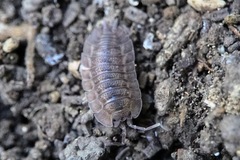
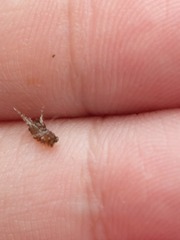
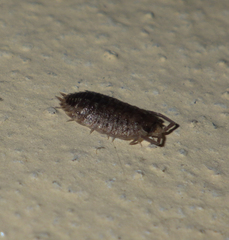
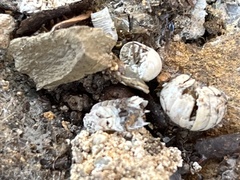
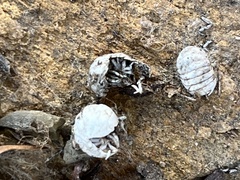
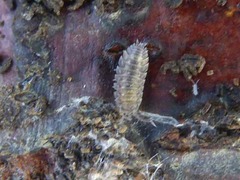
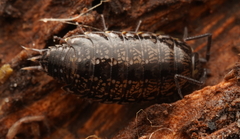
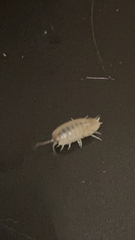
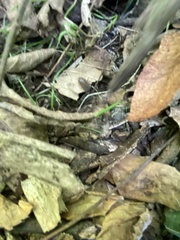
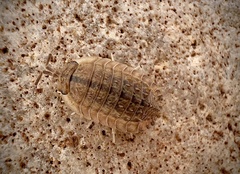
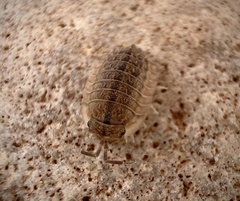
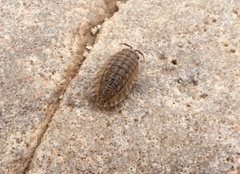
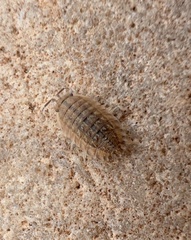
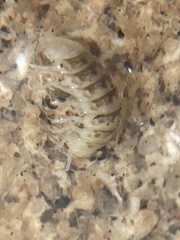
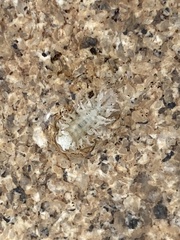
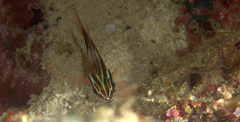
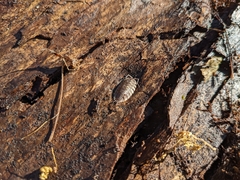
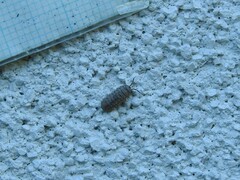
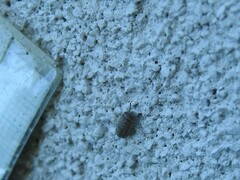
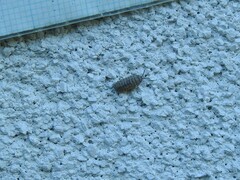
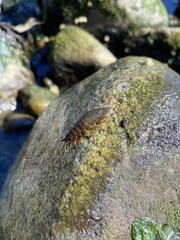
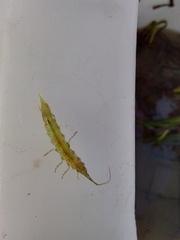
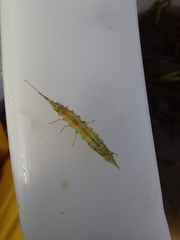
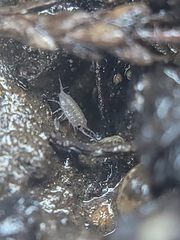
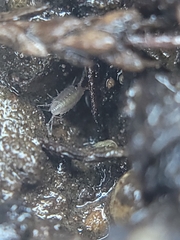
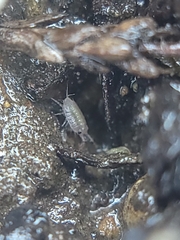
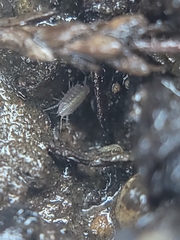
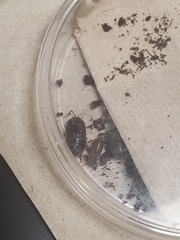
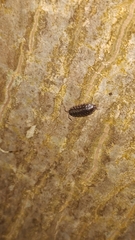
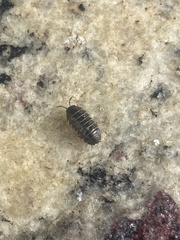
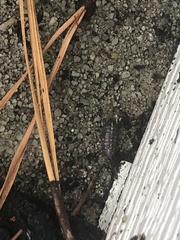
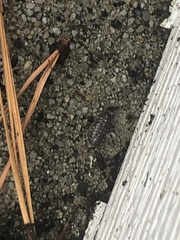
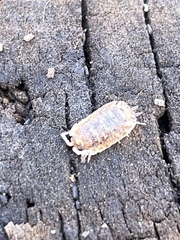
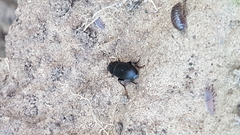
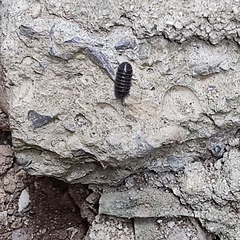
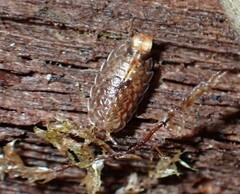
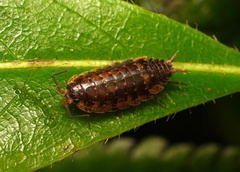
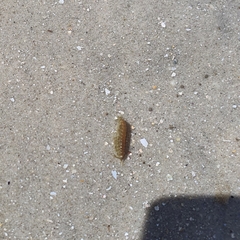
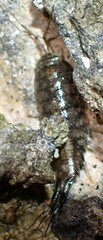
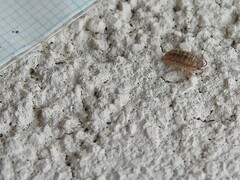
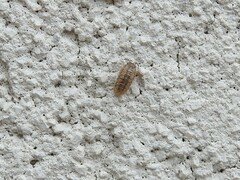
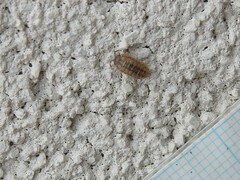
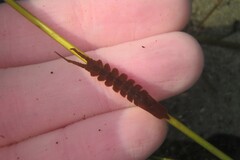
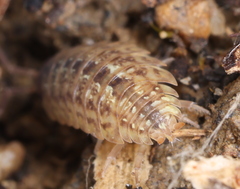
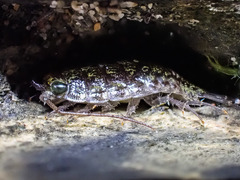
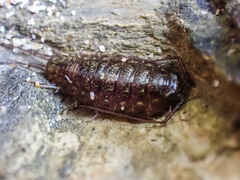
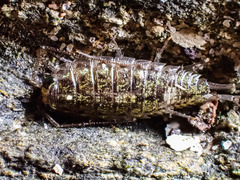
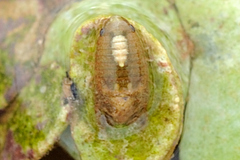
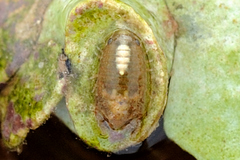
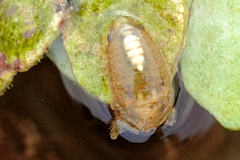
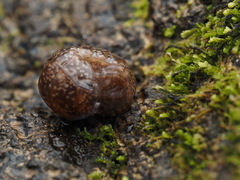
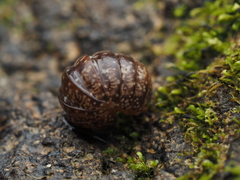
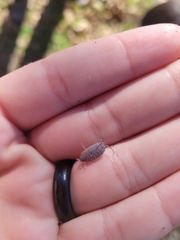
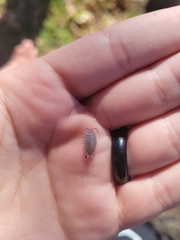
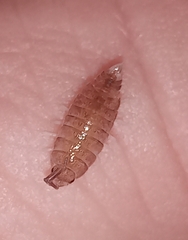
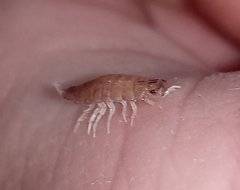
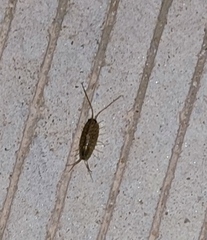
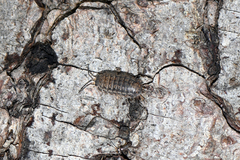
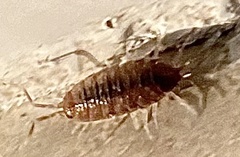
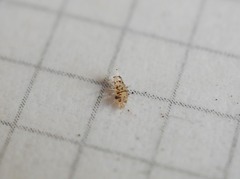
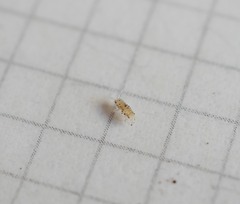
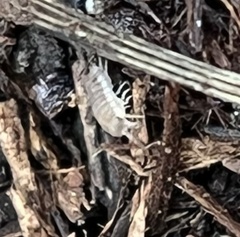
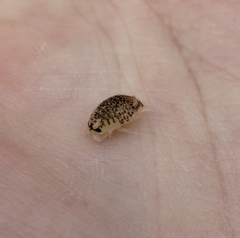
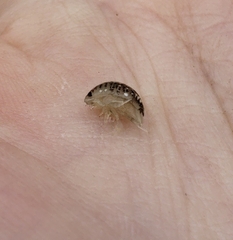
Isopoda is an order of crustaceans. Members of this group are collectively called isopods and include both aquatic species such as gribbles and terrestrial species such as woodlice. All have rigid, segmented exoskeletons, two pairs of antennae, seven pairs of jointed limbs on the thorax, and five pairs of branching appendages on the abdomen that are used in respiration. Females brood their young in a pouch under their thorax called the marsupium.
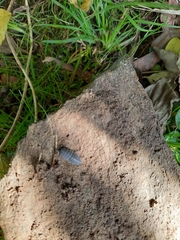
Isopods have various feeding methods: some are scavengers and detritivores, eating dead or decaying plant and animal matter; others are grazers or filter feeders, a few are predators, and some are internal or external parasites, mostly of fish. Aquatic species are mostly benthic, living on the bottom of water bodies, but some taxa can swim for short distances. Terrestrial forms move around by crawling and tend to be found in cool, moist places. Some species are able to roll themselves into a ball (known as volvation) as a defense mechanism or to conserve moisture like species in the family Armadillidiidae, commonly called the pillbugs.
There are over 10,000 described species of isopod worldwide, with around 4,500 species found in marine environments, mostly on the seabed, 500 species in fresh water, and another 5,000 species on land. The order is divided into eleven suborders. The fossil record of isopods dates back to the Pennsylvanian epoch of the Carboniferous, at least 300 million years ago, where these isopods lived in shallow seas.
...Isopoda in languages:
- Afrikaans
- Pissebedde
- Bokmål
- isopoder
- Bulgarian
- Равноноги
- Chinese
- 等足目
- Croatian
- Jednakonošci
- Czech
- stejnonožci
- Danish
- Tanglus
- Dutch
- Pissebedden
- English
- Isopods
- English
- sowbugs
- English
- Sea slaters, woodlice, and relatives
- Estonian
- Kakandilised
- Finnish
- siirat
- French
- isopodes
- German
- Asseln
- Hungarian
- Ászkarákok
- Italian
- Isopodi
- Japanese
- 等脚目(ワラジムシ目)
- Japanese
- 等脚目
- Korean
- 등각목
- Modern Greek
- Ισόποδα
- Polish
- Równonogi
- Portuguese
- Isópodes
- Portuguese
- Isópodos
- Russian
- Равноногие
- Swedish
- gråsuggor och tånglöss
- Thai
- อันดับ ไอโซพอด
- Ukrainian
- Рівноногі
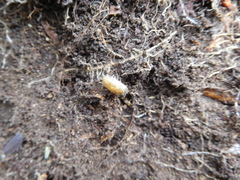
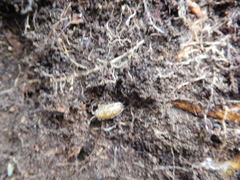
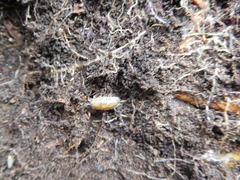
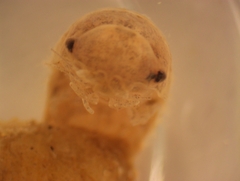
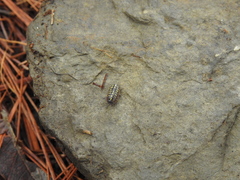
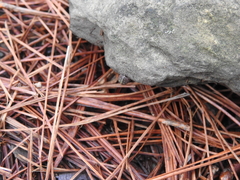
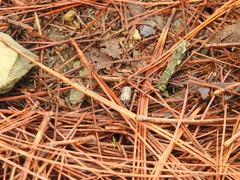
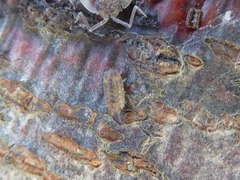
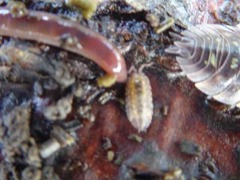
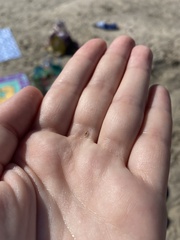
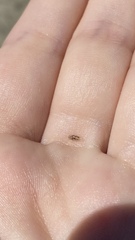
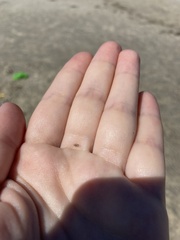
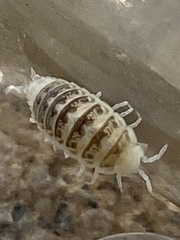
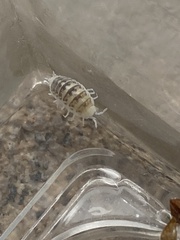
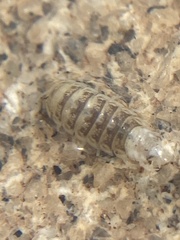
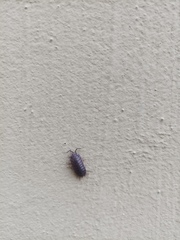
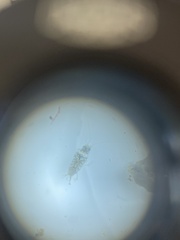
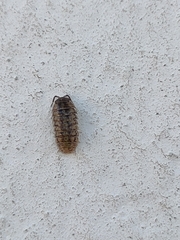
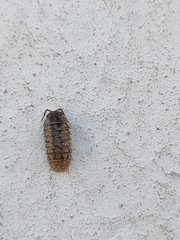
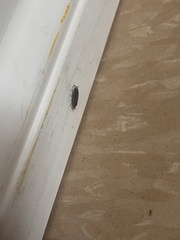
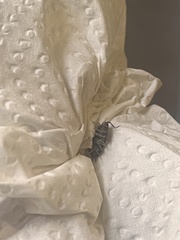
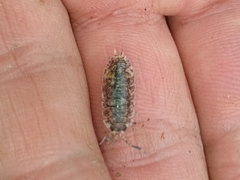
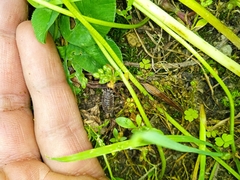
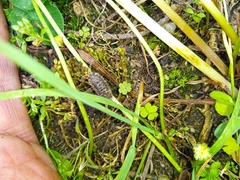
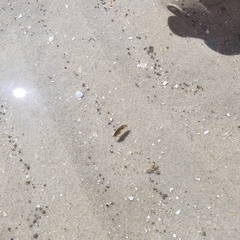
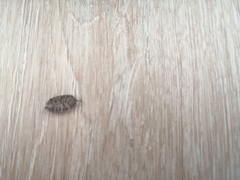
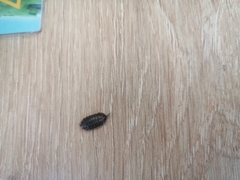
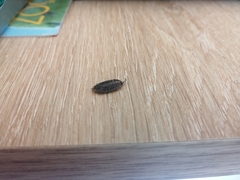
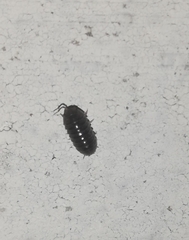
Images from inaturalist.org observations:
We recommend you sign up for this excellent, free service.
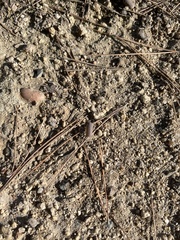
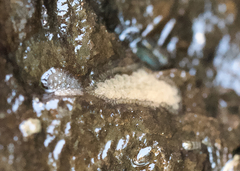
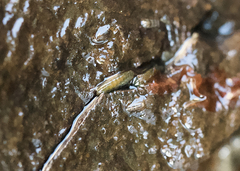
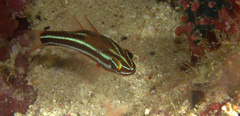
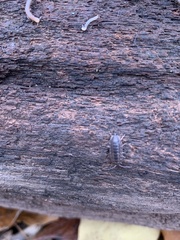
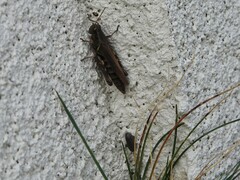
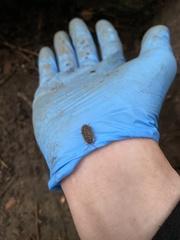
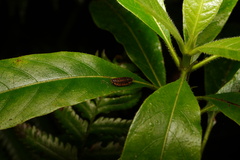
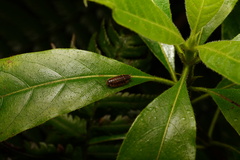
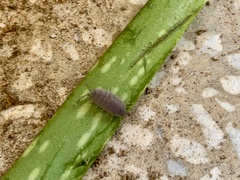
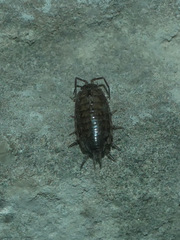
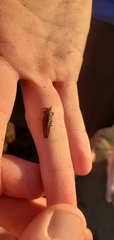
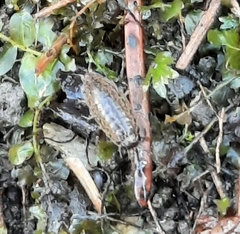
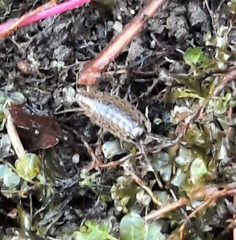
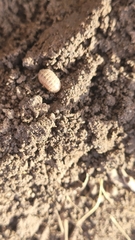

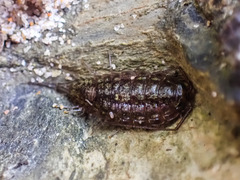
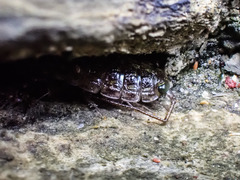
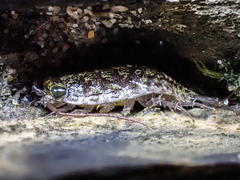
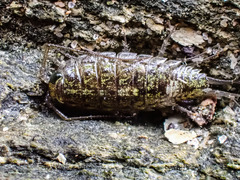


Parent Taxon
Sibling Taxa
Child Taxa
Top Observation Places
- Auburn
- Sant Cugat del Vallès
- Athens
- Salt Lake City
- Guadalajara
- Toluca
- Kendall
- Coral Gables
- Curitiba
- Albuquerque
- Nepean
- Santa Barbara
- Playa del Carmen
- Taipei
- Montréal
- Oak Lawn
- Luxembourg
- Bergamo
- Melbourne
- Melbourne City Centre
- Itagüí
- Envigado
- Lisbon
- Pula
- Berlin
- Kreuzberg
- Schöneberg
- Mitte
- Wilmersdorf
- Steglitz
- Ciudad Delicias
- Anaheim
- Santa Ana
- Orange
- Fullerton
- Placentia
- Belmont Cragin
- Logan Square
- Lincoln Park
- Portage Park
- Irving Park
- Berwyn
- Oak Park
- Albany Park
- Montpellier
- Budapest
- Budapest III. kerület
- Boston
- South Boston
- Cambridge