Lanius: taxon details and analytics
- Domain
- Kingdom
- Animalia
- Phylum
- Chordata
- Class
- Aves
- Order
- Passeriformes
- Family
- Laniidae
- Genus
- Lanius
- Species
- Scientific Name
- Lanius
Summary description from Wikipedia:
Lanius
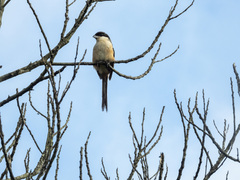
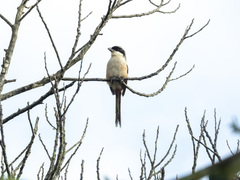
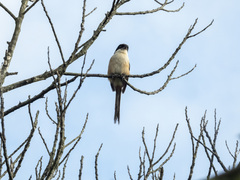
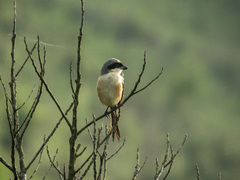
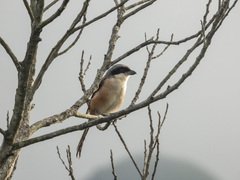
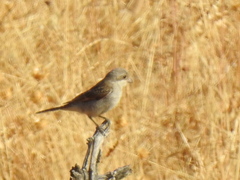
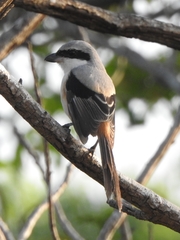
Lanius, the typical shrikes, are a genus of passerine birds in the shrike family Laniidae. The majority of the family's species are placed in this genus. The genus name, Lanius, is derived from the Latin word for "butcher", and some shrikes are also known as "butcher birds" because of their feeding habits. The common English name "shrike" is from Old English scríc, "shriek", referring to the shrill call.
Some African species are known as fiscals. That name comes from the Afrikaans word fiskaal ("public official", especially a hangman), because they hang their prey on thorns for storage.
Most Lanius species occur in Eurasia and Africa, but the Northern shrike is found in eastern Asia and North America, while the loggerhead shrike is confined to North America. There are no members of this genus or the shrike family in South America or Australia.
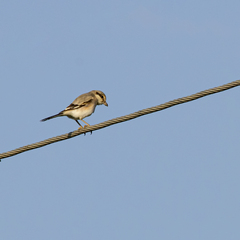
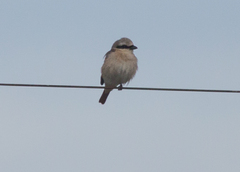
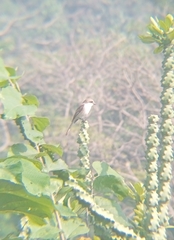
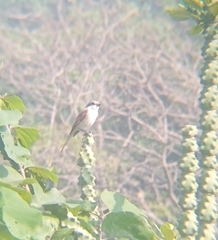
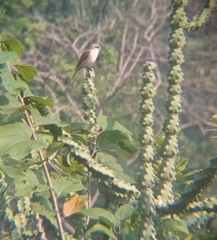
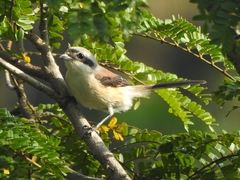
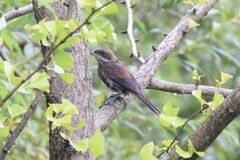
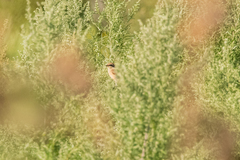
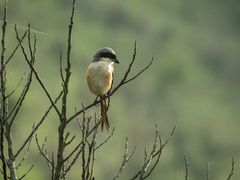
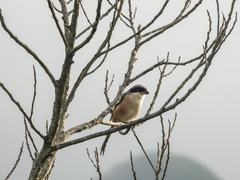
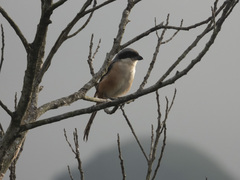
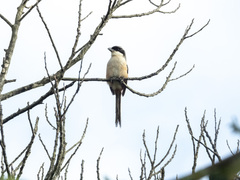
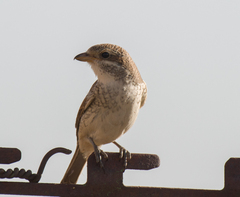
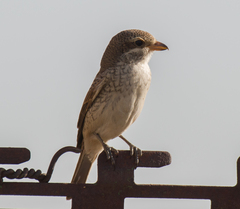
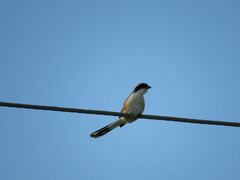
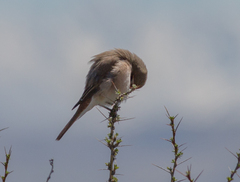
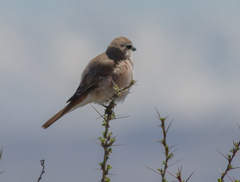
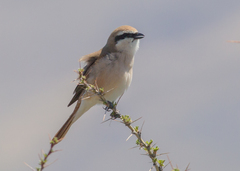
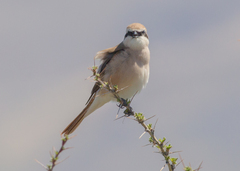
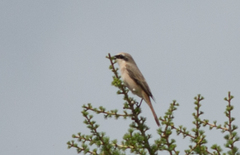
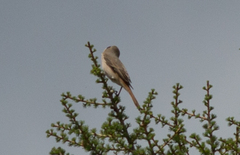
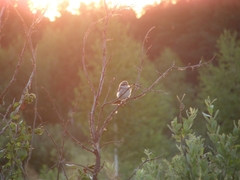
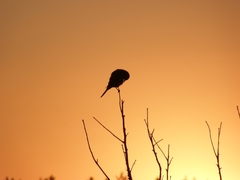
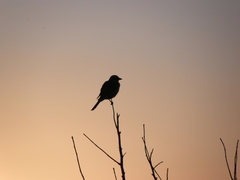
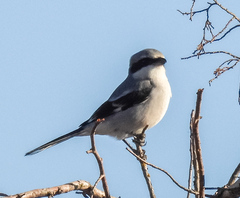
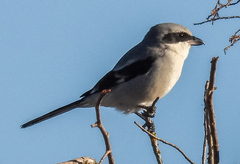
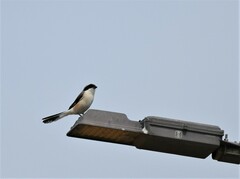
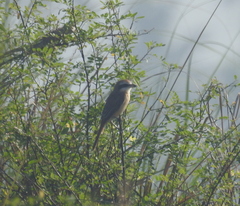
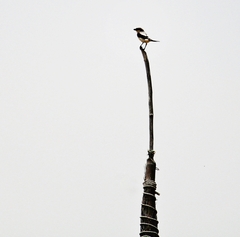
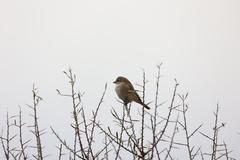
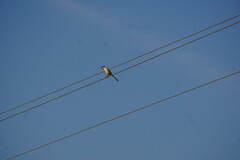
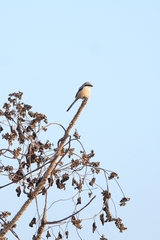
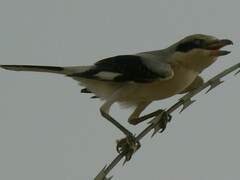
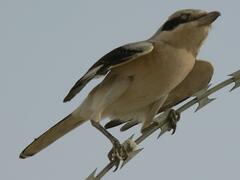
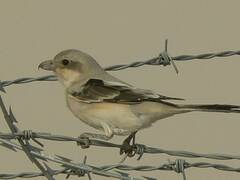
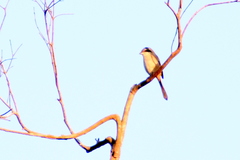
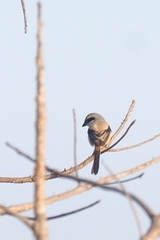
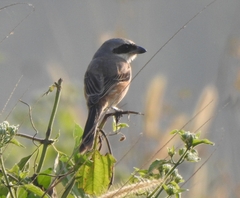
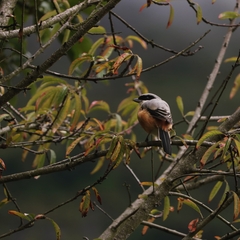
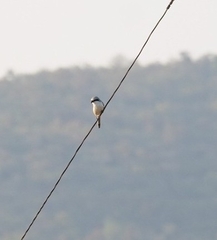
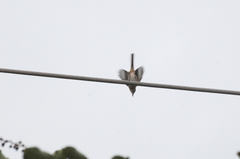
Lanius shrikes are birds of open habitats typically seen perched upright on a prominent perch like a treetop or a telephone pole. They sally out for prey, taken in flight or the ground. These species primarily take large insects, but will also take small birds, reptiles and mammals. For large northern species such as the great grey, the majority of the prey will be vertebrates, especially in winter.
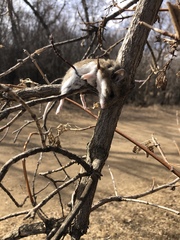
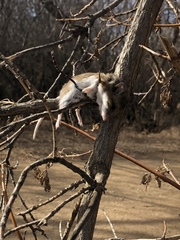
Despite their diet, these are not true birds of prey, and lack the strong talons of the raptors. Though they use their feet to hold smaller insects, larger prey items are impaled upon a sharp point, such as a thorn or the barbs of barbed wire. Thus secured they can be ripped open with the hooked bill.
Most Lanius shrikes are solitary, except when breeding and are highly territorial. Northern or temperate species such as the great grey and red-backed shrikes are migratory and winter well south of the breeding range.
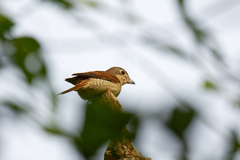
The sexes of most species are distinguishable, the male invariably being the brighter bird where there is a difference.
There are some natural groupings within the genus, such as the seven African fiscals, the large grey species (ludovicianus, excubitor, meridionalis and sphenocercus) and the Eurasian brown-backed species (tigrinus, bucephalus, collurio, isabellinus, cristatus and gubernator). In the last group in particular, it has been difficult to define species’ boundaries, and in the past several of these shrikes have been lumped as conspecific.
The prehistoric shrike Lanius miocaenus has been described from Early Miocene fossils found at Langy, France.
...Lanius in languages:
- Bokmål
- Typiske varslere
- Bulgarian
- Сврачки
- Chinese
- 伯勞屬
- Czech
- Ťuhýk
- Dutch
- Echte klauwieren
- English
- Typical Shrikes
- Estonian
- Õgijad
- French
- Pie-grièches
- German
- Echte Würger
- German
- Elsterwürger (Gattung)
- Hebrew
- חנקן
- Japanese
- モズ属
- Korean
- 때까치속
- Portuguese
- Picanços
- Russian
- Сорокопуты
- Thai
- นกอีเสือสามัญ
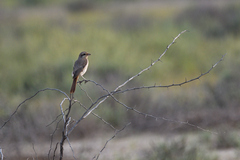
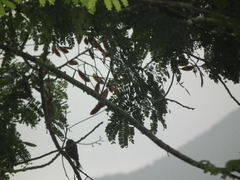
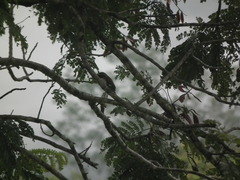
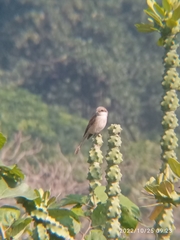
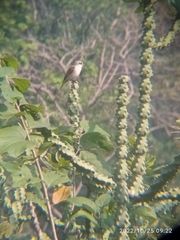
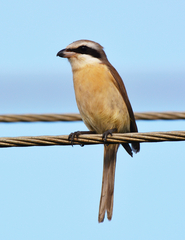
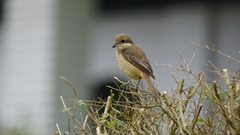
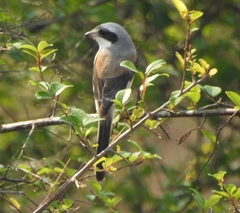
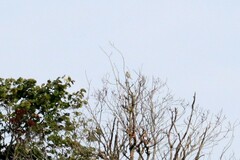
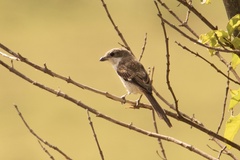
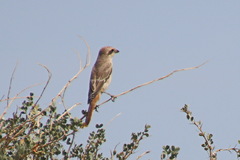
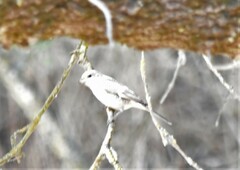
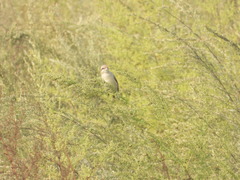
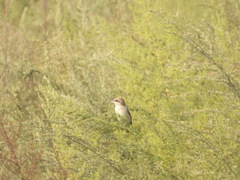
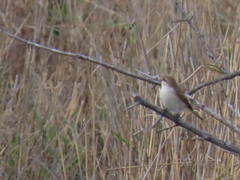
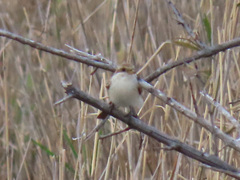
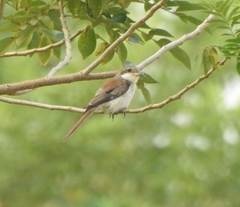
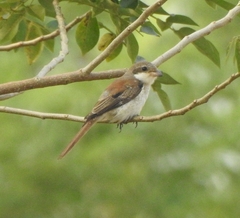
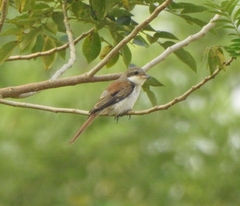
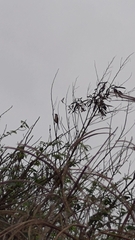
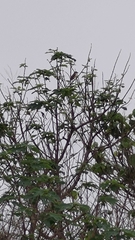
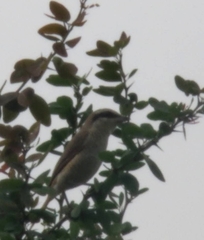
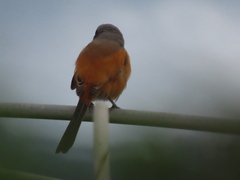
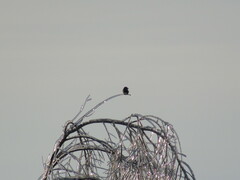
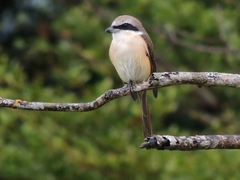
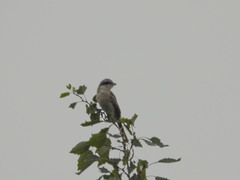
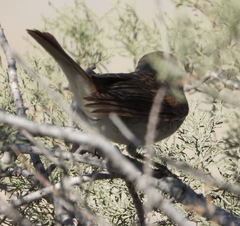
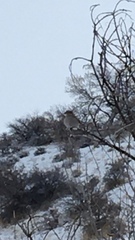
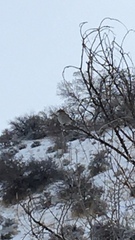
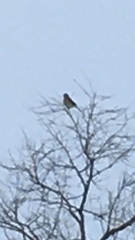
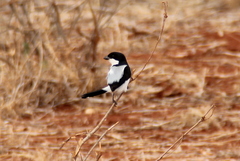
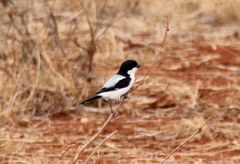
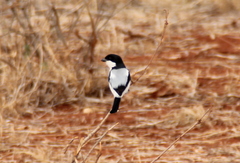
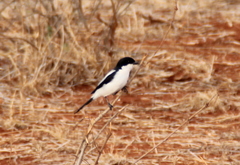
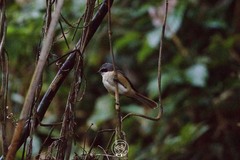
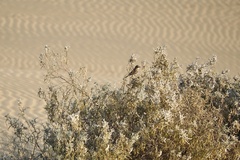
Images from inaturalist.org observations:
We recommend you sign up for this excellent, free service.
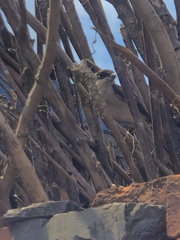
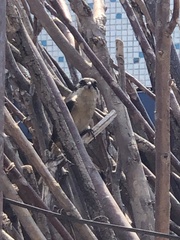
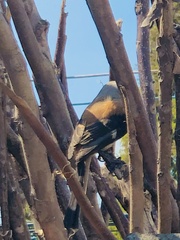
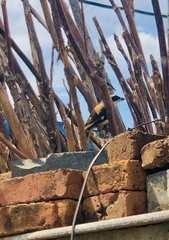
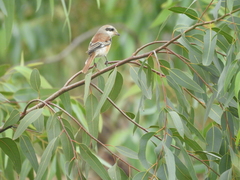
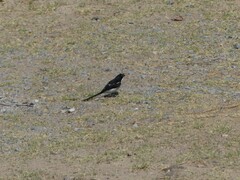
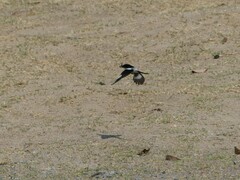
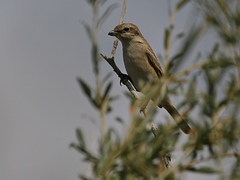
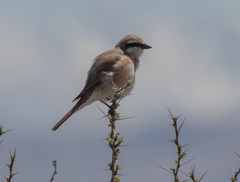
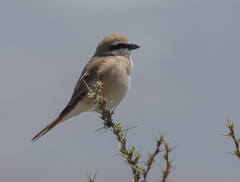
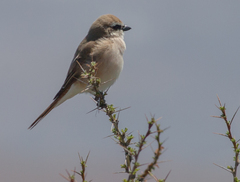
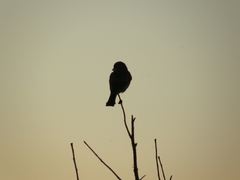
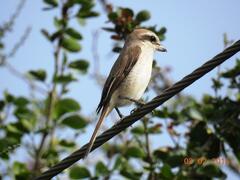
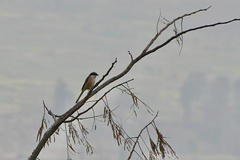
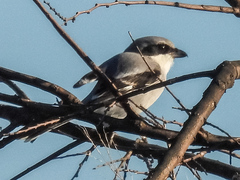
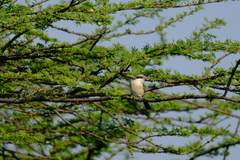
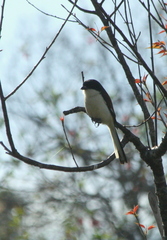
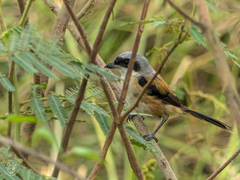


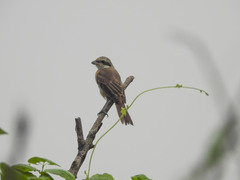
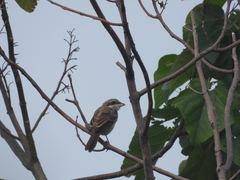
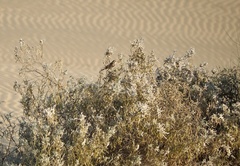
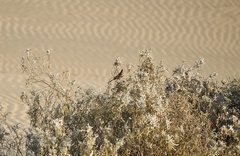
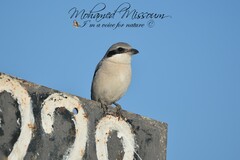
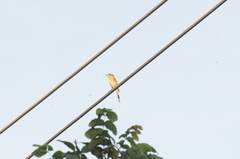

Parent Taxon
Sibling Taxa
Child Taxa
- Lanius borealis
- Lanius bucephalus
- Lanius cabanisi
- Lanius collaris
- Lanius collurio
- Lanius collurioides
- Lanius corvinus
- Lanius cristatus
- Lanius dorsalis
- Lanius excubitor
- Lanius excubitoroides
- Lanius giganteus
- Lanius gubernator
- Lanius humeralis
- Lanius humeralis × collaris
- Lanius isabellinus
- Lanius ludovicianus
- Lanius mackinnoni
- Lanius melanoleucus
- Lanius meridionalis
- Lanius minor
- Lanius newtoni
- Lanius nubicus
- Lanius phoenicuroides
- Lanius schach
- Lanius senator
- Lanius somalicus
- Lanius souzae
- Lanius sphenocercus
- Lanius tephronotus
- Lanius tigrinus
- Lanius validirostris
- Lanius vittatus