Latrodectus hesperus: taxon details and analytics
- Domain
- Kingdom
- Animalia
- Phylum
- Arthropoda
- Class
- Arachnida
- Order
- Araneae
- Family
- Theridiidae
- Genus
- Latrodectus
- Species
- Latrodectus hesperus
- Scientific Name
- Latrodectus hesperus
Summary description from Wikipedia:
Latrodectus hesperus
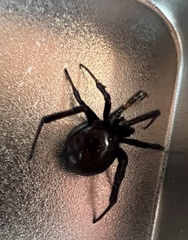
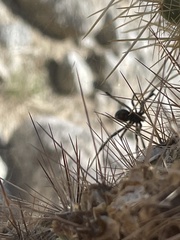
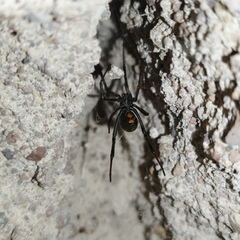
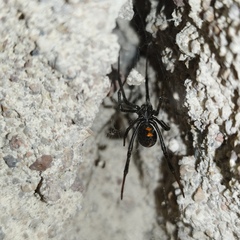
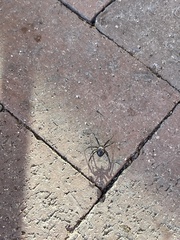
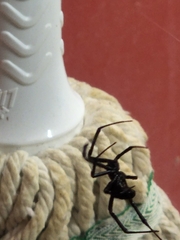
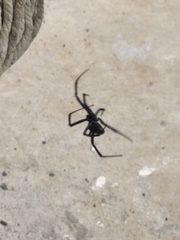
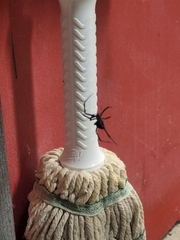
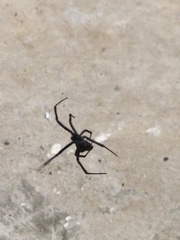
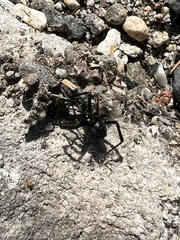
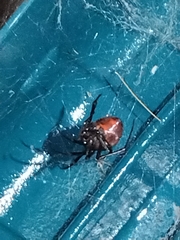
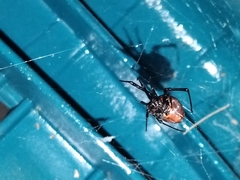
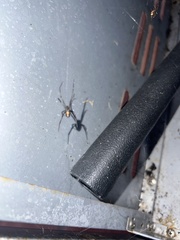
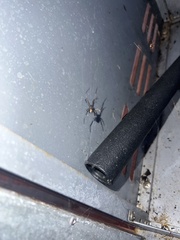
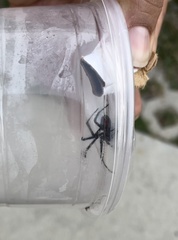
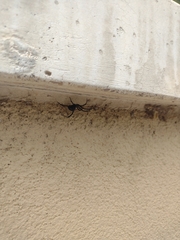
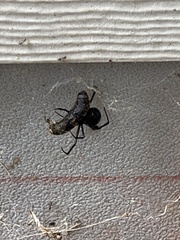
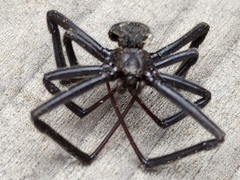
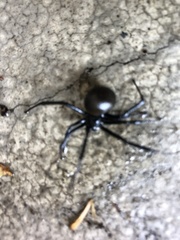
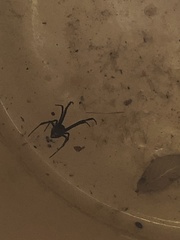
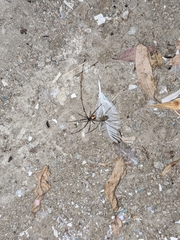
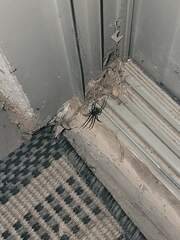
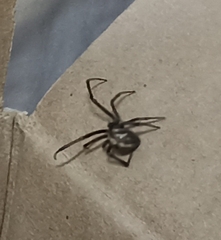
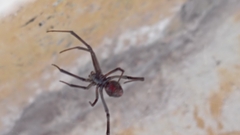
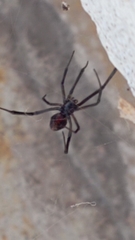
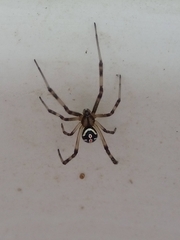
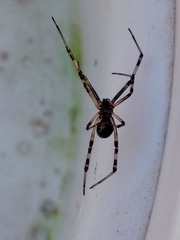
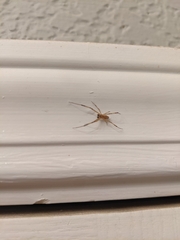
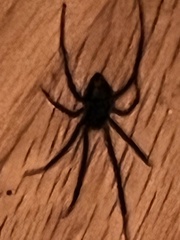
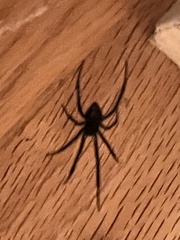
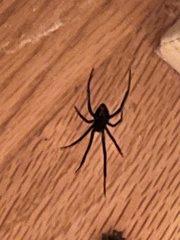
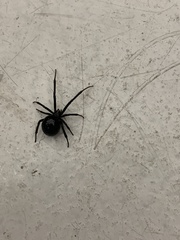
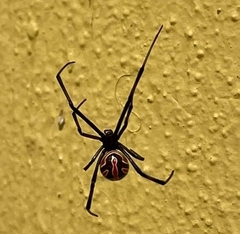
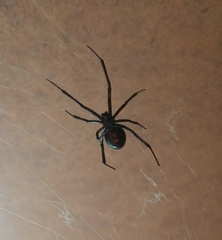
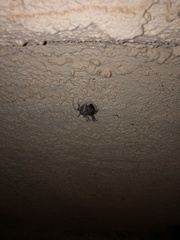
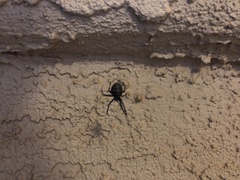
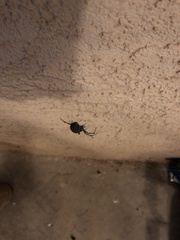
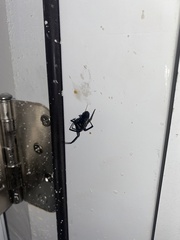
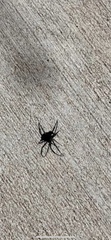
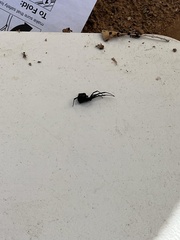
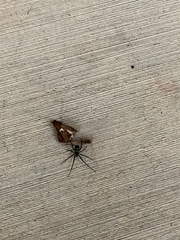
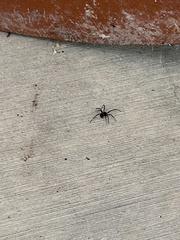
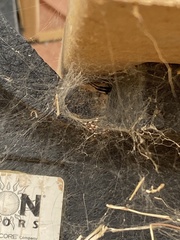
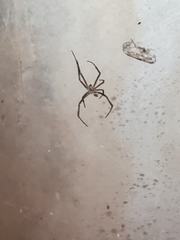
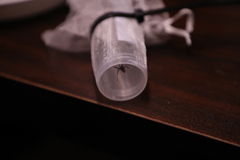
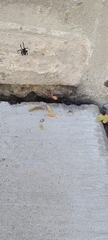
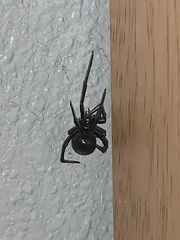
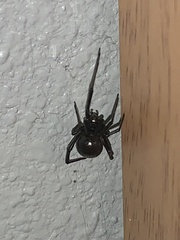
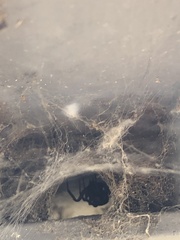
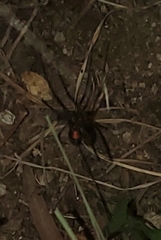
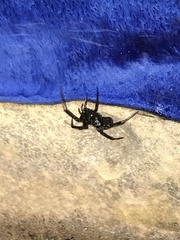
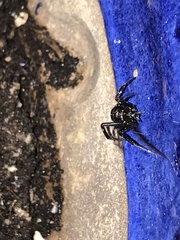
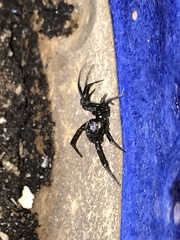
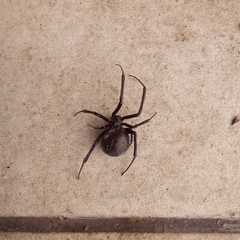
Latrodectus hesperus, the Western Black Widow Spider or Western Widow, is a venomous spider species found in western regions of North America. The female's body is 14–16 mm (1/2 in) in length and is black, often with an hourglass-shaped red mark on the lower abdomen. This "hourglass" mark can be red, yellow, and on rare occasions, white. The male of the species is around half this length, and generally a beige color with lighter striping on the abdomen. The population was previously described as a subspecies of Latrodectus mactans, and it is closely related to the northern species Latrodectus variolus. The species, as with others of the genus, build irregular or "messy" webs. Unlike the spiral webs or the tunnel-shaped webs of other spiders, the strands of a Latrodectus' web have no apparent organization.
Female black widows have potent venom containing a neurotoxin (α-latrotoxin) active against a range of organisms. In humans, symptoms of this venom include pain, nausea, vomiting, goosebumps, and localized sweating.
In historical literature, fatalities were reported at anywhere between 0.5% and 12%, but studies within the past several decades have been unable to confirm any fatalities from any of the U.S. species of Latrodectus (e.g. zero fatalities among 23,409 documented Latrodectus bites from 2000 through 2008). The female's consumption of the male after courtship, a cannibalistic and suicidal behavior observed in Latrodectus hasseltii, is rare in this species. Male western widows may breed several times during their relatively short lifespans. Males are known to show preference for mating with well-fed females over starved ones, taking cues from the females' webs.
...Latrodectus hesperus in languages:
- Czech
- snovačka kalifornská
- English
- Western Black Widow
- French
- Veuve noire de l'Ouest
- German
- Westliche Schwarze Witwe
- Japanese
- ツヤクロゴケグモ
- Portuguese
- Viúva-negra-ocidental
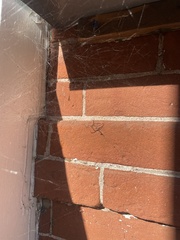
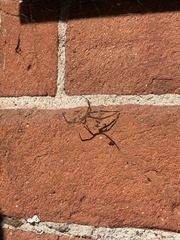
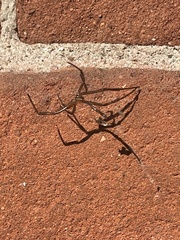
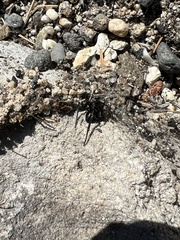
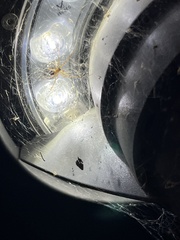
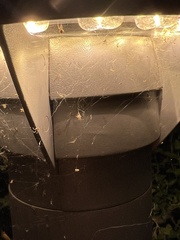
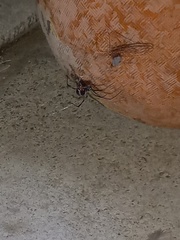
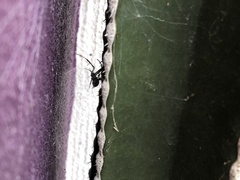
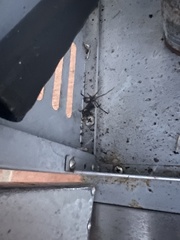
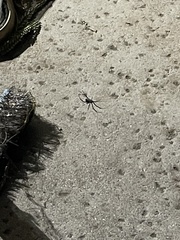
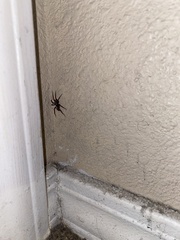
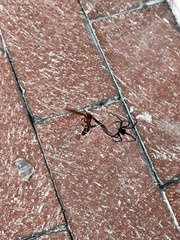
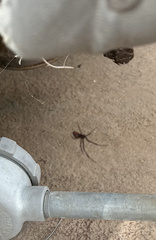
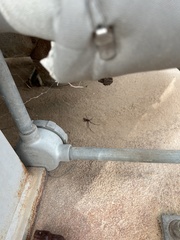
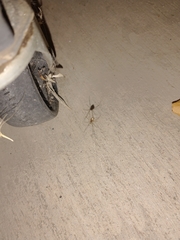
Images from inaturalist.org observations:
We recommend you sign up for this excellent, free service.
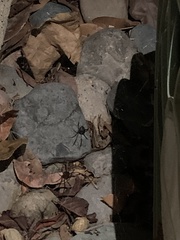
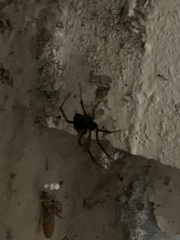
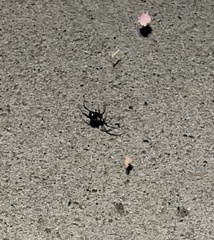
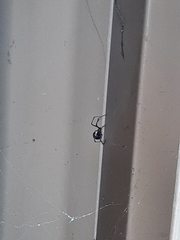
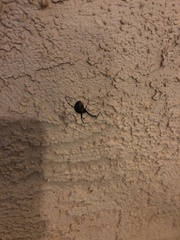
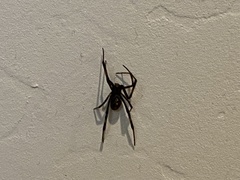
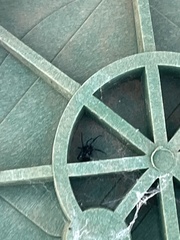

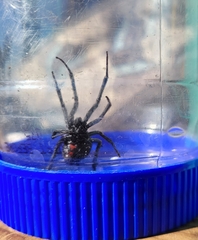
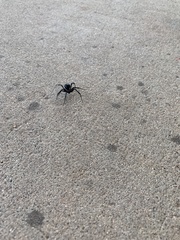
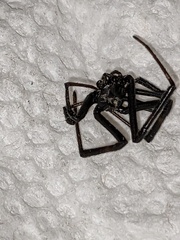
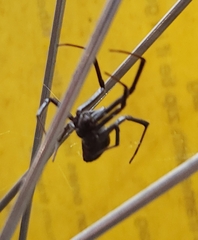
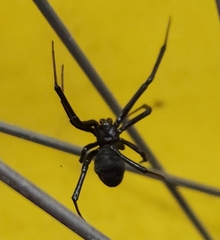
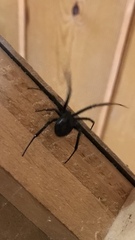
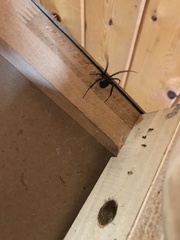
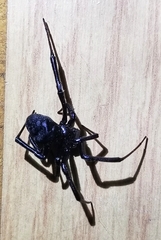

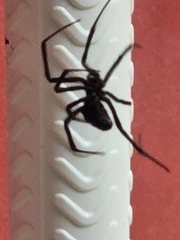
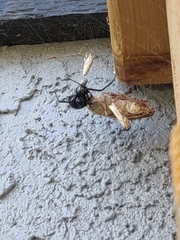
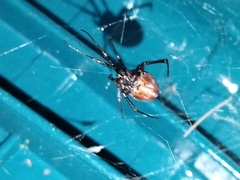
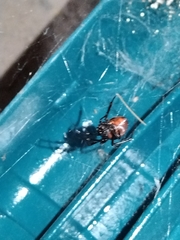
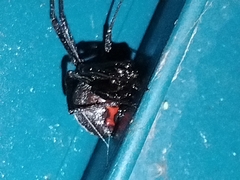
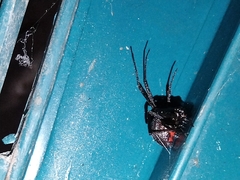
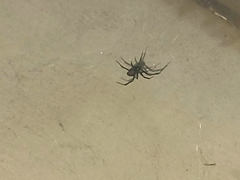
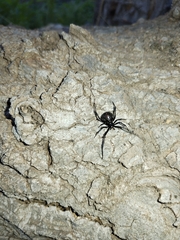
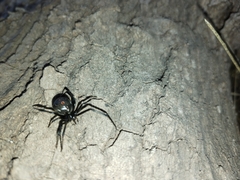
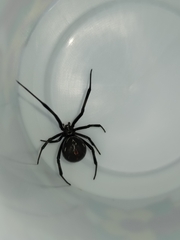
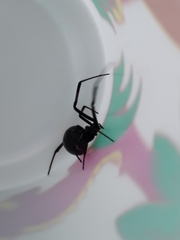
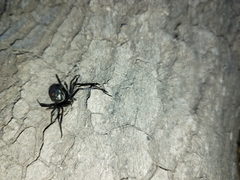
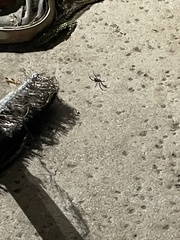
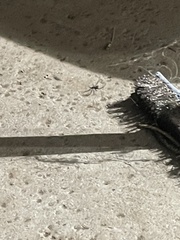
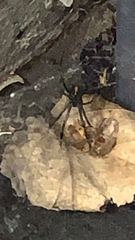
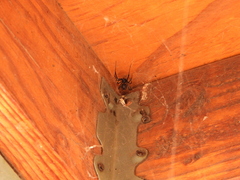
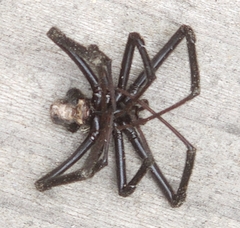
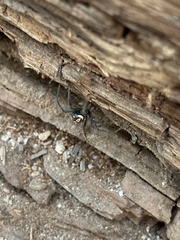
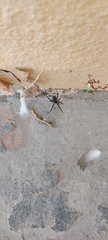
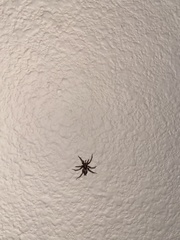
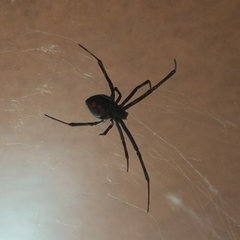
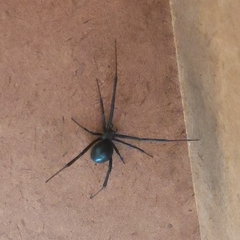
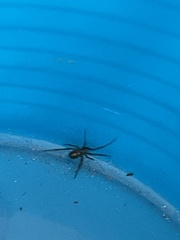
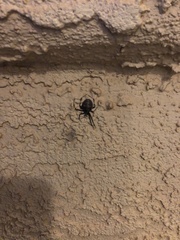
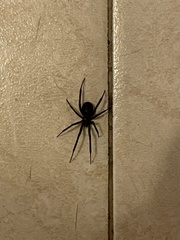
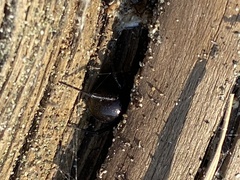
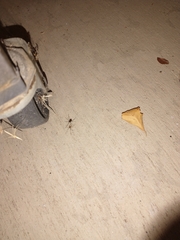
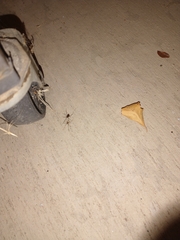
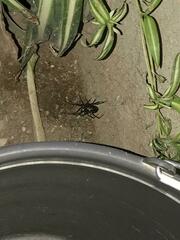
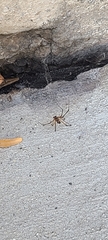
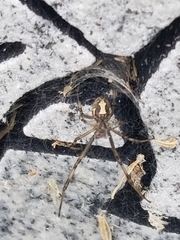
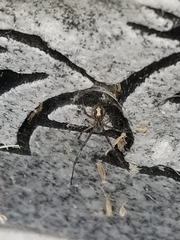
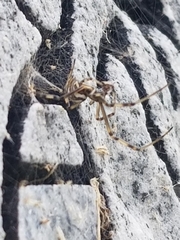

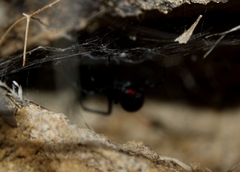
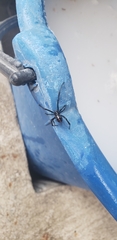
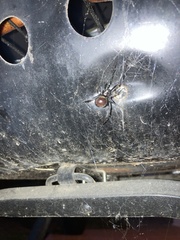
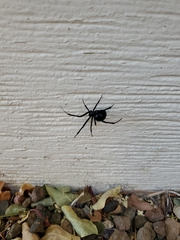
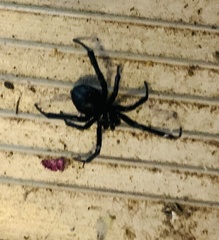
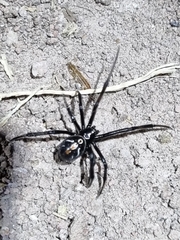
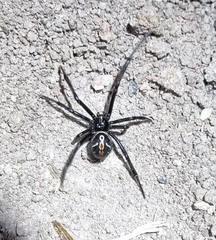
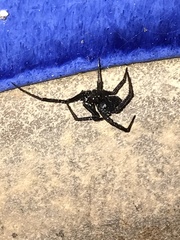
Parent Taxon
Sibling Taxa
- Latrodectus antheratus
- Latrodectus apicalis
- Latrodectus bishopi
- Latrodectus cinctus
- Latrodectus corallinus
- Latrodectus curacaviensis
- Latrodectus dahli
- Latrodectus diaguita
- Latrodectus elegans
- Latrodectus erythromelas
- Latrodectus garbae
- Latrodectus geometricus
- Latrodectus hasselti
- Latrodectus hesperus
- Latrodectus hystrix
- Latrodectus indistinctus
- Latrodectus karrooensis
- Latrodectus katipo
- Latrodectus lilianae
- Latrodectus mactans
- Latrodectus menavodi
- Latrodectus mirabilis
- Latrodectus obscurior
- Latrodectus pallidus
- Latrodectus quartus
- Latrodectus renivulvatus
- Latrodectus revivensis
- Latrodectus rhodesiensis
- Latrodectus thoracicus
- Latrodectus tredecimguttatus
- Latrodectus umbukwane
- Latrodectus variegatus
- Latrodectus variolus
Top Observation Places
- Tulsa
- Aguascalientes
- Puebla
- Cholula
- Ciudad General Escobedo
- Avondale
- Grand Junction
- Saint George
- Redding
- Las Vegas
- North Las Vegas
- Hermosillo
- Flagstaff
- Torreón
- Ciudad Lerdo
- Ventura
- Santa Fe
- Merced
- Chihuahua
- Ogden
- Tri-Cities
- Richland
- Victoria de Durango
- Midland
- Porterville
- Odessa
- Lubbock
- Victorville
- Hesperia
- Kamloops
- Boulder
- Bakersfield
- Fort Collins
- Longmont
- Loveland
- Chico
- Medford
- Modesto
- Fresno
- Clovis
- Kelowna
- Santa Barbara
- Ciudad Delicias
- Boise
- Meridian
- Reno
- Sparks
- Ciudad Juárez
- El Paso
- Cathedral City